
This Texas Lake Is Among The State’s Better-Known Spots For Snake Sightings
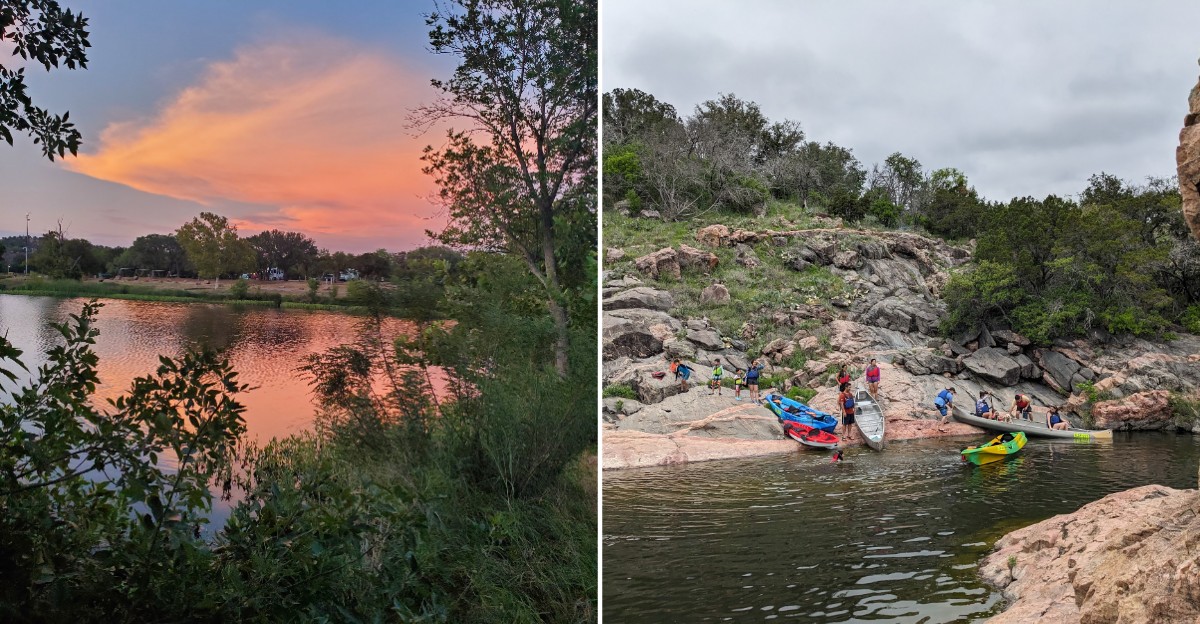
Snakes very often give a warning before they strike, but the problem is that most of us never even notice it. This Texas lake ranks among the state’s better-known spots for sightings, making that warning worth paying attention to.
Wildlife officials tracked increased activity across this specific area compared to previous seasons. Warmer temperatures likely played a role, keeping snake activity higher during peak summer months.
Wooded shorelines and rocky areas tend to see the highest concentrations, especially near the water’s edge. Visitors report more frequent encounters lately, sometimes even along popular swimming and fishing spots.
Officials recommend basic precautions like watching where you step and avoiding tall grass near the shore. This lake remains worth visiting, provided guests stay aware of exactly what shares the water with them.
What Makes This Place So Special
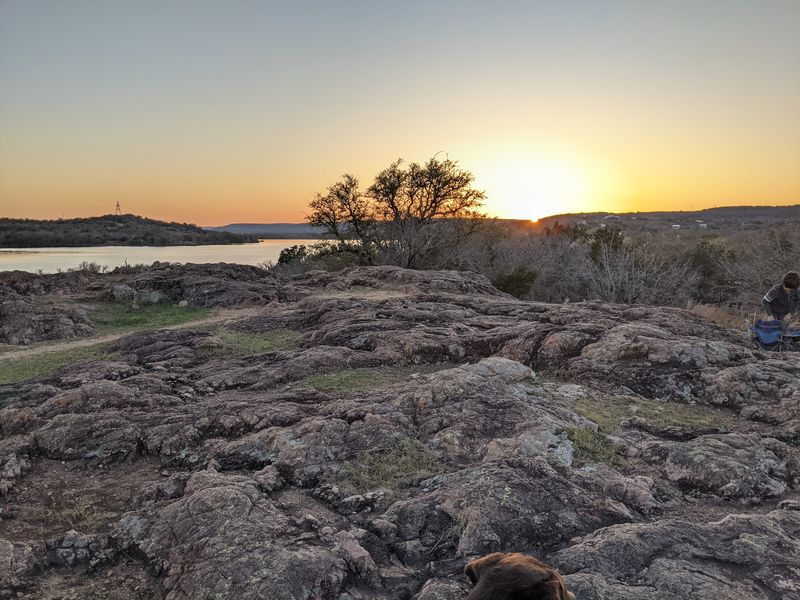
Some lakes shrink into sad mud puddles during a Texas drought. Inks Lake does not.
It holds a constant water level year-round, which is why swimmers, paddlers, and anglers keep showing up even in brutal summers. That reliability is rare in Central Texas, and it explains a lot of the lake’s loyal following.
The scenery pulls its own weight too. Sparkling blue water sits against outcrops of pink Valley Spring gneiss, a metamorphic rock that belongs to the Llano Uplift and dates back more than 600 million years.
Standing near stone that old has a way of putting your weekend plans in perspective. The rock islands scattered through the lake glow warm and rosy when the sun drops, and sunsets here are genuinely a main attraction.
History runs through the place as well. The Civilian Conservation Corps started developing the area in the 1930s, and Texas acquired the land in 1940.
The lake itself was created in 1938 as part of the chain of dams along the Colorado River, fed by water released from Lake Buchanan. Roughly 800 acres of water spread across Burnet and Llano counties.
Snake sightings come with the territory, since warm granite and shoreline brush make ideal reptile real estate. You can find the park at 3630 Park Road 4 West, Burnet, TX 78611.
A Haven For Wildlife
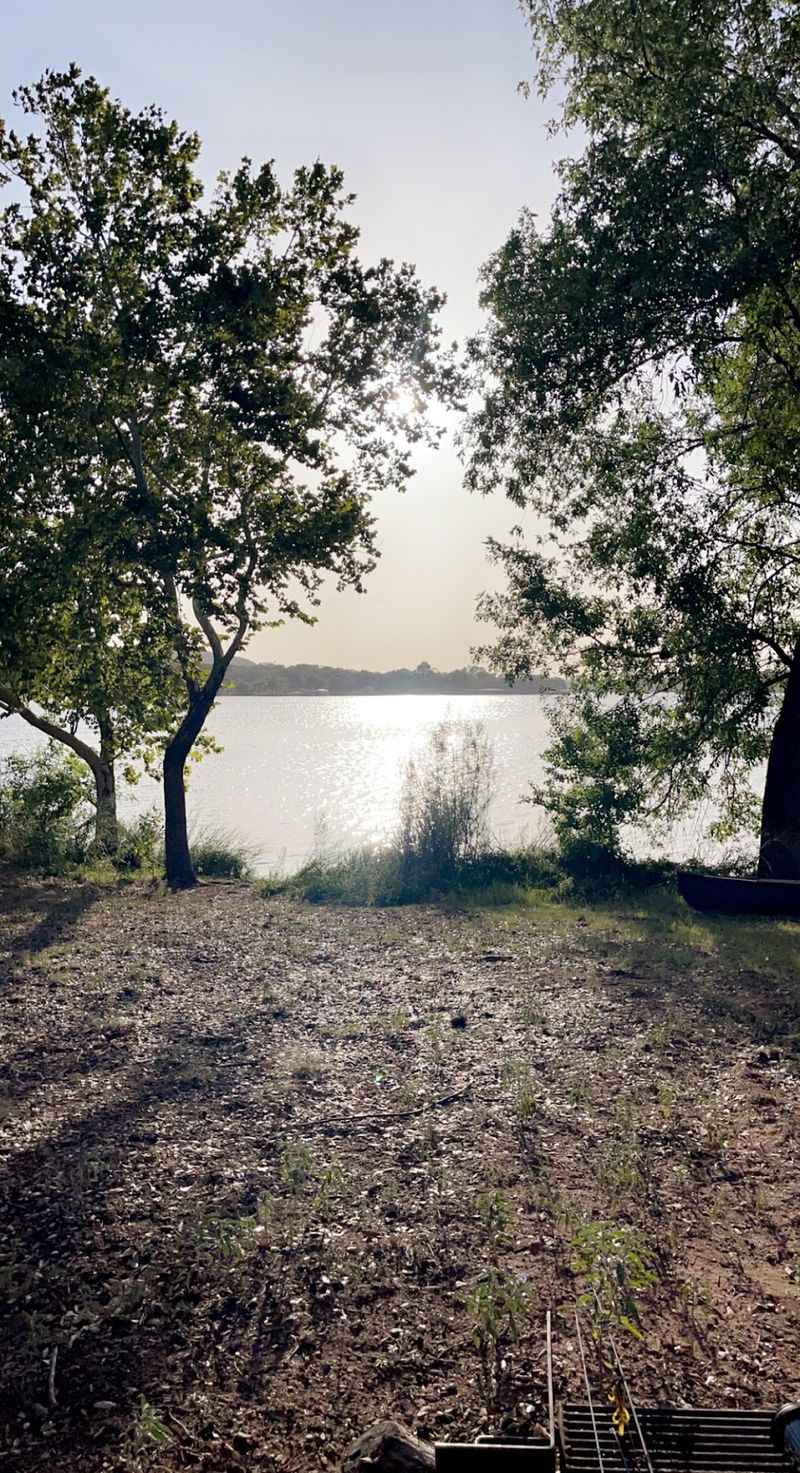
Deer wander through the campgrounds like they pay rent. Morning visitors often spot whole groups of white-tailed deer browsing near the trails, completely unbothered by people with coffee cups.
Raccoons, squirrels, armadillos, skunks, and rabbits round out the regular cast. Foxes, ringtails, and coyotes turn up less often, usually at dawn or dusk.
Birders have a good reason to bring binoculars. Turkey vultures circle overhead, great blue herons and snowy egrets stalk the shallows, and mallards and wood ducks paddle around the coves.
Cardinals flash red through the brush while owls, hawks, and ospreys handle the hunting shift. A dedicated bird blind gives you a quiet place to watch without spooking anything.
Reptiles and amphibians are everywhere, which brings us back to the snake reputation. Lizards dart across sun-warmed granite, salamanders hide in damp creek edges, and red-eared sliders, snapping turtles, and softshell turtles share the logs and rocks.
Snakes use the same habitat, so keeping your eyes on the ground is simply smart practice here.
Plant life matters too. Ashe juniper, mesquite, live oak, and Texas persimmon grow across the hills, and spring brings bluebonnets and Indian paintbrush in sheets of color.
Cacti, yucca, and bee brush fill the gaps between native grasses, creating exactly the kind of cover wildlife loves.
Water Activities Galore
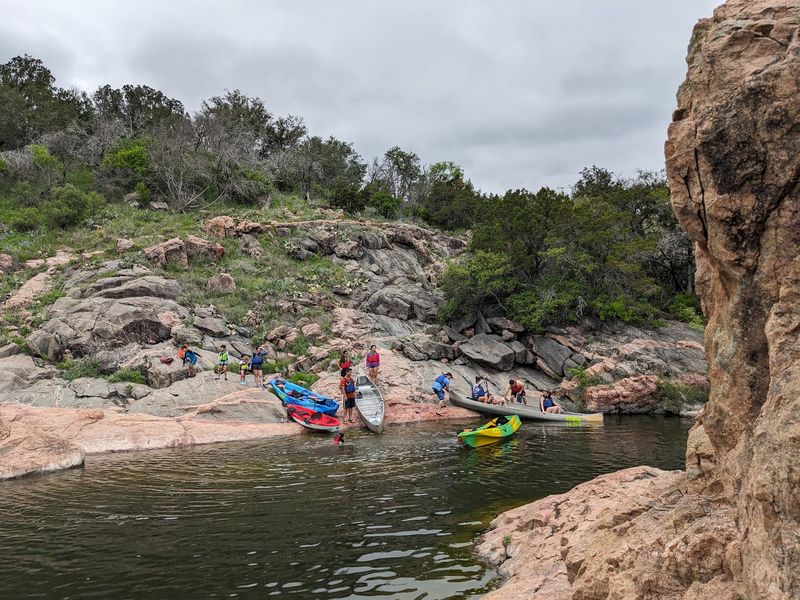
Eight hundred acres of dependable water means you can plan a paddling trip without checking a drought map first. Kayaks glide, paddleboards wobble, and nobody has to drag a boat across cracked mud.
A large no-wake zone covers part of the lake, which makes it wonderfully calm for canoes and stand-up paddleboards.
Rentals take the hassle out of the whole thing. The park store offers paddle boats, canoes, single and double kayaks, and SUPs, so you do not need a roof rack or a truck to enjoy the day.
Swimming, boating, water skiing, and even scuba diving all happen here. No lifeguards are on duty anywhere, so swimmers need to keep track of their own group.
Anglers have plenty to work with. Sunfish, catfish, and several bass species live in the lake, and there is even a mirror carp story or two floating around.
Two fishing piers, fish cleaning stations, and a boat ramp cover the practical side of things. One nice bonus is that you do not need a fishing license when casting from a pier or the shore inside a state park.
Forgot your gear? Rods, reels, and tackle boxes can be borrowed at the park.
Watch the shoreline brush while wading, since water snakes are part of the ecosystem and prefer to be left alone.
The Iconic Devil’s Waterhole
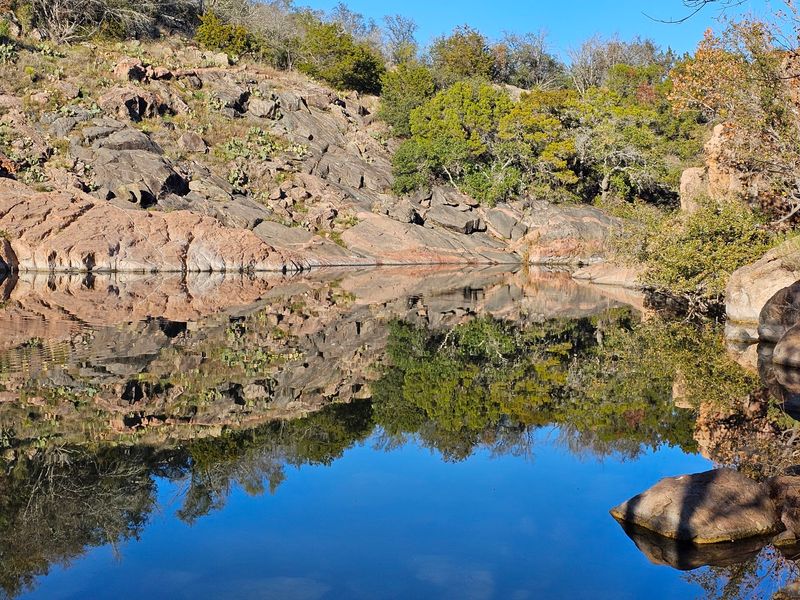
Ask anyone who has spent a summer day at this lake, and the same name comes up. Devil’s Waterhole is the swimming cove that made the place famous.
Sitting on the east end of the state park, it is an extension of the lake almost completely ringed by granite formations.
Rock ledges rise to 40 feet above the water, and jumping from them is something of a local tradition. Brave folks go high, sensible folks pick a lower shelf, and everybody argues about which is smarter.
No lifeguards watch this area, so anyone jumping needs to check depth and conditions carefully before leaping.
Getting there is half the fun. A short hike leads down to the cove, or you can paddle over from the main lake, which honestly makes for a better arrival.
Spring Creek feeds the waterhole, keeping it fresh and cool even during hot stretches.
Shade is the secret weapon here. Old-growth forest and huge granite slabs wrap the cove, so it stays noticeably cooler than open water on a July afternoon.
The secluded feel is part of the appeal, though popularity means it rarely stays quiet for long.
Warm rocks around the edges do attract sunning snakes now and then, so glance before you plop your towel down.
Hiking Trails And Hidden Spots
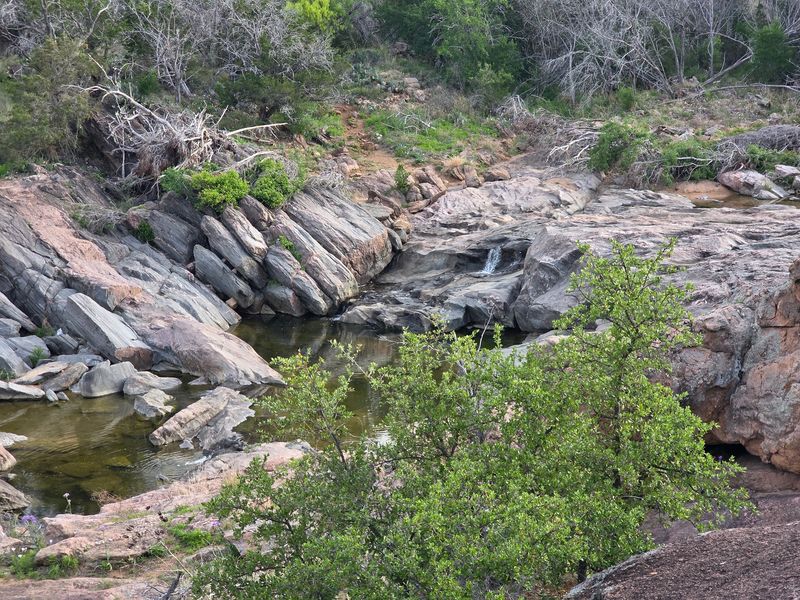
Nine miles of trails run through shady forest, rocky hills, oak woodlands, and those unmistakable pink granite outcrops. You can piece together a short stroll or a half-day route depending on your mood.
Valley Spring Creek Trail is the easy win, a 0.9-mile loop along Spring Creek through oaks, juniper, and mesquite. After an initial steep section, parts of it work for strollers and some wheelchairs.
Pecan Flats Trail runs 1.8 miles as a loop, or 3.3 miles if you follow the self-guided version. It passes pecan groves and climbs to overlooks with views toward Buchanan Dam, plus a few primitive campsites branch off it.
Woodland Trail is the rugged pick at 2.2 miles, full of oak woodlands, rocky outcrops, and big views.
The 1.3-mile interpretive Lake Trail explains the lakeshore plants and granite formations as you walk, and the bird blind sits along this route.
Here is the geeky gem. Gneiss islands in the park support tiny microhabitats where wildflowers, grasses, mosses, lichens, and ferns cling to bare rock.
Shallow rainwater basins called vernal pools form on those outcrops and host fairy shrimp, which are strange little creatures worth reading about. Visitors are asked to stay out of the pools entirely.
Staying on marked trails also cuts your odds of surprising a snake in tall grass.
Camping Under The Texas Sky
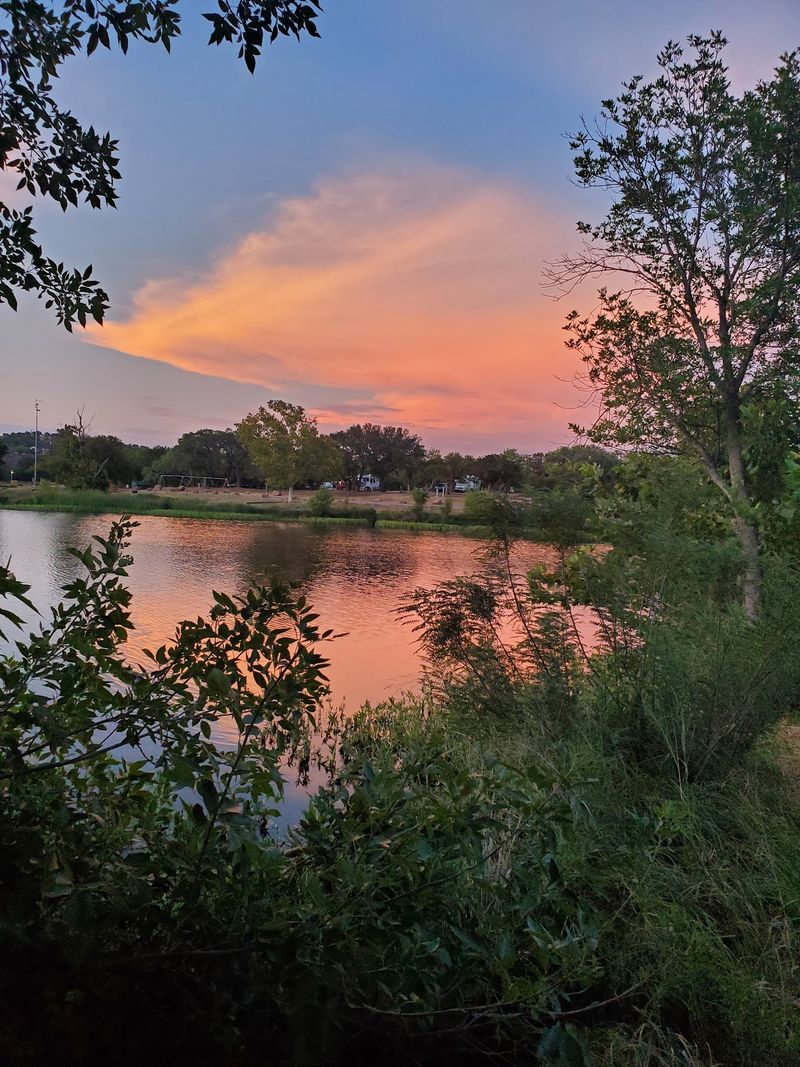
Nearly 200 campsites and 22 cabins make this one of the busier state parks in the Hill Country. Several sites and cabins are ADA-accessible.
Plenty of campsites sit right along the lake or just a short walk from it, which is exactly why they book up so fast.
Families tend to love the loops with playgrounds built in. Sites with electricity are available for anyone hauling a camper or who simply refuses to give up a fan in August.
Cabins take the sting out of rough weather and come in handy during cooler months.
For a quieter experience, primitive hike-in campsites branch off the Pecan Flats Trail. Reaching them means walking about 1.5 miles, and those sites have no water access.
Fires and pets are not allowed at the primitive spots, so plan your food and your dog situation accordingly.
Evenings are the real draw. Sunsets here light up the granite and the water at the same time, and stargazing is excellent once the campground quiets down.
Campfires are only permitted inside designated fire rings, which keeps the dry Hill Country brush safe.
Reservations are strongly recommended because the park regularly hits capacity. Showing up without one during peak season is a gamble you will probably lose.
Living With Snakes And Staying Safe
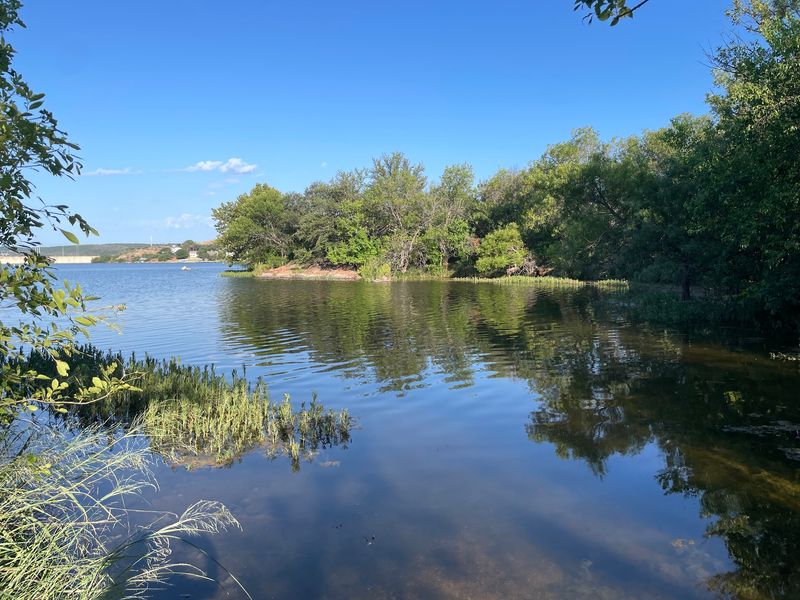
Reputations stick, and this lake has one for reptiles. Granite that bakes in the sun, thick shoreline brush, and constant water create pretty much the ideal setup for snakes.
Most sightings happen along rocky edges, in tall grass, or near the water where snakes hunt frogs and fish.
The good news is that snakes have zero interest in you. Nearly all bites happen when people poke, grab, or try to move them.
If one turns up on the trail, the correct move is boring and effective. Back away, give it room, and keep walking.
Small habits reduce your odds of a surprise encounter. Stick to designated trails instead of cutting through brush, watch where you place hands and feet on rock, and skip stepping over logs you cannot see behind.
Closed-toe shoes beat flip-flops on rocky ground every single time.
Swimmers should scan warm ledges before settling in, especially around quiet coves. Water snakes often sun themselves on rocks near the surface and will slip away on their own.
Campers can keep sites tidy, since food scraps attract rodents and rodents attract predators.
Approaching any wildlife, snakes included, is discouraged throughout the park. Treating them as scenery rather than a photo opportunity keeps everybody, including the snake, having a much better day.
Tips For Visiting
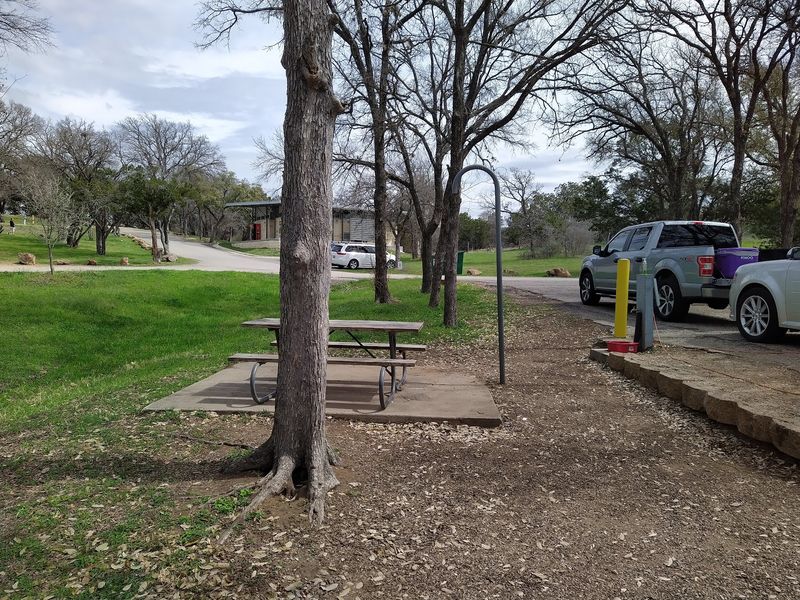
Rule number one around here is simple. Reserve ahead for camping and day use, because the park fills up and turning around after an hour’s drive stings. Weekends and holidays are the riskiest times to wing it.
Water is the other non-negotiable. Several trails have little shade, and Texas heat does not negotiate, so bring more than you think you need. Sunscreen, a hat, and real hiking shoes belong in the bag too.
Water shoes deserve a special mention. Shorelines here are rocky and slick in places, and slipping on wet granite is a fast way to ruin a good afternoon.
Bug spray is a smart add, since the brush and lakeside sites come with the usual crawly neighbors.
Leave No Trace is taken seriously. Pack out all trash, and leave plants, animals, rocks, and artifacts exactly where you found them, including those tempting pink granite pieces.
Vernal pools on the outcrops are fragile, so stay out of them.
Pets are welcome on leashes no longer than six feet, which also keeps curious noses away from snakes. Campfires belong only in designated rings, never loose on the ground.
Parking is limited, so carpooling helps everybody. Arriving early gives you better spots, cooler temperatures, and the best wildlife watching of the whole day.