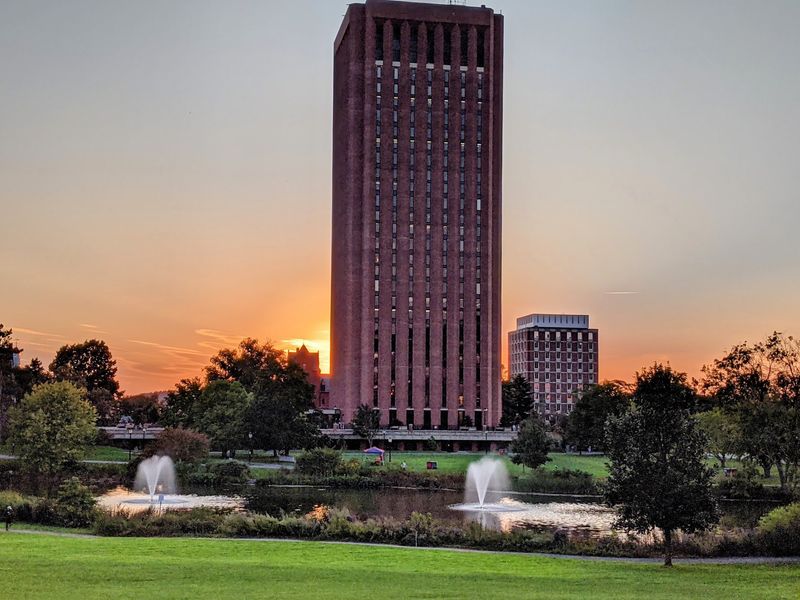
One library on this campus stands so tall that it ranks among the tallest academic libraries on any college campus. Yes, a library with its own spot on the skyline.
The same school runs the largest university foodservice program in the nation, serving more than 50,000 meals every single day. I can’t imagine what the grocery list looks like.
This public university in Massachusetts also keeps a warm Rainforest Room inside a historic conservatory for chilly New England days. I like how it pairs giant ambition with small, cozy surprises that anyone can enjoy on a visit.
It just landed a fresh spot among the country’s best colleges for 2026, and honestly, that got my attention fast. So what makes this campus worth a road trip, even if you have no plans to enroll?
A Flagship Campus That Plays Big On Every Level
Some schools grow into greatness, and this one started with seeds, literally. The University of Massachusetts Amherst began in 1863 as the Massachusetts Agricultural College.
Today it serves as the flagship campus of the entire University of Massachusetts system. That means it sets the pace for public higher education across the state.
It’s also a public land-grant research university. In plain words, it was built to share useful knowledge with regular people, not just a lucky few.
The campus spreads across 1,463 acres in the scenic Pioneer Valley of western Massachusetts. That’s a lot of ground to explore, so comfy shoes are a smart call.
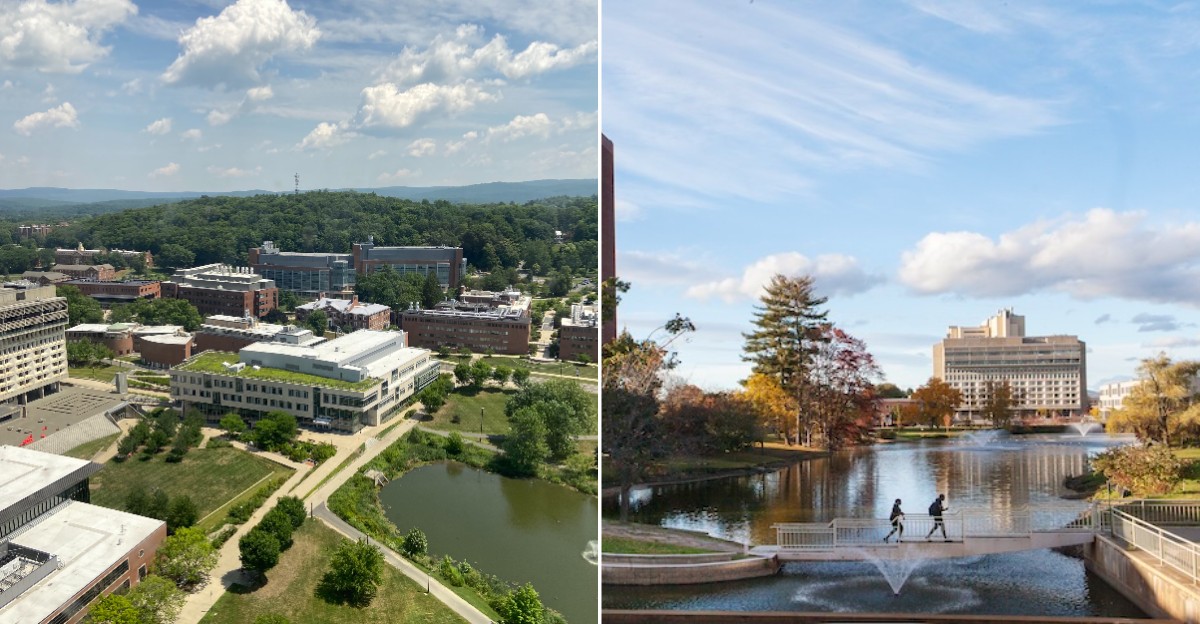
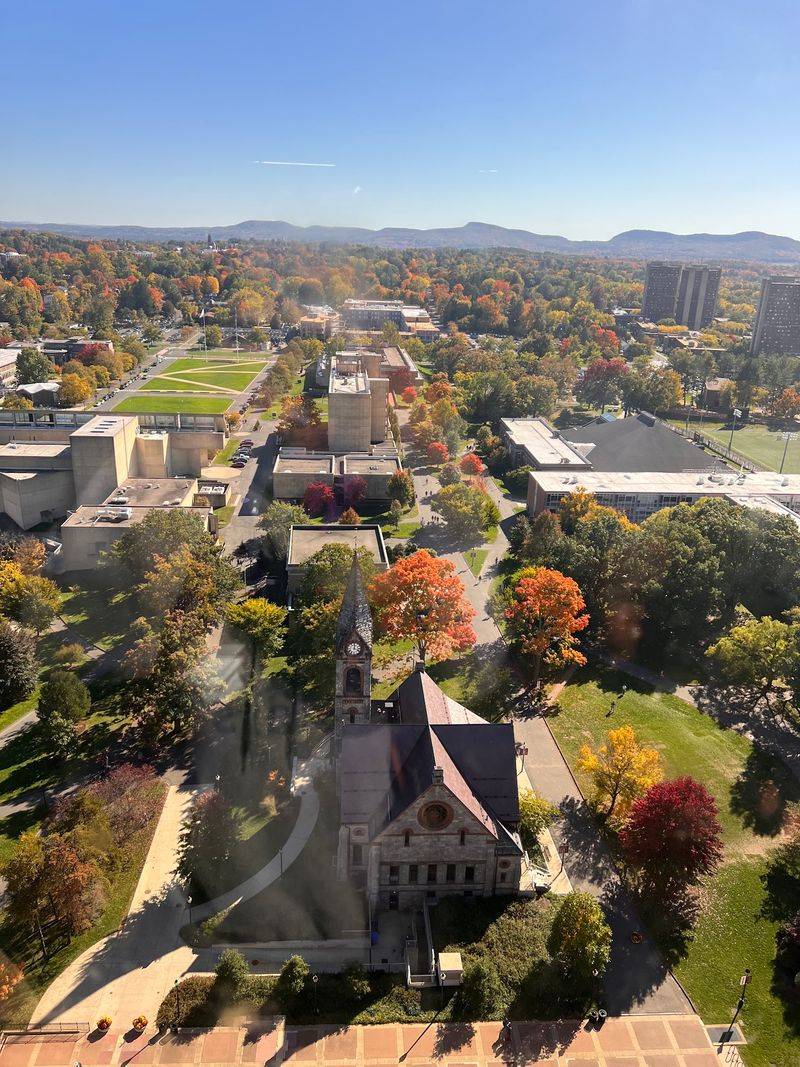
Plenty of colleges feel like a single street of buildings. Here, the place feels more like a small city with lawns, gardens, towers, and a pond.
For families touring schools, that size brings real options. Students can find quiet study corners one hour and a lively campus scene the next.
For casual visitors, it simply makes a great day out. You can wander past modernist landmarks, peek at gardens, and catch the energy of a busy academic hub.
The best part might be the mix of old and new. Farm-school roots still show up in its programs, while fresh buildings keep pushing things forward.
So yes, the 2026 attention makes sense. A campus this full of character tends to earn a second look.
Your Stomach Will Want A Campus Tour Of Its Own
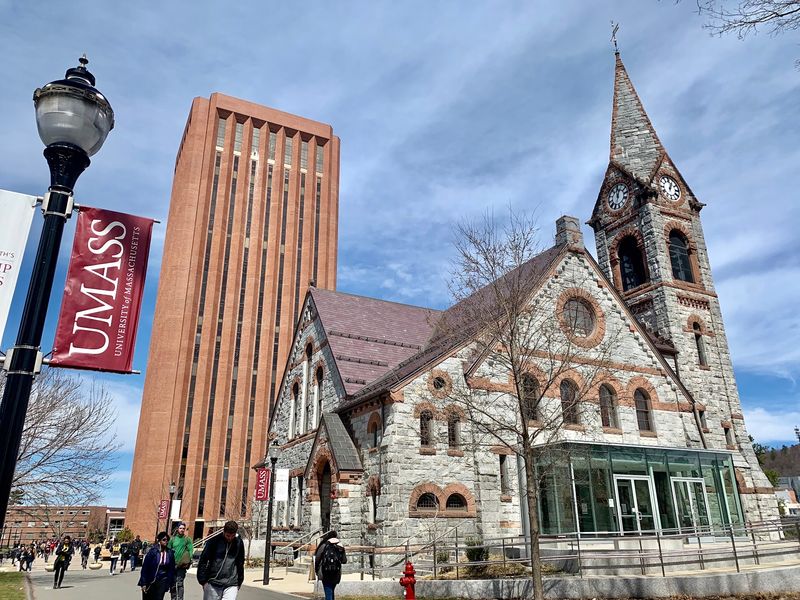
More than 50,000 meals a day. That’s how much food UMass Dining serves, making it the largest university foodservice program in the nation.
The setup is impressive. There are four residential dining commons, more than 30 retail cafés and markets, and a full-service catering program.
Big numbers can sound like cafeteria trays and mystery casseroles. The approach here leans the other way, with a real focus on fresh, thoughtful food.
The program puts a strong emphasis on sourcing locally. It supports the New England food system, so farms around the region get a seat at the table too.
Healthy and sustainable food practices sit at the heart of the plan. That means students eat well while the school keeps its footprint in mind.
Hampshire Dining Commons is a great example. It was renovated to serve as a model for wellness and sustainability, which sounds like a smart way to fuel a study day.
Franklin Dining Commons brings something special as well. It offers Certified Kosher Dining, so more students can sit down to meals that fit their needs.
For parents, this section of campus life matters more than you might expect. Good food helps students feel at home far from their own kitchens.
For prospective students, here’s a fun tip. Ask about the dining commons on your tour, because your future self will care deeply.
Bring A Neck Pillow For All That Looking Up
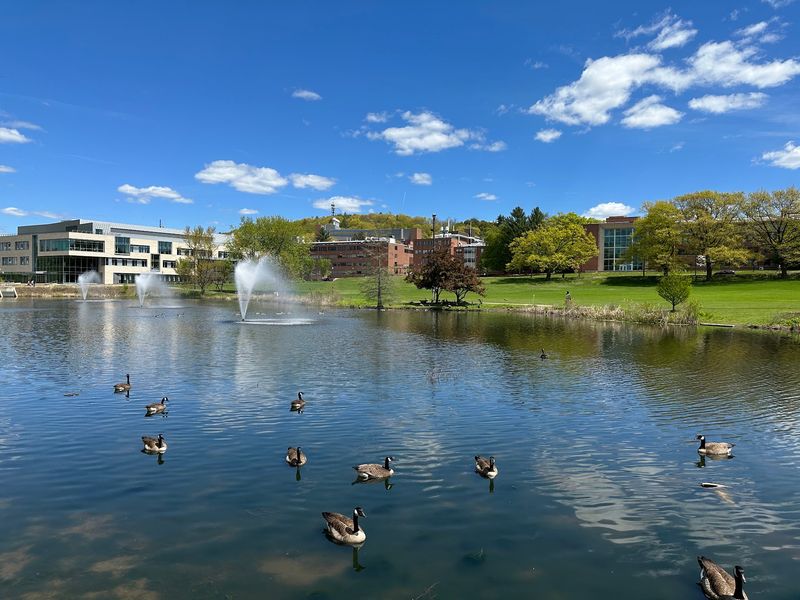
Architecture fans, get your camera ready. This campus reads like a living textbook of bold building design.
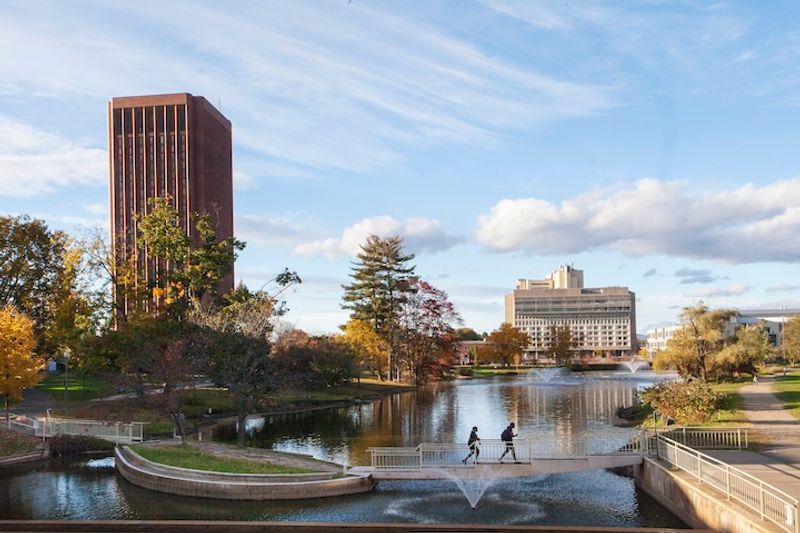
Start with the W.E.B. Du Bois Library, designed by Edward Durell Stone.
It’s one of the tallest academic libraries on any college campus, and it owns the skyline.
Then there’s the Murray D. Lincoln Campus Center and Hotel.
Famed modernist Marcel Breuer designed it, which gives this busy hub some serious design credentials.
The Southwest Residential Area came from architect Hugh Stubbins Jr. Its towers shape a whole neighborhood of student life on campus.
The Fine Arts Center adds another big name to the list. Kevin Roche designed it, and its strong lines make it a standout stop on any walk.
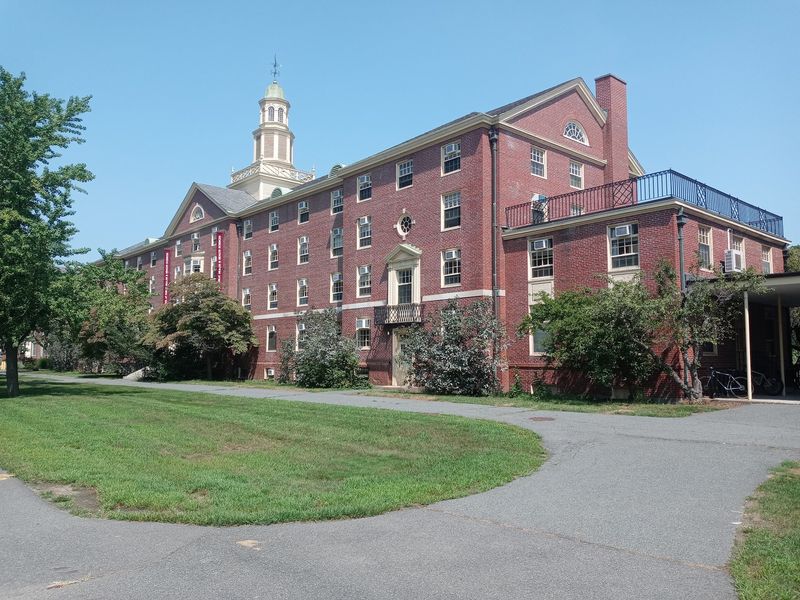
Not every building shouts in concrete, though. Many older structures on campus show off a classic Georgian Revival style that feels warm and traditional.
Newer spaces join the story as well. The Isenberg Business Innovation Hub offers modern study and meeting spaces for today’s students.
That mix is what makes a stroll here so fun. You can go from red-brick charm to striking modernism in just a few minutes.
My advice is simple. Plan a self-guided loop, snap photos from different angles, and save the tall library for last as a grand finale.
Pick A Path, Any Path, And Then Keep Going
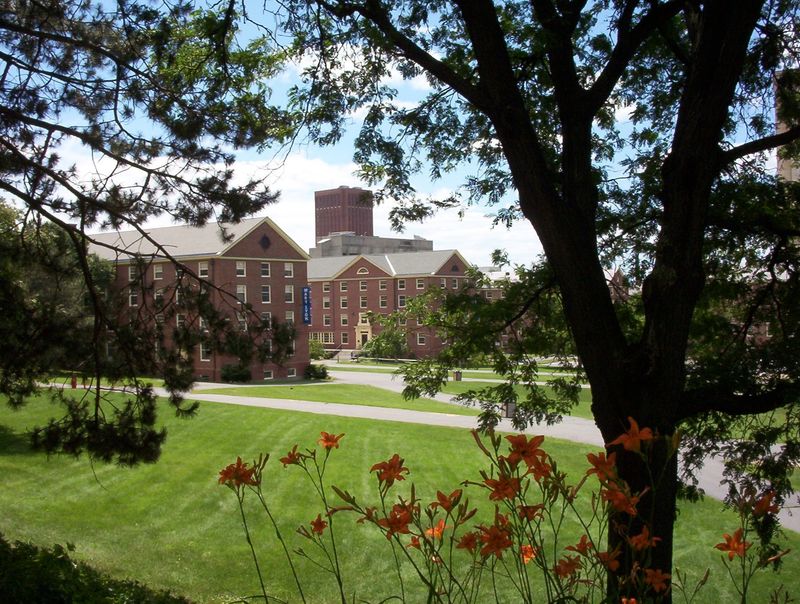
Count them up and the choices get almost silly. The university offers 109 undergraduate programs, 77 master’s programs, and 48 doctoral programs.
That’s a menu built for curious minds. Students who change their plans halfway through freshman year still have plenty of room to land somewhere great.
Some areas really shine. Business, computer science, health care, social sciences, and sports management count among the school’s notable strengths.
Here’s a fun one for trivia night. The Stockbridge School of Agriculture hosts the country’s oldest arboriculture program, founded back in 1893.
Arboriculture is the care of trees, by the way. So this campus has been teaching people how to look after trees for well over a century.
For students who want an extra challenge, there’s the Commonwealth Honors College. It lets them pursue a more intensified academic curriculum without leaving the big-campus experience.
I believe that combo is a big reason families pay attention. You get the resources of a huge research university plus a tighter community for high achievers.
A practical tip for visiting families is to bring a short list of interests. Then ask which programs connect them, because many fields here overlap in surprising ways.
Whether a student loves code, trees, or sports business, there’s likely a path waiting. The hard part is choosing just one.
Winter Blues Have Nowhere To Hide In This Glass House
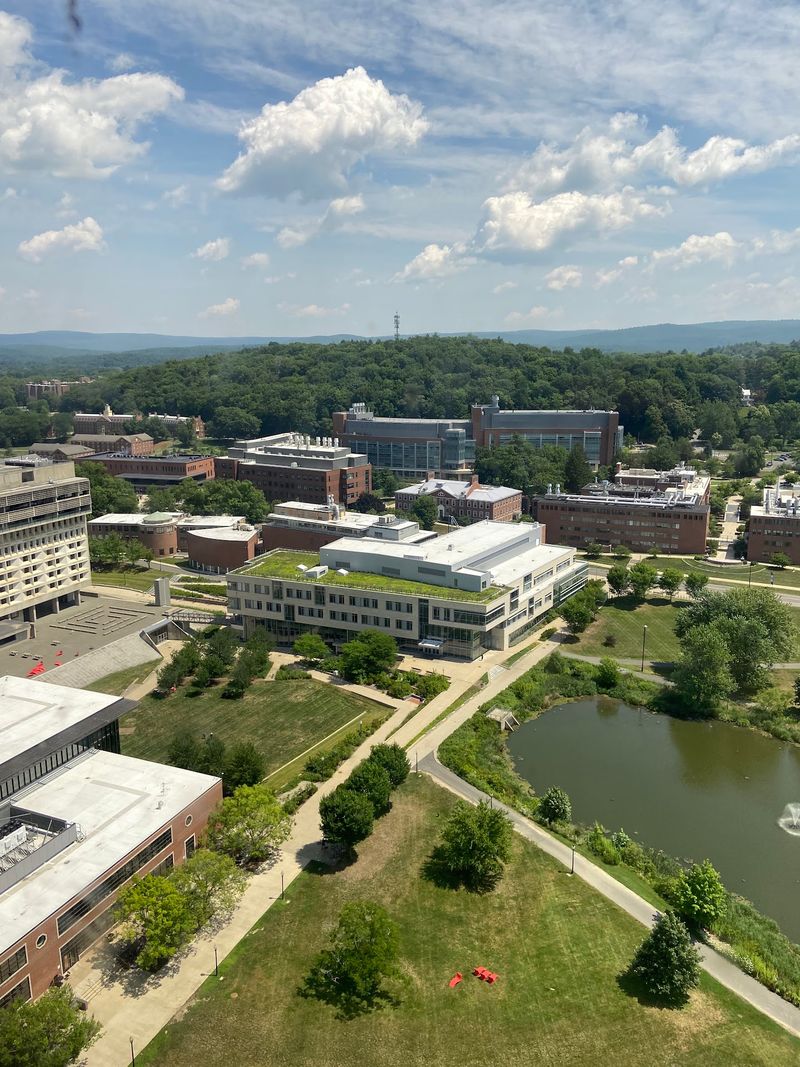
New England winters can feel long and gray. Lucky for everyone on campus, the Durfee Conservatory keeps a little tropical escape ready to go.
Inside, a Rainforest Room offers warmth during the colder months. It’s the kind of spot that makes you forget your mittens for a while.
The conservatory provides a calm, tranquil space surrounded by green life. Students can slip away from exams for a few peaceful minutes among the plants.
Visitors can enjoy it too, which makes it a lovely stop on a campus walk. It’s especially sweet on a snowy afternoon when the rest of the world looks frozen.
Nearby, the campus pond adds another dose of scenery. Its picturesque setting makes it a natural place to pause, sit, and soak in the view.
The university also includes botanical gardens. Pair them with the conservatory and you’ve got a plant lover’s mini tour without leaving campus.
This fits the school’s roots nicely. A college that began with agriculture still treats growing things as part of everyday life.
My suggestion is to save the conservatory for the middle of your visit. It works like a reset button between buildings, classes, or campus tours.
Bring a camera, too. Bright green leaves against frosty windows make for photos your friends back home will absolutely want to see.
One Campus, Five Colleges, Tons Of Doors To Open
Most students pick one college and stick with it. Here, the choice comes with four bonus neighbors.
The University of Massachusetts Amherst belongs to the Five College Consortium. Through it, students can tap into resources and courses at Amherst, Hampshire, Mount Holyoke, and Smith Colleges.
That’s a pretty sweet deal. A student at a big public university can also explore classes at smaller private schools nearby.
Think about what that means for a schedule. One semester might include a core class on the home campus and a specialty course at a neighboring college.
It also expands the social side of life. Students meet people from different campuses, with different styles and different ideas.
The Pioneer Valley setting helps tie it all together. These schools share a beautiful corner of western Massachusetts packed with hills, farms, and college-town charm.
For families comparing schools, this feature deserves a spot on the checklist. Few places offer this kind of reach without a transfer or extra application.
For visitors, the consortium turns a campus trip into a regional adventure. You can easily make a day of seeing more than one college while you’re in the area.
Just remember to pace yourself. Five campuses in one afternoon sounds fun until your legs start filing official complaints.
Drumrolls, Ice Skates, And Telescopes Are All On The Schedule
Hear that thundering beat? That’s likely the Minuteman Marching Band, the largest marching band in New England.
Catching them perform is one of the most exciting ways to feel campus spirit. Big brass, big drums, and plenty of school pride fill the air.
Of course, music is only one slice of life here. The campus is home to more than 300 registered student organizations.
That number covers a wild range of interests. Whatever a student loves, there’s a good chance a group already meets about it.
The facilities keep things moving, too. Campus features include swimming pools, an ice rink, and a sports arena for games and events.
Prefer quieter thrills? There’s an observatory for gazing at the night sky and a contemporary art museum for creative inspiration.
That variety makes the University of Massachusetts Amherst feel lively from morning to night. A student could swim, study, skate, and stargaze all in the same week.
For new students, my best tip is to try a few clubs early. The first weeks of school are the perfect time to test new interests without pressure.
For visitors, check the campus calendar before you go. A band show, game, or museum exhibit can turn a simple tour into a full day of fun.
Old Roots, Green Goals, And Your Map Pin For The Trip
Back in 1869, workers finished a building called Blaisdell House. It’s considered the oldest remaining university building constructed for campus activities.
History keeps showing up as you walk around. French Hall dates to 1909 and was originally designed for floriculture and market gardening programs.
The school’s name changed along the way, too. Massachusetts Agricultural College became Massachusetts State College in 1931, then the University of Massachusetts in 1947.
I like how the campus honors that past without getting stuck in it. The farm-school spirit lives on in a modern push for sustainability.
In 2010, the university approved a Climate Action Plan. Its goal is carbon neutrality by 2050, a big promise for a campus this large.
That mindset links nicely with the local food focus in the dining program. Caring for the land seems baked right into this place’s identity.
Ready to see it for yourself? The University of Massachusetts Amherst sits at 300 Massachusetts Ave, Amherst, MA 01003, in the heart of the Pioneer Valley.
Plan a loop that hits the historic buildings, the conservatory, the pond, and the tall library. Add a meal on campus and you’ve got a seriously satisfying day.
Massachusetts has plenty of famous college towns. This one earns a spot on your weekend list with style.