A plain storefront in a small shopping strip did not look like it would change our dinner plans for good. Then a plate of sizzling beef, a bowl of shiny noodles, and a row of tiny side dishes landed on the table, and the whole family went quiet.
This little Korean kitchen on the Mississippi coast feeds families with big portions, friendly care, and flavors that taste like a trip overseas. Here is what to know before you load up the car and go.
A Korean Kitchen on Pass Road
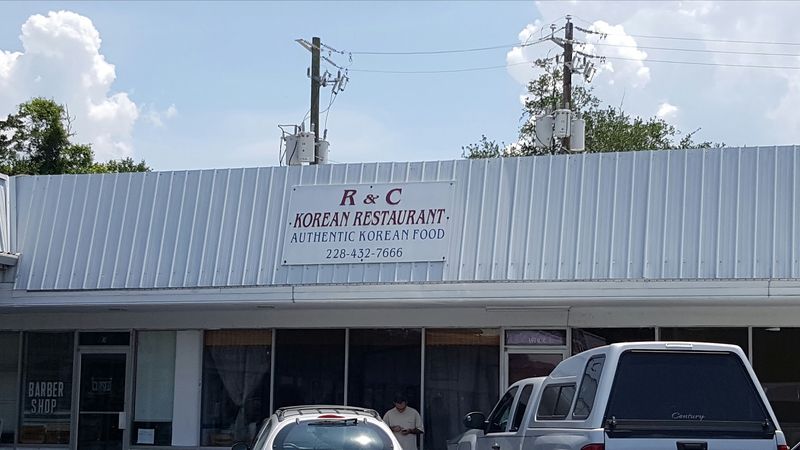
Along Pass Road in Biloxi, between everyday shops and small markets, sits R&C Korean Restaurant at 1670 Pass Rd. From the street it reads like any other strip storefront. Inside, though, families find traditional Korean plates cooked to order by a small, hardworking team.
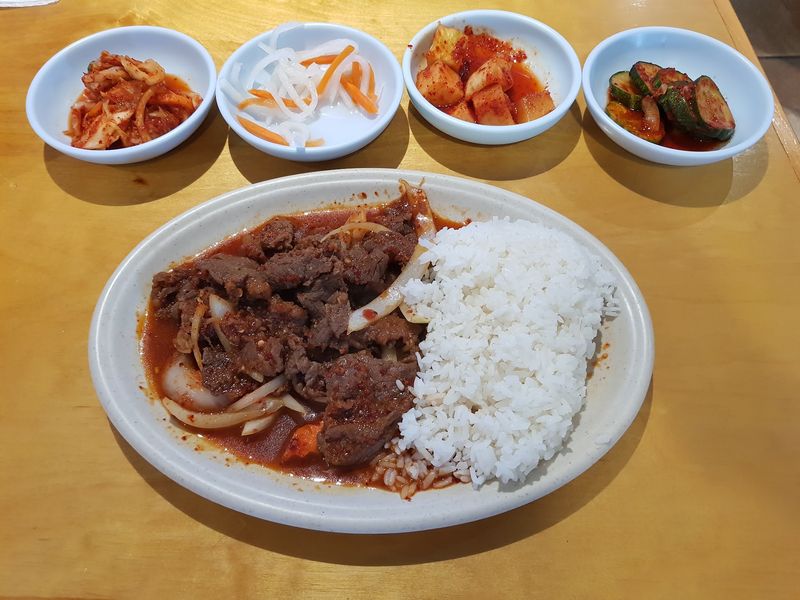
The restaurant serves Korean staples, from bulgogi and galbi to japchae, kimbap, dumplings, noodle soups, and bibimbap. Most dine-in meals arrive with a spread of free side dishes called banchan, which makes even a simple order feel generous.
Kids tend to love the little bowls, since every plate becomes a tiny tasting game.
Neighbors in the same plaza add to the fun. Visitors mention a comic book store next door, plus a Latin market and an Asian grocery steps away.
That mix turns lunch into a mini outing, especially for curious young eaters who want to browse snacks and sauces after the meal.
For parents driving in from Mobile or elsewhere along the coast, the location is easy to reach and simple to park near. It feels like a neighborhood spot, and that relaxed vibe is a big part of why families keep circling back to this quiet corner of Biloxi.
Two Decades of Family Ownership
Over twenty years is a long run for any small restaurant, and R&C has spent that time feeding the Mississippi Gulf Coast. The family-owned spot has become a fixture in the community, known less for flash and more for earnest hospitality.
Guests often describe it as a true mom-and-pop place. Some visits find just two people running the whole show, cooking and serving a packed room without missing a beat.
Others recall one woman working the floor, moving quickly and keeping every table cared for.
Long-time diners remember the server treating guests warmly, like her own children. Newer visitors call her lovely and say she works very hard.
That kind of personal attention is easy to notice when you bring kids, since small requests get handled with a smile.
A restaurant that stays open this long usually earns loyalty one meal at a time. Families who first came years ago now return with grown children or new friends in tow.
For parents teaching kids about food from other cultures, a family-run kitchen like this offers something extra. The people behind the counter are part of the story, and their care shows up on every plate.
Bulgogi, Beef or Pork, Mild or Spicy
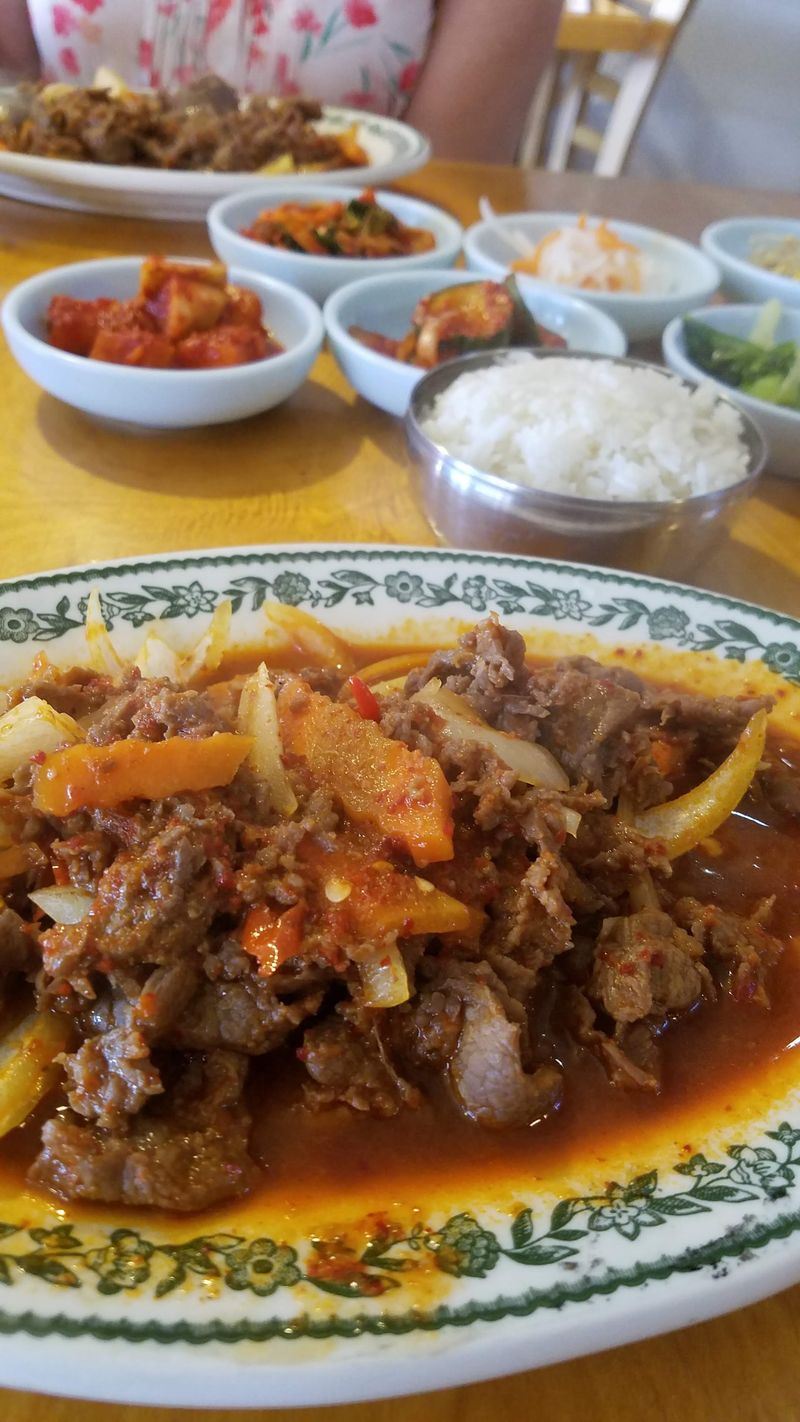
Ask regulars what to order, and bulgogi comes up more than any other dish. It is the clear favorite here, offered in both beef and pork versions, with chicken bulgogi also on the menu.
The beef version brings thin, seasoned meat cooked with vegetables and served with egg and rice. It is savory and slightly sweet, which makes it an easy first Korean dish for picky kids.
Parents who like heat can try the spicy beef bulgogi, which several diners rank among the best they have had in the United States.
Portions run large. One guest stretched a single beef plate into three extra meals at home, so sharing makes plenty of sense for families.
Ordering one bulgogi for the table, plus a couple of other dishes, lets everyone sample without overdoing it.
A tip for mixed groups: get one mild and one spicy plate. Kids can stick with the gentle version while adults chase the kick.
With rice, egg, and side dishes all on hand, everyone builds their own bites, which tends to keep little ones happily busy at the table instead of restless.
Glossy Japchae Noodles
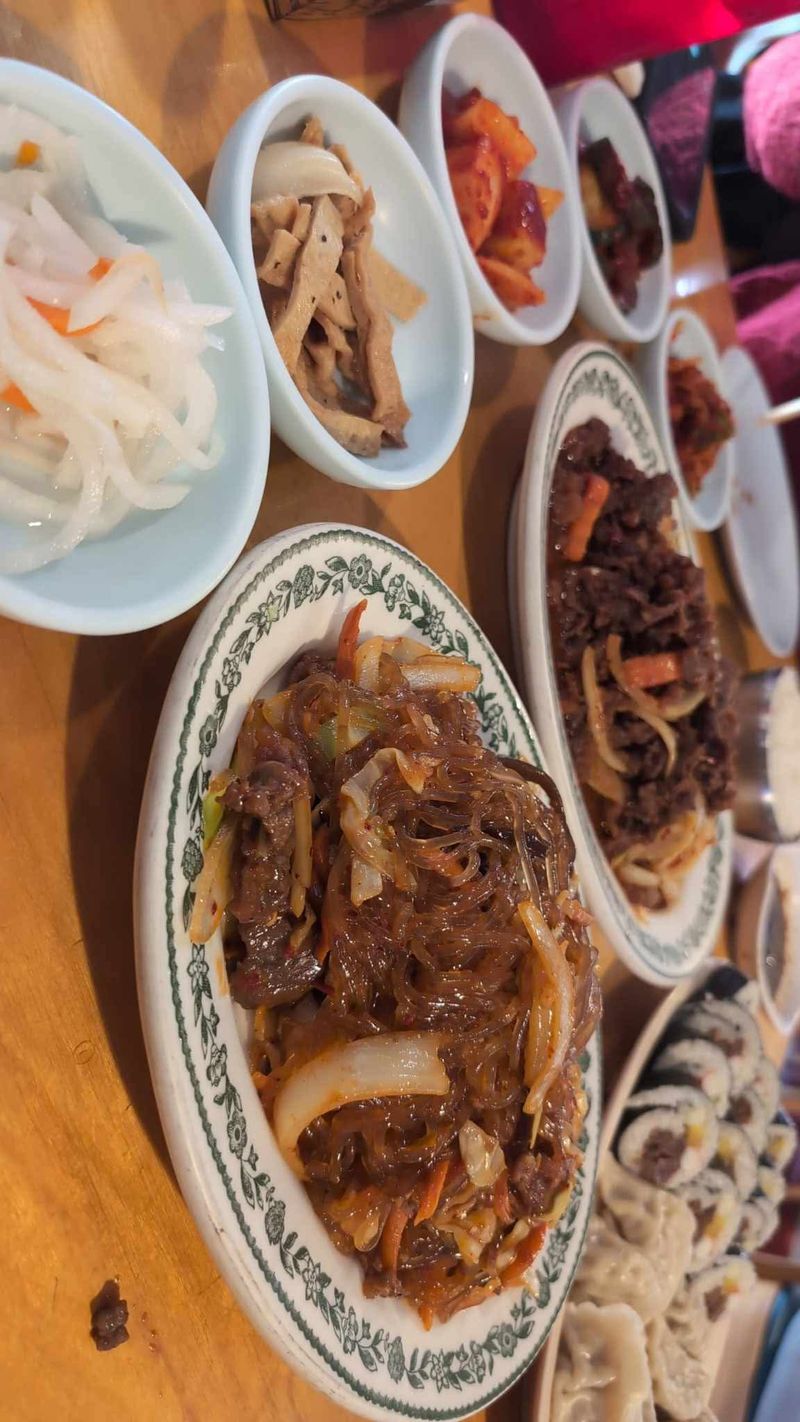
Glass noodles made from sweet potato starch give japchae its signature bouncy, slippery bite. In Korea, the dish often shows up at celebrations, and it has a fun texture kids usually enjoy twirling.
At R&C, the japchae has a distinct personality. Diners describe it as saucy and a little oily, in the best way, since that richness carries the flavor through every strand.
One visitor from out west said that slick, savory style is exactly what made it so good.
Noodles are a smart pick for families. They are mild, filling, and easy for younger eaters to manage, especially when paired with rice and a protein from another plate.
Many recent guests order japchae right alongside kimbap, which makes a friendly, kid-approved combo.
Fans of noodles have other options too. The menu includes noodles with black bean sauce, plus ramen choices.
One young diner enjoyed a big, spicy kimchi ramen that came with several free add-ins like kimchi, bean sprouts, and beef. Another family member chose a smaller beef ramen.
Between all these bowls, noodle lovers of every age should find something to slurp.
Kimbap and Its Famous Dipping Sauce
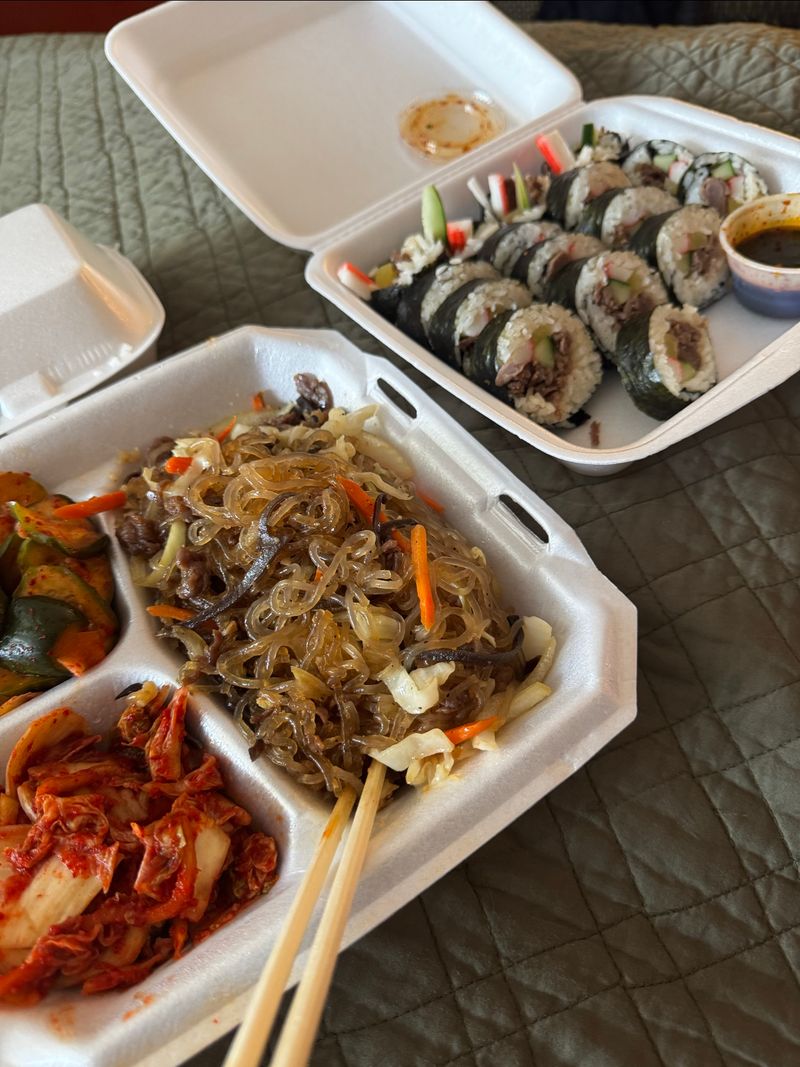
Kimbap looks a bit like sushi, but it is its own Korean tradition: seasoned rice and fillings rolled in seaweed and sliced into rounds. The bite-size pieces are perfect for small hands and travel well if you want leftovers.
Here, the kimbap has a loyal following that stretches back years. One long-time guest always orders it and calls the dipping sauce the best they have ever tried.
The sauce hits sweet, spicy, and salty notes all at once, which keeps people reaching for one more piece.
Families like kimbap because it works as a starter, a side, or a light meal. Kids who are unsure about new flavors can try a plain bite first, then a dip, and decide for themselves.
That little bit of control often turns hesitant eaters into fans.
Recent visitors keep pairing it with japchae and bulgogi, which covers rice, noodles, and meat in one order. Spelling varies on the menu and in conversation, so you may hear kim bap, kim bop, or gimbap.
No matter the name, the rolls are a dependable crowd-pleaser and a natural entry point to Korean food for children.
Free Banchan with Easy Refills
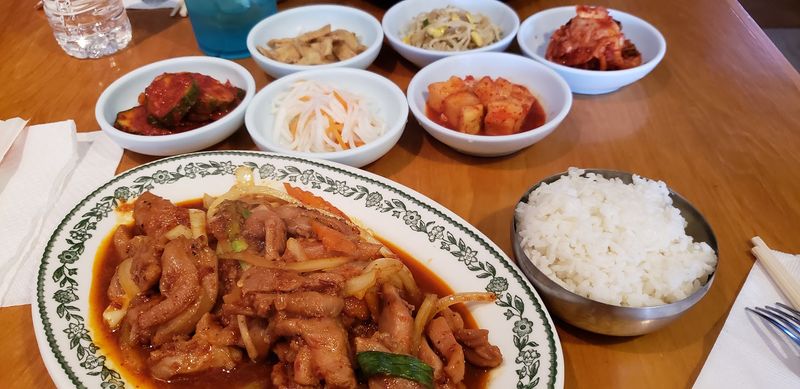
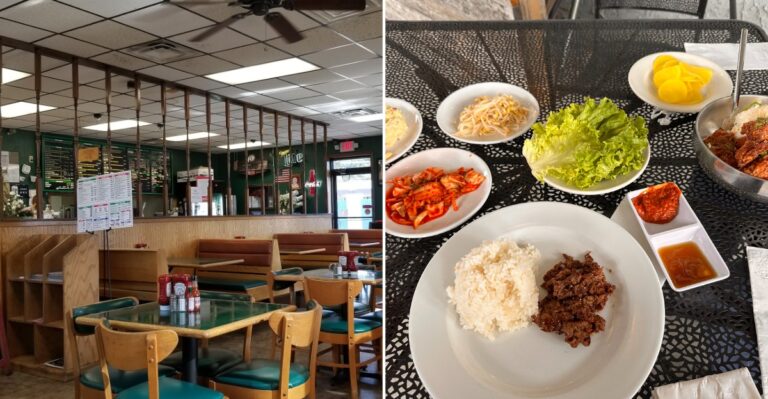
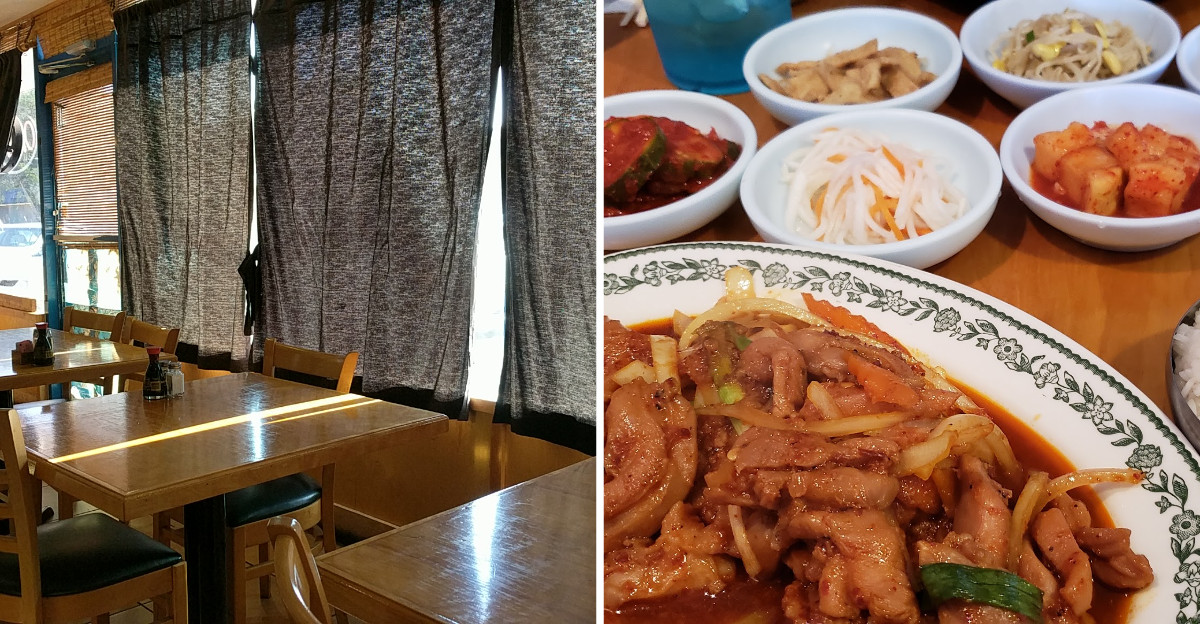
Small bowls start arriving before the main plates, and they keep coming. Banchan, the classic Korean side dishes, are served free with dine-in meals, and refills are readily available.
The lineup typically includes kimchi, pickled radish, pickled cucumber, pickled turnip, and bean sprouts. Diners rave about the kimchi in particular, and one regular calls it their favorite part of the meal.
The pickled vegetables bring a cool crunch that balances spicy dishes nicely.
For parents, banchan is a low-pressure way to introduce kids to new tastes. A single cucumber slice or a few bean sprouts is an easy experiment, and nobody minds if a bowl goes untouched.
Children who like crunchy, tangy snacks may surprise you.
Presentation gets special attention too. One guest noticed the server rearranging every plate, appetizer dishes included, so the table looked beautiful when entrées arrived.
She also quietly cleared stray napkins and paper bits along the way.
Those details make a family meal feel calm and cared for. Between the free sides and generous entrées, a table rarely leaves hungry, and the spread makes every visit feel a little like a celebration.
Dumplings, Galbi and Comforting Soups
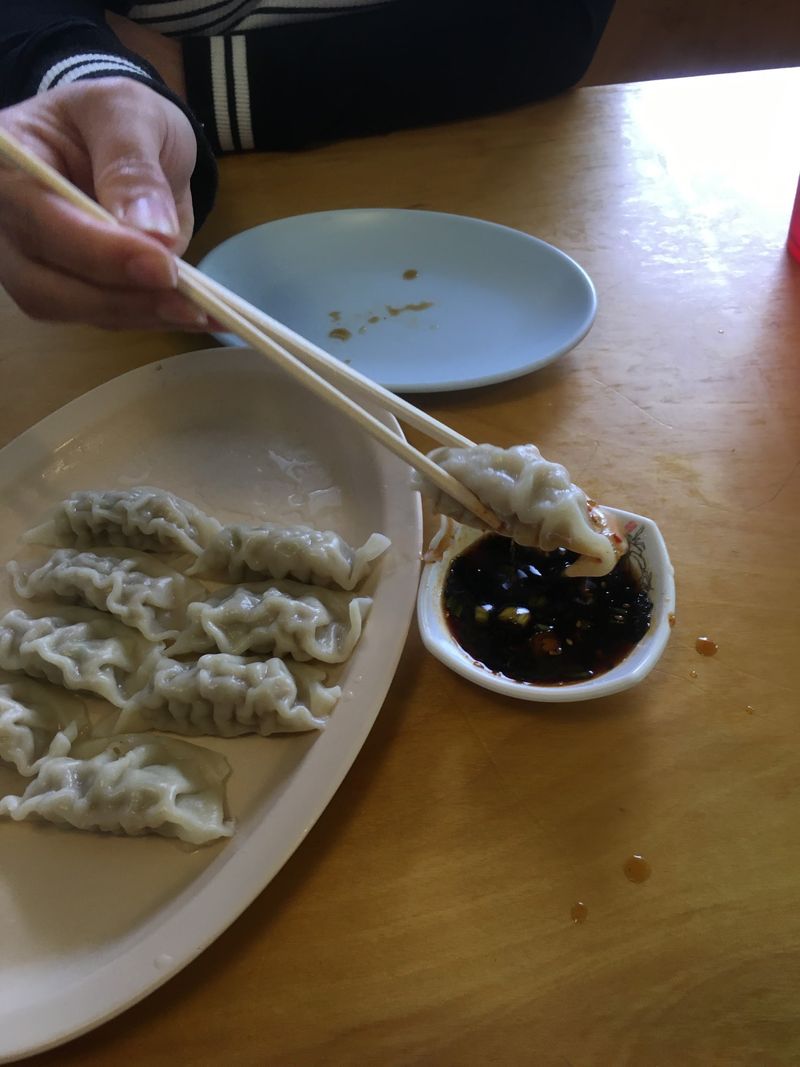
Dumplings rank second only to bulgogi in how often guests mention them. Both steamed and fried versions are offered, and diners praise their great texture.
They make an ideal shared starter while the kitchen cooks the rest of your order.
Galbi, Korean-style short ribs, earns praise from families who order it with bulgogi and gimbap for a big shared feast. Bibimbap, a bowl of rice topped with vegetables and more, also gets high marks from first-time visitors.
Soups round out the menu. One guest enjoyed a fish-based soup, while his wife chose a dubu soup, and they still had leftovers.
Another diner liked the broth so much that every last drop disappeared. On a rainy coastal day, a steaming bowl hits the spot.
Vegetarian family members have choices as well. One regular says his vegetarian wife always orders the stir-fried vegetables.
Spicy squid is available for adventurous eaters.
Not everything is on offer, though. A visitor hoping for tofu soup learned it was not on the menu during their visit.
Checking current options before you go helps avoid surprises with a hungry crew.
Small Room, Relaxed Pace
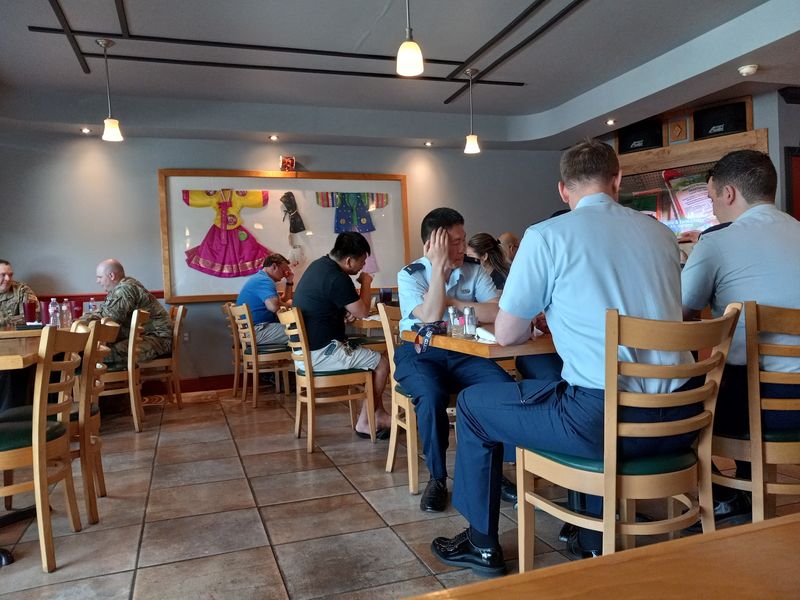
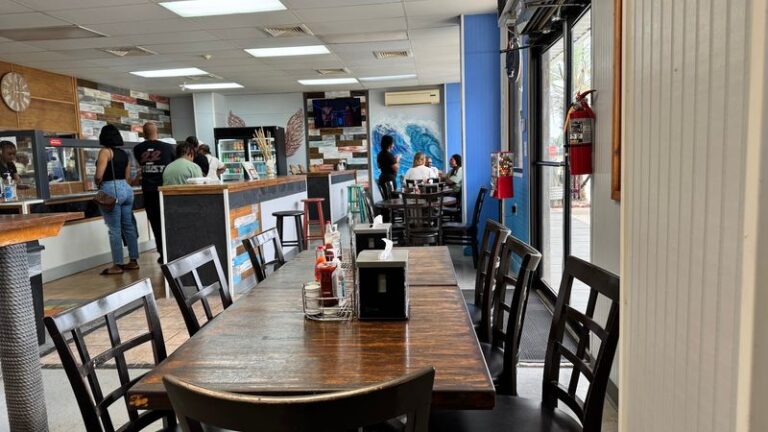
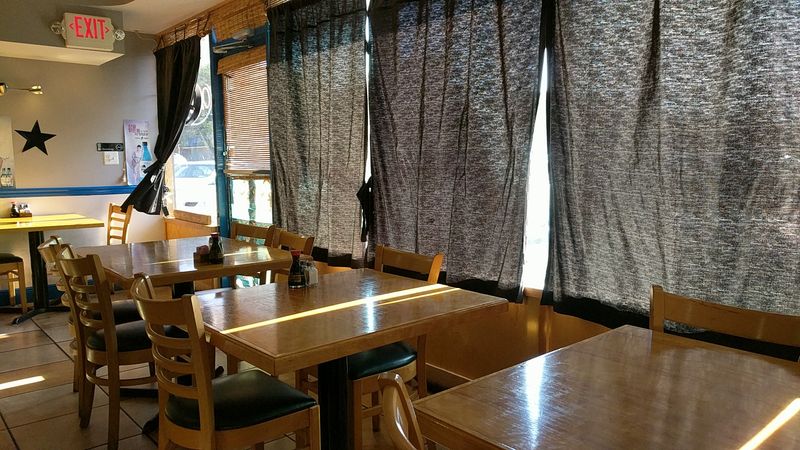
Cozy is the polite word, and it fits. The dining room is small and simple, with a large TV that often plays Korean shows.
Kitchen sounds mix with quiet conversation, giving the place a lived-in, neighborhood feel.
Guests describe the mood as friendly and chill. One regular sums it up well: come in, sit down, and relax, because everything is made to order.
That means food can take a little while, often around twenty to thirty minutes.
For families, the pace is worth planning around. Bring a small activity for younger kids, or order dumplings or kimbap first to tide everyone over.
The Korean programs on the TV can also hold a child’s attention for a bit.
Some small habits are part of the charm. Drinks come in cans with a cup of ice, and water is bottled.
With just one or two people working the floor, the server may be stretched thin, but regulars stress she is busy, not ignoring anyone.
Patient families tend to love it here. The setting suits relaxed eaters and curious kids more than anyone racing to the next stop.
Hours, Crowds and Timing Tips
Mondays and Tuesdays are off days, so plan around them. R&C opens Wednesday through Sunday from 10:45 AM to 8 PM, which works well for lunch or an early family dinner.
Crowds can build fast in such a small room. One frequent diner notes weekday lunch gets especially busy, while another family visiting around 5 PM on a Saturday found it calm at first before it filled up.
Arriving early or during off-peak hours usually means a quicker table.
Calling ahead helps if you are short on time. A long-time guest suggests phoning in your order before arriving, since the kitchen cooks everything fresh.
Takeout is also an option, and some families grab an extra plate to snack on later.
Prices have drawn mixed comments. Some diners call them reasonable, while others felt a few plates ran a bit high.
Most agree the large portions balance things out, especially when shared or stretched into leftovers.
For families on a budget, splitting two or three entrées and leaning on free banchan makes a meal go further. Sunday hours also make it handy for a weekend coast trip.
Why Families Keep Making the Trip
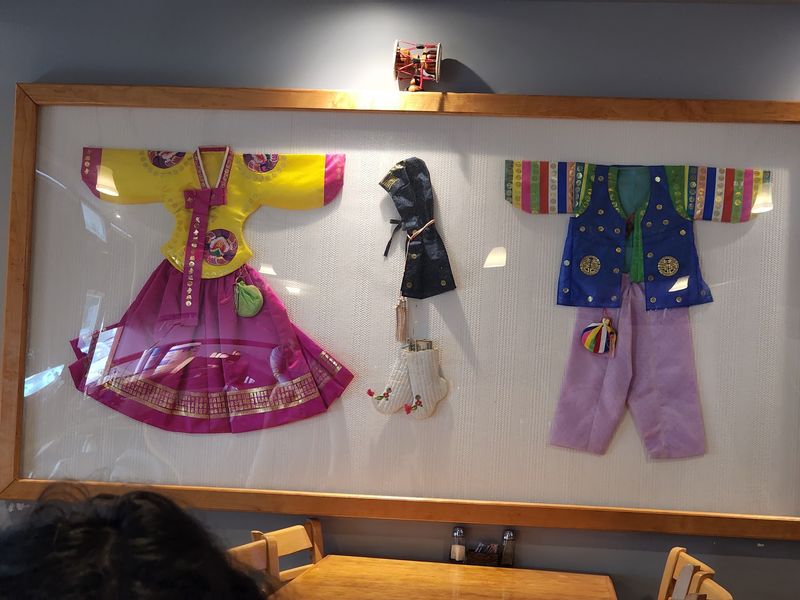
Visitors who have lived in or traveled to Korea keep saying the same thing. The food here reminds them of meals in Seoul, and several call it the real deal for authentic Korean cooking on the coast.
That authenticity pulls people from surprisingly far. One family drove an hour and a half just to eat here, and others happily make the run from Mobile.
For Alabama families, the drive along the coast pairs nicely with a Biloxi beach day or a quick shopping stop.
Kids gain something too. A meal here lets them try noodles, rice rolls, and pickled vegetables in a calm, welcoming room, guided by staff who clearly care.
Big portions mean there is room to experiment without wasting a whole plate.
Patience is the main thing to pack. The dining room is small, the team is lean, and food arrives fresh rather than fast.
Families who plan for that usually leave full, happy, and carrying leftovers.
For a road trip lunch with real flavor and personal warmth, this modest Pass Road kitchen earns its spot on the itinerary, and many families find themselves planning the next visit before the drive home.