Apartment managers in one North Texas city now tuck snake-safety tips into their welcome packets. Yes, right next to the parking rules and the trash pickup schedule.
The reason is a copper-colored snake with hourglass bands that blends into fallen leaves almost perfectly. Tenants near a wilder patch of land kept spotting them around the complex.
I can’t imagine a more memorable way to meet the neighbors.
Fall makes things livelier across Texas. Copperheads mate from August to October, and baby copperheads usually arrive in late summer.
Warm, humid evenings pull them out to soak up heat.
I believe a little knowledge turns fear into smart, easy habits. So how do you enjoy crisp autumn walks, leaf piles, and porch evenings without a surprise guest?
The answers are simpler than you might expect.
Welcome Packets With Snake Tips Tell You Everything

Earlier this year, Grapevine, Texas, landed in the snake spotlight when apartment tenants reported southern copperheads around their complex. Management responded in a practical way.
Snake-safety tips now go out with welcome packets.
An expert pointed to a simple explanation for the visits. The complex sits close to a more wild area, and snakes wander over looking for food or shelter.
That is not a mystery so much as nature checking out the real estate.
Sightings tend to climb through the warmer months, and fall keeps that activity going as copperheads mate and newborns appear. Grapevine tenants were not alone in seeing it. Neighbors across North Texas have been reporting similar encounters.
Why does this matter to you? Growing cities keep pushing into undeveloped land.
Encounters with snakes are becoming increasingly common as homes and buildings spread into old habitat.
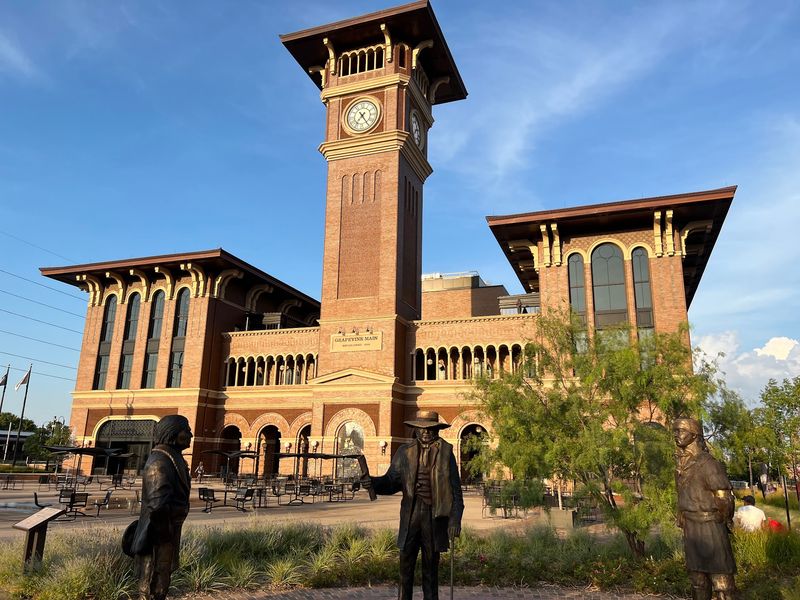
None of this means you should cancel your fall plans. Grapevine still offers restored historic buildings, a lively Main Street, and the Grapevine Vintage Railroad.
You just want to keep your eyes open near grassy edges and wooded spots.
Think of the welcome-packet idea as a smart model for everyone. Learning a few facts early beats learning them mid-hop on a garden path.
Knowledge is the best snake repellent you can carry.
Across Texas, a few calm habits go a long way. The next sections show exactly what to watch for and how to stay relaxed outdoors.
Fall Is Basically Copperhead Rush Hour
August through October is mating season for copperheads. That timing alone explains why autumn feels so busy.
Snakes are moving around more, searching for partners and food.
Babies join the party too. Young copperheads are typically born between August and September, a stretch many folks call copperhead season.
Suddenly there are more small snakes exploring yards, trails, and flower beds.
Daylight also changes the game. In early spring and late fall, copperheads are diurnal, which means they move around during the day.
Summer is different, since heat over 90 degrees pushes them toward dawn, dusk, or night.
Warm, humid fall evenings deserve special attention. Copperheads like to come out and absorb heat when the air stays cozy.
A pleasant October porch night might feel pleasant to them too.
Weather shifts play a role as well. Changing pressure systems can stir up snake activity across North Texas.
So a sudden warm spell after a cool snap can bring a few extra sightings.
The good news? This active period generally wraps up in November.
Cooler weather slows things down until spring returns.
Until then, plan your outdoor fun with the calendar in mind. Afternoon hikes around Grapevine are lovely in fall.
Just remember the snakes keep a similar schedule, so watch where you step.
Learn The Hourglass And You’re Halfway There

Hourglass shapes are the giveaway. Copperheads wear dark crossbands that are wide along the sides and narrow across the back.
Once you notice that pattern, it is hard to unsee.
The body color runs from pale brown to light tan. Many have a pinkish tint, and the head can look coppery.
That shiny head is where the name comes from.
Size is modest. Adults usually measure about 24 to 26 inches long.
So you are looking for a snake about the length of a baseball bat’s handle and barrel, not a giant.
Look closer, safely, and you might notice small pits between the eyes and nostrils. Those pits sense heat, which marks copperheads as pit vipers.
Of course, binoculars or a zoomed photo beat leaning in.
North Texas is home to four main types of venomous snakes. Copperheads share the list with rattlesnakes, cottonmouths, and Texas coral snakes.
Copperheads are the ones people encounter most often.
Experts get called to identify and remove copperheads more than any other venomous species around here. That makes this ID lesson extra useful.
A quick look at the pattern can calm nerves or confirm a call for help.
Save a reference photo on your phone before a Grapevine hike. Comparing patterns is easier than guessing.
Your future self will thank you.
Camouflage This Good Should Come With A Warning Label
Leaves, bark, and forest debris are a copperhead’s favorite outfit. Their colors blend in so well that people often see them only at the last second.
That is exactly why most bites happen by accident.
Night makes spotting them even tougher. A copperhead lying across a dim path can look like a twig or a curled leaf.
So the snake is not sneaking up on anyone.
In fact, copperheads are not aggressive. They usually stay hidden and strike only in defense.
Most of the time, they would love for you to keep walking.
Their homes tell the rest of the story. Copperheads favor mixed pastures and wooded lowlands, especially river bottoms.
Leaf litter, logs, and branches give them perfect cover.
They also adapt to people. Wooded suburban areas in North Texas can suit them just fine.
That helps explain sightings near apartments, parks, and backyards.
The southern copperhead lives across the eastern third of Texas. Scattered populations also appear in the Post Oak Savannah and Cross Timbers regions.
North Texas sits right in that mix.
Here is a fun twist for nature fans. Copperheads mostly stay on the ground, yet they can climb onto plants or structures.
So glance at low branches near the trail too, not just your boots.
Those Noisy Summer Cicadas Have A Fan Club

Cicadas top the copperhead menu. Those loud summer insects are a main food source.
Where cicadas thrive, copperheads tend to show up for dinner.
North Texas has plenty of cicadas, which helps explain why copperheads feel so at home here. The insects crawl out of the ground and climb trees.
That trip makes them easy targets.
Copperheads like to wait in quiet spots near big trees with an open understory. Picture a wide shade tree with clear ground beneath it.
For a hungry snake, that is a buffet with front-row seating.
So what does this mean for your yard? Large trees are wonderful, and you should keep enjoying them.
Just take a peek around the base before kids plop down for a picnic.
Prey also draws snakes toward homes. Rodents and other small animals attract copperheads looking for a meal.
Remove the food chain, and you remove a reason to visit.
One easy fix involves your pets. Store pet food in airtight containers and avoid leaving bowls outdoors.
Spilled kibble invites rodents, and rodents invite snakes.
It is kind of funny when you think about it. That buzzing chorus you hear in a Grapevine summer is part of a bigger story.
Nature connects the treetops to the leaf piles in surprising ways.
A Tidy Yard Sends Snakes Packing Politely

Leaf piles look fun to jump in. To a copperhead, they look like a cozy guest room.
Fall yard chores suddenly feel a lot more important.
Snakes love unkempt landscaping that offers shelter. Leaf piles, grass clipping piles, rock piles, and firewood stacks top the list.
Untrimmed bushes and tall grass also make great hiding places.
Start with the mower. Keeping grass short takes away cover and makes any visitor easy to spot.
It also makes your lawn look sharp for fall photos.
Next, clear brush and bag those leaves instead of leaving big heaps. Move firewood away from the house when you can.
Trim bushes so you can see the ground underneath.
Doors and foundations matter too. Seal ground-level openings into your home, garage, or shed.
A small gap can be a welcome mat for curious critters.
Use tools, not hands, when cleaning up. Probe leaf piles and brush with a long stick or garden rake first.
Gloves and sturdy shoes add another layer of protection.
These chores pay off in more ways than one. You get a cleaner yard, fewer pests, and more peace of mind.
Plus, you earn bragging rights as the neighbor with the tidiest fall yard in North Texas.
Trail Time Stays Fun With A Few Smart Moves
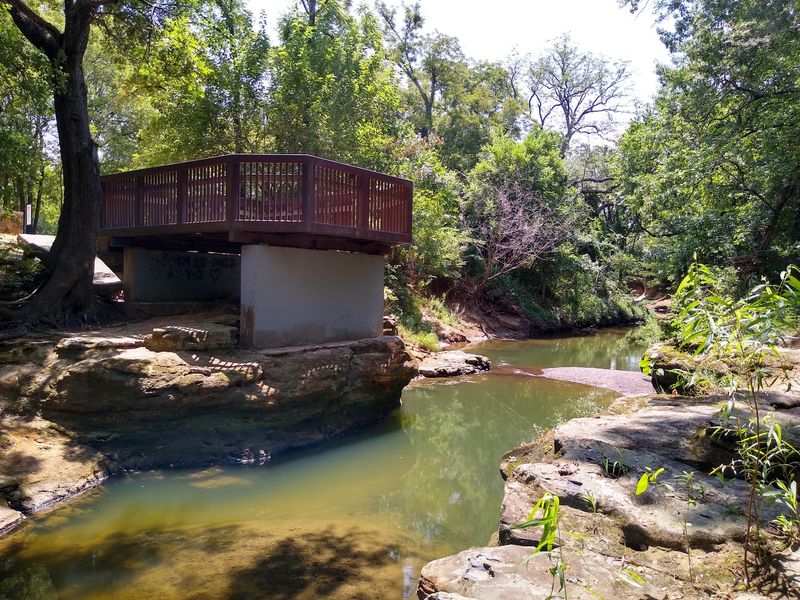
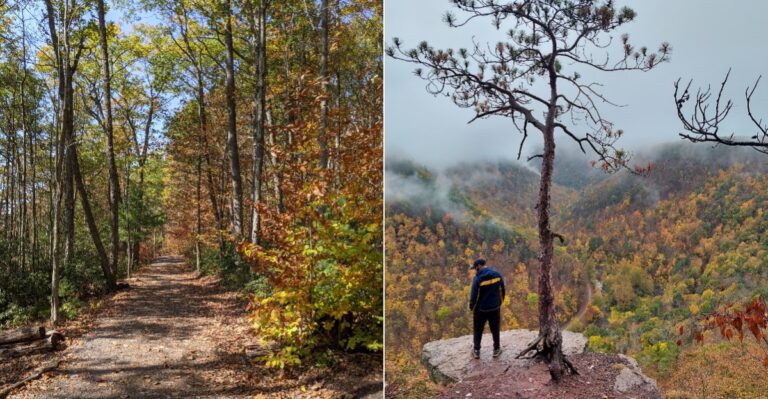
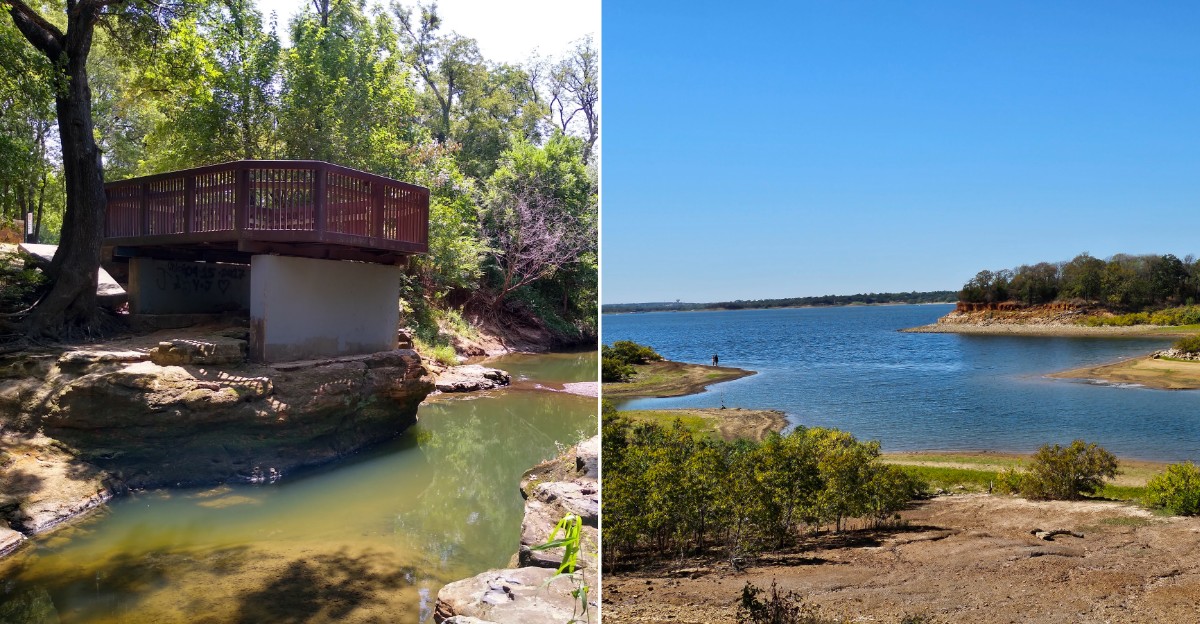
Grapevine sits beside Grapevine Lake, and North Texas trails glow in autumn. Cooler days make hiking, biking, and picnicking a joy.
A few habits keep the adventure relaxed.
Watch your hands and feet. Always look before you reach or step.
That one rule prevents most surprise meetings.
Logs deserve special respect. Never step over one without checking the other side first.
Stepping onto it, then looking down, works much better.
Bring a flashlight after sunset, even for a short walk in your own yard. Copperheads are hard to see in the dark.
A strong beam turns a twig mystery into an easy answer.
Gear helps too. Heavy footwear, snake-proof pants, or protective leggings add solid protection in snake-friendly areas.
Sandals can wait for the splash pad.
Animal burrows are off-limits for curious fingers. Kids especially love poking around holes and hollow spots.
Teach them to look and point instead.
So what if you meet one? Stand still and let the snake move along, or slowly back away.
Give it space and skip the selfie close-up.
With these habits, you can enjoy every crunchy leaf and sunset view. Snakes want their space, and you want your fun.
Everybody wins.
Stay Calm And Know Exactly What To Do After A Bite

Short fangs and a small venom dose are part of the copperhead story. Bites are rarely serious emergencies for that reason.
Still, they need medical care right away.
Hospitals across North Texas see the effects. Medical City McKinney has reported more emergency visits for snake bites.
Cook Children’s Medical Center sees several cases each month during spring and summer.
Step one is staying calm. Keep the bitten area still and get to a hospital quickly.
Calling for a ride or emergency help is the smart move.
Skip the movie tricks. Do not try old home remedies or tie anything tightly around the area. Those old ideas can cause more harm than good.
Remember that copperheads bite to defend themselves. Most incidents happen when someone steps or reaches without seeing the snake.
Prevention really is your best tool.
Grapevine, Texas, makes a great fall getaway once you know the basics. Stroll historic Main Street, visit the 1888 Cotton Belt Railroad Depot, and ride the Grapevine Vintage Railroad.
City information is available from Grapevine City Hall at 200 South Main Street, Grapevine, Texas 76051.
So pack your flashlight, lace up good shoes, and go have fun. North Texas autumn is too lovely to miss.
A little awareness keeps every adventure happy.