A tap of a hammer can reveal a leaf that last saw sunlight about 50 million years ago. You may even get to take it home, provided the museum doesn’t need it for scientific research. That alone sounds unreal, but it happens on a rocky hill in a tiny mountain town.
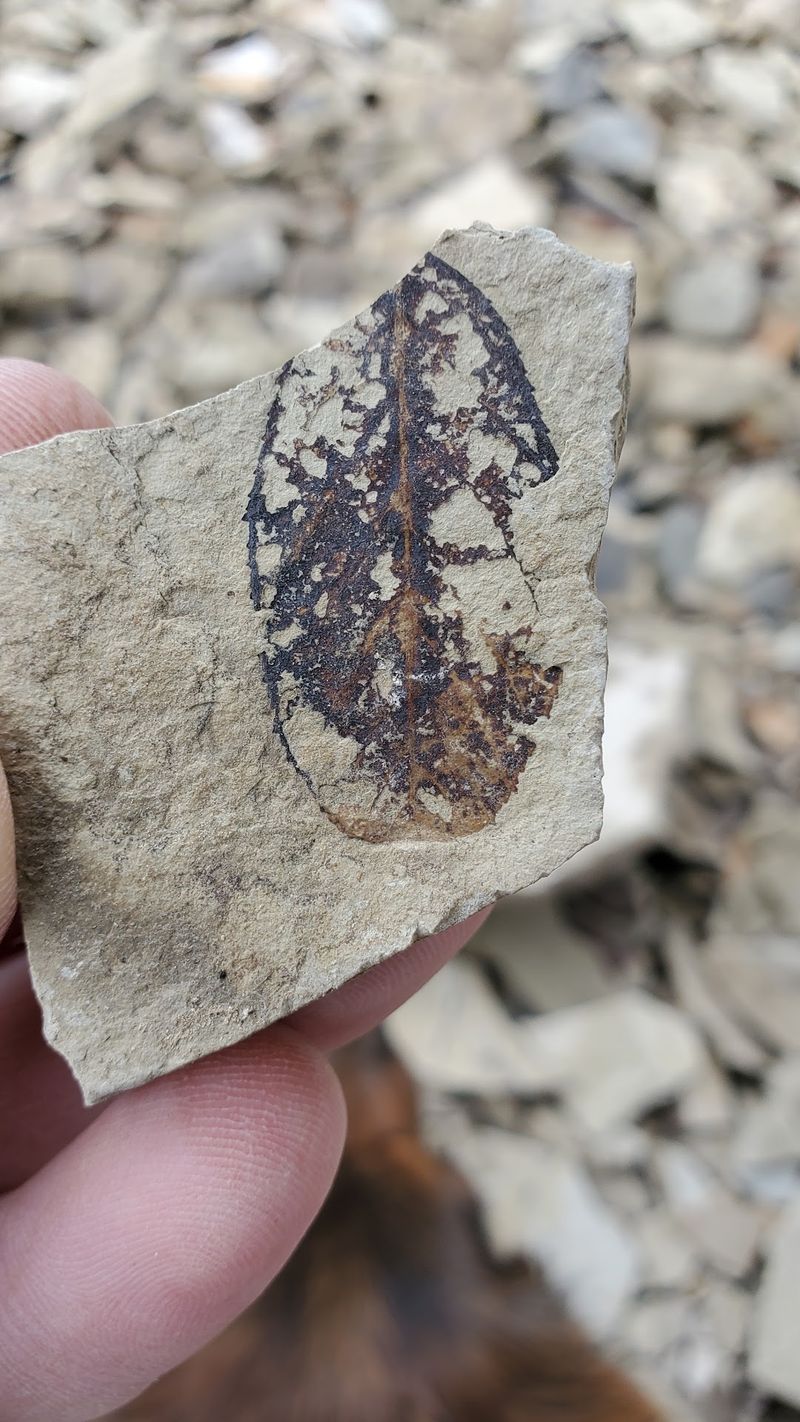
The stone splits along thin layers of old lake mud and volcanic ash. Inside, you might find maple leaves, birch leaves, seeds, or even a rare insect. Some of the oldest known records of the rose and maple families come from this very ground.
I love that no lab coat is required. Families, curious kids, and rock fans all get the same shot at a discovery. It’s the only structured public fossil dig in Washington, which makes it feel extra special.
So what would you hope to find first? A leaf, a fish, or something nobody has named yet?
Your Hammer Is Basically A Time Machine Here
Fifty million years is a long time to keep a secret. At Stonerose Interpretive Center & Eocene Fossil Site, you get to be the one who finally spills it.
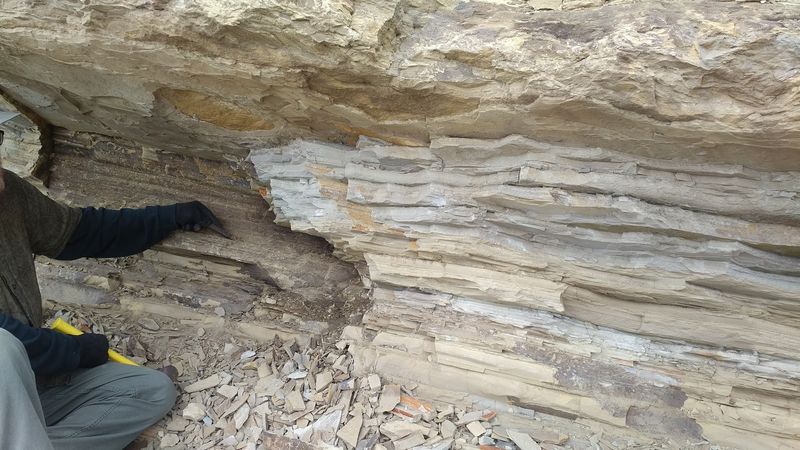
The hill above town holds layers of shale packed with fossils from the Eocene Epoch. Back then, this spot sat at the bottom of an ancient lake.
Leaves, seeds, and small plant bits drifted down and settled into the mud. Volcanic ash piled on top, and slowly everything hardened into thin rock layers.
Your job is simple, at least on paper. Find a layered rock, tap it with a chisel, and gently split it open.
The real trick is patience. Hit too hard and your slab may shatter into crumbs. Tap too softly and nothing happens except a sore wrist.
Once it pops open, you could be staring at a leaf nobody has seen since long before people existed. That’s a pretty wild payoff for a few minutes of tapping.
The site is known for being very rich in fossils. Most diggers come away with something, even if it’s a small piece.
So yes, beginners are welcome. The rocks don’t check résumés.
An Ancient Lake Left Behind A Very Leafy Library
Forget the cool pine forests you see in the area today. During the Eocene, this part of the Okanogan Highlands was much warmer and wetter.
That climate supported a huge mix of plants. Many of those plants ended up preserved in the lakebed you now get to dig through.
The rock here belongs to the Klondike Mountain Formation. It’s a fine-grained shale made from lake sediment mixed with volcanic ash.
Fine grains matter more than you’d think. They help capture tiny details like leaf veins and edges, almost like a natural photocopier.
Common finds include leaves from ancient maple, birch, elm, and dawn redwood trees. Seeds and small plant fragments show up often too.
Fish and insect fossils also appear, though less often. Spotting one is like finding the golden ticket in a candy bar.
Scientists value the site because it holds some of the earliest known records of the rose and maple plant families. That’s a big deal in the plant world.
So every rock you crack adds a page to the story. Some pages just happen to be prettier than others.
Two Art And Science Fans Got This Whole Thing Started
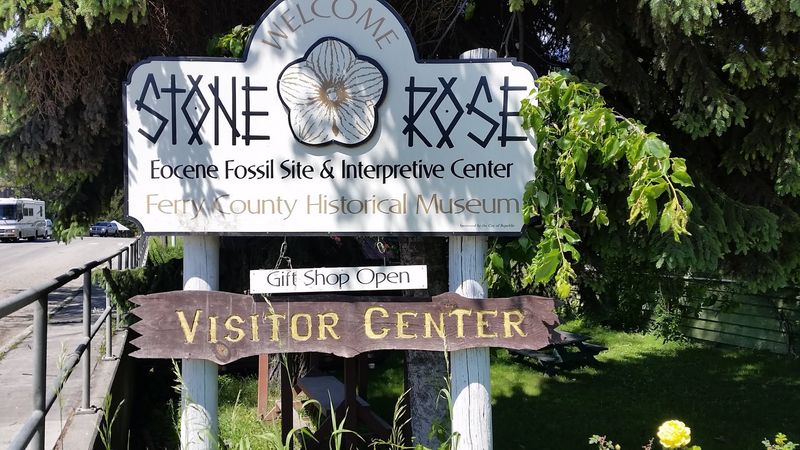
Plenty of great discoveries start with curiosity, and this one did too. In 1977, artist Wesley Wehr and future paleontologist Kirk Johnson helped bring renewed scientific attention to the fossil beds around Republic.
An artist and a scientist teaming up feels fitting. These fossils are both beautiful to look at and important to study.
Their find drew attention to the rich fossil beds around Republic. More than a decade later, the community built something lasting around it.
Stonerose Interpretive Center opened in 1989. Today it runs as a nonprofit public museum and fossil dig.
The group behind it is called the Friends of Stonerose Fossils. Their work keeps the dig open to everyday people instead of only researchers.
That setup is a gift for families and curious travelers. You don’t need a degree or special permit to join the hunt.
It also means your visit supports real science. The center keeps important specimens so experts can study them.
I appreciate a place that shares the fun without losing sight of research. It’s a smart balance, and it has worked for decades now.
Start Your Adventure On Main Street, Not The Hill
Every good dig begins indoors. The interpretive center sits at 15 N Clark Ave, Republic, WA 99166, right on the town’s main street.
You’ll find it where Clark Avenue meets Highway 20 West. That makes it easy to spot as you roll into town.
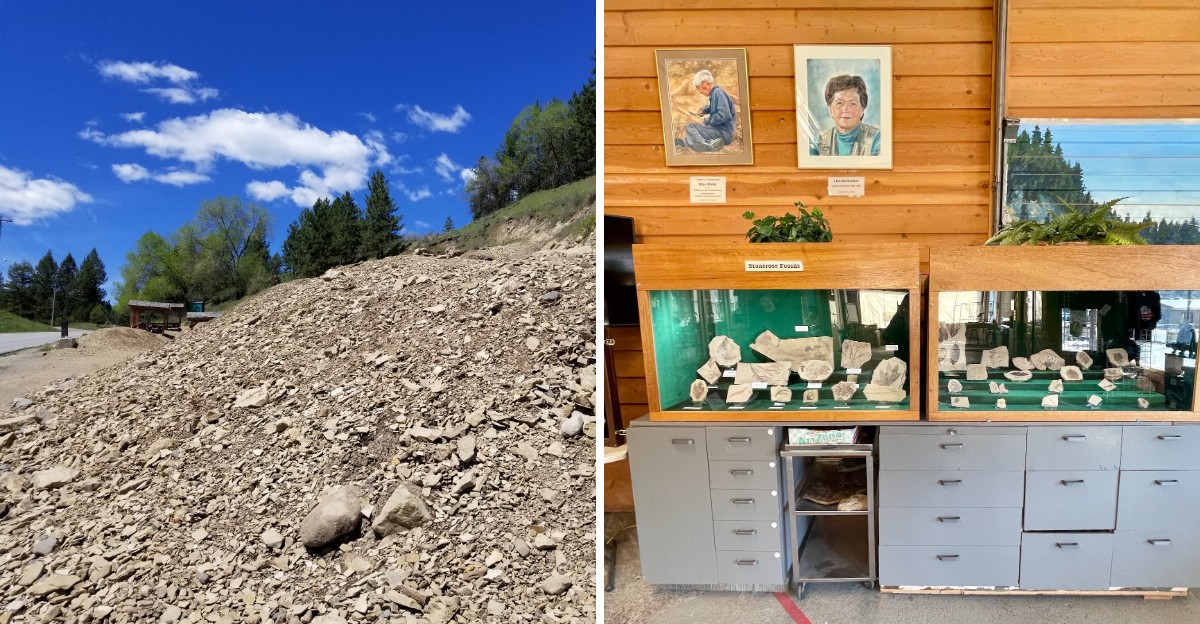
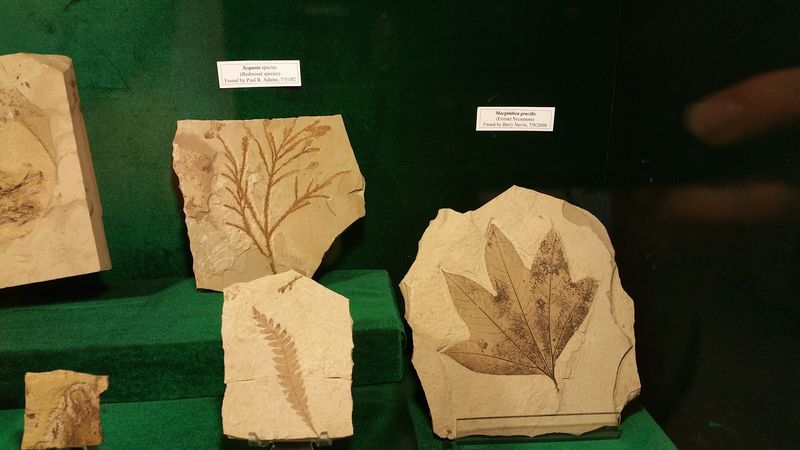
Inside, fossil collections show what the ancient lake left behind. Some displayed specimens have even been published in scientific work.
It’s a great warm-up before heading uphill. Seeing finished examples helps your eyes learn what to look for in the rocks.
Admission to the interpretive center itself is free. That’s a friendly price for a museum packed with ancient leaves.
The center is open Wednesday through Saturday from 9 a.m. to 5 p.m. It closes on Labor Day, Thanksgiving, Christmas, and New Year’s Day.
This is also where you check in before digging. Staff can explain the rules and point you toward the fossil site.
Treat it like base camp. Learn first, then go swing that hammer with a little more confidence.
Pack Like A Pro For The Boot Hill Rock Pile
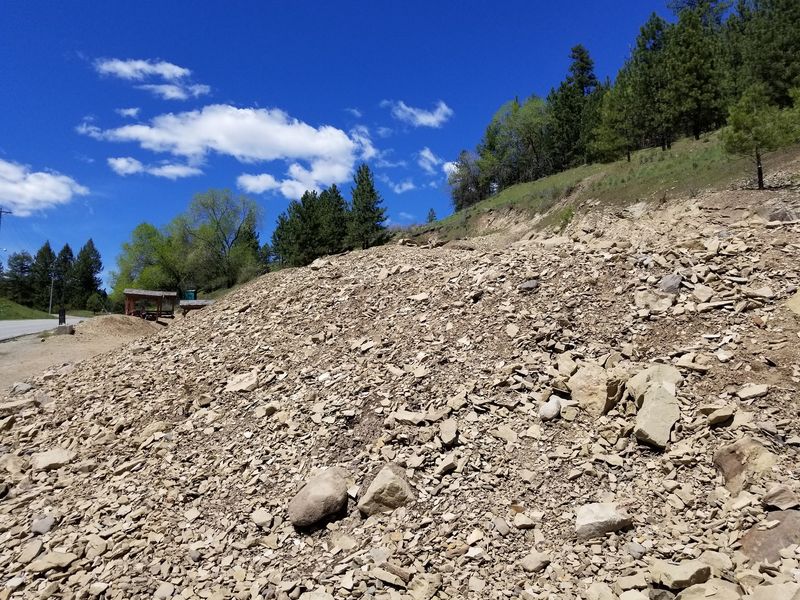
Flip-flops and fossil digs do not mix. The Boot Hill Fossil Site is a hill of loose rock with very little shade.
Closed shoes are a must for climbing around on sharp slabs. Long pants will save your knees from a lot of scrapes.
Eye protection is smart too. Sunglasses or goggles help when little rock chips start flying.
A pad or towel makes sitting and kneeling much more comfortable. Your legs will thank you after an hour of tapping.
Bring a hat and plenty of bottled water. Summer sun on bare rock can feel like a giant skillet.
The good news is the site isn’t far away. It’s about 0.2 miles from the interpretive center, making it a short walk, while parking at the fossil site is reserved for visitors with disabilities.
Portable toilets and a shaded picnic table are available at the dig. That table may become the most popular spot on a hot afternoon.
Toss in sunscreen and a sturdy box for carrying finds. Good prep turns a sweaty chore into an easy, happy treasure hunt.
No Toolbox? No Problem At All
Here’s some relief for anyone without a garage full of gear. The interpretive center rents digging tools for a small fee.
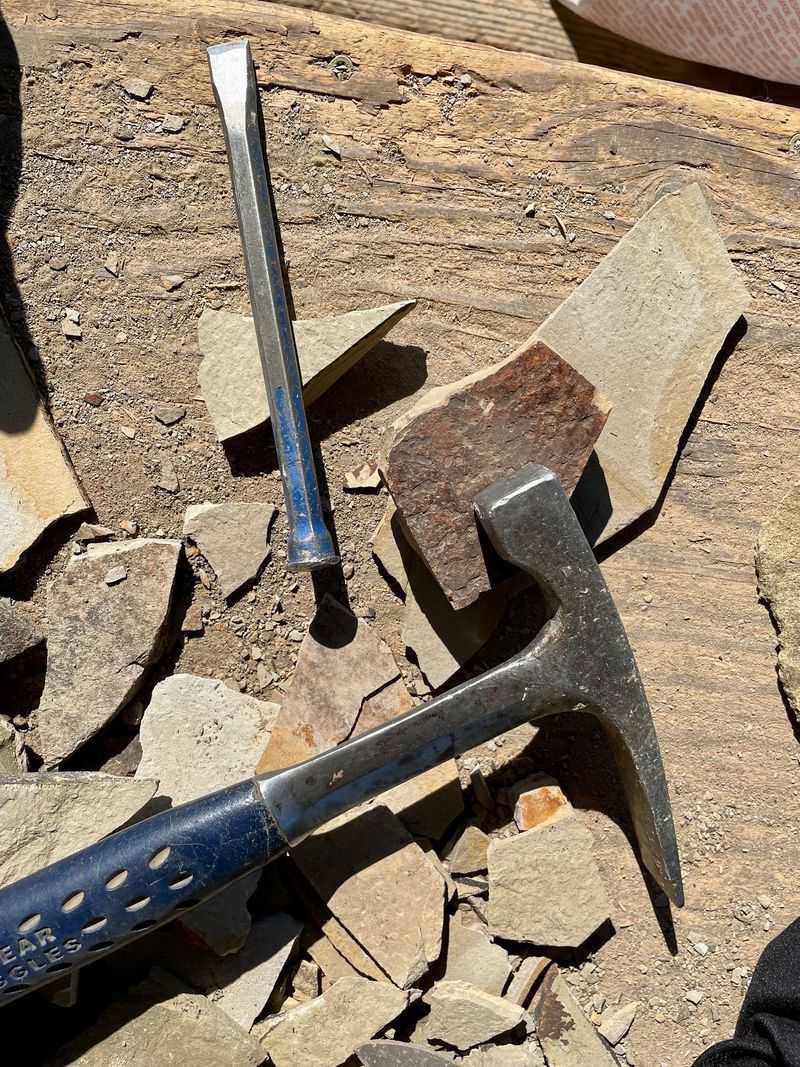
The basic kit includes hammers and cold chisels. Those two tools do most of the heavy lifting on the hill.
Already own some tools? You’re welcome to bring them along.
Hammers, cold chisels, screwdrivers, and putty knives all work well. Thin tools help pry layers apart without crushing what’s inside.
Technique matters more than muscle here. Look for the thin lines running through a rock, then tap right along that seam.
Think of it like opening a book rather than smashing a walnut. Gentle, steady taps usually win.
Small slabs can be tricky, so don’t give up on the first few. Sometimes the plainest-looking chunk hides the best leaf.
Kids can have a blast with this part. Just keep fingers clear and eyes protected, because chisels don’t care whose thumb is nearby.
Once you get the hang of it, it’s oddly relaxing. Tap, peek, repeat, and maybe let out a happy yelp.
Three Treasures Go Home With You Each Day
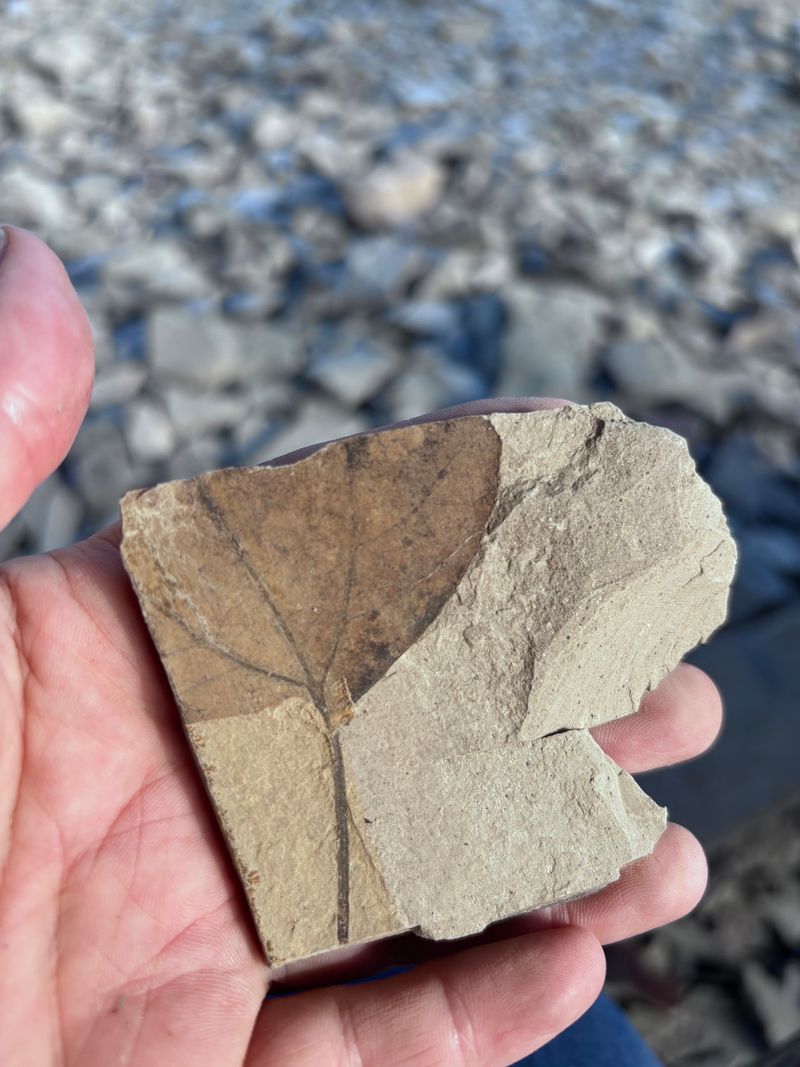
Choosing favorites is the hardest part of the day. Each visitor may keep up to three fossils per day at Stonerose Interpretive Center & Eocene Fossil Site.
That rule keeps things fair for everyone. It also makes you a much pickier collector by afternoon.
After digging, you bring your finds back to the center. Staff can help identify what you uncovered.
That moment is a lot of fun. A plain dark smudge might turn out to be a birch leaf or a tiny seed.
Now for the twist. If you find something scientifically significant, the center may keep it for research.
Sure, that might sting for a second. But your discovery could end up helping scientists understand ancient plant life.
Honestly, I’d count that as bragging rights. Not many people can say they found a fossil important enough for science.
So keep a few backups in your box. Then you’ll still go home happy, no matter what the experts decide.
Wrap your keepers carefully for the ride. Shale is delicate, and nobody wants a 50-million-year-old leaf in crumbs.
Timing Your Trip Matters More Than You Think
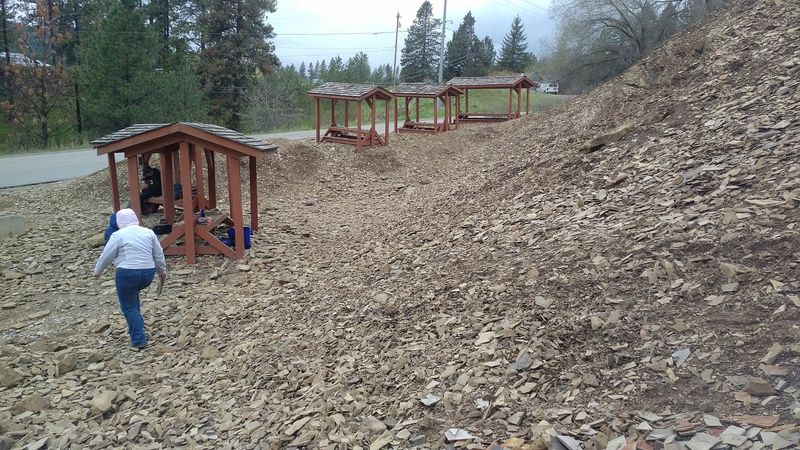
The hill takes a winter nap. Boot Hill operates seasonally, usually from late April or early May through October.
Days and hours shift during the season. In past schedules, digging hours ran around 8 a.m. to 4 p.m.
The proposed 2027 calendar follows a similar pattern. Late April to late May runs Wednesday through Sunday.
From late May to early September, digging opens Tuesday through Sunday. Then early September through late October goes back to Wednesday through Sunday.
Right now, the official website lists the fossil site as closed for the 2026 season. That’s a big detail to catch before any road trip.
The interpretive center keeps its own schedule, Wednesday through Saturday. So the museum may be open even when the hill is not.
Always check the Stonerose website before you go. Schedules can change, and it beats driving out to a locked dig.
Mornings are a smart choice in summer. Cooler air and fresh energy make the rock pile feel much friendlier.
The Gift Store Might Tempt Your Inner Rock Hound
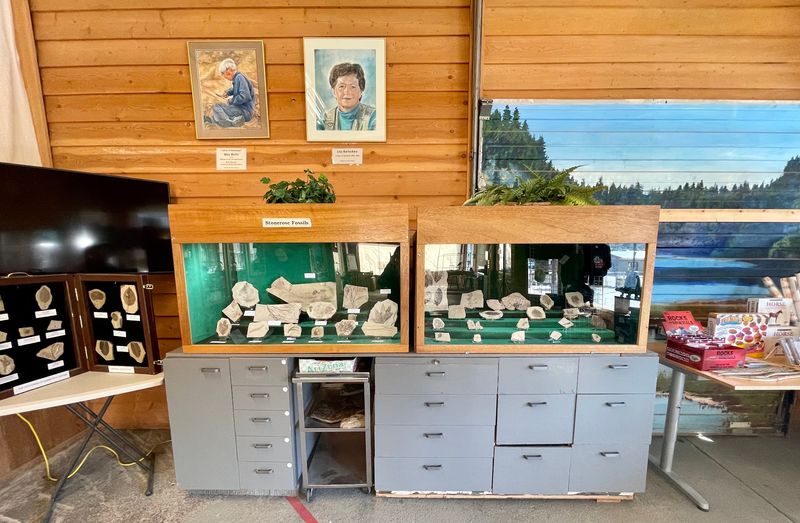
Some days the rocks just refuse to cooperate. Luckily, the gift store inside the center offers a backup plan with sparkle.
Shelves hold geodes, minerals, and other science-themed goodies. It’s a fun stop after a dusty afternoon on the hill.
Geodes are a nice match for this trip. Like your fossil slabs, they hide surprises inside plain-looking stone.
Young scientists may find their next hobby here. A small mineral or science item can stretch the excitement long after you leave.
Shopping here also helps the mission. Stonerose is a nonprofit, so your purchases support the museum and the public dig.
That feels good, especially at a place that gives free museum admission. Everyone wins, including the ancient leaves.
It’s a lovely way to close out the visit in Washington’s northeast corner. You leave with fossils, fresh knowledge, and maybe a shiny rock.
Just be warned. Rock collecting has a sneaky habit of growing, and your shelves at home may need more room soon.