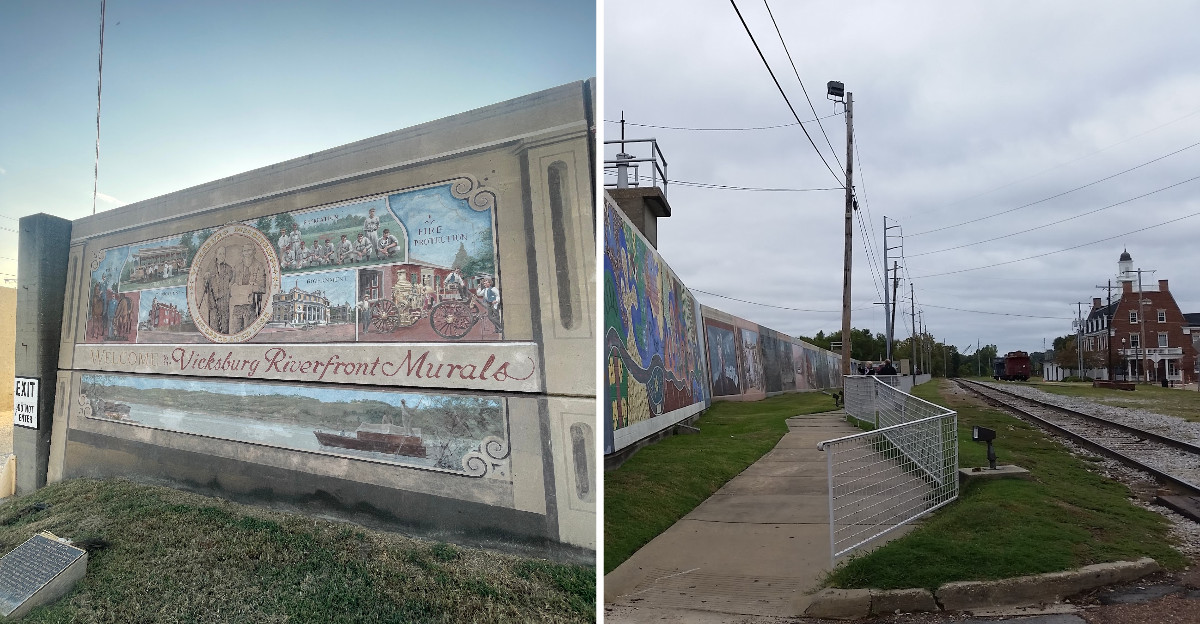
We pulled off the highway in Mississippi looking for a quick leg stretch and a snack, nothing more. Instead, a long gray floodwall burst into color, with painted scenes of steamboats, trains, and old city life stretching down the block.
Behind it, the river rolled by, and a barge slid past so slowly the kids had time to count its sections. That short stop turned into one of the best free history lessons our family has stumbled into.
A Floodwall Along Levee Street
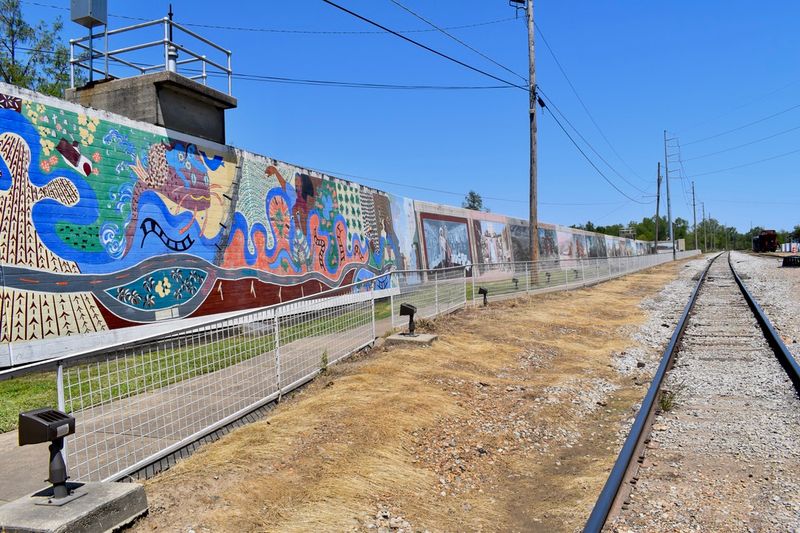
Concrete floodwalls are built for one job: holding back high water. Along Levee Street in Vicksburg, Mississippi, those plain gray panels now carry a second job as giant outdoor canvases.
The Vicksburg Riverfront Murals cover the floodwall panels with colorful scenes from local history.
The wall sits at the bottom of the historic downtown, close to where the Yazoo River feeds into the Mississippi. The U.S.
Army Corps of Engineers built the concrete barrier, and artists later turned it into a walking gallery that families can explore at their own pace.
For parents, the setup is refreshingly simple. There is no ticket booth, no gate, and no schedule to plan around, because the site is open 24 hours a day, every day of the week.
You park, walk along the sidewalk, and the history unfolds panel by panel.
Visitors often describe the area as a pleasant place to stroll, with fresh air and the river right beside you. Kids get a chance to stretch their legs while parents get a dose of local storytelling.
The combination of art, water, and open space makes it an easy fit for a short family stop or a relaxed afternoon outing.
How the Painted Panels Came to Be
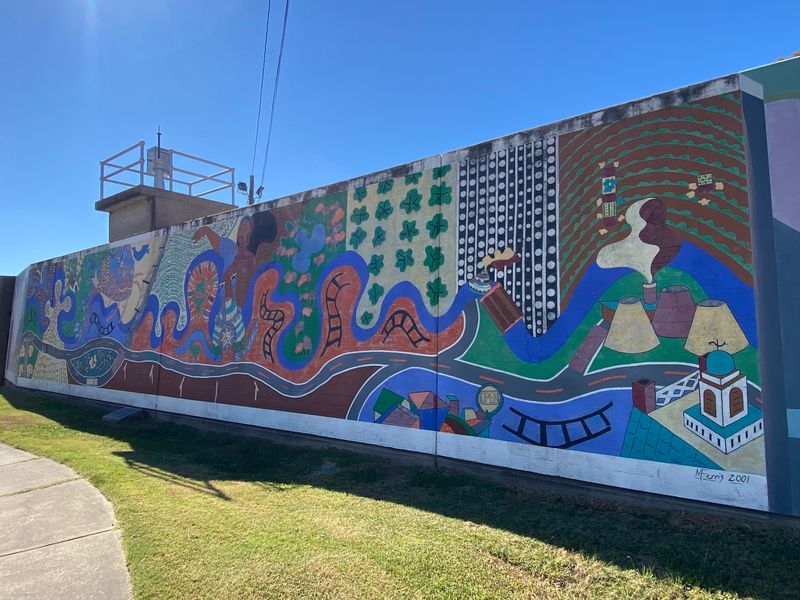
Back in the early 2000s, a team of talented artists set to work on a stretch of bare concrete. The first phase of the project was unveiled in 2002, with 32 panels completed in that initial round.
Much of the work came from artist Robert Dafford, with contributions from other painters along the way.
Why paint a floodwall at all? Many visitors point out that the wall itself, along with parts of the surrounding area, is not especially attractive.
The murals were a clever way to brighten a quiet stretch of riverfront and give the public space a sense of pride and purpose.
The result works like a timeline you can walk. Each scene picks a moment or theme from the city’s past, and together they tell a broader story about how Vicksburg grew.
One longtime visitor called it a crash course in local history, a little eclectic but still rewarding.
Kids tend to respond to the scale before the story. Once they realize every panel has its own tale, though, curiosity takes over.
Asking them to guess what each scene shows before reading the plaque can turn the walk into a fun family game.
Barges, Tugs, and Riverboats on Parade
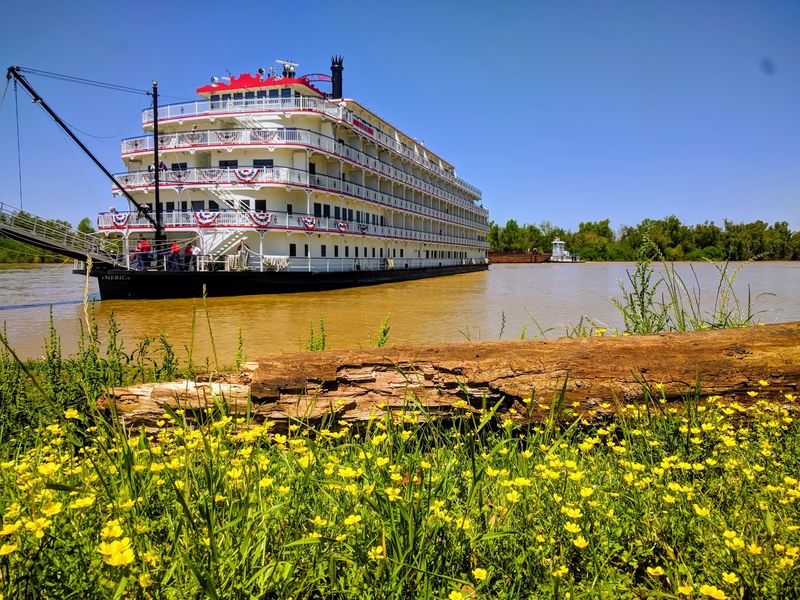
Few things freeze a child in place like a barge tow inching past. From the riverfront near the murals, families can watch the steady flow of commercial traffic moving along the historic waterway.
Visitors mention seeing private boats, tugs, barges, and even river cruise lines on a single visit.
One traveler noted a paddle boat docked during their stop, which adds a little old-fashioned charm to the modern working river. Seeing a real vessel right after studying painted steamboats on the wall helps kids connect the past and present in a natural way.
Barges move slowly, which is actually a bonus for young watchers. Children have time to count the sections, guess what cargo might be inside, and follow the tugboat as it pushes the whole load along.
It becomes a quiet, patient activity that even busy toddlers can enjoy for a few minutes.
Bring a small pair of binoculars if you have them. They make the boats feel closer and give older kids a job to do.
Pair the river watching with a mural about commerce, and you have a lesson about trade and transportation that sticks far better than any textbook page.
Scale That Surprises Little Eyes
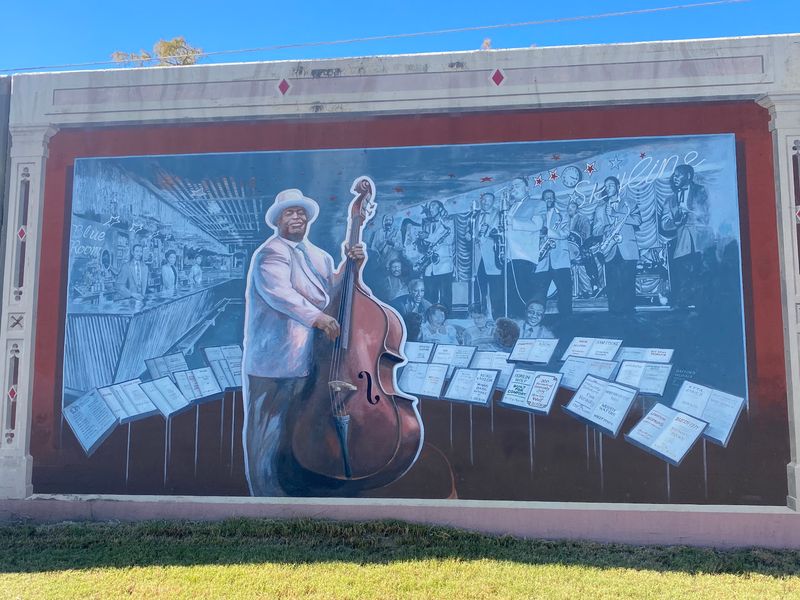
Photos rarely do the murals justice. One visitor explained that most of their pictures were cropped, making it hard to tell that the paintings stretch roughly 10 feet high and up to 20 feet long.
Standing in front of one in person feels a bit like stepping up to a movie screen.
Each panel is about the size of a small room wall, and the detail holds up even when you lean in close. Visitors frequently mention how much care went into the brushwork, from tiny figures in a crowd to reflections on the water.
Kids often find something new each time they look again.
That size makes the murals especially friendly for younger children. Little ones who cannot yet read can still follow the story through the pictures.
A simple game of spot the boat, find the train, or count the people keeps everyone engaged as you move from one panel to the next.
For family photos, the big scenes make memorable backdrops. Stand back a few steps so the whole painting fits in the frame.
Then let the kids pick a favorite panel and pose beside it for a souvenir that shows just how huge these works really are.
Stories Behind Coca-Cola and the Teddy Bear
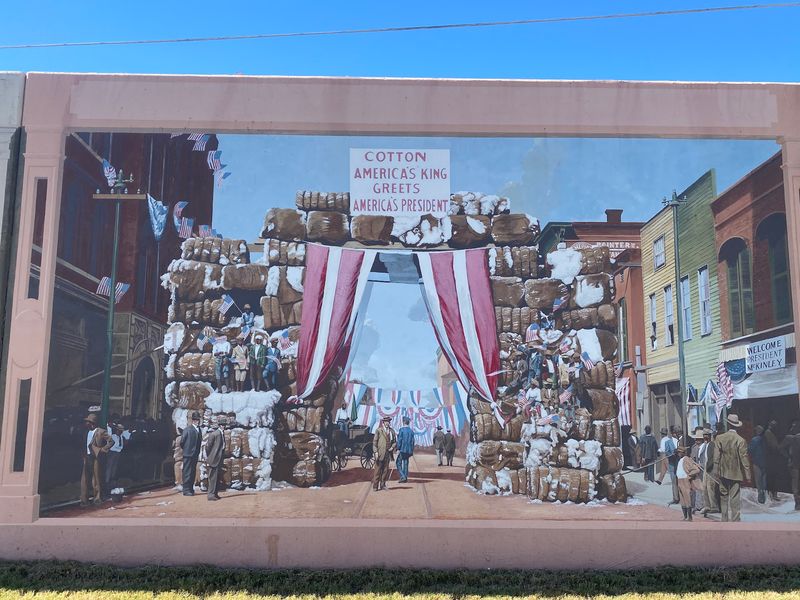
Did you know the first Coca-Cola ever bottled in America happened right here in Vicksburg? One of the panels celebrates that moment, and it tends to get an excited reaction from kids who never imagined a soda could have such a local backstory.
Another favorite connects to a toy almost every child knows. A panel brings to life Theodore Roosevelt’s famous Teddy bear hunt, the story tied to how the stuffed teddy bear got its name.
Kids clutching their own stuffed animals often find this one especially fun to discover.
These panels show how the murals blend big national stories with local folklore. Rather than dry dates and names, the scenes highlight everyday moments that shaped the town and, in some cases, the whole country.
That approach keeps the history approachable for young visitors.
A good tip is to save these two panels for when attention starts to fade. Telling kids that a famous soda and a famous toy are hiding somewhere along the wall can give a tired group fresh energy.
Once they find them, reading the plaque together becomes a small victory rather than a chore.
River, Rails, and Highway Themes
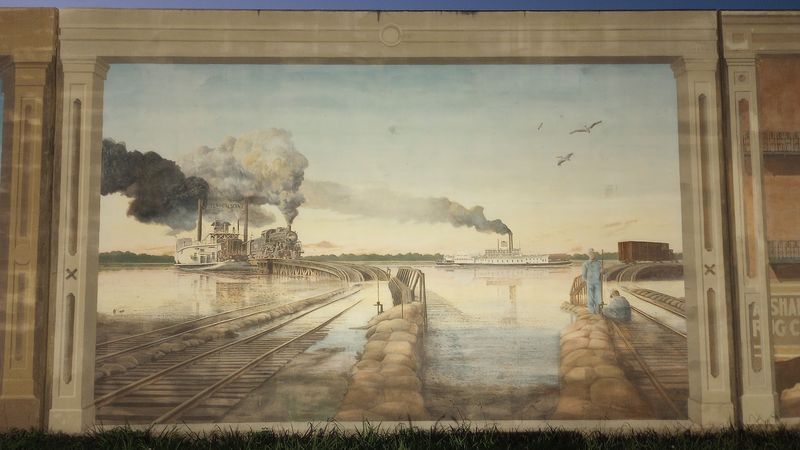
Three lifelines run through the murals again and again: the river, the railroad, and the highway. Each one helped bring people, goods, and new ideas into Vicksburg, and the panels show how those routes shaped the city’s diversity and growth over time.
Steamboats and paddlewheels appear often, a nod to the era when the Mississippi was the main highway of the South. Trains and later roads follow, showing how travel changed across the generations.
Walking the wall in order feels like watching the town grow up in front of you.
Visitors say the series offers highlights of both Mississippi and Vicksburg history. It is worth knowing that the collection notably skips the 1863 siege, so families looking for that chapter will want to plan a separate stop elsewhere in town.
Some guests also wish the series were more inclusive and representative.
For school-age kids, these themes create easy conversation starters. Ask how they think people traveled before cars, or why a city would grow up beside a river.
The answers they come up with, prompted by the painted scenes, often lead to surprisingly thoughtful talks during the drive afterward.
Bronze Plaques and the Reading Sidewalk
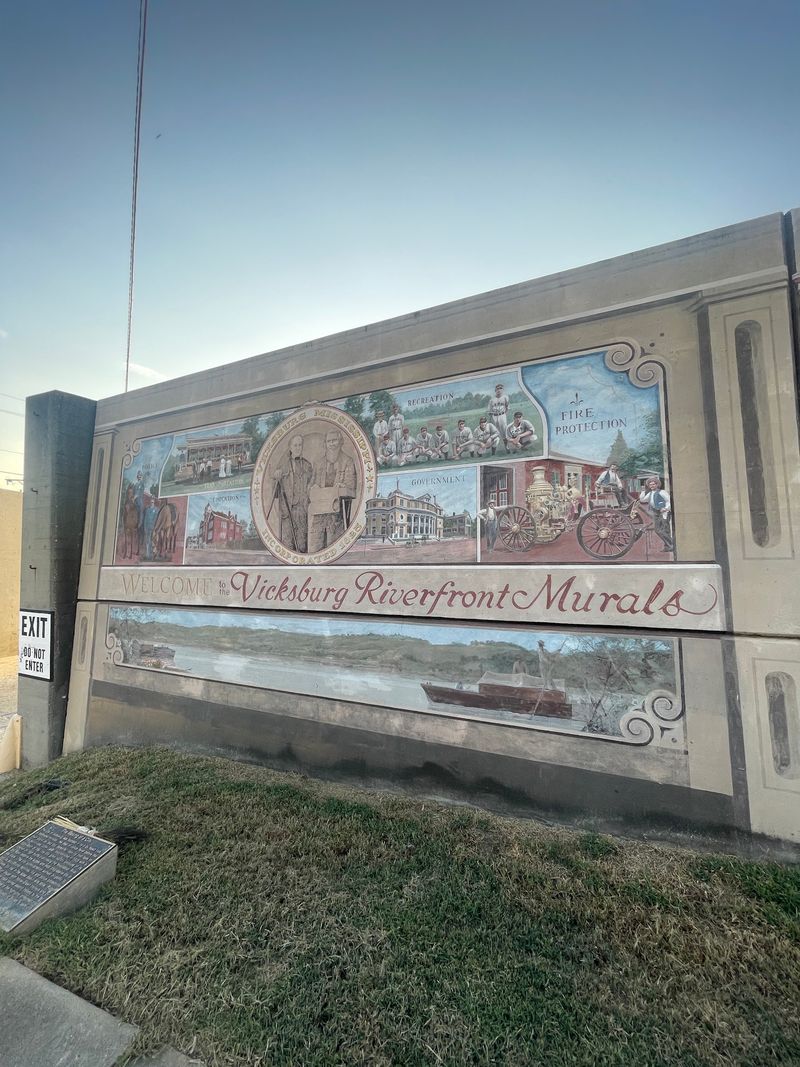
Under every painting sits a bronze plaque explaining what the scene shows. A smooth sidewalk runs along the wall, making it easy to stop, read each story, and move on to the next panel without stepping into traffic.
Here is an honest heads-up for parents: some plaques have darkened or corroded over the years. Visitors mention that a few are hard to read, especially in certain lighting.
Leaning in closer or reading at a different time of day can help, and a phone flashlight sometimes brightens the text.
For early readers, the plaques offer great practice. Let a child sound out the first line while a parent fills in the trickier words.
Older kids can take turns reading aloud as the family walks, which keeps everyone moving and gives each child a little moment in the spotlight.
Many visitors say they appreciate getting the story behind each mural rather than just looking at pretty pictures. The pairing of image and text turns a casual stroll into a genuine learning walk.
Even families short on time can read a handful and still leave with a clear sense of the city’s past.
Catfish Row Children’s Art Park
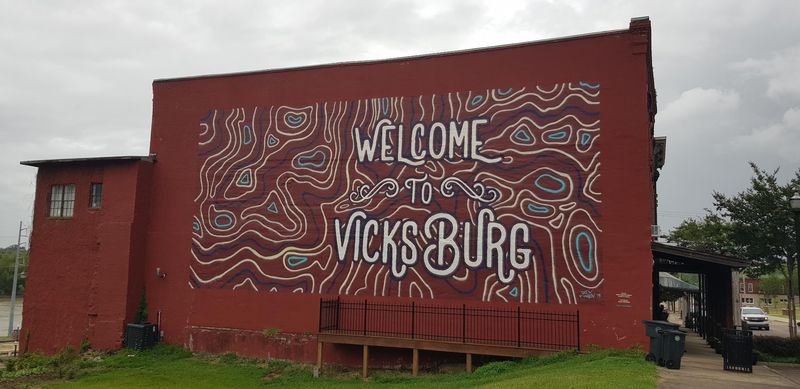
Just steps from many of the murals, the Catfish Row Children’s Art Park gives kids a place to play once the history lesson wraps up. The park blends green space with river views, playground areas, and garden walks designed for creative exploration.
The theme ties right back to the wall. Children’s art throughout the park tells the story of the Mississippi River and its famous paddlewheel steamboats, and one parent called the riverboat theme genius.
Families visiting from out of state mention making it a regular stop every time they come home.
Travelers passing through on the highway say it is an ideal place to let kids burn off energy before getting back in the car. A playground for little ones means toddlers and preschoolers have their own space, while older children explore the art and paths.
One note from visitors: the children’s murals across the street could use some fresh attention, as a few show their age. That does not stop kids from enjoying the space, but it helps to set expectations.
Pairing the park with the floodwall makes for a balanced outing where learning and play share equal time.
Splash Fountain Fun on Warm Days
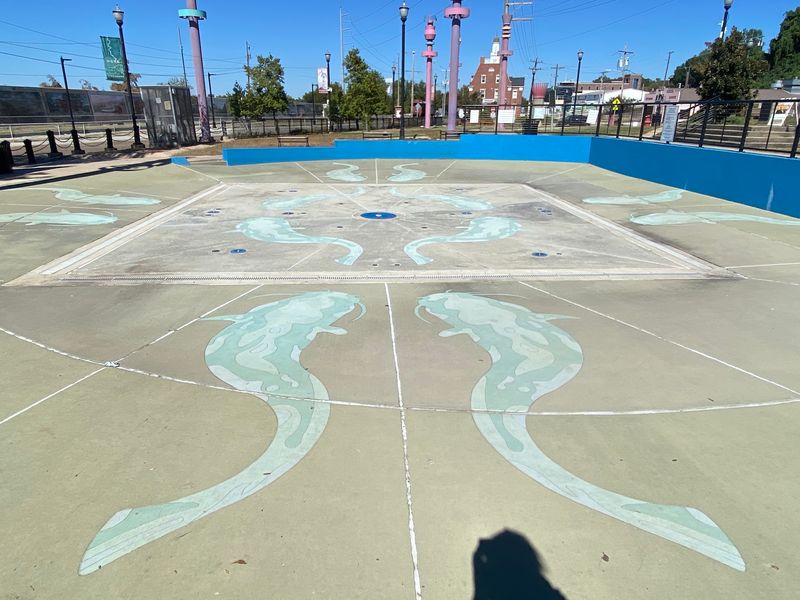
Water spraying straight out of the ground is pure magic to a small child. The park near the murals includes a splash fountain, and parents mention it again and again as a highlight of the visit.
One visitor described a little water area where jets shoot up from the pavement, and another said their young son had a blast there. On hot Mississippi afternoons, it offers a welcome way to cool off after walking the length of the wall.
Planning ahead makes the splash time smoother. Pack a towel, a change of clothes, and water shoes so wet kids can climb back into the car comfortably.
Sunscreen and a hat help too, since much of the riverfront sits in open sunshine.
Families often use the splash pad as a reward. Walk the murals first, read a few plaques, then let the kids run free in the water.
That order keeps attention spans fresh for the history portion and ends the outing on a happy, giggly note. Locals frolic here on weekends too, so expect a lively crowd when the weather is nice, which can make it a friendly spot for kids to meet new playmates.
Picnics and Community Gatherings
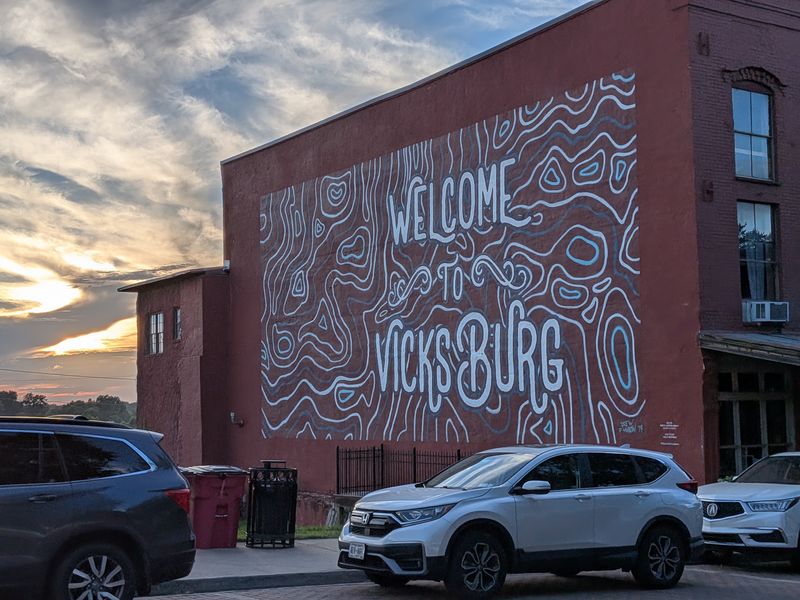
Weekends bring a different energy to the riverfront. Visitors describe a mix of tourists and local families, with folks spreading out for picnics and enjoying the nice weather while kids play in the nearby water park.
Picnic tables come up often in visitor comments, which makes packing lunch an easy way to stretch the budget. Grab sandwiches, fruit, and plenty of water, and you have a full family meal with a river view at no extra cost.
The area also hosts community moments now and then. One visitor shared a fond memory of a movie night on a big screen, with neighbors gathering to enjoy the evening together.
Checking local listings before your trip might reveal a similar event during your stay.
Not every wish is met, of course. A visitor suggested that more benches and extra landscaping would make lingering more comfortable, so bring a blanket if you plan to relax for a while.
Still, the open, friendly feel makes the riverfront a natural gathering place, and families who settle in for lunch often end up watching another barge drift by before packing up.
Planning Your Stop: Hours, Cost, and Access
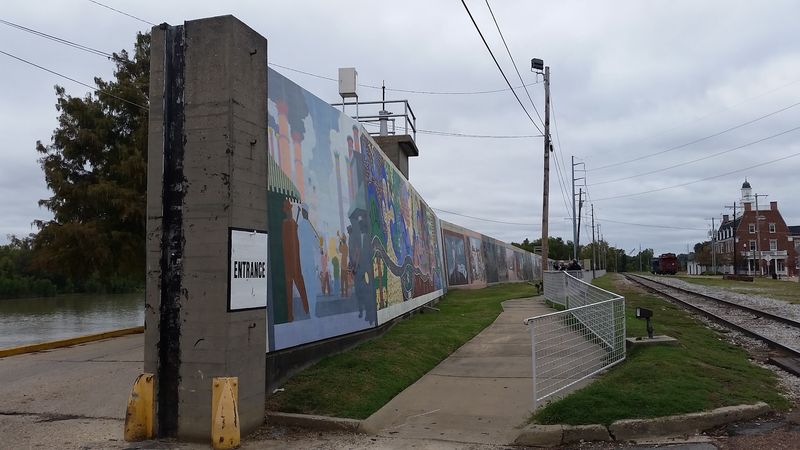
Open around the clock and free to explore, the murals fit almost any travel schedule. The site at 1201-1299 Levee Street welcomes visitors 24 hours a day, seven days a week, so early risers and late arrivals alike can take a look.
Time needed is short. One traveler estimated about 20 minutes to see the murals, though adding the park and splash fountain can easily stretch the visit into a couple of hours.
Visitors note it is a quick hop off the interstate, making it practical for road trips.
Getting there on foot from the main downtown street involves a hill. One visitor wished the walk up and down were easier, so families with strollers or little legs should plan for that climb.
Parking closer to Levee Street can help reduce the effort.
Daylight is the best time for reading plaques and spotting barges. Bring water, sun protection, and comfortable shoes.
Older kids might enjoy the nearby antique mall, which one visitor recommended as a good pick for bigger children, while younger ones head to the splash pad. A little planning keeps the whole family happy from start to finish.
A Riverfront Stop Families Remember
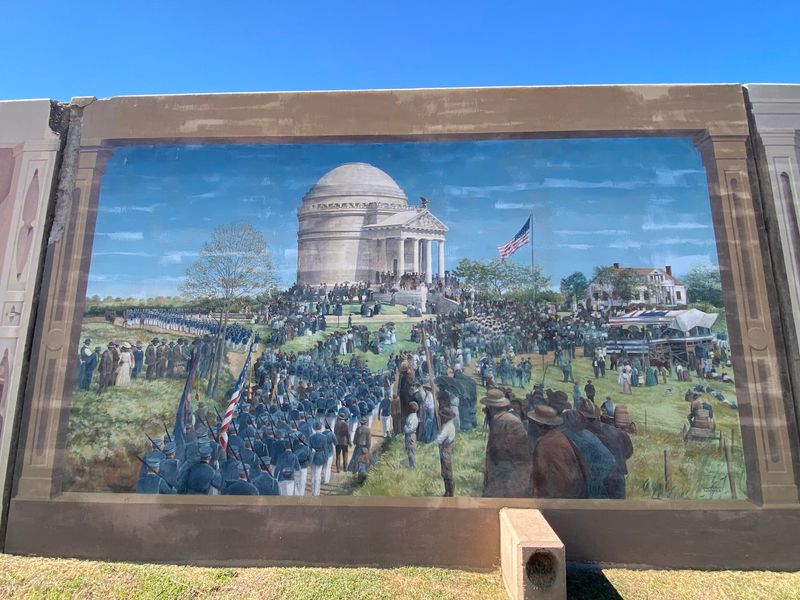
Visitors often say the riverfront delivered more than they expected. A plain flood barrier, a slow-moving river, and a small park add up to an outing that blends art, history, and play without costing a thing.
Is it perfect? Not quite.
Some plaques are faded, a few nearby spots feel a bit drab, and the hill from downtown takes some effort. Many visitors still describe the stop as humbling and memorable, with a strong sense of place right beside the Mississippi.
For families, the biggest reward is variety packed into a small space. Kids can count barges, hunt for the teddy bear panel, splash in the fountain, and eat lunch at a picnic table, all within a short walk.
Parents get a relaxed way to share local history that does not feel like homework.
Road-tripping families will find it a smart break from long highway miles, while those staying in town can work it into a fuller day of exploring. Either way, the painted wall and the working river make a lasting pair.
Chances are your kids will still be talking about that giant barge long after you have driven away.