A forest older than most of the buildings around it still grows inside one busy New York borough. Concrete and honking cars sit just beyond the trees, yet the trail inside feels miles away from it all.
Benches line the route, so nobody has to go hunting for a mossy stump to rest on. Shady trees keep things cool in summer, and flat ground spares tired knees from any steep climbs.
Grandparents and grandkids can stroll side by side at one easy pace, a rare treat these days. A slow walk under old trees leaves plenty of time for spotting birds and swapping family stories.
The whole park stretches across 585 acres, so a quiet, peaceful corner is never very far away. Comfortable shoes and a water bottle are plenty, and the magic shows up once you finally stop rushing around.
A Forest That Refuses To Leave Brooklyn
Old-growth forest in New York City sounds like a tall tale, yet Brooklyn still holds a genuine patch of it. Tulip trees, sweetgums, and oaks grow tall enough here to swallow traffic noise whole.
Frederick Law Olmsted and Calvert Vaux designed the park with construction starting in 1866, and it opened to the public the following year. Their plan preserved remnant woodland instead of clearing it, which is why the canopy feels so mature today.
The park covers 585 acres, with roughly 250 of those set aside as natural areas. Inside that green sprawl sits a marked trail system built for wandering rather than racing.
Shade matters more than most people expect. On a warm afternoon, the temperature under those leaves drops noticeably, and the benches scattered along the routes turn a walk into a series of pleasant pauses.
Birds treat the woods as a rest stop during migration, so binoculars earn their weight. Squirrels handle the comedy portion of the program free of charge.
More than 200 bird species use the park at some point during the year. That’s a big reason it has been named an Important Bird Area.
New York City named the park a Scenic Landmark in 1975, and it joined the National Register of Historic Places in 1980.
Prospect Park Puts Its Address Right On Its Sleeve
Finding the place takes almost no effort, since the park sits in the middle of Brooklyn and touches several neighborhoods at once. Park offices carry the address 95 Prospect Park W, Brooklyn, NY 11215, which serves as the anchor point for the whole property.
Grand Army Plaza gets recognized as the grand front door, complete with its arch and busy roundabout. Walkers heading for the woodland routes often prefer the quieter entrance at Lincoln Road and Ocean Avenue instead.
That eastern entrance leads toward the Prospect Park Audubon Center, a practical launch pad for the Lullwater, Midwood, and Peninsula trails. Starting there trims unnecessary steps before the good scenery begins.
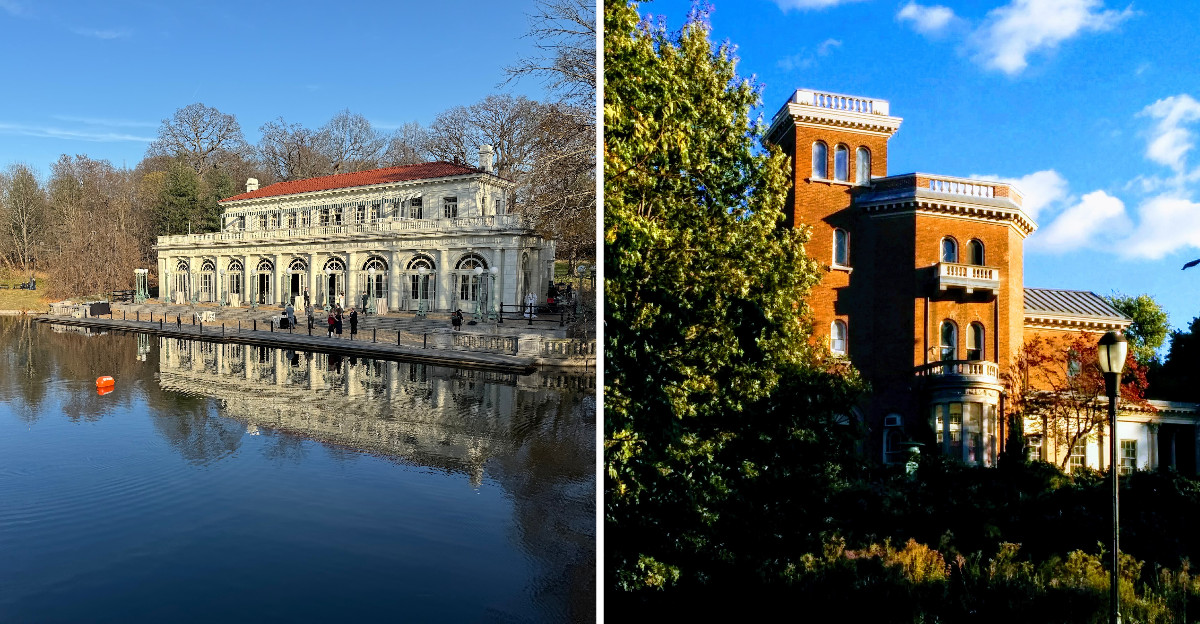
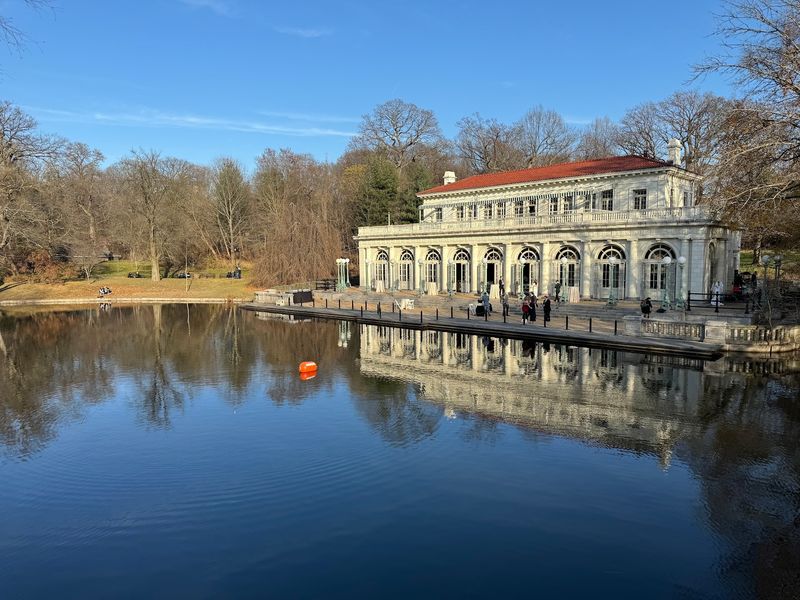
The center sits inside the historic Boathouse, which became the nation’s first urban Audubon Center in 2002. Stop in for park information before heading out on the trails.
Gates stay open from sunrise until after sunset every day of the week. Morning visits reward you with cooler air, softer light, and far fewer bicycles.
Accessible restrooms sit around the park perimeter, which removes one common worry for longer outings. Plan your route with those stops in mind.
Subway lines and buses ring the park, so a car is optional. Brooklyn rewards people who arrive by train.
Midwood Loop Keeps Things Flat And Friendly
Half a mile. That is the entire length of the Midwood Loop, and it might be the most rewarding half mile in the borough.
The route curls through the heart of Brooklyn’s last upland old-growth forest, where the biggest trees have been standing for generations. Sunlight arrives in patches rather than sheets, keeping the whole loop pleasantly cool.
Underfoot, the surface stays mostly flat and mulched, with rustic cedar rails marking the edges. A few paved stretches break up the softer ground, so footing rarely surprises you.
Walkers using canes or walking poles tend to appreciate the lack of steep grades. Nothing here demands a climb.
Wildlife treats the Midwood as prime real estate. Woodpeckers hammer away overhead, chipmunks dart across the mulch, and warblers pass through in spring and fall.
Because the loop is short, you can circle it twice and still feel fresh. Many regulars do exactly that, adding a bench break between laps.
Quiet is the real draw. Standing among those tulip trees, you would never guess a subway runs a few blocks away.
Lullwater Trail Follows The Slow Water
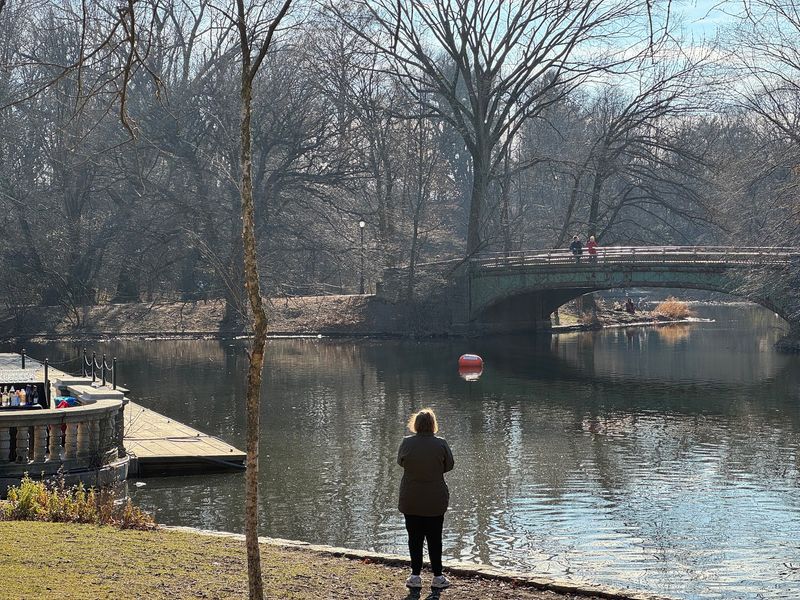
Water has a way of slowing people down, and the Lullwater takes that idea seriously. The stream widens and drifts here before easing into Prospect Park Lake.
Stretching roughly 0.9 miles, the trail runs on paved paths with small offshoots that lead right to the water’s edge. Those short detours make excellent photo stops.
A shaded rustic arbor with benches sits along the route, positioned for watching the water without staring into the sun. Herons, egrets, and ducks make regular appearances.
Paved surfaces help enormously for anyone using a rolling walker or a wheelchair. The grade stays mild throughout.
Turtles claim the sunny logs on warm days, stacking themselves like dinner plates. Kids love it, and honestly, so does everyone else.
The Boathouse stands nearby, one of the most photographed structures in the park and a handy landmark if you lose your bearings.
Built in 1905, the Beaux-Arts Boathouse was one of the first buildings in New York City to be named a landmark. It faces west on purpose, placed to catch the sunset over the water.
Because the trail hugs the water, breezes tend to find you even in August. Pack a snack, claim a bench, and let the afternoon stretch out. There is no prize for finishing quickly.
Peninsula Trail Serves Lake Views With Zero Climbing
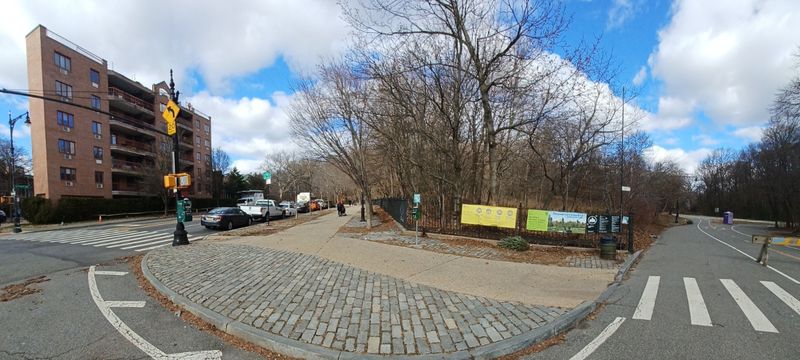
Another half-mile option waits on the far side of the lake, and it may hold the best water views in the park. The Peninsula Trail loops beneath a leafy canopy with the 60-acre Prospect Park Lake glinting through the trunks.
Shade covers most of the route, which turns July walks from a chore into something genuinely pleasant. Trees do the air conditioning for free.
A rustic shelter along the way gives walkers a proper place to sit and take in the scenery. Swans and geese usually put on a show out on the water.
Distance-wise, the trail matches the Midwood Loop, so pairing the two makes a satisfying morning without turning into a hike. Both stay gentle from start to finish.
The lake is the largest body of water in Brooklyn, hand-built as part of the original design. Knowing it was shaped by shovels and horse carts adds something to the view.
Anglers cast from the shoreline under catch-and-release rules. Watching them work is its own quiet entertainment.
Sunset light hits this stretch beautifully.
This Short Trail Delivers A Waterfall In One Tenth Of A Mile
Ten minutes. That is roughly all it takes to walk the Fallkill Trail, and a waterfall is your reward at the end.
Opened in 2023, the path measures just 0.1 miles, making it the shortest route in the park’s trail system. Short does not mean forgettable.
Fallkill Falls marks the beginning of the park’s one-mile watercourse, an entirely engineered stream that tumbles and pools its way toward the lake. Every drop of it was planned by the original designers.
The sound of moving water carries surprisingly far, and it masks city noise better than any pair of headphones. Ferns and mossy rocks frame the scene.
Newer construction means the surface here is in solid shape, a plus for cautious footing. The distance suits anyone who wants scenery without commitment.
Pairing this stub with a longer route works nicely. Walk the Fallkill first, then continue into the surrounding woodland at whatever pace suits you.
Photographers show up early for the soft morning light. The falls look their best after a good rain, when the flow picks up noticeably.
Smart Planning Makes The Whole Walk Easier
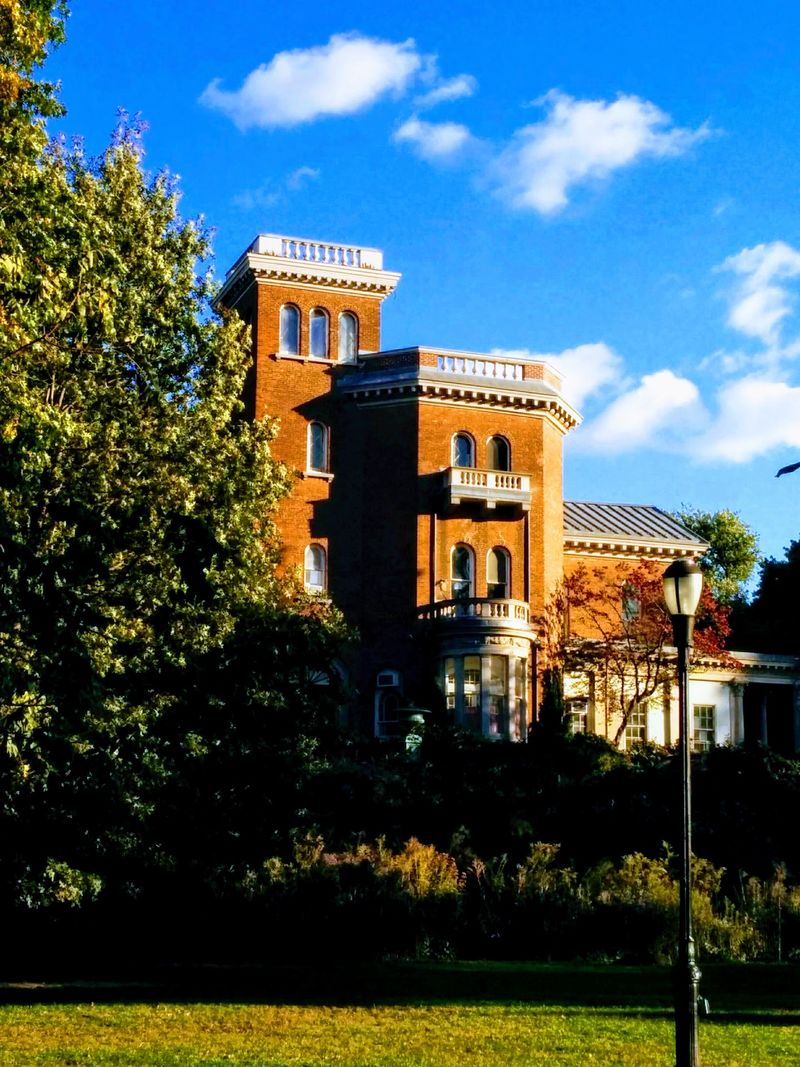
Comfort comes down to preparation, and a little planning stretches a good walk into a great one. Benches appear regularly along these routes, so map your rest stops before you set out.
Weekday mornings bring the calmest conditions. Cyclists and runners concentrate on the main loop road, which means the woodland trails stay far mellower.
Water deserves a spot in every bag, even on cool days. Shade helps, though hydration still matters.
Restrooms sit around the park perimeter and include accessible facilities, so check a park map when you arrive. Knowing where they are removes a lot of guesswork.
Footwear with real tread pays off on the mulched sections, particularly after rain. Sneakers beat sandals every time.
The Prospect Park Alliance, founded in 1987 in partnership with the City of New York, cares for these natural areas and posts current trail information online. Checking before a visit saves surprises.
Sunrise to after sunset are the daily hours, giving plenty of room for a leisurely schedule. Go slow, sit often, and let Brooklyn’s forest do the rest.