
A Nevada Farm Has Been Quietly Selling Fabric Alongside Its Produce For Decades
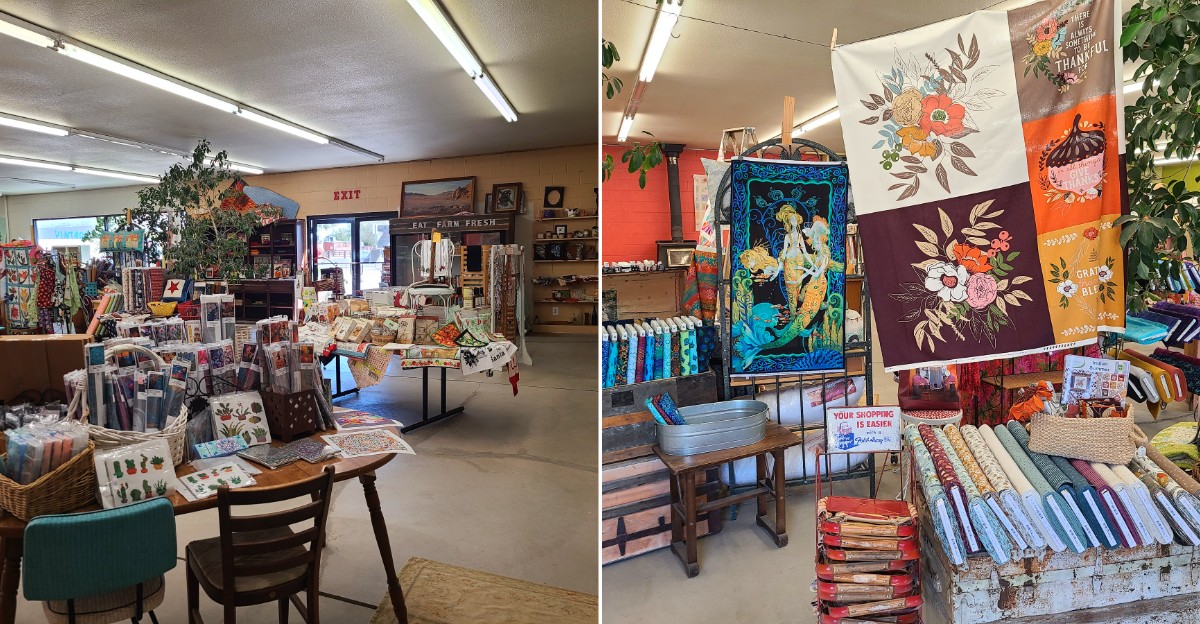
Sweet corn, marigolds, and quilting fabric should not make sense under the same roof. Somehow, they do.
One family-run operation has turned that unusual mix into part of its charm, giving shoppers several reasons to stop instead of just one. You might arrive looking for sturdy garden plants and end up flipping through rows of colorful fabric.
Or maybe the fabric brought you in, only for fresh produce to steal your attention on the way out. That unpredictability is half the fun.
Nevada is full of unusual roadside stops, but this one stands out because the combination feels practical and genuinely useful. Gardeners browse alongside quilters. Regulars know which sections deserve extra time. First-time visitors usually find more than they expected.
It is the kind of place where a quick errand can quietly turn into a much longer browse, especially once you realize just how much is packed inside.
Bolts Of Quilting Cotton Sitting Right Past The Plants
Most folks pull into a farm expecting tomatoes and seedlings, not shelves of quilting cotton. Workman Farms keeps both under the same roof, and the fabric side has been part of the operation for decades.
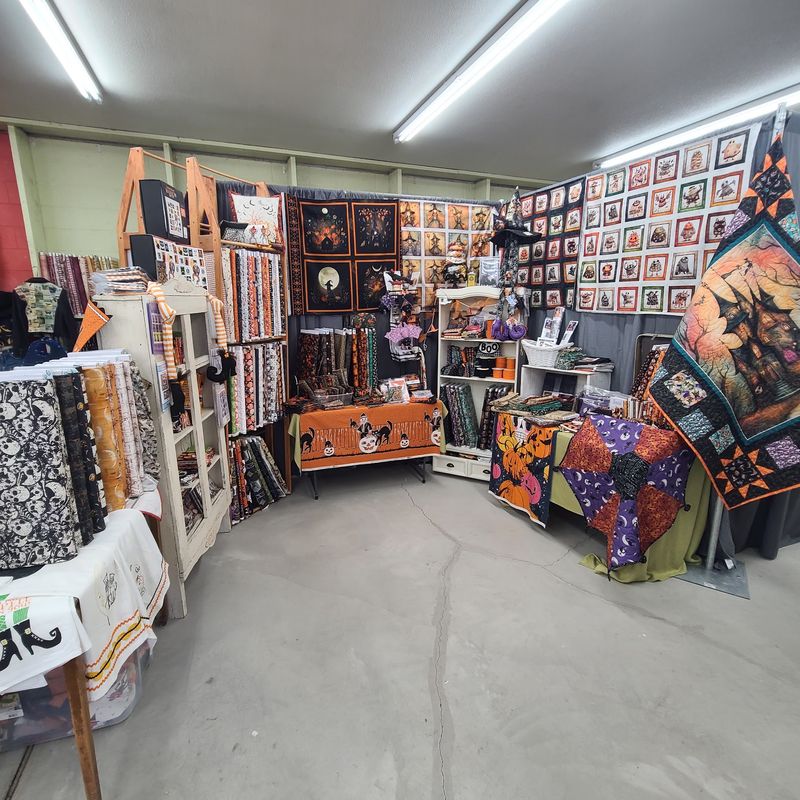
You walk past plants and produce, then find a room lined with bolts arranged by color and print. Quilting cottons make up the heart of the selection. Florals, novelty prints, seasonal patterns, and plenty of other designs get shelf space.
If you are building a scrappy quilt, the variety gives you plenty of options without a long drive. The room feels bright and organized, which makes browsing easy even when you only have twenty minutes.
Sewists who work on pillowcases, table runners, baby quilts, or simple tote bags will find suitable yardage here. You should bring your pattern and any fabric you already own so matching goes faster. Staff are available to help with fabric questions and selections.
Nevada has fewer fabric shops than you might expect across its wide stretches of highway, so a stop like this carries real weight for local quilters. Plan on staying longer than you think. The colors alone tend to spark ideas you did not arrive with.
Garden Plants That Handle High Desert Weather
Gardening in northern Nevada takes patience. Dry wind, alkaline soil, and big temperature swings test every plant you buy.
The nursery side of Workman Farms leans into that reality by stocking trees, shrubs, and flowers suited to the area. You can ask what survives a cold snap in April and get a straight answer.
Trees sold here are chosen with local planting in mind, which saves you the frustration of watching something fail after one season.
Stock that does not sell gets held through winter and offered again the following year, so some nursery stock may already have spent a winter in local conditions.
Bedding flowers, vegetable starts, perennials, and shrubs rotate with the seasons. You should visit early in spring if you want the widest choice of vegetable starts. Elderberry, fruit trees, and other edible plants show up too, which appeals to anyone building a backyard harvest.
Staff share care tips as you shop, covering watering, sun exposure, and spacing. Bring a photo of your yard and a rough idea of your sun hours. Those two details help you leave with plants that actually belong in your space rather than ones that simply looked nice on the bench.
Produce Picked A Short Walk From Where You Park
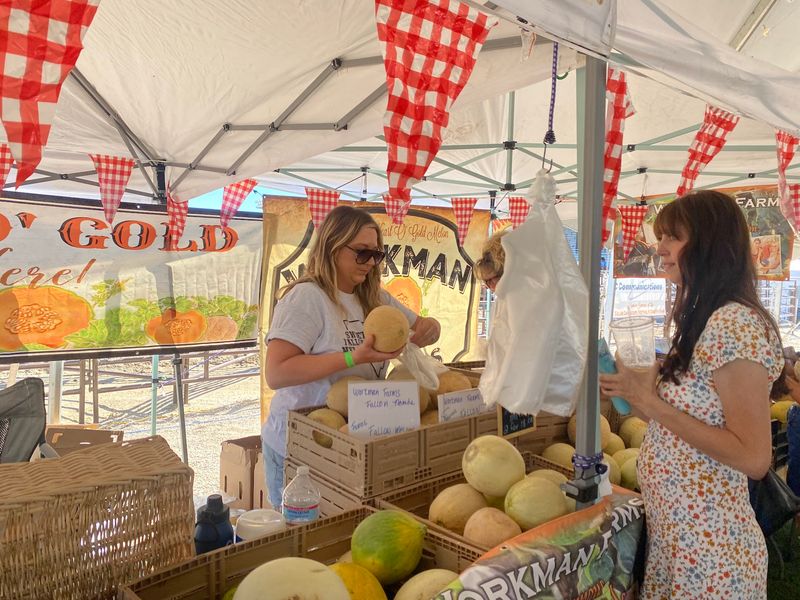
Corn, melons, cucumbers, squash, and other seasonal crops come off the fields during the warmer months. Workman Farms started as a produce operation, and that part of the business still runs alongside everything else.
You can find the farm at 4990 Reno Hwy, Fallon, NV 89406, right along the highway with easy parking. Buying vegetables close to where they were grown adds to the farm-direct appeal.
Sweet corn in late summer is the crop most shoppers watch for. Melons arrive around the same stretch, and the window is short. You should call ahead during harvest season to ask what came in that morning.
Seasons in this part of Nevada run on a tight schedule, so timing matters more than it does in milder climates. What is available changes with the growing season. Squash, sweet corn, tomatoes, melons, cucumbers, and other vegetables appear when ready.
Farm produce also pairs nicely with the shopping trip itself. You can pick up fabric for a project, grab a flat of flowers, and carry home dinner ingredients in one stop.
Few errands combine that well, and the convenience is part of why regulars keep the drive on their weekly list. Bring a sturdy box or two for the ride home.
Staff Who Know Their Stitches And Their Soil
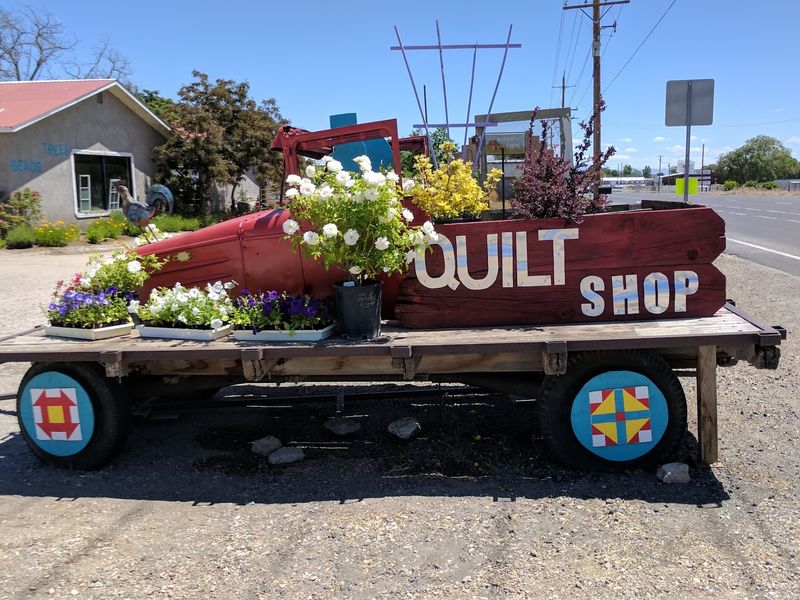
Helpful service sounds like a small thing until you are holding two nearly identical greens and cannot decide. The team at Workman Farms handles questions on both sides of the business, which is unusual for any single shop.
One person can talk you through quilt batting choices, another can explain why your tomato leaves curled. You should describe your project out loud, even if it feels unfinished. Staff often suggest a print or a plant you would have skipped on your own.
Asking about that is worth your time if you need something specific. The atmosphere stays relaxed, and nobody hurries you toward the register. Browsing at your own pace is normal here.
Beginners can ask questions about fabric, patterns, thread, and other quilting basics. Experienced quilters come for the selection, but they tend to stay for the conversation about technique.
Hours That Fit Around A Weekend Errand Run
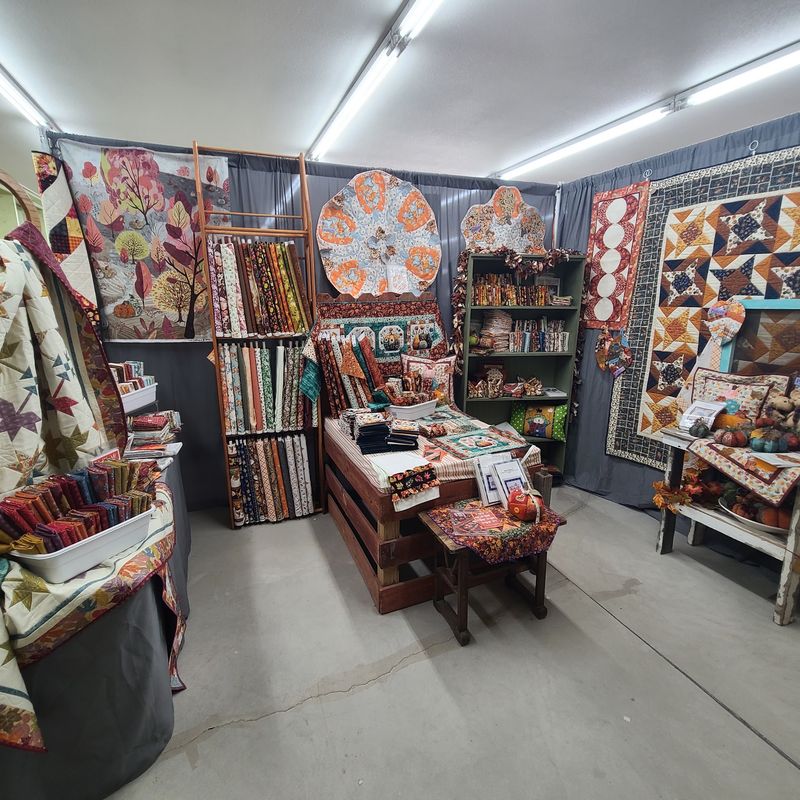
Seven days a week is rare for a small farm shop, and it makes planning simple. Workman Farms opens at 9 AM daily.
Monday through Friday the doors stay open until 5 PM, Saturday closes at 4 PM, and Sunday wraps up at 3 PM. You should aim for a weekday morning if you want quiet aisles and unhurried help at the cutting counter.
Calling ahead answers questions about seasonal stock before you drive out. Holiday schedules can shift, so a quick check saves a wasted trip.
Give yourself an hour at minimum. Between fabric, notions, plants, and produce, the property holds more than a five minute stop allows.
Shoppers traveling through on Highway 50 often build the visit into a longer day. Parking sits close to the entrances, and moving between the nursery and the shop takes only a moment.
If you are carrying home plants, visit in the cooler part of the day so nothing wilts in a hot car. Small planning details like that make the trip smoother.
Sales Worth Circling On Your Calendar
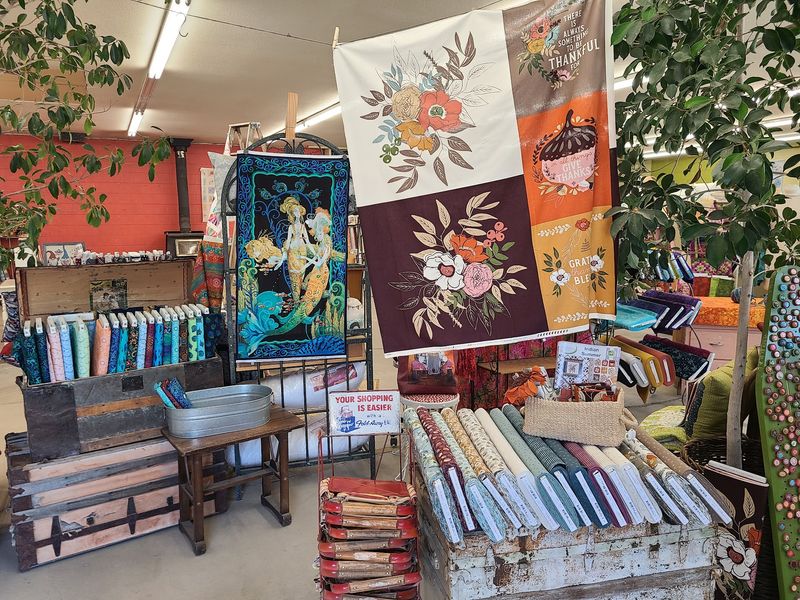
Workman Farms has offered seasonal discounts in the past, including a post-Thanksgiving sale with select merchandise marked 30 to 40 percent off.
That makes it worth keeping an eye out for occasional promotions, especially around seasonal transitions. Sale timing and eligible merchandise can change, though, so it is best to check directly with the farm before planning a trip around a discount.
Quilters may find a sale especially useful for stocking up on fabrics they already know they will use. Backing fabric, neutrals, batting, and versatile prints can all come in handy for future projects.
The nursery side follows its own seasonal rhythm. Some trees that do not sell during the growing season are overwintered and offered again the following year. That means the selection can shift throughout the year rather than staying exactly the same from one visit to the next.
If you are hoping for a particular fabric, plant, or seasonal deal, calling ahead is the safest move. It can save you a trip and give you a better idea of what is currently available. Even without a sale, the mix of fabric, plants, and produce gives shoppers plenty to browse in one stop.
Notions, Tools, And Everything Between The Bolts
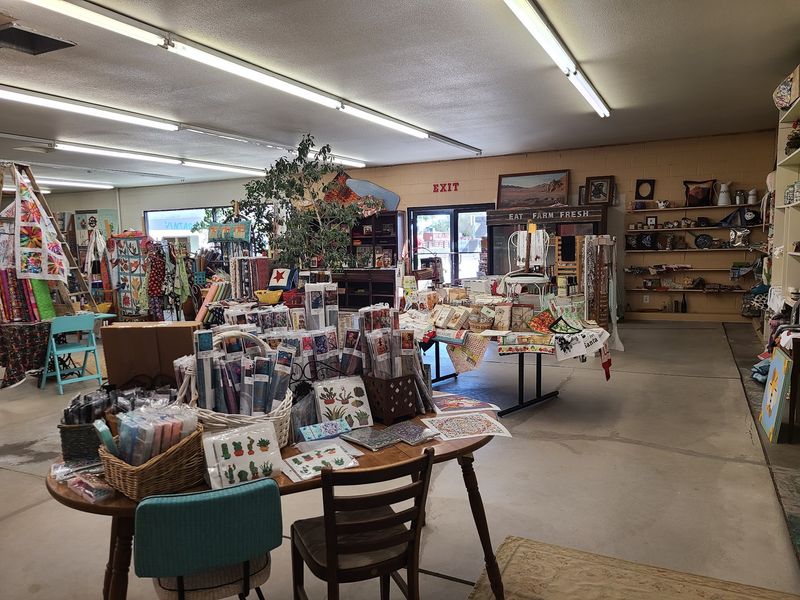
Fabric may be the main attraction, but it is not the only quilting supply available at Workman Farms. Shoppers can also find batting, thread, patterns, books, and other notions, making it easier to gather several project essentials in one stop.
The selection gives beginners a practical place to start without making the process feel overwhelming. If you already have a pattern in mind, bringing it along can make choosing fabric and supplies much easier.
Patterns and quilting books can also help spark ideas when you arrive without a specific project planned. Seeing suggested combinations and finished designs makes it easier to picture how different fabrics might work together.
Staff can help with questions about fabric, patterns, thread, and other quilting basics, which is useful if you are still figuring out what you need.
For experienced quilters, the appeal is being able to browse fabric and supporting supplies in the same place. For anyone just passing through, even a small fabric purchase can make a more practical souvenir than something destined to sit on a shelf.
That mix of usefulness and variety is a big part of what makes the fabric side of the farm worth exploring.
Why The Detour Earns Its Place On Your Map
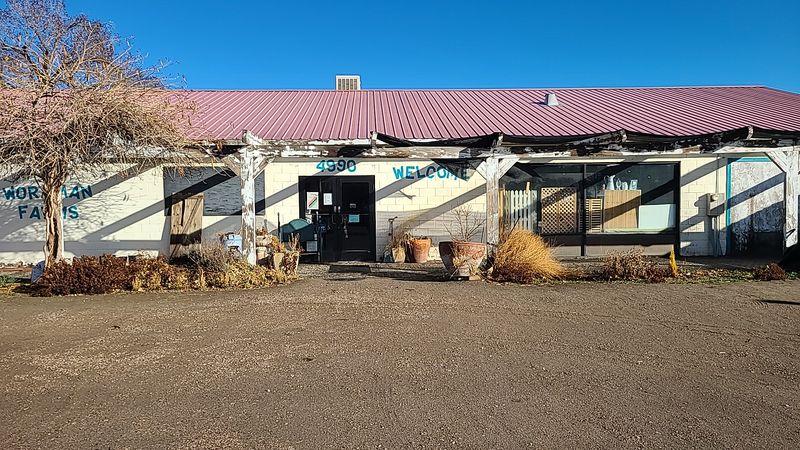
Combination businesses rarely work, yet this one has lasted decades. You get plants suited to the region, produce harvested nearby, and a fabric room deep enough to finish a real project. Three errands collapse into one.
For anyone driving across Nevada on Highway 50, the stop breaks up a long stretch with something genuinely useful. Quilters make the trip on purpose. Gardeners come back every spring. A produce stop can easily turn into browsing the nursery or fabric section too.
You should go in with a loose plan and a little extra time. Write down the yardage you need, the plants you are hoping to find, and let the rest happen.
Half the fun is spotting something you did not expect. Small operations like this one survive because people keep showing up, and showing up here is easy. The hours are generous, the parking is simple, and the staff answer questions with patience.
Add it to your route once and you will understand why locals treat it as a regular stop rather than a novelty. That steady loyalty says more than any description can.