
A Taste Of Poland And Portugal Comes Together At This Connecticut Bakery
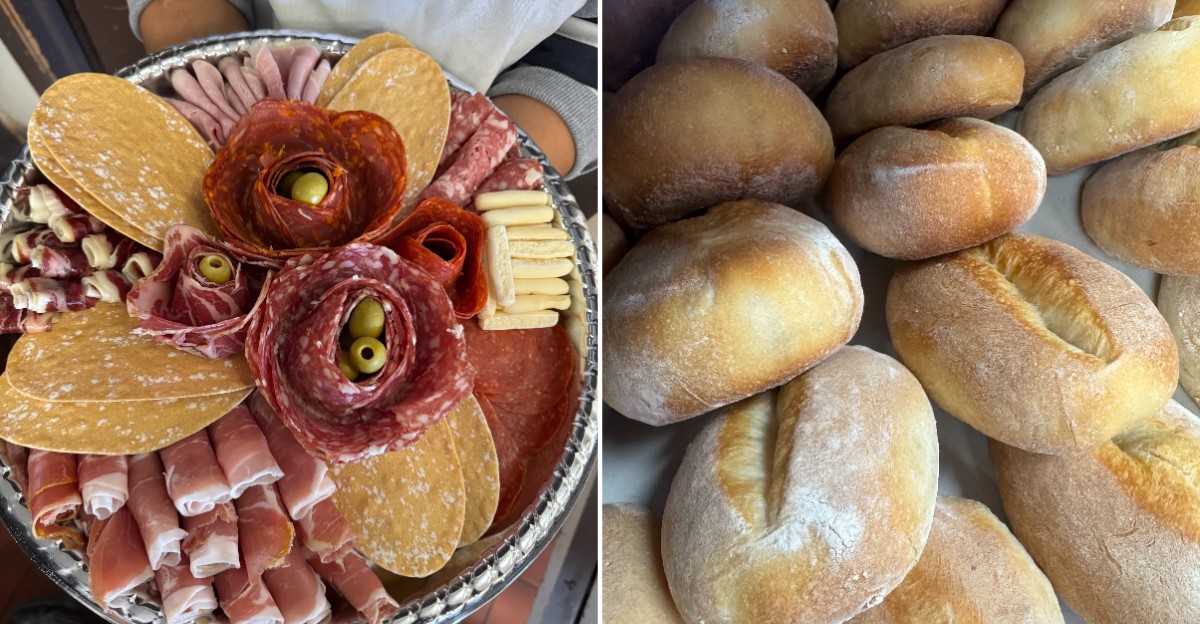
Polish rye and Portuguese sweet bread rarely share a cooling rack, and this Connecticut bakery makes them feel like old neighbors. Loaves come out of the oven early, crackling as the crust sets.
Rye sits dense and dark beside rounds of soft, golden sweet bread. Babka twists with chocolate and cinnamon rest near flaky pastries filled with custard.
Poppy seed rolls and sesame-topped buns crowd the same trays. Two immigrant traditions meet at one counter, each keeping its own recipes intact.
Neighbors from both heritages stop in for the flavors they grew up with. Newcomers leave with a mixed bag and a new favorite.
Weekend mornings bring the longest lines, and the best items vanish by noon. This bakery proved that two food cultures can share one oven and make each other taste better.
The Corner Of Portugal
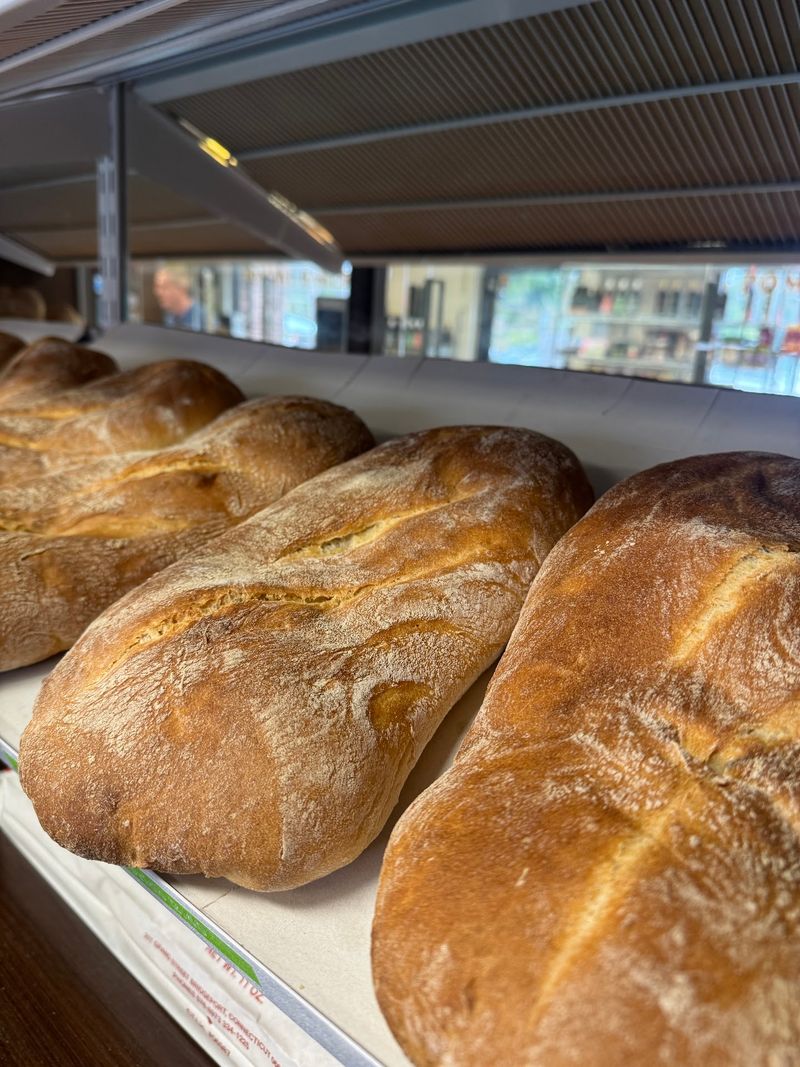
Back in 1988, a small bakery opened in Bridgeport with a simple plan. Bake the food of Portugal the way grandparents made it, and do it every single day.
Pombal Bakery has stuck to that plan for more than three decades. The recipes are old, the ingredients are plain, and the results are anything but boring.
The shop is often called a corner of Portugal in Connecticut, and the nickname fits. Shelves hold imported goods, the cases are lined with pastries, and fresh loaves pile up behind the counter.
It is not a giant space. Think cozy, practical, and busy, like a kitchen that happens to have a cash register.
Here is a fun bit of history. Pombal is the name of a town in central Portugal.
It is also linked to the Marquis of Pombal, the famous leader who rebuilt Lisbon after a huge earthquake in 1755. So the name carries a little bit of national pride with it.
What keeps the place special is how normal it feels. Neighbors grab bread for dinner, workers pick up lunch, and pastry fans hunt for their favorite tart.
Nobody is putting on a show.
If you like food with real roots, this is a great place to start exploring. You will find this Bridgeport favorite at 277 Grand St, Bridgeport, CT 06604.
The Pastel De Nata Everyone Talks About
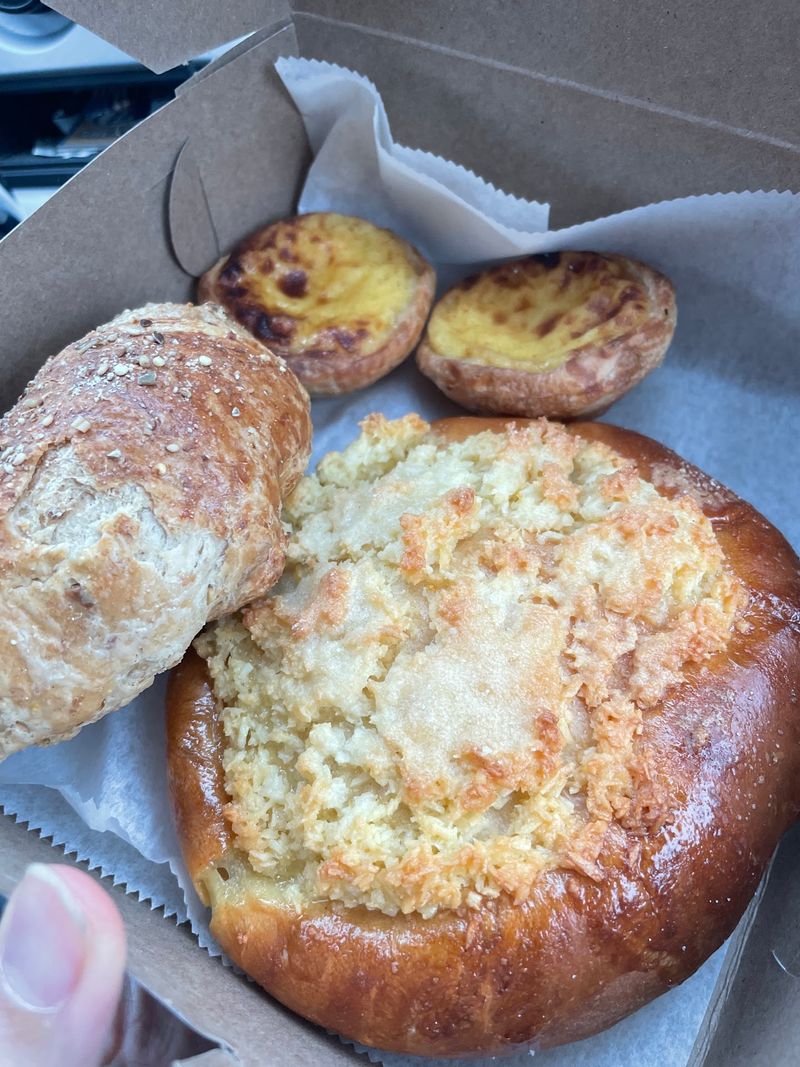
Small, golden, and dangerously easy to eat, the pastel de nata is the star of the show. One bite usually turns into three tarts, and nobody is counting.
So what is it exactly? Picture a crispy shell made of puff pastry, filled with a smooth, rich custard.
The top gets toasty in the oven, with little dark spots that taste a bit like caramel.
At Pombal Bakery, the cream inside is described as a secret. That is fine with me.
Some mysteries are better solved with your mouth than with a recipe card.
Here is a quick history lesson. These tarts were first made by monks at a monastery in Lisbon hundreds of years ago.
They used egg whites to starch clothes, so they needed a tasty way to use up all the leftover yolks. Custard tarts were their brilliant answer.
A little tip goes a long way here. In Portugal, people often sprinkle cinnamon or powdered sugar on top before eating.
Try one plain first, then add a dusting and see which team you join.
The darker, crispier ones have a big fan club, and honestly, they deserve it. That crunchy edge against the soft middle is the whole point.
Buy a few extra for the car ride. They rarely survive the trip home anyway.
Bread Baked While The City Sleeps
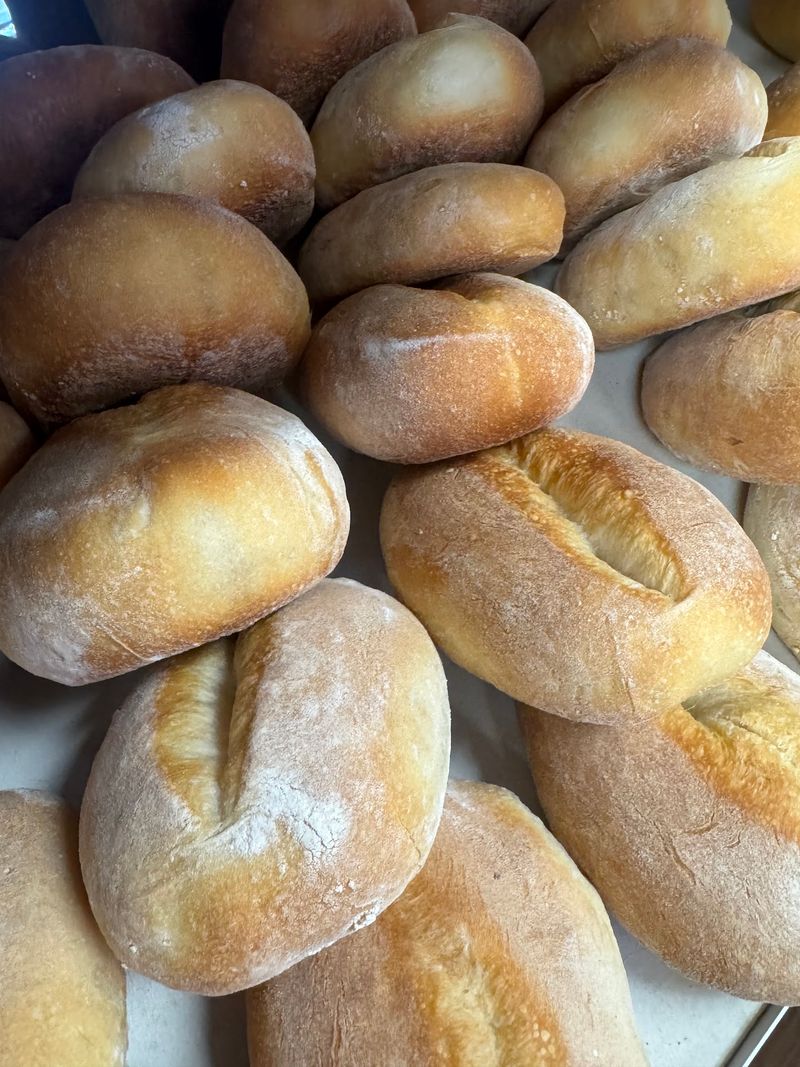
Long before most of Bridgeport wakes up, ovens at this bakery are already hot. Bakers start in the dark so shelves are full of warm loaves by morning.
Fresh bread is the heart of the whole operation. Crusty rolls, soft loaves, and traditional Portuguese breads come out in batches throughout the day.
Broa de milho deserves a spotlight. It is a classic corn bread with a crispy crust and a dense, hearty inside.
Forget the sweet, cakey cornbread from American barbecues. This one is sturdy and earthy, and it loves a bowl of soup.
Then there is pão com chouriço, which might be the best idea anyone ever had. Rustic dough gets baked with slices of Portuguese chorizo right inside.
The sausage flavor seeps into the bread, so every bite is smoky and a little bit spicy.
Want a practical tip? Rolls from here make sandwiches at home taste way more impressive.
Grab a bag for the week, and freeze a few if you will not finish them fast.
A quick reheat in the oven brings back the crunch. Five minutes is usually plenty.
Fresh bread also smells amazing, and that aroma greets people right at the door. It is basically free advertising.
Honestly, it works better than any billboard on the highway.
Sweet Dough With A Coconut Crown
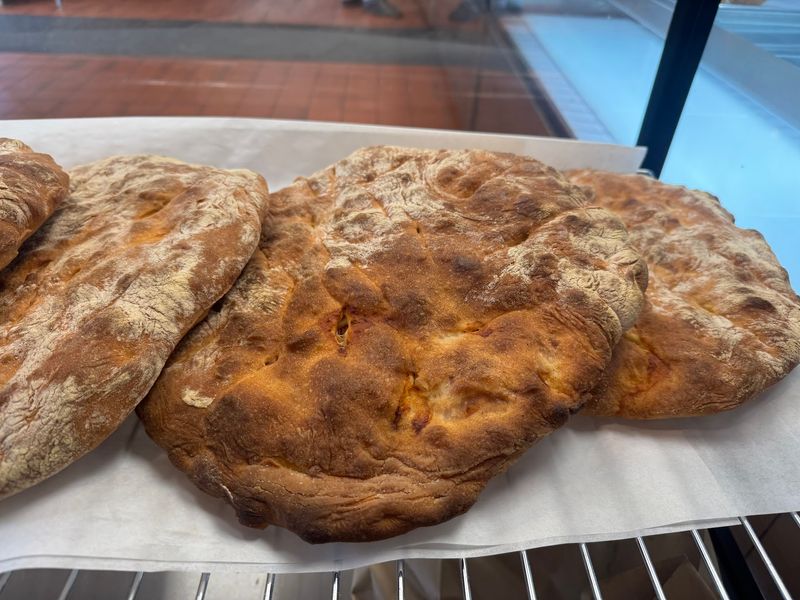
Imagine a doughnut that went to Europe and came back fancier. That is pretty much the bola de berlim, and it is a big deal in Portugal.
This treat is a fluffy ball of fried dough, rolled in sugar and filled with smooth pastry cream. Portuguese families eat them at the beach in summer, where sellers walk the sand shouting their names.
Bridgeport has no ocean boardwalk vendors, but the flavor makes the trip anyway.
Fair warning, the cream likes to escape. Bite carefully or keep a napkin close, unless you enjoy wearing your snack.
Right next to it, you might spot pão de deus. The name means bread of God, which is a bold claim for a bun. Somehow, it earns it.
It starts as a soft, tender brioche. On top sits a sweet crown of toasted coconut that gets slightly crunchy in the oven.
The mix of pillowy bread and nutty coconut is simple and seriously good.
Here is a smart move for breakfast. Split a pão de deus in half and add a thin layer of butter.
Some people in Portugal even tuck a slice of ham and cheese inside for a sweet and salty combo.
Both pastries pair nicely with a cup of coffee or a cold glass of milk.
Pillows And Tiny Cheese Tarts From Sintra
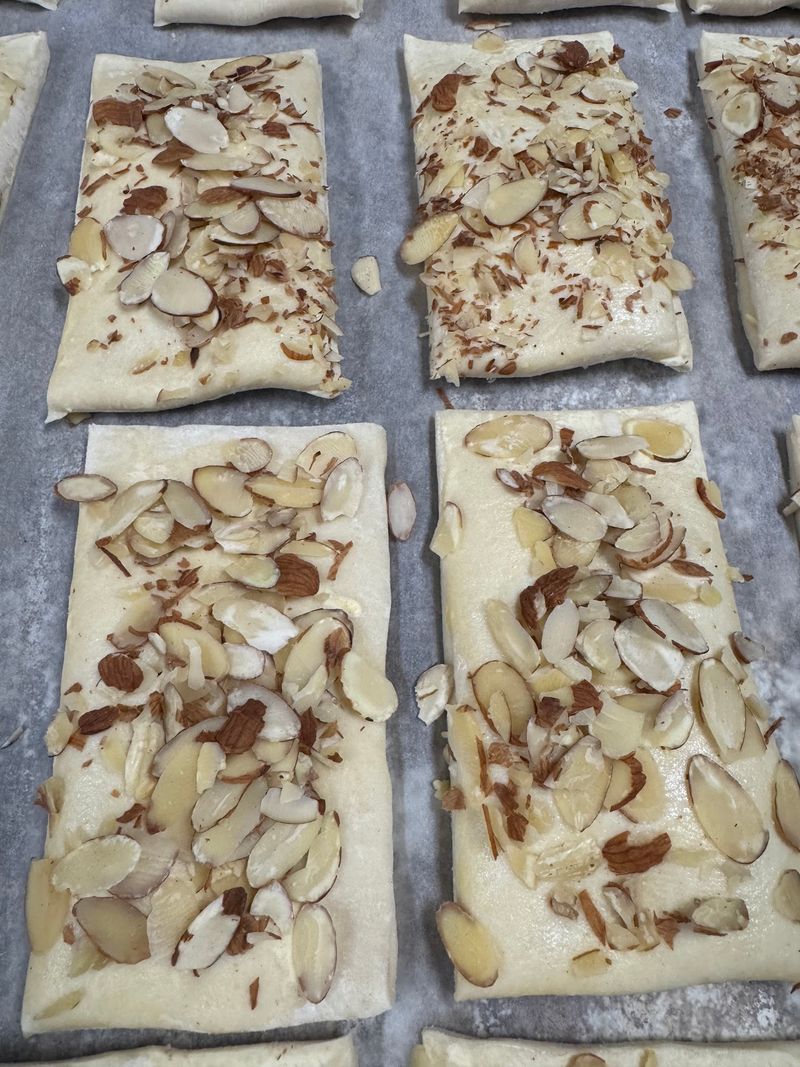
Some pastries are loud. Travesseiro and queijada de Sintra are the quiet kids in class who turn out to be the most interesting.
Both come from Sintra, a fairytale town near Lisbon filled with colorful palaces and misty hills. Tourists visit for the castles, then line up for these snacks.
Travesseiro means pillow in Portuguese, and the name makes sense the moment you see one. It is a delicate rectangle of puff pastry, folded around a filling of egg custard and almond.
A light dusting of sugar finishes it off.
The pastry shatters into flakes, so this is not a treat to eat over a nice sweater. Consider yourself warned. Plates exist for a reason.
Queijada de Sintra is smaller and more compact. It is a little tart made with fresh cheese and cinnamon.
Do not expect cheesecake, though. The texture is firmer, slightly chewy, and lightly sweet, with warm spice in every bite.
Fun fact time. Queijadas have been made in Sintra for centuries, and some records suggest people even paid taxes with them long ago.
Try doing that with the IRS today.
If you are new to Portuguese pastry, grab one of each. Together they show how much variety comes from simple ingredients like eggs, cheese, flour, and sugar.
Where Polish And Portuguese Food Lovers Meet
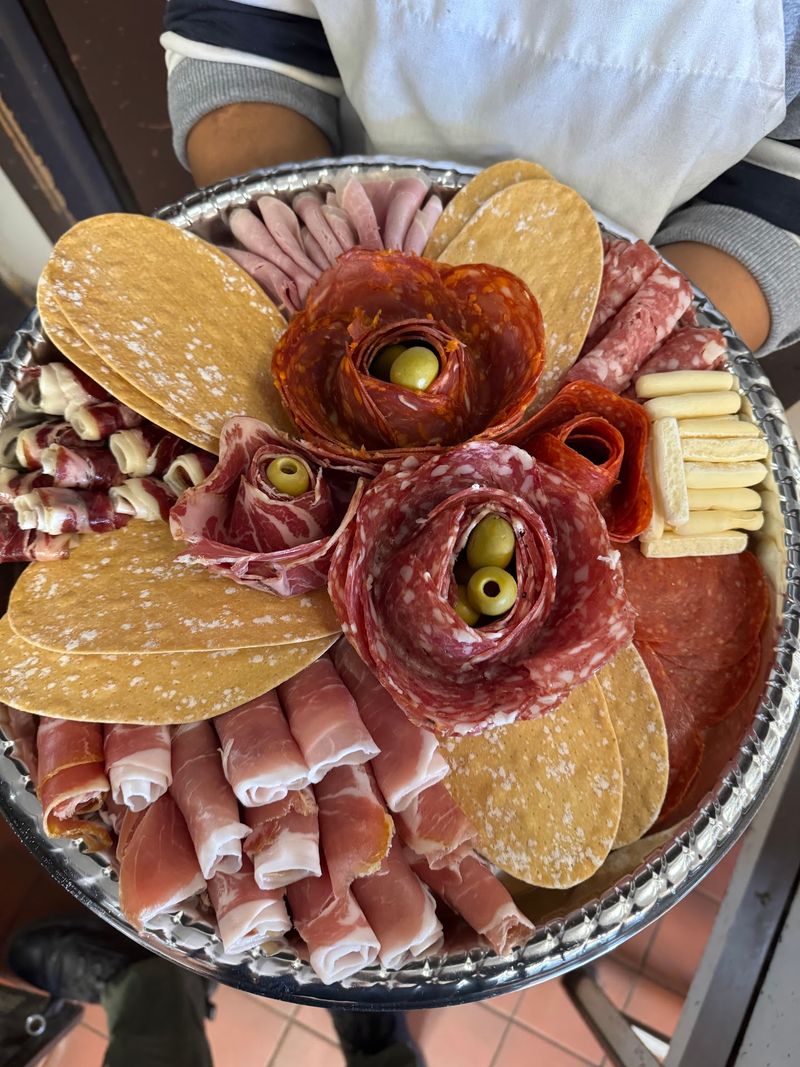
Poland and Portugal sit at opposite ends of Europe, yet their kitchens agree on a surprising amount. Both cultures treat good bread and cured meat like family members.
Bridgeport has long been a city of immigrants, with Portuguese, Polish, Italian, and many other communities living side by side. A bakery like Pombal fits right into that mix, even though its menu is proudly Portuguese.
Think about what a Polish grandmother looks for in a shop. Dense, crusty loaves.
Smoky sausage. A cold case full of meats and cheeses for weekend sandwiches.
Now look at the shelves here, and you will see why the two worlds overlap so easily.
Pão com chouriço, for example, will feel familiar to anyone raised on kielbasa and rye. Both are hearty, both are smoky, and both taste best shared at a crowded table.
Honestly, comfort food speaks its own language. A warm roll does not care where your passport came from.
To be clear, you will not find pierogi in the pastry case. The specialties stay Portuguese, with some Italian and French sweets mixed in.
Still, the spirit is the same one found in Old World kitchens across Europe. Simple ingredients, recipes passed down through generations, and food made to feed people well.
That shared love is the real recipe here.
A Deli Counter Built For Lunch
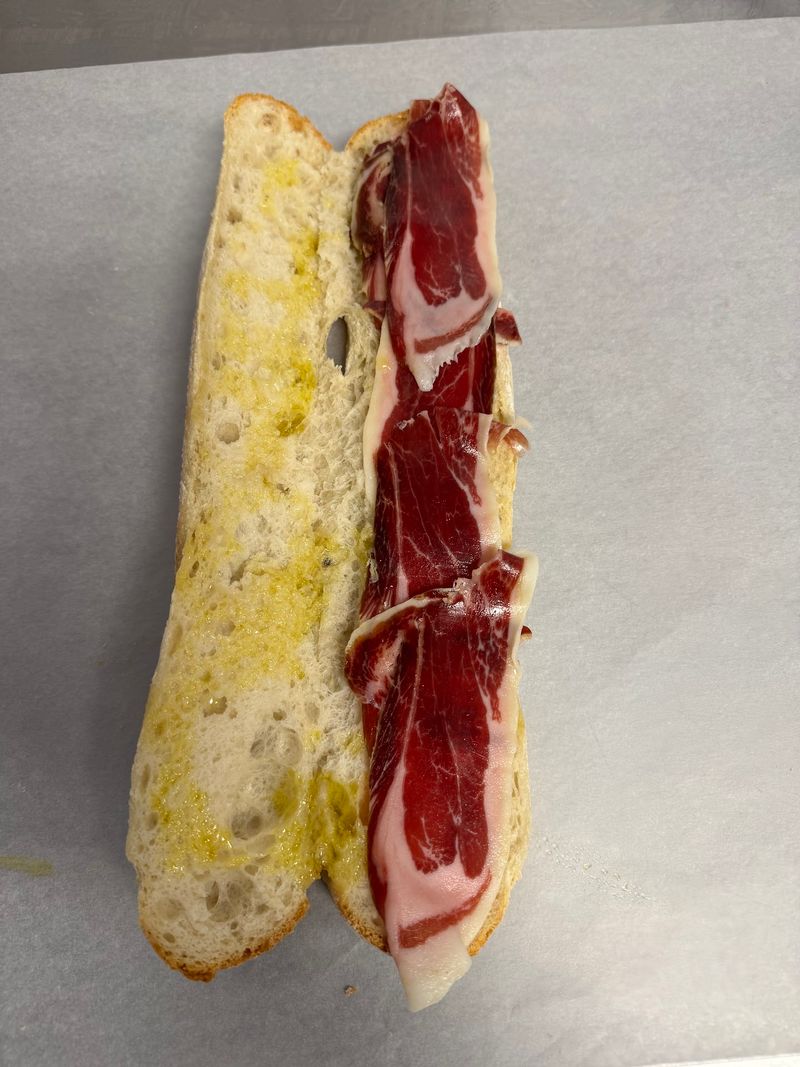
Pastries get the spotlight, but plenty of people come for lunch. Pombal Bakery doubles as a delicatessen, and the deli counter is no side project.
Sandwiches are made on bread baked right there, which already puts them ahead of most lunch spots. A crusty roll changes everything about a simple ham and cheese.
Cold cuts can also be bought by weight to take home. That makes this a handy stop before a family gathering or a lazy Sunday snack board.
The charcuterie selection includes fancy picks like Iberico products from Spain, famous for rich, nutty flavor.
Here is a lunch tip worth stealing. Ask for a sandwich on one of the fresh rolls, then grab a pastry for dessert.
You get a full meal and a sweet ending without making a second stop.
A hot bar and soups also show up, perfect for chilly Connecticut afternoons. New England winters are long, and soup helps.
Beyond the deli, the shelves carry imported Portuguese groceries. Look for seafood, like canned sardines and other ocean treats that Portugal is famous for.
There is also good olive oil, which makes that fresh bread even better.
Fun fact. Portugal has a long love affair with canned fish, and some shops in Lisbon sell nothing else. The tins are so pretty that people collect them.
Donuts Cookies And Cakes For Every Party
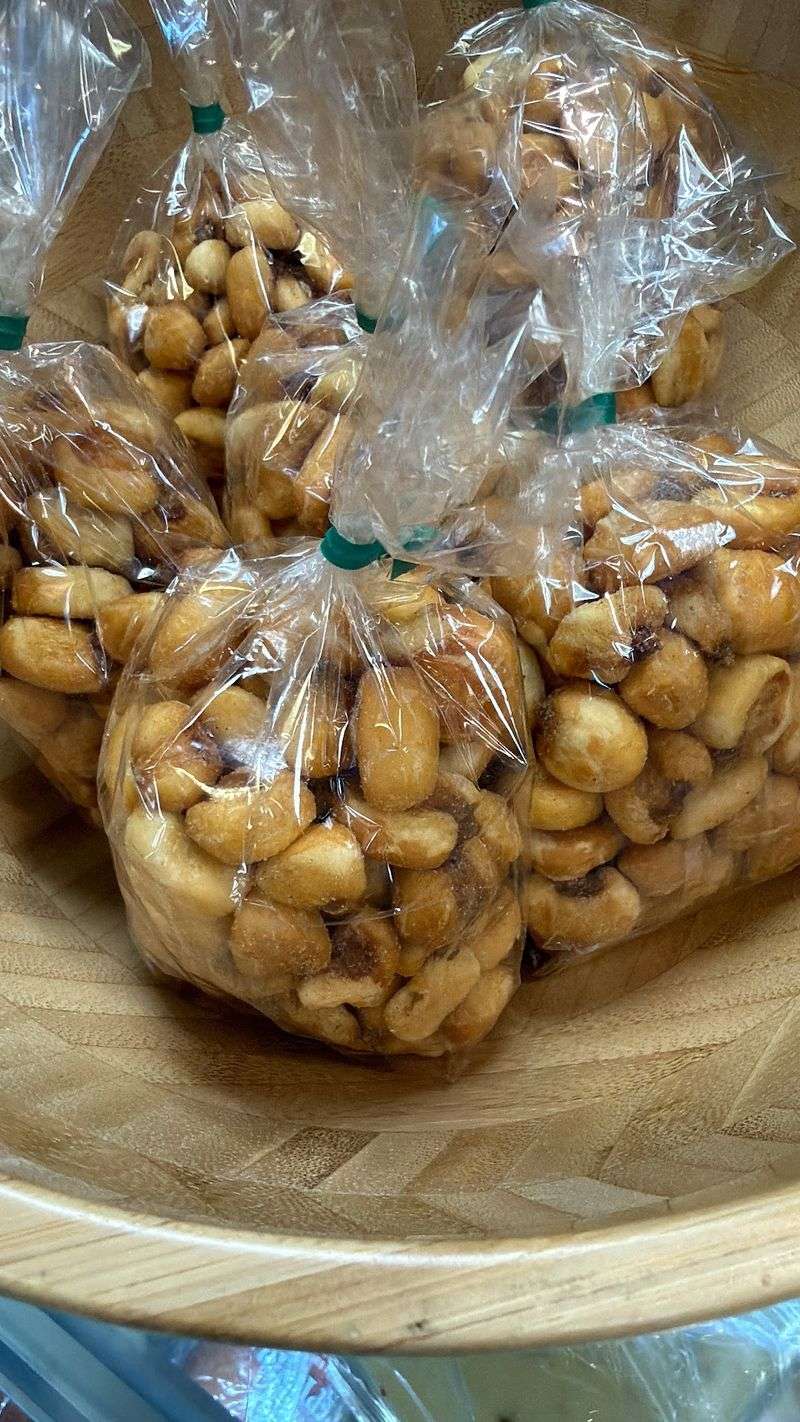
Not everyone in the family wants a custard tart, and that is okay. The pickiest eater in your house will find something to love here too.
Classic American donuts sit right alongside the Portuguese favorites. Glazed, filled, or frosted, they are a safe bet for kids and office break rooms alike.
Cookies are sold by the pound, which is both helpful and a little dangerous. Soft chocolate chip cookies are a popular pick.
Mixing a few kinds into one box is a great way to please a crowd.
The bakery also branches out into Italian and French sweets. Éclairs filled with cream and topped with chocolate share space with colorful fruit tarts. It is like a small European tour in one glass case.
For big moments, custom cakes are available for birthdays, weddings, graduations, and other special events. A homemade-style cake from a family bakery often means more than one grabbed off a grocery store shelf.
Here is some practical advice. Order custom cakes well ahead of time, especially around holidays or graduation season.
Bring a photo or a clear idea of the design you want.
Planning a party? Mix a cake with a tray of pastries and cookies.
Guests get choices, and you look like a hosting genius. Nobody needs to know how easy it was.