One small town on this list has a museum built around a million-plus buttons, and a hearse covered in them. I still can’t get over that detail.
Another town hosts a watermelon festival each June, continuing a tradition that began in 1939. A third keeps a cypress canoe carved from a single log around 1880.
These South Carolina towns are getting quieter, though. Young folks move to bigger cities, and the folks who stay are growing older. That shift changes main streets, schools, and church pews in ways you can feel.
I love that these places still hold onto their oddball treasures and old courthouses. So what is left to see in towns that keep shrinking, and why should you visit before they change even more?
1. Bamberg
Cotton once ruled the world, at least according to a mural in Bamberg’s post office. Dorothea Mierisch painted Cotton the World Over in 1939.
The oil canvas measures six by twelve feet. It came from a New Deal art program that brought paintings to small-town post offices.
The post office itself sits on the National Register of Historic Places. Mailing a letter rarely comes with this much art history.
Step outside and the Bamberg Historic District takes over. Its buildings went up between 1875 and 1930 along what was once the Southern Railway.
The style list reads like an architecture quiz. You’ll see Georgian Revival, Second Empire, Neoclassical, and Gothic Revival designs.
Plain homes with eye-catching porches round out the mix. The Bamberg County Courthouse stands out as a district highlight.
Got some Civil War curiosity? Rivers Bridge State Historic Site is a short drive away near Ehrhardt.
The 390-acre battlefield marks a February 1865 fight. Trails and earthen fortifications help you picture the action.
Back in town, Main Street Garden and Gifts mixes a plant nursery with local artisan goods. The family-owned shop also offers floral services.
Bamberg’s population has been slipping and graying for years. Shopping local here does more good than you might guess.
Address: 3386 Main Hwy, Bamberg, SC 29003
2. Manning
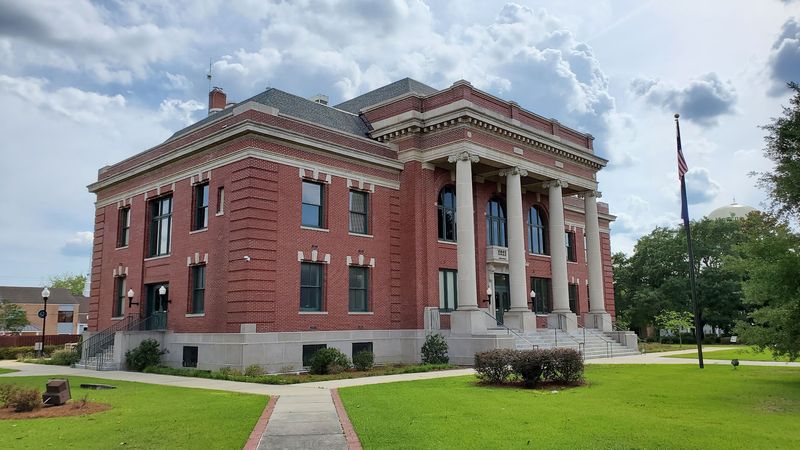
A library with an eight-sided room sounds like a riddle, but Manning built one around 1910. That historic building formerly housed the Clarendon County Archives, which is now located in the Manning Times building on East Boyce Street.
High domed skylights light the space from above. It joined the National Register of Historic Places in 1979 and got a fresh renovation in 1993.
Manning is the county seat of Clarendon County, and its downtown carries real weight. The Manning Commercial Historic District holds 46 contributing buildings and earned a National Register listing in 2010.
You’ll spot brick commercial blocks from the late 1800s and early 1900s. Look up for decorative cornices, corbeling, and parapet rooflines.
Angled corner entrances are another fun detail to hunt for. Stores once used them to catch shoppers from two streets at once.
Right in the middle stands the Clarendon County Courthouse. Builders finished the red brick Neo-Classical structure in 1909.
History here goes deeper than buildings, too. Trinity A.M.E. Church was established in 1874 by 50 freed people who bought the land in 1870.
Brick veneer came to the church in 1914. That story of a community building something lasting is worth a quiet moment.
Keep your eyes open for murals around town honoring General Francis Marion. The Revolutionary War hero earned the nickname the Swamp Fox.
Like many small towns, Manning has watched younger residents drift toward bigger job markets. A visit helps keep these downtown stories in circulation.
Address: Clarendon County Courthouse area, Downtown Manning, SC 29102
3. Darlington
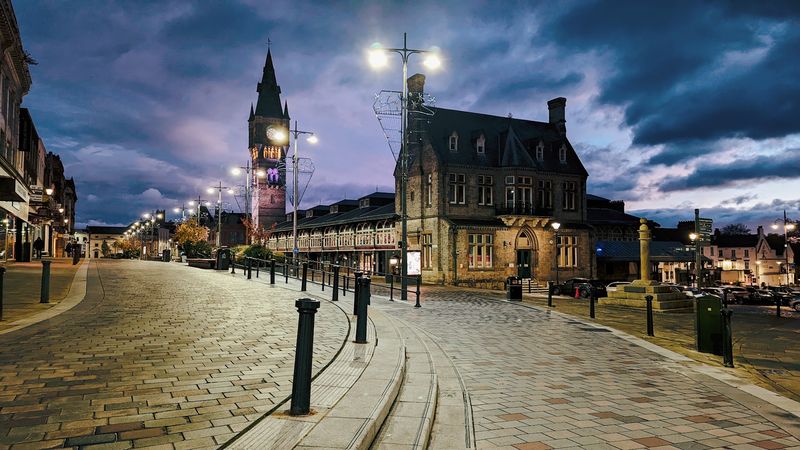
They call it the Lady in Black, and she’s been tough on drivers since 1950. Darlington Raceway has hosted NASCAR racing for over seven decades.
The famous Southern 500 runs here in the NASCAR Cup Series. Darlington Raceway has a history of throwback-themed racing, although its 2026 spring NASCAR Cup Series race took place on March 22 rather than Mother’s Day weekend.
Right next to the track sits the Darlington Raceway Stock Car Museum. It was dedicated in 1965 and holds the NMPA Hall of Fame.
Car fans can check out Richard Petty’s 1967 Plymouth. Darrell Waltrip’s 1991 Chevrolet Lumina makes the lineup, too.
Engines not your thing? The Darlington Antiques Trail links antique malls and local shops.
Bring patience and a little trunk space. You never know what treasure might ride home with you.
Nature lovers should head to Williamson Park. The woodland reserve offers wooded walking trails, footbridges, and boardwalk sections through its natural habitats.
More than 300 plant and animal species call it home. That’s a lot of neighbors for one park.
Downtown, the Public Square anchors the historic district and hosts community gatherings and markets. Frank and Mary Sue Wells Park on Main Street adds another green stop.
Even with racing fame, Darlington faces the same aging, shrinking trend as other South Carolina towns. Race weekends bring crowds, but the rest of the year runs much quieter.
Address: 1301 Harry Byrd Hwy, Darlington, SC 29532
4. Hampton
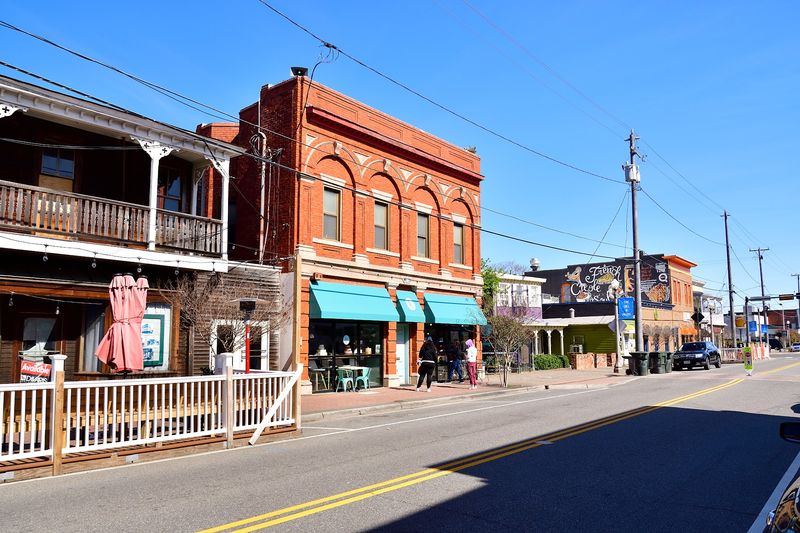
Watermelons get the royal treatment in Hampton each June, continuing a beloved festival tradition that began in 1939. The Hampton County Watermelon Festival is South Carolina’s longest continually running festival.
The event lasts a whole week during the third week of June. You’ll find judging contests, eating contests, and a parade from Varnville to Hampton.
Planning to compete in the eating contest? Maybe skip lunch first.
When the seeds settle, head to the Hampton Museum and Visitor’s Center on Elm Street. The building is listed on the National Register of Historic Places.
Inside, you’ll see military artifacts and antique medical equipment. Festival memorabilia and a children’s room keep things lively.
Fancy a museum with a past life? The Hampton County Museum sits inside the town’s old jailhouse.
Its collection covers the Civil War plus World Wars I and II. Former cells make a memorable backdrop for history.
Just down the street, the Hampton Colored School tells an important story. Built in 1931, it was the only school for Black children in Hampton.
Now restored, it works as a museum on local African American history. It also holds a spot on the National Register.
Hampton’s population has been trending older and smaller. Still, a festival that’s run since 1939 proves this town knows how to show up.
Address: 15 Elm St, Hampton, SC 29924
5. Holly Hill
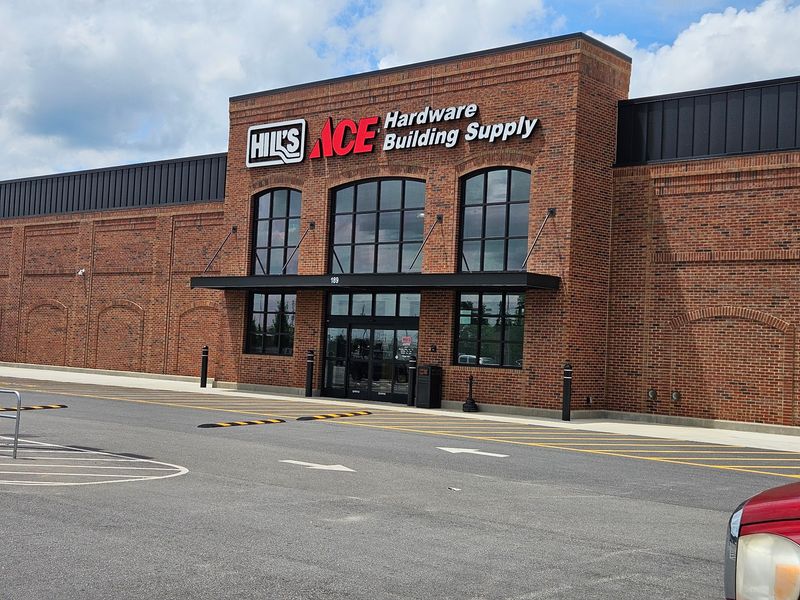
Trains basically drew the map for Holly Hill. The railroad arrived in 1886, and the town was founded one year later.
Tracks shaped the business section, and the depot became a centerpiece. The current Holly Hill Depot dates to around 1921.
It stands where two earlier depots once stood. Today it serves as a community civic center instead of a ticket stop.
Church architecture fans, here’s your stop. Providence Methodist Church went up between 1919 and 1920.
Architect Charles Coker Wilson designed it. The church joined the National Register of Historic Places in 2009.
Got kids or a dog with energy to burn? Gilmore Park covers seven acres in the southwest part of town.
You’ll find tennis courts, a walking track, picnic pavilions, and a playground. There’s even a dog park for your four-legged pal.
Animal lovers can look up Crosswind Farm, which runs a mobile petting zoo. It also hosts birthday parties with friendly critters.
Water is close by, too. Lake Marion, the largest lake in South Carolina, offers boating, swimming, and fishing.
Holly Hill’s population leans older, and its numbers have been shrinking. A lake this big nearby might be its best pitch to new faces.
Address: Old State Road (U.S. 176), Holly Hill, SC 29059
6. Marion
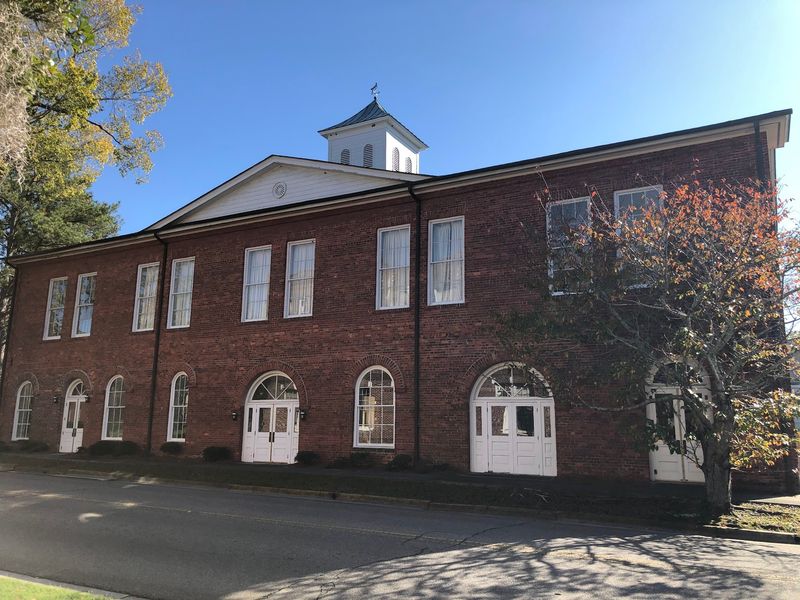
Back in 1892, one building in Marion handled court, jail, fire calls, and showtime. That multitasker is the Marion Opera House.
The two-story brick building first served as the Town Hall and Opera House. Today it hosts theater productions and local events.
Much less jail time involved now, thankfully. Its classic revival design still makes it a downtown standout.
The town itself carries the name of General Francis Marion. The Marion Historic District joined the National Register in 1973.
Styles range from Greek Revival to Victorian and Queen Anne. Strolling these streets feels like flipping through an architecture scrapbook.
Next, swing by the Marion County Museum on Willcox Avenue. Its 1886 building was the district’s first public grade school.
Exhibits include fine furnishings, Oriental rugs, and local antiques. Rotating displays keep repeat visits fresh.
Want to stretch your legs? The City of Marion Hike and Bike Trail offers a two-mile paved path.
It starts at the 1908 Historic Train Depot, now home to the Chamber of Commerce. Benches, a fountain, and landscaping line the way to Catfish Creek Canal.
Marion has been losing residents while its median age climbs. A walk through its old streets shows what’s worth keeping.
Address: 109 West Godbold Street, Marion, SC 29571
7. Bishopville
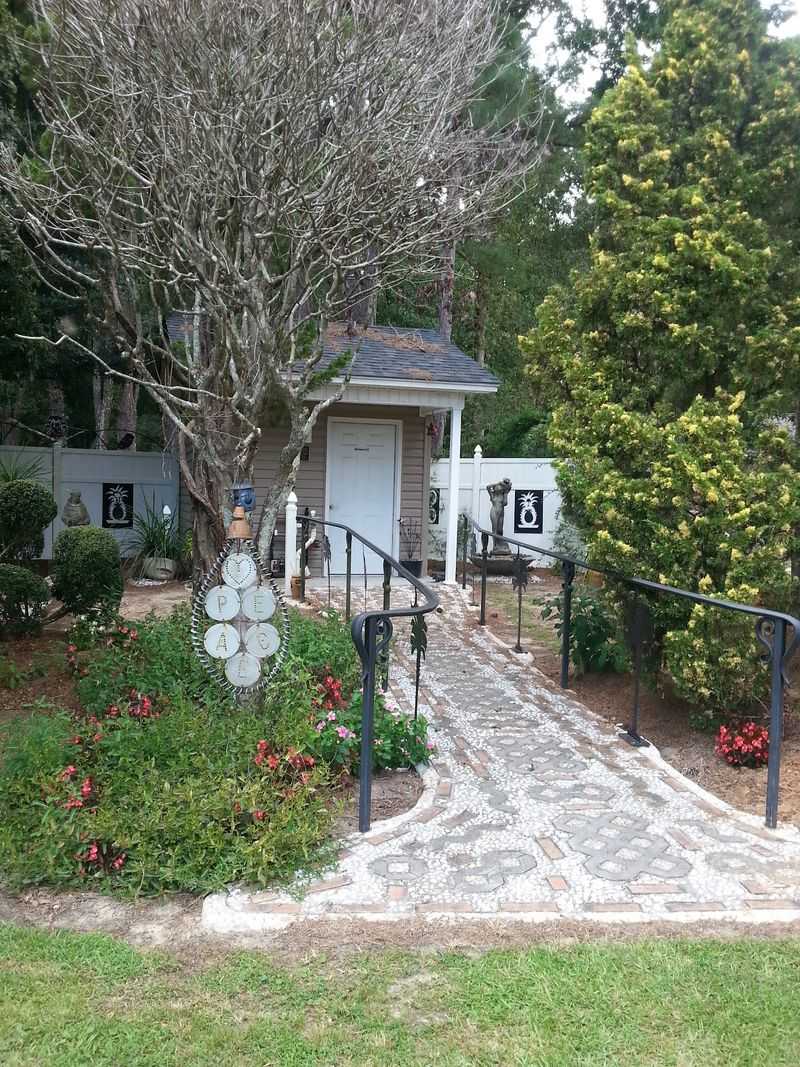
Here’s a town where a man turned shrubs into art and another covered a hearse in buttons. Bishopville clearly has a creative streak.
Start at the Pearl Fryar Topiary Garden on Broad Acres Road. Self-taught artist Pearl Fryar shaped three acres of plants into spirals and wild forms.
He often used plants rescued from nearby nurseries. His living sculptures earned him national recognition.
Next up, the South Carolina Cotton Museum on West Cedar Lane. It traces cotton culture from 1670 to today.
The museum claims the world’s largest boll weevil exhibit. Bet you didn’t wake up expecting that sentence today.
Your Cotton Museum ticket also covers the Lee County Veterans Museum next door. Local veterans designed and furnished it themselves.
Then there’s the Button Museum, home to Dalton Stevens’s collection. The Button King used over a million buttons on suits and even a hearse.
Outdoorsy folks can head to Lee State Park, which spans 2,839 acres. Civilian Conservation Corps workers built it during the Great Depression.
Trails run along the Lynches River, and about 145 bird species visit. And yes, locals tell the legend of the Lizard Man of Scape Ore Swamp.
Bishopville is slowly shrinking and aging like its neighbors. Quirks like these deserve visitors before more doors go quiet.
Address: 121 West Cedar Lane, Bishopville, SC 29010
8. Kingstree
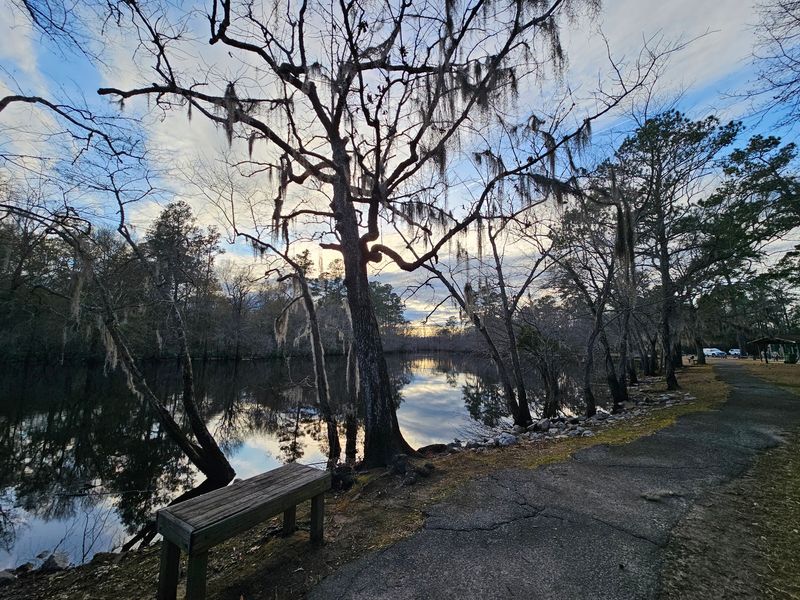
The architect behind the Washington Monument also designed a courthouse in Kingstree. Robert Mills’s Williamsburg County Courthouse went up in 1823.
It sports a Roman-Neoclassical design. Not bad for a town in rural Williamsburg County.
Older still is the Thorntree House, built in 1749. It’s recognized as the oldest known surviving residence in South Carolina’s Pee Dee region.
The house belonged to James Witherspoon. British soldiers camped there in 1780 during the Revolutionary War.
In 1969, the Williamsburgh Historical Society moved and restored it. Now it stands on South Nelson Boulevard.
That same society runs the Williamsburgh Historical Museum on Hampton Avenue. It fills the former Carnegie Library, completed in 1917.
The showstopper is a canoe from around 1880. Someone carved it from a single 20-foot cypress log.
Up the street, the C. Williams Rush Museum of African-American Arts and Culture opened in December 2010. Rotating exhibits feature art, vintage dolls, and handmade quilts.
Come fall, the Kingstree Pig Pickin’ Festival celebrates vinegar-based barbecue. Expect a car show, crafts, live music, and kids’ activities.
Kingstree has seen its population thin and age over time. A barbecue festival seems like a tasty reason to keep coming back.
Address: 135 Hampton Ave, Kingstree, SC 29556
9. Mullins
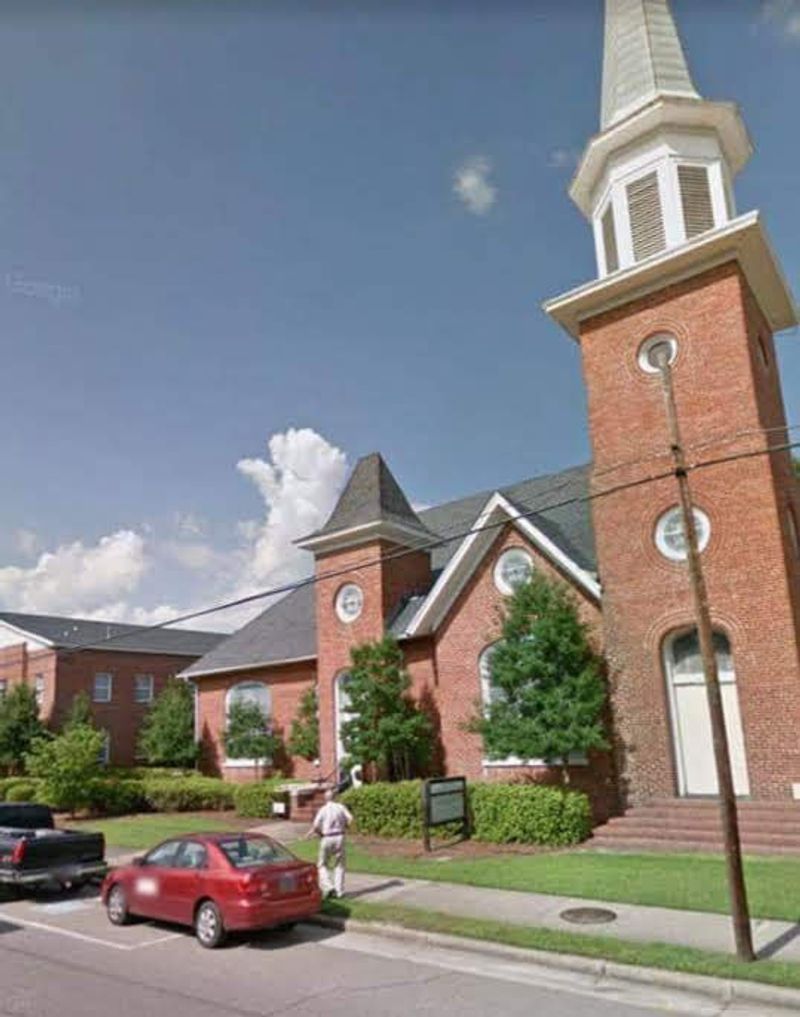
Mullins once held the title of largest tobacco market in South Carolina. That golden leaf history still shapes the town’s identity.
The South Carolina Tobacco Museum opened in August 1998. It lives inside the historic Mullins Depot, built in 1901.
Exhibits focus on farm life and tobacco growing before 1950. You’ll see a log tobacco barn, a blacksmith shop, and a farm kitchen.
Models of tobacco plants explain the crop up close. A photo gallery fills in faces from the past.
Curious how a railroad town became a market hub? The Mullins Commercial Historic District tells that story through 38 buildings.
They went up between 1895 and 1945 in the central business district. Styles shift from late Victorian to simple Depression-era designs.
Book lovers can stop at the Mullins Public Library on North Main Street. Its current building dates to around 1940.
The town also keeps up The Golden Leaf Festival each year. That tradition traces back to the late 1920s.
Paddlers and anglers have options nearby. The Little Pee Dee and Lumber rivers offer room to roam.
Mullins has lost residents as its population grows older. Its depot museum makes a fine first stop for meeting the town that’s still here.
Address: 104 Front Street, Mullins, SC 29574
10. Fairfax
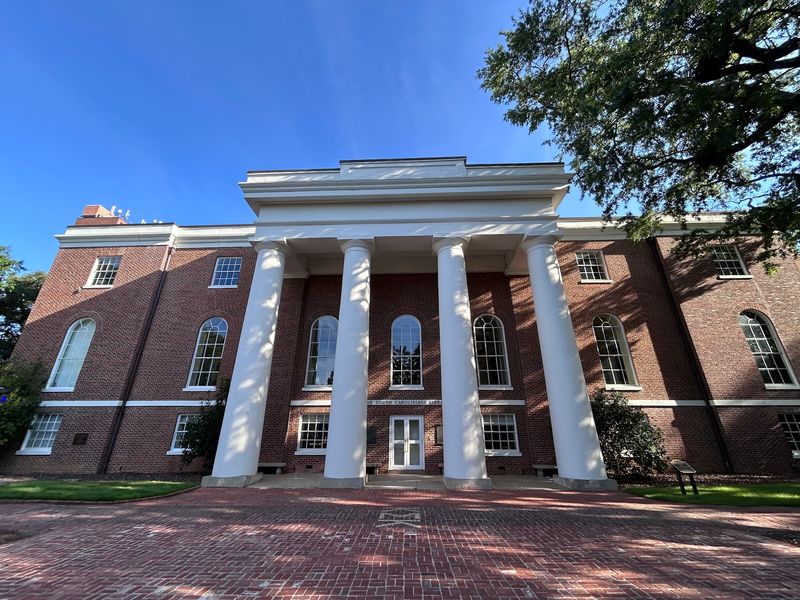
Few public libraries can say a suffrage leader once worked inside them. In Fairfax, the Virginia Durant Young House pulls off that claim.
The vernacular Victorian cottage dates to 1881 and sports a simple gable roof. Virginia Durant Young lived and worked there as a journalist, novelist, and humanitarian.
She also helped lead South Carolina’s women’s suffrage movement. That’s a big legacy for a small house in Allendale County.
After her husband, Dr. William Jasper Young, passed away, the home went to the town. Its mission was simple: become a public library.
The house landed on the National Register of Historic Places in 1983. You can still connect its story to the books on the shelves today.
Need some fresh air after the history lesson? Fairfax Town Park sits in the heart of the community near the railroad tracks.
You’ll find a gazebo, tennis courts, and a paved walking path. The Fairfax Garden Club pitches in on the flower displays.
Railroad buffs, take note of the Fairfax Train Depot. Built in the 1880s, it still stands in its original spot.
The Town of Fairfax Beautification Committee is planning its restoration. So the depot’s next chapter is still being written.
Towns like Fairfax face shrinking numbers as residents age and young people leave. Small projects like that depot plan show the folks who stay haven’t given up.
Address: US 278, Fairfax, SC 29827