
Adults Are Falling For This Tiny Oregon Town As A Weekend Getaway
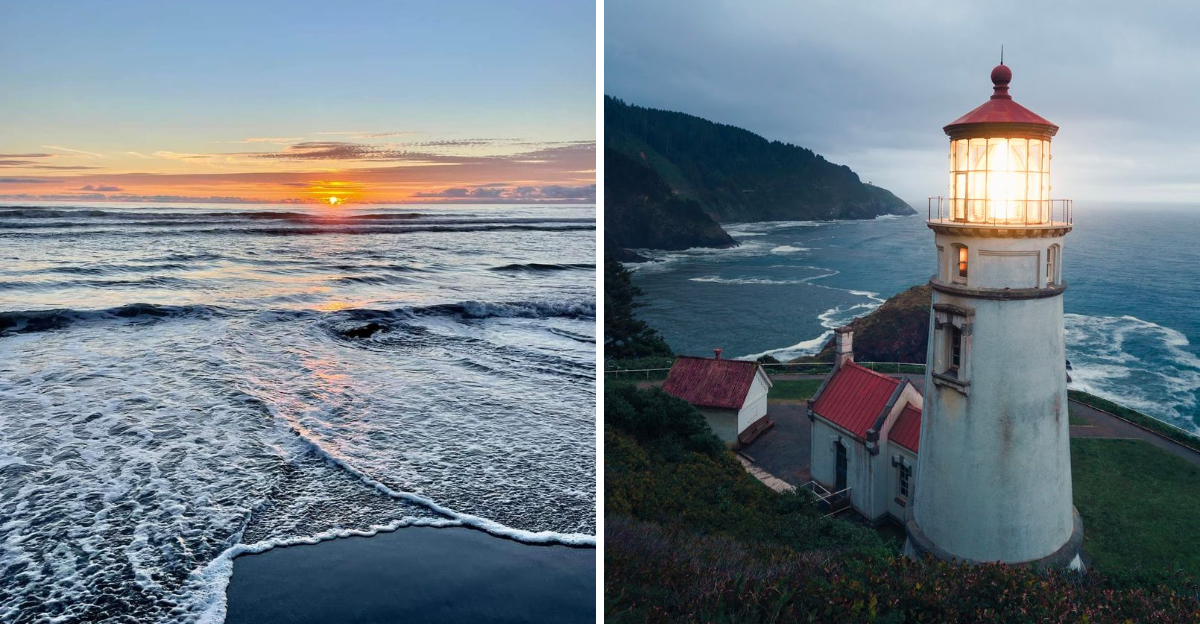
Something wild is happening along a stretch of the Oregon coast that refuses to act like a postcard. Waves explode against black rock here in violent bursts of spray.
Adults keep escaping here for the weekend, chasing something bigger than an average beach trip. Thick forest presses right against the shoreline, green and endless.
A strange hole near the water seems to swallow the ocean whole. Locals talk about wells that erupt like geysers and cliffs where whales occasionally break the surface.
Golden light spreads across dark rock at day’s end, turning an ordinary sunset into something cinematic. Oregon keeps this kind of drama folded into one quiet stretch of coastline.
A getaway built around big surprises and slow mornings is waiting, ready for whoever slows down enough to notice.
A Coastline Unlike Any Other In Oregon
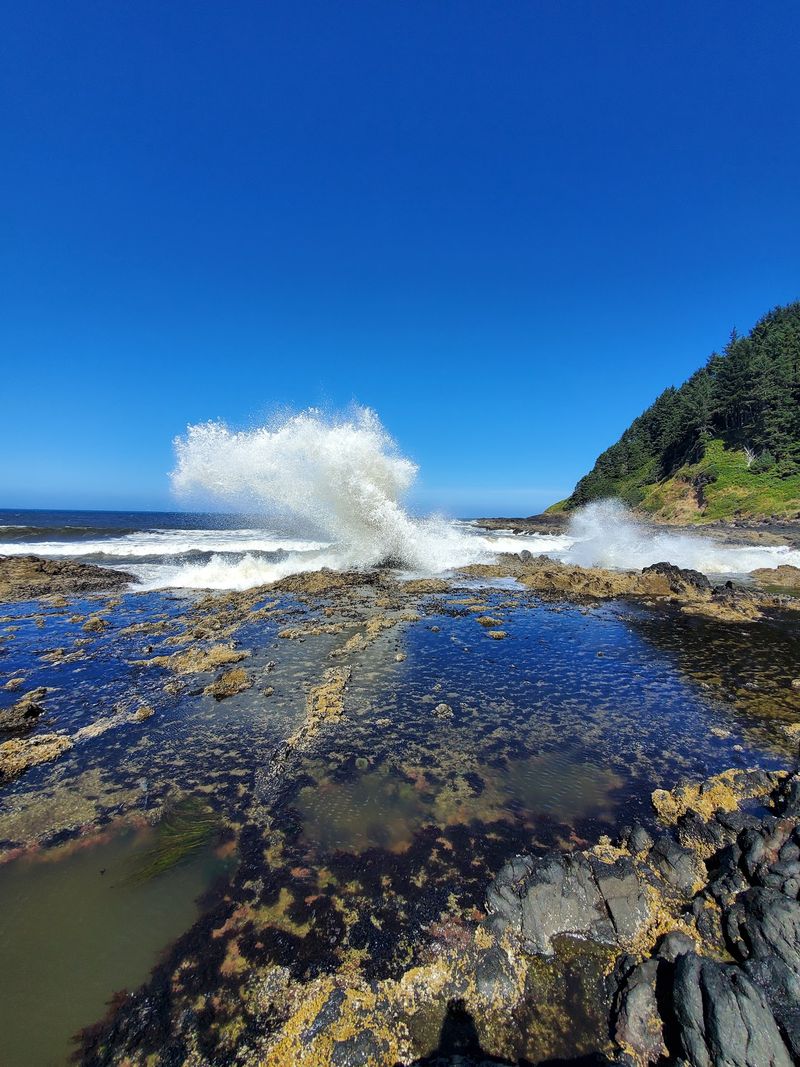
Forget sandy beaches and gentle lapping waves. The shoreline of Yachats, Oregon operates on a completely different level of intensity.
Ancient volcanic basalt dominates the waterfront here. Dark, jagged rock formations line the coast, shaped over thousands of years by relentless ocean pressure.
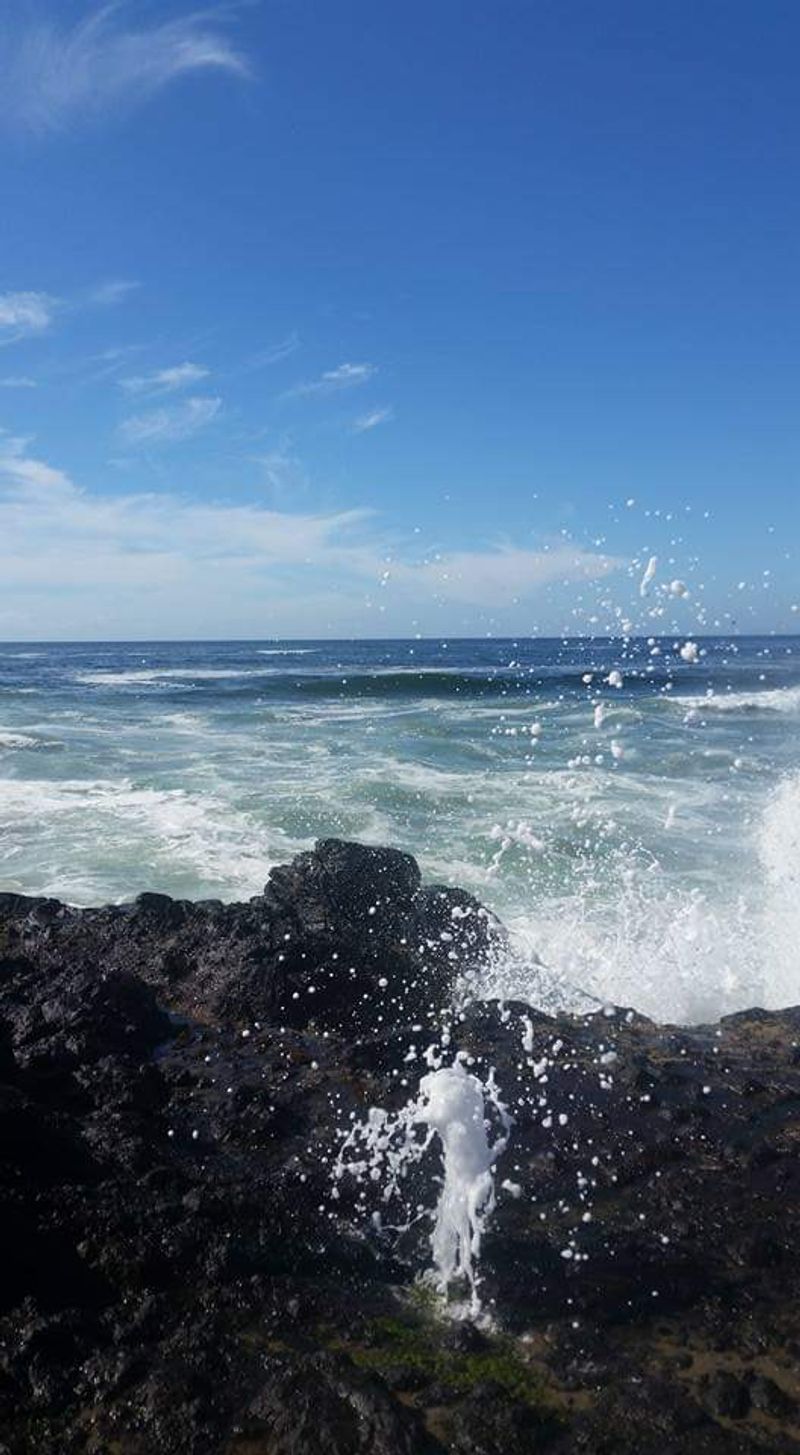
When waves slam into these formations, the result is explosive sprays of white water that can shoot many feet into the air.
This is not a passive landscape. It demands attention and rewards it generously.
The black rocks create a stark, almost cinematic contrast against the blue-green Pacific. At certain angles, the coastline looks like something from another planet entirely.
Photographers tend to plant themselves here for long stretches, chasing the perfect shot of a breaking wave.
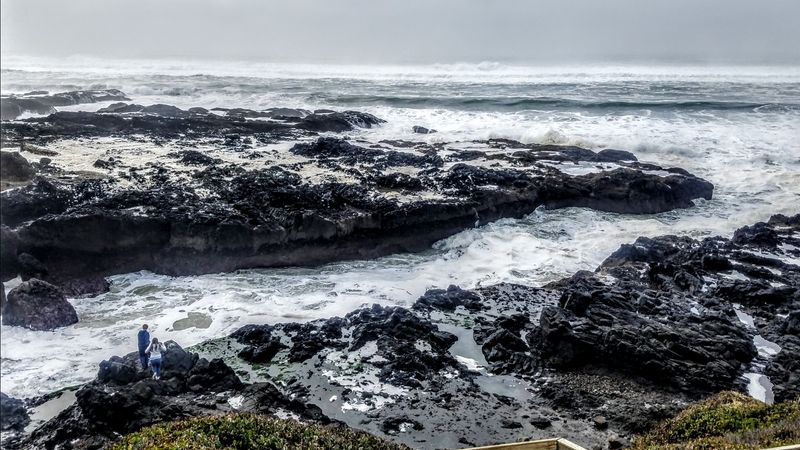
Low tide reveals a different world. Exposed rock shelves display tide pools teeming with sea stars, anemones, and hermit crabs.
The shoreline at Yachats is not just beautiful. It is alive, dynamic, and endlessly surprising for anyone willing to explore it.
Cape Perpetua Rises Above Everything
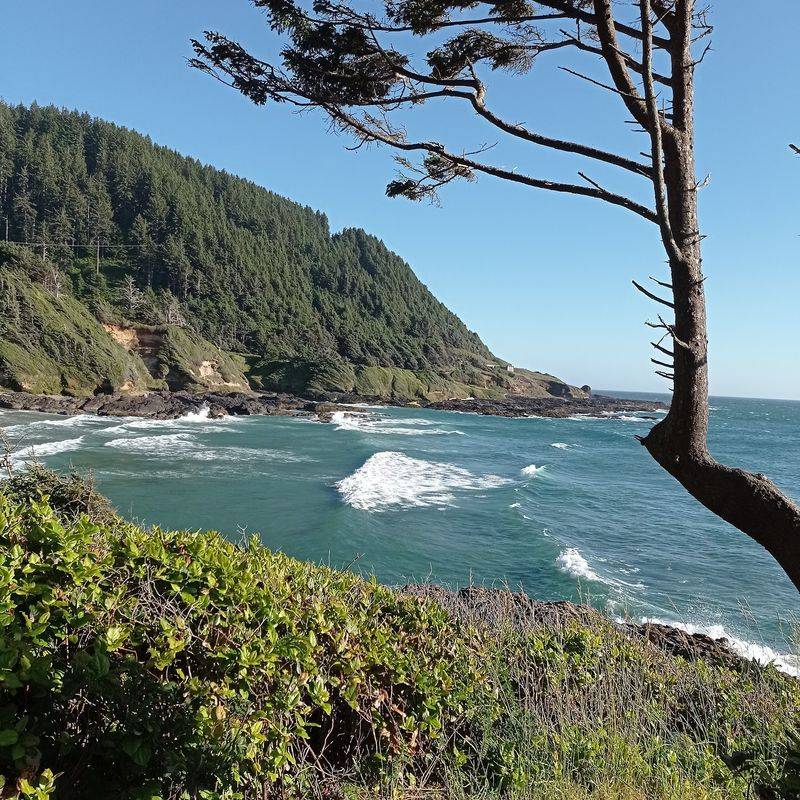
Standing 800 feet above the Pacific Ocean with nothing but open sky ahead is the kind of experience that resets a person completely. Cape Perpetua Scenic Area, located just south of Yachats, Oregon, makes that experience accessible by car.
This federally protected area covers roughly 2,700 acres of temperate rainforest and marine preserve. The highest point reachable by vehicle on the entire Oregon coast sits right here.
The views from the summit are genuinely hard to process at first. Ocean stretches to the horizon in every direction.
Forested ridgelines roll south and north. On clear days, the panorama feels almost impossibly wide.
Below the summit, an extensive trail system winds through the preserve. Hikers can explore old-growth forest, coastal headlands, and dramatic rock formations across roughly 26 miles of marked paths.
Cape Perpetua is more than a viewpoint. It functions as a full outdoor destination on its own.
The address for the Scenic Area is 2400 U.S. 101, Yachats, OR, and it anchors the southern end of the Yachats experience beautifully.
Thor’s Well Plays Its Greatest Trick
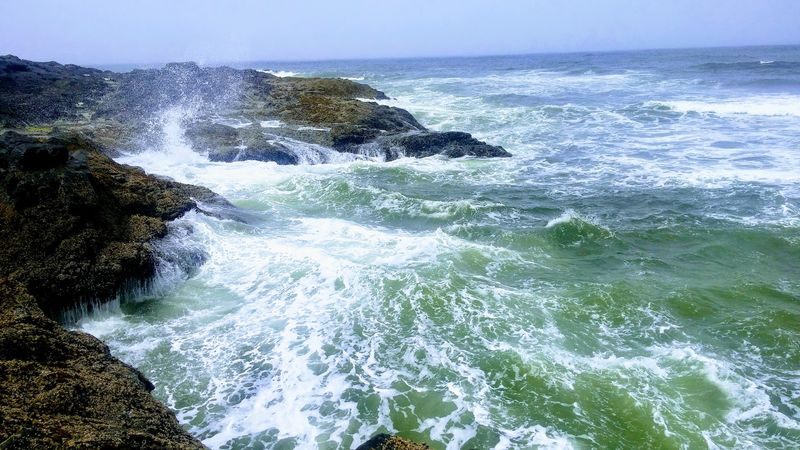
The Pacific Ocean appears to drain into the earth here. That is the optical illusion Thor’s Well creates, and it stops visitors cold every single time.
This large sinkhole, formed from a collapsed sea cave near Cape Perpetua, pulls incoming waves into its opening and then erupts upward in dramatic plumes. At high tide, the effect is extraordinary.
Water rushes in, disappears briefly, then shoots skyward in a column of white foam.
A short walk away, Devil’s Churn offers its own brand of coastal drama. A narrow volcanic fissure channels wave energy into a confined corridor.
The resulting surges are loud, forceful, and deeply satisfying to watch from a safe distance.
Both locations carry real risks. Unpredictable waves, called sneaker waves along the Oregon coast, can reach areas that appear completely safe.
Staying back from the edges is always the right call.
The best viewing conditions for Thor’s Well occur around high tide, especially during overcast or stormy weather. Timing a visit carefully pays off with some of the most dramatic coastal scenes Oregon has to offer.
The 804 Trail Keeps Things Accessible
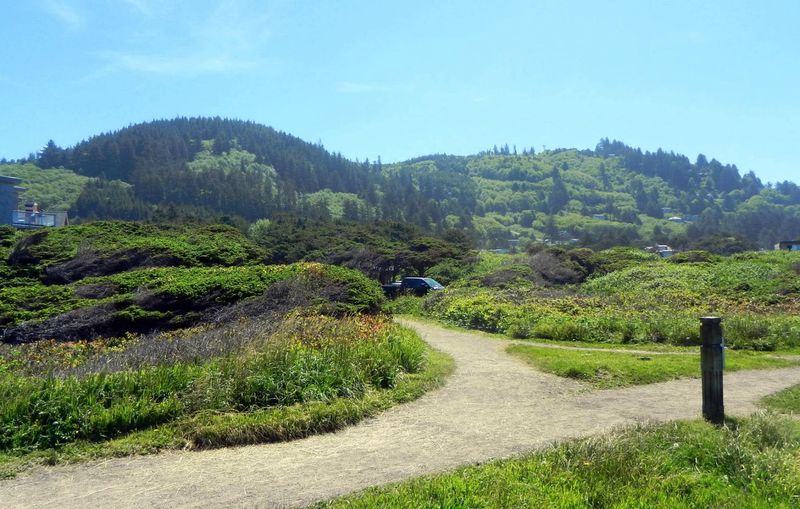
Not every coastal trail needs to be a grueling multi-hour commitment. The 804 Trail in Yachats proves that short and spectacular can coexist perfectly.
This historic path stretches roughly 0.75 miles along one of the most dramatic sections of the central Oregon coast. It connects Smelt Sands State Recreation Site to the southern end of Yachats, tracing a route above the rocky shoreline with open ocean views the entire way.
Tide pools appear below the trail at low water. Benches sit at strategic points for resting and watching waves.
The path is relatively flat and wide, making it accessible for a broad range of visitors.
The 804 Trail forms part of the larger Oregon Coast Trail, which runs the full length of the state. Completing even this short segment gives walkers a genuine feel for the raw coastal energy that defines this stretch of Oregon.
Morning walks here catch the light at its most flattering angle. The ocean glows, the basalt darkens, and the town sits quietly to the south.
It is a reliable, repeatable pleasure that never quite gets old.
Smelt Sands Offers Front-Row Sunset Seats
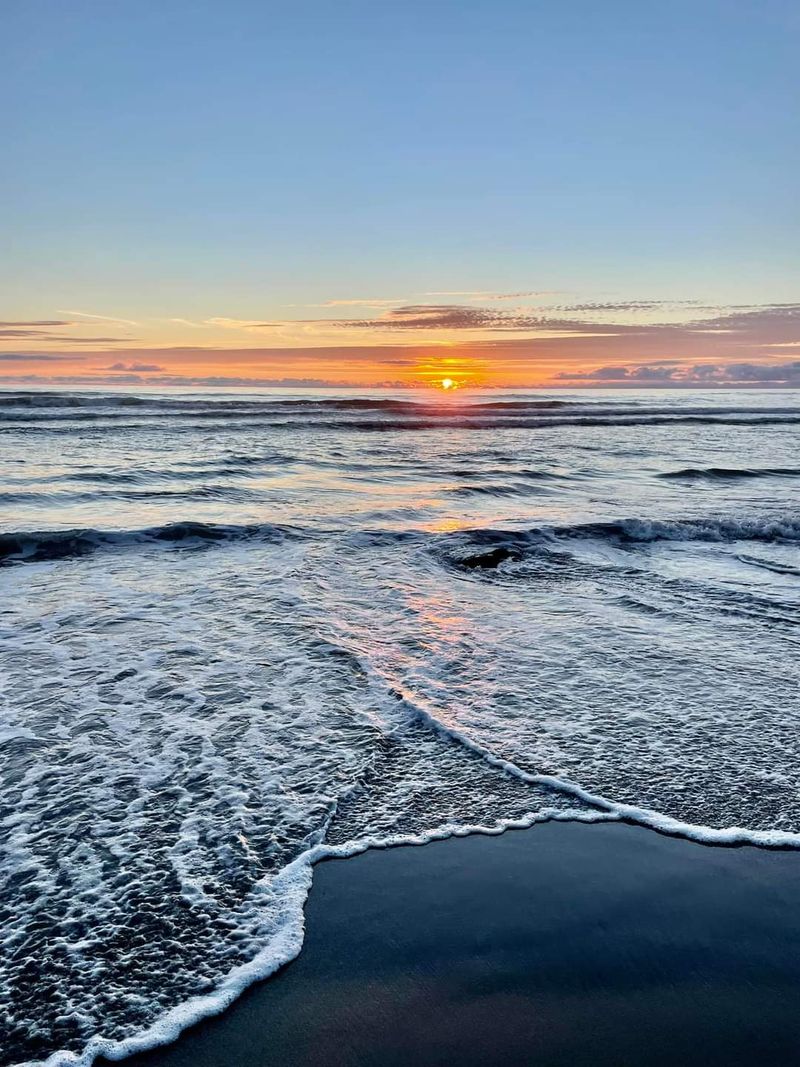
Sunsets along the Oregon coast are competitive. Smelt Sands State Recreation Site, perched at the northern edge of Yachats, consistently earns top marks in that competition.
The park sits right at the water’s edge on a rocky, wave-sculpted shoreline. No sandy buffer softens the relationship between land and sea here.
Waves break directly against the rocks, creating constant motion and sound that make the whole experience more immersive.
Whale watching draws visitors throughout the year. Gray whales pass through these waters regularly during migration season, and sightings from the elevated viewpoints at Smelt Sands are common.
Binoculars help, but even the naked eye catches plenty.
The site connects directly to the 804 Trail, so exploring a bit of coastline before or after watching the sun drop into the Pacific is easy and natural. The park is located at 804 Lemwick Ln, Yachats, OR.
Historically, the area was known for seasonal smelt runs that once drew local fishers in large numbers. That tradition has faded, but the beauty of the location has only deepened with time.
Tide Pools Pull You Into A Miniature World
Crouching down beside a tide pool on the Oregon coast feels like peering through a window into a completely separate universe. The life packed into these small basins is remarkable.
The rocky shoreline around Yachats creates ideal conditions for tide pool ecosystems. When the tide retreats, it leaves behind shallow pools filled with creatures adapted to survive both submersion and exposure.
Purple sea urchins, green anemones, ochre sea stars, and various crabs populate these spaces in impressive numbers.
Low tide is the magic window. Checking a tide chart before visiting makes the difference between seeing a full ecosystem and looking at mostly bare rock.
The pools closest to the water’s edge tend to hold the most diverse life.
The Cape Perpetua Marine Reserve, just south of town, offers some of the most protected and species-rich tide pool access on the central Oregon coast. The reserve status helps maintain healthy populations of sensitive species that might otherwise decline under heavy visitor pressure.
Patience rewards the observer here. Stay still for a few minutes and the pools begin to move, reveal, and surprise in ways that feel quietly extraordinary.
Gray Whales Make Regular Appearances
The Pacific off the coast of Yachats, Oregon is not empty water. It is a busy highway for one of the ocean’s most impressive travelers.
Gray whales migrate along this stretch of coastline in predictable patterns. Peak southbound migration runs from mid-December through mid-January.
The northbound return, with mothers and calves, follows from late March through June. Sightings during these windows are frequent enough to plan around.
What makes Yachats particularly good for whale watching is the topography. Elevated viewpoints at Cape Perpetua and Smelt Sands put observers above the waterline, which improves sighting angles significantly.
Scanning the surface for spouts is the most reliable technique.
A smaller group of gray whales, sometimes called the Pacific Coast Feeding Group, stays in Oregon waters year-round rather than completing the full migration. This means whale sightings are possible in any season, not just during peak windows.
Patience and good binoculars are the main requirements. The whales do not follow schedules, but they do follow routes, and those routes pass very close to shore near Yachats, making encounters feel personal and immediate.
Old-Growth Forest Presses Close To Shore
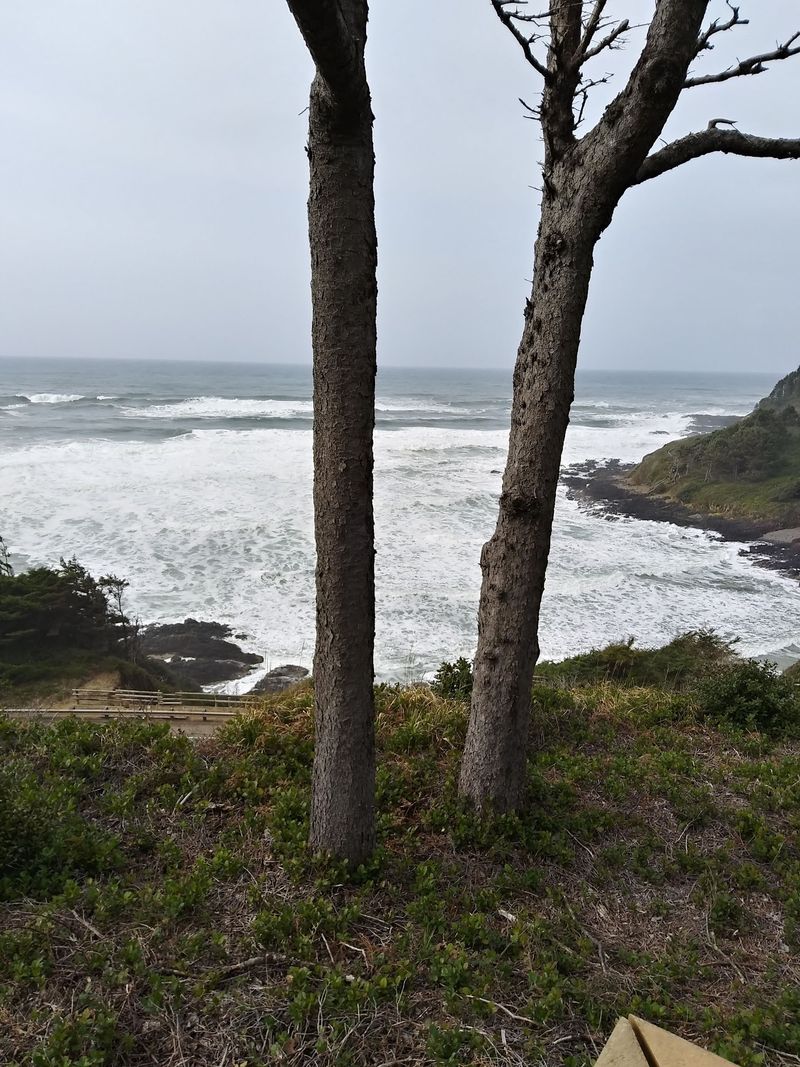
The forest here does not stay politely in the background. It crowds right up to the coastline, making the transition from ocean to woodland feel almost immediate.
Cape Perpetua’s temperate rainforest is the centerpiece of this green world. Massive Sitka spruce and Douglas fir trees rise from a floor thick with sword ferns, oxalis, and moss.
The scale of these trees takes a moment to fully register when standing beneath them.
The Amanda Trail offers one of the more challenging and rewarding forest experiences near Yachats. This trail climbs several miles through coastal forest to a viewpoint overlooking Cape Perpetua.
The trail honors a blind Coos woman who faced hardship along this coast during the 1860s, adding historical weight to the natural beauty.
The Ya’Xaik Trail provides a gentler option. This shorter route winds through a lush coastal forest and botanic preserve, offering a quieter, more meditative experience suited to those who prefer a slower pace.
Rain is common along this stretch of Oregon, and the forest absorbs it beautifully. Wet conditions deepen the green, activate the mosses, and fill the air with a clean, resinous scent that is completely addictive.
Storm Season Has Its Own Kind Of Appeal
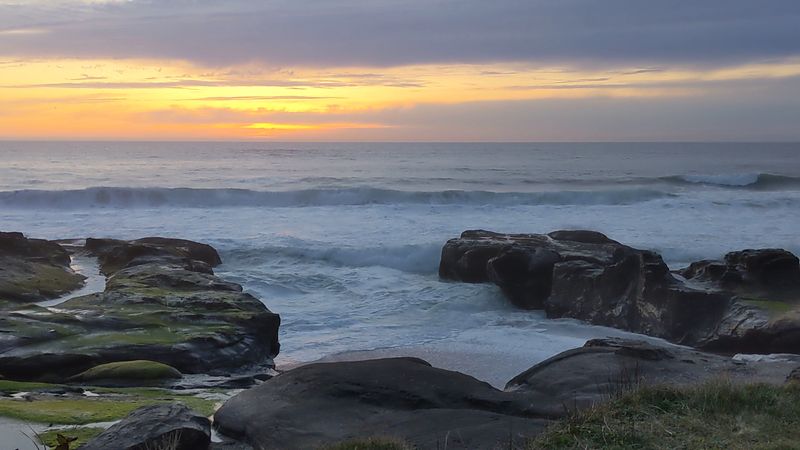
Most people plan beach trips around sunshine. The regulars who know Yachats well sometimes prefer the off-season entirely.
Winter along the Oregon coast brings a completely different atmosphere. Skies turn dramatic.
Swells build in the open Pacific and arrive with force. Waves that were impressive in summer become genuinely spectacular during winter storms.
Watching from a safe elevated point as massive swells detonate against the basalt shoreline is one of the more viscerally exciting things the coast offers.
Storm watching has developed into a legitimate travel category along the Oregon coast. Yachats lends itself naturally to this activity.
The town’s rocky shoreline amplifies wave energy, and the viewpoints at Smelt Sands and Cape Perpetua provide safe, elevated positions for observation.
Crowds thin considerably after summer ends. Accommodation rates often soften.
The town quiets down without losing its character. For visitors who find peak-season coastal towns overwhelming, the winter version of Yachats is a revelation.
October sometimes delivers unexpectedly pleasant weather with fewer visitors than summer. That shoulder period, combined with a local Mushroom Festival, makes autumn a quietly compelling time to visit this stretch of Oregon.
Birdwatching Rewards The Patient Observer
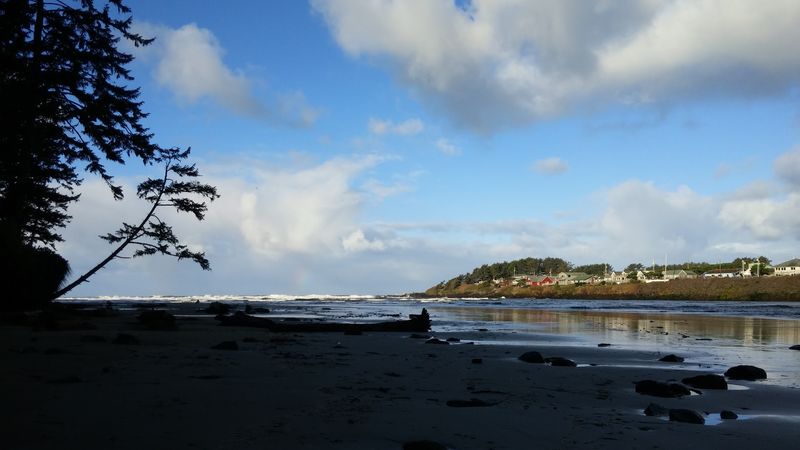
The skies and wetlands around Yachats carry a lot of wildlife activity that visitors focused on the ocean sometimes miss entirely.
Bald eagles are residents here, not rare sightings. They patrol the coastline and river corridors with casual confidence.
Great blue herons stand motionless in the shallows of coastal wetlands, waiting with the kind of patience most people can only admire.
Brown pelicans arrive in impressive numbers during spring and summer migrations. Population estimates during peak movement along the Oregon coast can reach into the tens of thousands.
Watching a formation of pelicans glide low over the surf in single file is one of those images that stays with a person.
The marbled murrelet nests in this area as well. This small seabird relies on old-growth coniferous forest for nesting, making the forests around Cape Perpetua critical habitat.
Spotting one requires some luck, but the Cape Perpetua forest provides the right conditions.
The Tami Wagner Wildlife Area along the Yachats River extends inland, offering access to elk habitat and diverse waterfowl. The area rewards a slow walk with binoculars and a willingness to stand quietly and wait for the landscape to reveal itself.
The Town Itself Has Real Character
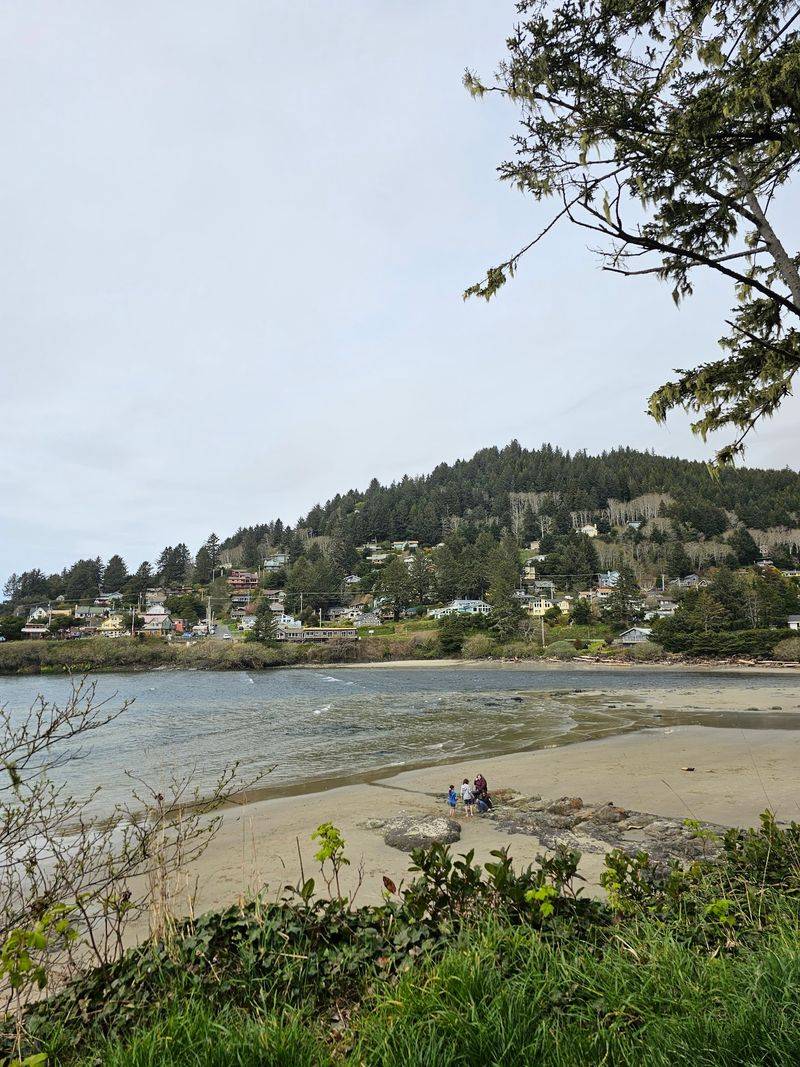
A town of under a thousand people does not need to work hard to feel authentic.
Local galleries display work by artists who actually live here, reflecting the coastal environment in mediums ranging from painting to ceramics. Small shops carry handmade crafts and locally produced goods rather than mass-produced coastal souvenirs.
The difference is immediately noticeable.
Yachats Community Park and Wetland offers boardwalks and wooded paths for easy, level walks close to town. The wetland attracts birds and provides a peaceful counterpoint to the dramatic ocean shoreline just a short distance away.
The community maintains a relaxed but engaged spirit. Events, festivals, and local gatherings give the town a sense of living culture rather than a purely tourist-facing identity.
Visitors tend to sense this quickly and respond to it warmly.
The pace here is genuinely different from larger coastal towns. Nothing feels rushed or manufactured.
That quality is increasingly rare along popular coastal stretches, which may explain why adults who discover Yachats tend to return with some regularity rather than simply checking it off a list.
Heceta Head Lighthouse Caps The Drive South
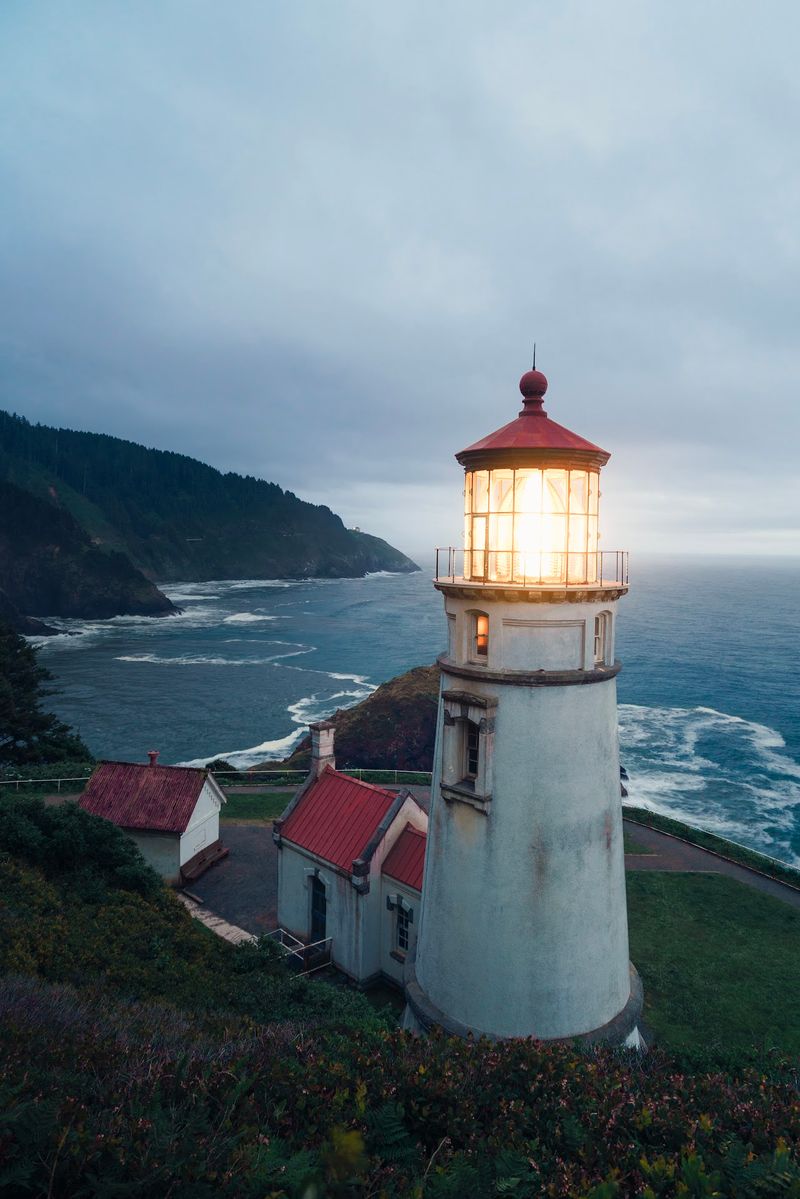
A short drive south of Yachats along Highway 101 delivers one of the most photographed lighthouses on the entire West Coast. Heceta Head Lighthouse stands 200 feet above the Pacific on a rocky promontory, and it earns every photograph taken of it.
The drive itself justifies the trip. Highway 101 curves and climbs through coastal forest, opening to ocean panoramas at unexpected moments.
The road hugs the edge of the Oregon coast in a way that makes the journey feel cinematic rather than functional.
The lighthouse has been operational since the late 1800s and remains an active navigational aid. The keeper’s house beside it has been preserved and now operates as a bed and breakfast, which makes the historic site feel lived-in rather than purely ornamental.
From the viewpoint near the lighthouse, the scale of the coastal landscape becomes clear. Forested headlands curve north toward Yachats.
The Pacific stretches west without interruption. The interplay between the white tower, dark forest, and blue ocean produces a view that requires no filter and no enhancement.
Heceta Head works perfectly as a day-trip extension from Yachats, rounding out a coastal itinerary with a strong, memorable finish.