
8 Areas In New York Where Coyotes Have Been Spotted Near Suburban Neighborhoods
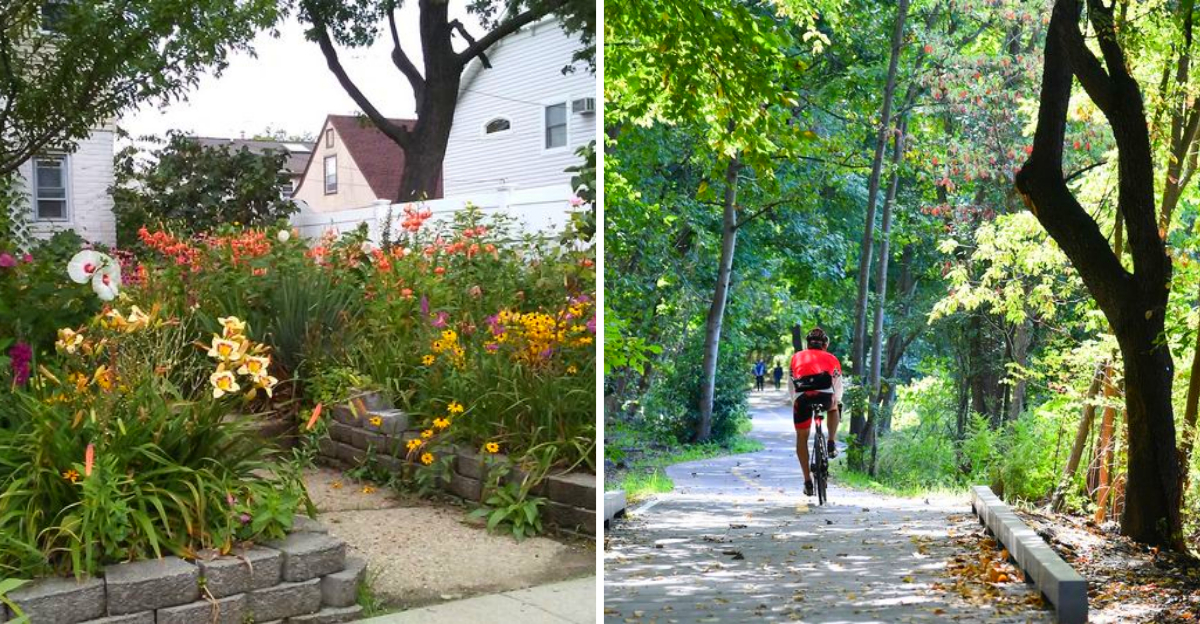
Coyotes have a plan and it involves your neighborhood. Not the woods behind your neighborhood.
Not the park at the edge of town. The actual street where you walk your dog every morning without giving it a second thought.
New York has been watching coyotes move closer for years, and the gap between countryside concern and suburban reality has officially closed.
Eight areas across the state have logged sightings near homes, backyards, and streets that residents assumed were well outside coyote territory.
The animals are clever and they are adaptable, which is a polite way of saying they figured out where the easy food is and adjusted accordingly. Knowing which areas are seeing the most activity matters for your family and especially for your pets.
A coyote passing through at dawn looks almost casual. The best response to that casualness is being prepared before the morning you actually need to be.
1. The Ramble, Central Park, Manhattan
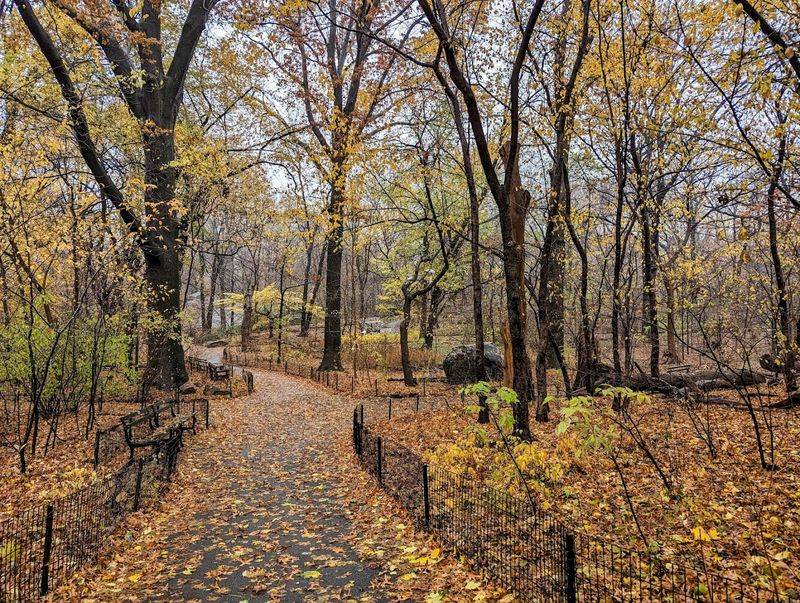
Central Park has pigeons, squirrels, and apparently a love story playing out in the underbrush. A coyote pair nicknamed Romeo and Juliet has called the park home, with Romeo first documented there in 2019 and Juliet joining him around 2023.
Wildlife photographers have tracked their movements through The Ramble, a wooded section of Central Park at New York, NY 10024, where the two have been seen together regularly.
The pair has even been observed mating, though a confirmed litter in the park has not yet been documented. Researchers believe heavy foot traffic from humans and off-leash dogs may disrupt nesting behavior.
Still, their continued presence shows just how well coyotes adapt to dense urban environments.
Central Park visitors are encouraged to observe from a distance and never feed the animals. The coyotes have shown no aggressive behavior toward people, but approaching them is still unsafe and illegal.
Wildlife officials monitor the pair closely and coordinate with park staff to manage the situation responsibly.
If you visit The Ramble and spot one, count yourself lucky because most people walk through that section every week without ever noticing them.
They are masters of blending in, even in the middle of Manhattan.
Romeo has now maintained Central Park territory for six years, which researchers consider a significant milestone for urban coyote adaptation in one of the world’s most densely populated environments.
2. Birch Avenue, Pelham
Most neighborhoods are pretty quiet at 2 a.m., but Pelham had a four-legged visitor making the rounds.
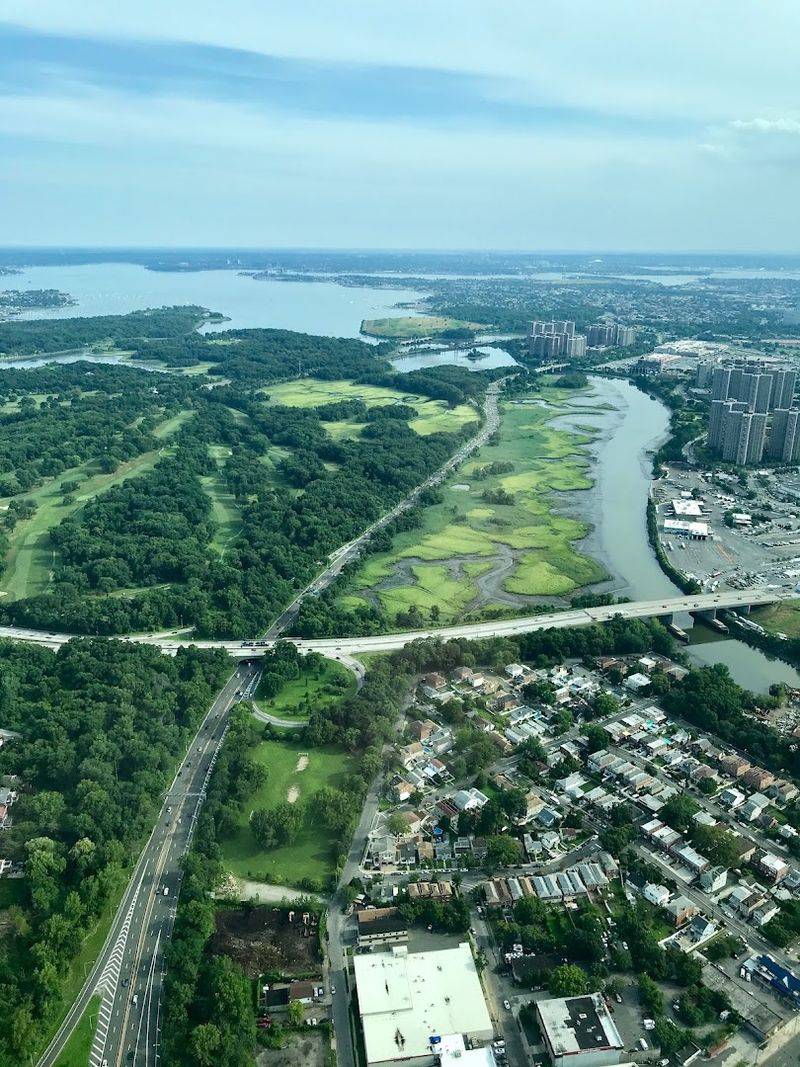
The Pelham Police Department officially logged a coyote sighting near Birch Avenue, Pelham, NY 10803, during the early morning hours on a Monday in November 2018.
Officers noted the animal appeared healthy and showed no signs of aggression or illness at the time.
Pelham Manor Police have also issued general advisories about coyote activity in the surrounding area. The village sits close to several green spaces and wooded corridors that coyotes use to travel between Westchester communities.
Sightings in residential zones like this one are becoming less surprising and more expected throughout the region.
Residents are reminded to secure trash cans with locking lids, avoid leaving pet food outside, and keep compost bins properly sealed. Coyotes are opportunistic feeders, and an easy food source near your home is an open invitation.
If you have a small yard, consider motion-activated lighting, which tends to startle and deter wandering wildlife. Pelham is a tight-knit community, and sharing sighting reports with neighbors through local apps or social groups helps everyone stay informed.
A little awareness goes a long way in keeping both people and coyotes safe.
Pelham’s tree-lined residential streets connect directly to larger Westchester green corridors, giving coyotes an almost invisible pathway into the village that most residents never think to consider.
3. Van Cortlandt Park, Bronx
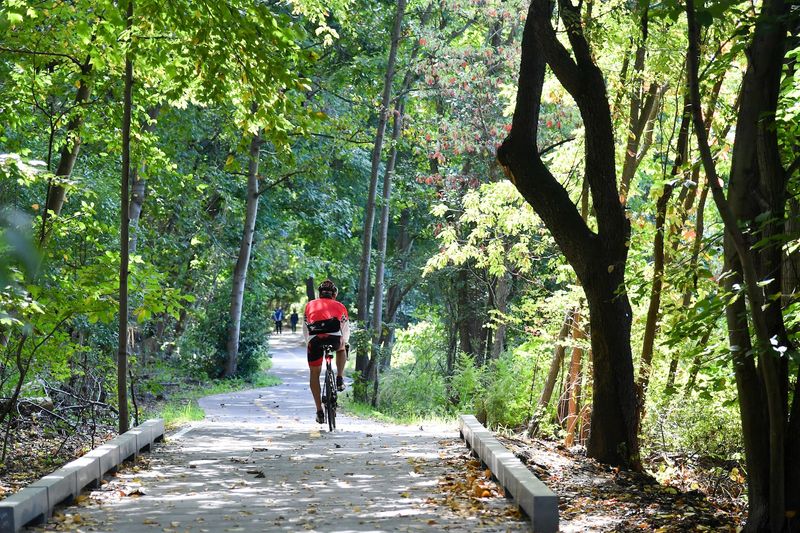
Van Cortlandt Park has always had a wild side, and now it has the coyotes to prove it. Parkgoers have reported that spotting one of these animals has become almost routine, especially after video footage captured coyotes in the park as recently as November 2025.
Located in the Bronx at NY 10471, the park’s vast open fields and forested areas make it ideal coyote territory.
Wildlife experts believe coyotes travel into the Bronx using Metro-North railway corridors from Westchester County. Once they find a park this size, they tend to stay.
The Bronx population has been growing steadily, and Van Cortlandt is one of the most frequently confirmed hotspots in the borough.
Hikers and dog owners should keep pets on a short leash at all times while using the park. Coyotes rarely seek conflict with people, but they may view small dogs as competition or prey.
If you spot one, wave your arms, speak firmly, and back away slowly without turning your back. Feeding wildlife in the park is prohibited and actually makes these encounters more frequent and more bold.
Stay alert and enjoy the park, just maybe keep one eye on the tree line.
The Metro-North railway corridor connecting Westchester to the Bronx functions as an unintentional wildlife highway. Coyotes follow it south with remarkable consistency, and Van Cortlandt is where that journey typically ends.
4. 81st Avenue And 257th Street, Glen Oaks, Queens
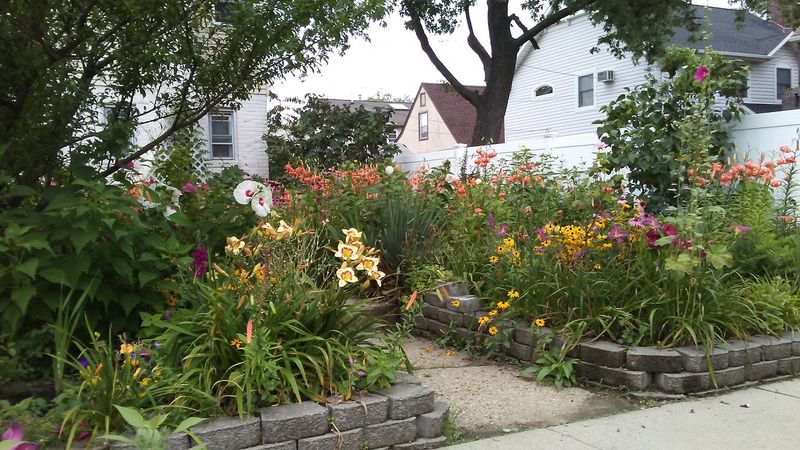
A coyote casually strolling down a city sidewalk sounds like the setup to a joke, but for Glen Oaks residents, it was Tuesday. The NYPD’s 105th Precinct confirmed a coyote was spotted and filmed walking along 81st Avenue near 257th Street in Queens, NY 11004.
Officers responded and eventually captured the animal after it wandered through backyards and residential blocks.
After capture, the coyote was transported to the Sweet Briar Nature Center on Long Island. Vets later discovered the animal had hip and pelvic fractures, which likely slowed it down enough for officers to catch it.
The whole situation was documented on video and spread quickly online, reminding New Yorkers that wildlife does not always respect borough boundaries.
Coyotes often move through Queens using green corridors and railway lines. If you spot one near your home, do not approach it or offer food.
Make loud noises, stand tall, and give the animal space to move away on its own. Keep small pets indoors during dawn and dusk hours, which are peak activity times.
Reporting sightings to your local precinct helps officials track movement patterns and respond quickly when needed.
Glen Oaks borders Nassau County, and coyotes moving between Long Island and Queens use that suburban edge as a natural travel corridor that wildlife officials have been monitoring closely.
5. Main Street Area, Irvington
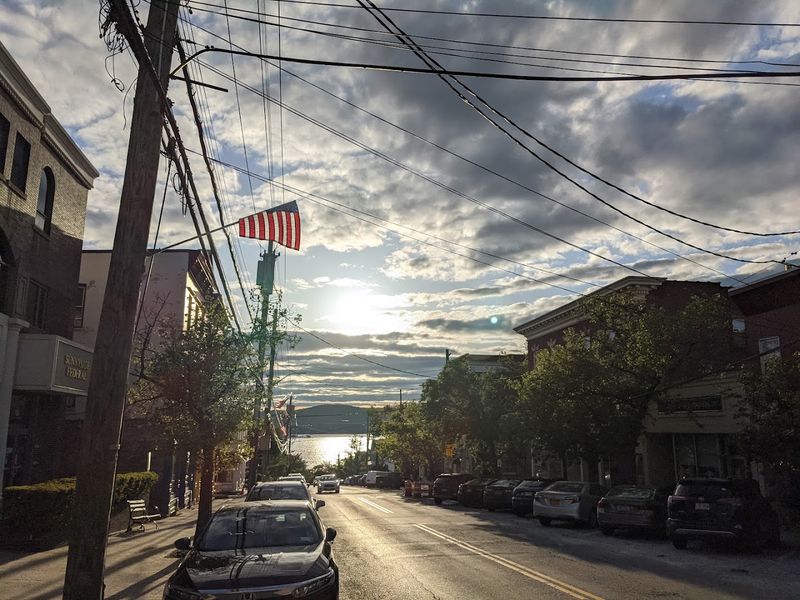
Irvington made headlines for all the wrong reasons when a confirmed dog attack by a coyote rattled the village in June 2026.
The Irvington Police Department responded to the incident on Lewis Road and quickly issued a village-wide advisory to residents across Irvington, NY 10533.
The advisory was coordinated with the New York State Department of Environmental Conservation, which flagged elevated coyote activity tied to pupping season.
Pupping season runs roughly from April through July, and during that period adult coyotes hunt more aggressively to feed their young. Officers noted that at least one coyote in the area was becoming increasingly bold around people and pets.
That kind of behavior is a red flag that residents should take seriously.
If a coyote approaches you without hesitation, that is unusual behavior and should be reported immediately to local police and the DEC. Do not run, as that can trigger a chase response.
Stand your ground, make yourself look large, and make as much noise as possible until the animal retreats.
Dog owners in Irvington are strongly advised to walk pets on a leash no longer than six feet and to avoid wooded paths during early morning and evening hours throughout the summer months.
The June 2026 dog attack marked a meaningful escalation in local coyote behavior. Irvington’s DEC coordination set a response model that neighboring Westchester villages have since referenced when drafting their own wildlife advisories.
6. Maple Avenue, Hastings-On-Hudson
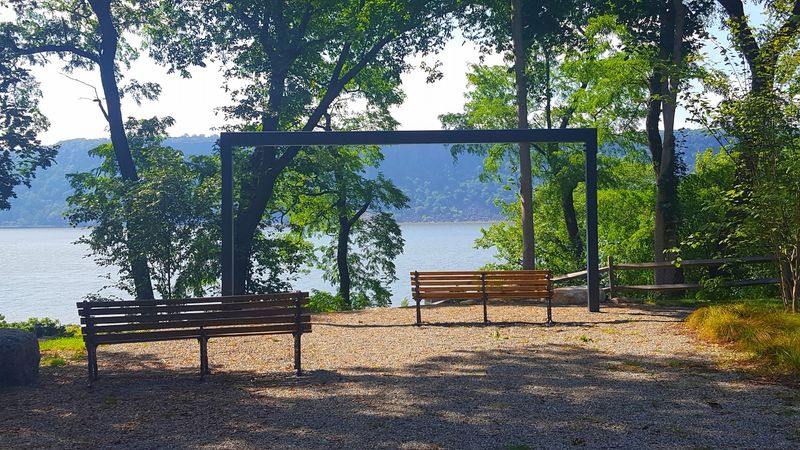
Broad daylight coyote sightings tend to make people nervous, and rightfully so.
The Hastings-on-Hudson Police Department issued an advisory in June 2026 after a noticeable spike in daytime coyote activity near Maple Avenue and surrounding areas in Hastings-on-Hudson, NY 10706.
Officials linked the surge to pupping season, when parent coyotes expand their hunting range to keep pups fed.
Seeing a coyote during daylight hours does not automatically mean the animal is sick or rabid. During pupping season, it is actually quite common for them to hunt around the clock out of necessity.
That said, repeated daytime appearances near homes and playgrounds are worth monitoring closely.
The advisory recommended that residents keep pets on leashes, remove bird feeders temporarily, and pick up fallen fruit from yards, all of which attract small rodents that coyotes prey on.
Eliminating that food chain near your property is one of the most effective long-term deterrents available.
Hastings-on-Hudson is a charming riverside village, and most residents share the space with wildlife gracefully. The key is staying informed and not letting curiosity turn into complacency.
A coyote trotting past your driveway at noon is a signal worth paying attention to, not just a quirky story to post online.
Hastings sits along the Hudson River with wooded ravines cutting through the village. Those ravines provide coyotes direct travel routes from the northern Westchester wilderness into residential blocks without crossing a single major road.
7. Staten Island Greenbelt Natural Area
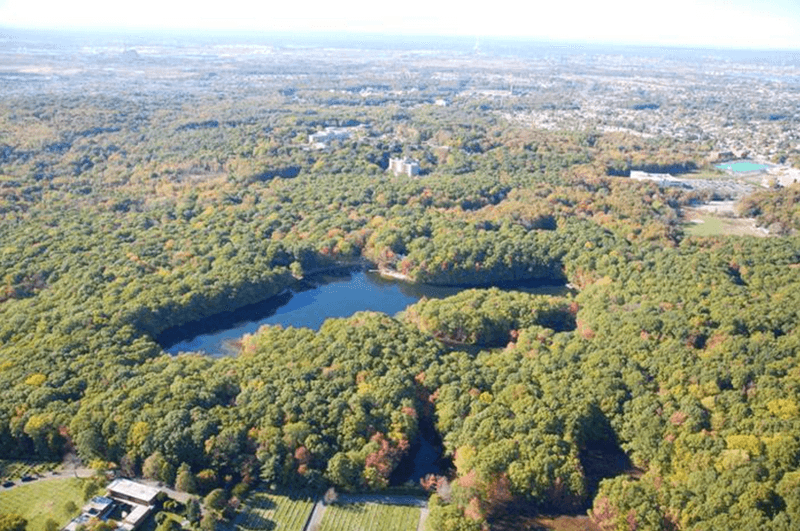
Staten Island has a secret, and it has fur and four legs. The Gotham Coyote Project, a research initiative tracking eastern coyotes across New York City, has documented active coyote territory within the Staten Island Greenbelt Natural Area at Staten Island, NY 10314.
The Greenbelt spans nearly 3,000 acres and borders residential neighborhoods on virtually every side, making it one of the most significant urban coyote habitats in the city.
Coyotes in the Greenbelt have been observed using the forested interior for shelter while venturing into adjacent neighborhoods in search of food.
The Gotham Coyote Project uses camera traps and GPS tracking to monitor population behavior, and their findings confirm that coyotes are establishing a stable presence on the island rather than just passing through.
Residents living along the Greenbelt perimeter should be especially cautious. Secure all garbage, keep pet doors locked at night, and supervise children playing near wooded edges of the property.
The Greenbelt is a genuine treasure for Staten Island, offering trails, wildlife, and open space in an otherwise dense borough.
Sharing that space with coyotes is manageable as long as residents stay educated and avoid behaviors that encourage wildlife to linger near homes. Knowledge is honestly the best fence you can build.
The Gotham Coyote Project’s camera trap data from the Greenbelt represents some of the most detailed urban coyote behavioral research currently being conducted anywhere in the northeastern United States.
8. Chappaqua, Town Of New Castle
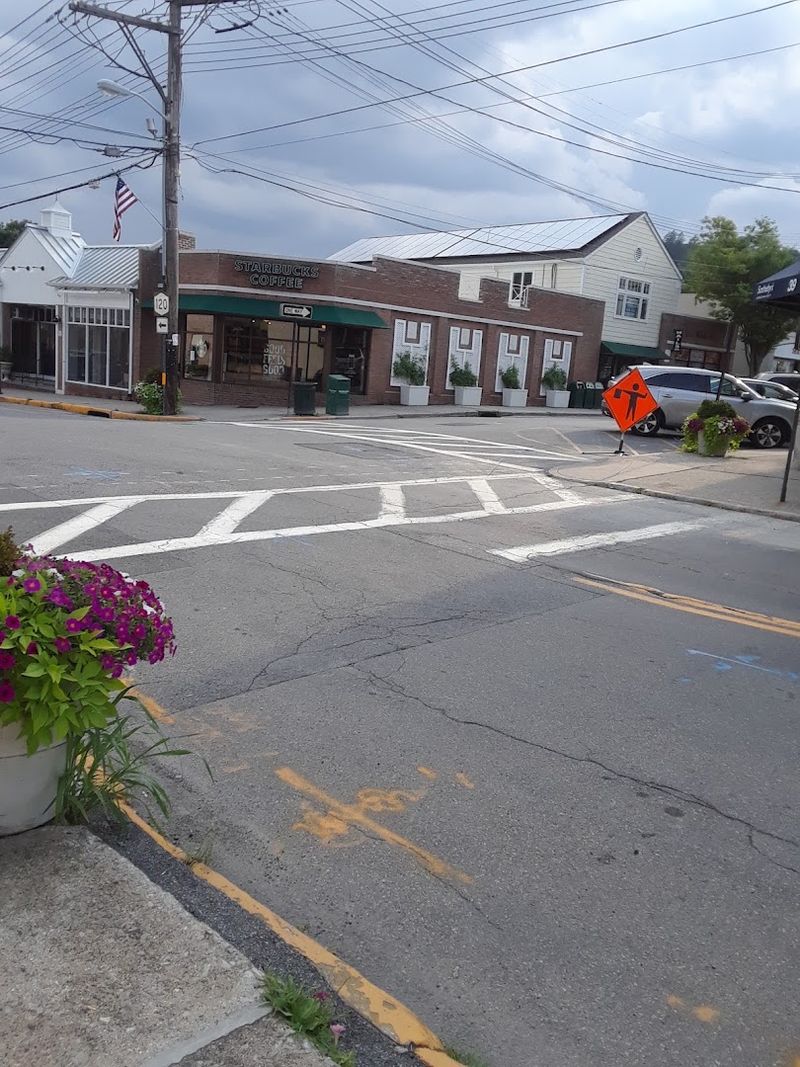
Chappaqua takes coyote awareness to a level that no other New York suburb has matched. The Town of New Castle, which includes Chappaqua, NY 10514, maintains a live public coyote sighting map on its official website at mynewcastleny.gov.
Residents can log sightings directly on the map, which categorizes incidents by non-aggressive behavior like general sightings and encounters, as well as aggressive behavior including pet attacks.
No other New York suburb currently offers a dedicated real-time tracking tool like this one. It is genuinely ahead of the curve and gives the whole community a clearer picture of where coyotes are active and when.
Patterns on the map can even help residents anticipate seasonal spikes in activity near their specific streets.
If you live in Chappaqua or nearby areas, bookmarking that map is one of the smartest things you can do as a pet owner or parent. The town’s proactive approach reflects how seriously local officials take the coexistence challenge.
Coyotes are not going anywhere, and building community awareness tools like this one sets a model that other suburbs across New York should absolutely consider replicating. Reporting your sighting takes about two minutes and helps protect your entire neighborhood.
That is a pretty solid return on two minutes of your time.
The live sighting map at mynewcastleny.gov has logged enough data points to reveal clear seasonal patterns. Spring and summer submissions spike noticeably, directly tracking pupping season activity across the town’s residential neighborhoods.