
Before Your Next Lake Tahoe Snow Day, Know These 7 Nevada Sledding Hill Mistakes
Grown-ups land in the emergency room from sledding too, and plenty of them were just riding along with a kid. That surprised me.
I always filed sledding under harmless winter fun, right next to hot cocoa and snow angels.
Doctors see broken bones, concussions, and back injuries from sled runs every winter. Many of those trips start with small choices, like the wrong hill or the wrong way of sitting on the sled.
The Nevada side of Lake Tahoe makes those choices easy to rush. The snow looks soft, the slopes look inviting, and the kids are already halfway out of the car before you park.
I love a cheap snow day, and a plastic sled is one of the best deals in winter fun. So which simple slipups turn a free afternoon into a pricey visit to urgent care?
A few of them might surprise you.
1. Picking a Hill That Ends in a Road
Gravity doesn’t care where the parking lot is. A slope that looks perfect from the top can dump your kid straight onto pavement at the bottom.
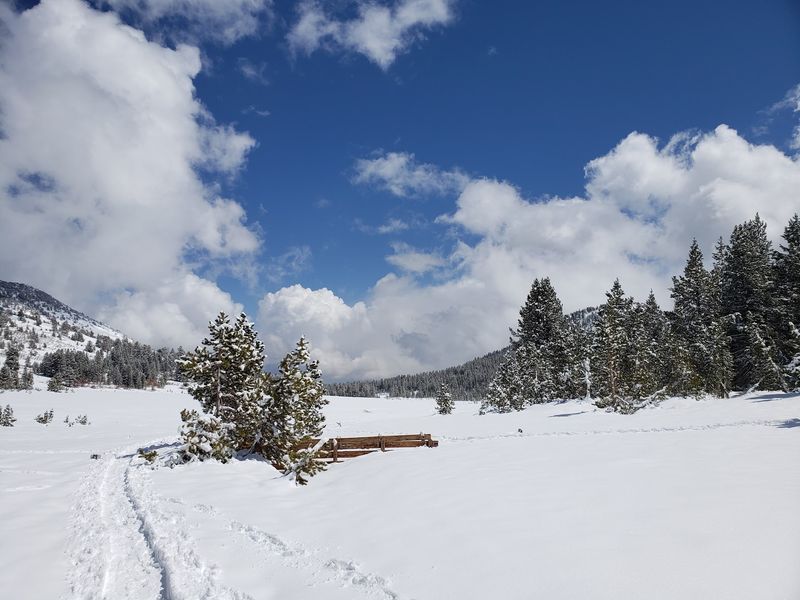
Tahoe Meadows, off the Mt. Rose Highway, is a popular Nevada snow play area for families.
The open terrain is lovely, but the busy highway runs right alongside it.
Before anyone sits down, walk the run yourself. Look at where a sled would naturally stop, then add a little extra distance for icy afternoons.
You want a long, flat runout with nothing at the end. Roads, creeks, fences, trees, and parked cars should all be far out of the way.
Ice changes everything, too. A run that felt slow in fresh morning powder can turn fast and slick once the sun melts it and the cold refreezes it.
A quick five-minute scouting walk costs nothing. It might be the cheapest safety gear your family ever uses.
Address: Tahoe Meadows, Mt. Rose Highway (NV-431), Reno, NV 89511
2. Going Down Headfirst
Belly-flop sledding feels like flying, which is exactly the problem. When you lead with your head, your head is the first thing that meets a tree or rock.
Doctors who treat sledding injuries point to head and neck trauma as some of the most serious outcomes. Riding face-first raises those odds in a hurry.
The safer move is simple. Sit up, face forward, and keep your feet pointing downhill.
Feet can steer, brake, and soak up a bump far better than a forehead can. Teach kids to drag their heels to slow down instead of grabbing the sled sides.
Lying back flat is another habit to skip. It’s tough to see what’s coming, and stopping becomes nearly impossible.
If a crash looks unavoidable, rolling off the sled to the side is usually better than riding it out. Practice that roll on a tiny slope first, so it becomes a reflex rather than a panic move.
Address: Incline Village Community Hospital, 880 Alder Ave, Incline Village, NV 89451
3. Leaving the Helmets at Home
Bike helmets sit in plenty of Nevada garages all winter, gathering dust. Your snow day could put them to work.
Medical groups, including Vanderbilt Health, recommend helmets for sledding because head injuries are a leading concern. A ski or snowboard helmet fits best with a hat, but a bike helmet can still help.
Plenty of families skip this step because sledding looks gentle. Then a sled spins, hits a bump, and goes airborne.
Little riders are especially at risk. Their heads are larger in proportion to their bodies, so a fall can land harder than you’d expect.
Adults aren’t off the hook either. Grown-ups show up in the injury numbers too, and a parent with a concussion can’t drive the family home.
Here’s a budget tip worth stealing. Thrift stores and secondhand sports shops often carry used helmets, though you should check for cracks and a snug fit before buying.
A good fit matters more than a fancy brand name.
Address: Tahoe Meadows, Mt. Rose Highway (NV-431), Reno, NV 89511
4. Underestimating the Mountain Weather
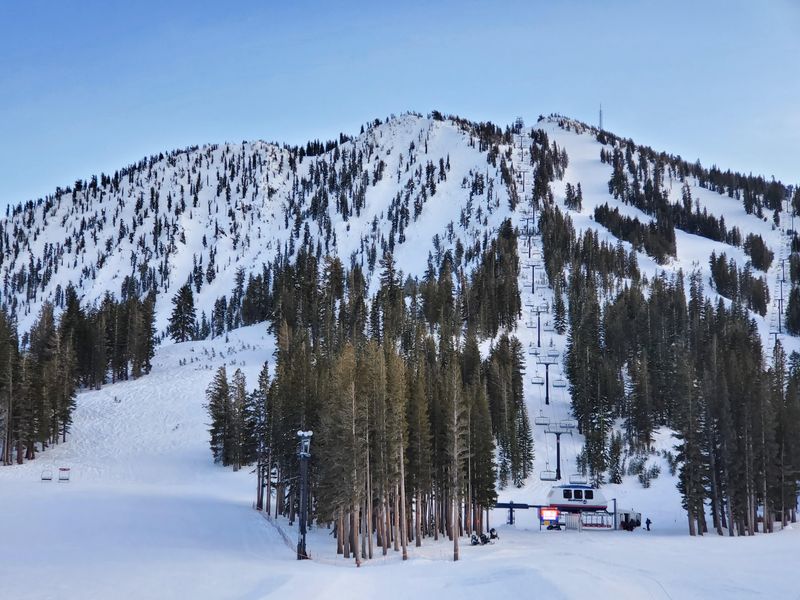
Reno might be sunny and mild while the Mt. Rose summit gets hammered with snow.
Elevation flips the script fast around Lake Tahoe.
The Mt. Rose Highway climbs to about 8,900 feet, making it one of the highest year-round Sierra passes.
Wind and temperature can change sharply between your driveway and the sled hill.
So dress the kids in layers, not just one puffy coat. Waterproof pants and gloves matter most, since sledders spend half the day sitting in snow.
Pack a dry change of socks and mittens for each person. Wet hands turn a fun outing into tears surprisingly quickly.
Sunscreen belongs in the bag too. High-altitude sun bouncing off white snow can burn cheeks even on cold days.
Check the forecast and road conditions right before you leave, not the night before. Mountain storms can arrive earlier than expected, and chain controls may go up with little warning.
A thermos of cocoa from home can also save a few dollars and warm up cranky riders.
Address: Mt. Rose Summit, Mt.
Rose Highway (NV-431), Reno, NV 89511
5. Parking Wherever There’s Room
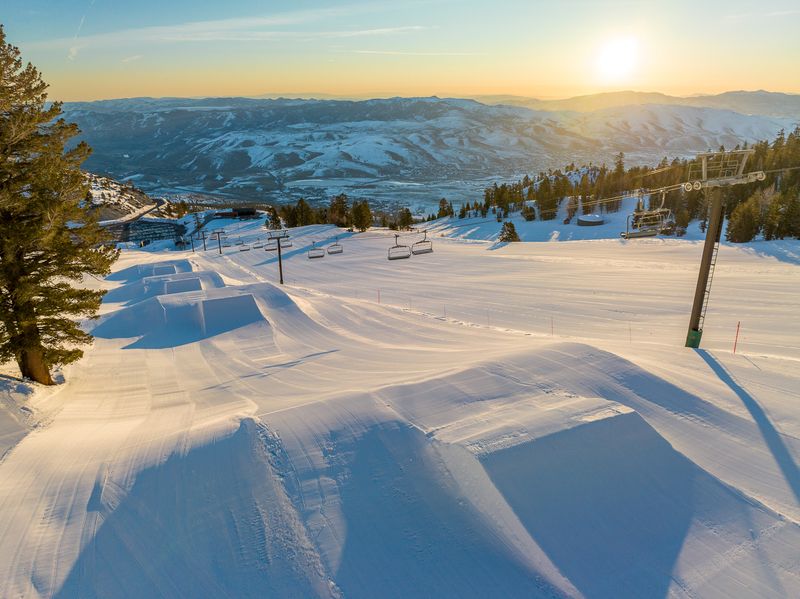
A snowbank shoulder looks like free parking until a plow comes through. Then it looks like a ticket, a tow, or a buried bumper.
Roadside parking along mountain highways can block plows and emergency vehicles. It also puts kids right next to moving traffic while you unload sleds.
Arrive early on weekends and holidays, when snow play spots can fill quickly. Use marked lots and pullouts, and obey posted signs even if other drivers don’t.
Keep the youngest kids buckled in until you’re ready to walk them away from the road. Unloading gear first and kids second can make the scramble much calmer.
Your car needs winter prep, too. Carry chains or have snow tires, and keep a scraper, a blanket, and some water in the trunk.
Nevada roads near Tahoe can go under chain controls during storms. Plan your exit before the afternoon refreeze, since the drive down can feel very different than the drive up.
Leaving a little early often beats sitting in a slow line of brake lights.
Address: Mt. Rose Highway (NV-431), Incline Village, NV 89451
6. Assuming Every Snowy Slope Is Open for Sledding
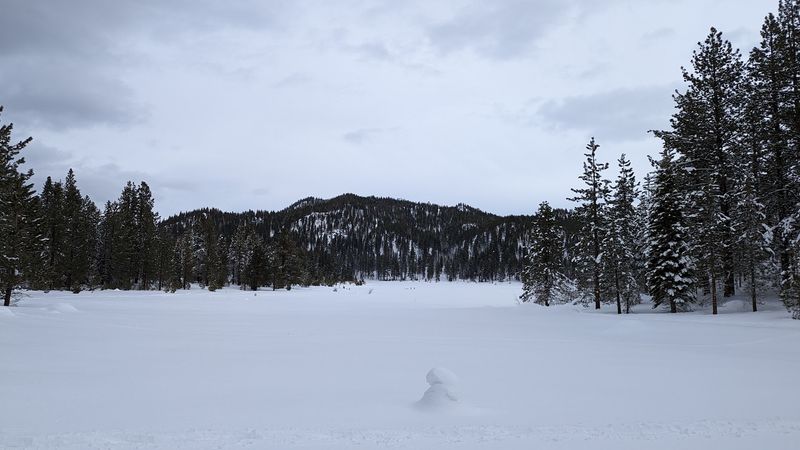
Snow on the ground isn’t the same as a welcome sign. Some winter areas around the Nevada shore are set up for other activities.
Spooner Lake, part of Lake Tahoe Nevada State Park, is known for winter trails like snowshoeing and cross-country skiing. A groomed trail isn’t a sled run, and skiers won’t appreciate a surprise saucer.
Ski resorts are another place to be careful. Many don’t allow sledding on their slopes, so check the rules before you bring a toboggan near the lifts.
Private yards and neighborhood hills in Incline Village belong to somebody. A tempting slope behind a house is still someone’s property.
Before your trip, look up current rules for where you plan to go. Park fees, seasonal closures, and allowed activities can change from one winter to the next.
Choosing a spot made for snow play usually means gentler terrain and fewer conflicts. It also means fewer awkward conversations with a ranger while your kids hold dripping sleds.
Address: Spooner Lake, Lake Tahoe Nevada State Park, US-50 and NV-28, Carson City, NV 89703
7. Turning the Hill Into a Free-for-All
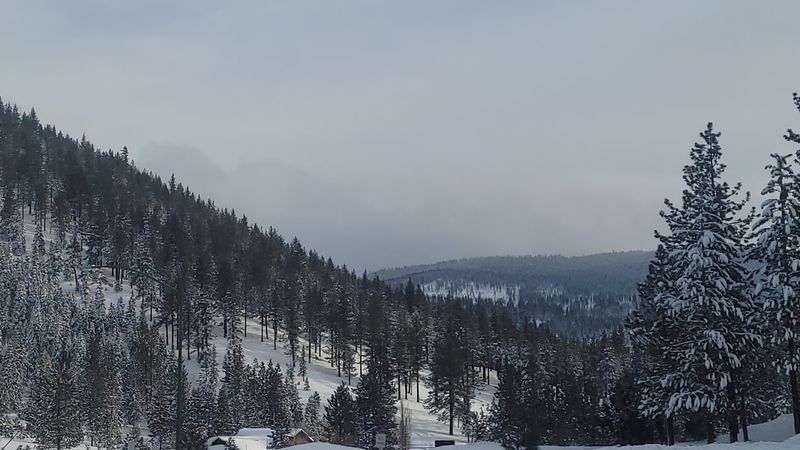
Ten sleds, one run, and zero rules is how bumper cars happen on snow. Crowded hills need a little order to stay fun.
Walk back up along the edges, never straight up the middle. Riders can’t steer well, and they definitely can’t stop on command.
Wait until the path below is clear before pushing off. Once you reach the bottom, move out of the way fast so the next rider has room.
Grown-ups riding double with a toddler might feel sweet, but it adds weight and speed. Adults also get hurt by flailing limbs and tumbles, so a solo ride may be smarter.
Then there’s the mess left behind. Cracked plastic sleds and wrappers get abandoned around Tahoe snow areas, and that trash ends up in the watershed.
Bring a bag for broken gear and pack out what you brought. A sturdy sled that lasts several seasons can cost less over time than replacing cheap ones every trip.
Your kids might even inherit the habit of leaving the hill cleaner than they found it.
Address: Tahoe Meadows, Mt. Rose Highway (NV-431), Reno, NV 89511