Free tuition for every student sounds like a modern campaign slogan. A self-taught inventor turned it into a working school back in 1859.
He had less than a year of formal schooling himself. Could anyone have guessed his idea would outlive him by generations?
Today every undergraduate still gets half of tuition covered. The college also plans to bring full scholarships back.
Rankings keep placing this small New York school near the top. Its iron-beam landmark and a famous Lincoln speech add more history.
I love a campus where the buildings tell stories too. How many colleges can claim a future president on their stage?
Artists, architects, and engineers all share one tight community here. Want to see why families across New York keep talking about it?
A Free-Education Dream Born In 1859
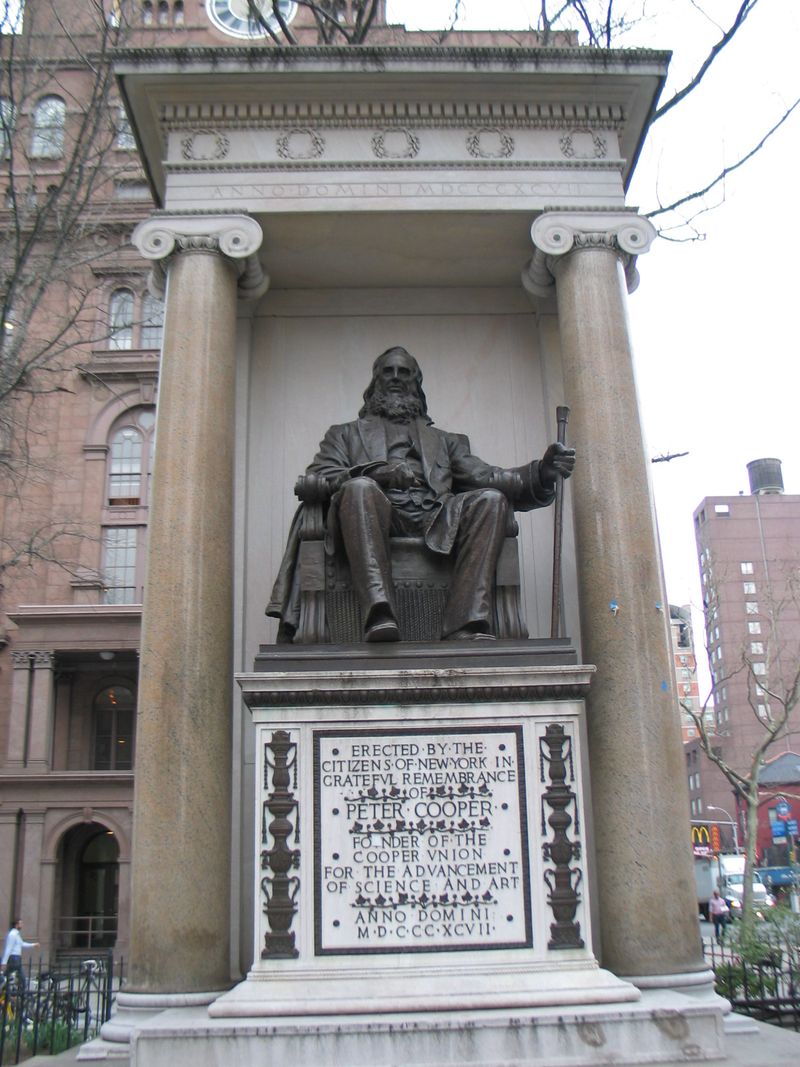
The Cooper Union for the Advancement of Science and Art began with a bold idea. Peter Cooper, an industrialist and philanthropist, wanted education to be open and free to all.
He set that goal in 1859.
Cooper had less than a year of formal schooling himself. That makes his vision even more striking.
He built a school for people who had talent and drive, no matter their wealth or background.
The founding rules covered race, religion, sex, and social status. None of those could close the door.
For its time, that was a very progressive stance.
The school also opened the first free public reading room in New York City. Women and people of all races were among those welcomed early on.
That spirit still shapes how the college talks about itself today.
Cooper hoped graduates would gain technical skill, business sense, artistic voice, and a sense of fairness. That is a tall order for any school.
Yet it explains why people still talk about this place more than a century and a half later.
Not bad for a school that started with one big promise.
Half-Tuition For Everyone Who Enrolls
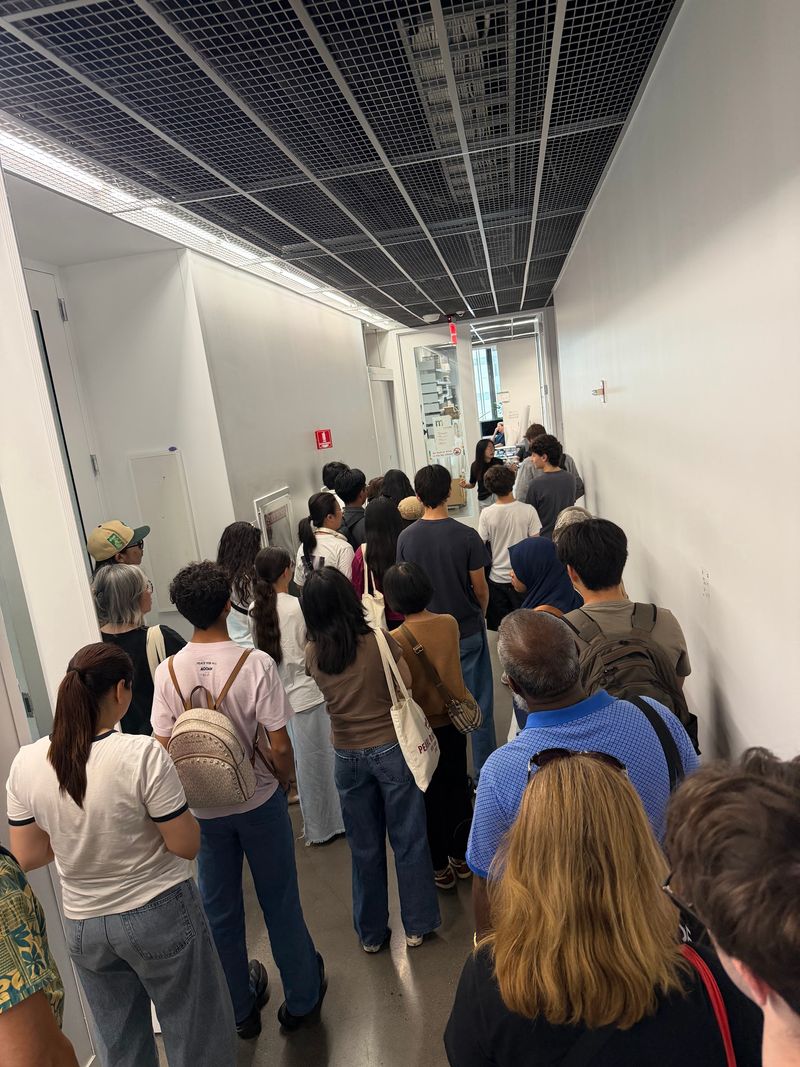
Money talks, and here it says something nice. Every enrolled undergraduate at The Cooper Union gets a half-tuition scholarship.
For 2026-2027, that award is valued at $22,275 per school year.
Students can also apply for need-based financial aid. That can help with the rest of tuition, plus room and board.
Limited merit scholarships are available too.
History adds a twist. For many years, every admitted student received a full-tuition scholarship.
The college ended that practice in 2014.
In 2018, leaders announced a plan to bring full-tuition scholarships back for all undergraduates by 2028-2029. The plan leans heavily on fundraising.
So the goal is clear, but it depends on donors.
That makes this a story still in progress. Families can watch how it unfolds while still seeing real savings today.
Few private colleges in New York can say the same.
If you are curious about cost, the college’s financial aid pages are the best place to check current details.
Why The Ranking Buzz Is Real
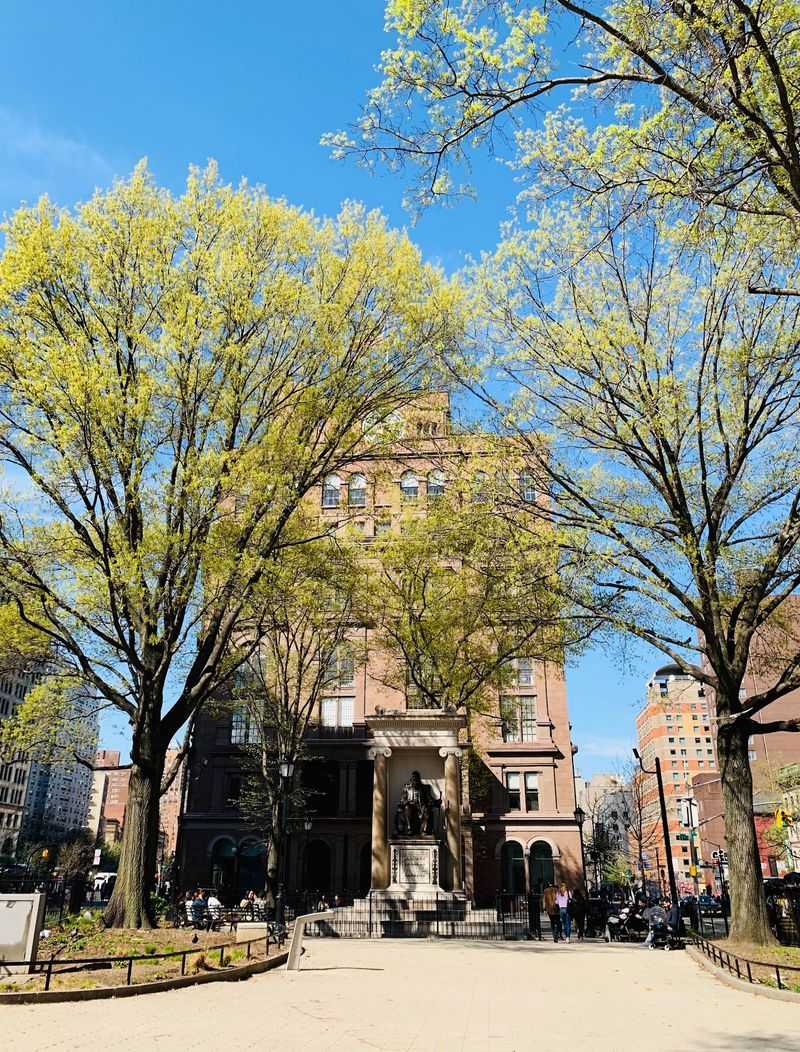
Let’s clear up the headline first. A 2010 Newsweek list did rank Cooper Union as number one among desirable small schools.
That claim is old, though, so it needs context.
U.S. News & World Report ranks The Cooper Union number one for Best Value Schools.
It also lists the college at number two for Top Private Schools.
There is more. U.S.
News places it at number two for Most Innovative and number three for Best Undergraduate Teaching.
It also lands at number five for Social Mobility.
Niche ranks the school number 20 among Best Small Colleges in America. It sits at number three among small colleges in New York.
Forbes lists it at number 56 overall.
Rankings are not everything. Still, a small school landing near the top of so many lists gets attention.
For a campus with just three schools, that is a big deal.
So the buzz has real numbers behind it, even if the old number one title has aged.
Three Schools, One Close Community
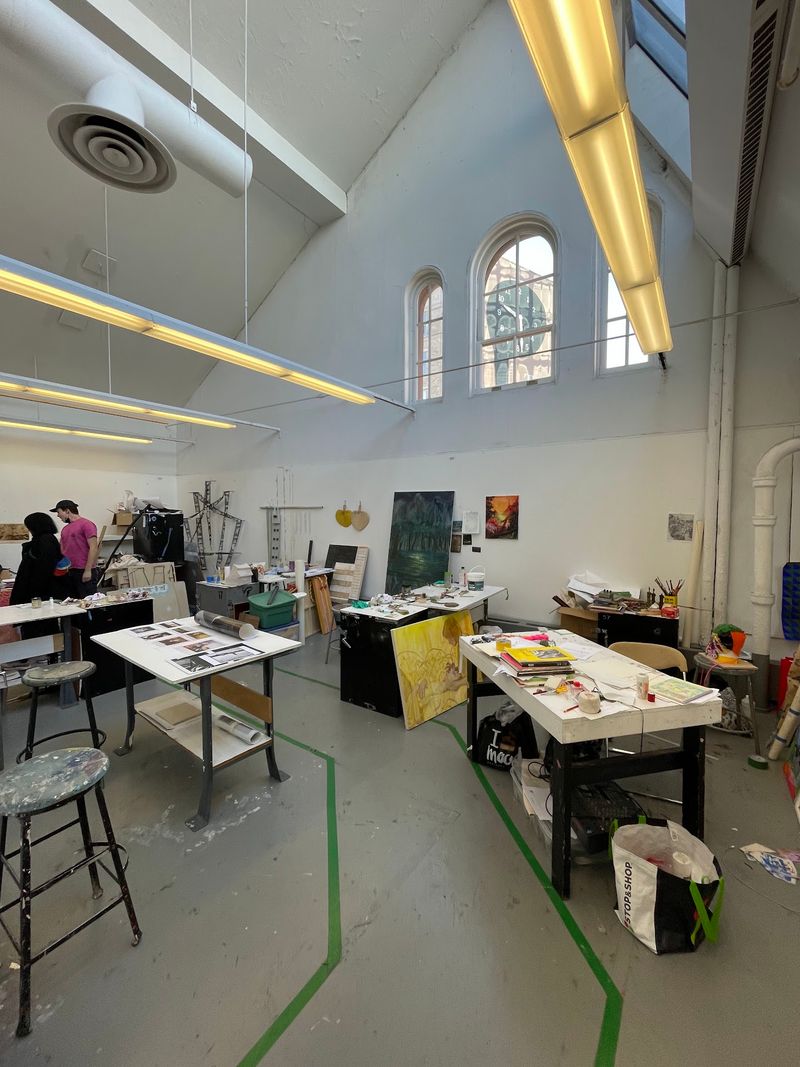
Small can be powerful. The Cooper Union is organized into just three schools.
They are the Irwin S. Chanin School of Architecture, the School of Art, and the Albert Nerken School of Engineering.
Degrees include the Bachelor of Fine Arts, Bachelor of Architecture, Bachelor of Engineering, and Bachelor of Science in Engineering. There are also a Master of Engineering and a Master of Science in Architecture.
That covers a lot of ground for a small campus.
A shared core curriculum in the humanities and social sciences ties everyone together. Artists, architects, and engineers all take part.
That mix sparks ideas across fields.
Minors are offered in bioengineering, chemistry, computer science, humanities and social sciences, and mathematics. So an engineer can explore words, and an artist can explore numbers.
The school reports a 95 percent retention rate into sophomore year. It also reports an 88 percent six-year graduation rate for the Fall 2020 entering class.
Those numbers suggest students tend to stay and finish.
Think of it as a tiny city of makers.
The Foundation Building Has Serious Firsts
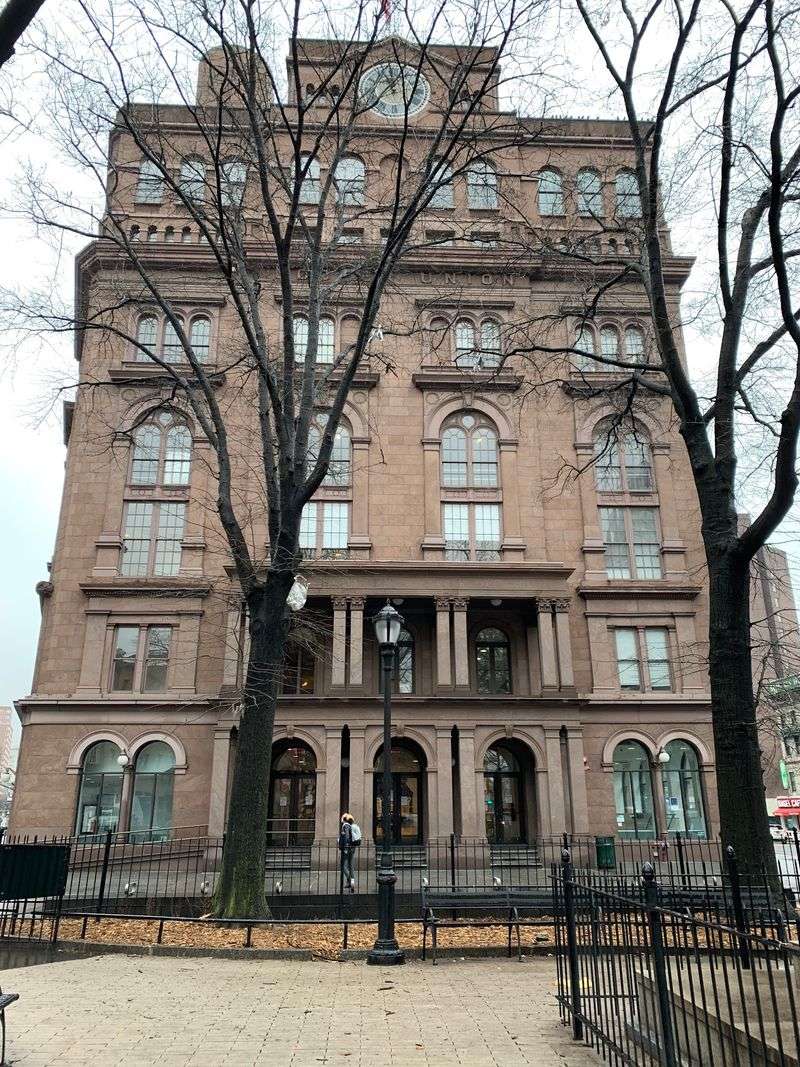
Some buildings just stand there. The Foundation Building made history.
Completed in 1858, it was the first building in New York City to use rolled-iron I-beams.
Peter Cooper invented those beams. The building was also the first in the world built with an elevator shaft.
That is a lot of firsts for one brownstone.
Its style is Italianate, and it sits at 7 East 7th Street. Today it is both a National Historic Landmark and a New York City Landmark.
It holds classrooms, studios, a library, and galleries.
The elevator shaft is a fun detail. The idea came before many people could picture tall buildings with lifts.
Cooper clearly planned ahead.
Walk around the exterior and you can take in the old stone and arched look. It sits in the middle of the busy East Village.
Modern streets surround a building that helped shape how cities grew upward.
History nerds, this one is for you.
Lincoln Spoke In The Great Hall
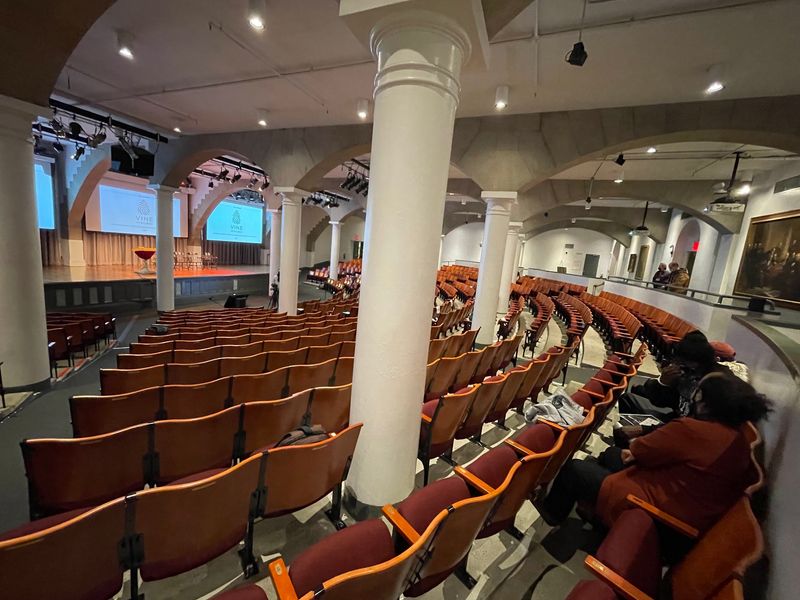
In 1860, a tall lawyer from Illinois stepped onto a stage in Manhattan. Abraham Lincoln gave a speech in the Great Hall.
It is considered a pivotal moment in his presidential campaign.
The Great Hall sits inside the Foundation Building. It is a historic auditorium that has hosted public debate for generations.
Several U.S. presidents have spoken there.
That fits Peter Cooper’s goals. He wanted a place where ideas could be heard and discussed.
Open conversation was part of the plan from the start.
The hall still welcomes events today. One visitor described attending a 2026 typography conference there and loved the historic setting.
That shows the room is still in use.
Even if you never attend a lecture, the story is worth knowing. A speech in one room helped shape American history.
And it happened at a small college in New York.
Not many classrooms can claim that kind of guest list.
A Modern Green Giant At 41 Cooper Square
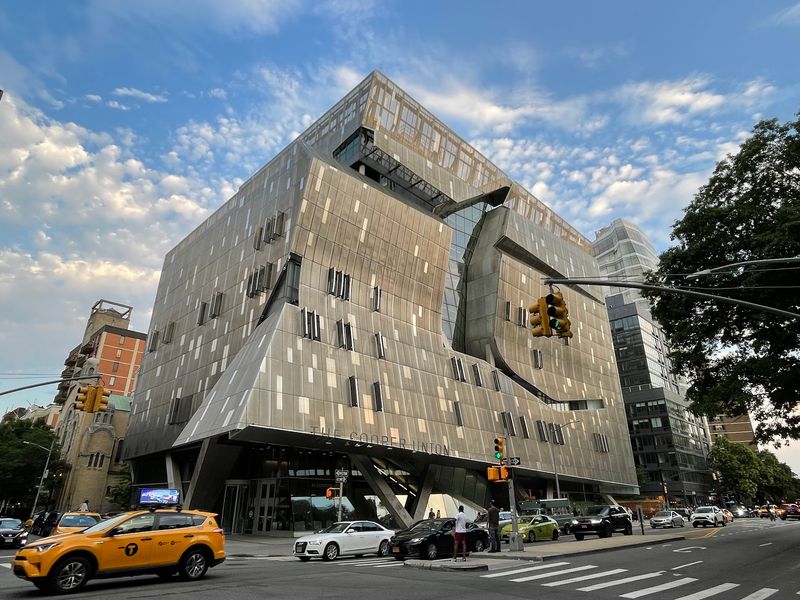
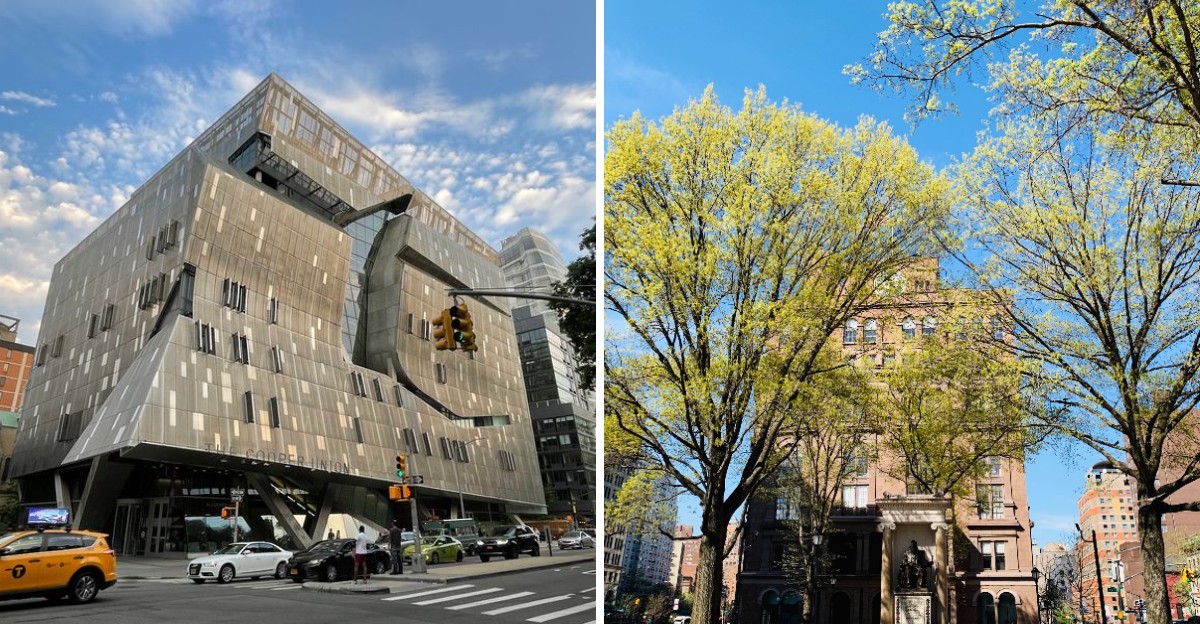
Here is a building that looks like it came from the future. 41 Cooper Square opened in September 2009. Architect Thom Mayne designed it.
The structure has nine stories and about 175,000 square feet. It holds classrooms, laboratories, studios, and public spaces.
It is the school’s newest academic building.
It is also green. The building earned LEED Platinum certification.
It was the first academic building in New York City to reach that level.
The school says it is 40 percent more energy-efficient than typical buildings of its kind. That is a smart match for an engineering and architecture college.
The design teaches by example.
One visitor described a sci-fi vibe inside, with student work on display. That fits the bold look of the exterior.
It feels like a place where ideas get built.
The address most people know is 41 Cooper Square, on the east side of Third Avenue between 6th and 7th Streets. Old and new stand almost side by side here.
Life In The Heart Of The East Village
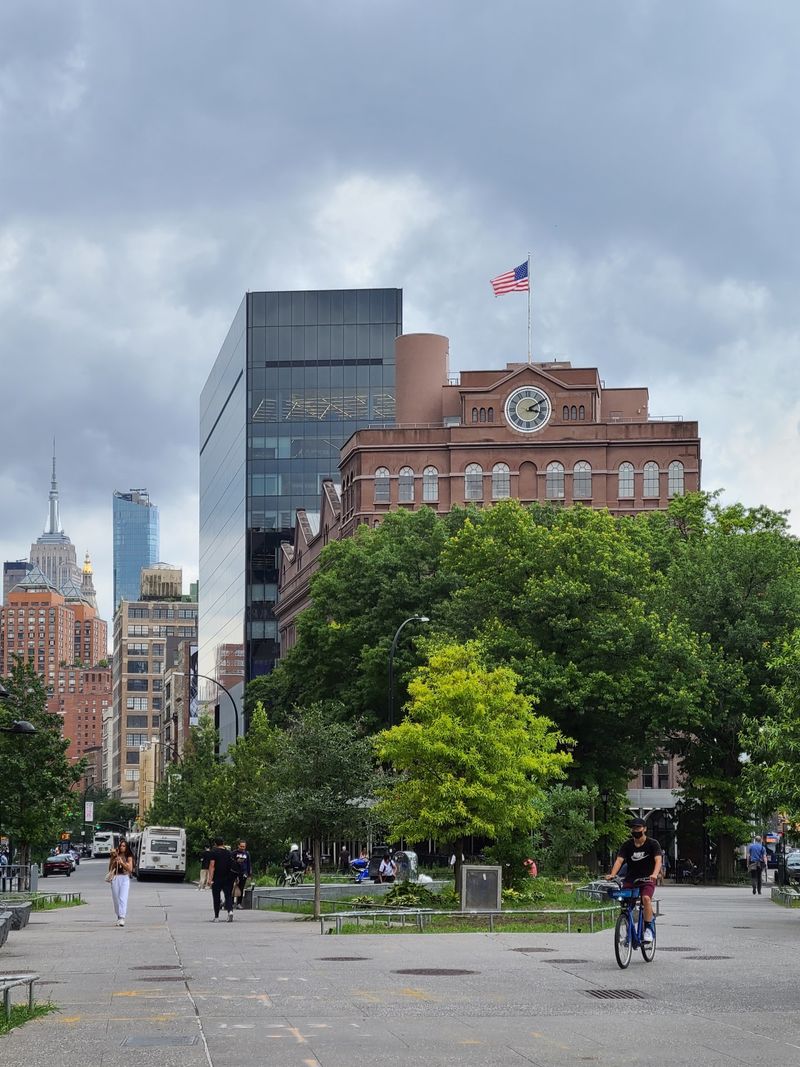
Location is a big part of the story. The Cooper Union sits in Manhattan’s East Village.
Its administrative offices are at 30 Cooper Sq, New York, NY 10003.
The campus is urban, so the city is the backyard. Students have direct access to New York’s culture, tech, and creative scenes.
The college notes that students often complete internships before graduation.
First-year students live in apartment-style dormitories. That setup helps build a close-knit group.
Small classes add to the feeling.
A past student shared that a calculus class had about 20 people. An ancient poetry class had only nine.
Those numbers show how personal learning can feel.
The school stands near other well-known New York campuses. The neighborhood is full of history and busy streets.
You can walk around and feel the pulse of the city.
For a student who wants big-city energy with a small-school feel, this corner of New York delivers.
Graduates Who Went On To Big Honors
Small schools can leave big marks. Cooper Union graduates have earned Nobel Prizes.
Others have won MacArthur and Guggenheim fellowships.
Those awards show how far a Cooper education can travel. Alumni have shaped art, design, architecture, and engineering.
The college also points to prestigious awards in many fields.
The mix of skills helps. Students learn technical mastery, creative thinking, and a sense of social justice.
Those were Peter Cooper’s hopes from the beginning.
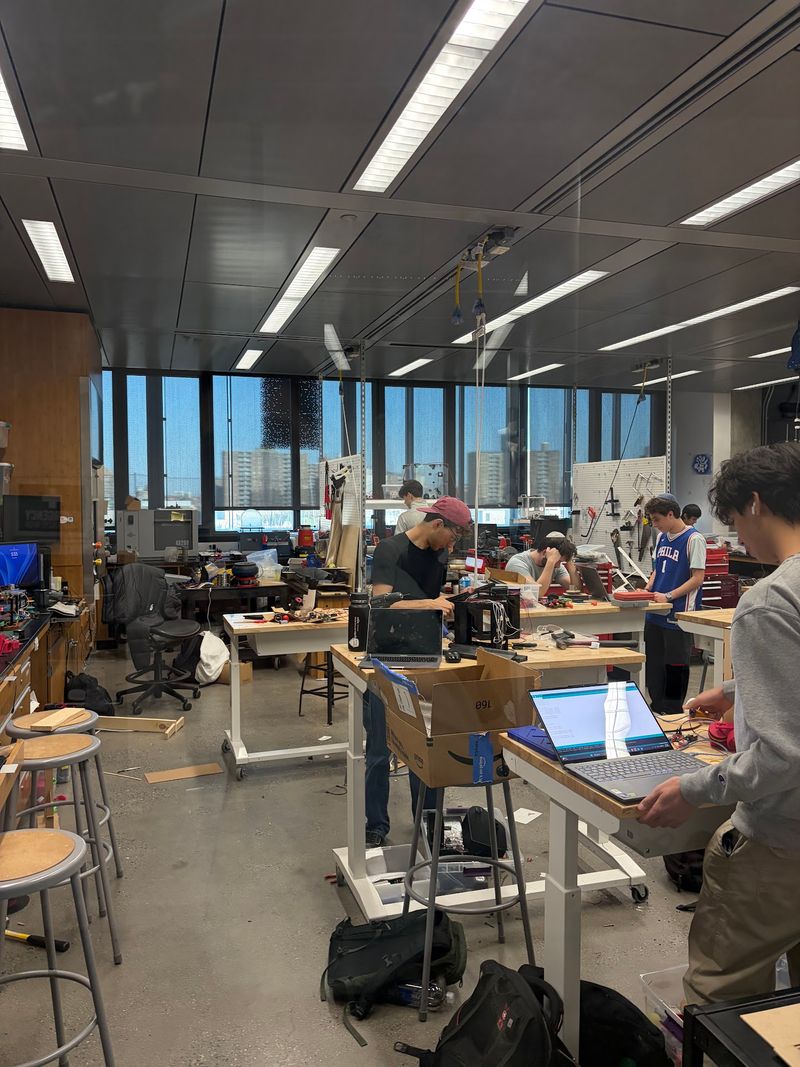
Hands-on learning is a big part of that. The school is known for labs, studios, and workshops.
A past visitor even suggested touring the school with a high school junior.
Tours are a smart move for any family. You can see the buildings and get a feel for the place.
Check the official admissions pages for current visit options.
In the end, a college built on a free-education dream still turns heads. Its story, its buildings, and its graduates all say the same thing.
Big ideas can live in small places.