
9 Dirt-Cheap Day Trips In Northeast Tennessee You’ll Want To Take This Year
A great day out does not have to wreck your budget. Northeast Tennessee is full of places where a few dollars can stretch surprisingly far, especially when mountain scenery, small towns, historic sites, and easy outdoor stops are part of the plan.
You can spend a morning beside a waterfall, wander through a downtown district, pack a picnic for a lakeside afternoon, or visit a local attraction without turning the trip into an expensive production.
That is what makes this corner of Tennessee so useful for spontaneous getaways. Many of the best stops cost little to enter, and several are completely free once you arrive.
Bring snacks, fill the gas tank, and pick the kind of day you are in the mood for. These trips keep things simple, affordable, and interesting enough to make you wonder why you stayed home last weekend.
1. Roan Mountain State Park
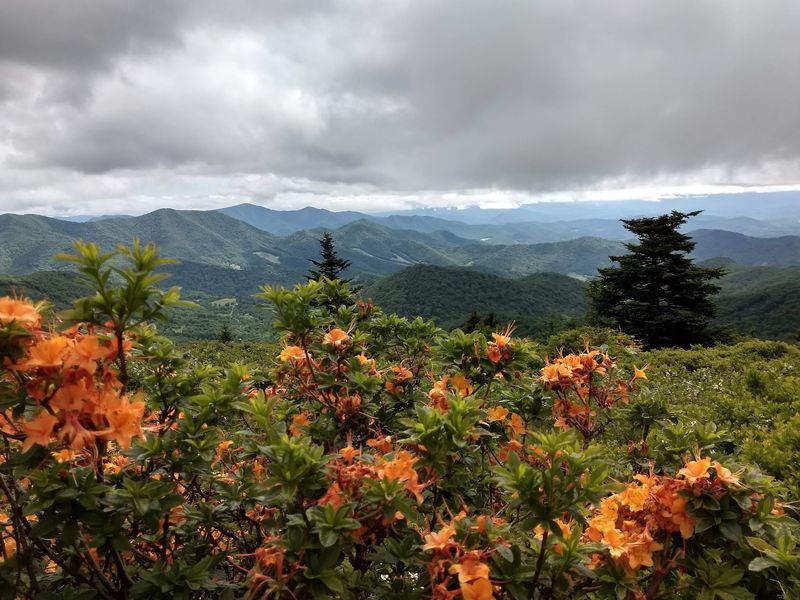
Few places make you feel small in a good way like the slopes below Roan Mountain. The peak climbs past 6,000 feet, and the state park at 527 TN 143 in Roan Mountain spreads across more than 2,000 acres of southern Appalachian forest.
Elevations run from about 3,000 feet in the valley to roughly 3,700 feet on the ridges. That range means wildflowers, tall hardwoods and plenty of deer and songbirds.
The Doe River slips right through the middle of the park. Lucky visitors have spotted black bears or the odd-looking Eastern Hellbender salamander near the water.
About 12 miles of day-use trails give hikers real choice. The Riverside Trail uses a boardwalk over a restored wetland, while Chestnut Ridge Trail rewards the climb with views of the Roan Highlands.
Cyclists get roughly three miles of mountain biking trails. Strong riders sometimes push up Highway 143 toward Carver’s Gap instead.
Anglers come for trout in the Doe River and bass in the ponds. Picnic areas with tables and grills sit under the trees, and mountain music concerts pop up through the warmer season.
History fans should tour the Miller Farmstead, a 19th century home with a story to tell. Late spring and early summer bring thousands of Catawba rhododendrons into bloom across the high slopes.
An Appalachian Trail access point waits just eight miles away, which makes this one of the best value stops in Tennessee.
2. Sycamore Shoals State Historic Park
Shallow river crossings shaped American history more than most textbooks admit. At 1651 W Elk Ave in Elizabethton, a 70-acre stretch along the Watauga River holds one of those crossings, and the stories stack up fast.
Native American tribes used these shoals for centuries as neutral ground for trade and talk. The easy crossing turned the spot into a natural crossroads.
In 1772, settlers formed the Watauga Association here, an early experiment in self-government that came before the Declaration of Independence. The Transylvania Purchase of 1775 followed, along with the building of Fort Watauga in 1776.
The park’s biggest claim came in 1780. Overmountain Men mustered on this ground before marching to Kings Mountain and striking a decisive blow against the British.
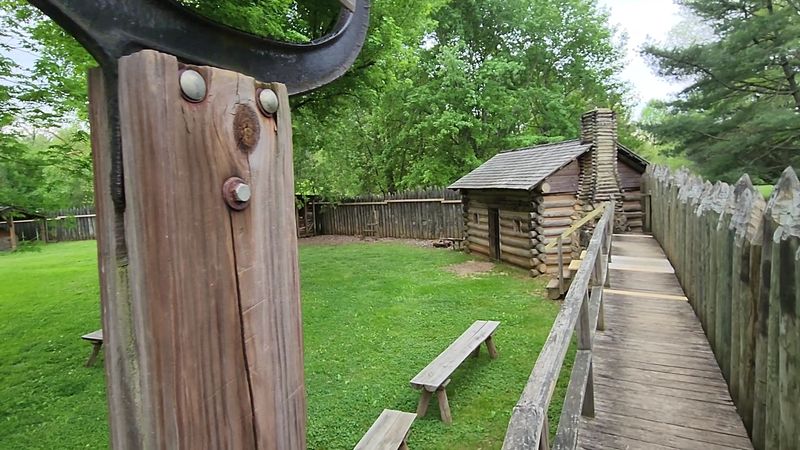
Start inside the award-winning museum, where exhibits lay out the timeline clearly. Behind the visitor center stands a carefully rebuilt Fort Watauga, with programs and historical musters that bring the 1700s to life.
Outside, the mile-long Patriots Path follows the river and welcomes leashed dogs. Roughly 2.3 miles of easy to moderate trails wander past a certified arboretum and a Monarch Waystation butterfly garden.
Spring and fall migrations bring plenty of birds through. Nearby, the Carter Mansion ranks as the oldest frame house in Tennessee, dating to the mid-1770s, while Sabine Hill offers tours by reservation.
History, river views and shade trees, all in one morning.
3. Warriors’ Path State Park
Some parks pick one thing and do it well. Kingsport’s park at 490 Hemlock Rd tries everything, and somehow pulls it off.
Just over 1,000 acres sit along Fort Patrick Henry Lake and the Holston River. Old-growth forest, open meadows, streams and marshland all share the property.
Warriors’ Path State Park name comes from the Great Indian Warpath, an ancient travel route used by several tribes. Today the traffic is friendlier.
Boating and fishing lead the list. The lake holds bass, trout, catfish and crappie, and a full-service marina rents kayaks, paddleboards and canoes.
Hikers get 12 miles of trails, from flat field walks to moderate climbs over high bluffs. Mountain bikers enjoy an internationally recognized system topping 12.5 miles, including an 8-mile paved loop around Duck Island.
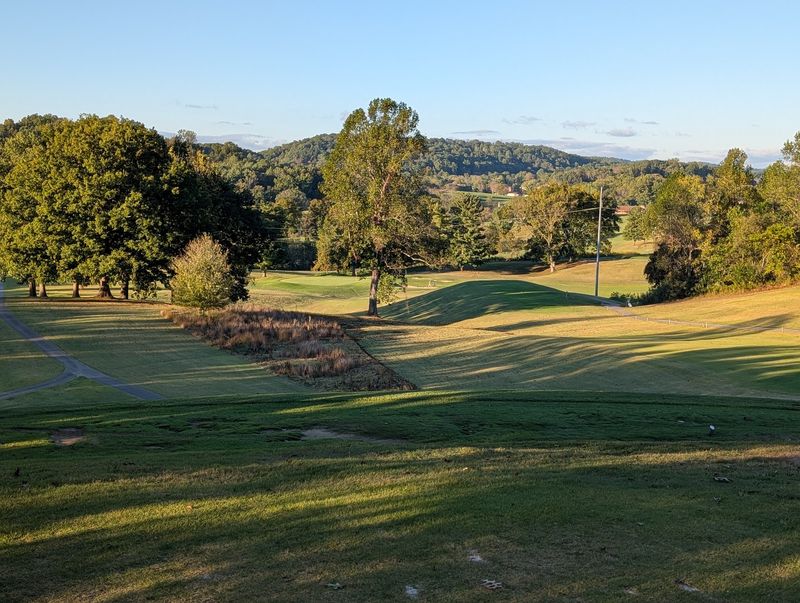
Horseback riders have two miles of woodland trail. Golfers can play the nationally recognized 18-hole course designed by George Cobb, where a few tees serve up lake views.
The standout feature is the Boundless Playground, the only one in the Tennessee State Park system. Children of all physical and mental abilities play side by side there.
Other thoughtful touches include the Lions Narnia Braille Trail with sensory stations, the Anderson Treehouse and the Palmer Center Foundation Amphitheater. An award-winning nature education program keeps curious kids busy.
Over 100 campsites and a seasonal swimming pool round things out nicely.
4. Lamar Alexander Rocky Fork State Park
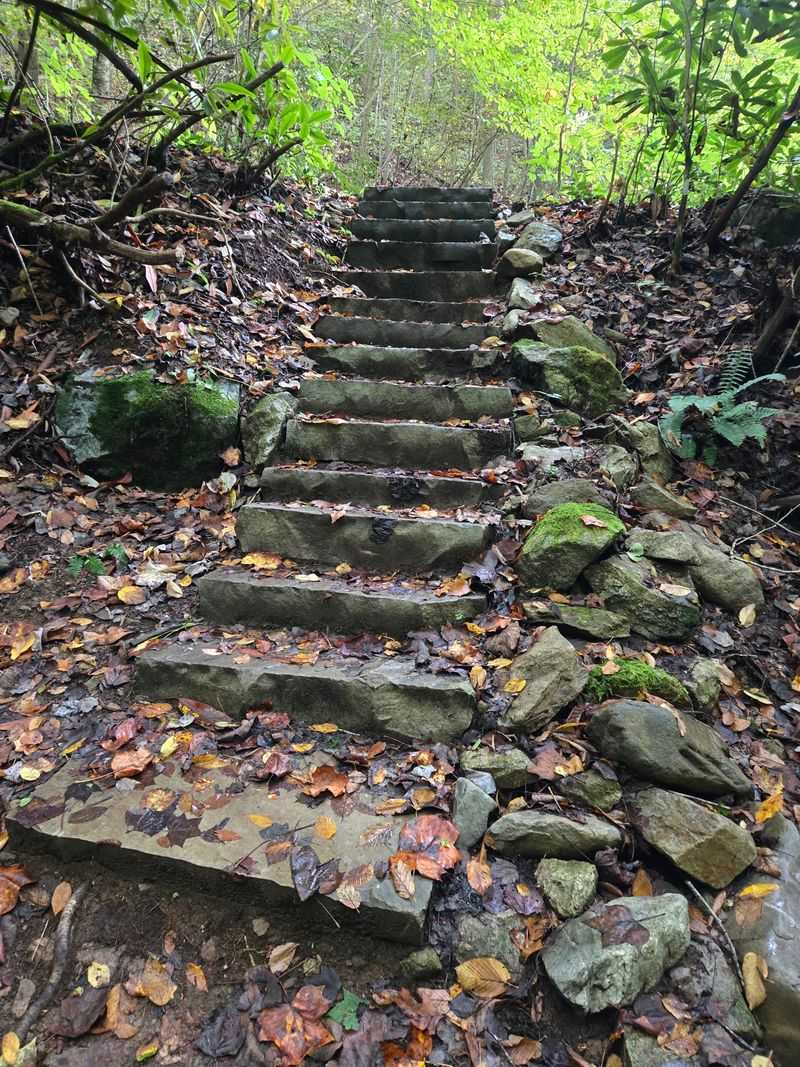
Cell service fades, and that turns out to be the point. Out at 501 Rocky Fork Rd in Flag Pond, Lamar Alexander Rocky Fork State Park sits deep in the Blue Ridge range of East Tennessee.
More than 2,000 acres of wilderness stretch out here, with the Cherokee National Forest wrapping around three sides. The terrain is steep, rugged and genuinely wild.
Rocky Fork Creek and Flint Creek carve through the slopes. Huge moss-covered boulders, deep pools and quiet eddies line the water.
Trout fishing is a headline attraction. The park ranks among Tennessee’s top three brook trout fishing areas, which says plenty.
Nearly 20 miles of trails run from moderate to challenging, mixing old logging roads with narrow single-track. A few connect straight to the Appalachian Trail.
Rangers lead hikes and unusual programs, including full moon walks, cloud identification classes and bear awareness sessions. Mountain bikers get close to 15 miles of marked routes plus access to remote logging roads.
Climbers head for the groomed granite and quartzite faces at Whitehouse Cliffs and Black Stacks. A permit is required, so plan ahead.
Three primitive backcountry campsites let visitors stretch a day trip into an overnight. Late spring brings wildflowers scattered through unusually diverse forest.
Pre-Cherokee tribes once hunted this valley, and the area saw a notable winter encampment long ago. The park took its current name in 2019, honoring Senator Lamar Alexander.
5. South Holston Dam
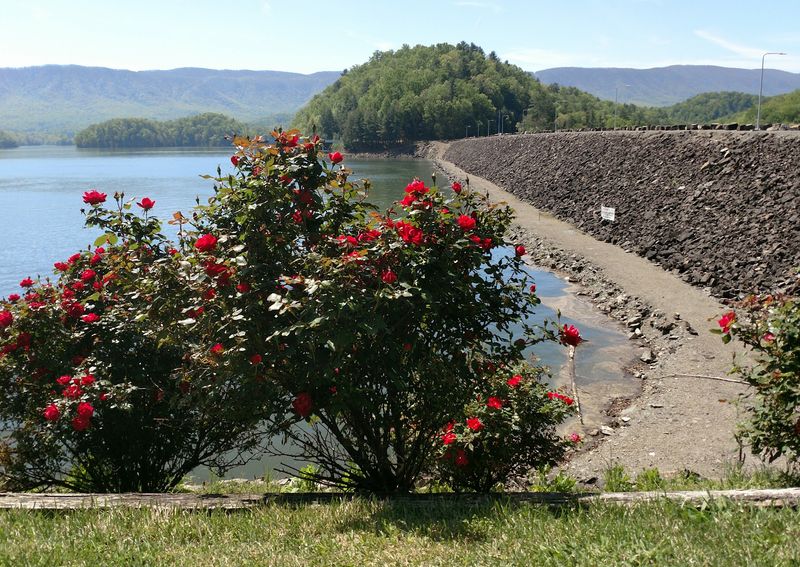
Big concrete and clear water rarely look this good together. Bristol’s South Holston Dam stretches 1,600 feet across the South Fork Holston River and rises 285 feet, with sweeping views of lake and valley.
The reservoir behind it reaches 24 miles into Virginia and covers 7,589 acres. Cherokee National Forest borders much of the shoreline, which keeps the scenery clean and green.
Below the dam, the Tennessee Valley Authority built a labyrinth weir in 1991. It adds oxygen to the river, supporting fish, plants and aquatic insects.
Anglers know this tailwater well. It is a nationally recognized trout fishery holding brook, brown and rainbow trout.
Fly fishers treat the weir area as one of the country’s finest spots. Spring also brings a yearly migration of white bass up the river.
Birdwatchers have their own reason to show up. The Spring Creek embayment ranks among East Tennessee’s best waterfowl sites, with bald eagles, loons, buffleheads, mallards and ring-billed gulls in the mix.
Boaters rate South Holston among the Southeast’s top lakes, especially for smallmouth bass. The 1.8-mile Osceola Island Loop Trail passes the weir and offers easy wildlife watching.
Plenty of shorter paths nearby started as angler footpaths and now serve hikers and dog walkers. Accessible features include the fishing pier, overlook, paved trail, picnic tables, restrooms and visitor center.
6. Bays Mountain Park & Planetarium
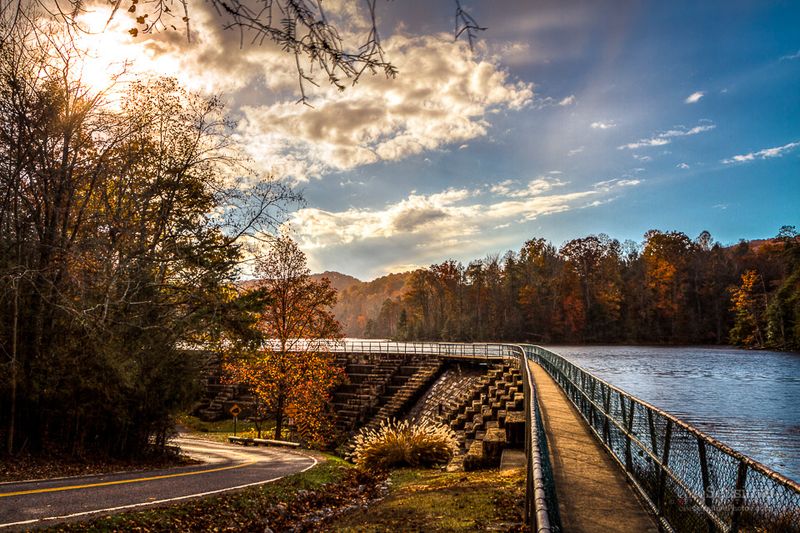
Wolves, a star projector and a 44-acre lake walk into a park. That is the setup at 853 Bays Mountain Park Rd in Kingsport, the largest city-owned park in Tennessee.
The preserve covers roughly 3,550 to 3,788 acres of ridge and forest. Its lake sits at the center like a quiet blue coin.
Trail lovers get somewhere between 38 and 44 miles of paths. They work for hiking, running, mountain biking, birding and plain old sightseeing.
Cyclists must stay on designated biking trails and wear helmets. Since this is a nature preserve, collecting items and feeding wildlife are not allowed.
The Nature Center runs programs on wolves, snakes and raptors. Animal habitats let visitors see bobcats, whitetail deer, otters, foxes and reptiles up close.
Inside the Planetarium Theater, a 40-foot dome and an advanced star projector turn the ceiling into deep space. Shows change through the year, so check the schedule.
Naturalist-led barge rides glide across the lake. Passengers often spot great blue herons, raccoons, ducks, geese, turtles and beaver lodges.
Thrill seekers can book the adventure ropes course, which includes high and low elements plus a 300-foot zip line. Fishing from the dam is open to visitors under 16 or over 55 under state regulations.
Picnic areas welcome packed lunches, though fires and grills stay off limits. The Farmstead Museum displays pioneer tools and household goods.
7. Tweetsie Trail
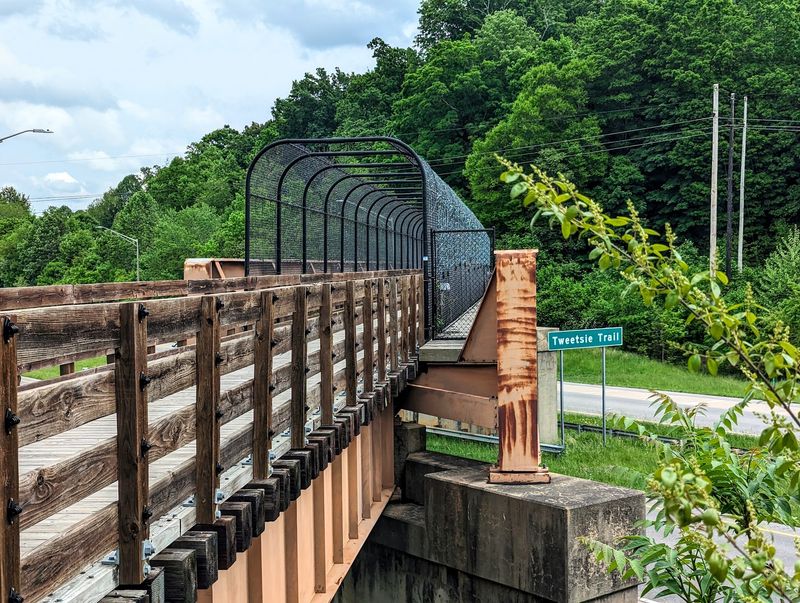
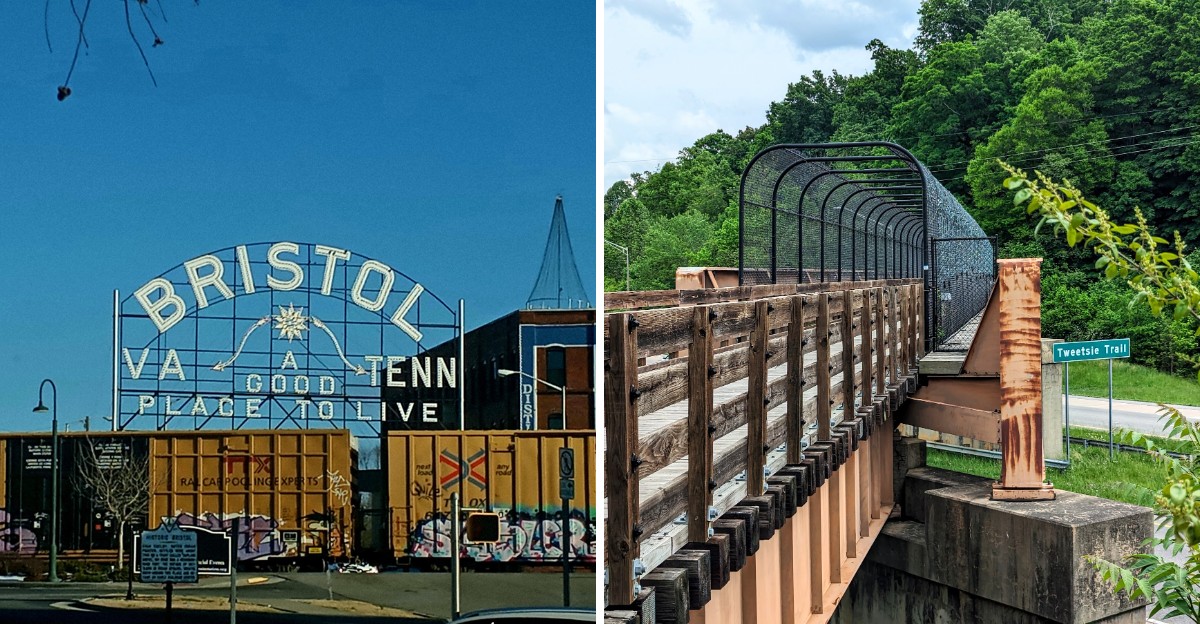
An old railbed got a second life, and walkers won. Beginning at 107 Alabama St in Johnson City, the Tweetsie Trail links Johnson City with Elizabethton along the former East Tennessee and Western North Carolina Railroad route.
The nickname came from the bird-like whistle of the original steam engines. The name stuck long after the trains stopped running.
Grades stay gentle, which makes the route welcoming for nearly everyone. Compacted stone and crushed gravel handle walking, running, biking and skating well.
Total length runs between 9.5 and 10.2 miles. You can tackle the whole thing or pick a short piece and turn back.
Scenery shifts as you go. Low forest gives way to open countryside, with the Appalachian Mountains showing up along the horizon.
Seven bridges cross the Doe River and its tributaries. Regulars use them as unofficial mile markers, and photographers stop at most of them.
The Elizabethton end feels quieter and more pastoral, with open fields and extra creek crossings. Nearly two dozen interpretive markers cover regional railroad history, geology, tree biology and birding.
A replica of the Milligan Depot recreates a station that once served the line. A short detour near the Sinking Creek bridge leads to Jacob’s Nature Park, 28 acres with extra trails, a wetland and a native tree arboretum.
Sycamore Shoals sits close by, so two stops fit easily into one day.
8. Historic Jonesborough
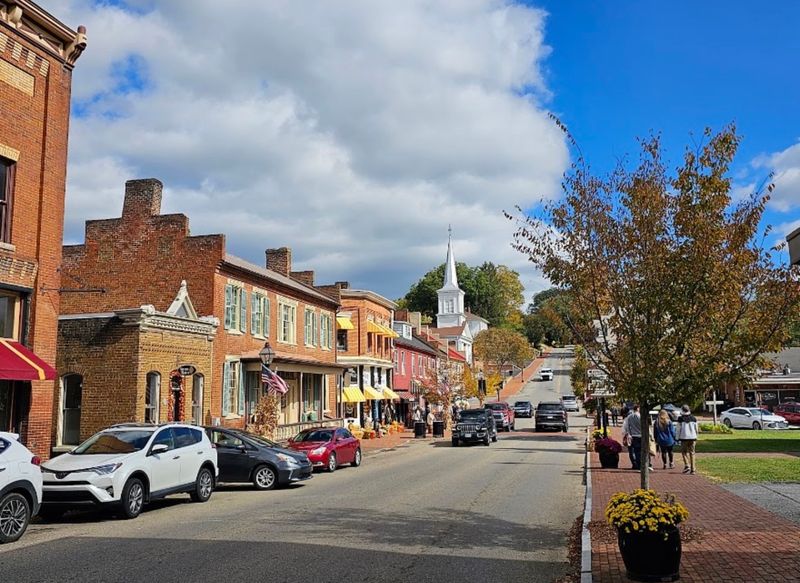
Tennessee’s oldest town still looks the part, right down to the brick sidewalks. Founded in 1779, Jonesborough came before statehood, and its historic district shows it.
Start your wandering near 117 Boone St. From there, Federal, Greek Revival and Victorian buildings line up along the main stretch.
Cobblestone walkways and tidy storefronts give downtown a movie-set feel. The pace invites slow strolling rather than rushing.
Small businesses fill the historic buildings. Specialty shops, antique stores, art galleries and boutiques carry handcrafted work and one-of-a-kind gifts.
Food options keep things simple and satisfying. Cafes serve homemade soups and sandwiches, and Tex-Mex plates show up on the menu too.
Boone Street Market gathers local produce, meats, dairy, baked goods, coffee and honey. Much of it comes from within 100 miles.
History runs deep here. Jonesborough served as the first capital of the short-lived State of Franklin and played a real role in westward expansion.
Guided and self-guided walking tours connect the dots between buildings and stories. The Chester Inn State Historic Site and Museum, built in 1797, holds photographs and artifacts on Main Street.
Storytelling is woven into local culture, a tradition the town is known for nationwide. Listening to a good one costs nothing but attention.
Between the architecture, the shops and the friendly sidewalks, a few hours disappear quickly. Any season works, though shade is welcome in July.
9. Downtown Bristol And State Street

Standing in two states at once makes for an easy photo win. On State St in Bristol, the road itself forms the boundary between Tennessee and Virginia, marked with gold bars and painted lines down the middle.
Visitors line up to straddle the line. Nobody seems to get tired of it.
The surrounding district hums with energy. Restored historic buildings, brick-lined sidewalks and street lighting styled after a 1930s streetscape set the tone.
Murals cover several building walls. They celebrate local pride and, above all, music.
Bristol carries the title Birthplace of Country Music, recognized by the U.S. Congress in 1998.
The honor traces back to the 1927 Bristol Sessions, often called the Big Bang of Country Music.
Shopping here leans toward the unexpected. Specialty shops, antique stores and fashion boutiques fill the renovated storefronts.
Restaurants cover a wide range of tastes, from quick bites to sit-down meals. The mix keeps foot traffic lively through the day.
The restored Art Deco Paramount Center for the Arts anchors the cultural scene. Live music and theatrical productions fill its grand historic space.
Nearby, the Country Music Mural and Downtown Center hosts community events. Outdoor live music series and farmers markets run through the warmer months.
History, geography and music all collide on one street. Few day trips in Tennessee pack this much personality into a few easy blocks.