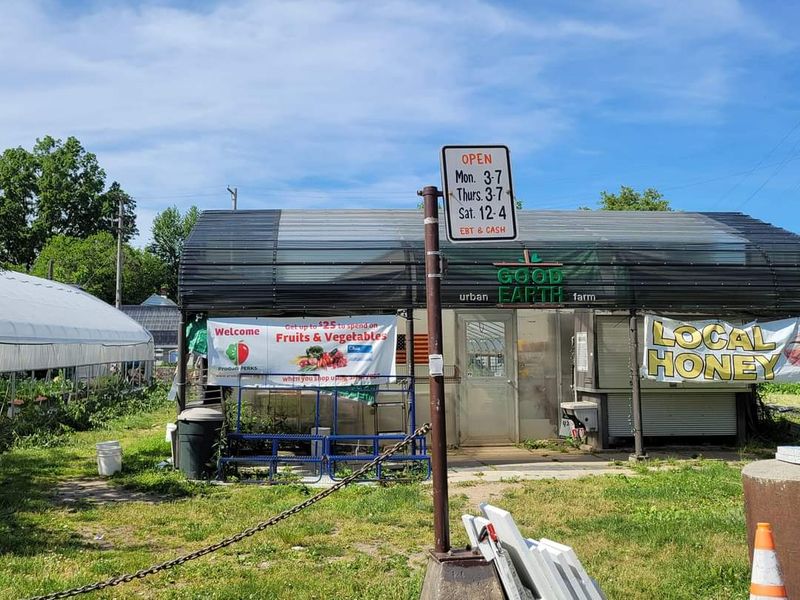
The tomatoes here can be picked while you wait. That’s how fresh things get at a tiny urban farm stand in Ohio that opens for only four hours a week.
The same family keeps beehives on the property and jars honey from them, which is not something most corner stores can claim. They grow heirloom vegetables and odd fruits like pawpaws and ground cherries, right in the middle of a city neighborhood.
I like how simple the whole setup sounds for busy parents. You show up, grab what’s fresh, and pay less than you probably would under supermarket lights.
It also happens on a regular stretch of city pavement, minutes from downtown traffic. So how does a farm this small keep its prices this friendly, and why do the hours run so short?
A Real Working Farm Grows Right On Cleveland’s West Side
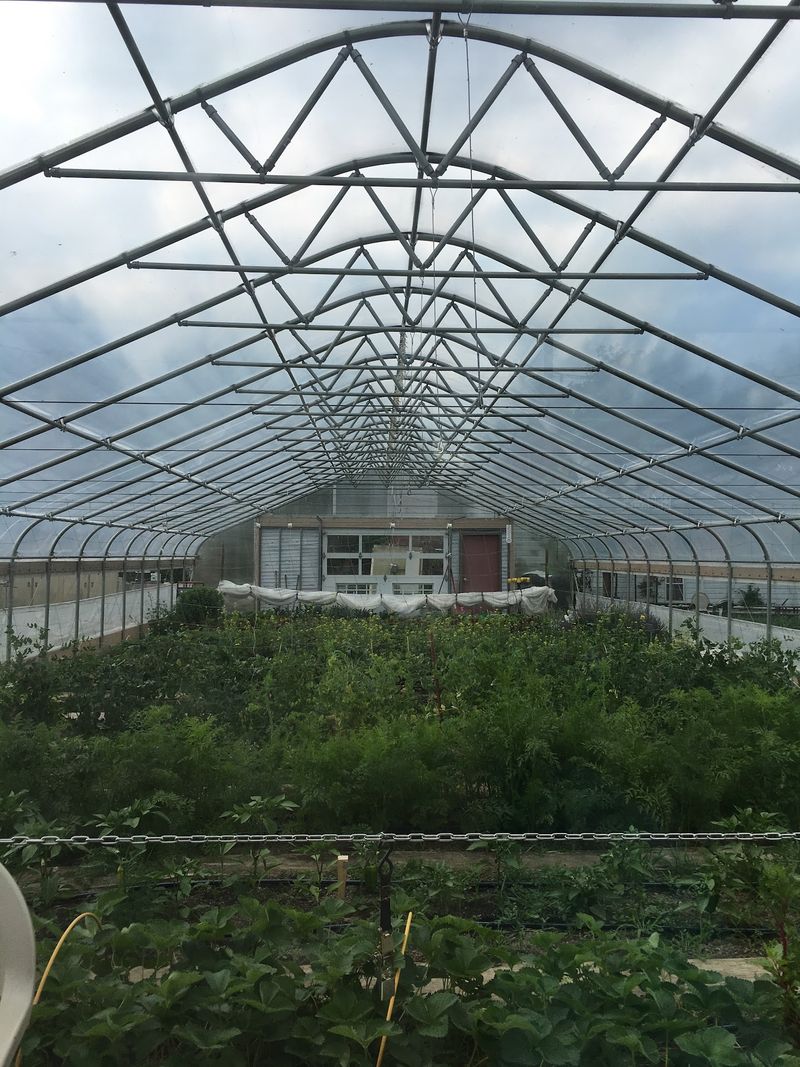
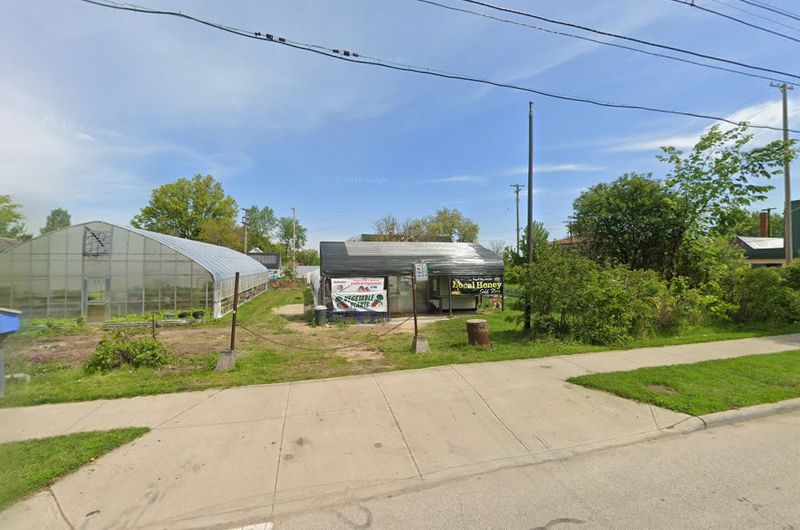
Cities usually hide their farms far outside the beltway. Good Earth breaks that habit by growing food on Madison Avenue, on the west side of Cleveland, Ohio.
Google lists it as a farmers’ market, though it works more like a family farm stand. The vegetables are grown right there, so the trip from soil to table is remarkably short.
That setup matters if you’ve ever bought a sad bag of lettuce that wilted by Tuesday. Here, the food sold is the food grown on site, plus honey from the farm’s own hives.
Kids get a rare look at something many city children never see. Peppers, greens, and tomatoes are growing within sight of houses, sidewalks, and passing traffic.
The scale is small, and that’s part of the charm. You won’t find carts, conveyor belts, or a dozen checkout lanes, just a modest stand and the folks who grow the crops.
For Cleveland families, it’s an easy add-on to a west side errand run. Think of it as a farm visit without the long drive into the countryside, and with a shopping bag that fills up quickly.
Picked That Morning, Sometimes Picked While You Wait
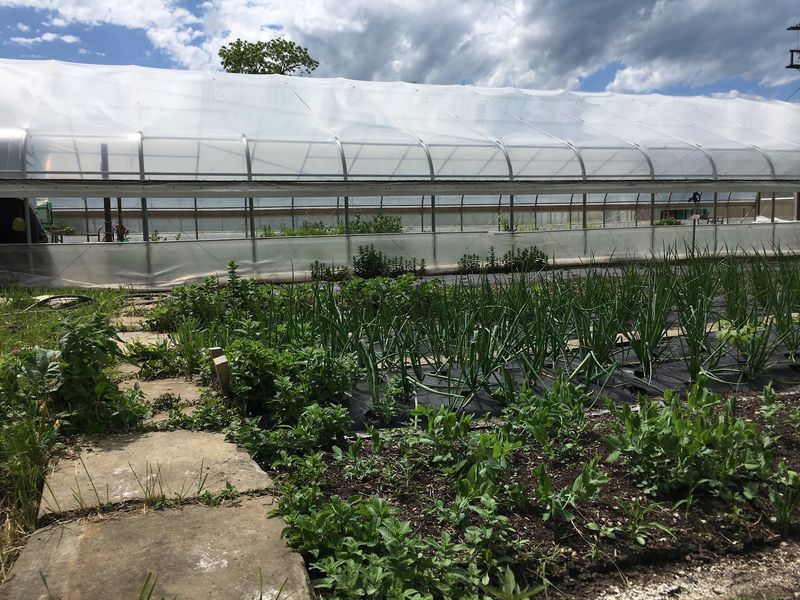
Freshness at a grocery store often means a few days on a truck. At Good Earth, produce is picked fresh for sale, and sometimes it’s harvested while you stand there waiting.
That’s a fun thing to explain to kids on the drive home. The snap peas in the bag were attached to a plant just minutes earlier, which beats any produce sticker.
Fresh picking also tends to stretch shelf life at home. Shoppers have described greens from this stand staying crisp for days, which is great news for families who shop once a week.
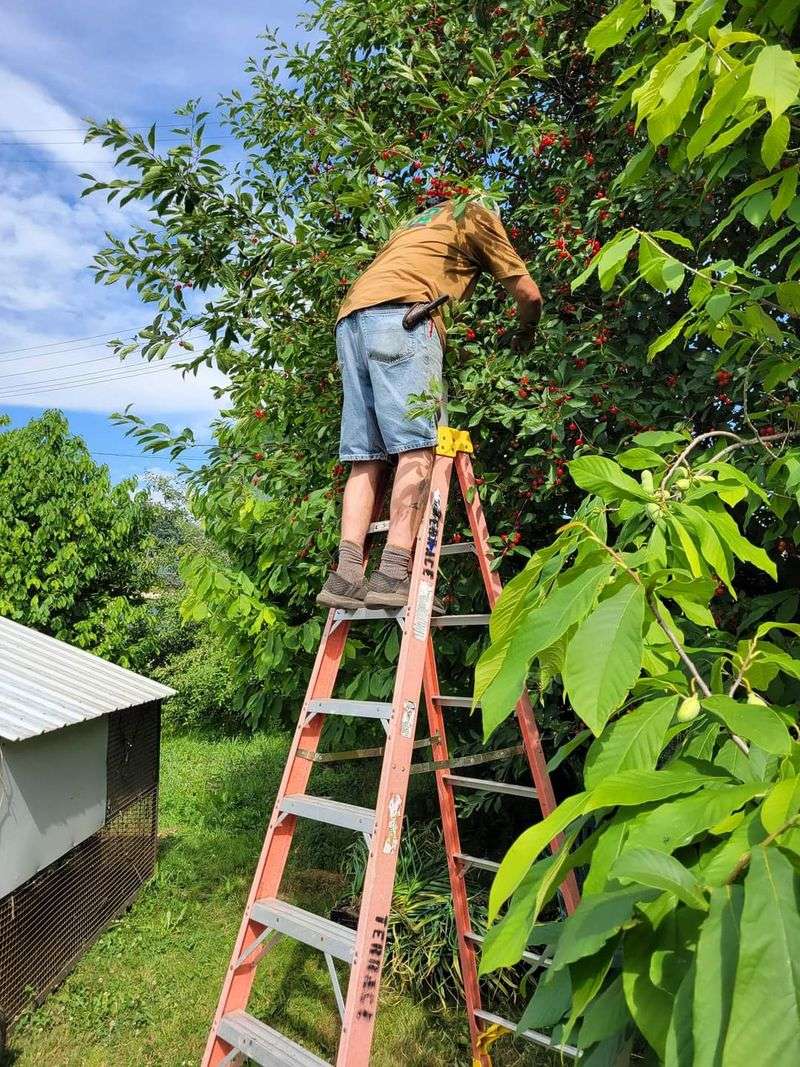
The harvest shifts with the season, so the table won’t look the same every visit. Past offerings have included sour cherries, green onions, snap peas, lettuce greens, and plenty of peppers.
Because everything is grown on site, quantities can run out. Food can go fast during the short open hours, so arriving early in the window is a smart move.
Treat it a little like a treasure hunt with the family. You may come for tomatoes and leave with something you didn’t expect, which is half the fun of shopping straight from the field.
The Tomatoes And Heirloom Oddities Deserve Your Full Attention
Tomato season changes everything at this stand. Good Earth’s tomatoes come up again and again in conversations about the farm, often described as the sweetest people have tasted.
That’s a bold reputation for a fruit most of us buy pale and firm in winter. A ripe, just-picked tomato is a different food entirely, and kids notice the difference right away.
Heirloom varieties are part of the appeal here. The farm has grown a range of interesting fruits and vegetables, including several types of hard neck garlic.
Adventurous eaters should keep an eye out for shishito peppers. Most are mild, but every so often one brings real heat, which turns dinner into a little game for older kids.
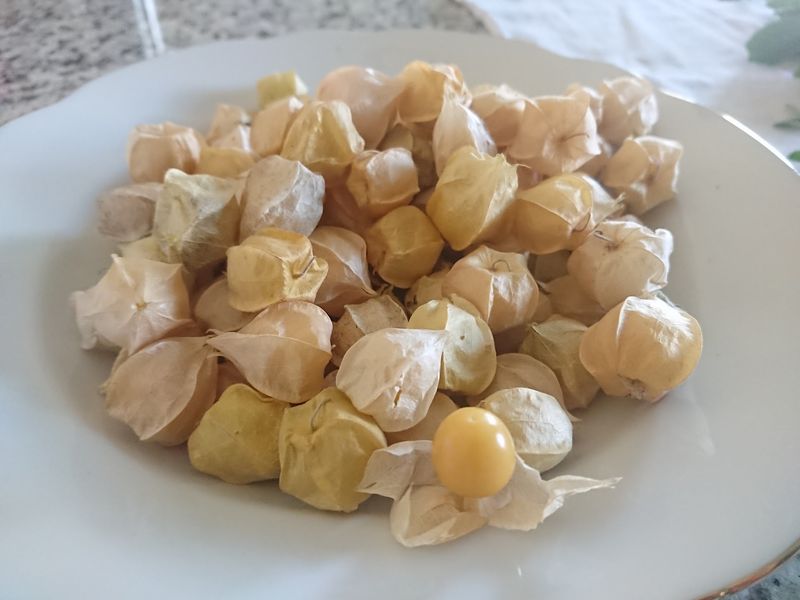
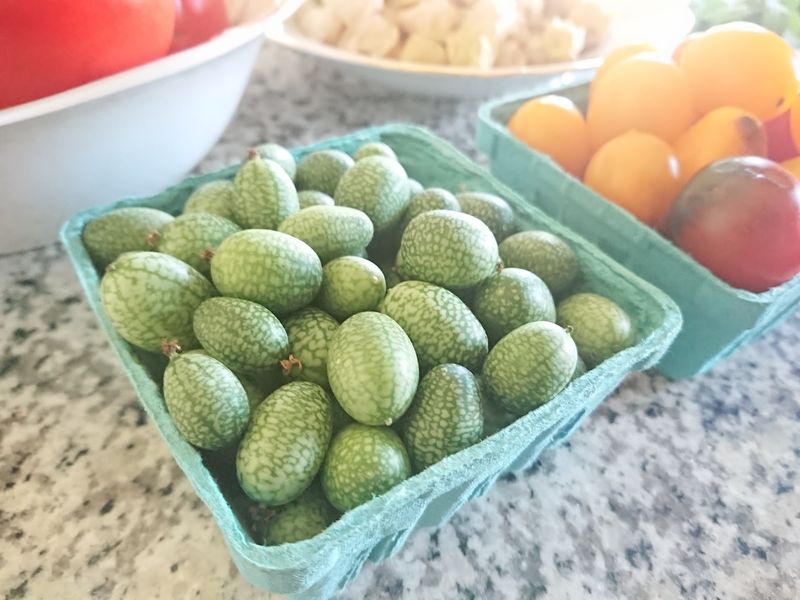
Then come the true surprises. Pawpaws and ground cherries have shown up at the stand, giving some shoppers their first taste of either one.
Pawpaws are native to Ohio, yet many families have never seen one in a store. Picking one up here is a delicious bit of local food history, and a great story for show-and-tell.
Bring Home A Jar From The Farm’s Own Beehives
Honey might be the sleeper hit of the whole operation. Good Earth harvests it from its own hives on the farm, and it ranks among the most talked-about items at the stand.
Local honey carries the flavor of whatever the bees visited nearby. That means a jar from this west side Cleveland farm tastes like this particular corner of Ohio.
Bees also do serious work in the garden. They help pollinate crops, so the hives and the vegetable rows are partners in the same project.
That connection makes for an easy lesson with kids. The honey on their toast came from the same farm that grew the peppers in your bag, which feels a lot more personal than a squeeze bottle.
The owners have been known to show curious guests around the farm and its beehives. Tours aren’t a scheduled attraction, so don’t count on one, but a polite question never hurts.
A jar of farm honey makes a nice small gift, too. It travels well, keeps for ages in the pantry, and beats a generic store brand for a teacher or grandparent present.
Your Grocery Budget Gets A Little Breathing Room
Low prices and top-quality produce rarely share a table. Good Earth manages both, with pricing frequently described as fair, low, or better than reasonable.
Part of the reason is simple. There’s no middleman, no shipping across the country, and no fancy store to keep lit and stocked.
For families feeding growing kids, that adds up fast. You get a lot of fresh food for your money, and less of it spoils before you use it.
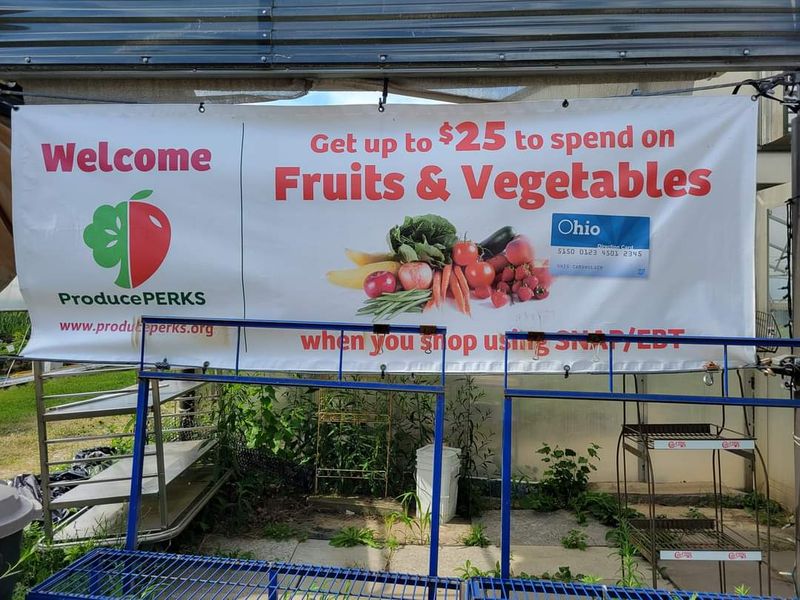
The stand has accepted EBT and SNAP benefits. It has also taken part in the Produce Perks program, which helps make fruits and vegetables even more affordable for eligible shoppers.
Programs and payment options can change, so it’s smart to confirm before you go. Still, the commitment to keeping good food within reach is a big part of this farm’s identity.
One more friendly note for your wallet. Tipping the hardworking crew has been encouraged, so tucking a few extra dollars in your pocket is a kind gesture for growers who handle everything from seed to sale.
Growers Who Happily Talk Tomatoes With Curious Kids
Ask a supermarket stocker which tomato is best for sauce, and you’ll probably get a shrug. At Good Earth, the owners are known for being knowledgeable and genuinely happy to help.
That makes a quick shopping stop feel more like a mini lesson. They’re willing to answer questions and help you get the most from what you buy.
Gardeners get a bonus. The farm has offered tomato plants in spring, along with plenty of advice on how to grow them.
Kids who ask a lot of questions will fit right in here. Wondering why a pepper is spicy or how bees make honey is exactly the kind of curiosity a small farm welcomes.
The warmth shows up in how the place is described, too. Words like kind, thoughtful, and wonderful come up often when people talk about the folks running the stand.
It’s a nice reminder that food has faces behind it. Meeting the people who actually grow your dinner can make even picky eaters a bit more willing to try that new green thing on the plate.
Two Short Windows Each Week, So Plan Ahead
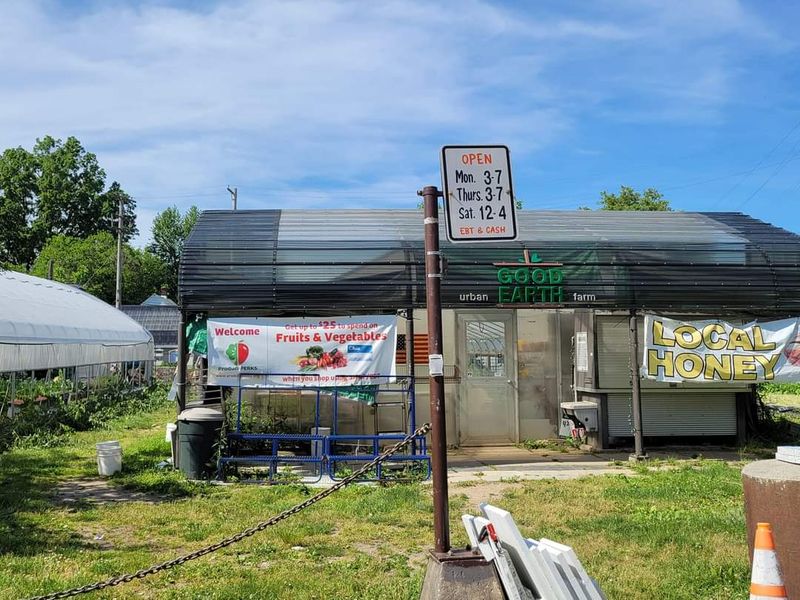
Timing is everything with this farm stand. Good Earth sits at 9600 Madison Ave, Cleveland, OH 44102, and it keeps a very tight schedule.
Current hours list Thursday from 3 to 5 p.m. and Saturday from noon to 2 p.m. The rest of the week, the stand is closed.
That Thursday slot works well for after-school pickups. Saturday’s midday window fits nicely between a morning soccer game and an afternoon nap.
Since everything comes from the farm itself, hours can change with the growing season. Checking the latest schedule before you head out will save you a disappointing drive.
Arriving near the opening time is wise. Limited hours mean popular items like tomatoes and honey can sell out before the window closes.
Madison Avenue is easy to reach from downtown Cleveland and nearby Lakewood. Bring reusable bags, and consider a small cooler in the car on hot Ohio summer days, especially if the kids are lobbying for a playground stop on the way home.
Worth Swapping A Grocery Run For This Stand
Convenience keeps most of us loyal to the big grocery store. Good Earth makes a strong case for breaking that routine, at least once or twice a week.
The pitch is refreshingly simple. Food is grown on site, picked fresh, priced kindly, and sold by people who clearly care about it.
Families get more than a bag of vegetables from the trip. Kids see where food really comes from, meet the growers, and maybe try their first pawpaw or ground cherry.
I believe that kind of experience sticks with children longer than any aisle of cereal boxes. It turns a chore into a small adventure on Cleveland’s west side.
The short hours do take some planning. Yet that limited window is also what keeps everything so fresh, since there’s no pile of week-old stock waiting around.
So mark Thursday afternoon or Saturday midday on the family calendar. Grab a jar of honey, a handful of tomatoes, and whatever surprise is ripe that week, and you may find yourself spending noticeably less time in Ohio supermarket produce aisles.