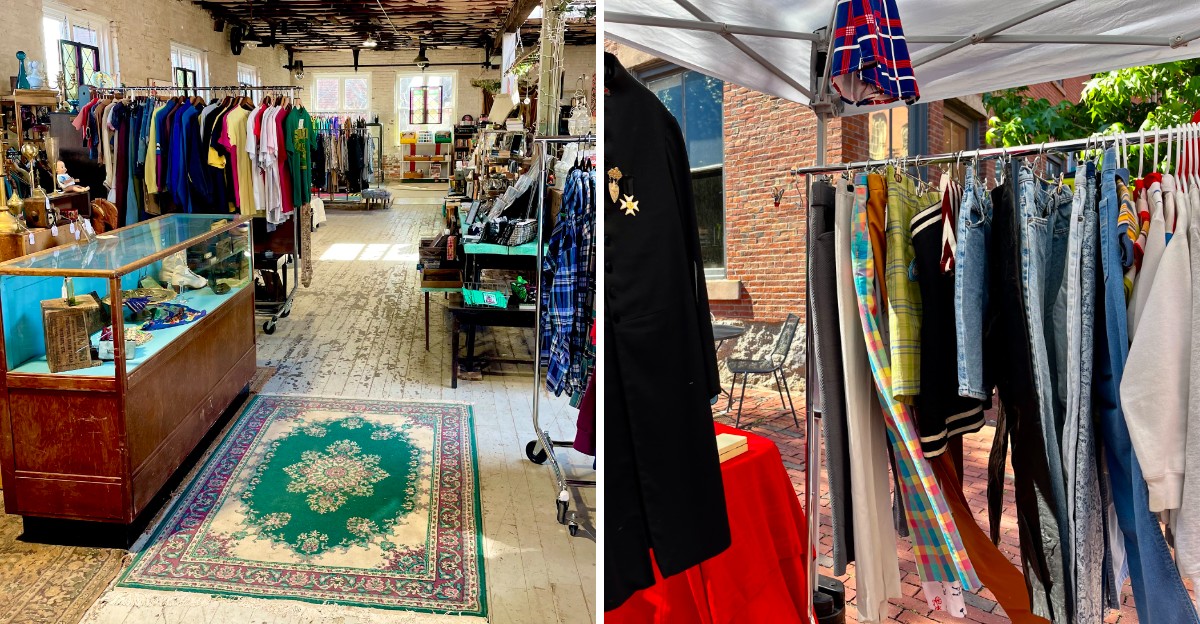
A building that once rang with piano tuning now holds racks of vintage jackets and shelves of odd little treasures. The piano company began operating in 1946, eventually specializing in restoration and tuning, and now the building houses a vintage marketplace.
More than 60 collectors, artists, stylists, and makers share two floors of this space in Massachusetts. Every booth has its own personality, so the inventory keeps shifting from one visit to the next.
I appreciate that this place grew from an outdoor flea into a full indoor market. That kind of growth usually means people kept showing up for good reasons.
I’d probably head straight for the vintage clothing racks first, then happily lose an hour somewhere upstairs. So what exactly is waiting behind those old factory walls, and how fast can you get there?
This Old Factory Once Kept The Pianos In Tune
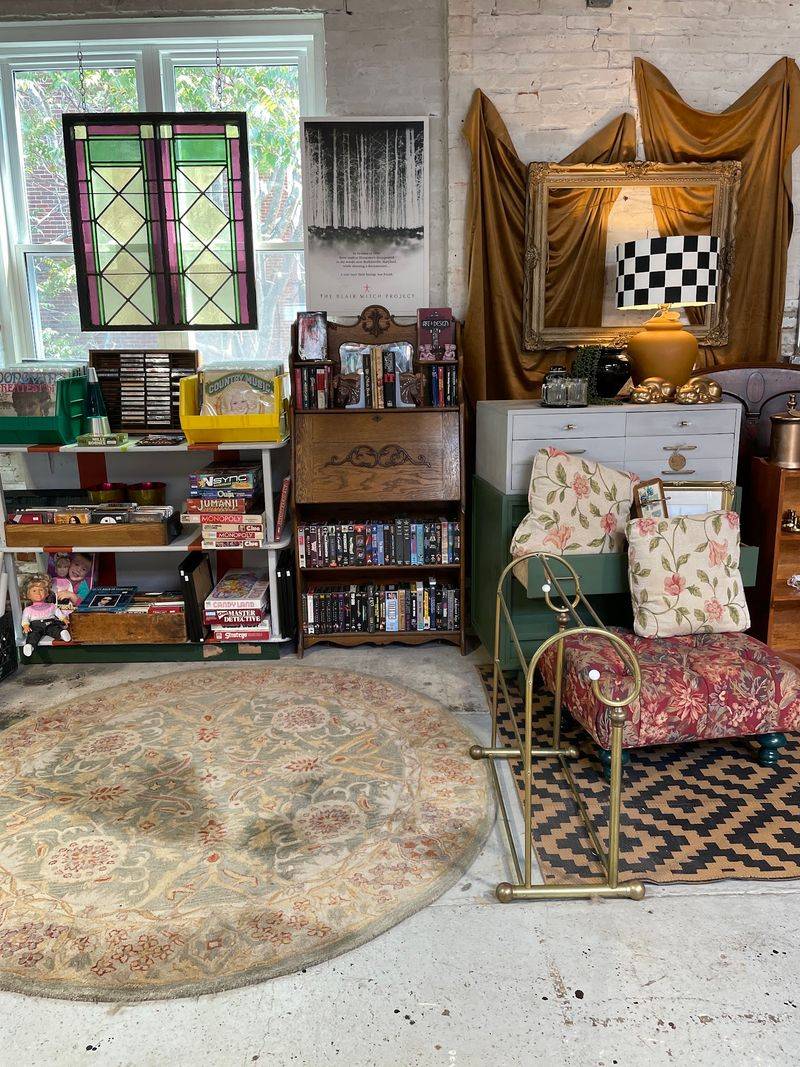
Pianos came first, long before anyone hung a vintage dress on a rack here. The Salem Flea Marketplace now fills a building that once belonged to the Ouellette, Paul N. and Sons Piano Company.
That company started operating in 1946 as a piano wholesaler before eventually focusing on piano restoration and tuning.
It’s a fitting backstory for a shop full of objects getting a second life.
Think about it for a second. Old pianos came through these walls to be repaired, adjusted, and sent back out sounding sweet again.
Today, the same idea plays out with jackets, lamps, prints, and teacups. Collectors find older pieces, care for them, and pass them along to new owners.
I love when a building’s past lines up this neatly with its present. You don’t need a history degree to enjoy it, but knowing the story adds a little extra charm.
The space sits in downtown Salem, Massachusetts, a city already famous for its long memory. Most visitors come for witch history, yet this spot quietly offers a different kind of old story.
So when you browse, give a small nod to the tuners who worked here decades ago. They’d probably be glad the place still hums with activity, just in a different key.
Two Floors Means You Should Budget More Time Than You Think
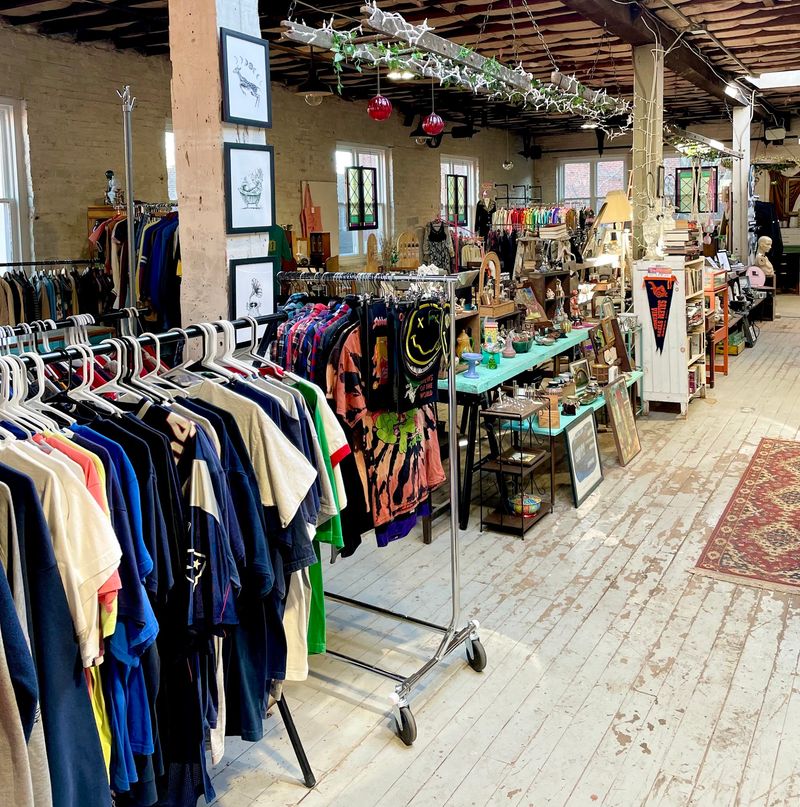
Five thousand five hundred square feet doesn’t sound huge until you start browsing it booth by booth. The marketplace spreads that space across two floors, and both deserve your attention.
More than 60 vendors share the building. That group includes vintage collectors, artists, clothing stylists, and people who make goods by hand.
Each seller brings a different eye, so no two corners feel quite the same. One booth might lean toward clothing while the next focuses on art or home decor.
My advice is simple. Don’t rush the first floor just because you know a second one is waiting.
Shoppers can find trinkets, accessories, jewelry, artwork, and even furniture spread among the displays. Small items hide easily, so slow down and look at shelves from top to bottom.
The displays are colorful, which makes wandering feel more like a scavenger hunt than a shopping trip. Bring a friend and split up if you want to cover more ground.
Then meet back up and compare what you found. Somebody always wins that game, and it’s usually the person who checked the upstairs corners.
A tote bag is a smart idea too. Little finds add up fast once you start grabbing them from different booths.
The Clothing Racks Are Where Your Afternoon Disappears
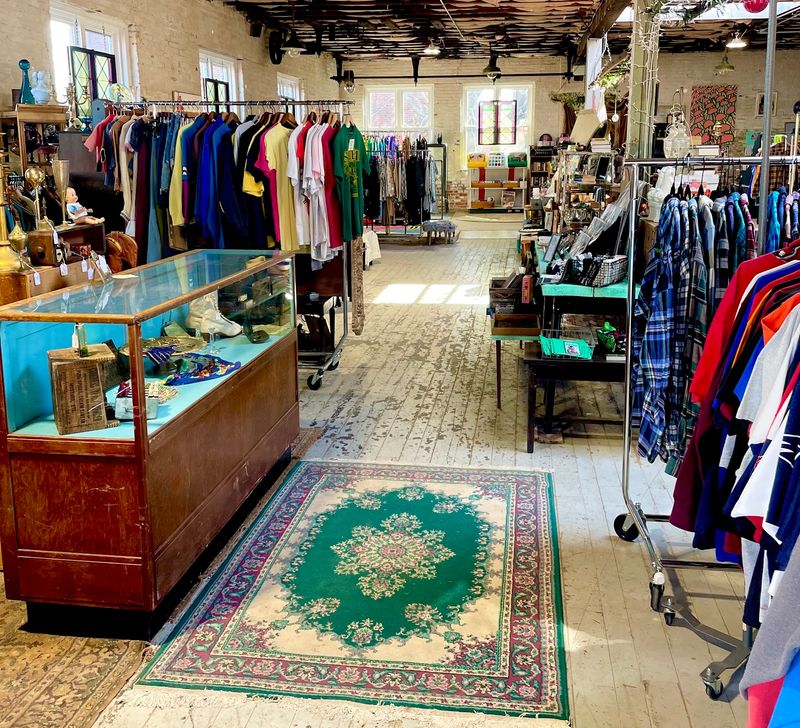
Gold Dust Vintage carries clothing for all genders and from many different eras. That alone makes the racks here worth a careful look.
Vintage clothing is one of the biggest draws at The Salem Flea Marketplace. Clothing stylists are part of the vendor mix, so the pieces tend to feel chosen rather than dumped in a pile.
Fashion fans should also look for Ivan Lloyd Chung. That vendor offers unique hand-tailored garments, which means you’re getting something made with real skill.
I like that the clothing side mixes old and new this way. A decades-old jacket can hang near a freshly tailored piece, and somehow they get along fine.
Accessories round things out nicely. Look for jewelry and other small details that can change a whole outfit without much effort.
A quick tip for vintage shopping: sizes from older decades often run differently than modern labels. Check measurements and hold pieces up before deciding something won’t work.
Also, think about what you already own at home. The best vintage buy is usually the one that fits right into your closet on day one.
And if nothing fits this time, don’t worry too much. The racks change, so another visit could bring the exact piece you wanted.
Local Art And Handmade Jewelry Make Souvenirs Way Better
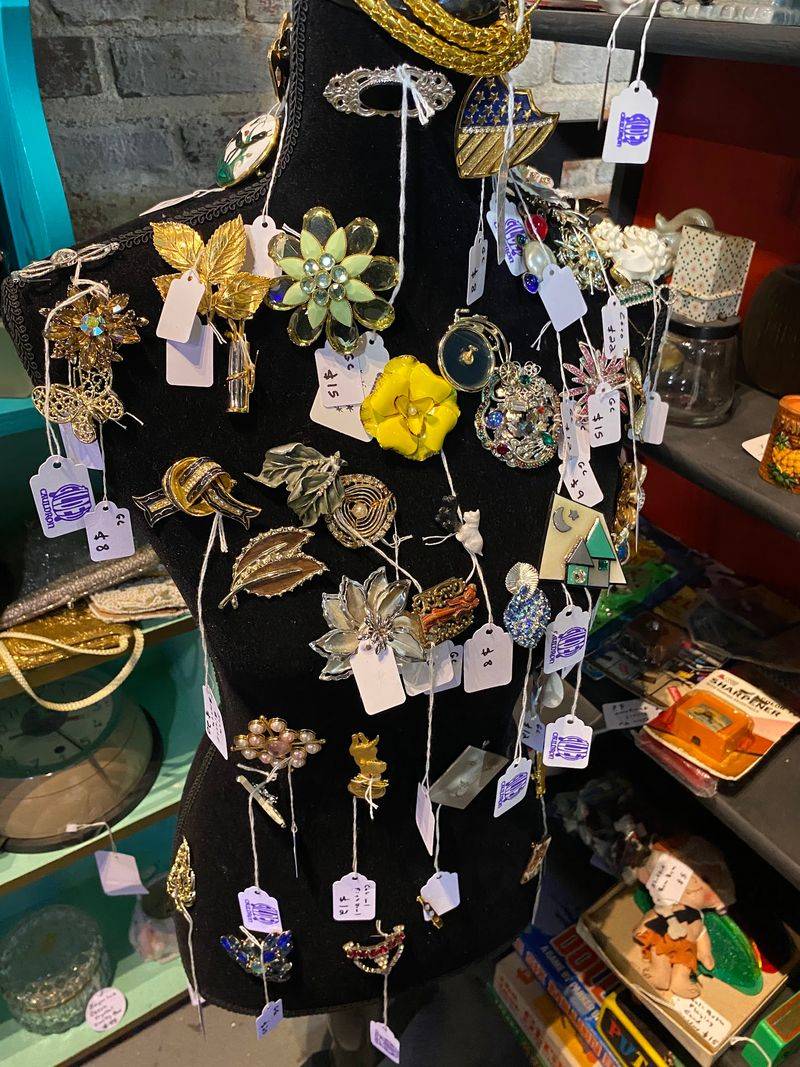
Local artists help give this market its personality. Original artwork hangs alongside the vintage goods, so you can shop old and new in the same trip.
Asunder Bazaar is one vendor worth finding. It offers original art and handmade jewelry, the kind of things you won’t spot in a chain store.
Buying from local makers feels good for a simple reason. Your money goes straight toward people creating work in and around Massachusetts.
Handmade jewelry also makes a terrific gift. It’s small, easy to pack, and far more personal than another fridge magnet.
Art can be trickier to shop for, though. Before you fall for a piece, think about where it will hang and how much wall space you actually have.
Snap a photo of your empty wall before you leave home. That way you can picture the size and colors while you’re standing in front of a painting.
The mix of artists and collectors keeps the place from feeling like a museum. Everything here is meant to be taken home, loved, and used.
I’d probably leave with at least one small print, just to be safe. Regret over the one that got away is real, and nobody needs that on the drive home.
Old Pennants And Odd Trinkets Will Test Your Willpower
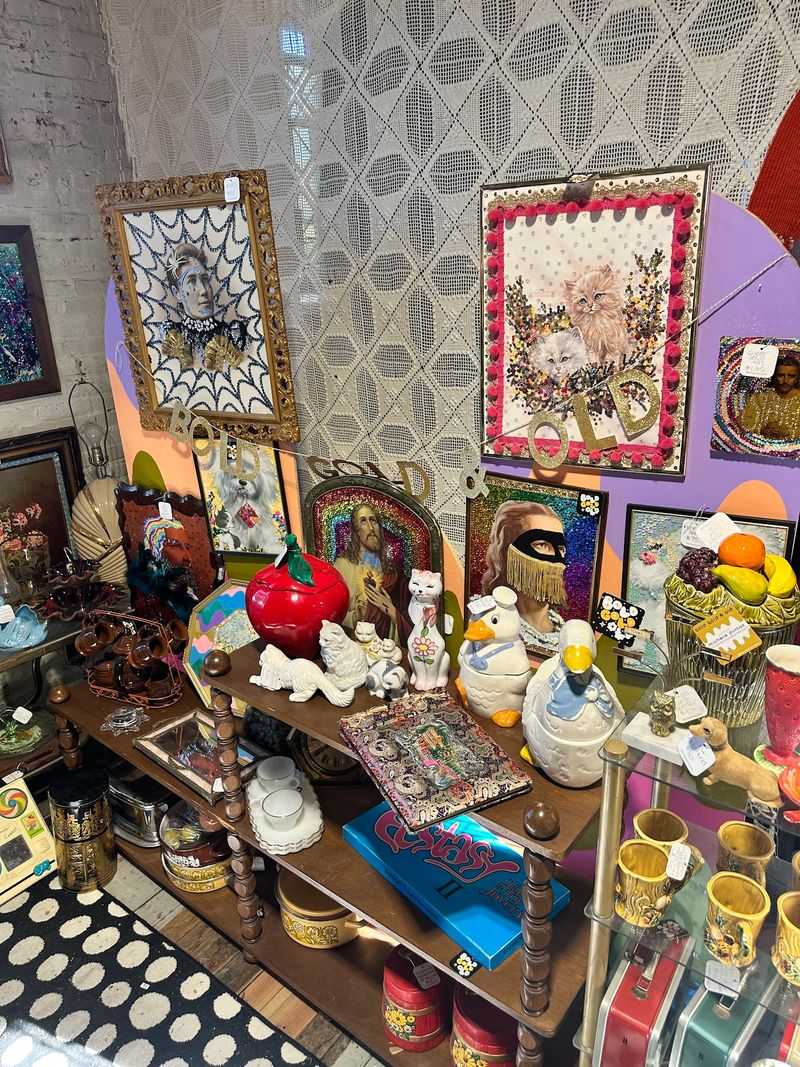
Felt pennants are having a moment, and The Felt Fanatic is ready for it. It specializes in vintage pennants and sports memorabilia and also operates its own shop at 41 Mason Street in Salem.
Sports fans could easily spend a while here. Old team pennants bring back a time when fans proudly hung felt flags on bedroom walls.
Collectibles show up across the whole marketplace, not just in one booth. Trinkets, odd little objects, and decor pieces fill shelves throughout both floors.
Hunting for collectibles takes patience. The best finds often sit next to something ordinary, waiting for the right person to notice them.
It helps to know what you collect before you arrive. Make a short list in your phone so you don’t forget the one item you’ve been chasing for years.
On the other hand, a list can’t predict everything. Some of the most fun purchases are the ones you never knew existed until five minutes ago.
Larger pieces deserve a look too, since furniture is part of the inventory. Measure your car’s trunk before you go if you’re even slightly tempted.
Nostalgia is a powerful thing in a shop like this. One glance at a pennant from the right year, and suddenly your wallet has opinions.
No Two Visits Ever Look Quite The Same
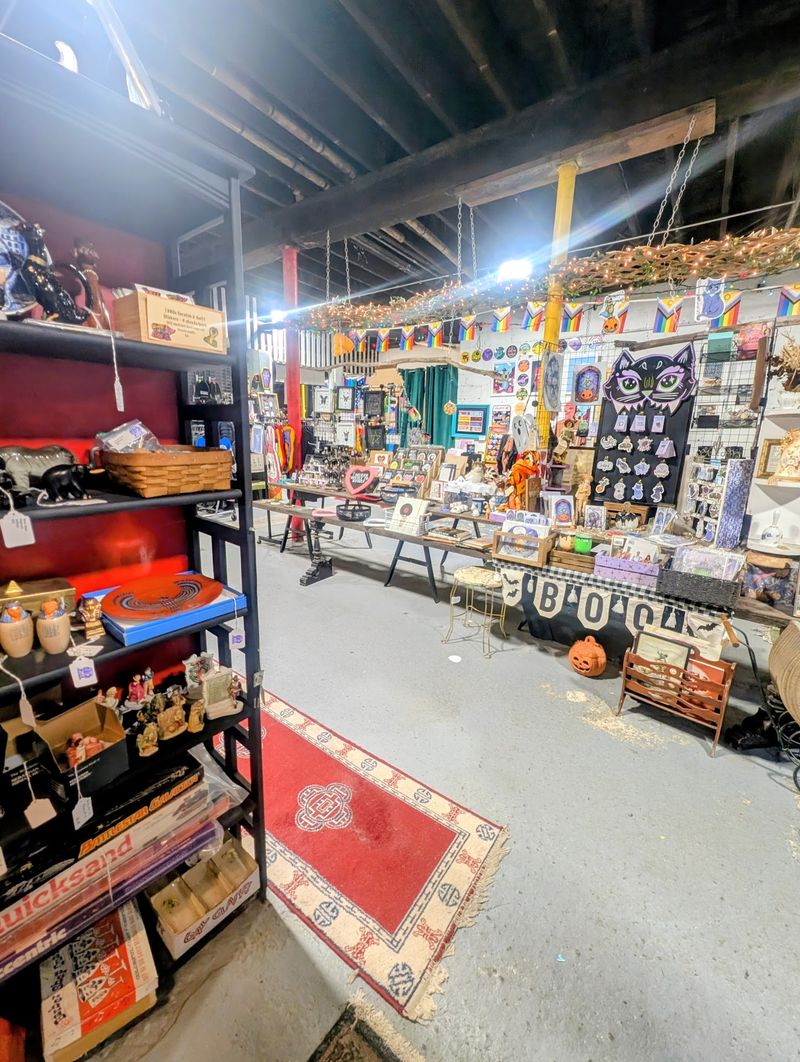
Ever-changing is how the marketplace describes its own inventory. With dozens of vendors restocking their spaces, today’s shelves won’t look exactly like next month’s.
That’s great news for anyone who lives nearby. A quick stop on a weekend can turn up something brand new each time.
It’s also good news for gift shoppers. The mix of fresh vintage finds, handcrafted goods, and collectibles means you can find presents for very different people in one place.
Maybe one friend loves old jewelry while another collects quirky decor. Both can get covered without running all over town.
My favorite strategy is to shop for gifts first. Once those are handled, any extra browsing feels like a reward instead of a chore.
A practical rule applies in one-of-a-kind shops. If you love something, buy it, because the same piece probably won’t be waiting next time.
Holiday shopping is a natural fit here, but birthdays work too. Handmade items carry a personal touch that big-box stores just can’t copy.
Keep a running list of people’s tastes on your phone. Then, when a perfect gift jumps off a shelf, you’ll know exactly who it’s for.
Unwrapping something nobody else has is part of the fun. A vintage find comes with its own little story built right in.
Everyone Is Welcome Here, And The Owners Mean It
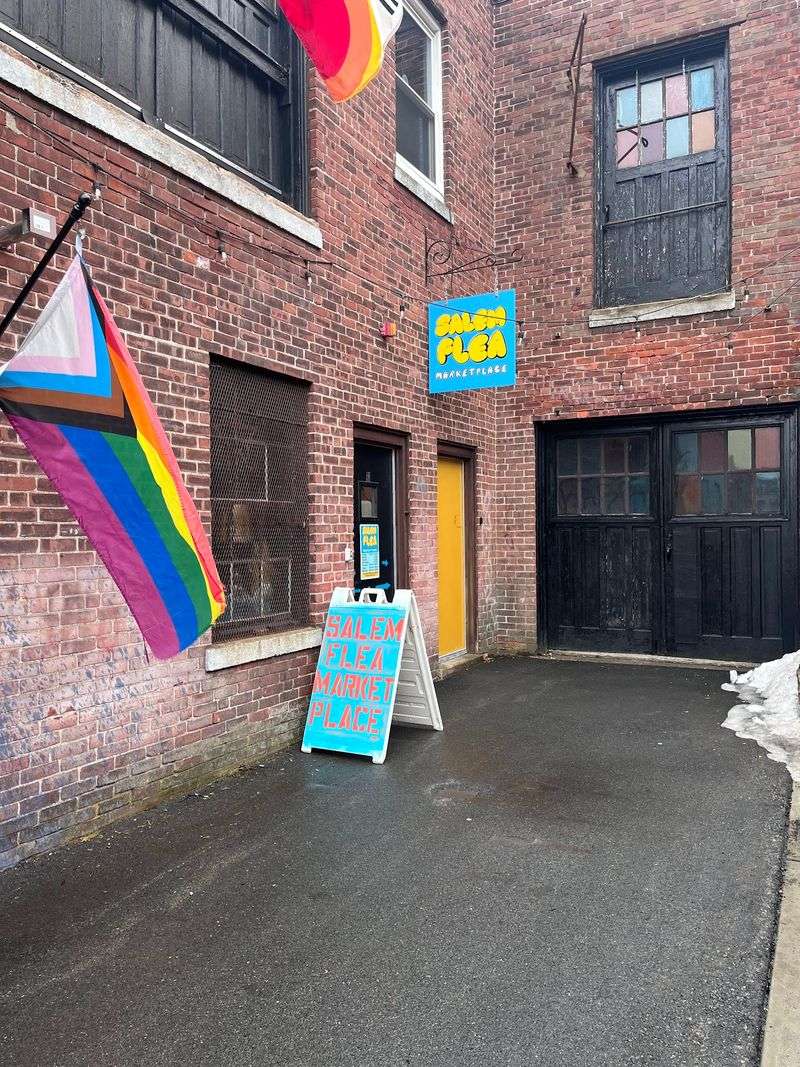
Everyone gets a seat at this table, and the owners say so plainly. The Salem Flea Marketplace is a queer-owned business built around inclusion, community, and mutual respect.
The goal is to give all visitors a safe space to shop and explore. That message matters, especially for people who don’t always feel welcome in every store.
I appreciate shops that spell out their values instead of leaving people guessing. It tells you what kind of place you’re entering before you even open the door.
The atmosphere inside is lively and welcoming, with colorful displays all around. It’s the opposite of a dusty, silent antique store where you’re scared to touch anything.
Community also shows up in who sells here. Local collectors, artists, and makers fill the booths, so the shop doubles as a showcase for creative neighbors.
Supporting a business like this has a ripple effect. Your purchase helps the owners and the many small sellers who rent space inside.
Mutual respect works both ways, of course. Be kind to the staff, handle delicate items gently, and give other shoppers room to browse.
Follow those simple rules and you’ll fit right in. That’s a pretty easy ask for a place this fun.
A Few Outdoor Tables Grew Into Something Much Bigger
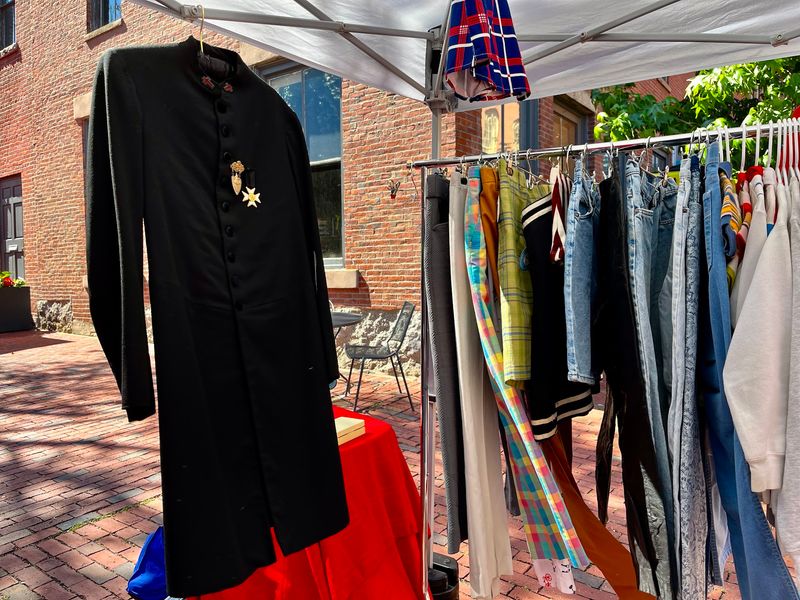
Before the walls, there was open air. The marketplace grew out of The Salem Flea, an outdoor market of curators, collectors, and artists held in Derby Square.
The indoor brick-and-mortar version opened in 2023. That move gave the community a steady home instead of depending on outdoor market days alone.
Outdoor markets are wonderful, but New England weather has its own ideas. Rain, wind, and cold snaps can change plans fast in Massachusetts.
Having a building solves a lot of that. Shoppers can browse vintage goods even when the sky looks grumpy.
I like how the indoor space keeps the original spirit alive. It’s still about curators, collectors, and artists sharing what they love.
The difference is that vendors now have dedicated spaces they can stock and arrange. That gives each booth room to show off a clear personality.
Derby Square sits in downtown Salem too, so the two ideas stay close in more ways than one. Fans of the outdoor market can easily see how the concept grew.
It’s a nice reminder that big things often start small. A few tables in a square eventually turned into two floors in a historic factory.
Not bad for a project that began under the open sky. Some ideas just need a roof to really grow.
Show Up On The Right Day And Park With A Plan
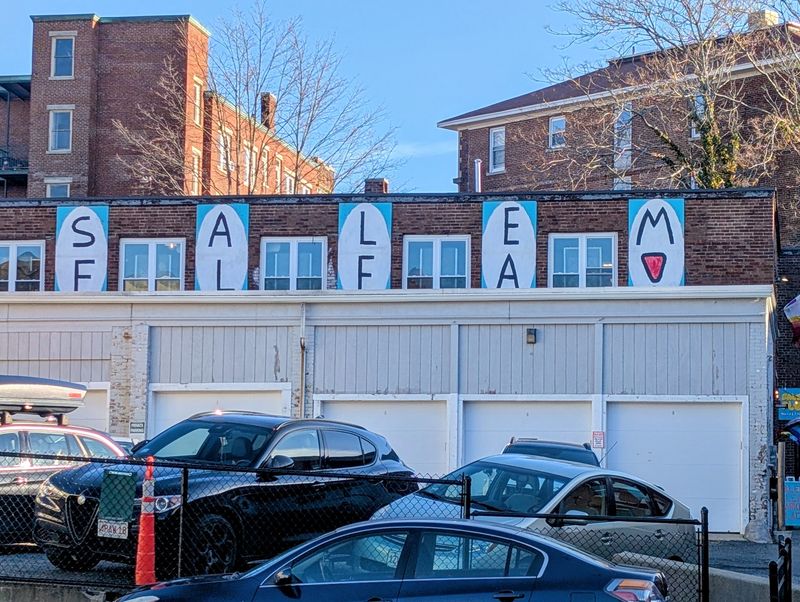
Timing matters, because this shop keeps a weekend-focused schedule. Friday and Saturday hours run from 11 AM to 6 PM, while Sunday runs from 11 AM to 5 PM.
It stays closed Monday through Wednesday. The shop’s own site also lists Thursday hours, so check before planning a midweek trip.
You’ll find the marketplace at 11 Dodge Street Court, Salem, MA 01970. It sits in downtown Salem, close to plenty of other places to explore.
Parking nearby can be a challenge, so arriving early is a smart move. Being willing to walk a couple of blocks can save a lot of circling.
Comfortable shoes are a good idea with two floors to cover. You’ll be on your feet, moving between levels, and leaning in to read tiny tags.
Leave some room in your schedule after shopping too. Downtown Salem has plenty to see, and your new vintage jacket deserves a walk.
The Salem Flea Marketplace rewards curious people who take their time. Give it a real chunk of your afternoon rather than a quick peek.
A building that once tuned pianos now helps shoppers find their own perfect note. That’s not a bad encore for an old Massachusetts factory.