
Explore The Abandoned Ohio Amusement Park That Still Looks Stuck In The Past
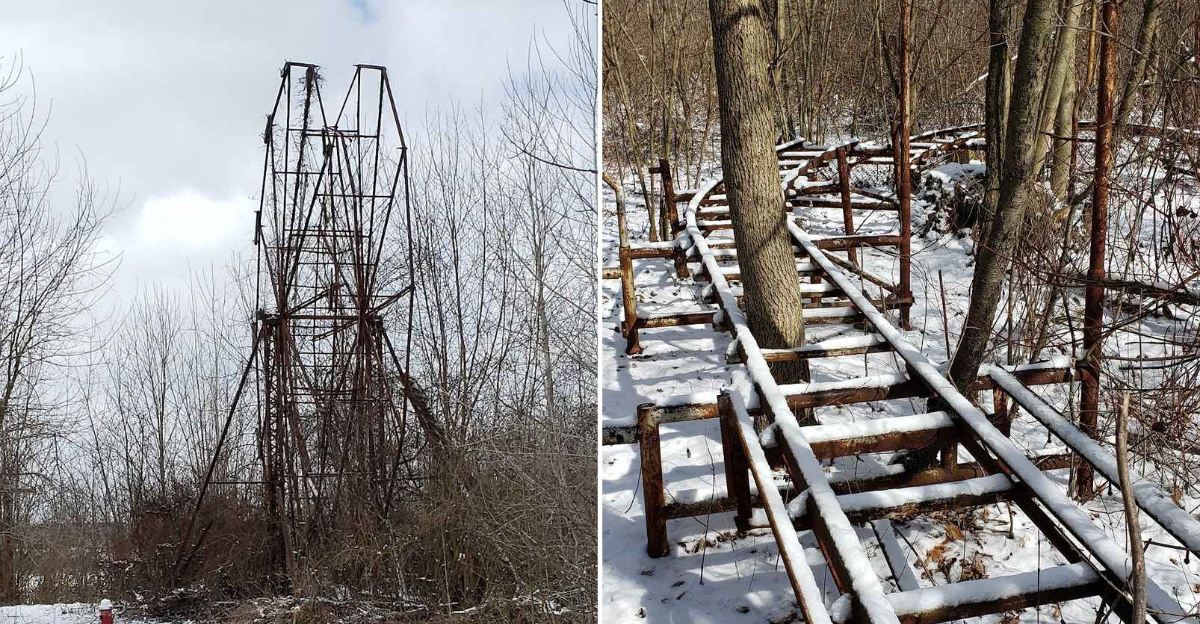
Judging by the photos, it might look like you’ve stepped into Chornobyl, but don’t worry, you haven’t. This place in Ohio was once a source of fun and good energy, drawing crowds every single summer before time caught up with it.
Rusted rails and faded paint now cover structures that used to buzz with laughter. Weeds grow up through old walkways nobody has maintained in years.
Some rides still stand fully intact, eerily preserved despite decades of complete neglect. Faded signage hints at attractions that once pulled families in from across the region.
Urban explorers treat the park as a time capsule, cameras ready to capture what’s left before it disappears completely. This park remains a haunting reminder of an era that ended far too abruptly.
History Of The Park And Its Evolution
Back in 1878, a man named Edward Andrews opened a simple picnic spot and beach along Chippewa Lake. He called it Andrews Pleasure Grounds, and it quickly became a local favorite.
That same year, the name changed to Chippewa Lake Park.
Mac Beach bought the property in 1898 and made one interesting call right away. He banned all sales of certain beverages on the grounds.
His son, Parker Beach, later took over and guided the park through its most successful years in the 1920s.
By mid-century, the park was a regional staple drawing massive crowds from Northeast Ohio. Continental Business Enterprises purchased it in 1969, but the magic was fading fast.
Attendance kept dropping as competition from newer parks grew stronger.
The park officially closed in 1978, leaving everything nearly untouched. No dramatic teardown, no auction, just silence.
The rides stayed right where they were, and nature started moving in almost immediately.
Decades later, the Medina County Park District stepped in. They acquired the lake in 2007 and then the full amusement park property in 2020.
Plans for a regional public park are now underway. You can find the Tumble Bug Trailhead, the first public access point, at 5796 Longacre Ln, Chippewa Lake, OH 44215.
Famous Rides And Attractions Once Featured
Chippewa Lake Park was not messing around when it came to rides. At its peak, the park had three roller coasters running at once.
The Big Dipper, Little Dipper, and Wild Mouse each drew their own loyal fans.
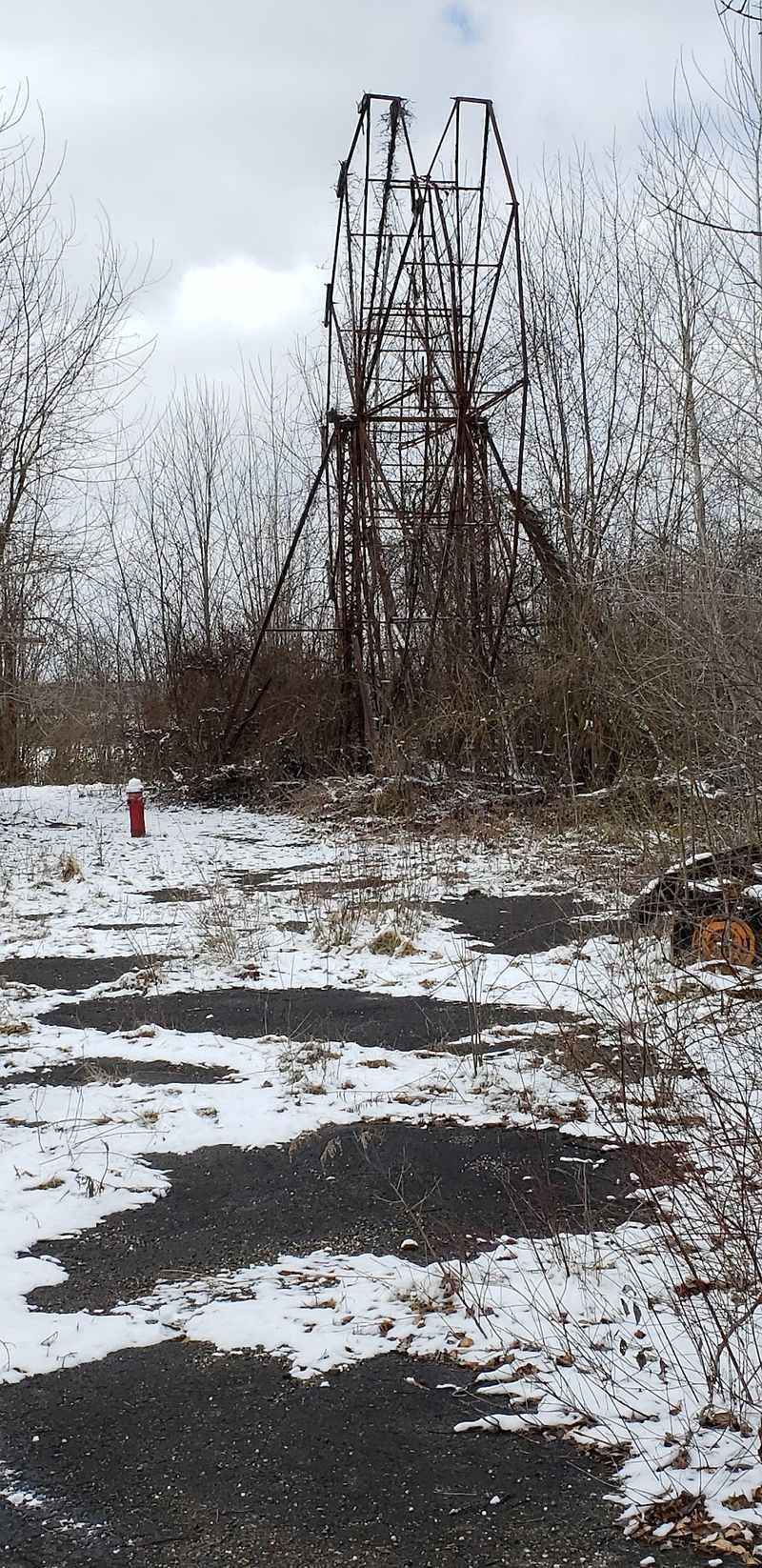
Beyond the coasters, guests had plenty more to enjoy. A classic Ferris Wheel offered sweeping views of the lake.
A Miniature Railroad looped through the grounds, and a Carousel spun riders around in true old-school style.
The Fun House was a crowd favorite for younger visitors. The Tumble Bug, Dodgem bumper cars, Himalaya ride, and Flying Cages all added serious variety to the lineup.
There was genuinely something for every kind of thrill-seeker.
Live music played a big role in the park experience too. The grand ballroom hosted dancing nights and performances that drew people from across the region.
It was not just a ride park. It was a full entertainment destination.
Today, most of those attractions are gone or barely standing. But the names still carry real weight for anyone who visited before 1978.
The Tumble Bug is now a trailhead namesake, which is honestly a pretty cool tribute to what once stood there. Some skeletons of the old rides still rise above the tree line, reminding visitors of a louder, busier time.
Architectural Styles Of The Abandoned Structures
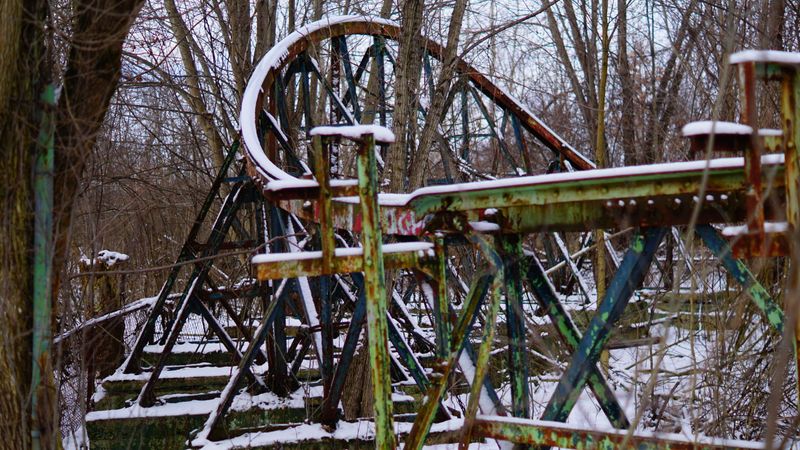
When Chippewa Lake Park closed in 1978, nobody came back to clean it up. The structures just sat there, season after season, collecting rust and rot.
It created one of the most visually striking abandoned sites in the entire Midwest.
The park’s buildings reflected classic mid-century American amusement architecture. Think wooden coaster frames, open-air pavilions, and painted metal ride structures built for pure fun and spectacle.
Nothing was meant to last forever, but nobody expected them to disappear this fast either.
The ballroom was a standout piece of the property. It hosted decades of memories before a fire destroyed it in 2002.
Other buildings, including the hotel and arcade, met the same fate in 2008 fires.
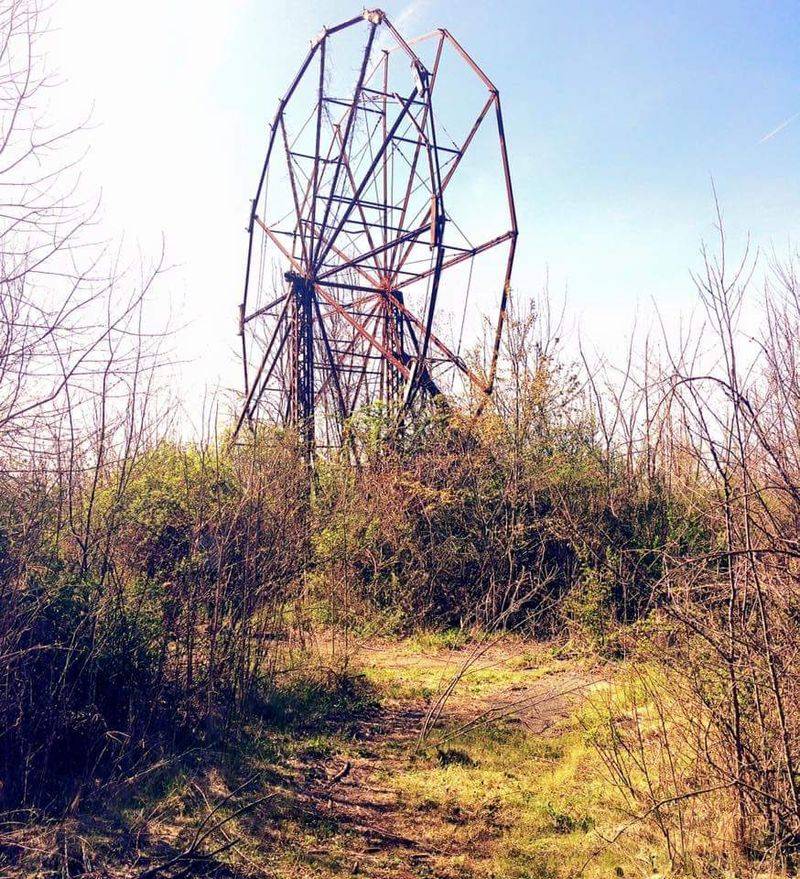
What remains is genuinely haunting in the best way. As of June 2024, the frames of the Ferris Wheel, Little Dipper coaster, Flying Cages, and Tumble Bug still stand on the property.
They are bent, rusted, and wrapped in vines, but still recognizable.
Walking near those structures makes you realize how fast time moves. The bones of these rides show exactly what early twentieth-century amusement engineering looked like.
It was all steel, wood, and mechanical simplicity. No digital screens, no fiber optics.
Just raw, spinning, clanking fun that now sits perfectly frozen in a forest.
Natural Reclamation And Wildlife Interaction
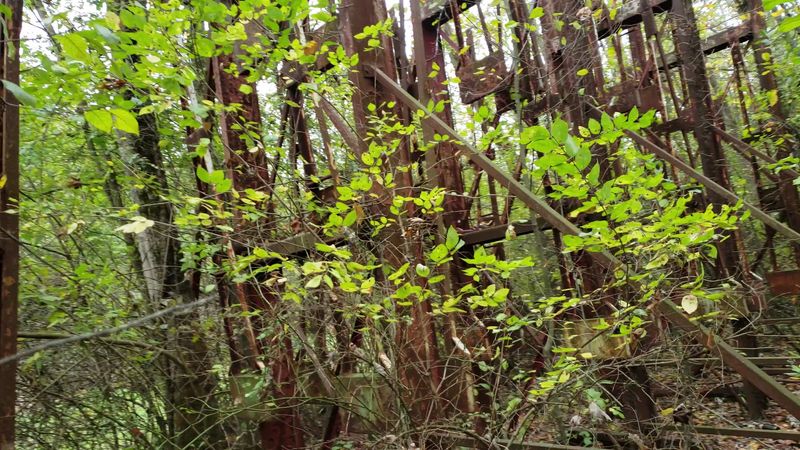
Nature did not wait for an invitation at Chippewa Lake Park. By the 2000s, full-grown trees were pushing up through the old roller coaster and Ferris Wheel.
Plants and vines wrapped around every rusted beam they could reach.
It is honestly one of the most dramatic examples of natural reclamation you will find anywhere in Ohio. The site went from a roaring amusement park to a living, breathing forest habitat in just a few decades.
That kind of transformation is rare and worth paying attention to.
The area around Chippewa Lake now includes 52 acres of restored wetlands. Those wetlands serve a real ecological purpose.
Migrating waterfowl and shorebirds use them as a seasonal stopover along their routes.
Land animals have claimed the old park grounds too. Rabbits, squirrels, wild turkeys, and white-tailed deer have all been spotted moving through the property.
The site has essentially become a wildlife corridor without anyone planning it that way.
Watching a deer walk past a rusted coaster frame is the kind of scene that sticks with you. The contrast between the man-made decay and the thriving natural world around it is striking.
Conservation groups have praised the wetland restoration efforts here. The Medina County Park District continues to work on improving water quality and expanding habitat across the site.
Photo Opportunities And Urban Exploration Tips
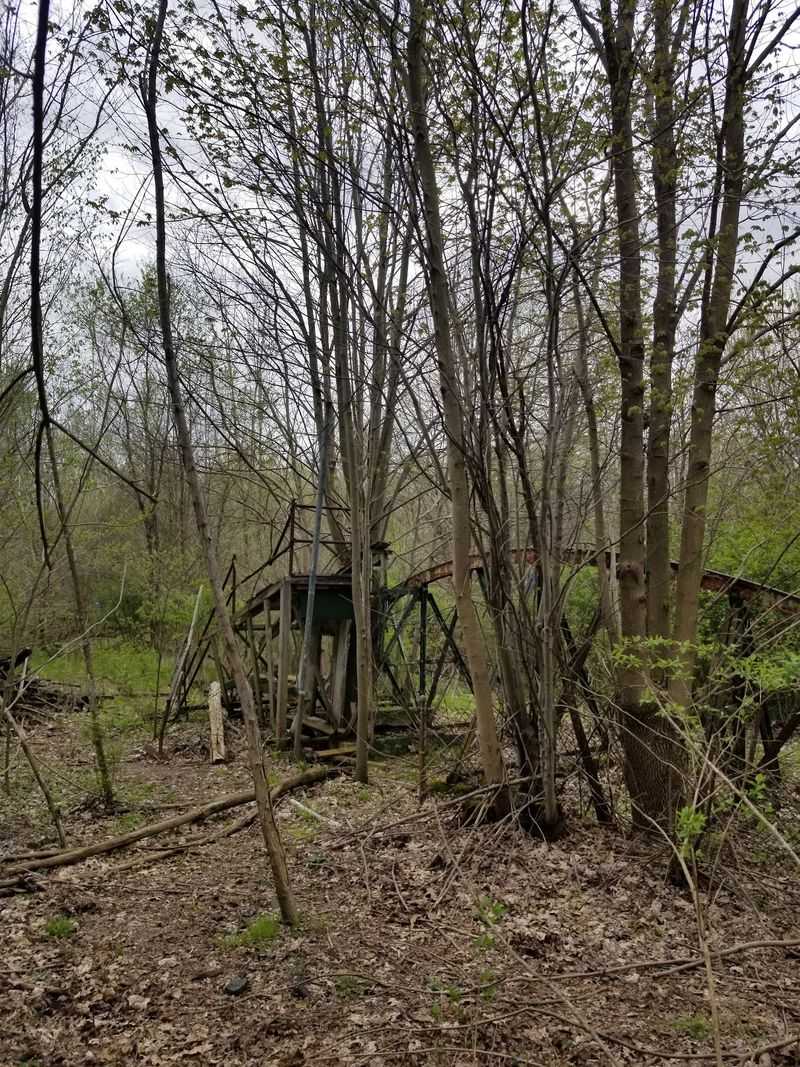
Chippewa Lake Park became a magnet for photographers long before the park district took over. The combination of decaying rides, overgrown paths, and dramatic natural light made it one of the most photographed abandoned sites in Ohio.
Urban explorers talked about it constantly online.
Organized tours were offered in the past, giving visitors a legal and guided way to photograph the grounds.
Those days are mostly gone now, but the Tumble Bug Trailhead is open to the public and offers solid access to some of the more atmospheric parts of the property.
The Ferris Wheel area remains off-limits. Trespassers have been cited in restricted zones, so sticking to the open trail is the smart move.
The gravel loop at the Tumble Bug Trailhead is accessible and well-maintained for casual visitors.
For the best photos, visit during golden hour in early morning or late afternoon. The light filtering through the tree canopy hits the rusted metal frames in a way that looks almost cinematic.
Bring a wide-angle lens if you have one.
Wear sturdy shoes because the terrain near the trail edges can be uneven. Keep your eyes open for wildlife crossing the path.
Ticks are common in warm months, so spray up before you go. The atmosphere here does most of the heavy lifting for any photographer willing to show up prepared.
Cultural Impact And Local Folklore Surrounding The Site
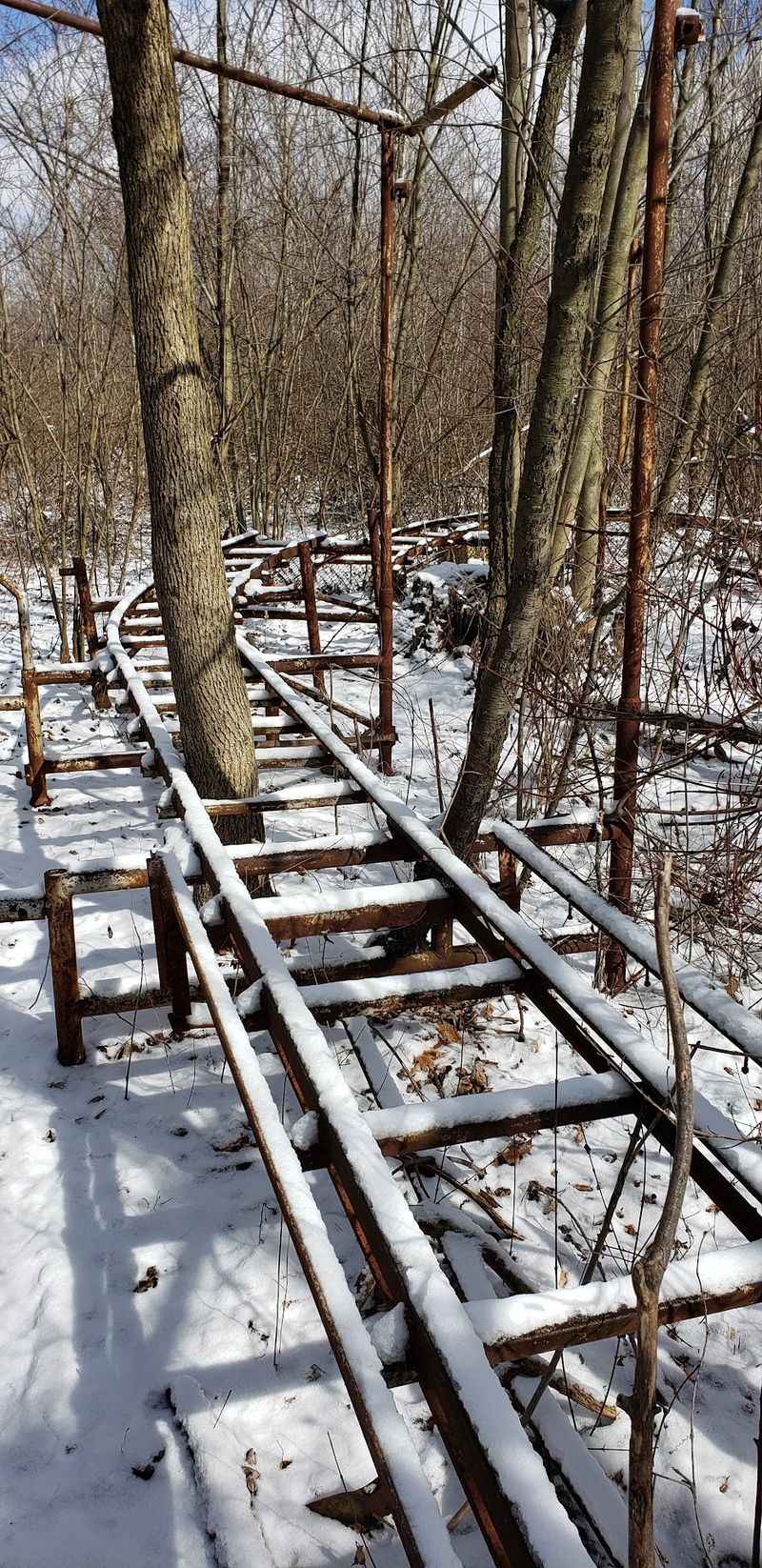
At its peak, Chippewa Lake Park pulled in up to 50,000 guests in a single season. For Northeast Ohio, that was a massive number.
The park was not just entertainment. It was a community anchor for generations of local families.
The ballroom became legendary in its own right. Big bands played there in the early decades, and rock and roll acts followed later.
Many residents will tell you flat out that they met their future spouse at a Chippewa Lake dance night. That kind of story does not fade easily.
Annual traditions made the park part of the local calendar. Company picnics were a regular fixture.
Schools participated in a beloved event called Nickel Day, where rides and treats were priced at just five cents. Kids planned for it all year.
The park’s cultural legacy even reached Hollywood. A portion of the 2009 film Friday the 13th was filmed on the property.
That detail added a whole new layer of eerie fascination for younger generations who discovered the site through horror movie trivia.
A 2007 documentary called Welcome Back Riders also captured the park’s story on film. Local historical societies have worked to preserve photographs, maps, and records from the park’s operating years.
The site lives on in memory, in film, and in the ongoing conversations of people who grew up riding the Big Dipper on a summer afternoon.
Preservation Efforts And Challenges Faced
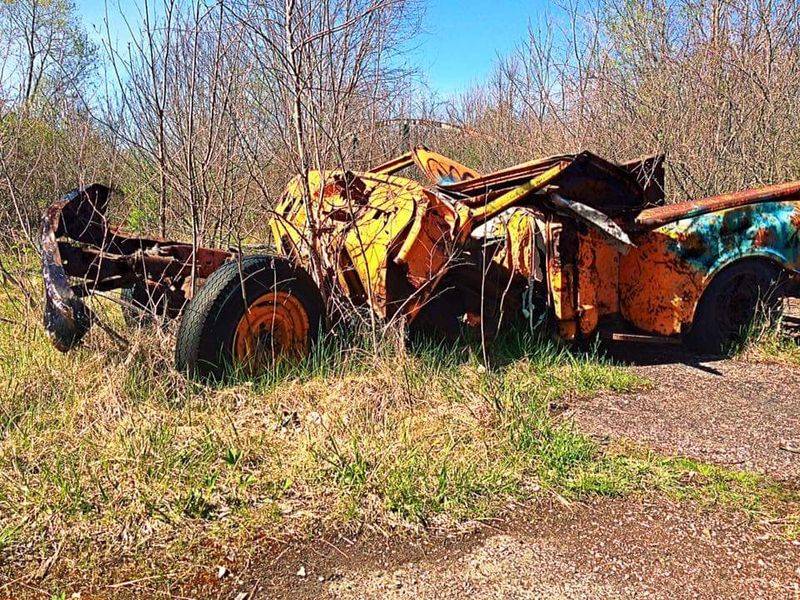
The Medina County Park District has a real vision for this property. The goal is to transform the former amusement park into a fully functioning regional public park.
That is a big lift considering what decades of neglect left behind.
A master plan was developed with public input, which is always a good sign. The focus is on creating a public nature area that honors the site’s history while making it accessible and safe.
Community voices shaped the direction of the project from early on.
The first completed phase is the Tumble Bug Trailhead, now open to visitors. It includes a gravel loop trail and basic amenities for day visitors.
The park district hopes to eventually preserve some of the remaining ride remnants as historical landmarks within the park.
Challenges are real and ongoing. Poor water quality in Chippewa Lake has been a persistent issue, with algae blooms causing concern for both wildlife and recreation.
Flooding and deteriorating plant life have also complicated restoration timelines.
Wetland creation is a central part of the environmental strategy. The 52 acres of restored wetlands already on site show what is possible with sustained effort.
Funding, public support, and careful planning will all be necessary to push the project forward. The park district is playing a long game here, and the early results suggest they are headed in a solid direction.
Visitor Safety And Responsible Exploration Guidelines
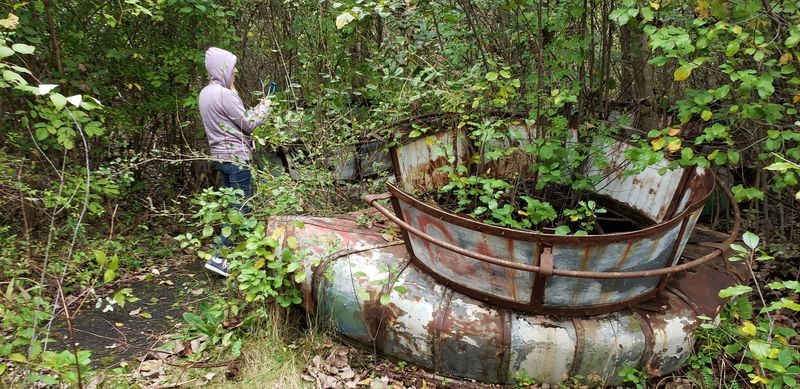
Before you head out to Chippewa Lake Park, know the rules. The Ferris Wheel area is fully closed to the public, and citations have been issued to people who ignored those boundaries.
Respecting the restricted zones keeps you safe and keeps the site accessible for everyone else.
The Tumble Bug Trailhead is the right place to start. It offers a safe, accessible gravel loop trail that gives you a real feel for the property without putting you in danger.
The trail is well-marked and manageable for most visitors.
Wildlife hazards are worth taking seriously out here. Ticks are common during warmer months, so wearing long pants and using insect repellent is a smart move.
Bees and snakes have also been spotted along the trail edges, so stay aware of your surroundings.
Medina County Park District rules are clear and non-negotiable. Vandalism, defacement, and removal of park property are all prohibited.
Using a metal detector requires written authorization, so do not show up with one expecting a free pass.
Biking is not allowed on some trails, but leashed dogs are welcome on the open paths. Pack water, wear comfortable shoes, and bring a charged phone.
The trail area does not have cell service in every spot. Going with a friend is always a better call than exploring alone, especially on a first visit to an unfamiliar site.