
Giant Roadside Attractions And Historic Saloons Give This South Dakota Town Its Quirky Charm
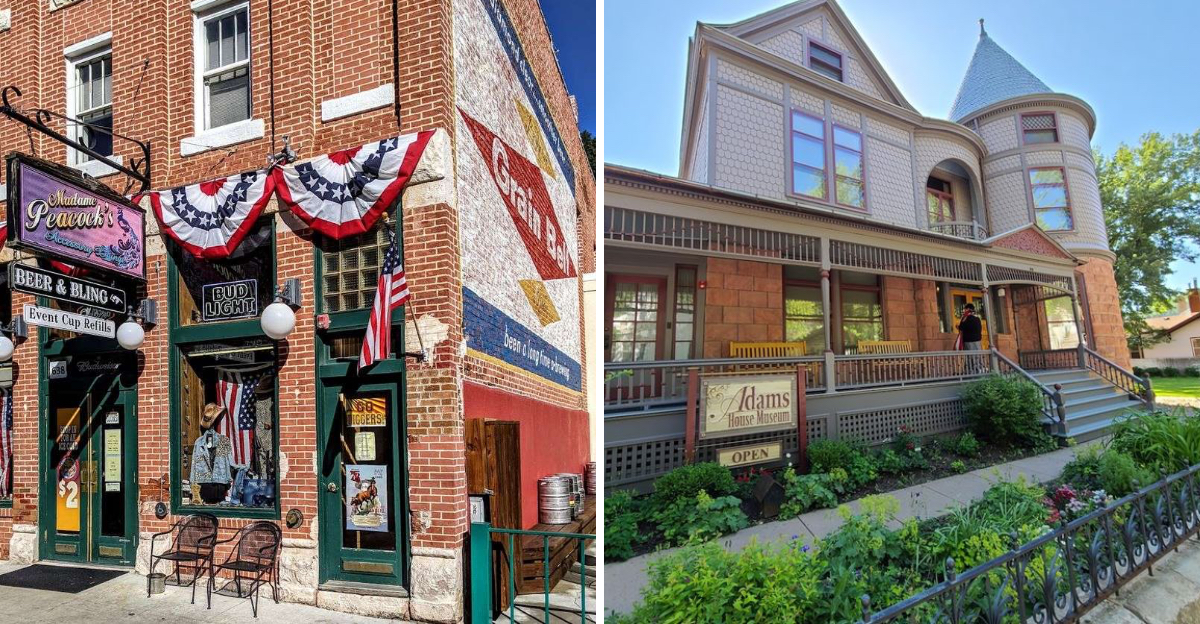
Massive bronze bison charge across a hillside without taking a single step. That is just one oddity waiting in this quirky corner of South Dakota.
Streets that once rang with gunfire now hum with roadside curiosities and mining town legends. Old saloons and brick facades still carry a wink of the chaos this town was built on.
A hillside cemetery holds legends most towns only read about in books. Underground tunnels, bronze giants, and a museum with a prehistoric surprise are only the beginning.
Every corner hints at something stranger than the last, and South Dakota keeps that charm fully intact. There is plenty more waiting for those with a taste for the unusual.
Plan a little extra time, because this place rarely lets you leave in a hurry.
A Town Born From Gold And Chaos
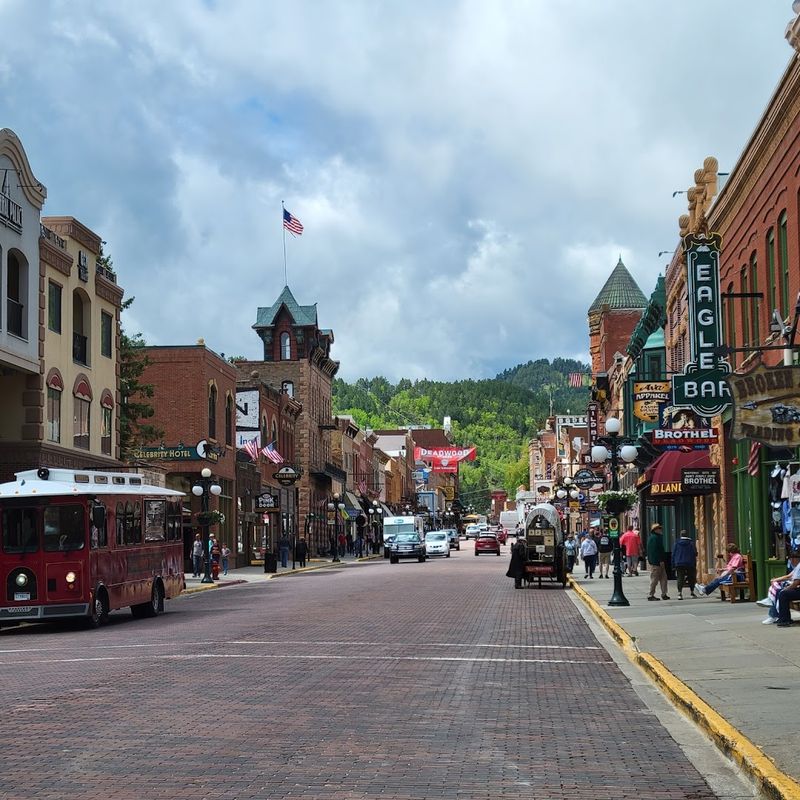
Gold changed everything here. Back in the 1870s, prospectors flooded into the Black Hills of South Dakota, setting up a settlement in a gulch thick with dead timber.
That gulch gave the town its name. The camp grew fast and wild, drawing fortune-seekers, prospectors, and outlaws from across the country.
Early Deadwood had no real law to speak of. Burglary, arson, and all manner of frontier chaos were everyday realities in those first frantic years.
Yet out of that disorder, a genuine community took shape. Buildings went up, businesses opened, and a culture rooted in ambition and grit began to define the place.
That origin story is not just preserved in books. It lives in the architecture, the museums, and the attitude of the town itself.
Deadwood, South Dakota, carries its turbulent past proudly. Visiting feels less like reading a history lesson and more like stepping directly into one.
Historic Main Street’s Cobblestone Heartbeat
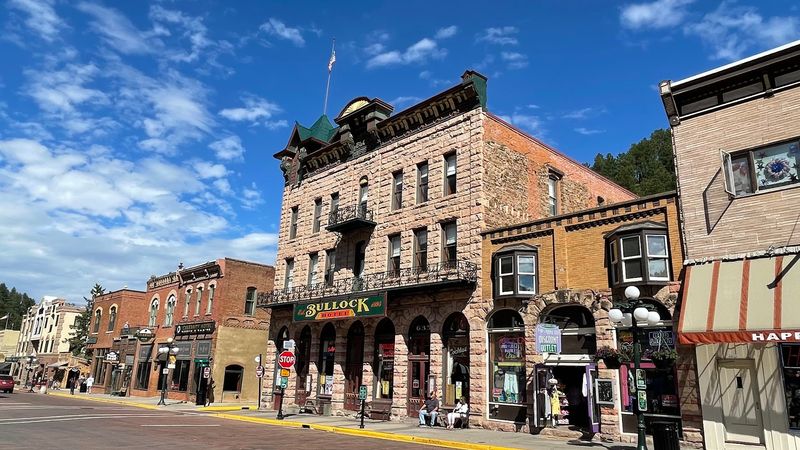
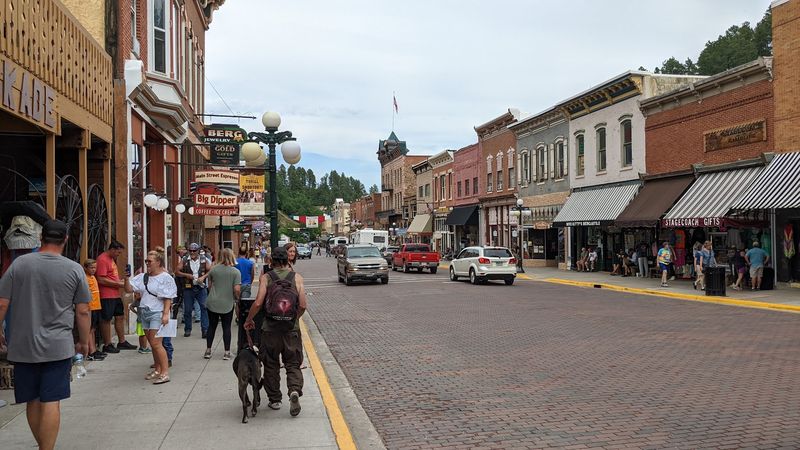
Few main streets in America carry this much weight. Historic Main Street in Deadwood is the town’s spine, lined with Gold Rush-era buildings that have been carefully preserved for well over a century.
Brick pavers underfoot give the street a texture that feels authentic rather than staged. Shops, restaurants, and museums fill the old facades with modern life while keeping the visual character intact.
The pedestrian-friendly layout makes wandering easy and rewarding. Every storefront seems to hold a story, and the overall atmosphere pulls visitors back to a time when this block hummed with frontier energy.
Photographers will find the street endlessly interesting. Morning light hits the old brick facades in a way that makes even a casual snapshot look cinematic.
The street also serves as the stage for live performances and reenactments throughout the year. It is a place where South Dakota history does not just sit behind glass.
It plays out right in front of you.
Mount Moriah Cemetery And Its Famous Residents
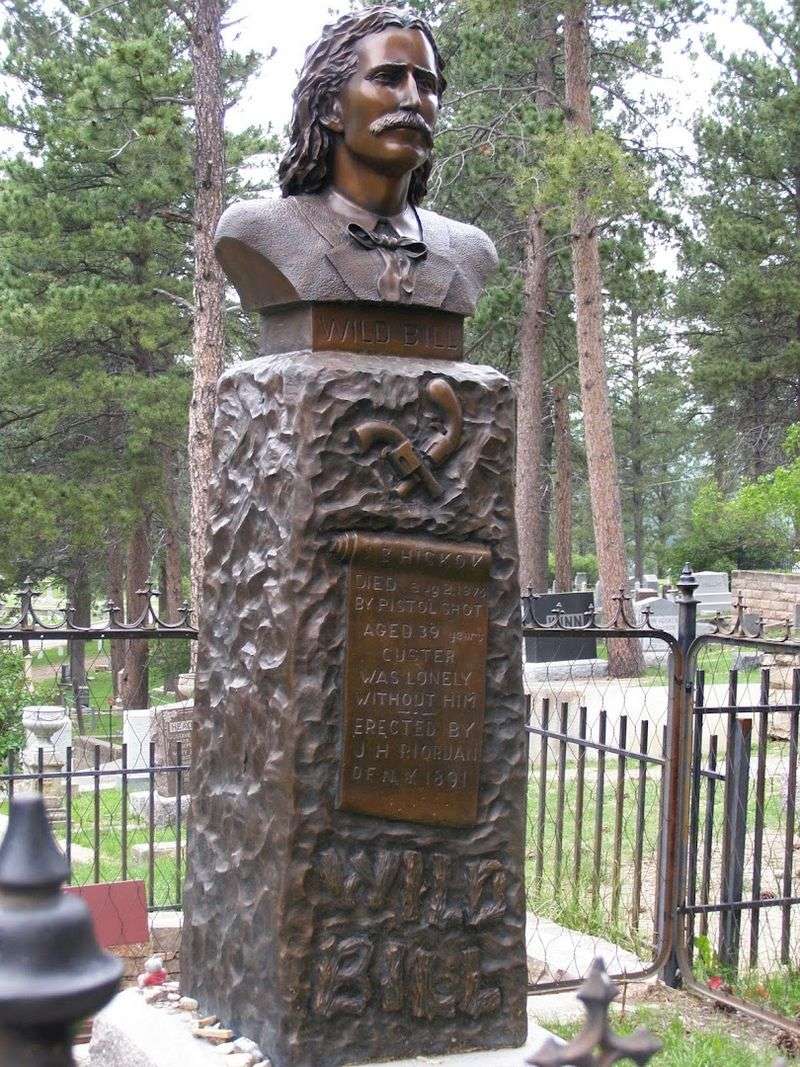
Perched high above town, Mount Moriah Cemetery offers one of the most striking views in all of South Dakota. Rolling hills and pine-covered ridges stretch out in every direction from this quiet hilltop.
The cemetery was established in 1878 and holds the graves of some of the most legendary figures in Wild West history. Wild Bill Hickok and Calamity Jane both rest here, drawing visitors from across the country.
The site feels peaceful rather than mournful. Weathered headstones and old iron fencing give the grounds a timeworn dignity that is hard to replicate.
Guided tours are available and add considerable depth to a visit. Knowledgeable guides share stories about the colorful individuals who shaped Deadwood’s reputation and helped define the mythology of the American frontier.
Even without a guide, the cemetery rewards slow exploration. Reading the inscriptions and imagining the lives behind them turns a simple walk into something unexpectedly moving.
The views alone make the uphill trek worthwhile.
Tatanka And The Bronze Bison That Stop Traffic
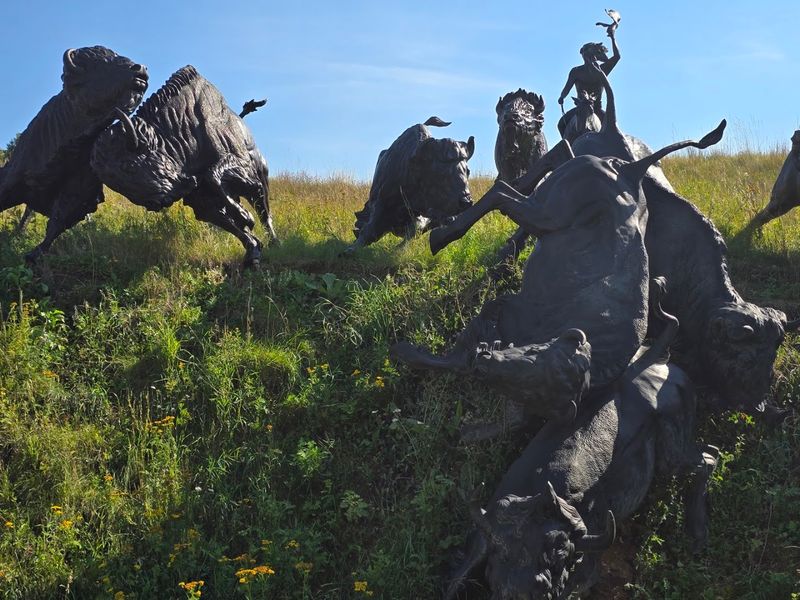
Just outside Deadwood, a herd of massive bronze bison charges across an open hillside. The sculptures at Tatanka: Story of the Bison are enormous, detailed, and genuinely jaw-dropping up close.
This cultural center tells the story of the bison and their deep significance to the Lakota people. It is one of the most visually striking roadside attractions in South Dakota, and it carries real educational weight alongside its visual drama.
Interactive exhibits and educational films walk visitors through the historical relationship between the Lakota and the bison herds that once blanketed the Great Plains. The storytelling is respectful and compelling.
The outdoor sculptures are the main event. Seeing them in the open air, framed by Black Hills scenery, creates an impression that photographs struggle to fully capture.
Families with curious kids will find plenty to engage with here. The site balances spectacle with substance in a way that leaves most visitors wanting to linger longer than planned.
It is quirky, beautiful, and surprisingly moving all at once.
Deadwood Alive Brings Shootouts To The Street
History gets loud in Deadwood. The Deadwood Alive performance troupe brings the town’s Wild West past to life with dramatic reenactments staged right on the streets.
Shootouts, stagecoach robberies, and frontier confrontations play out in front of live audiences throughout the season. The actors wear period-accurate costumes and commit fully to the spectacle.
What sets these performances apart is the element of surprise. Shows pop up at various locations around town, so visitors stumble upon them unexpectedly, which makes the experience feel organic rather than scripted.
Kids absolutely love it. Adults who assumed they were too cool for street theater tend to get pulled in fast once the action starts.
The performances are rooted in actual Deadwood history, not just generic Western clichés. That grounding in real events gives the drama an extra layer of authenticity.
For anyone visiting South Dakota and craving something theatrical, this is the kind of free, spontaneous entertainment that turns a good trip into a great story worth telling later.
The Adams Museum And Its Remarkable Artifacts
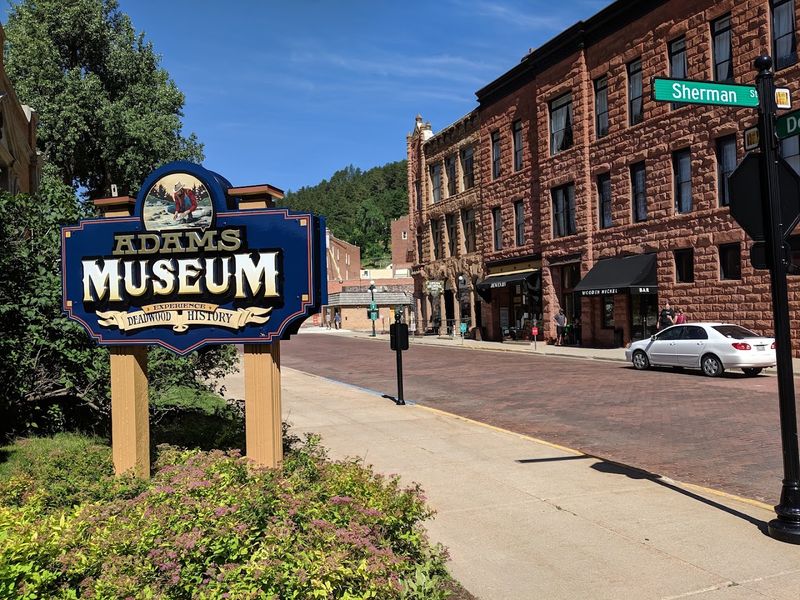
Deadwood’s oldest history museum punches well above its weight. The Adams Museum has been preserving the story of the Black Hills since 1930, and its collection reflects more than a century of careful curation.
Gold Rush artifacts, rare photographs, and personal belongings of early pioneers fill the exhibit spaces. One of the standout pieces is a massive gold nugget that draws gasps from first-time visitors.
A plesiosaur fossil also features among the displays, which is the kind of unexpected detail that makes this museum genuinely hard to categorize. It covers geology, natural history, and human drama all under one roof.
The museum was founded by a pioneer businessman and reflects his ambition to document everything remarkable about this corner of South Dakota. That ambition shows in the breadth and depth of what is on display.
Admission runs on a suggested donation, which makes it one of the best-value stops in town. Plan to spend at least an hour here, and bring questions, because the exhibits tend to spark plenty of them.
The Historic Adams House And Victorian Elegance
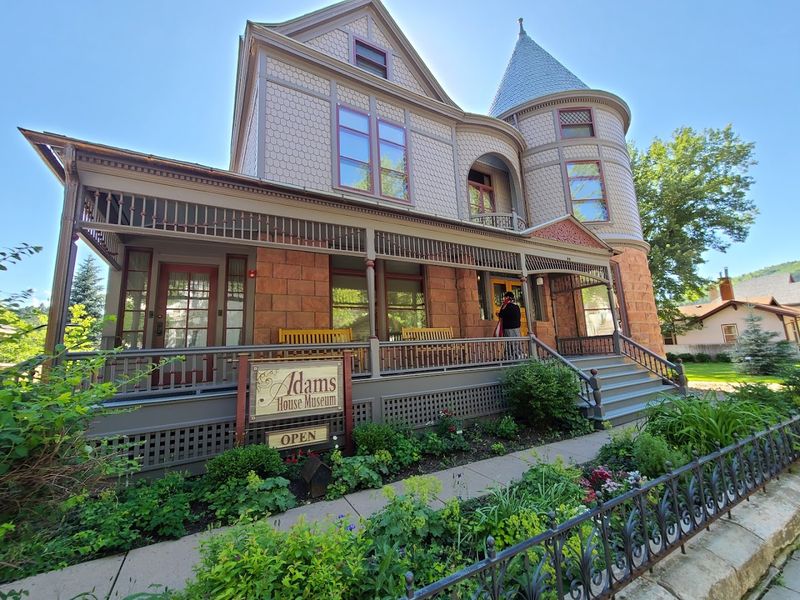
Not everything in Deadwood fits the rough-and-tumble frontier image. The Historic Adams House, built in 1892, offers a striking contrast to the saloons and mining stories that dominate the town’s identity.
This beautifully restored Victorian mansion showcases the refined tastes of Deadwood’s more prosperous residents. Original furnishings, detailed woodwork, and period-accurate decor fill every room with a sense of preserved elegance.
Guided tours walk visitors through the home’s history and highlight the architectural details that make it stand out. The guides bring the house to life with stories about the family who lived there and the social world they inhabited.
The contrast between this polished interior and the wild streets just outside is part of what makes the visit so memorable. It reveals a more layered version of South Dakota history than most people expect to find here.
Photography inside the house is typically permitted on tours. The warm lighting and ornate details make it a favorite spot for anyone with an eye for architectural beauty and period design.
Days Of ’76 Museum And Frontier Celebrations
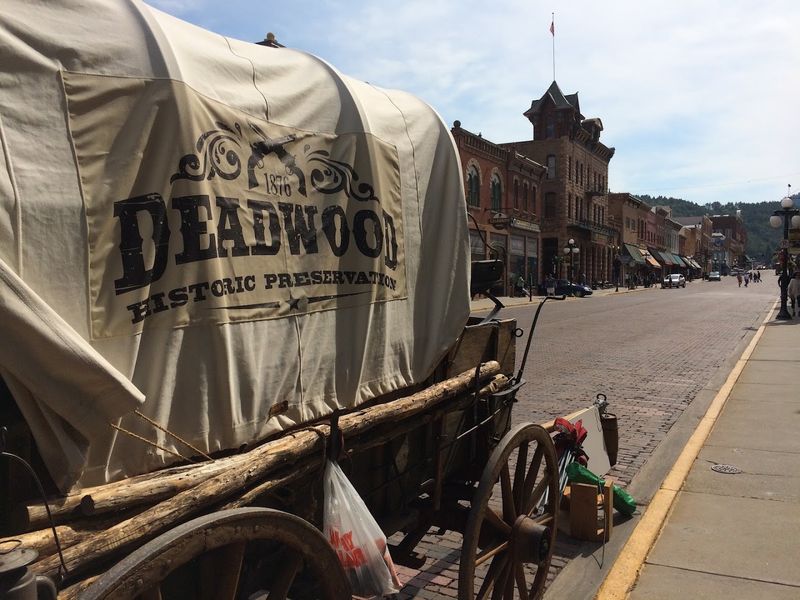
Every town has a celebration it holds dear, and Deadwood’s is the Days of ’76. This annual event, which began in 1924, honors the earliest settlers with a historic parade and a rodeo that draws crowds from across the region.
The Days of ’76 Museum preserves the history of this long-running tradition alongside a broader collection of frontier artifacts. Horse-drawn vehicles, Native American items, and pioneer memorabilia fill the exhibit halls with tangible pieces of the past.
The vehicle collection alone is worth a visit. Seeing the variety of wagons, coaches, and carriages used in the early days of South Dakota settlement puts the practical realities of frontier life into sharp perspective.
The museum also documents the rodeo’s history, which stretches back nearly a century. Old photographs, trophies, and equipment trace the evolution of an event that has become central to Deadwood’s identity.
For visitors who time their trip around the annual celebration, the town transforms into something even more theatrical and festive than usual. It is the kind of event that locals genuinely look forward to all year.
Broken Boot Gold Mine And The Thrill Of Panning
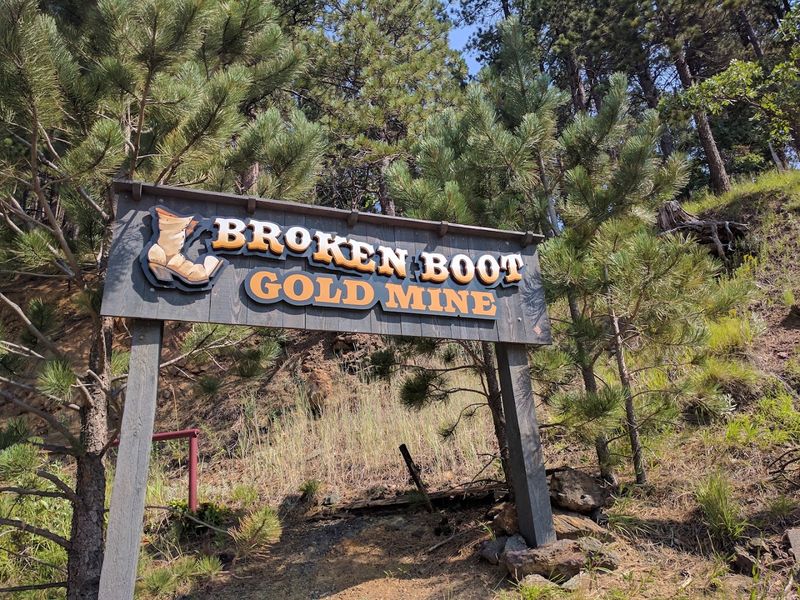
Gold fever is contagious in Deadwood, and the Broken Boot Gold Mine makes it easy to catch. This historic site takes visitors underground into an authentic mine tunnel that dates back to the Gold Rush era.
Guided tours move through narrow passages while knowledgeable guides explain the tools, techniques, and daily hardships of the miners who worked these tunnels. The temperature drops noticeably underground, which adds to the sense of stepping into another world.
The gold panning experience is a highlight for visitors of all ages. Swirling a pan in a trough of water and watching for a glint of gold is surprisingly addictive, and small flakes can sometimes be found and kept as souvenirs.
The mine offers one of the most hands-on history experiences available in South Dakota. It moves the Gold Rush story out of a display case and into lived experience.
Kids tend to be completely captivated by the underground setting. Adults, meanwhile, often leave with a new appreciation for just how demanding and dangerous early mining life actually was.
The George S. Mickelson Trail Through The Black Hills
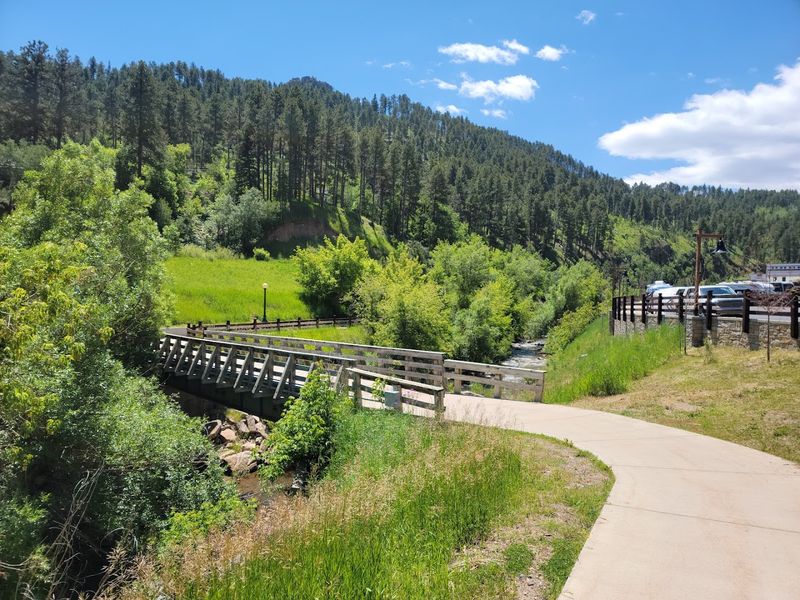
Fresh air and forest scenery wait just beyond Deadwood’s historic streets. The George S.
Mickelson Trail stretches roughly 109 miles through the Black Hills, offering some of the most scenic non-motorized travel in South Dakota.
The trail winds through dense pine forests, crosses old railroad bridges, and follows sparkling streams through narrow canyons. The terrain is varied enough to keep the experience interesting across its full length.
Hikers, cyclists, and horseback riders all share the trail, which is well-maintained and clearly marked. Trailheads near Deadwood make it easy to access without a long drive.
The route passes through tunnels carved into solid rock, which are among the most memorable features along the entire path. Riding or walking through those dark passages and emerging into bright forest on the other side is a simple pleasure that stays with people.
Wildlife sightings are common along quieter stretches. Deer, wild turkeys, and various birds make regular appearances, rewarding those who move slowly and keep their eyes open.
The Black Hills scenery here is genuinely hard to match anywhere else in the region.
Practical Tips For Planning Your Deadwood Visit
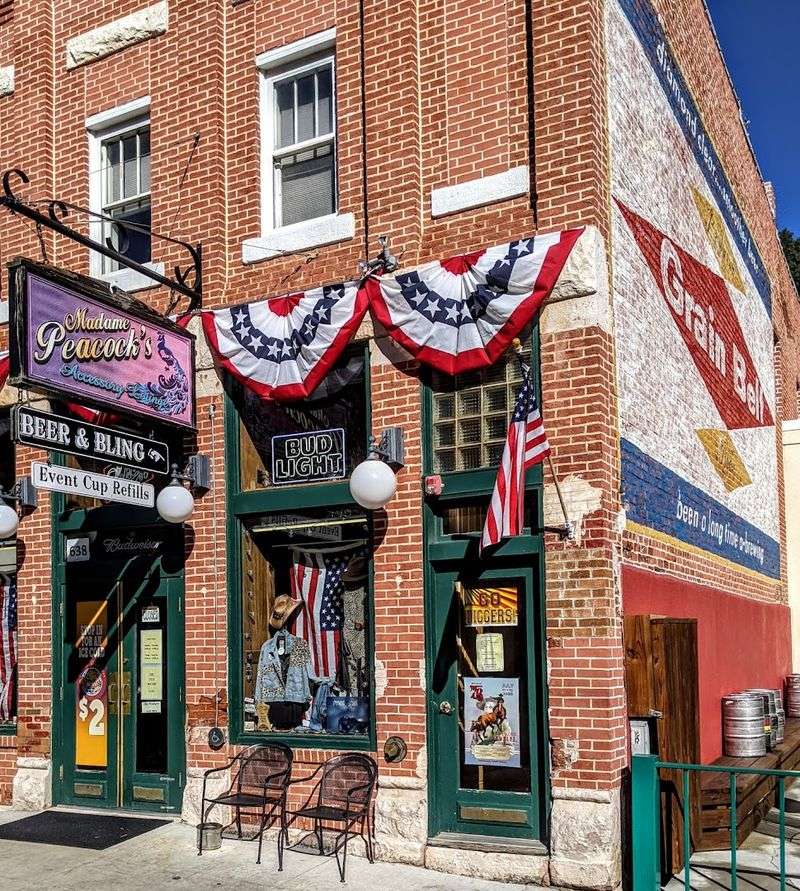
Timing a trip to Deadwood takes a little thought. Summer brings the biggest crowds and the fullest event calendar, with live performances, the Days of ’76 celebration, and outdoor activities all running at peak capacity.
Spring and fall offer quieter visits with cooler temperatures and fewer lines. The Black Hills scenery shifts beautifully in autumn, adding a layer of visual drama to the already photogenic town.
Winter visits are possible and have their own low-key appeal, though some attractions operate on reduced schedules during the colder months. Checking ahead before arriving in the off-season saves disappointment.
Comfortable walking shoes are essential. The cobblestone streets look charming but can be uneven underfoot, especially after a day of heavy exploring.
Most of the major attractions sit within easy walking distance of Historic Main Street. Parking is available nearby, but exploring on foot is the best way to absorb the atmosphere and catch the spontaneous street performances that make Deadwood feel alive.
South Dakota road trips pair naturally with a Deadwood stop, especially when combined with nearby Black Hills destinations.