
This South Dakota Gold Mine Closed After 125 Years, Leaving 370 Miles Of Underground Tunnels
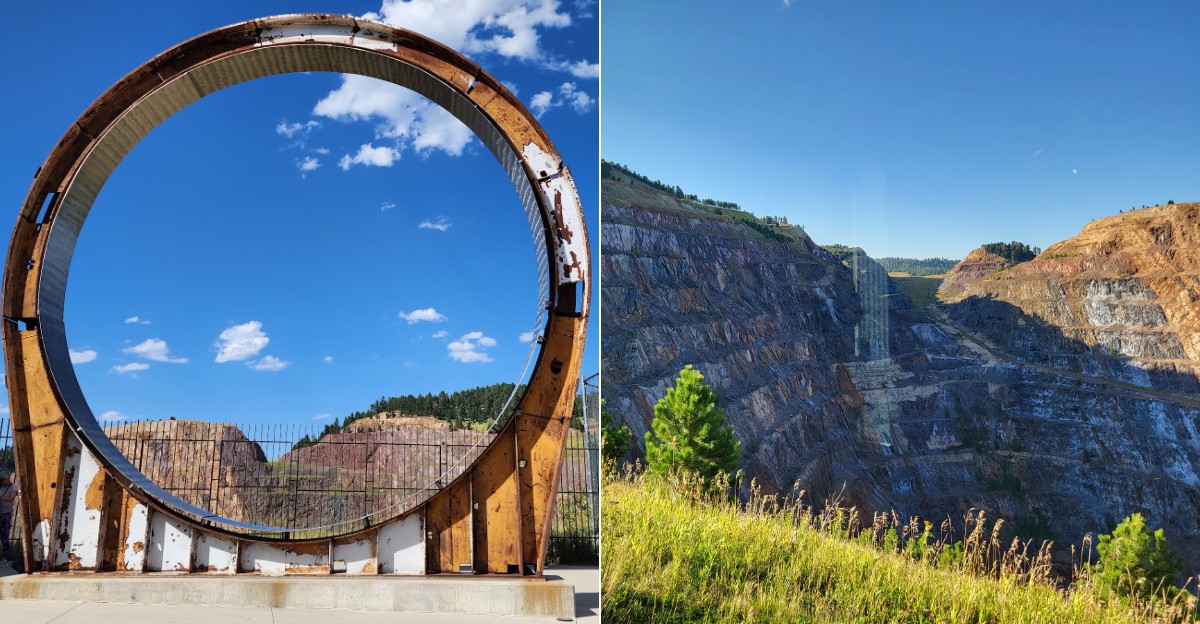
What happens to a gold mine after the gold stops coming out? I think the answer here beats any treasure story, because the miners left behind 370 miles of tunnels under South Dakota.
The mine ran for more than 125 years and reached about 8,000 feet deep. Then scientists moved in.
Today, researchers work nearly a mile underground, searching for dark matter and tiny particles called neutrinos.
To me, that twist is the best part. A place built for pickaxes and ore carts now helps answer huge questions about the universe.
I’m convinced few stops anywhere mix Wild West grit with space-age science this smoothly.
You can learn the whole story on the surface, right beside a giant open pit. Admission is free, too.
Why not trade a little gold fever for some cosmic curiosity?
Peek Into A Hole So Big It Could Swallow A Skyscraper
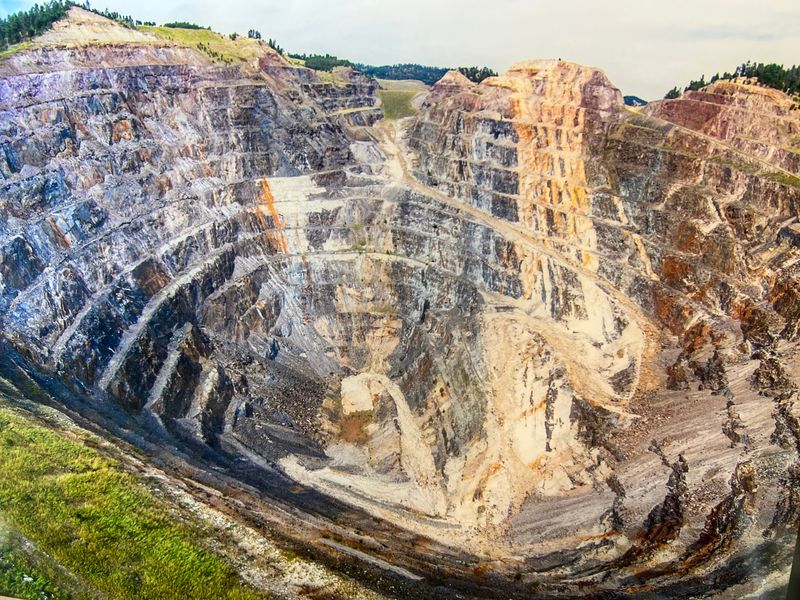
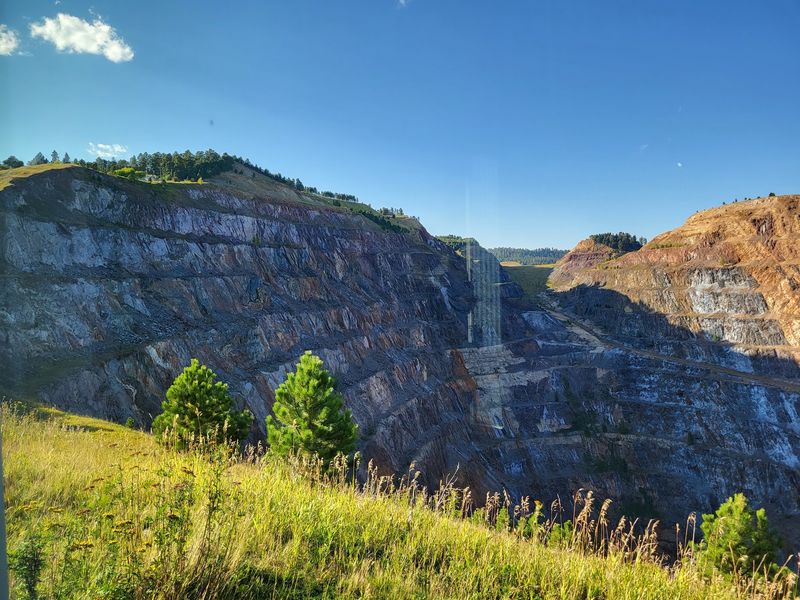
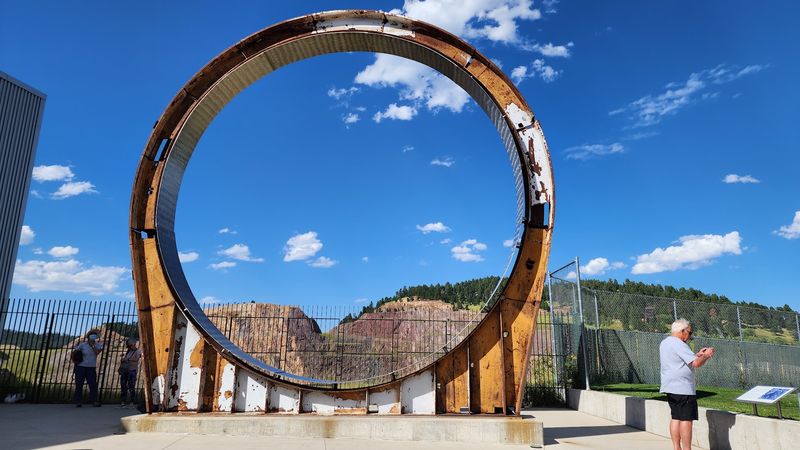
The Sanford Lab Homestake Visitor Center sits right on the edge of something truly enormous. It’s called the Homestake Open Cut, and it plunges about 1,250 feet deep.
That’s deeper than many skyscrapers are tall. The visitor center has a deck that looks out over the pit, so you get the view without any hiking boots.
The Open Cut is one of the most famous landmarks in the Black Hills. Its stepped rock walls show layers of hard work from the mining years.
Every ledge and terrace tells you people carved this shape on purpose. It looks a bit like a giant staircase built for someone very tall.
Here’s a fun way to use the view. Look across the pit and try to guess how much rock was hauled out over the years.
Then remember this is only the surface part of the story. The real mining went far deeper, down tunnels you can’t see from the deck.
Bring your camera or phone for this stop. The Open Cut makes a dramatic backdrop for family photos and silly poses.
Kids usually love anything huge, and this hole definitely qualifies. Grown-ups tend to stare a little longer, trying to wrap their heads around the scale.
My advice is simple. Start your visit out on the deck, because it sets the stage for everything inside.
Once you’ve seen the hole, the exhibits about what lies beneath feel even more amazing. It’s the perfect warm-up for the rest of the stop.
Gold Fever Ran Here For 126 Years Straight
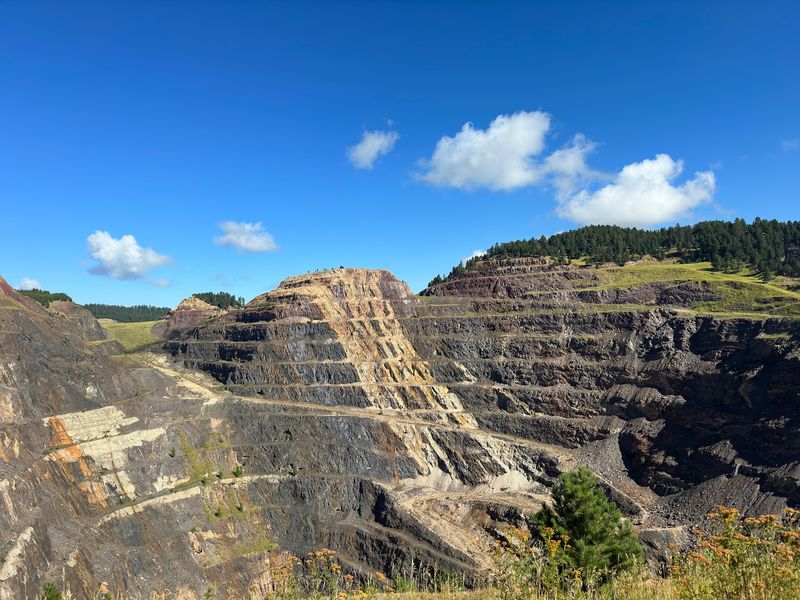
Back in 1876, prospectors found gold in these hills and staked a claim. A year later, George Hearst and partners formed the Homestake Mining Company.
Nobody back then could guess how long the party would last. The mine kept running for about 126 years, making it one of the longest-running mines in U.S. history.
Think about everything that changed during that stretch. Horses gave way to cars, radios gave way to TVs, and the mine just kept digging.
By the end, Homestake had produced more than 40 million troy ounces of gold. That’s a mountain of shiny metal pulled out of South Dakota rock.
Gold production wrapped up around the end of 2001. Pumping officially stopped on June 10, 2003, which marked the true closing of the mine.
The visitor center tells this story in a way that feels personal. Exhibits cover the mining history and the town of Lead that grew up around it.
You’ll learn how the mine shaped jobs, families, and the whole community. It’s easy to see why people here feel so connected to the place.
History fans should give themselves extra time in these displays. There’s a lot to soak up, and the details make the numbers feel real.
Honestly, 126 years is a long time for anything to last. Seeing how it all happened makes you appreciate every one of those years.
Those 370 Miles Of Tunnels Will Amaze You
Three hundred seventy miles. That’s roughly the length of the tunnel network left beneath Lead after the mining ended.
To put that in perspective, it’s a long road trip. You could drive across a big chunk of South Dakota and still not match it.
The tunnels stack down level after level, reaching around 8,000 feet deep. Homestake was once the deepest gold mine in the Western Hemisphere.
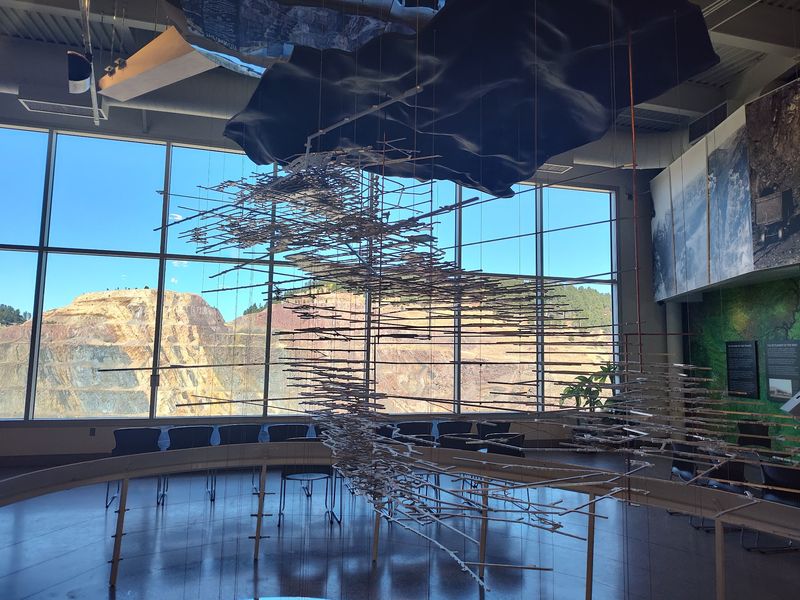
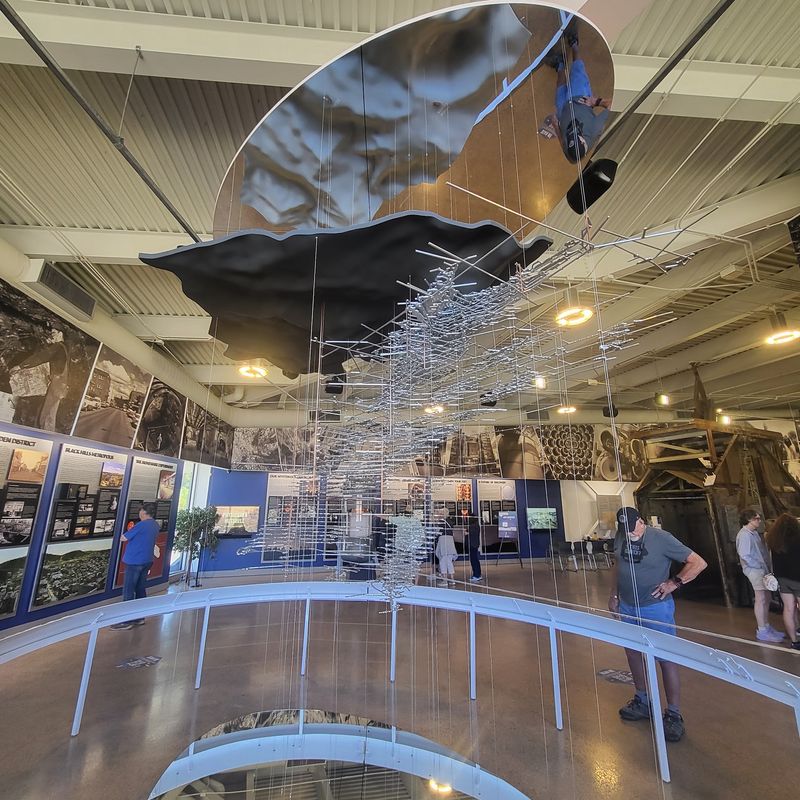
Inside the visitor center, exhibits help you picture this underground maze. Seeing the shafts and levels laid out makes the depth click in your brain.
Not all of those miles are used today. The lab keeps roughly 12 miles of tunnels maintained for science work.
That still leaves plenty of underground space for researchers. The main science level sits 4,850 feet below the surface.
Here’s a fun challenge for your group. Try guessing how long it would take to walk all 370 miles, then compare answers.
Spoiler alert, you’d need a lot of snacks. Weeks of walking, at least, without any sunshine to help.
This part of the visit is great for curious minds of every age. Kids love the sheer size, and adults love the engineering behind it.
It’s hard to look at the floor the same way afterward. Somewhere below your sneakers, a whole hidden world keeps going and going.
Scientists Now Search For Tiny Particles Nearly A Mile Down
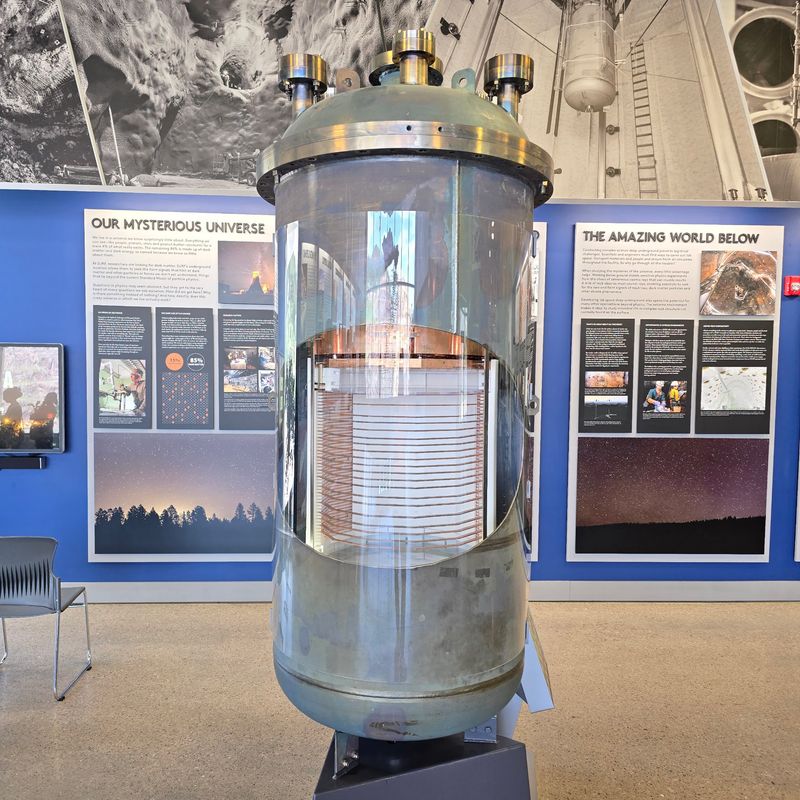
Gold miners never imagined their tunnels would one day chase dark matter. Yet that’s exactly what happens at the Sanford Underground Research Facility today.
The site was turned into a science lab after the mine closed, and research has been running there for well over a decade.
Why go so deep? The thick layers of rock act like a giant shield against cosmic radiation.
That shield lets super sensitive experiments listen for very faint signals. Up on the surface, too much background noise would get in the way.
Current projects include the LUX-ZEPLIN dark matter experiment. Another big one is the Deep Underground Neutrino Experiment, known as DUNE.
Researchers here also study biology, geology, and engineering. The tunnels turned out to be useful for far more than gold.
The Sanford Lab Homestake Visitor Center explains all this in plain language. You don’t need a physics degree to follow along.
The lab itself doesn’t offer public tours of its underground science areas. That’s what makes the exhibits so handy, since they bring the research up to you.
I love that a mine famous for gold is now chasing something even rarer. Neutrinos zip through everything, and somehow scientists found a way to catch them.
Leave a little room in your brain for this section. You might walk out wanting to read about the universe all evening.
A Nobel Prize Story Started In These Tunnels
Back in the mid-1960s, a chemist named Raymond Davis Jr. set up a bold experiment deep inside Homestake. His goal was to catch neutrinos coming from the sun.
It sounded almost impossible at the time. These particles pass through nearly everything without leaving a trace.
His work became the first solar neutrino experiment. Years later, it helped earn him a Nobel Prize in Physics.
That’s a pretty proud chapter for a working gold mine. While miners pulled ore from the rock, science history was quietly happening nearby.
The Sanford Lab Homestake Visitor Center connects this early research to today’s projects. You can trace a clear line from that first experiment to the giant detectors now underground.
It’s a neat reminder that big discoveries often start small. One determined scientist and a deep hole changed how people understand the sun.
Families with older kids will find this story especially inspiring. It shows that curiosity and patience can lead somewhere amazing.
Younger visitors might just enjoy saying the word neutrino out loud. Honestly, it’s a fun word, so go ahead.
I think this is the section that surprises people most. You come for gold and leave thinking about the sun.
Give the displays a careful read here. The timeline helps you see how Homestake went from mine to world-class lab without missing a beat.
Put On A Headset And Explore What Lies Below
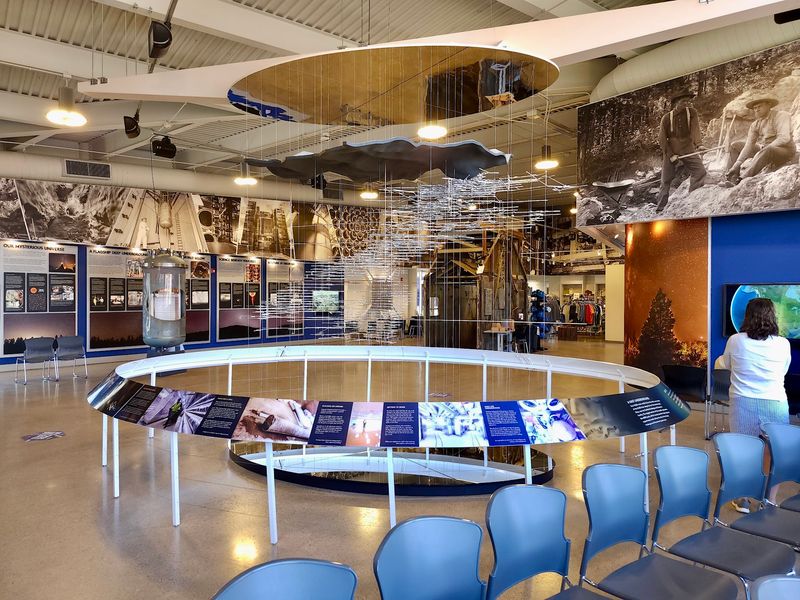
Touching is encouraged here, which kids instantly appreciate. The visitor center features hands-on exhibits that make tricky science feel playful.
Virtual and augmented reality experiences add another layer of fun. They help bring the underground world to life without leaving the building.
Since the public can’t tour the underground lab, this is your best way to peek inside. It’s like getting a backstage pass from the surface.
The exhibits cover three big themes. You’ll find cutting-edge research, mining history, and connections to the local community.
That mix keeps things lively for different interests. One person can geek out over physics while another studies old mining life.
Want a deeper experience? Docent-guided tours of the visitor center are available with advance reservations.
A docent can add stories and answer questions you didn’t know you had. It’s a smart move for school groups or curious families.
My rule for places like this is simple. Let the youngest person in your group lead the way for a while.
They’ll find the coolest buttons and screens fast. Before long, the grown-ups will be just as hooked on the interactive displays.
Hop On A Trolley To See Giant Hoists From 1939
Huge steel drums and thick cables are waiting for you up the hill. The Yates Shaft Hoistroom holds massive hoists that have operated since 1939.
These machines once moved miners and ore up and down the shaft. Seeing them up close gives you a real sense of the mine’s power.
Getting there is half the fun. Seasonal trolley tours leave from the area and roll through the town of Lead.
The ride includes a drive through the surface campus of the lab. Then you get a guided visit inside the Yates Hoistroom itself.
Unlike the free visitor center, the trolley tours come with a fee. Since they’re seasonal, check the schedule before planning your day around one.
This tour is the closest most visitors get to the working side of the site. It feels a bit like sneaking behind the curtain.
Engineering fans tend to love this stop. The size of the equipment alone is worth the trip up.
Kids will probably compare the drums to giant spools of thread. That’s actually a pretty good description, just supersized.
Outside the trolley, the visitor center also offers a surface tour. Historic and ethnobotanical garden tours add even more to explore during your stay.
Between the gardens, the hoists, and the town views, you can easily turn one stop into a full afternoon in South Dakota.
Free Admission Makes This Black Hills Stop An Easy Yes
Good news for your travel budget. Admission and parking at the Sanford Lab Homestake Visitor Center are both free.
That makes it a breezy addition to any Black Hills road trip. You can pop in for a quick look or stay for hours.
From May through September, the center is open daily from 9 a.m. to 5 p.m. From October through April, hours run from 9 a.m. to 4 p.m.
Monday through Saturday.
Year-round public events keep things fresh between visits. It’s worth checking what’s coming up before you arrive.
Before heading out, swing by the gift shop. A souvenir from a former gold mine turned physics lab is a pretty great conversation starter.
Lead itself sits in the northern Black Hills, close to plenty of other South Dakota adventures. That makes this stop easy to fit into a full day of exploring.
Here’s my take. Few places let you see gold rush history and dark matter science under one roof for free.
That combo is hard to beat. It works for families, science lovers, history buffs, and anyone who simply loves giant holes.
Ready to plan your visit? You’ll find the Sanford Lab Homestake Visitor Center at 160 W Main St, Lead, SD 57754.
Bring your curiosity and a charged camera. The universe, and a very big pit, are waiting for you.