
Hear Wolves Howl Up Close At An Indiana Park Built Around Wolves, Foxes, And Bison
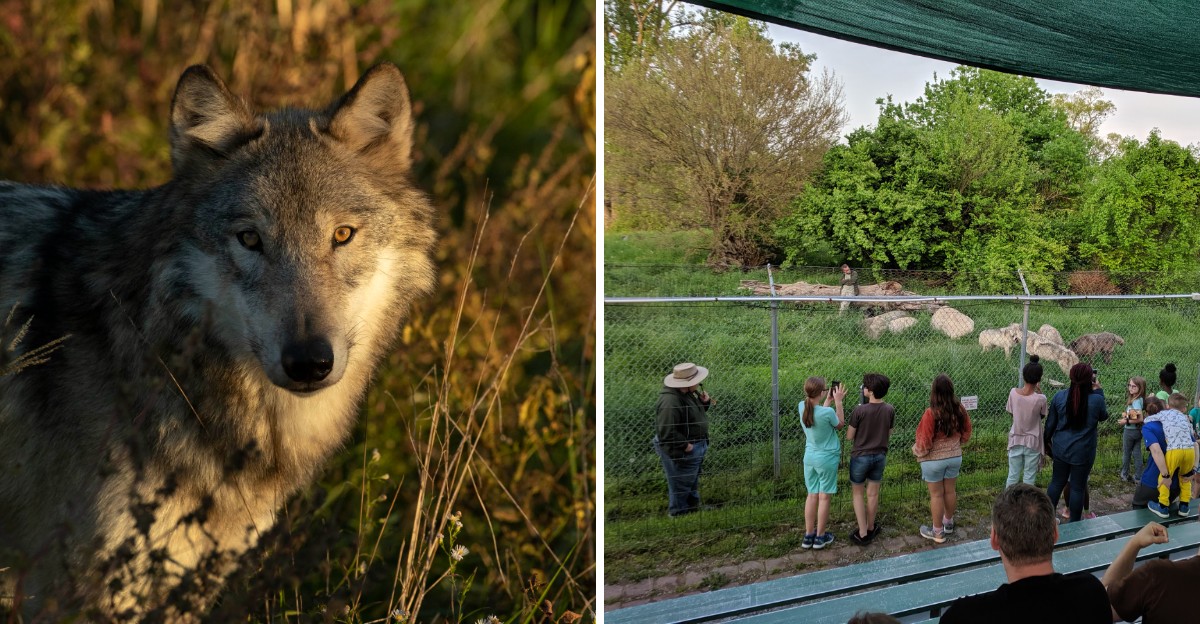
Every Saturday night, a pack of gray wolves lifts their voices across the Indiana countryside. Visitors gather close and howl right back.
Would the wolves answer you? On a good night, they just might.
The pack lives at a nonprofit research center founded in 1972. A university professor started it to study how wolves behave.
Each wolf was raised by hand, so researchers can watch real pack life up close. Bison graze nearby, and red and gray foxes share the grounds.
Coyotes and a box turtle named Clementine round out the cast. Who knew a turtle could hold her own next to wolves?
Indiana has no wild wolves, which makes this place special. Where else can you sing with a pack and learn something new?
A Research Park With A Big Mission
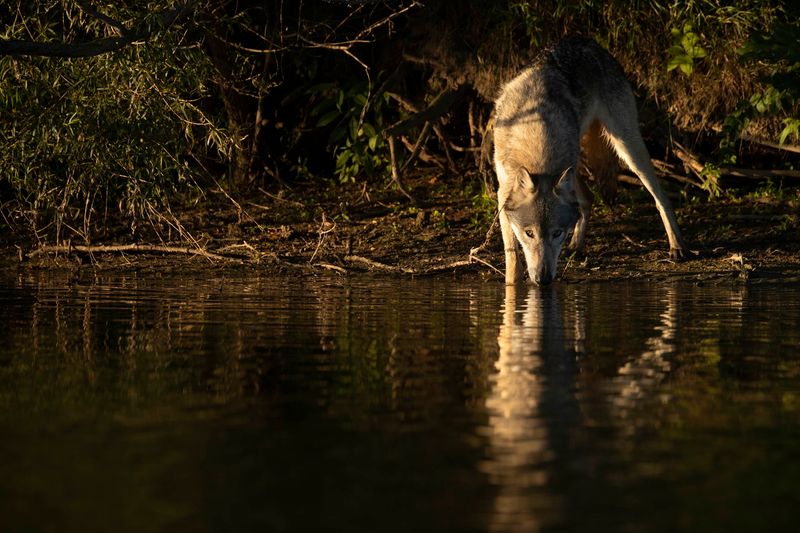
Wolf Park is a nonprofit education and research center in Indiana. It was founded in 1972 by Purdue professor Dr. Erich Klinghammer.
His goal was to study wolf behavior and share what he learned.
The park celebrated its 50th birthday in April 2022. That is a long run for a place built around studying animals up close.
Early work here included studies of wolf howls.
Wolf Park is a conservation and research facility, not a zoo. The animals live in naturalized habitats made for their comfort.
That means some may be out of view when you stop by.
The mission is simple. Teach people why wolves matter in their ecosystems.
Every visit helps support that work, since the park runs as a 501(c)(3).
Think of it as a classroom with fur. The staff and volunteers are there to answer questions, and the Google Maps listing shows the staff earning a lot of praise for their knowledge.
Bring your curiosity and a few questions of your own. You will likely leave knowing more about wolves than you did at breakfast.
Where To Find It On The Indiana Prairie
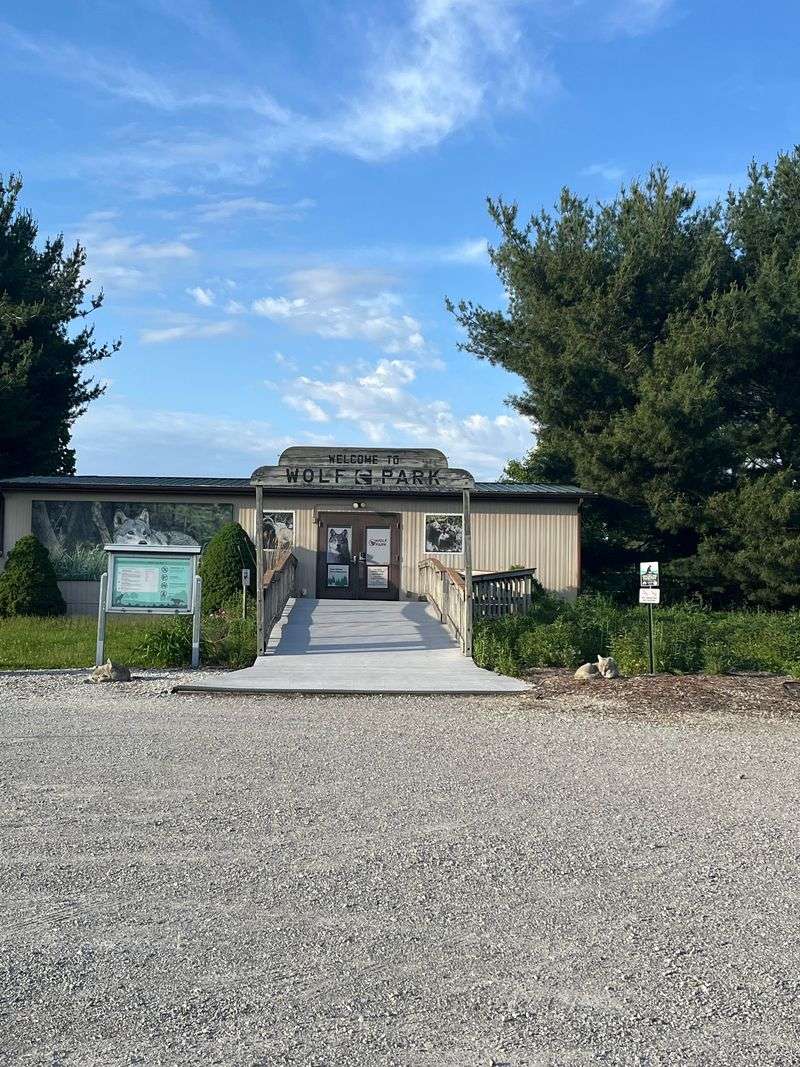
Wolf Park sits at 4004 E 800 N, Battle Ground, IN 47920. The grounds cover 78 acres of preserved Indiana prairie.
Old trees and open grass give the animals room and shade.
The drive is easy. It is about 15 minutes from Lafayette and West Lafayette.
Indianapolis is roughly an hour south, just off I-65.
Wolf Park is in the Eastern Time Zone. It observes Daylight Saving Time.
Check the clock if you are coming from farther west.
Hours change with the season and the program. Saturdays tend to open earlier, around 9:30 am.
Other days have shorter windows, and Wednesday has been listed as closed. Look at the current schedule before you leave home.
Parking is part of the plan here. Visitors can walk the flat, gravel trails from the Visitor’s Center.
Benches sit along the way for a quick rest.
Tour reservations are strongly recommended. Same-day spots can run short.
A little planning keeps the trip smooth.
Howl Nights Are The Main Event
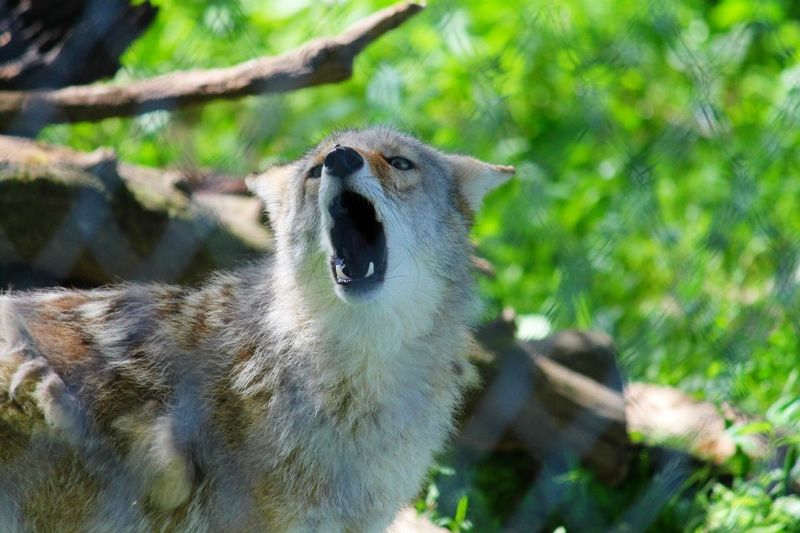
Saturday night is when Wolf Park gets loud. Howl Nights are offered weekly through the year.
Visitors get an up-close view of the wolves as the pack becomes more active.
Then comes the best part. You get a chance to howl with the pack.
Don’t be shy, because the wolves are not judging your pitch.
The evening also includes a presentation. One family on the Google listing took part for a daughter’s birthday and enjoyed watching the handlers work.
Another visitor said the personalities of the wolves really came alive.
Summer can be hot, and wolves don’t love heat. A cooler season may mean more action.
Even so, one visitor noted the wolves still came up and interacted on warm Howl Nights.
Seating is available for wheelchair users on Howl Night. Pets are not allowed in the park.
Plan on leaving the dog at home.
Book ahead if you can. This program is popular.
A good seat for a wolf chorus is worth the effort.
Guided Tours Take You Deeper
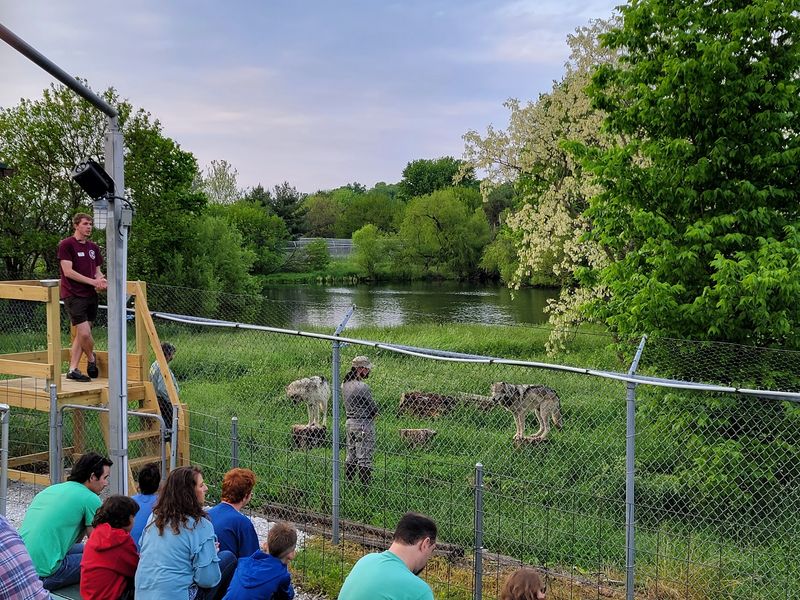
General admission is a nice start, but the guided tour opens up the whole park. You get access to every area and learn the stories behind the animals.
Guides cover behavior and conservation efforts.
General admission covers limited areas. Those include the fox habitats, one wolf habitat, and the Eastern Box Turtle spaces.
A tour adds much closer views of the wolves.
Walkabouts are also offered during the day. Tours are often around an hour long.
Visitors on the Google listing mention seeing most of the wolves, the bison herd, and the foxes on a single outing.
Questions are welcome. One visitor said their tour ran long because they had so many.
The guide was happy to keep answering.
Remember the wolves do their own thing. Some may nap far away in the shade.
A cooler day or an early or late tour can improve your odds.
The staff are upfront about this when you book. That honesty is part of what makes it a real conservation site.
Meet The Wolves Raised By Hand
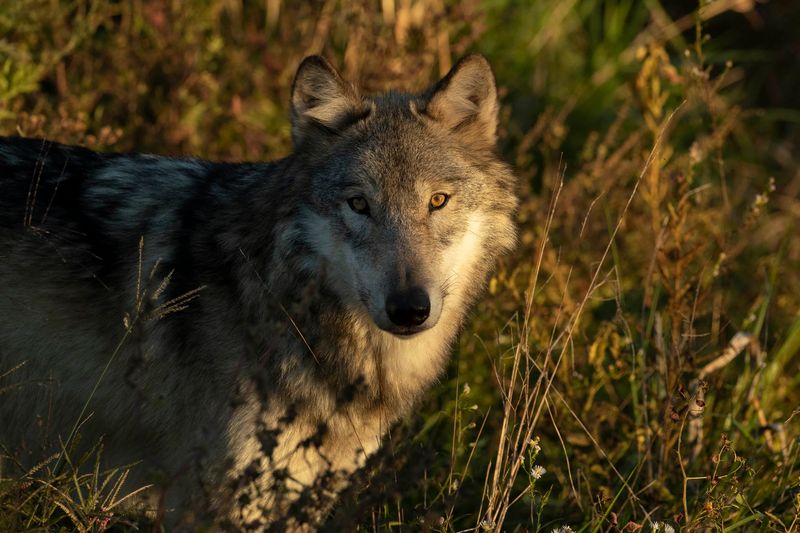
These are gray wolves with a special job. They serve as ambassadors for their wild cousins.
Each one is raised by hand through an intensive process.
That early work has a purpose. It lets researchers watch natural social behavior up close.
Doing the same thing in the wild is very hard.
Visitors have counted about eight wolves on recent tours. Others have seen six in a single visit.
The numbers depend on who comes out to say hello.
Every wolf has its own story. A guide may explain who gets along and who needs space.
One visitor learned that a mother and daughter pair don’t enjoy each other’s company.
Some tours include a little snack time. Keepers have given treats to a pair of wolves while a group watched.
It is a fun way to see how people and wolves work together.
You can’t pet them or take selfies with them. That rule keeps the animals relaxed and the science honest.
Watching from the trail is plenty thrilling.
Foxes, Coyotes, And A Turtle Named Clementine
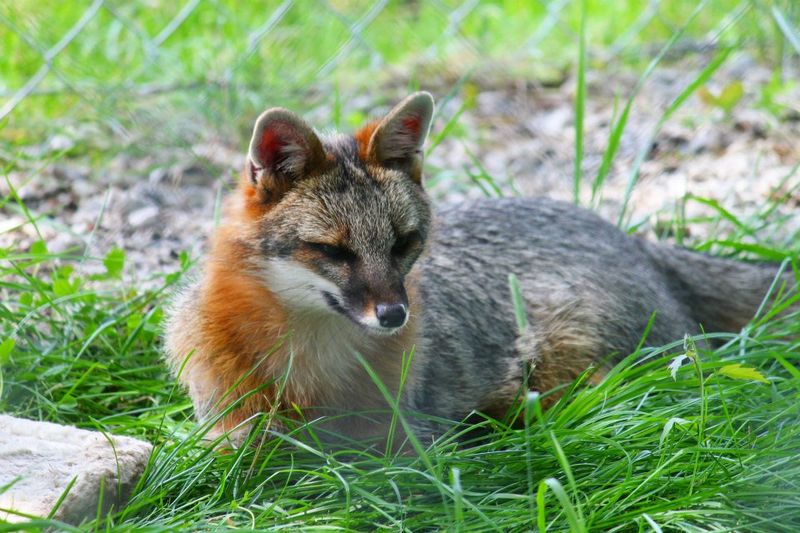
Not every star here is a wolf. Wolf Park also houses red foxes and gray foxes.
Coyotes live here too.
Foxes are included in general admission, so they are an easy stop. On a cold day, the gray foxes may stay tucked in their boxes.
One visitor noted that they don’t like chilly weather.
Then there is Clementine, the turtle. She is an Eastern Box Turtle, and visitors mention her fondly.
The turtle spaces are part of general admission as well.
One visitor also mentioned that the property is home to several endangered bird species in Indiana. That is a nice bonus for anyone who loves a pair of binoculars.
Keep your eyes up as you walk.
Habitats are designed to feel natural. That means animals may sometimes be hiding.
Patience pays off, so linger a little longer at each stop.
Kids often love the smaller residents. A fox peeking around a log can steal the show from a wolf.
Bring a good camera.
The Bison Came In 1982
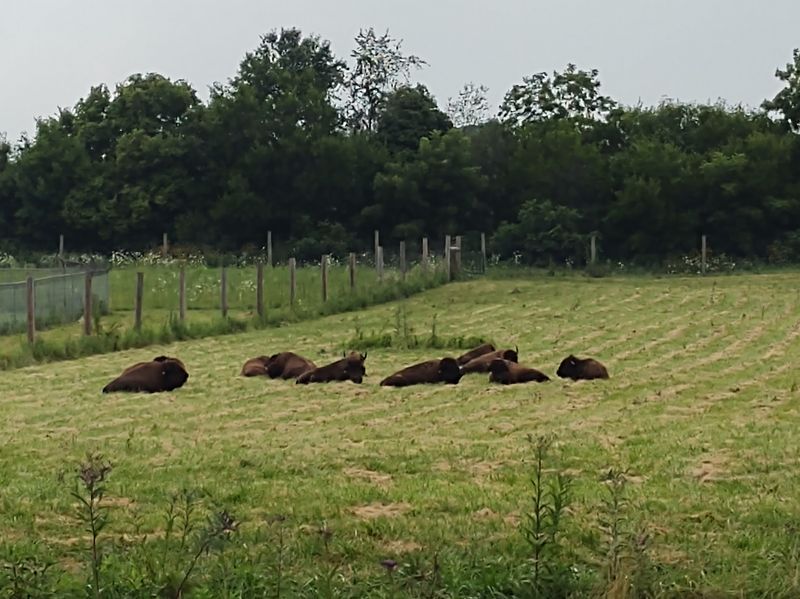
A bison herd lives on the prairie here, and it surprises many first-time visitors. The animals arrived in 1982.
They fit right in with the open grass and old trees.
Bison have a big space to roam. One visitor said they sat for a long while just watching the herd.
That sounds about right for animals that move at their own pace.
Weather changes the show. On a warm summer afternoon, a group was seen cooling off in the water but still active.
On other days, bison may be resting.
The bison are a nice reminder of the prairie story. Wolves and bison once shared North American grasslands.
Seeing both in one place helps tell that story.
A quiet moment by the fence is worth it. Nobody is rushing you.
The herd is big and calm, and the view is wide.
The Observation Deck and the pollinator gardens add more to see. Flat trails make the whole loop easy to walk.
Wear comfortable shoes anyway.
Special Events Fill The Calendar
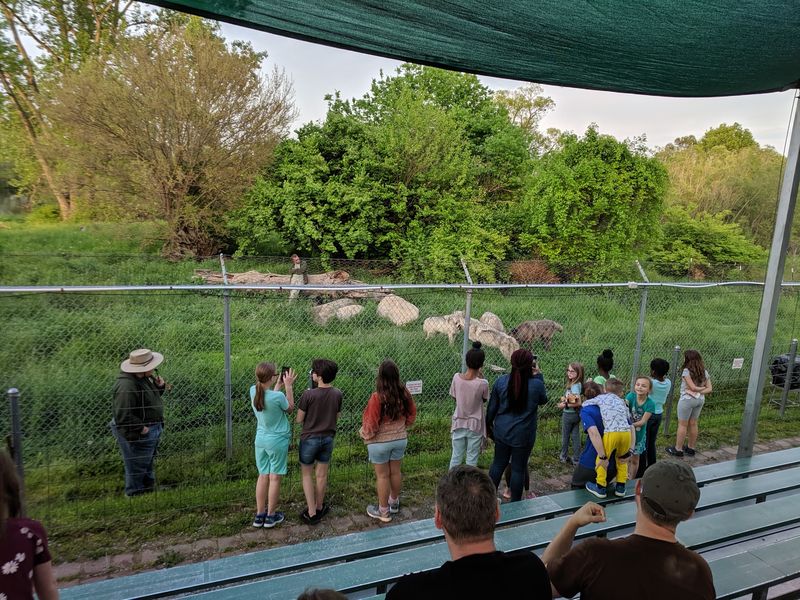
Wolf Park keeps a busy year. Events change with the seasons.
There is always a reason to come back.
Picnic with the Pack happens in July. October brings the Pumpkin Party and Howl-O-Ween.
November has the Turkey Toss, and December features Holiday Howl Nights.
April marks the park’s birthday party. February has a special evening event with wolves.
Check the schedule for details and age rules.
Photographers have options too. Exclusive photography programs and workshops are available, sometimes led by park photographer Monty Sloan.
They offer a chance to capture the wolves in great light.
Workshops and seminars also cover animal behavior and conservation. The park focuses on research and education, so there is plenty to learn.
Adults and kids can both find a program that fits.
Programs often need advance booking. Spots can fill up.
Choose a date early and enjoy the wait.
Plan Your Visit Like A Pro
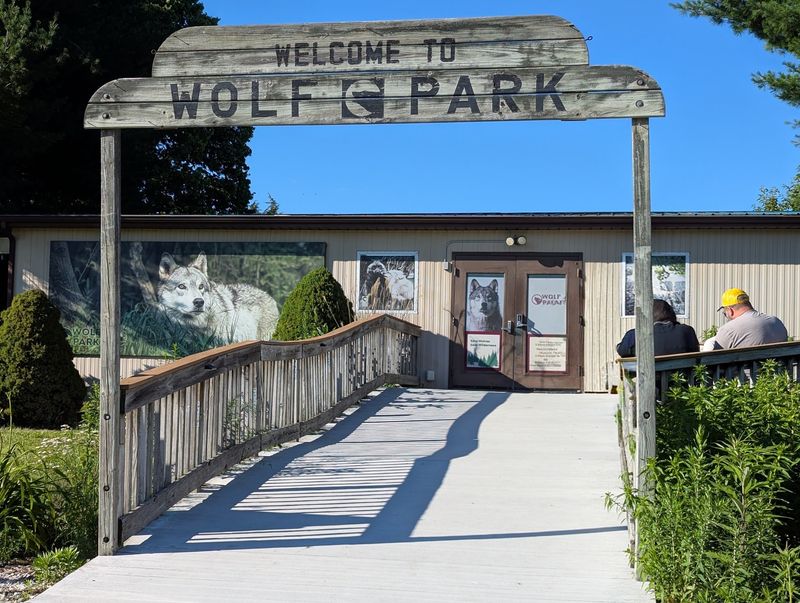
A little planning goes a long way at Wolf Park. Start with the weather.
Wolves are more active when it is cool, so fall, early winter, and early spring are good picks.
The Visitor’s Center has a gift shop with wildlife-inspired items. It is a handy stop for birthday or holiday gifts.
Picnic areas let you eat outside at the tables.
Accessibility matters here. Ramps lead to buildings, restrooms are accessible, and benches line the gravel trails.
Free golf cart help is available with advance notice.
A few rules keep everyone safe. Pets are not allowed.
Smoking and vaping are prohibited.
Hours and programs can change, so check before you go. Tour reservations are strongly encouraged.
A quick call can answer your questions.
Wolf Park is a short drive from Lafayette and West Lafayette. It makes a great day trip from Indianapolis.
Bring a layer, a camera, and your best howl.