
This Indiana Polish Joint Is A Hidden Gem Making Handmade Pierogi Every Day
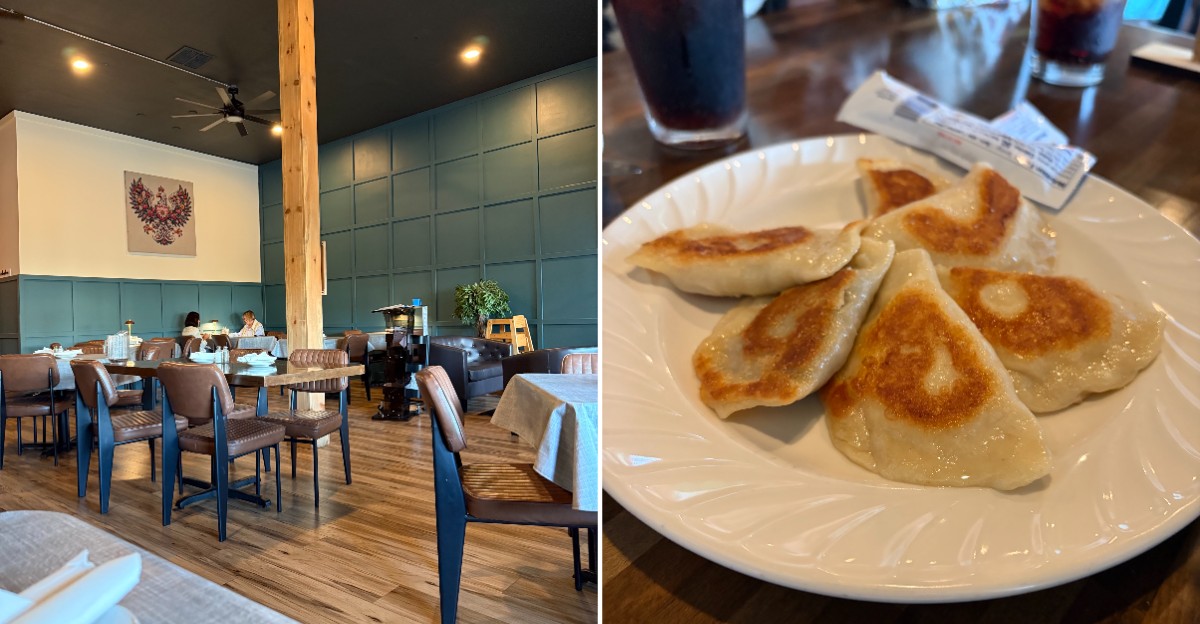
Fingers pinch the dough shut, one pierogi at a time, long before the first customer walks in. An Indiana Polish kitchen keeps that old habit alive every single morning.
Potato and cheese filling gets spooned onto rounds of rolled dough, then sealed by hand. Sauerkraut and mushroom versions wait on the same tray.
Each batch gets boiled, then pan-fried in butter with sweet onions until the edges turn golden. Plates arrive with a dollop of sour cream melting on top.
Kielbasa and cabbage rolls share the menu for anyone who wants a bigger spread. Grandmothers recognize the flavors right away, and younger diners quickly become converts.
Regulars order a dozen to go and stash them in the freezer. Polish recipes stay close to the way families have always made them.
This kitchen proved that a humble dumpling, made by hand and made daily, can feed a whole community.
A Husband And Wife Team With Deep Hometown Roots
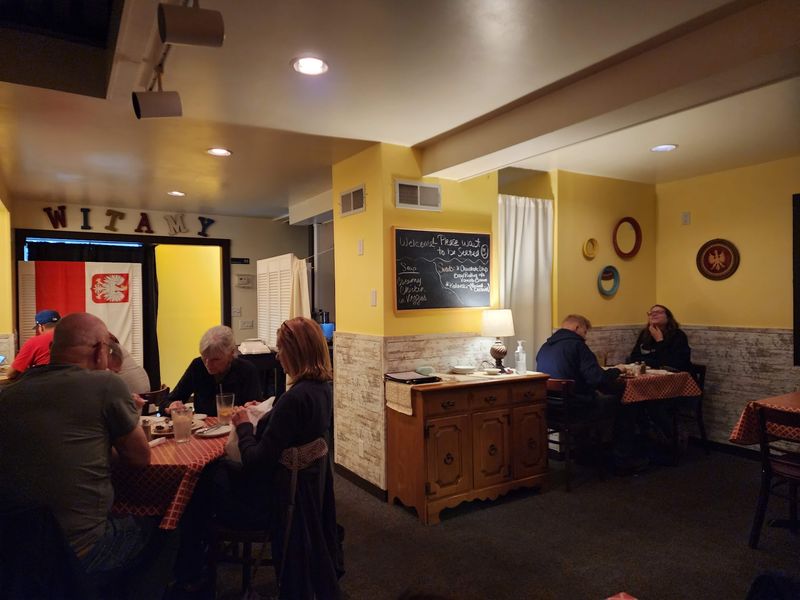
Mark and Amanda Kolasa grew up right here in Michigan City. That hometown connection shows up in everything they do, from the menu to the way they chat with diners.
Their story did not start on Franklin Street. For more than twenty years, the couple ran a spot called Café Elite and Catering, feeding locals at parties, weddings, and family gatherings.
In 2023, they made a big move. They shifted into a larger building and gave their restaurant a new name that matched its heart, Kolasa’s Polish Peasant.
Why the switch? The old space was simply too small for the crowds.
The new home lets more people sit down to eat while keeping the dining room friendly and relaxed.
The bigger kitchen also opened the door for more dishes. That meant extra room for sausage, soups, pastries, and, of course, a mountain of pierogi.
Here is a fun bit of history. The Kolasas wanted to fix a real problem in the region, which was a lack of true Polish cooking nearby.
Plenty of towns have pizza and burgers on every corner. Authentic cabbage rolls made from scratch are a lot harder to find.
So this couple decided to cook the food they grew up loving. It turned out a lot of other people were craving it too.
You can find them at 801 Franklin St, Michigan City, IN 46360.
Hundreds Of Pierogi Folded By Hand Every Day
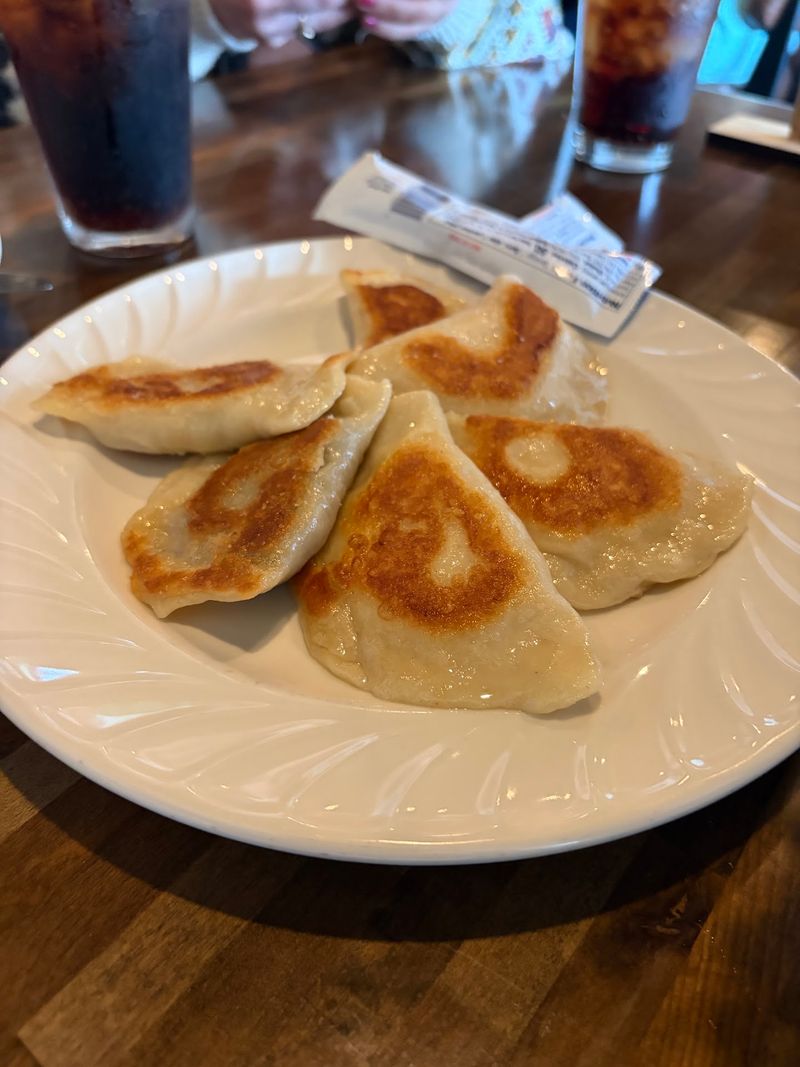
Hundreds. That is how many pierogi come out of this kitchen on a regular day, and the number climbs even higher around the holidays.
No machine does the work here. Each little dumpling gets rolled, filled, pinched, and sealed by hand, which takes real patience and strong fingers.
The dough is the secret star. It is light and delicate, so it does not feel heavy or chewy the way frozen store versions sometimes do.
Fillings cover the classics. Potato and cheese is the crowd favorite, but meat, mushroom, and sauerkraut versions show up on the menu too.
Here is a smart tip for first-timers. Ask about mixing flavors on one plate so you can sample a few styles at once instead of picking just one.
Pierogi have a long history in Poland. Families often make them together for big holidays, especially Christmas Eve, and everyone has an opinion about the right way to fold them.
That tradition is personal for Mark Kolasa. He remembers his grandmother making pierogi on Christmas Eve, and that memory helps guide how the restaurant still makes them today.
Topped with buttery onions, a plate of these feels like a warm hug. Just be warned that stopping at a few might be harder than it sounds.
Leftovers, if any survive, make an excellent lunch the next day.
Competing With Every Polish Grandma In Town
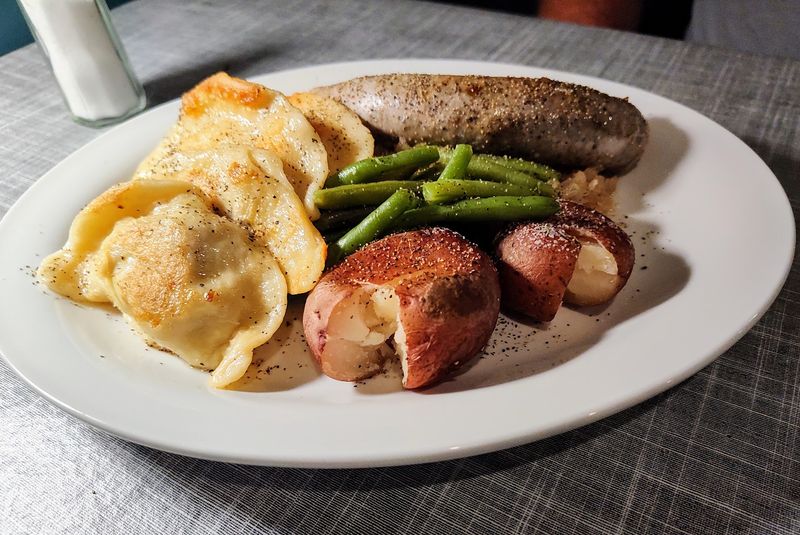
Picture trying to impress a room full of grandmas who have cooked the same recipes for sixty years. That is the challenge Mark Kolasa says his kitchen faces every day.
He has explained that making everything from scratch is the only way to compete with Polish busias. In case you are wondering, busia is a loving word for grandma.
And honestly, grandmas are the toughest food critics alive. They know exactly how stuffed cabbage should taste, and they will not be shy about it.
So the kitchen skips shortcuts. Sausages, sauces, breads, and pastries are all made in-house instead of being pulled from a box or a freezer bag.
That takes a lot more time and effort. It also means the flavors taste homemade, like they came straight out of a family kitchen on a Sunday afternoon.
This approach is also a way of honoring their Polish heritage. Every dish carries a little piece of the culture the Kolasas grew up with.
For anyone with Polish roots, the food can bring back memories of family dinners. For everyone else, it is a tasty lesson in what real comfort cooking means.
Either way, the grandma test is a high bar. Clearing it day after day is something worth celebrating with a second helping of potatoes.
Warm Bread Baskets That Start Things Off Right
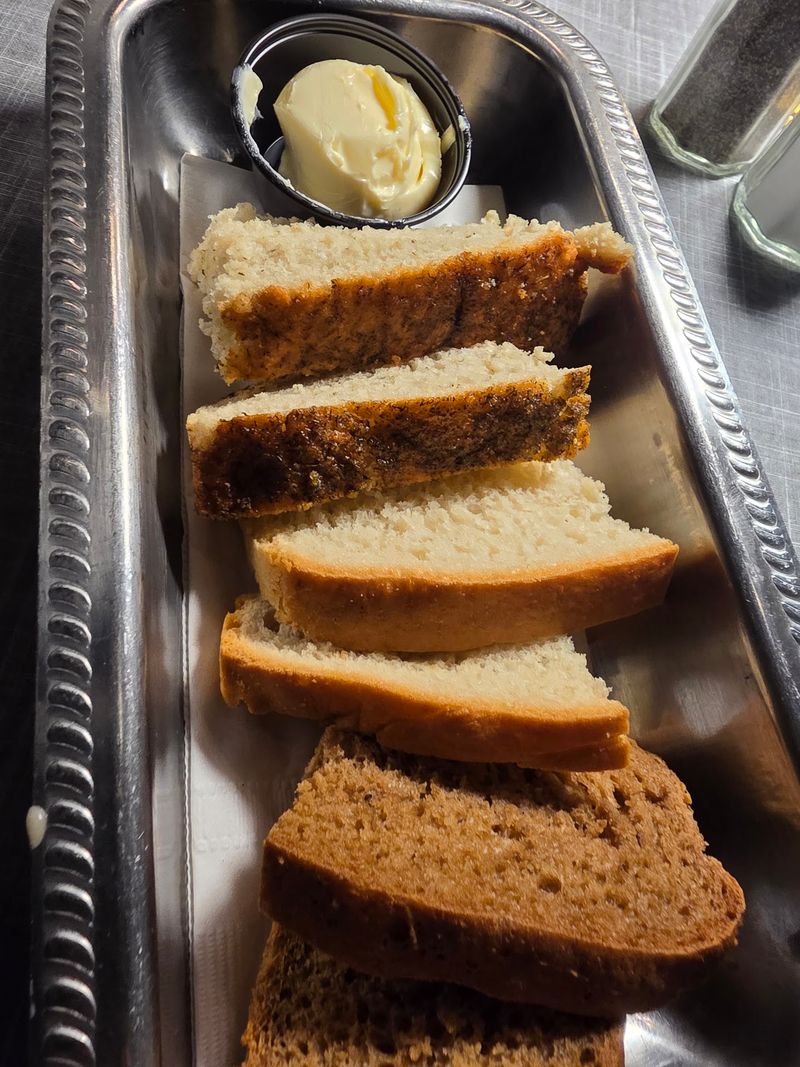
Before any pierogi hit the table, a basket of homemade bread usually shows up first. This is a dangerous moment for anyone trying to save room.
The basket often holds more than one kind of loaf. Rye, wheat, and a slightly sweet bread with herbs like dill or rosemary are all part of the lineup.
That sweet herb bread is a real surprise. It is not something most people find at a typical restaurant, so it tends to win fans quickly.
Toppings make things even better. Plum butter sometimes comes along for the ride, and its fruity sweetness pairs nicely with the darker breads.
Plum butter has deep roots in Polish kitchens. Families have cooked plums down for hours to make thick, rich spreads for generations, especially in late summer.
Other spreads, like apple butter or bacon jam, have also appeared on the table at times. Each one gives the bread a fresh twist.
Here is some friendly advice. Enjoy a slice or two, but pace yourself, because the main dishes are big and filling.
Of course, nobody would blame you for asking about more bread. Some battles with self-control are simply not meant to be won, and warm homemade rye is one of them.
Stuffed Cabbage Kielbasa And Other Classic Plates
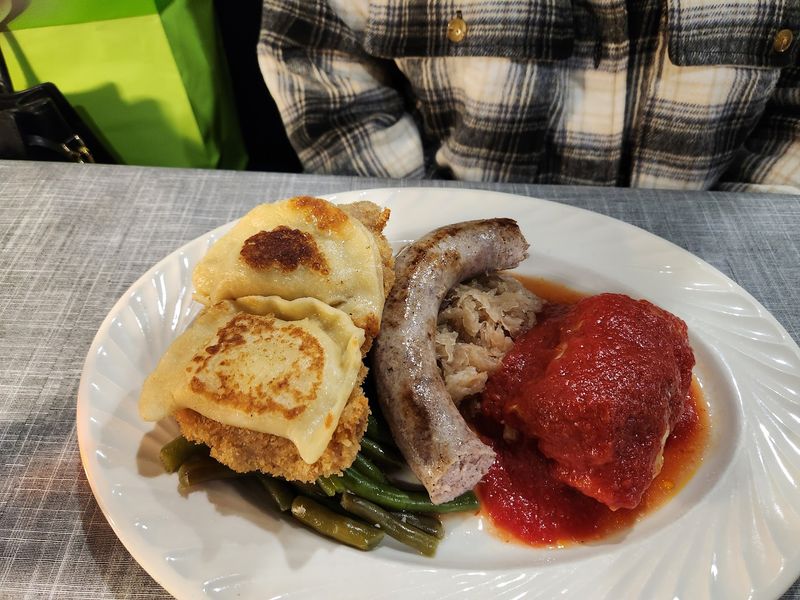
Pierogi may grab the headlines, but the rest of the menu deserves its own spotlight. Think of it as the supporting cast that keeps stealing scenes.
Stuffed cabbage is a big favorite. Tender cabbage leaves get wrapped around a savory filling, then cooked in sauce until everything turns soft and cozy.
Kielbasa is here too, and it is made in-house. Homemade sausage has a fresher, bolder flavor than the kind sold in plastic packages at the grocery store.
Potato cakes, or potato pancakes, are crispy on the outside and fluffy inside. They make a great starter to share around the table.
Want a little of everything? Sampler platters like the Taste of Poland bring several classics together, so you can try pierogi, sausage, and cabbage rolls in one meal.
Portions are big. Many diners split a platter or happily pack up leftovers, so bringing an appetite, and maybe a friend, is a wise move.
Other comfort dishes round things out. Polish meatballs, hunter’s stew, pork cutlets with mushroom sauce, and whitefish dinners all make appearances.
Soups are worth a look as well. Cabbage soup and creamy mushroom soup can turn even mushroom haters into believers, which is a pretty impressive trick for a bowl of broth.
Pretzel Chicken Is The Surprise Hit
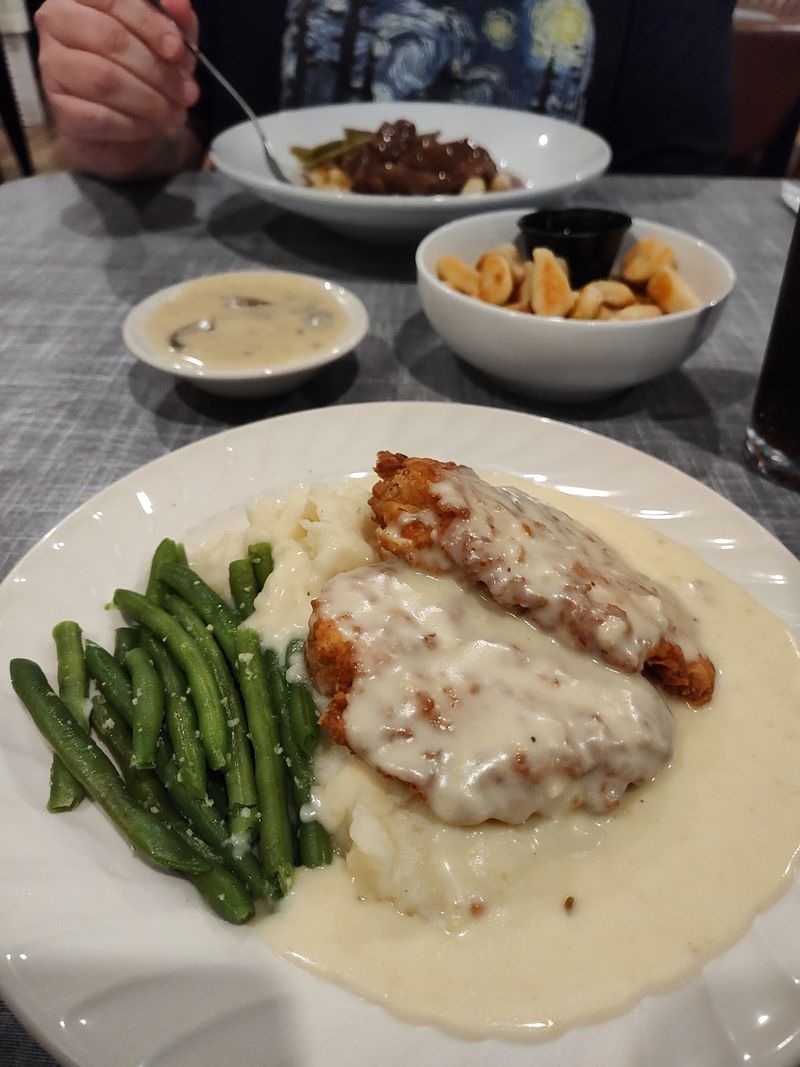
Not everything here is a strict Polish classic. Pretzel chicken is one of the most talked-about dishes on the menu, and it is a fun twist.
The chicken gets coated in a house-made pretzel crust. It is sautéed until golden, then finished with a drizzle of light cream sauce.
That crunchy pretzel coating adds a salty, toasty flavor. It is a bit like your favorite soft pretzel decided to become dinner.
Central European cooking has always loved pretzels and breaded meats. So while this dish feels creative, it still fits right in with the rest of the menu.
For folks who are new to Polish food, pretzel chicken is a friendly starting point. It feels familiar, but it still has a special homemade touch.
Picky eaters at the table? This could be the dish that keeps everyone happy while the adventurous eaters order cabbage rolls.
Other chicken options show up too. A crispy chicken cutlet with lemon butter sauce and a rosemary chicken kopytka dish have earned plenty of attention.
Kopytka, by the way, are small Polish potato dumplings. The name means little hooves, because of their shape, which is a pretty adorable name for something so filling.
Save a little room afterward, though. The dessert menu has its own surprises waiting.
Cozy Rooms And A Little Polka On The Side
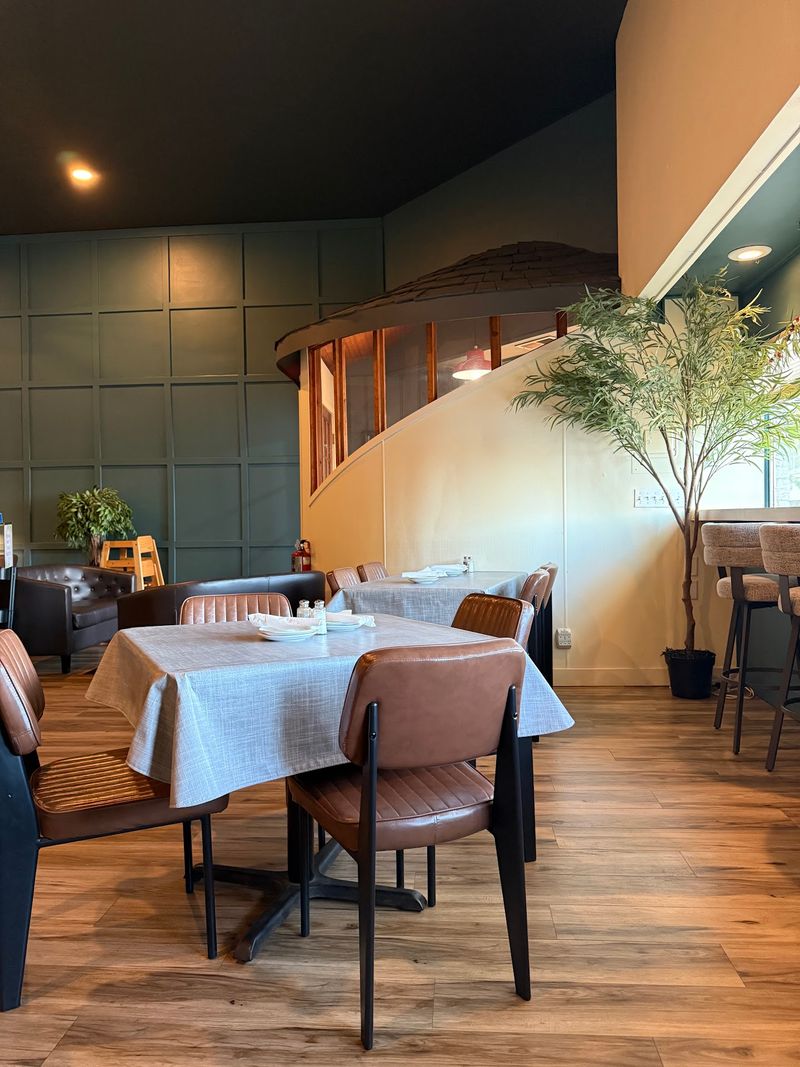
Imagine a dining room that feels like a friend’s house, only someone else does the dishes. That is the mood this restaurant aims for.
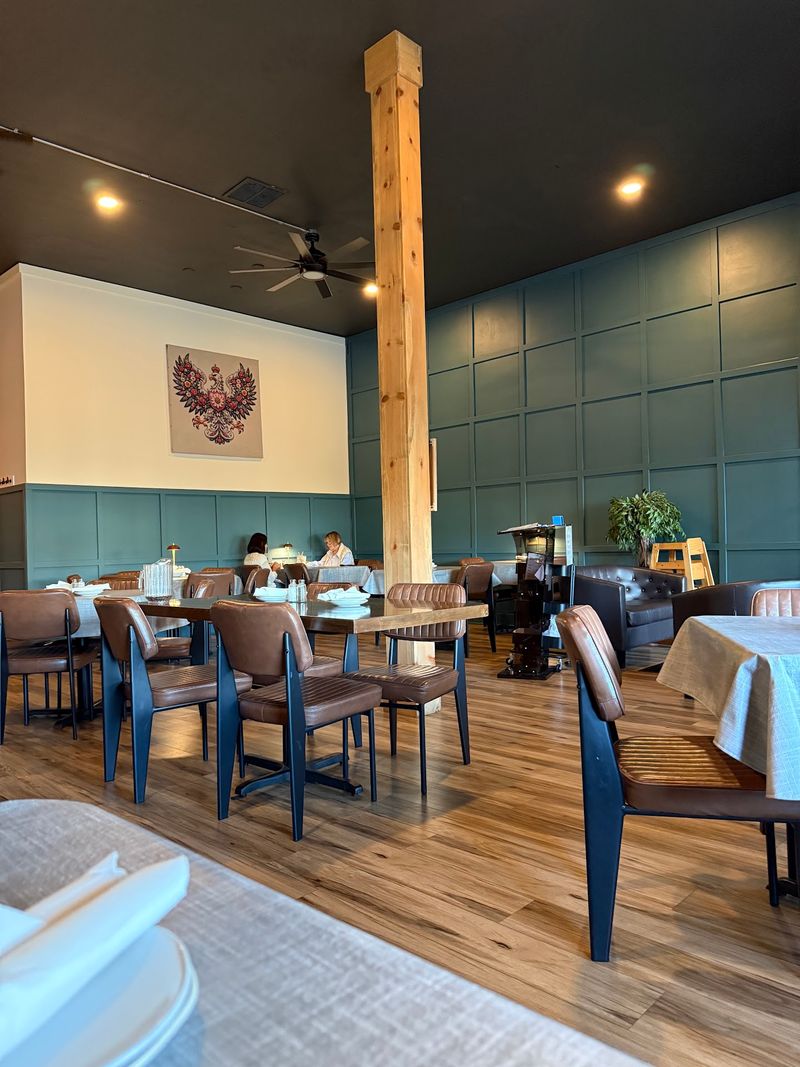
The space is cozy and intimate, even after the move to a bigger building. Soft colors and gentle lighting give it a calm, soothing look without feeling too fancy.
Every so often, polka music plays in the background. It adds a cheerful, old-world touch that fits the pierogi perfectly.
Tables fill up fast. The restaurant has a loyal following, and the room often buzzes with families, birthday groups, and travelers passing through.
Here is a practical tip. Making a reservation is a smart idea, especially on busy evenings, because walk-in seating can be tight.
The owners add a lot to the feeling of the place. Mark and Amanda often stop by tables to chat, which makes a meal feel more like a family dinner.
Patience helps on packed nights. Since everything is made by hand, food can take a little longer when the kitchen is slammed.
Think of that wait as part of the charm. Grab some bread, catch up with your table, and let the polka do its thing.
Nobody rushes a good cabbage roll, after all, and good company makes the time fly.
Giving Back To Michigan City And Its Polish Pride
Good food is only part of the story here. The Kolasas also put a lot of heart into their community outside the kitchen.
They donate food to local shelters. That means some of those homemade meals help people in Michigan City who really need a warm plate.
The couple also helped bring the city’s Polish Heritage Festival back to life. Festivals like this let families celebrate their roots with music, dancing, and plenty of tasty food.
Polish immigrants have a long history in northern Indiana. Many came to the region generations ago to work in factories and on railroads, and their traditions stuck around.
So a restaurant serving scratch-made pierogi is more than a place to eat. It helps keep that history alive for kids and grandkids who might not know it otherwise.
The restaurant is also an active part of the Uptown Arts District. This lively area is full of galleries, murals, and local businesses worth exploring.
Here is a fun plan. Spend an afternoon wandering the arts district, then wrap things up with a hearty Polish dinner.
Supporting a local spot like this does a lot of good. Every pierogi ordered helps a hometown family keep sharing their culture, one dumpling at a time.