
Kids Meet Rescued Bears, Cheetahs And Wolves At This Quiet Wildlife Sanctuary In Nevada
A porcupine named Quillber gets his own feeding demonstration, and a pair of cheetahs can be booked for a meet and greet. Both live at a quiet wildlife sanctuary in the high desert of northern Nevada.
Nobody here performs tricks for a crowd. Black bears, gray wolves, a tiger, and a jaguar live in roomy habitats because most of them can’t safely return to the wild.
Every enclosure has a sign that tells that animal’s rescue story. I like how kids end up reading those backstories like bedtime tales, then firing off a dozen follow-up questions at the nearest keeper.
The trails are dirt, the best feeding times come early, and the gift shop helps cover the animals’ meals. So how does a family turn one modest admission into a whole morning of real wildlife?
A Real Rescue Sanctuary Waits In The Hills North Of Reno
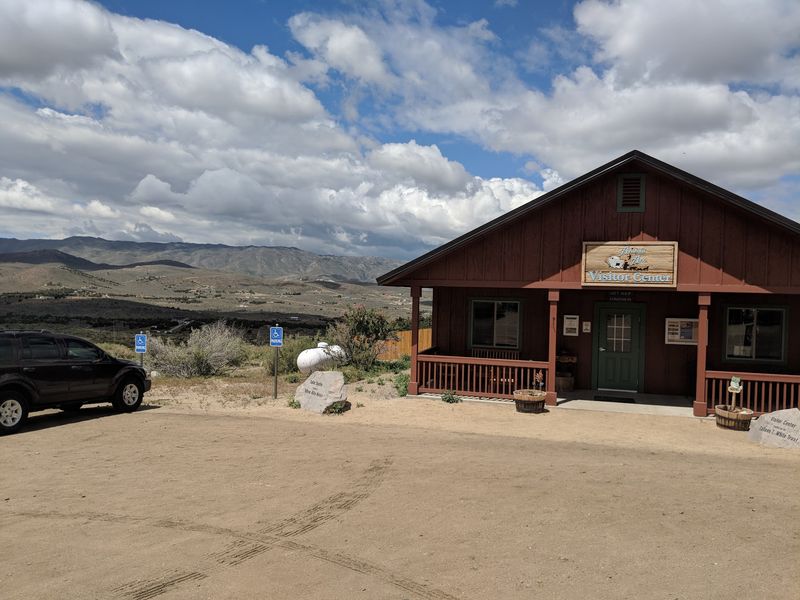
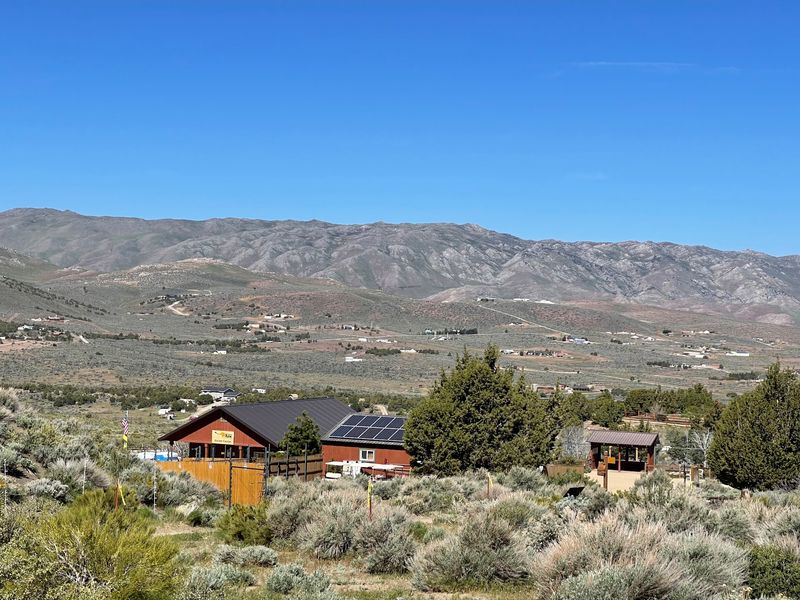
Animal Ark is a nonprofit wildlife sanctuary and education center in the hills north of Reno. It isn’t a theme park, and it isn’t a commercial zoo either.
Instead, it serves as a permanent home for animals that need one. Many residents were rescued, nursed back to health, and kept here because the wild is no longer a safe option for them.
That mission shapes everything about a visit. The pace is slower, the paths wind through open high desert, and the focus stays on learning instead of thrills.
For Nevada families, that makes it a different kind of outing. Kids get face time with bears, big cats, wolves, and birds of prey without the noise of a crowded attraction.
The sanctuary also leans hard into education. Signs, keeper talks, and scheduled feedings turn a simple walk into a lesson about conservation and kindness.
Parents planning a screen-free day will appreciate that combination. Children stay busy, and they often leave with more questions than they arrived with.
Admission is charged at the gate, and the money supports the animals’ care. Prices can change, so check before you head out the door.
Bring curiosity, comfortable shoes, and a little patience. The animals set the schedule here, not the visitors.
Every Resident Comes With A Story Kids Actually Want To Read
Reading usually isn’t the highlight of a family field trip. At this sanctuary, the signs might be the part your kids remember longest.
Each animal has a written backstory explaining how it arrived and why it stays. Some came from rescue situations, while others serve as ambassadors for their species.
That small detail changes how children look at an enclosure. A bear stops being just a bear and becomes a specific animal with a name, a history, and a reason to be here.
Those stories open the door to bigger conversations. Kindness, responsibility, and conservation all come up naturally once kids learn why a wild animal can’t go home.
Staff members add even more context throughout the day. Keepers often share facts and stories near the habitats, and they seem genuinely happy to answer questions from small visitors.
Parents of shy kids can use the signs as an easy icebreaker. Read one together, then let your child ask a keeper the follow-up question.
Younger children may need help with longer passages. Reading aloud works well, and it gives everyone a quick breather between hills.
By the end of the loop, your crew may know more animal biographies than you do. Consider that a parenting win.
Black Bears Are The Headliners, But Chipmunks Keep Stealing The Scene
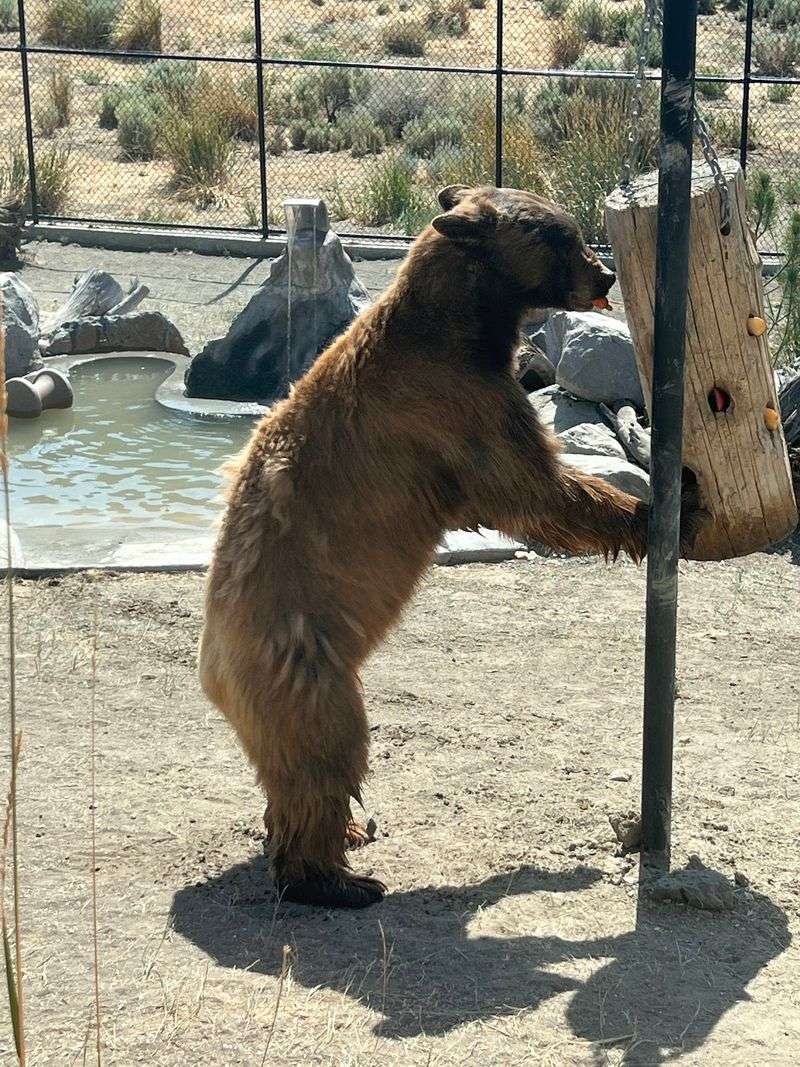
Few animals pull kids to a fence faster than a black bear. Animal Ark has several, and they’re among the most popular residents on the property.
One bear named Eli has become a familiar face to many families. His keeper often shares stories about him, which helps kids connect the animal to the sign they just read.
Bear feedings are a big draw too. Watching these heavy, deliberate eaters work through their food is oddly hypnotic for adults and thrilling for children.
Then come the uninvited guests. Wild chipmunks have been spotted sneaking into the bear habitat and running off with apples meant for the bears.
It’s a tiny heist with enormous comedy value. Kids who spot it will probably narrate the whole caper on the drive home.
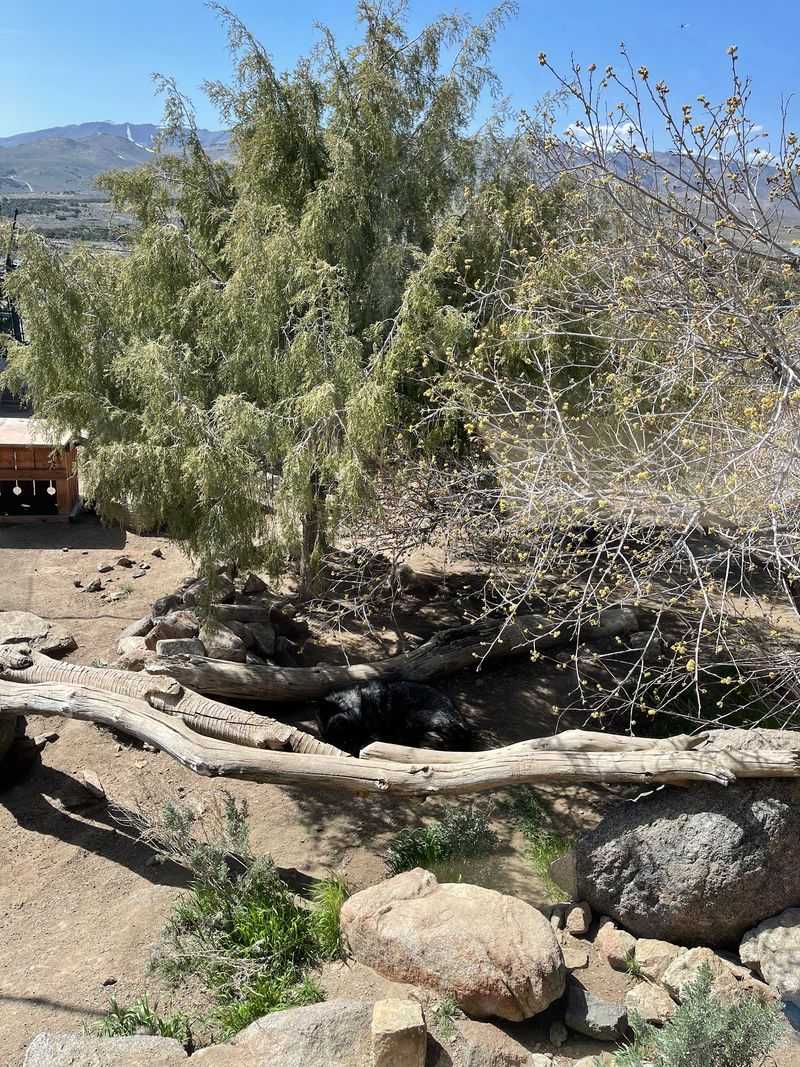
Timing matters with bears, especially in summer. On hot afternoons, they may be stretched out asleep in a shady corner rather than wandering around.
That can still be fun to see, honestly. A snoozing bear is a reminder that these animals live on their own clocks.
For the best shot at action, aim for the morning. Cooler air usually means livelier bears and more chances to catch a snack being served.
Big Cats Bring The Kind Of Wow Kids Talk About For Weeks
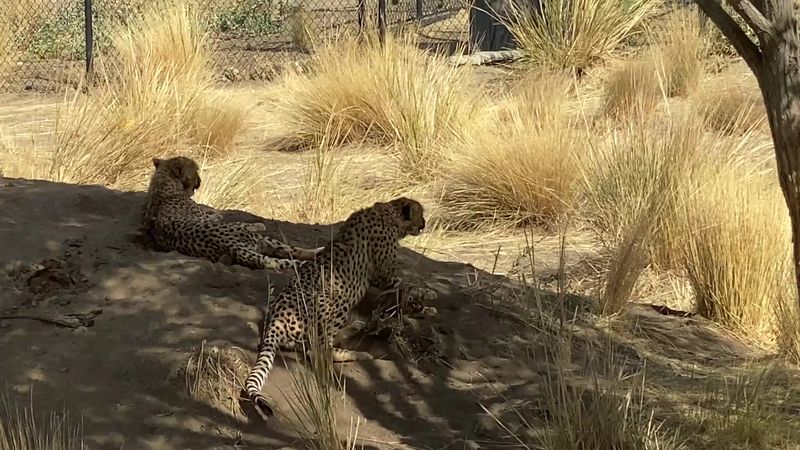
Cheetahs in the Nevada high desert sound like a mix-up. At Animal Ark, they’re very real, and a pair named Jabari and Amani gets plenty of attention.
The big cat lineup goes further than that. A tiger and a jaguar also live at the sanctuary, and both tend to stop kids in their tracks.
The jaguar can be especially striking up close. Viewing areas are near enough that families can get a solid look at markings, whiskers, and that famously serious stare.
Then there’s Zuri, a serval with long legs and oversized ears. Servals are smaller wild cats, and they’re built for pouncing on quick prey.
Zuri has even caught a lizard right at the front of the enclosure. That’s not a scheduled show, of course, just nature doing its thing.
Serval training sessions sometimes happen during the day. Keepers work with the cat while explaining how training supports health checks and daily care.
Kids who love speed will want extra time with the cheetahs. Ask a keeper how fast they can run, then watch your child’s face.
Patience pays off with all the cats. Linger a few minutes, and you may catch a stretch, a stalk, or a slow walk past the fence.
Wolves, Foxes, Raptors And One Very Happy Porcupine
Quillber the porcupine might be the sanctuary’s most charming resident. He’s been seen doing a little happy dance when his keeper arrives with food.
His feeding demonstrations are a sweet stop for younger kids. Porcupines are slower and quirkier than big cats, which makes them easier for small children to follow.
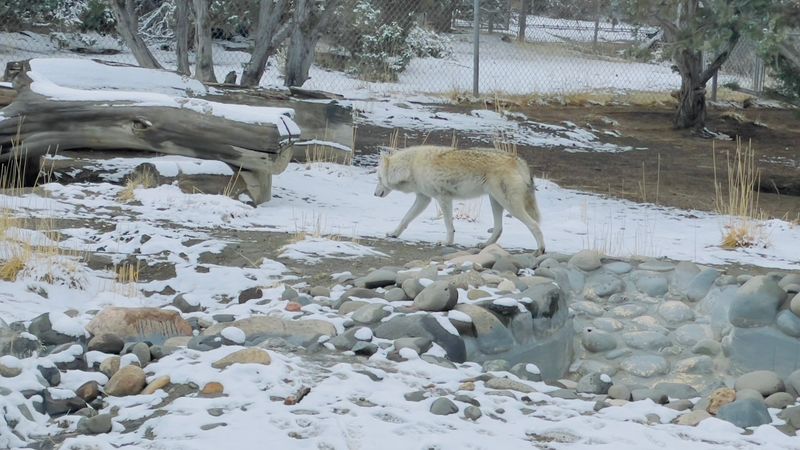
Gray wolves bring a totally different energy. Their habitat often draws families who want to watch the pack move, rest, and check each other out.
Staff and volunteers stationed nearby may share information about the wolves too. Those quick chats add depth that a sign alone can’t offer.
Foxes are another favorite, especially with kids who prefer smaller, sly-looking animals. They’re quick, alert, and fun to spot when they pop into view.
Birds of prey round out the experience. Hawks and eagles live here, and catching a keeper feeding them up close can be a real highlight.
Those raptor feedings feel personal in a way a big zoo rarely manages. Kids see powerful beaks and talons from a comfortable distance.
Variety is the quiet strength of this place. Even a child who shrugs at bears may fall hard for a fox or a feathered hunter.
Morning Feeding Time Is When The Sanctuary Wakes Up
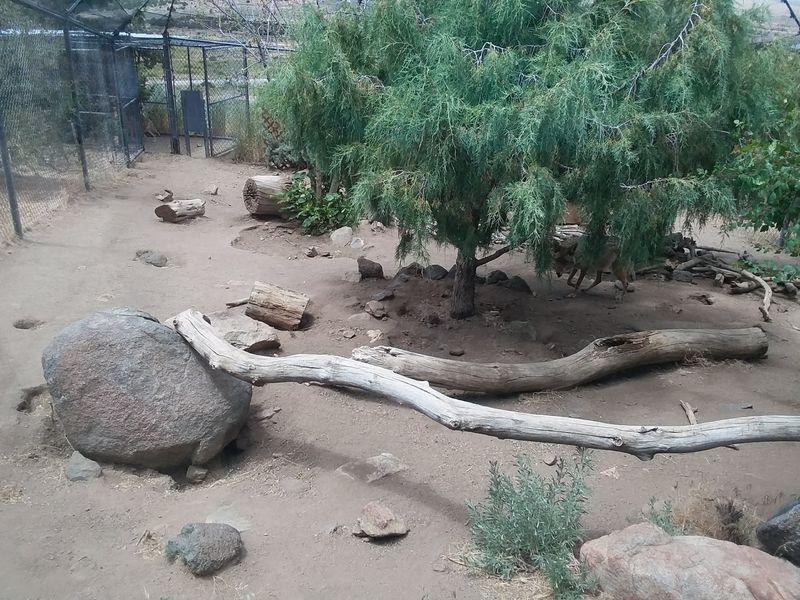
Early birds win at Animal Ark, and the animals agree. Feedings happen near opening time, which is when many residents leave their dens and shady hideouts.
Arriving right at opening gives families the best shot at active animals. On Wednesdays, that means getting there for the morning feeding.
Midday is a different story, especially in summer. Many animals seek cover when the sun climbs, so some enclosures can look empty during the hottest hours.
Nevada heat is no joke in the high desert. The sanctuary has adjusted its hours on scorching days, so check ahead before you leave.
Cloudy days can work in your favor. Cooler weather may keep animals moving longer, giving kids more to see without rushing.
Staff typically hand out a map and a list of the day’s scheduled activities. Grab one at the start, and plan your loop around feedings and talks.
Hats and sunscreen belong in every bag. Shade can be limited on the trails, and little faces burn fast.
A water bottle per person is smart too. The gift shop carries cold drinks, but having your own saves a stop and a few dollars.
Cheetah Meet-And-Greets And Ark At Dark Turn A Visit Into An Event
Regular admission covers plenty. Still, a few special experiences can make a visit feel like a birthday present.
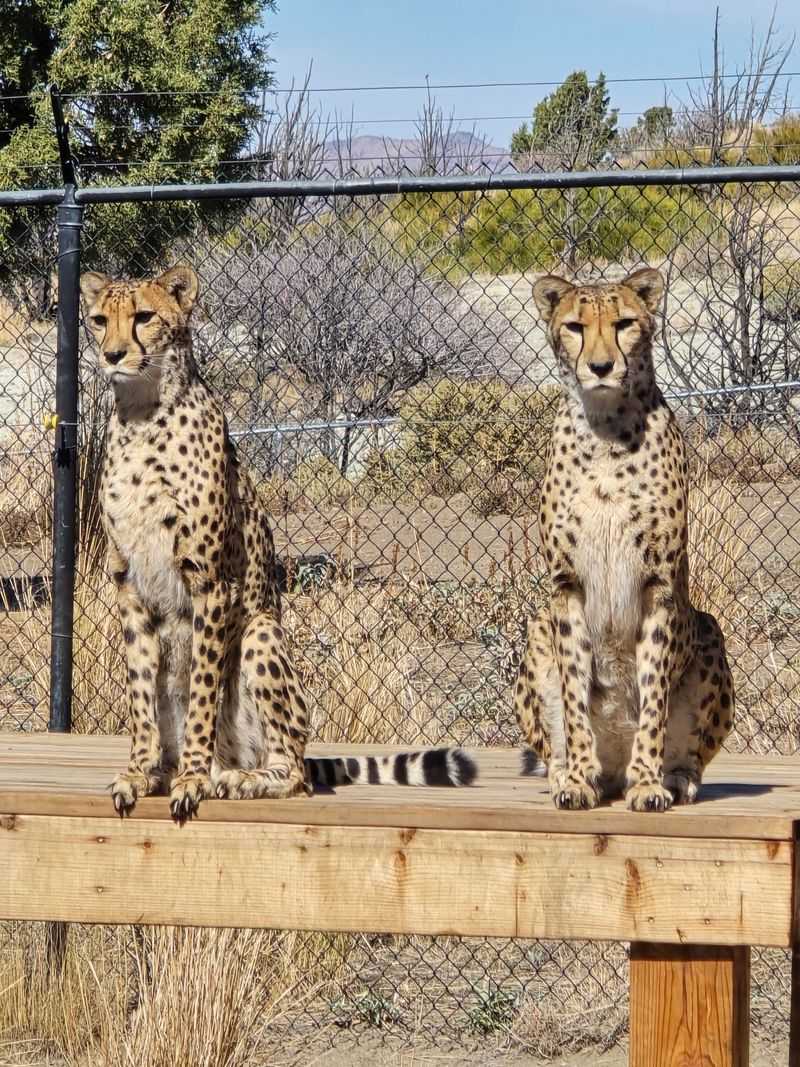
The cheetah meet and greet is the standout. Guests schedule time with Jabari and Amani and their handlers, then watch the cats get fed up close.
Handlers talk about cheetah behavior and conservation during the session. It’s part show, part science class, and kids tend to absorb every word.
Ark at Dark offers a guided tour in the evening. A trainer leads the group, and some animals respond when called by name, which feels a little magical.
Seeing the sanctuary as daylight fades gives it a different mood. Animals that hide at noon may be more active as temperatures drop.
Seasonal events add more family fun. Easter has featured egg hunts every half hour, plus food trucks and animals getting eggs of their own.
An education expo has also brought kid-focused activities to the grounds. Events like these can fill a morning with more than animal viewing.
These extras usually need advance planning and may cost more. Check the schedule and booking details before promising anything to excited kids.
Sturdy Shoes, Steady Hills And Golf Carts For Easier Exploring
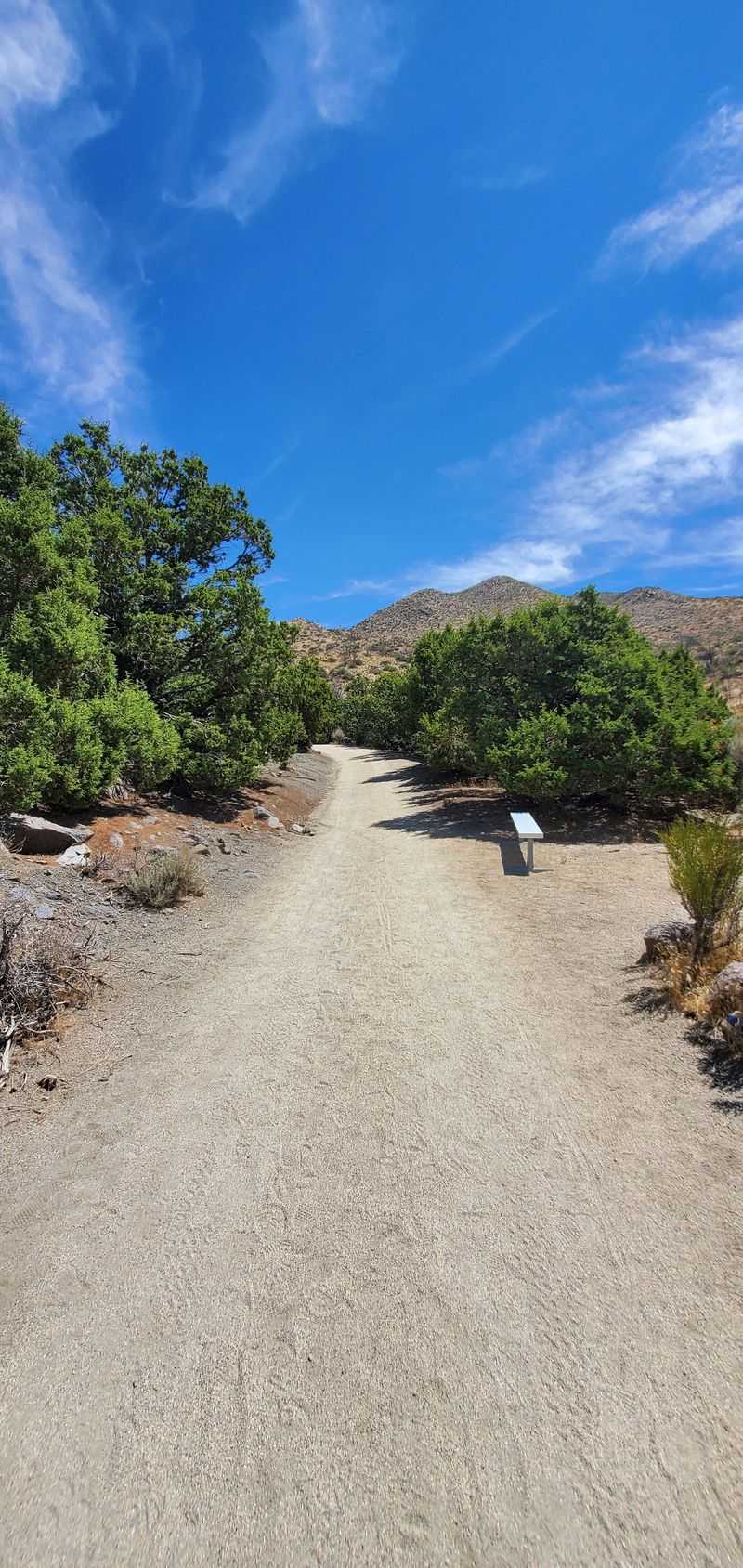
Leave the flimsy stroller in the trunk. The trails here are dirt and gravel, and some stretches climb steeply.
That terrain gives the place its natural feel. It also turns a visit into a decent workout, especially for little legs.
Benches line the walking paths, which helps a lot. Kids can rest, grab a snack, and watch animals without everyone hovering at the fence.
Wide trails can handle a sturdy stroller in many areas. Still, heavy-duty sneakers or boots are the safer bet for the whole family.
Grandparents and guests with mobility challenges have a great option. Animal Ark rents golf carts, and the rates are considered reasonable.
Bring a disability parking placard as proof when renting one. The carts are easy to drive and can make the full loop possible for someone who can’t walk far.
That accessibility makes this a solid multigenerational outing. A great-grandparent and a preschooler can see the same bears on the same morning.
Winter visits bring their own adventure, since snow can blanket the trails. Dress in layers, pack dry socks, and expect tired but happy feet afterward.
Picnic Tables, A Playground And A Gift Shop That Feeds The Animals
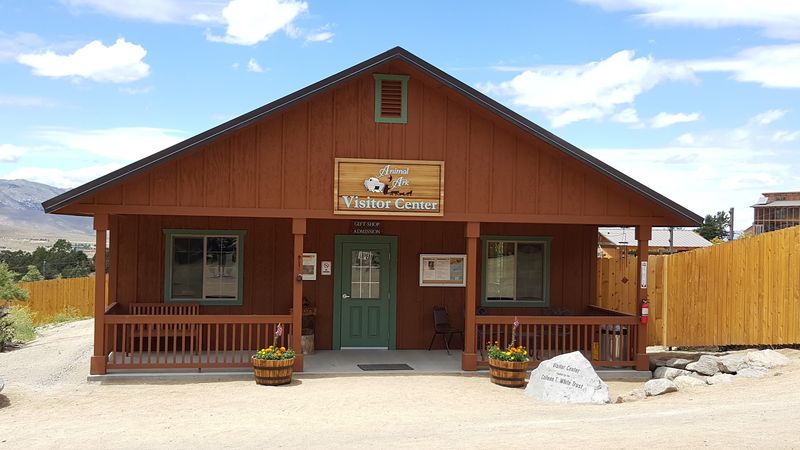
Lunch from home stretches a family budget further than almost anything. Animal Ark makes that easy with picnic tables on site.
Pack sandwiches, fruit, and plenty of water. Eating outdoors between animal stops keeps everyone fueled without a pricey restaurant detour.
Kids who still have energy after the trails get a bonus. A playground gives them space to burn off whatever the hills didn’t.
Parents can sit for a few minutes while the climbers climb. That small break can stretch the outing well into the afternoon.
Restrooms have real flush toilets, which matters more than any brochure admits. Families with toddlers will appreciate that detail immediately.
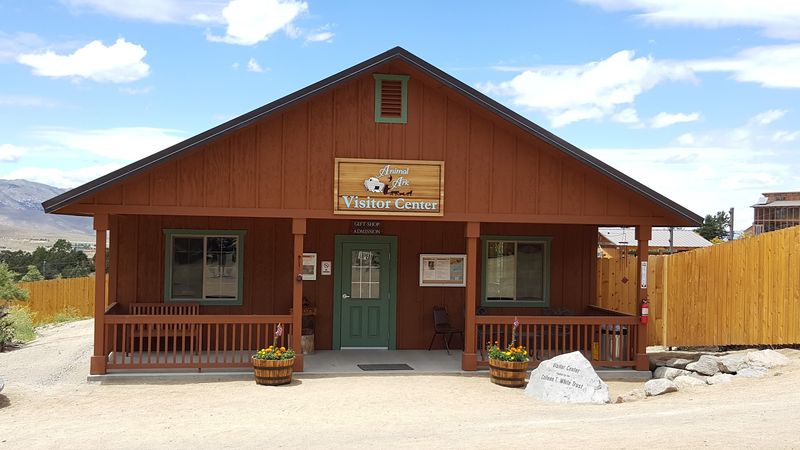
The visitor center doubles as a gift shop. Expect animal souvenirs, clothing, toys, and plenty of plush temptation for little hands.
Purchases help support the animals’ care. Letting kids choose one small item turns a souvenir into a tiny donation.
Cold drinks are available for purchase too. Set a gift shop budget before you arrive, though, because those cuddly cheetahs are persuasive.
Plan Around A Short Weekly Schedule And Bring Your Own Wheels
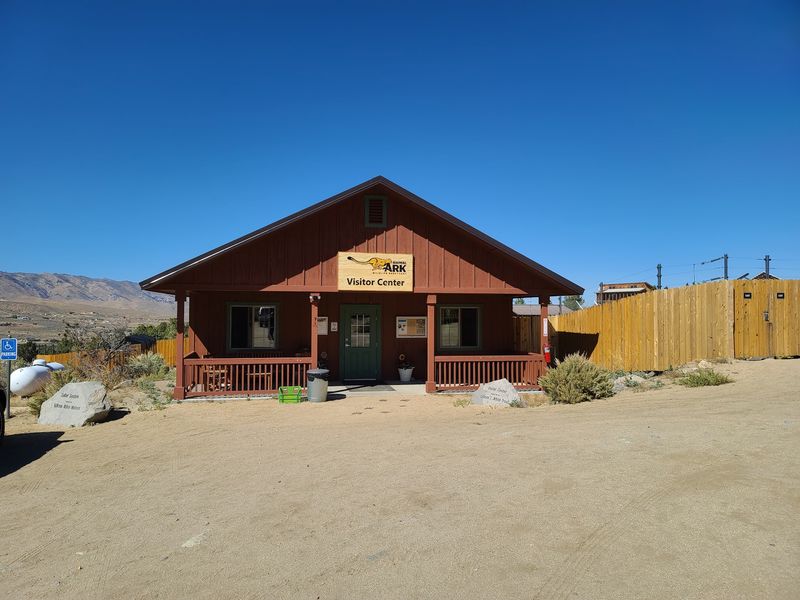
Mark the calendar carefully, because this isn’t a seven-day operation. Animal Ark sits at 1265 Deerlodge Rd, Reno, NV 89508.
Current listed hours run Wednesday from 10 AM to 4:30 PM. Saturday and Sunday hours run from 11 AM to 3 PM.
The sanctuary is listed as closed Monday, Tuesday, Thursday, and Friday. Schedules can shift with weather and season, so confirm before you drive.
Summer heat has led to adjusted hours before. A quick check that morning can save a long, disappointing trip.
Getting there requires a car. Rideshare drop-offs are possible, but finding a ride back from this rural spot can be very difficult.
Drive yourself or travel with someone who can. That simple step avoids an awkward wait at the end of a fun day.
Plan on about two hours for a relaxed loop. Families who linger at feedings and the playground can easily spend three or four.
That makes it a realistic half-day trip from Reno or Carson City. Pair it with a picnic, and the whole outing stays affordable.
A Wild Morning That Teaches Kids Something Big
Some outings entertain kids for an afternoon. Animal Ark tends to give them something to think about for much longer.
Every animal here carries a story about being rescued or representing its species. Those stories teach empathy in a way no lecture from a parent ever could.
The setting stays refreshingly low-key. No flashing lights, no loud rides, just dusty trails, roomy habitats, and keepers who clearly care.
That calm pace suits grandparents and toddlers alike. Golf carts, benches, and picnic tables help every generation enjoy the same experience.
For budget-minded Nevada families, the value adds up. One admission, a packed lunch, and a full tank of gas can cover a memorable half day.
Every dollar spent also supports animal care. Kids leave knowing their visit helped feed a bear or a wolf, which feels pretty great.
Go early, wear sturdy shoes, and bring water. Check hours first, especially in summer or during wildfire season.
Then let the cheetahs, chipmunks, and one dancing porcupine handle the rest. Odds are good your kids will ask when they can come back.