
Families Make These 6 Mistakes At Nevada Hot Springs And Waste The Whole Drive
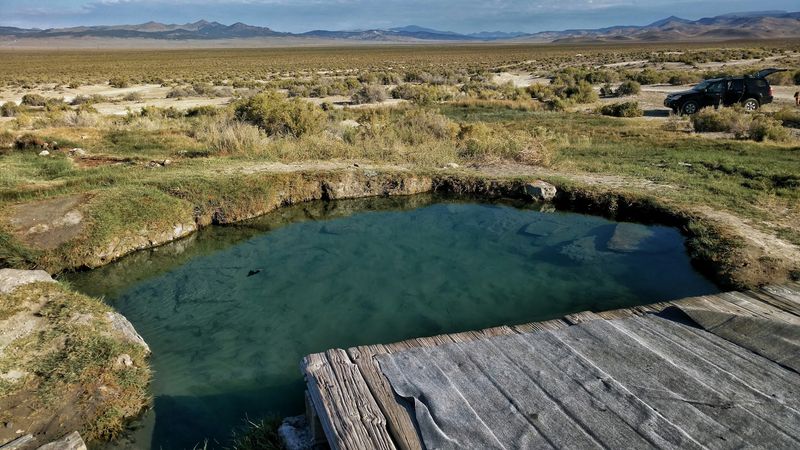
Water comes out of the ground in Nevada hot enough to need zero heaters, zero chemicals, and zero help from the city. At one developed spot, the pools get drained and refilled with fresh mineral water on a regular schedule.
The wild springs are even more surprising. One source in the Black Rock Desert has been measured near 187 degrees.
That’s about as hot as fresh coffee, and it bubbles right out of open ground.
I love that a family can soak with snow on distant peaks one weekend and splash in a desert creek the next. Kids tend to treat these places like giant outdoor bathtubs, and honestly, I get it.
Still, a few small slipups can turn a long scenic drive into a long, soggy, grumpy ride home. Which mistakes catch families most often, and how do you dodge them?
1. Guessing The Water Temperature
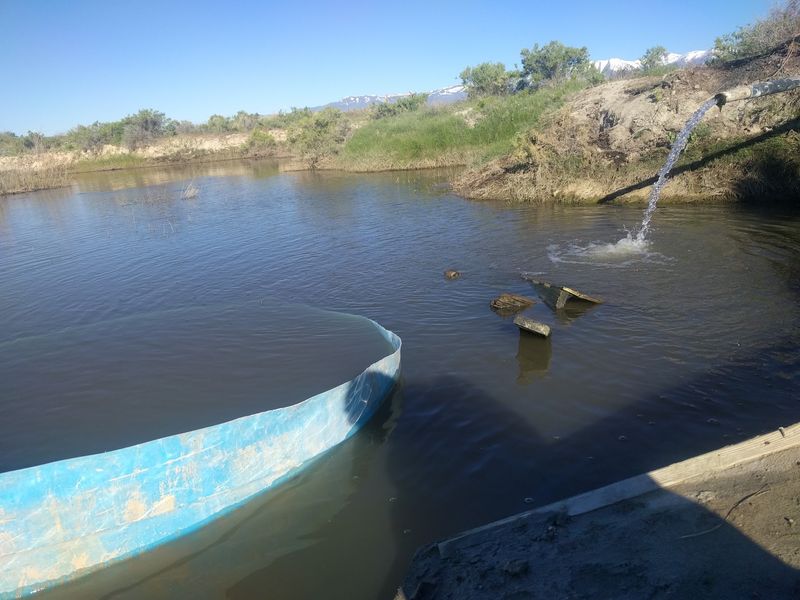
Steam doesn’t come with a thermometer, which is a shame for parents. Nevada spring sources can top 150 degrees Fahrenheit, and some climb past 180.
Clear water looks the same at 98 degrees as it does at 140. Your eyes simply can’t tell the difference, and neither can a curious seven-year-old.
Paradise Valley Hot Spring in Humboldt County shows how sneaky this gets. The source runs very hot, then cools as it flows into soaking tubs.
Even after that cooling, some tubs may sit around 110 degrees. That’s often too hot for kids and too hot for long adult soaks, too.
Keep little hands far from the spot where the water first leaves the ground. A cheap pool thermometer from a hardware store can save you a scary moment.
Short soaks work best for younger children. Try a few minutes in, then a break on the edge to cool down and sip some water.
Watch for flushed cheeks, dizziness, or a kid who suddenly turns cranky. Those are good signs it’s time to climb out for a while.
Road access to remote springs can change after storms. Check with the local BLM office before you pack the car.
Address: Paradise Valley area, Humboldt County, Nevada
2. Ignoring Water Quality Warnings
A pretty pool can still carry a pretty ugly surprise. Hot water may look clean, yet some natural springs can host bacteria and amoebas you’d never spot.
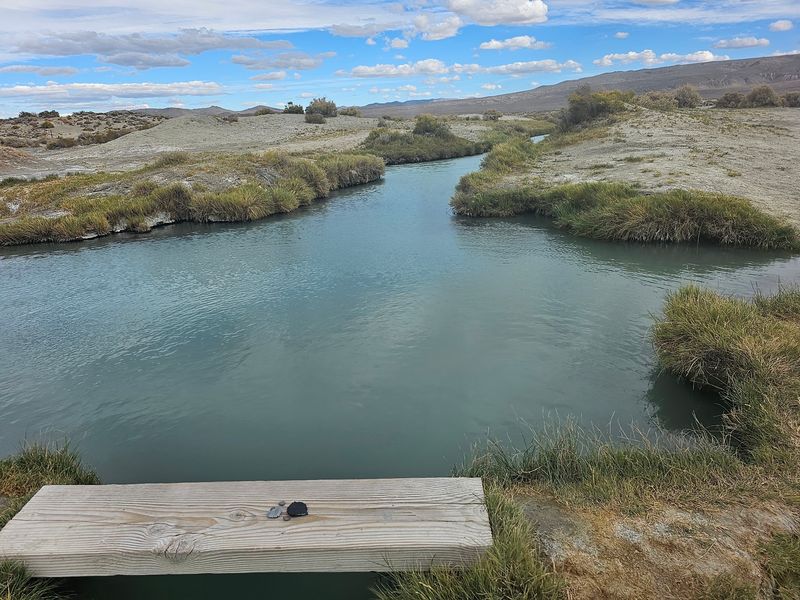
Trego Hot Springs in the Black Rock Desert is a clear example in Nevada. The Bureau of Land Management has posted an advisory against bathing or any contact with the water.
Water testing there turned up E. coli, fecal coliforms, and Vibrio cholerae. That’s a list no parent wants anywhere near a splashing toddler.
Heat adds another layer of trouble at this site. The source has been reported near 187 degrees, and the channel downstream can still run about 90 to 100.
So what’s a family to do with that information? Check the managing agency’s alerts before you leave town, not after you’ve driven three hours.
A good habit helps at any wild spring, too. Keep your head above water, and don’t let kids dunk or drink, since amoebas can enter through the nose.
Bring a jug of fresh water for a quick rinse afterward. Clean hands before snacks are a small step that pays off on the ride home.
Address: Trego Hot Springs, Black Rock Desert, near Gerlach, Pershing County, Nevada
3. Expecting Resort Comforts At Wild Springs
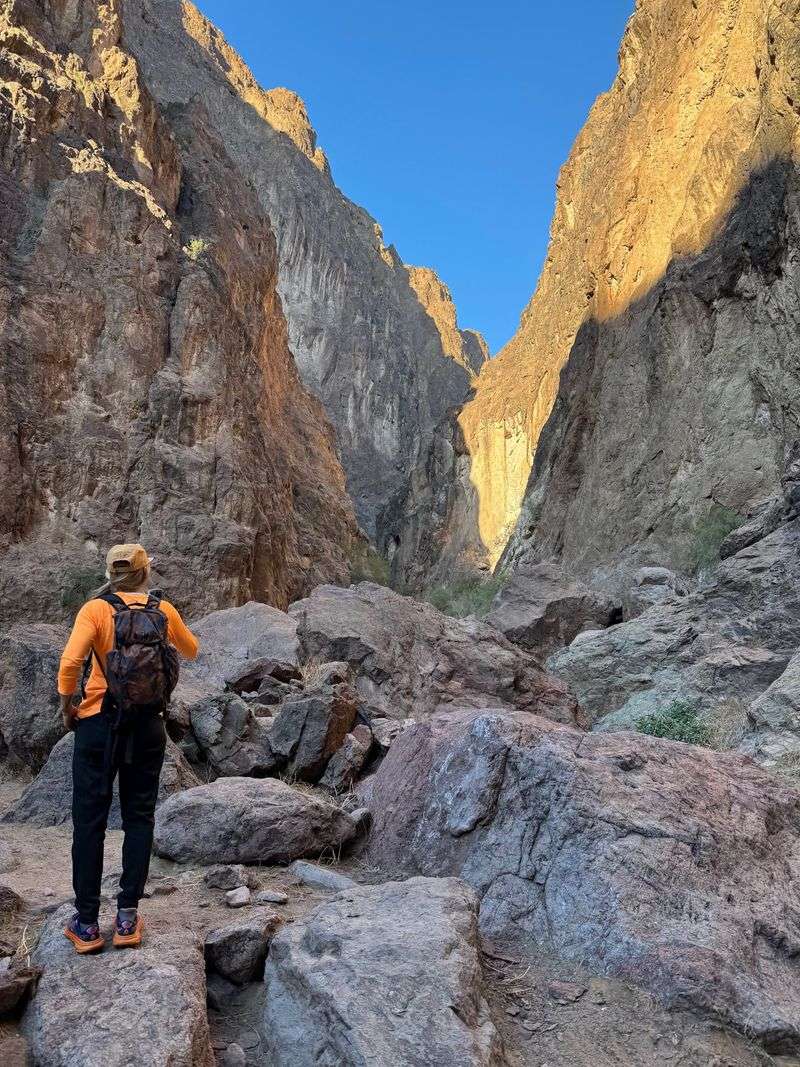
Pool noodles won’t help much on a route with seven dry falls. Goldstrike Canyon Hot Springs, inside Lake Mead National Recreation Area, demands real scrambling to reach its pools.
The canyon route is unmaintained and strenuous. Hikers describe boulder climbs, fixed ropes, and a tall ladder section along the way.
That’s a big ask for short legs and tired parents carrying towels. It’s also a long way back out once everyone is soaked and sleepy.
Wild springs in Nevada rarely offer toilets, changing rooms, or trash cans. Goldstrike has no restrooms, so human waste must be packed out.
Summer brings another rule that catches visitors off guard. The park has closed its hot springs trails during the hottest months, typically mid-May through September, because of extreme heat.
Teens who love a challenge might find this hike thrilling in cooler months. Younger kids usually do better at a developed pool with a snack bar nearby.
Pack sturdy shoes, gloves, plenty of water, and a bag for waste. Tell someone your route and your expected return time before you start.
Cell signal can be spotty in desert canyons. Download a map before you lose bars near the trailhead.
Address: Lake Mead National Recreation Area, near Boulder City, Nevada
4. Forgetting Hot Spring Etiquette
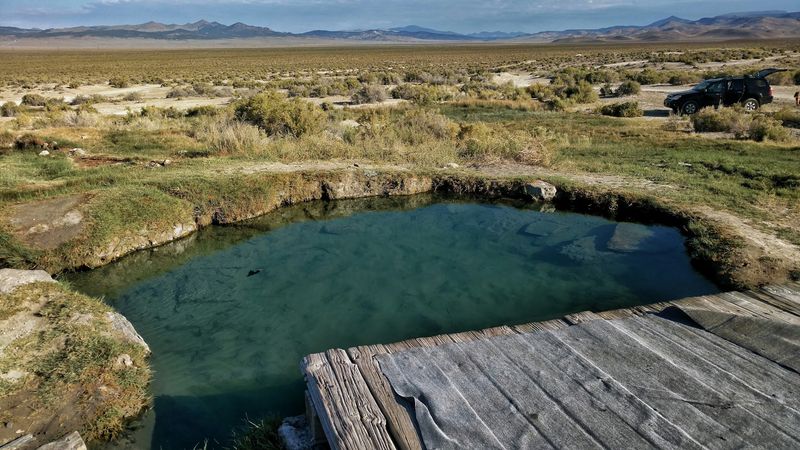
Cannonballs are fun at the community pool, less so in a shared desert tub. Spencer Hot Springs near Austin draws soakers who come for quiet and sweeping valley views.
The site sits on public land with several small pools and no facilities. Nobody’s on duty, so the mood depends on how visitors treat each other.
Kids don’t need to whisper the whole time. Still, loud games, big splashes, and shrieking contests can sour things fast for strangers sharing the water.
Try a quick family huddle in the car before anyone hops out. Agree on inside voices, gentle entries, and a fair share of tub time.
If a pool is crowded, wait your turn or check another one nearby. A friendly hello and a little elbow room go a long way.
Trash is the other big etiquette miss. Whatever you carry in, from juice pouches to snack wrappers, should ride home with you.
Glass containers are a bad idea around any soaking area. One broken bottle can make a pool unusable for bare feet.
Budget-minded families in Nevada get a nice bonus here. Primitive BLM springs like this one typically charge no entry fee.
Address: Spencer Hot Springs, off Highway 376, near Austin, Nevada
5. Skipping The Weather And Sun Plan
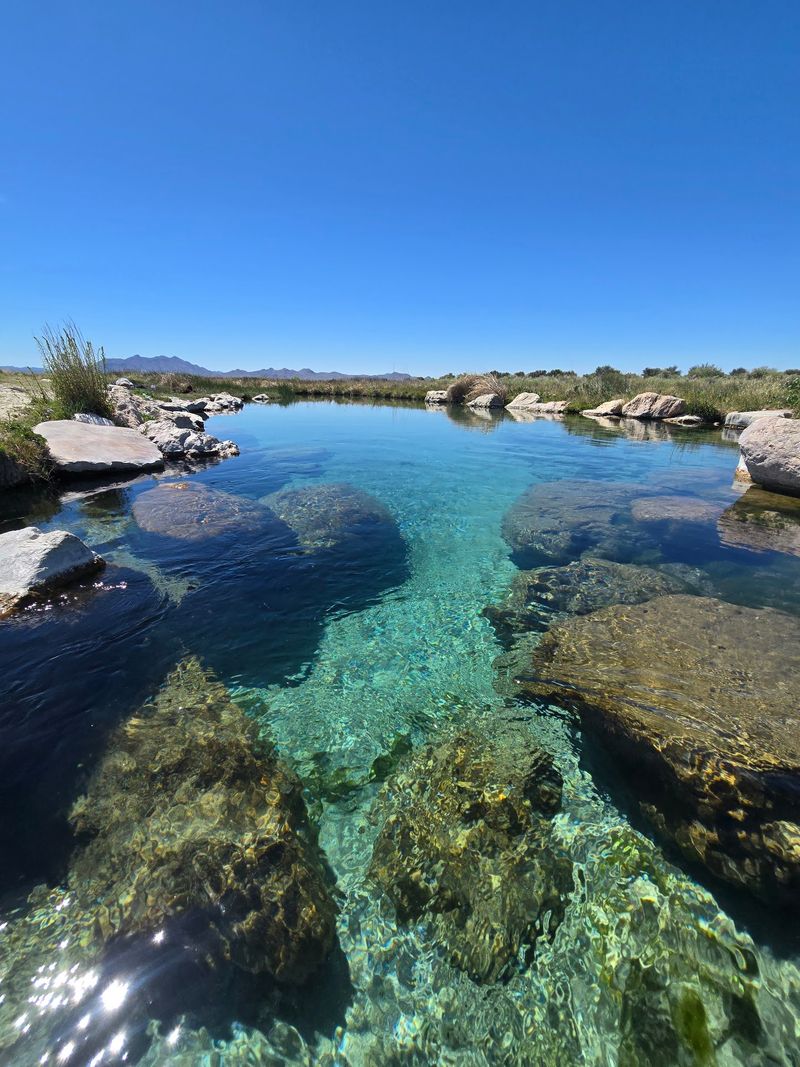
Soaking feels great right up until you step out into 50-degree air. Hot Springs Creek near Lund in eastern Nevada is known for clear, comfortable water that suits kids.
Families often enjoy it even on chilly days. The catch comes when wet bodies meet a cold breeze.
That sudden chill can turn happy swimmers into shivering, grumpy passengers. Keep robes or big towels within arm’s reach, not back in the trunk.
Desert sun brings its own problems on the opposite end. Many Nevada springs offer zero shade, and high elevation can make sunburn sneak up faster.
Sunscreen, hats, and sunglasses belong in the bag before the snacks do. A pop-up canopy may help if you plan to stay for a few hours.
Dehydration is easy to miss when you’re sitting in water. Hot soaks make you sweat, so offer drinks every 15 minutes or so.
Check the forecast for wind and storms before you leave. Dirt roads in rural areas can get rough fast after rain.
Dry socks and a thermos of cocoa make the ride home much happier. Toss in a spare set of clothes for the kid who always slips.
Address: Hot Springs Creek, near Lund, White Pine County, Nevada
6. Showing Up Without Checking Hours And Fees
A locked gate can deflate a car full of kids in seconds. Carson Hot Springs, a longtime geothermal resort in the state capital, keeps set hours and charges admission.
Posted hours have been 8 a.m. to 9 p.m. daily. Those times can shift, so confirm before you leave Reno or Lake Tahoe.
The setup feels very different from a wild creek. Four outdoor pools hold water at varying temperatures, and private indoor soaking rooms are available too.
There’s also a sauna and an on-site restaurant for hungry swimmers. That makes it an easy pick for a half-day outing with younger kids.
The mineral water arrives hot enough that no heater or chemicals are needed. Pools are drained and refilled with fresh spring water on a regular schedule.
Friday and Saturday evenings tend to get busy. A weekday morning visit may give your crew more room to splash.
Policies for children, private rooms, and reservations can change. A quick look before the drive beats a long wait at the front desk.
Bring flip-flops and a plastic bag for wet suits. Your car seats will thank you on the way home.
Address: 1500 Old Hot Springs Road, Carson City, NV 89706