
Locals Say This South Dakota College Town Is The Most Livable Spot In The Midwest
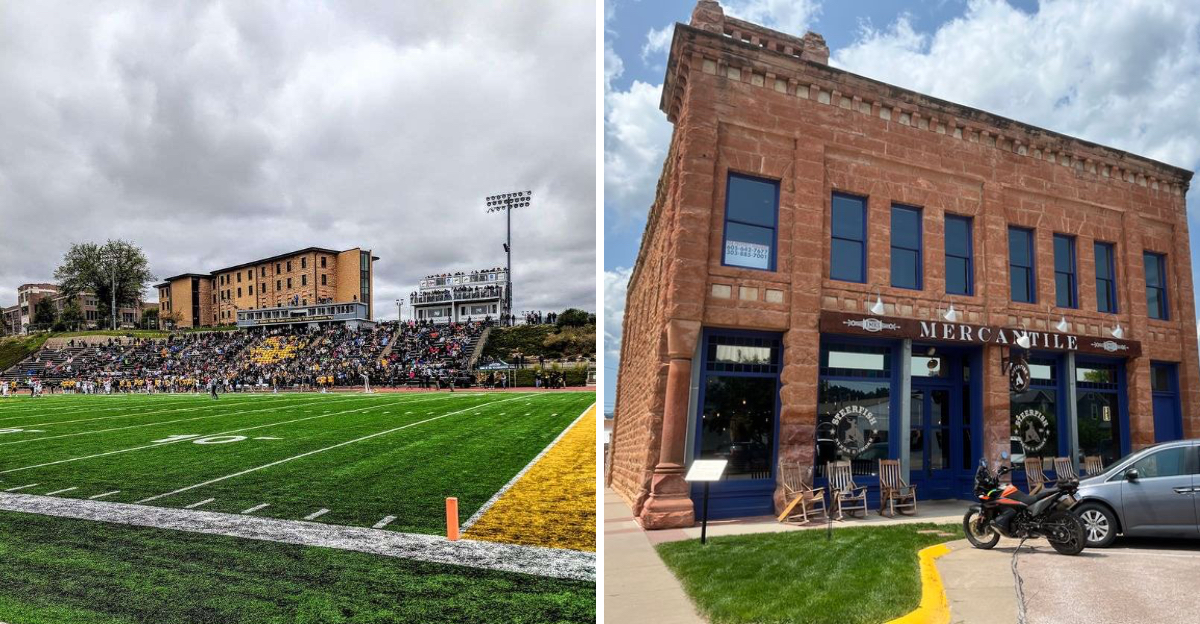
What makes a small South Dakota town outrank cities ten times its size for livability?
Limestone walls rise straight out of a creek bed just outside town. College students fill the sidewalks every fall, and the energy never really fades.
Waterfalls wait along a scenic drive that locals still brag about. Downtown fills up on summer nights with music, vendors, and neighbors who already know your name.
Deer sometimes wander the edges of downtown at dusk.
This South Dakota spot mixes college energy with small-town warmth better than almost anywhere nearby.
Locals will tell you the secret spots take longer to find than the postcard ones. Stick around to see why people keep calling it the most livable corner of the Midwest.
The Queen City Story Behind The Name
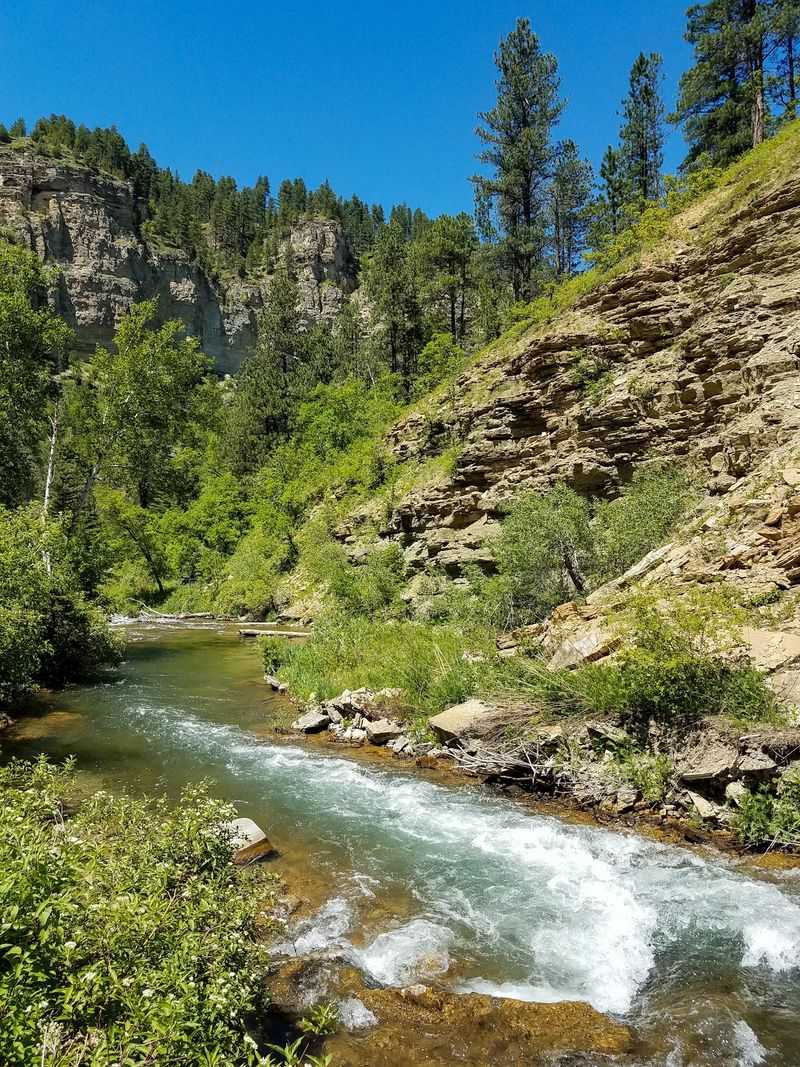
The name came from the creek, and the creek came first. Native peoples speared fish in its clear water, and the label stuck.
Settlement began in 1876, during the rush that made nearby Deadwood famous. Early boosters called the place Queen City.
Gold pulled crowds into the gulches, but the valley here offered something steadier. Rich soil, flat ground, and reliable water.
Farmers fed the mining camps. Millers, loggers, and merchants followed, building an economy that did not collapse when the ore thinned out.
That mix of work is why the town survived while others faded into foundations and rusted equipment. Stability, not luck.
The D.C. Booth Historic Fish Hatchery opened in 1896 and ranks among the oldest operating hatcheries in the country.
Visitors still learn about fish culture and water stewardship on its grounds.
Downtown reflects that long run, with brick facades and storefronts that have watched generations pass. You can find the heart of it near 605 N Main St, Spearfish, South Dakota.
History here feels lived in rather than staged.
Limestone Walls And A Canyon Older Than You Think
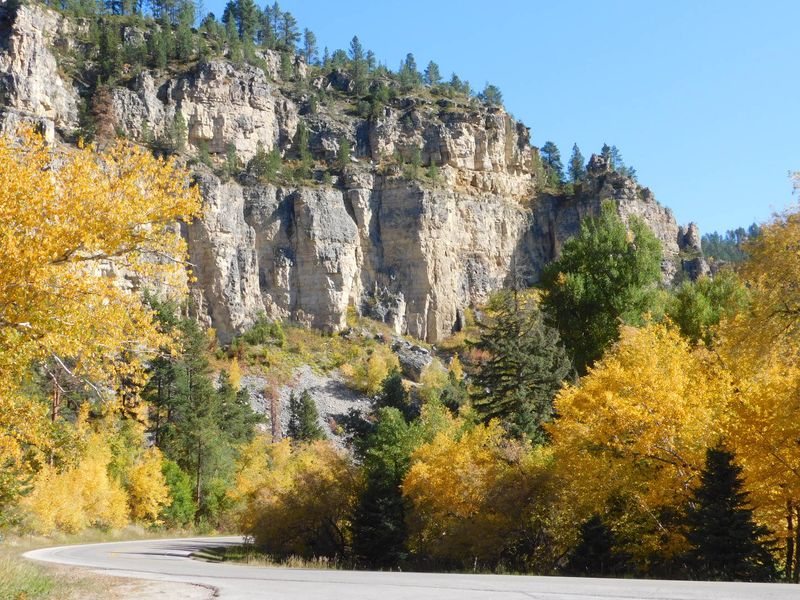
Nine hundred feet of limestone will humble anyone. Spearfish Canyon rises straight up from the creek that carved it.
Geologists note the canyon predates the Grand Canyon by a long stretch of time. Old rock, patient water, dramatic results.
A scenic byway threads the bottom, following curves the creek made first. Pullouts appear often, and drivers use nearly all of them.
Spruce and pine cling to ledges that look far too steep for roots. Birch and aspen fill the gaps with brighter green.
The town sits at the canyon mouth, on the northern edge of the Black Hills National Forest. That placement explains a lot about the local mood.
Cool air spills downhill in the evening. Summer temperatures drop pleasantly once the sun clears the rim.
Photographers favor early morning, when mist hovers over the water and light slants across the cliffs.
Drive slowly, because wildlife wanders and the views deserve more than a glance. This corner of South Dakota rewards an unhurried pace.
Three Waterfalls Within Easy Reach
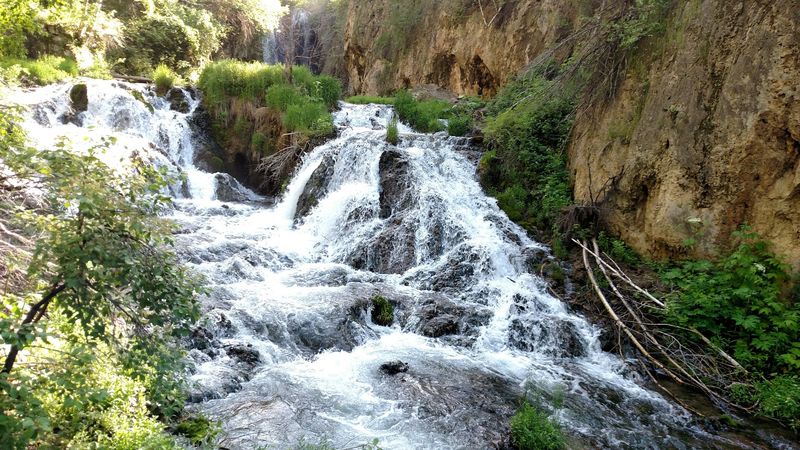
Three waterfalls, one canyon, minimal effort required. That combination keeps trailheads busy.
Roughlock Falls spreads across wide rock shelves, reachable by a gentle path with boardwalks and viewing spots. Families handle it without complaint.
Spearfish Falls drops through a shaded pocket of forest, reached by a short descent that climbs back up at the end. Legs notice the return trip.
Bridal Veil Falls sits right beside the byway, visible from a roadside platform. Zero hiking, full payoff.
Water volume shifts with the season, so spring runoff brings the loudest show. Late summer flows run gentler and quieter.
Winter turns some ledges into ice sculpture, and climbers occasionally test the frozen columns nearby.
Trails beyond the falls stretch for miles, linking overlooks and quiet side draws. Mountain bikers share many of them.
Anglers work Spearfish Creek for trout, and the stream carries a strong reputation across the Black Hills.
Bring sturdy shoes, water, and a willingness to linger longer than planned.
Where A University Sets The Pace
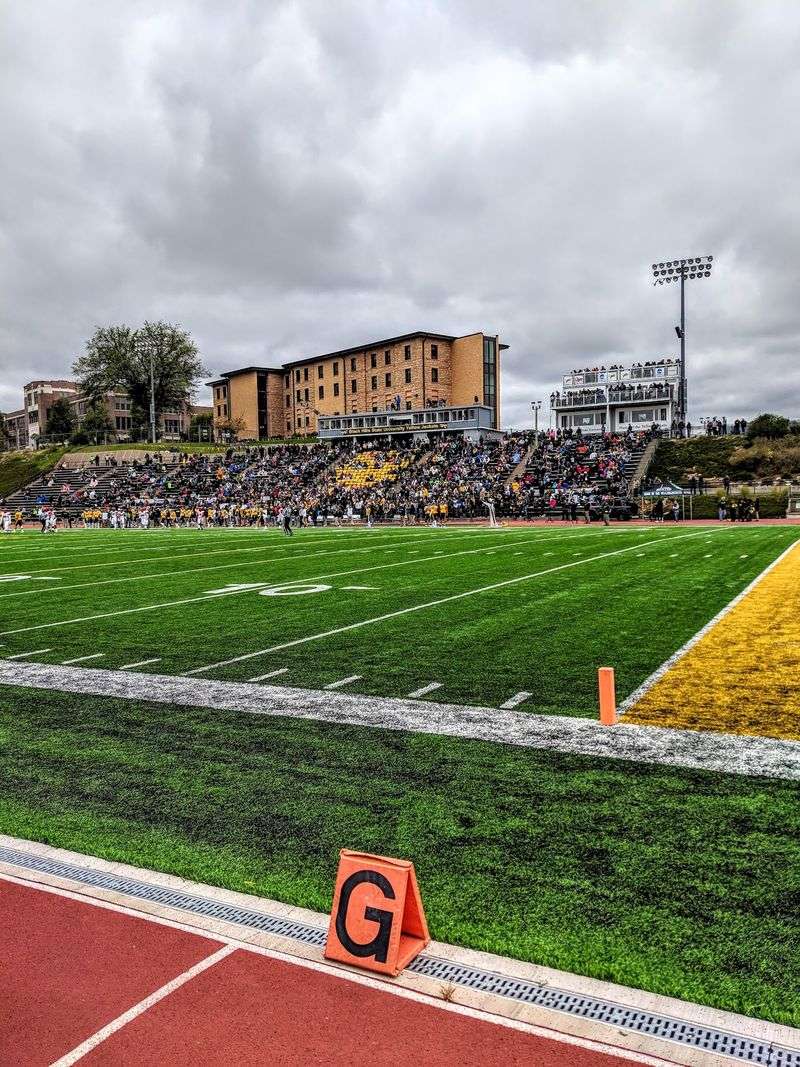
Close to four thousand students change how a town of thirteen thousand feels. Energy arrives with them every fall.
Black Hills State University opened in 1883 as the Dakota Territorial Normal School. Teacher training built its reputation early.
Programs now stretch across education, business, sciences, and outdoor leadership, which suits the surrounding terrain perfectly.
The Yellow Jackets compete in NCAA Division II, and game days pull neighbors onto campus. Cheering carries down the surrounding streets.
Lectures, recitals, and gallery shows appear on the calendar throughout the academic year. Many welcome the wider community.
Coffee shops nearby stay busy with laptops and study groups. Conversation ranges from geology fieldwork to weekend trail plans.
Students also fill part-time jobs downtown, which keeps small businesses running smoothly through the seasons.
Summer quiets things down noticeably, and locals enjoy the breathing room before classes resume.
That rhythm of arrival and departure gives the place a steady pulse. College towns age well, and this one proves the point.
Friday Nights That Turn Main Street Into A Party
Barricades go up, and the street belongs to everyone. Downtown Friday Nights is the summer ritual locals guard fiercely.
Live music plays while vendors line the sidewalks with crafts, snacks, and cold treats. Kids weave between lawn chairs.
Neighbors bump into neighbors constantly, which slows the walking speed to about zero. Nobody seems bothered.
Festival in the Park counts among the larger outdoor arts and music gatherings in the upper Midwest. Artists set up booths beneath shade trees.
Painters, potters, jewelers, and woodworkers display work while bands rotate through the schedule. Browsing takes hours.
Smaller events fill the calendar too, including farmers markets and seasonal celebrations.
Volunteers run much of it, which explains the friendly, slightly homemade feel. Polish matters less than participation.
Visitors blend in easily because introductions happen fast around here. Someone will explain the best parking spot before you ask.
Community shows up in the details, and those details are what residents point to first.
Opera House Charm And Western Heritage
A 1906 opera house still hosts shows, which says plenty about local priorities. The Matthews Opera House and Arts Center anchors the cultural calendar.
Theater productions, concerts, and rotating exhibits share the space. Regional artists get wall room and audiences.
The building itself carries period details worth noticing before the lights dim. Restoration work preserved its character.
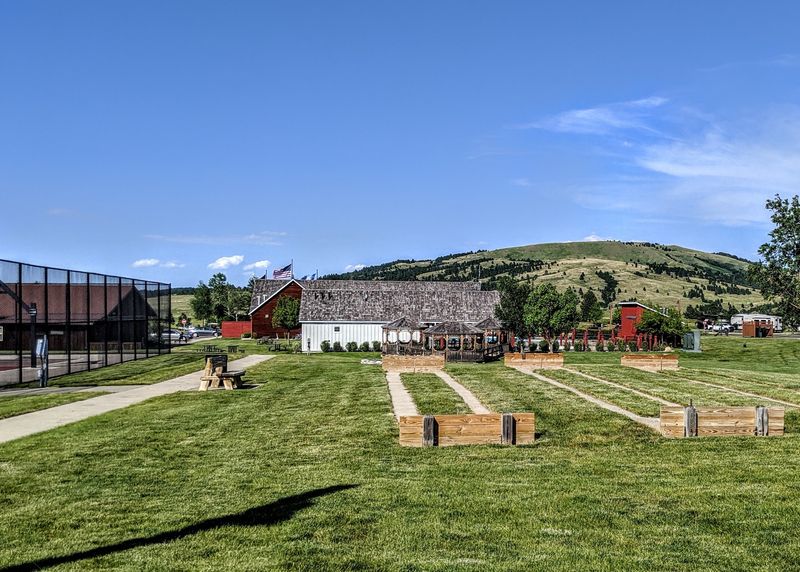
On the other side of the cultural spectrum sits the High Plains Western Heritage Center. Exhibits trace ranching, rail, and frontier life across the region.
Artifacts, artwork, and outdoor displays fill the grounds. Kids gravitate toward the wagons and animals.
Both places lean on volunteers and members, giving them a personal, unhurried atmosphere.
Programming shifts through the year, so checking a current schedule before visiting helps.
Together they cover a wide range, from painted canvases to branding irons. Culture here is not confined to one style.
Rainy afternoons suddenly become easy to fill.
Small Shops, Good Coffee, And Walkable Blocks
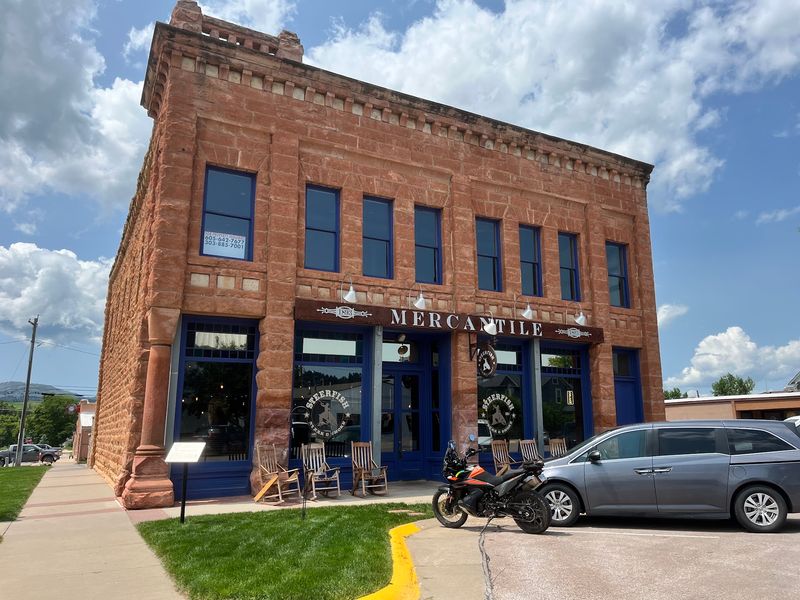
Parking once and walking everywhere feels like a small luxury. Downtown makes that easy.
Boutiques, galleries, bookshops, and outfitters sit within a few blocks of each other. Window shopping turns into actual shopping quickly.
Coffee shops serve as unofficial meeting rooms for students, retirees, and remote workers alike. Conversations overlap constantly.
Restaurants range from quick counter spots to sit-down kitchens with regional dishes. Bakery smells drift onto the sidewalk in the morning.
Gear stores stock trail maps, fly fishing supplies, and advice delivered free of charge. Staff usually hiked the route last weekend.
Flower planters and benches line the sidewalks during warmer months, encouraging people to slow down.
Business owners tend to know regulars by name, which softens the whole experience.
Events spill into these blocks often, so the atmosphere shifts week to week.
Spend an afternoon here and the appeal stops being abstract. Walkability plus friendliness adds up fast in this part of South Dakota.
Four Seasons Of Things To Do Outside
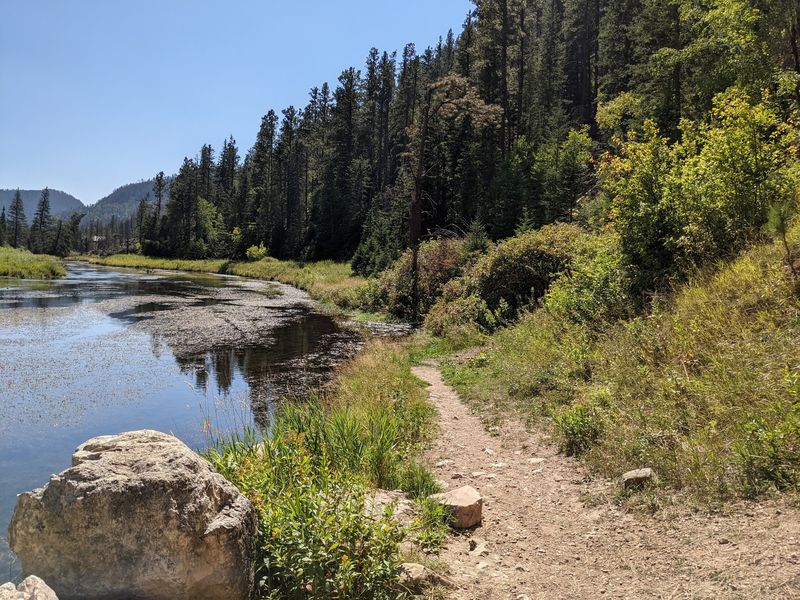
Boredom takes real effort around here. Every season hands over a different playground.
Spring greens the trails, and the Big Hill Trails open for hikers, runners, and mountain bikers. Crow Peak challenges anyone wanting a summit view.
Summer belongs to creek fishing, canyon drives, and long evenings on shaded paths. Cooler canyon air helps considerably.
Autumn steals the show when birch and aspen flare gold against dark pines. Photographers crowd the overlooks for a few short weeks.
Winter converts the same terrain into cross-country ski routes and snowshoe loops. Snowmobilers head for groomed trail systems in the hills.
Ice climbers test frozen canyon walls when conditions cooperate. Conditions vary, so local guidance matters.
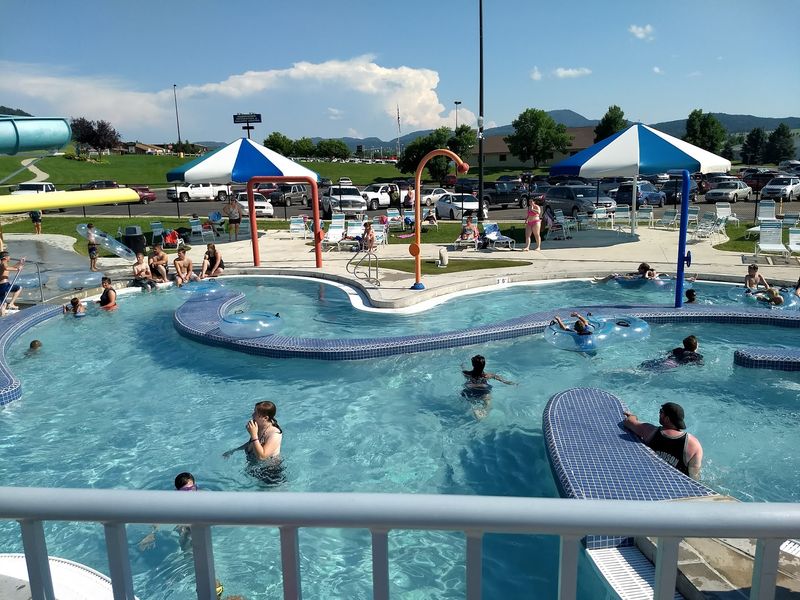
Indoors, the Spearfish Rec and Aquatics Center offers pools, water slides, and fitness space. Parents call it a lifesaver on cold days.
Layers are the standing advice, since mountain weather changes its mind often.
Pick any month and something outside is waiting.
A Comfortable Basecamp For The Black Hills
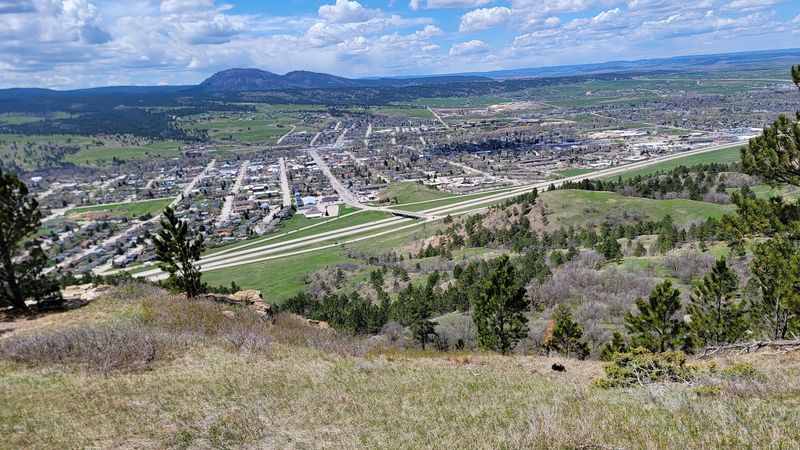
Day trips start easy when the highway sits right there. The Black Hills unfold in every direction.
Mount Rushmore National Memorial makes a full day, and the drive south passes through forest and open ridge country. Deadwood waits much closer, with its Old West streets and history.
Iron Mountain Road offers tight curves, tunnels, and framed views for drivers who enjoy the journey itself.
Returning north at day’s end, the valley feels calm and familiar. Lodging, groceries, and restaurants sit close together.
Healthcare is solid, with Spearfish Regional Hospital serving the surrounding area. Families also point to well-regarded schools.
Crime rates stay low, and parks and green space appear throughout town.
Those practical pieces explain why the livability talk keeps coming up in conversation. Scenery alone does not make a town work.
Comfort, access, and community do, and this stretch of South Dakota manages all three.
Come for the canyon, stay because leaving starts to feel unnecessary.