
10 Massachusetts Towns Growing Faster Than Most People Realize
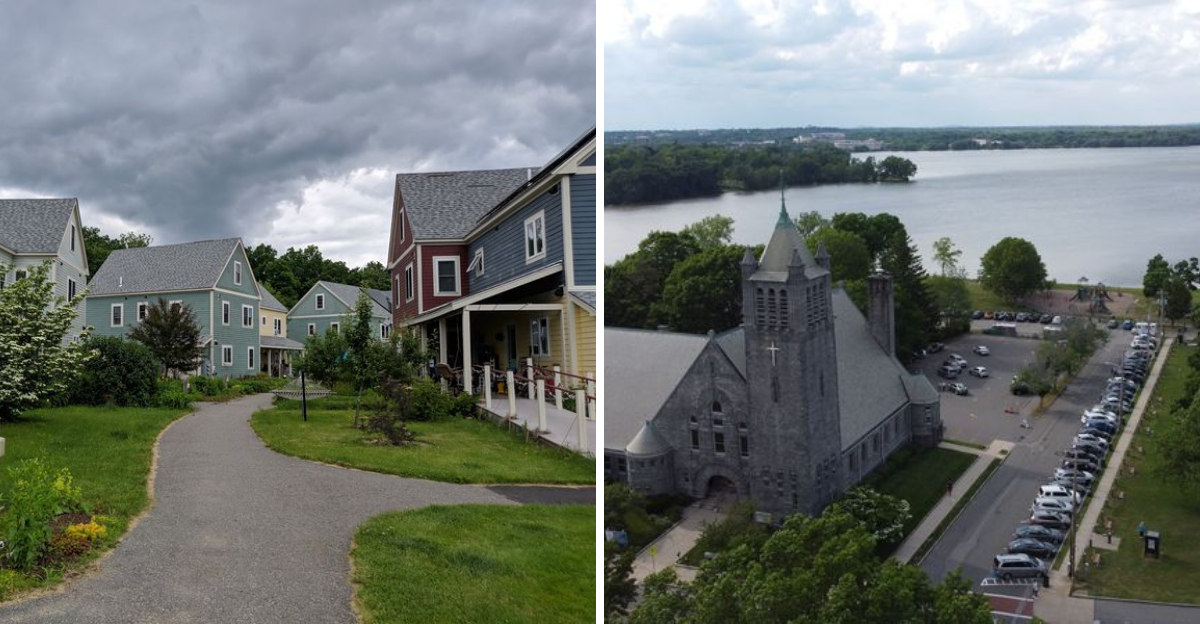
Massachusetts is changing faster than many people realize, and the biggest surprises are not always happening in the places that get the most attention.
Several towns have added residents at a pace that stands out sharply against slower growth elsewhere.
New housing, easier access to jobs, changing lifestyles, and the search for more space are helping reshape communities that once felt much smaller.
The numbers can be especially surprising when you look beyond Boston and the usual population centers.
Places with historic town centers, quiet neighborhoods, lakes, farmland, and commuter connections are attracting more people than they did only a few years ago.
Growth does not always arrive with skyscrapers and construction cranes. Sometimes it shows up gradually through new neighborhoods, busier roads, fuller schools, and a downtown that suddenly feels much livelier.
These towns prove just how quickly a familiar place can start to change.
1. Williamstown, Berkshire County
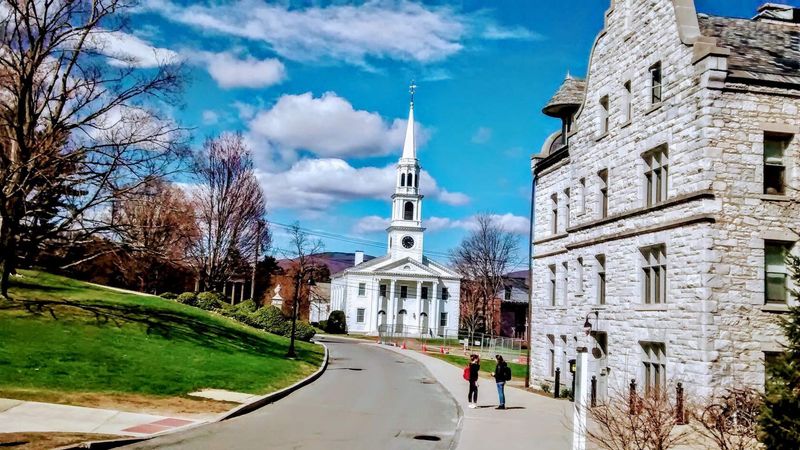
Far up in the northwest corner of the state, where Massachusetts brushes against both Vermont and New York, Williamstown keeps surprising people. Its overall population dipped slightly between 2019 and 2023.
Employment, though, jumped about 9.75% from 2023 to 2024.
That growth comes mostly from schools, health care, and hospitality. Williams College and The Clark Art Institute anchor the town, drawing students, staff, and visitors year-round.
Jobs, not just houses, are what expand a community here.
The Store at Five Corners sits in South Williamstown at the meeting point of Routes 7 and 2. The building has served travelers since the 1700s, and the general store charm remains intact.
Inside, it works as a chef-owned cafe and specialty market with a focus on local sourcing.
Mornings bring breakfast burritos and egg sandwiches to the tables. Bigger appetites lean toward the Pastrami Reuben or the Hot Steak and Cheese on ciabatta.
Fresh salads and flatbreads round things out nicely.
Fridays add wood-fired pizza to the lineup, which is reason enough to plan your week around it. Small concerts and events happen here too, alongside shelves of locally made gifts.
For anyone exploring the Berkshires, it makes an easy and genuinely pleasant stop.
2. Bolton, Worcester County
Numbers rarely shout, but Bolton’s do. The town’s population has climbed roughly 26.19% since the 2020 census, reaching an estimated 7,150 residents in 2026.
That works out to an annual growth rate near 10.39%.
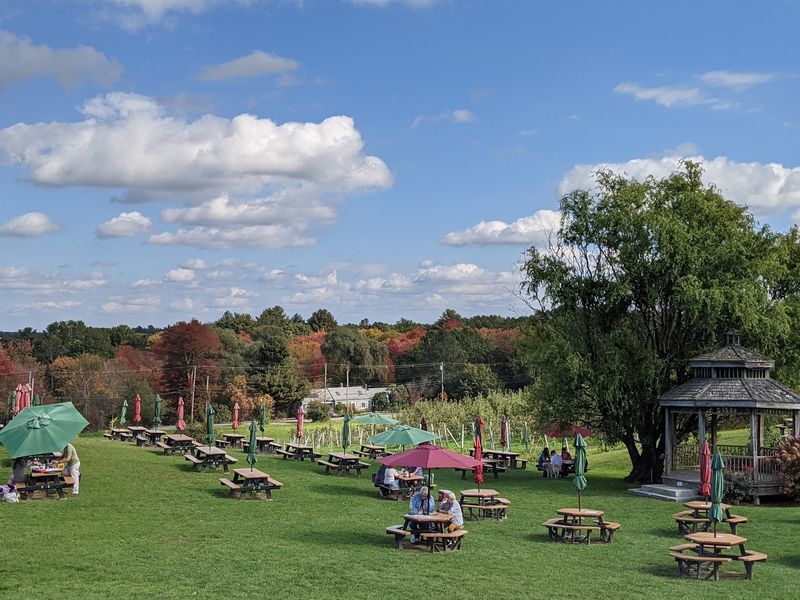
Sitting about 25 miles west-northwest of downtown Boston, Bolton belongs to the MetroWest region. Farms and apple orchards still shape the landscape, and The International Golf Club draws visitors.
Newer projects like Alta Nashoba Valley, a 229-unit residential community, explain part of the surge.
The Bolton Bean answers a question the town had been asking for years: where is our coffee shop? The family-run cafe fills the historic Salt Box building right in the center of town.
Guests choose between a pretty outdoor patio or cozy leather couches indoors.
Coffee is locally roasted, and espresso gets proper attention. Breakfast standouts include the Bean Signature, stacked with two eggs, bacon, cheddar, tomato, onion, and avocado on toasted multigrain.
The Vermonter takes a sweeter route, pairing eggs, bacon, cheddar, and maple syrup on a croissant.
Bagels, blueberry muffins, chocolate croissants, and waffles keep the pastry case busy. Lunch brings the 626 Panini with oven-roasted turkey, bacon, avocado, tomato, and herb mayo.
Seasonal produce arrives from nearby growers, including Apple Field Farm.
3. Millis, Norfolk County
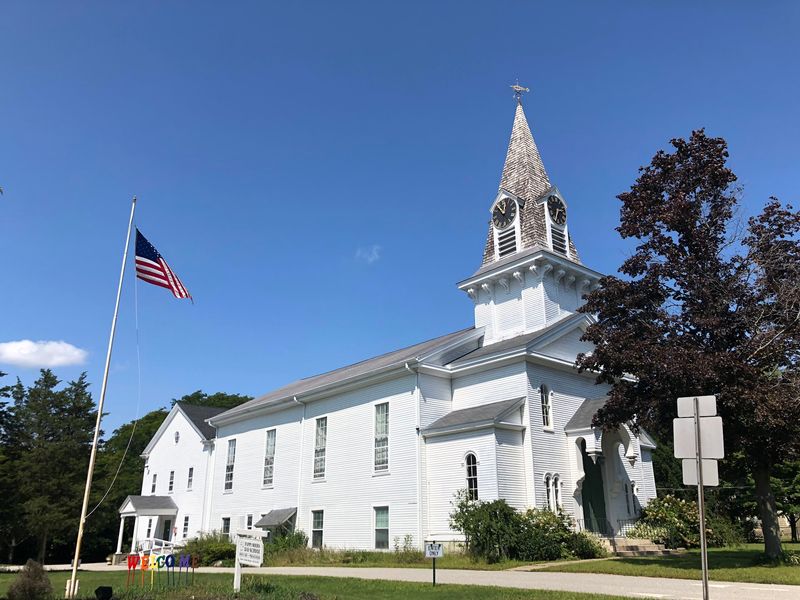
Growth does not always mean skyscrapers. Millis went from 8,459 residents in 2020 to 9,018 by 2023, a 6.6% climb. Projections point to about 9,656 by 2026, roughly 13.55% above the last census.
Set about 19 miles southwest of downtown Boston, Millis keeps its roomy, rural feel. Fields and river views survive even as new families move in.
Norfolk County commuters have clearly noticed the combination.
East Side Restaurant delivers the kind of hometown breakfast that builds loyal regulars. The dining room is small and homey, with comfortable tables and a counter where conversation moves easily from stool to stool.
Nobody rushes you out.
Pancakes here have a well-earned reputation. French toast arrives fluffy, and the omelets are cooked with real attention.
Plates often come loaded with bright scrambled eggs, crispy bacon, and flavorful home fries.
Coffee keeps coming, which is exactly how a proper breakfast should work. Simple food, done consistently, tends to outlast every trend.
Outside, rural open fields near the Charles River provide a calm backdrop. A farmers porch stretches across the front of the building, perfect for warmer mornings.
Massachusetts has fancier restaurants. Few feel this comfortably familiar on a Saturday at eight in the morning.
4. Plymouth, Plymouth County
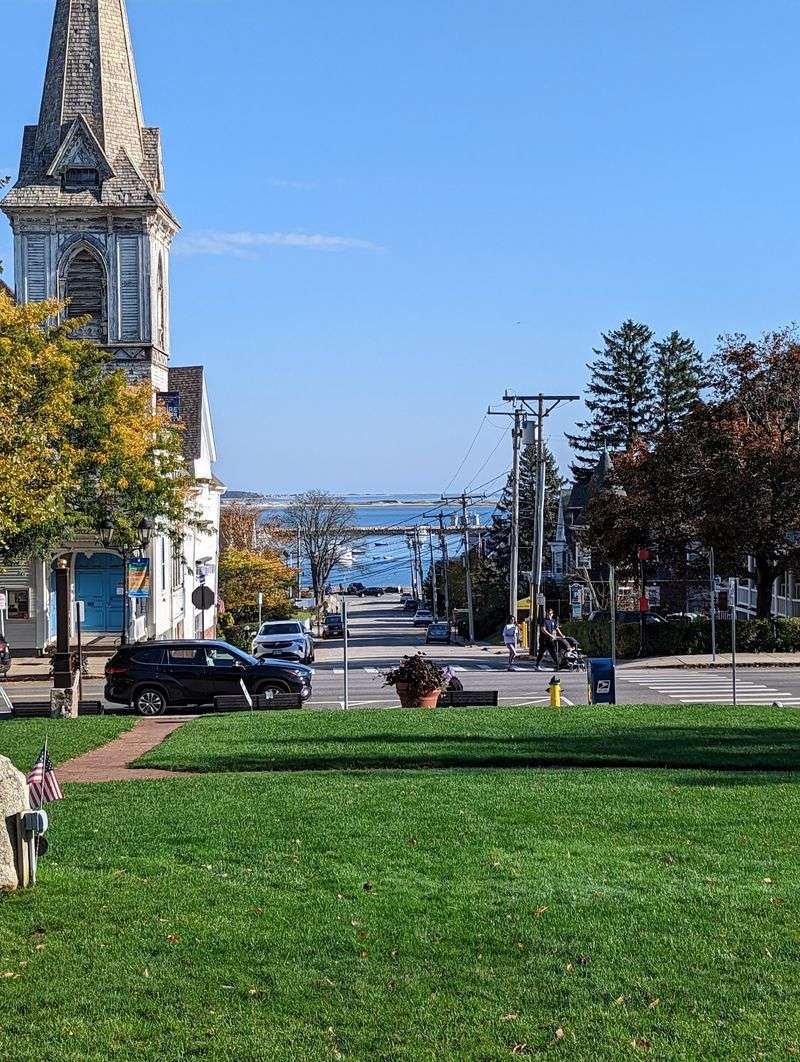
History gets all the attention here, but the growth chart deserves a look too. Plymouth expanded from 61,216 residents in 2020 to 65,405 in 2023, a 6.84% jump.
That makes it one of the fastest-expanding communities in the state by sheer headcount.
Coastal scenery helps explain the appeal. The waterfront, the harbor, and centuries of stories keep Plymouth County firmly on every New England travel list.
Newcomers arrive for the ocean and stay for the space.
Rye Tavern takes a quieter approach, sitting away from the busy waterfront in a cozy 1700s tavern building. Low ceilings and old woodwork set a rustic mood indoors.
Outside, generous dining areas open up when the weather cooperates.
Seasonal New England cooking drives the kitchen. Meats and produce come from area farmer’s markets and from the Rye Garden, planted just steps from the back door.
Ingredients travel about as short a distance as ingredients can.
Because the menu shifts frequently, no two visits look identical. Spring plates rarely resemble October ones. That constant change is the whole point.
Diners get food that feels connected to the fields and shoreline around it. For a town this famous, the tavern manages to feel refreshingly unhurried.
5. Berlin, Worcester County
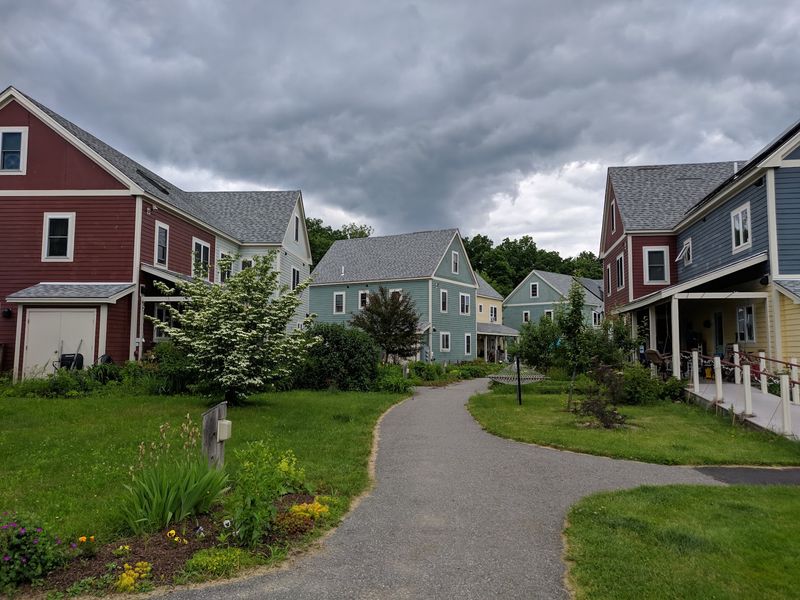
Tiny towns can top big lists. Berlin ranks among the fastest-growing communities in Massachusetts, rising 8.42% between 2020 and 2023.
Its population moved from 3,159 to 3,425, with roughly 3,489 projected by 2026.
Position matters. Berlin sits about 12 miles northeast of Worcester and 29 miles west of Boston, which puts two job markets within reach.
Historic homes and newer development share the same roads comfortably.
Cornerstone Cafe & Coffee gives the town a proper gathering spot. The room feels inviting rather than fussy, the sort of place where a quick stop stretches into forty minutes.
Service stays attentive without hovering.
Gourmet sandwiches headline the menu, built with care rather than assembly-line speed. Creative salads keep lighter appetites happy.
Belgian waffles are served all day, which quietly solves several arguments at once.
Homemade desserts wait for anyone with room left. Coffee and espresso drinks get real craft behind the counter, and it shows in the cup.
Small-town cafes often become the unofficial town hall, and this one plays that role well. Neighbors overlap, tables fill, and the morning rush has a rhythm.
For a community of a few thousand people, having a spot this dependable is no small win.
6. Ayer, Middlesex County
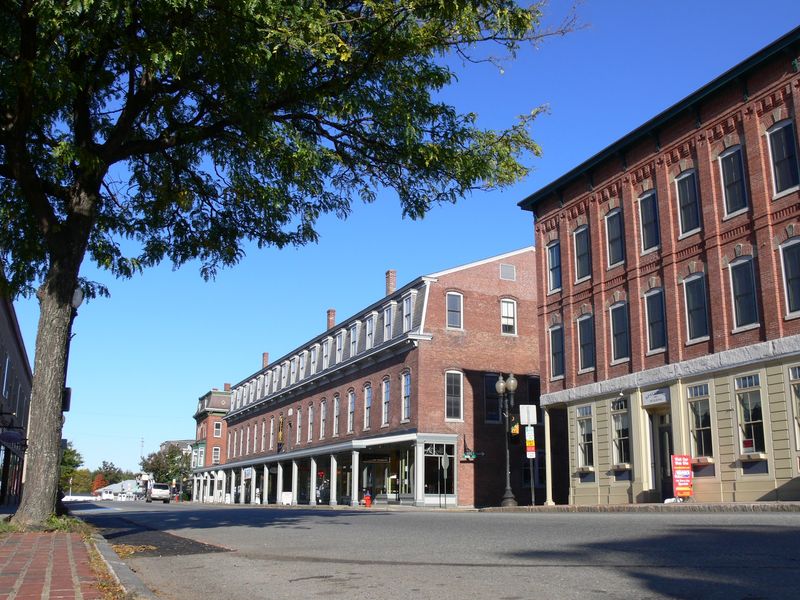
Crossroads towns tend to grow, and Ayer proves it. Population rose 6.6% between 2019 and 2024, standing at 8,479 in 2020 with about 8,875 projected for 2026.
Major routes converge here, which keeps both people and businesses moving through.
Downtown revitalization has done real work. Victorian architecture lines the streets, giving local shops an attractive backdrop.
Economic development efforts continue to bring new tenants into old buildings.
Markoh’s on Main lives right in that historic downtown, and it wears two hats without dropping either. Mornings belong to Markoh’s Wake and Bake Morning Cafe, where freshly baked goods lead the way.
Signature Markoh’s Muffins share the case with unusual Spinach and Feta Owlheads.
Coffee, espresso, and tea handle the early crowd. Later hours shift toward heartier plates, including satisfying burgers, prawns, and breakfast sandwiches that refuse to stay confined to breakfast.
The interior stays cozy and comfortable, with seating that encourages lingering. Friday and Saturday evenings bring live music, turning a casual dinner into an actual night out.
Few small Middlesex County downtowns manage this kind of range. A muffin at nine, a burger and a band at eight.
Ayer’s growth makes more sense once you have spent an evening here.
7. Rehoboth, Bristol County
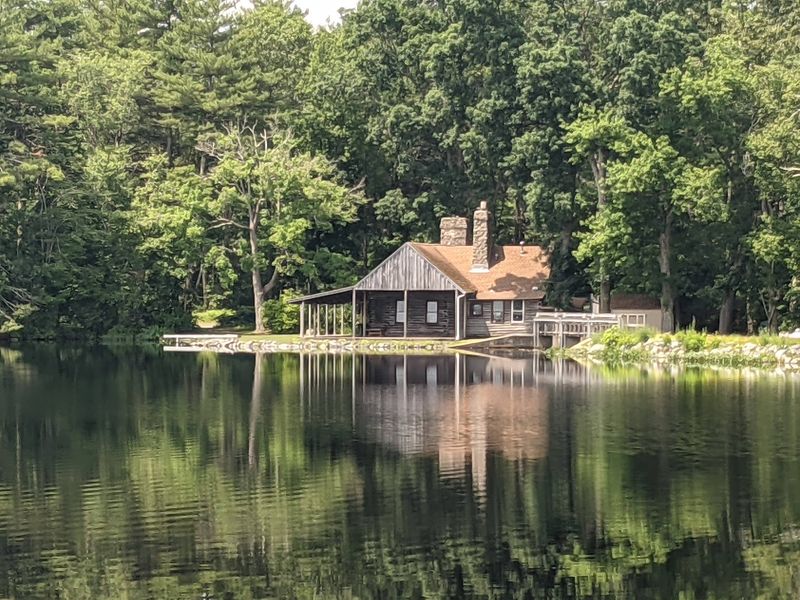
Its name literally means open space, which feels like a promise the town has mostly kept. Rehoboth grew 6.45% from 2020 to 2023, moving from 12,506 residents to 13,313.
Estimates put it near 13,676 by 2026, about 9.29% above the census count.
As one of the oldest towns in Massachusetts, Rehoboth mixes farmland with steady suburban growth. The 138-acre Rehoboth State Forest offers hiking and fishing close to home.
Bristol County families keep discovering that combination.
Campfire Tavern brings a cozy, relaxed dining room to all that countryside. Indoor seating suits chilly evenings, while outdoor tables come alive once the weather turns kind.
The vibe leans warm rather than formal.
Local ingredients guide the kitchen’s upscale American cooking. Fresh regional components show up across the menu, giving dishes a clear sense of place.
Flavors feel current without trying too hard.
Elevated plates sit comfortably beside beloved local favorites. That balance means picky groups and adventurous eaters can share a table peacefully.
Everything about the space nudges people toward gathering. Friends, families, and long conversations fit naturally here.
In a town built around open land, a restaurant that celebrates nearby farms makes perfect sense. Growth tastes better when it stays rooted.
8. Lancaster, Worcester County
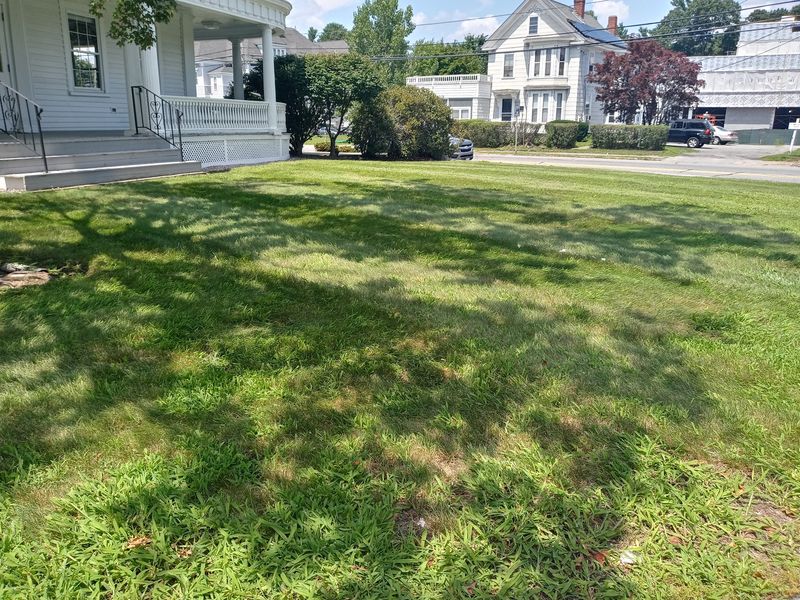
Fun fact: Lancaster was incorporated in 1653, making it the oldest town in Worcester County. Old does not mean static, though.
Its population has risen 4.32% since 2020, from 8,447 residents toward a projected 9,296 by 2026.
That would put growth around 10.05% above the last census. Historic charm plus reasonable commuting distance turns out to be a strong combination.
Central Massachusetts has quietly become a magnet.
Michael’s Bridge Diner handles the town’s breakfast and lunch duties with a warm family atmosphere. Regulars nod to each other across the room.
Newcomers get treated like regulars by the second visit.
Comfort food anchors the menu, cooked in true diner fashion. Portions are built for substantial appetites, not delicate nibbling. Nobody leaves wondering when lunch will be.
The place has collected local recognition for best breakfast, best value restaurant, and best coffee. That trio says plenty about consistency over time.
Classic plates prepared with genuine care are the whole appeal. No reinvention required, no gimmicks needed.
Diners like this often outlast every trendy opening nearby. They survive because they feed people well and remember their names.
For a town nearly four centuries old, that kind of steadiness feels exactly right.
9. Lakeville, Plymouth County
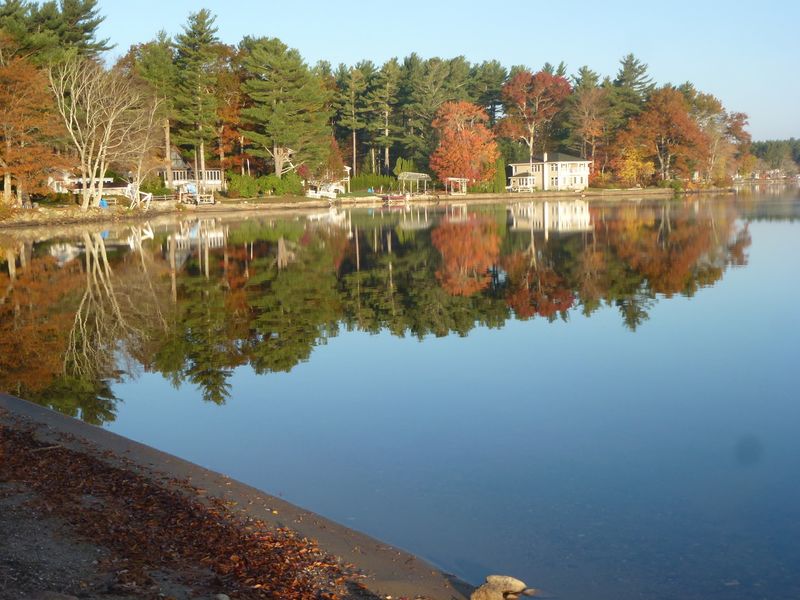
Water covers nearly a fifth of this town, which is an unusual statistic for a growing suburb. Lakeville has expanded 8.74% since the 2020 census, reaching an estimated 12,545 residents in 2026.
Current annual growth sits near 0.93%.
Assawompset Pond, the largest natural lake in Massachusetts, sits within its borders. Betty’s Neck Conservation Area offers hiking, and cranberry bogs dot the landscape.
Plymouth County outdoor lovers have taken notice.
Somethin’s Brewin’ Cafe occupies a beautifully restored former public library dating back to 1914. A stone exterior, grand archway, and thick wood doors make the entrance genuinely memorable.
Very few breakfast spots come with architecture like this.
The mood inside leans leisurely and chatty, closer to a Harvard Square coffee house than a quick-stop counter. Conversations overlap.
Nobody checks the clock.
Pastries include cinnamon and raspberry pie dough twists, freshly baked muffins, and proper scones. Savory choices bring cranberry walnut chicken salad and balsamic tuna salad to the table.
Quiche appears alongside homemade soups and salads for anyone wanting a full lunch. Everything tastes freshly made because it is.
Old libraries were built for gathering, and this one still does that job. Only now the community shows up for scones instead of due dates.
10. Wakefield, Middlesex County
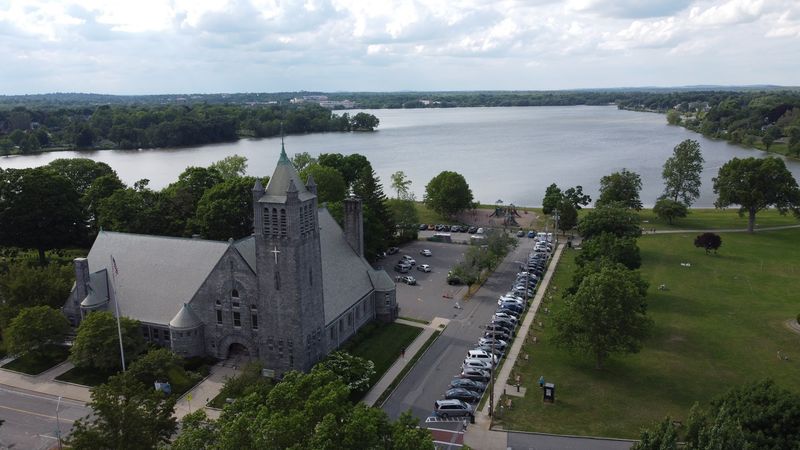
Steady beats flashy in some places. Wakefield has grown 2.91% since the 2020 census, with a projected population of 27,827 in 2026.
Growth here is slow and predictable, and the town seems perfectly fine with that.
Economic development work continues behind the scenes, attracting new businesses while supporting existing ones. Sitting roughly 10 miles north of Boston helps enormously.
Lake Quannapowitt gives this mature suburb a scenic center most towns would envy.
Massimo’s Ristorante brings authentic Italian cooking to Wakefield Center, in a space that feels much like a welcoming home. Distinct dining areas include an upper and lower level, plus seating near a partially open kitchen.
Watching the cooks work never gets old.
House-made pastas are the heart of the operation. Northern and Southern Italian recipes both get their moment on the menu, freshly prepared rather than reheated.
Seafood dishes stretch the range considerably. Chicken, veal, and beef preparations cover anyone who arrived hungry for something heartier.
The surrounding streets hold independent shops and restaurants, so dinner easily becomes an evening. The lake sits close enough for a stroll afterward.
Across Massachusetts, growth looks different from town to town. Sometimes it shows up in census charts, and sometimes it shows up in a full dining room.