
This Massachusetts Dairy Farm Has Been In The Same Family Since 1695 And Still Makes Its Own Ice Cream
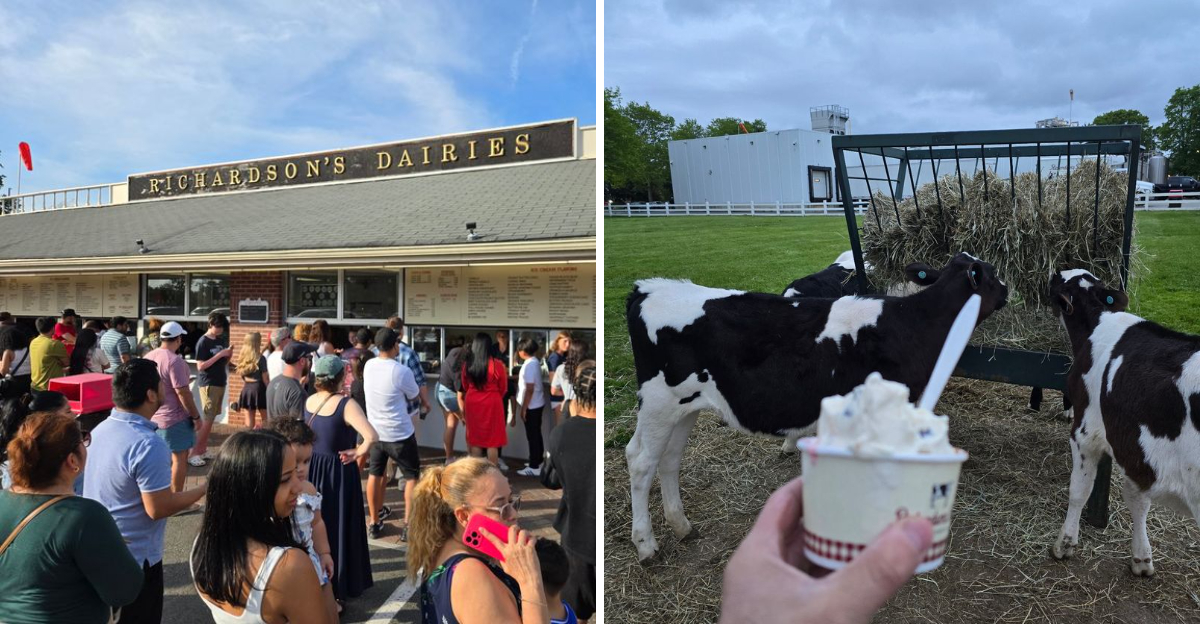
Few ice cream stops come with more than three centuries of family history behind the counter. This Massachusetts dairy farm has stayed in the same family since 1695, and that long story still feels very much alive today.
The farm has changed with the times, but one thing has remained constant. Dairy is still at the center of everything.
Fresh milk, family tradition, and generations of hands on work eventually led to homemade ice cream becoming part of the operation.
That is where the visit gets especially fun. Scoops come in a long list of flavors, and the farm setting makes each cone feel more connected to the place itself.
You are not simply stopping for dessert. You are seeing a working piece of local history that has survived wars, changing towns, and centuries of family life. That makes every scoop taste a little more memorable.
This Family Has Been Part Of The Farm Since 1695
Picture a family arriving from England in 1636, hauling farming know-how across an ocean. By 1695, David Richardson had planted roots in what we now call Middleton, Massachusetts.
That patch of land has been in the family ever since.
For the first several generations, the farm was purely practical. It fed the household with milk, eggs, chickens, and vegetables. Nobody was dreaming about waffle cones yet.
What matters is the unbroken thread. Cows have been milked on this same ground continuously since the 1600s. That is older than the United States by a comfortable margin.
Today the ninth generation of Richardsons runs both the farm and the ice cream operation. Nine generations is not a marketing slogan. It is a genuine relay race, with each set of hands passing the work along.
Fun fact worth chewing on: the farm predates the Declaration of Independence by 81 years. It also predates the invention of the ice cream cone by roughly two centuries.
You can feel that history without reading a single plaque. The barns, the pastures, and the herd tell the story on their own.
Standing there with a cone, you are tasting the result of a promise kept for more than 325 years.
How Milk Bottles Turned Into Ice Cream Cones
The pivot from plain dairy to dessert destination happened in stages, and it started with glass bottles.
In 1917, Hazen K. Richardson and his sons Ben and Hazen M. began bottling and delivering milk. Suddenly the farm was feeding neighborhoods, not just a household.
Business grew fast. By 1934 the herd had swelled past 1,000 cows, which is an enormous operation for that era in Massachusetts.
Then came 1952 and a wonderfully stubborn goal. Ben and Hazen decided they wanted to make what they called One Perfect Ice Cream. Not a decent one. A perfect one.
To chase that idea, they built the ice cream stand that still serves people today. Word spread quickly, and the stand became a regional favorite almost immediately.
The flavor list grew right along with the crowds, eventually passing 50 options. That number alone tells you the family never settled into autopilot.
There is something charming about a dairy that decided the highest use of its milk was joy. Bottled milk paid the bills. Ice cream built the legend.
Seven decades later, the same stand is still scooping. The recipe for longevity apparently involves a lot of butterfat and a refusal to cut corners.
Sixteen Percent Butterfat And Why It Matters
Here is the number that explains everything: 16 percent butterfat. That is super premium territory, and it is why each spoonful feels velvety instead of icy.
Richardson’s Ice Cream is made in small batches, right on the property, using milk from the farm’s own herd. The distance from udder to freezer is measured in yards, not miles.
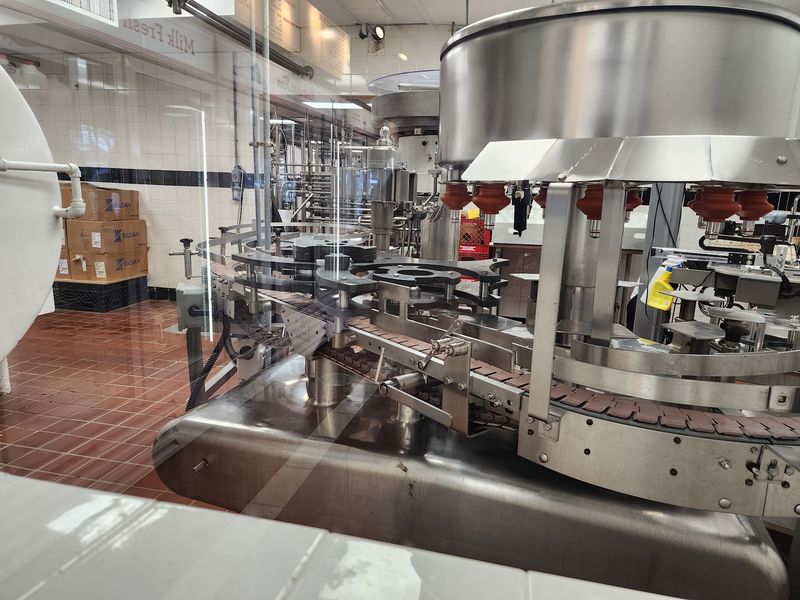
The process is genuinely interesting. Cows are milked twice a day with modern equipment. The milk is pasteurized, churned down to a soft-serve consistency, then blast-frozen for 12 hours.
That long freeze is the secret handshake. It locks in texture and keeps ice crystals from forming, which is why the finished product tastes smooth rather than grainy.
The crew also makes its own pastes, purees, and sauces on site. Those homemade components become the ribbons and mix-ins folded through the batches.
Freshness here is not a vague claim. Ice cream churned yesterday is often what lands in your cup today.
Most large brands ship their base from far away and add flavor later. This operation controls every step, from feed to freezer. When you taste the difference, that 16 percent suddenly makes perfect sense.
Meet The Herd Behind The Flavor
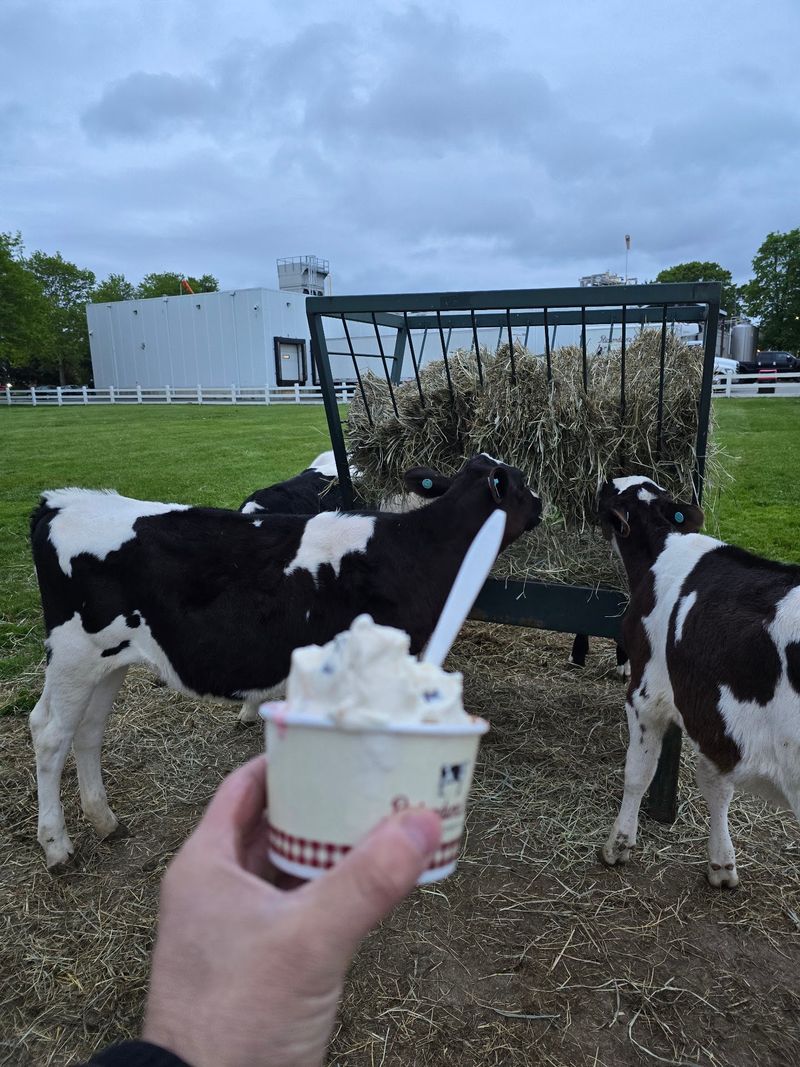
Good ice cream begins with contented cows, and this herd looks the part. Roughly 370 to 375 animals live on the property, a mix of classic black-and-white Holsteins and the less common Milking Shorthorns.
Their diet is not an afterthought. The cows eat locally grown feed blended from corn, grass, and grain, chosen to keep the herd healthy and the milk consistent.
A single Holstein here produces around 8.5 gallons of milk each day. Multiply that across the herd and you understand how the freezers stay full.
Comfort is treated as a business strategy rather than a nicety. Well-fed, low-stress animals simply give better milk, and the family has known that for generations.
The barnyard cast extends beyond cattle. Sheep, chickens, ducks, and a rooster all share the grounds, which makes wandering the property surprisingly entertaining.
Formal tours are not part of the deal, but guests are welcome to walk around and watch the animals up close. Kids tend to lose their minds over this part.
Eating dessert within sight of the cows who supplied it is a rare thing in modern life. It closes the loop in a way no label ever could.
Over Fifty Flavors And A Few Local Legends
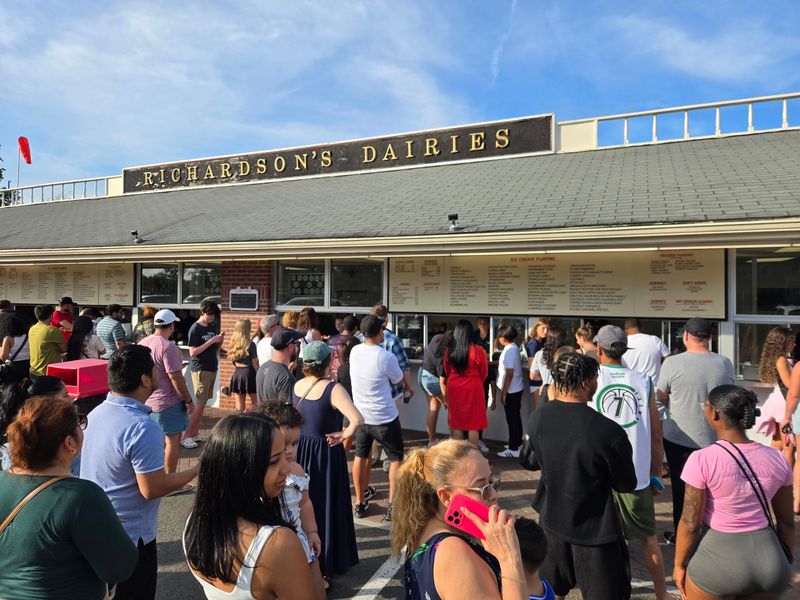
Choosing here is a genuine challenge, and that is part of the fun. The menu runs past 50 flavors, blending steady classics with rotating seasonal creations.
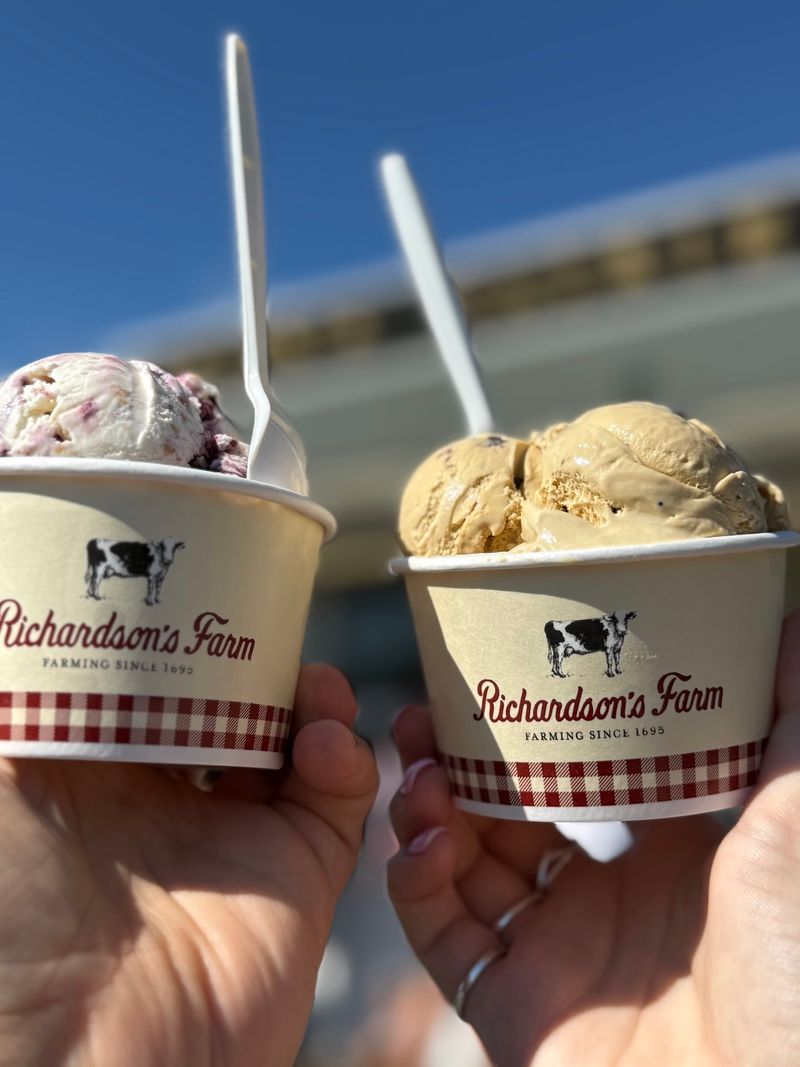
Blueberry Pie has developed something close to a cult following, complete with soft bits of crust folded through the base. Strawberry Cheesecake is equally beloved, thick with real fruit character.
Autumn brings Trick or Treat and Cranberry Harvest, while winter delivers Frozen Pudding, an old-fashioned New England flavor you rarely see anymore. Graham Central Station and German Chocolate Cake keep the chocolate crowd loyal.
Lighter options exist too, and they are not sad substitutes. There is 95 percent fat-free yogurt, low-fat no-sugar-added ice cream, tangy sherbet, and fruit-packed sorbet.
The raspberry sorbet in particular has a bright, tart snap that resets your taste buds between richer scoops.
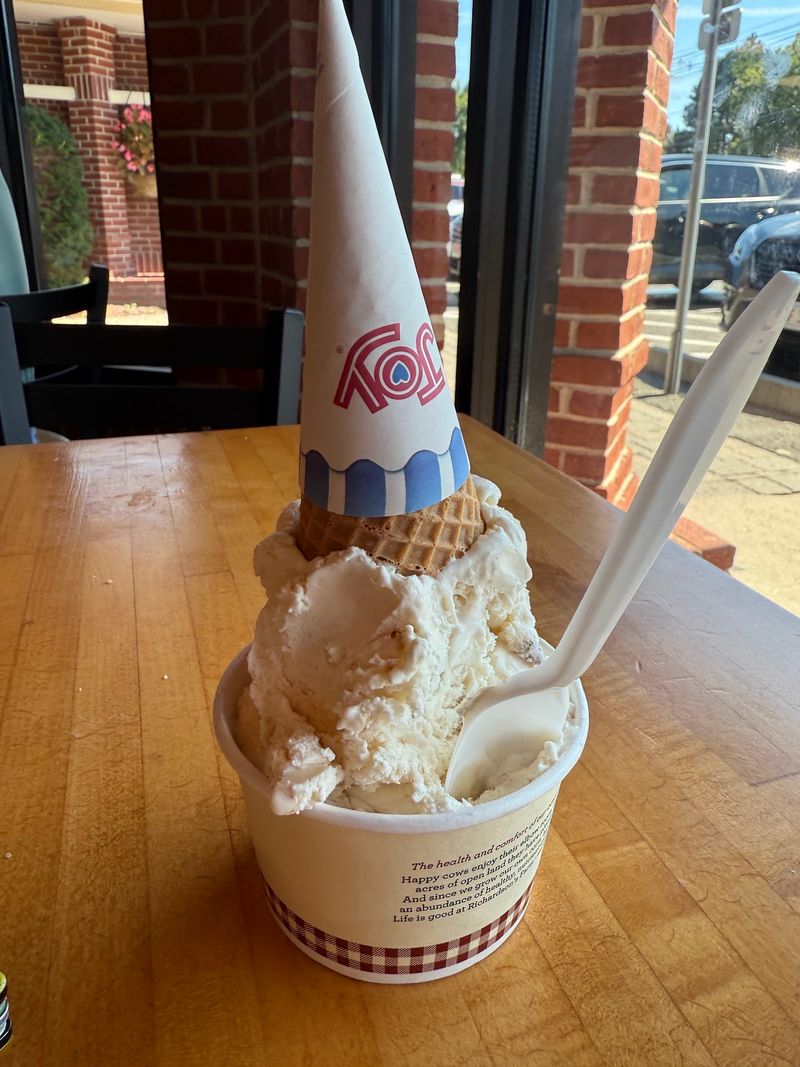
Portions deserve their own warning label. A kiddie size at Richardson’s Ice Cream would qualify as a large almost anywhere else, and anything bigger becomes a shared project.
Half-gallon tubs are available for anyone who cannot bear to leave empty-handed. Plenty of people treat that as standard procedure rather than an indulgence.
Mini Golf, Batting Cages, And A Patio With Fountains
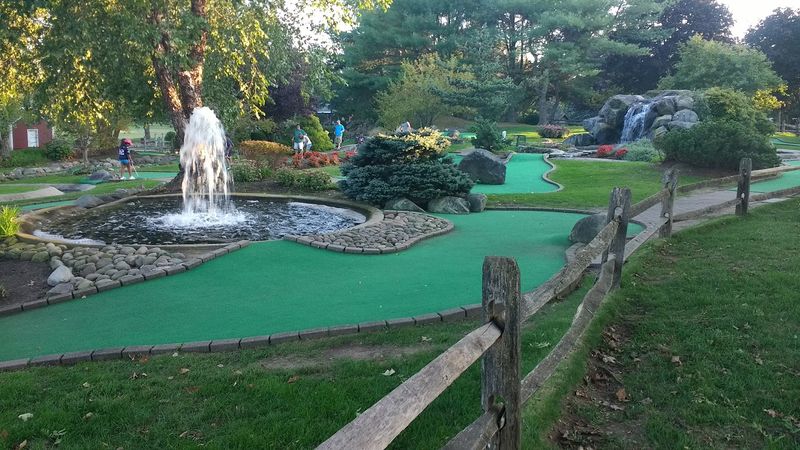
Dessert is only half the reason people stay for hours. Right next door, Golf Country runs two miniature golf courses, batting cages, and a driving range.
The combination is delightfully old-school. Sink a putt, take a few swings, then reward yourself with a cone. Nobody needs a ticket or a reservation to enjoy the grounds.
The stand itself is set up for comfort in every season. There is an all-season dining room for chilly evenings and an outdoor patio decorated with fountains for warm ones.
January nights still draw a crowd, which says plenty about the loyalty this place inspires. Snow on the ground does not stop anyone from ordering a waffle cone.
Parking is generous, though the lot fills quickly on summer weekends after six in the evening. Arriving a little earlier makes the whole experience smoother.
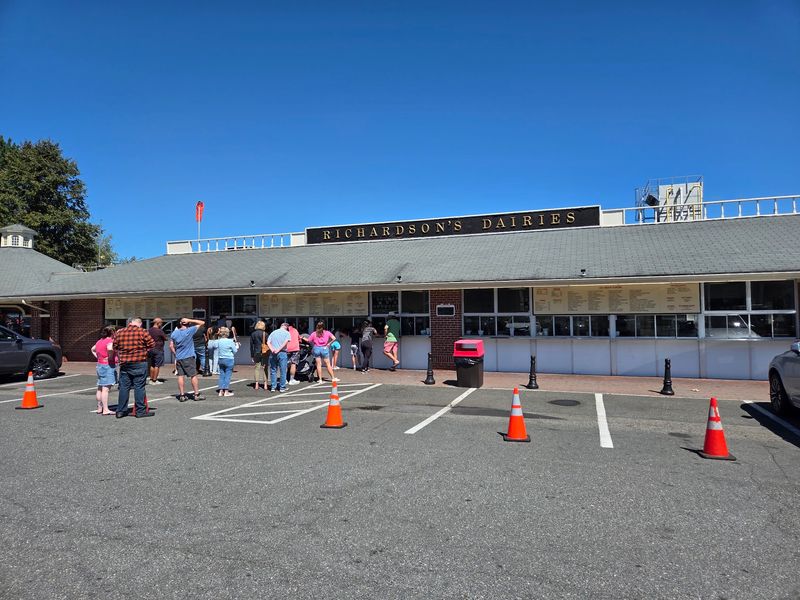
Lines can stretch out the door during peak season, and they move faster than they look. Bring patience and treat the wait as part of the ritual.
Between the animals, the golf, and the fountains, families easily turn a quick stop into an entire afternoon. Few dessert spots offer that much to do.
Finding The Farm On South Main Street
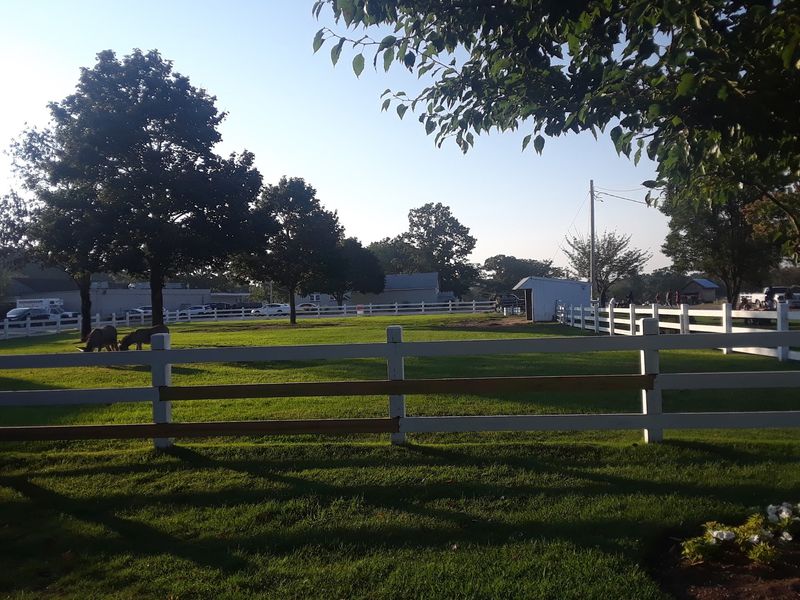
Getting here is refreshingly simple, no winding back roads required. The flagship stand sits at 156 S Main St, Middleton, MA 01949, a straightforward drive from Boston’s northern suburbs.
The stand opens at 9 AM, which means ice cream for breakfast is technically permitted. Closing time is 10 PM Sunday through Thursday and 11 PM on Fridays and Saturdays.
The only regular exceptions are Thanksgiving and Christmas, when the stand is closed.
Summer afternoons are the busiest stretch, especially between five and eight in the evening. Weekday mornings and early afternoons are noticeably calmer.
Ordering moves quickly once you reach the window, but knowing your flavor in advance helps enormously. Some of the names are playful and give no hint of what is inside.
Warm months push the service outside to walk-up windows. Colder months move everything indoors, which makes winter runs cozy rather than inconvenient.
Prices remain surprisingly reasonable given the size of the servings and the quality of the base. For a working farm operation in eastern Massachusetts, the value is genuinely hard to beat.
Why Nine Generations Still Feels Fresh
Three hundred years of anything can feel like a museum. Somehow this place feels like the opposite, lively and busy and full of kids racing between the barn and the putting green.
Part of that comes from doing the actual work. The cows are real, the milking happens twice daily, and the ice cream is churned steps from the pasture.
Traditions like this are increasingly rare in Massachusetts, where farmland has steadily given way to development. Holding onto both the herd and the recipe took deliberate effort.
Grandparents who came here as children now bring grandchildren of their own. The flavors change with the seasons, but the ritual does not.
There is a quiet lesson in it too. Richardson’s Ice Cream did not survive by chasing trends. It survived by making one thing extremely well and refusing to compromise on it.
Whether you show up in July heat or on a frozen January night, the experience holds up. A cone, a walk past the animals, maybe a round of mini golf.
Few places let you taste centuries of care in a single bite. Middleton has one, and it is still scooping every day.