
12 Minnesota Northwoods Towns Where Summers Stay Cooler Than Anywhere Else In The State
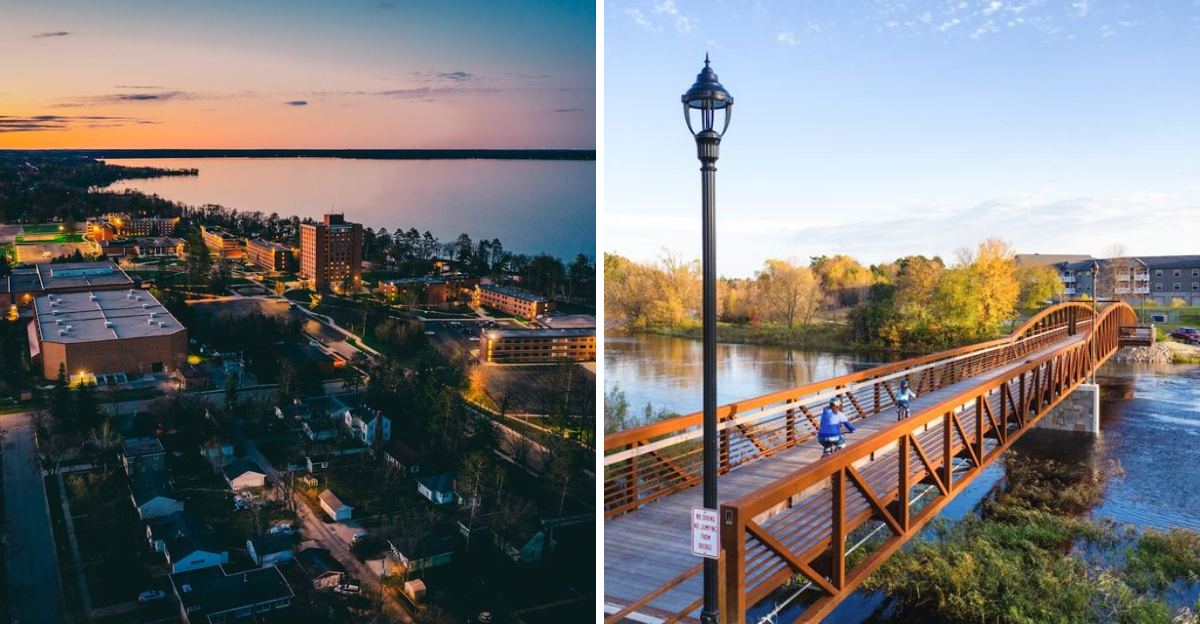
Lake breezes turn brutal heat into a distant rumor up north. These pockets of Minnesota’s Northwoods stay shockingly comfortable while the rest of the state swelters.
Imagine pine-lined shorelines, crisp mornings, and lake water cold enough to wake you instantly. Locals swear their thermometers just work differently up here.
One town guards a legendary lumberjack romance frozen in statue form. Another holds a lake within an island within a lake, and that is only the start.
Twelve towns hold their own version of this cool secret, each with a different reason to fall for it. Minnesota summers do not have to mean sweating through July.
Your next cool summer escape might be closer than you think, and it is worth putting on the list.
1. Grand Marais, Cook County
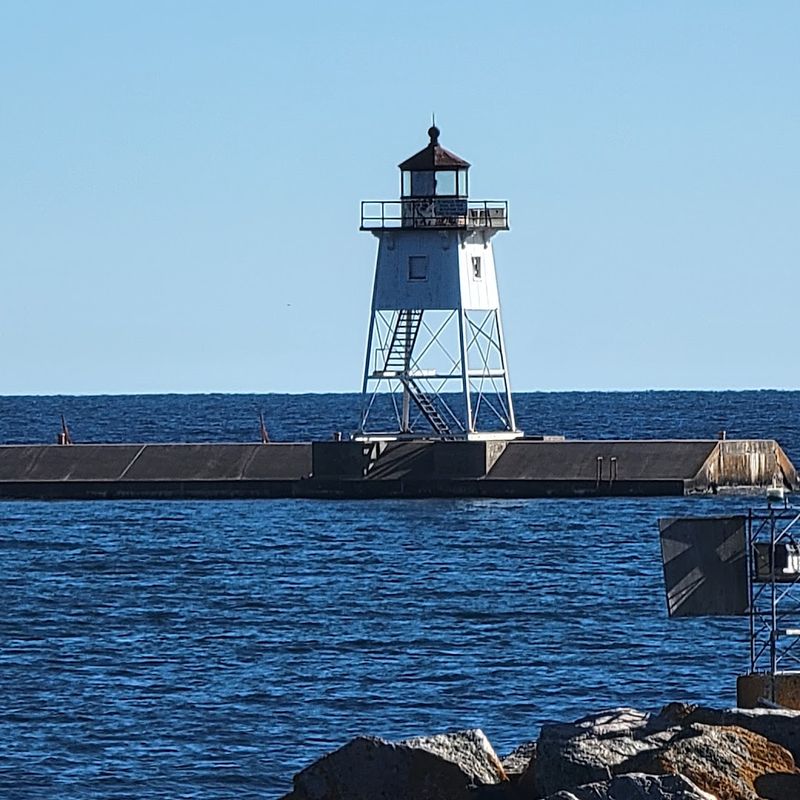
Cool, crisp air greets you the moment you step out of the car in Grand Marais. Cool air off Lake Superior gives Grand Marais some of the mildest, most consistent summer temperatures recorded anywhere in Minnesota.
Lake Superior acts like a massive natural cooling system, pulling heat away and replacing it with fresh, breathable air.
Artist’s Point is a must-visit rocky outcropping with sweeping views of the lake and the historic lighthouse. Walk out to the end and feel the breeze hit your face.
The Superior Hiking Trail offers routes for every skill level, winding through forests and along dramatic ridgelines.
Cascade River State Park sits just outside town and features layered waterfalls tumbling through forested gorges. Grand Marais also has a lively arts community, with galleries, handmade goods shops, and local eateries serving fresh-caught lake fish.
The town blends outdoor adventure with creative culture in a way that feels effortless and authentic. Grand Marais, Cook County, is located along Highway 61 on Minnesota’s North Shore.
2. Ely, Saint Louis County
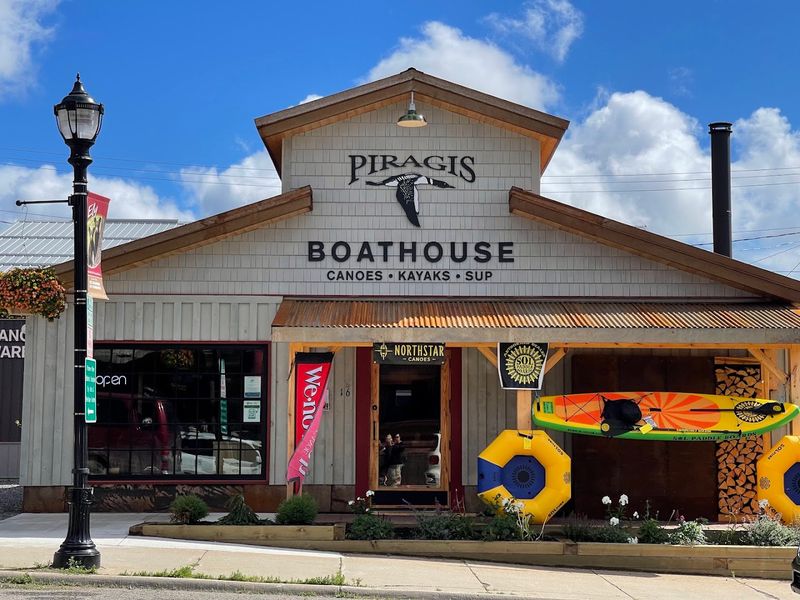
Paddling into the Boundary Waters Canoe Area Wilderness from Ely feels like stepping into a world that runs entirely on its own rules. This small Saint Louis County town serves as the primary gateway to one of the most protected wilderness areas in the country.
July temperatures here average a comfortable 77 degrees Fahrenheit, making long days outdoors genuinely enjoyable.
Canoeists and kayakers plan entire summers around Ely. The lakes are clean, the portages are challenging in the best way, and the silence out there is something you have to experience to believe.
Fishing is exceptional, with walleye, northern pike, and smallmouth bass all within reach.
Back in town, the International Wolf Center and the North American Bear Center offer fascinating close-up education about the wildlife sharing these forests. Ely’s main street is lined with outfitters, local restaurants, and shops stocked with everything you need for a wilderness trip.
The community is tight-knit and welcoming to visitors who respect the land. Ely, Saint Louis County, sits in northeastern Minnesota along Highway 169.
3. Bemidji, Beltrami County
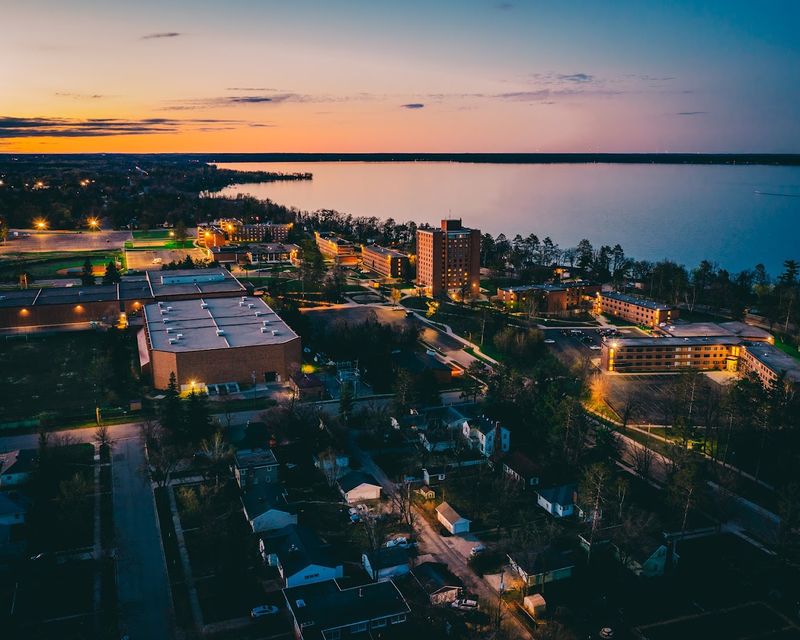
Paul Bunyan is everywhere in Bemidji, and honestly, the legend fits the landscape perfectly. This Beltrami County city sits on the southwest shore of Lake Bemidji, which feeds into the upper Mississippi River.
Summers here stay comfortable, with July highs hovering around 77 to 79 degrees Fahrenheit, helped along by the lake’s steady presence.
Lake Bemidji State Park is worth a full day of exploration. The bog walk trail there is genuinely unusual, offering a close-up look at a floating sphagnum bog ecosystem.
Water activities on the lake range from paddleboarding and kayaking to leisurely pontoon rides.
The Paul Bunyan State Trail passes right through town, connecting cyclists to a long stretch of paved trail cutting through the Northwoods. The iconic statues of Paul and Babe stand near the lakeshore and have been a beloved photo stop for generations of visitors.
Bemidji also has a strong arts scene, thanks in part to Bemidji State University’s cultural influence. Bemidji, Beltrami County, is located in north-central Minnesota along Highway 2 and Highway 71.
4. Grand Rapids, Itasca County
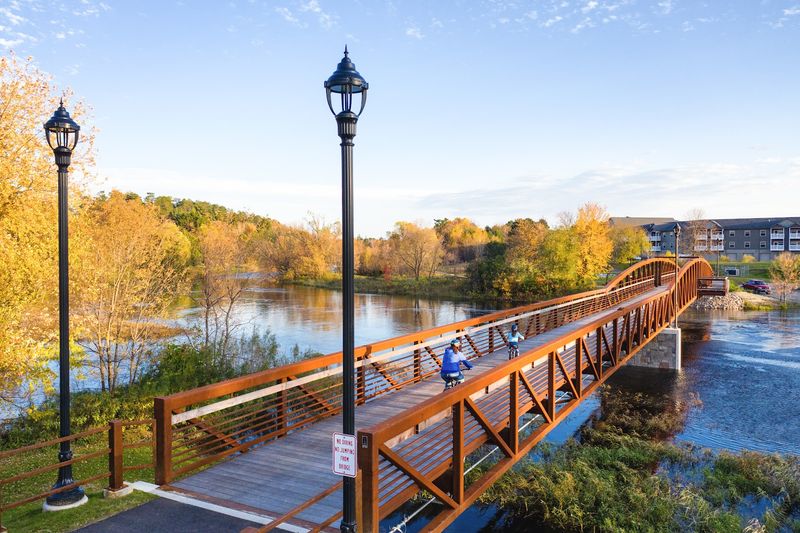
More than a thousand lakes surround Grand Rapids, and that number alone tells you something important about this place. The Itasca County seat sits at the heart of Minnesota’s lake country, where forests and water dominate the landscape in every direction.
Summers here are described as long and comfortable, with July highs typically landing around 78 to 79 degrees Fahrenheit.
History lovers will want to carve out time for the Judy Garland Museum, which celebrates Grand Rapids’ most famous daughter with a thoughtfully curated collection. The Forest History Center brings the region’s logging era to life through a living history experience set in a recreated 1900s logging camp.
Both attractions offer something genuinely different from the typical outdoor itinerary.
Paddlers and anglers have nearly endless options with so many lakes nearby. Over 100 miles of trails thread through the surrounding forests for hikers and cyclists.
The downtown area offers local dining and shopping that reflects the community’s pride in its Northwoods identity. Grand Rapids, Itasca County, is located in north-central Minnesota along Highway 169 and Highway 2.
5. Walker, Cass County
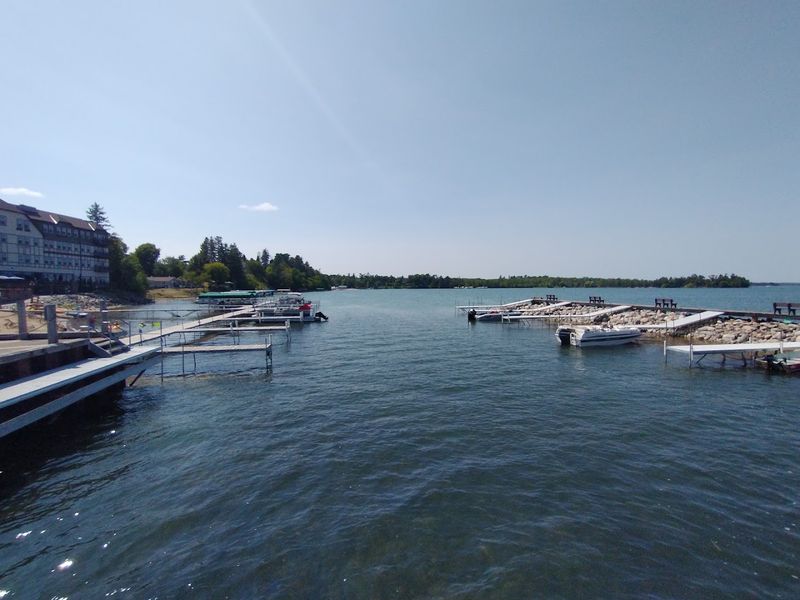
Leech Lake stretches out from Walker’s doorstep like it owns the place, and in many ways, it does. This Cass County town sits on the southwest corner of Minnesota’s third-largest lake, and the water shapes everything about life here in summer.
Average July highs hover around 79 degrees Fahrenheit, which feels even more pleasant when a lake breeze rolls through.
Leech Lake is a fishing destination with serious credentials. Walleye, muskellunge, and bass draw anglers from across the Midwest every season.
Boating and swimming are equally popular, and the lake’s size means you can always find a quiet cove when you want one.
The Chippewa National Forest wraps around the area, offering trail options for hikers of every level. The Paul Bunyan State Trail passes through Walker, connecting it to a broader network of paved cycling routes.
Downtown Walker has a relaxed, welcoming energy with local shops and eateries that invite you to slow down and stay longer than planned. Walker, Cass County, is located in north-central Minnesota along Highway 371.
6. Park Rapids, Hubbard County
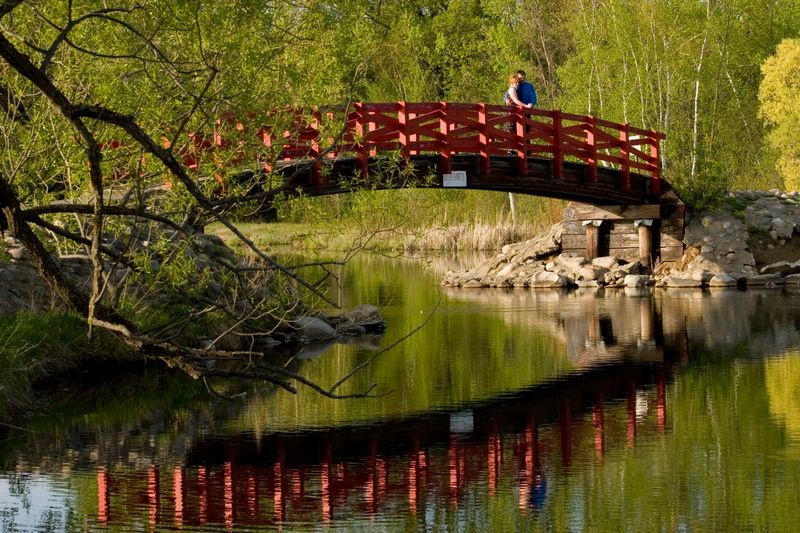
You can literally walk across the Mississippi River here, stepping stone by stepping stone, without getting your knees wet. Park Rapids serves as the main gateway to Itasca State Park, where the mighty Mississippi begins its long journey south.
July temperatures average around 80 degrees Fahrenheit, and low humidity keeps the air feeling fresh rather than heavy.
Itasca State Park is Minnesota’s oldest state park and one of its most visited. Beyond the famous headwaters crossing, it holds ancient forests, a scenic drive, and hiking trails through old-growth pines.
The park’s beauty has a quieting effect that city life rarely offers.
The Heartland State Trail starts near Park Rapids and stretches for miles along a converted rail corridor, making it ideal for cyclists and inline skaters. Tamarac National Wildlife Refuge sits nearby and hosts impressive birdwatching opportunities throughout summer.
The town itself has a friendly small-town rhythm with local restaurants and shops worth exploring. Park Rapids, Hubbard County, is located in north-central Minnesota along Highway 71 and Highway 34.
7. International Falls, Koochiching County
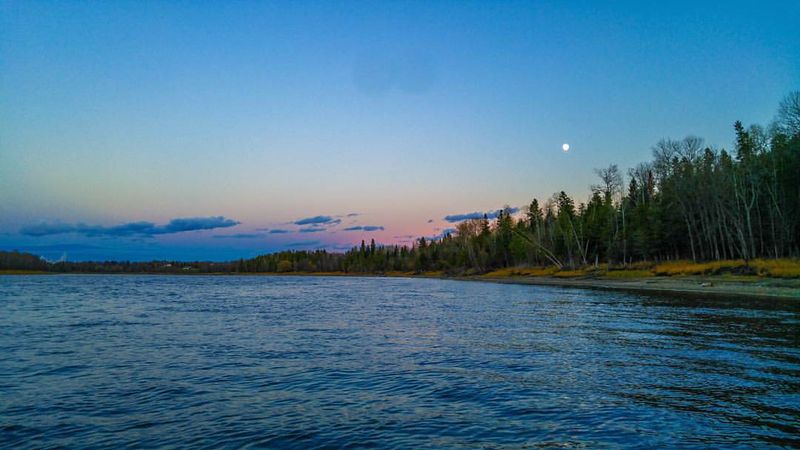
Known worldwide as the Icebox of the Nation, International Falls flips the script completely come summer. Winters here are legendary for extreme cold, but July averages around 65 degrees Fahrenheit, with highs that rarely push past 90.
Sitting right on the Canadian border across from Fort Frances, Ontario, this Koochiching County town has a genuinely unique character.
Voyageurs National Park is the main draw, and it earns every bit of the attention it gets. This water-based national park can only be fully explored by boat, making it unlike almost any other park in the country.
Fishing, houseboating, and wildlife spotting are the primary summer activities out on the water.
Smokey Bear Park in town features a large statue of the famous fire prevention icon and offers a pleasant stop for families. The Koochiching County Historical Museum provides a well-organized look at the region’s fur trade and logging heritage.
Evenings here cool down quickly, making campfires feel earned and satisfying. International Falls, Koochiching County, is located in northern Minnesota along Highway 53 at the Canadian border.
8. Two Harbors, Lake County
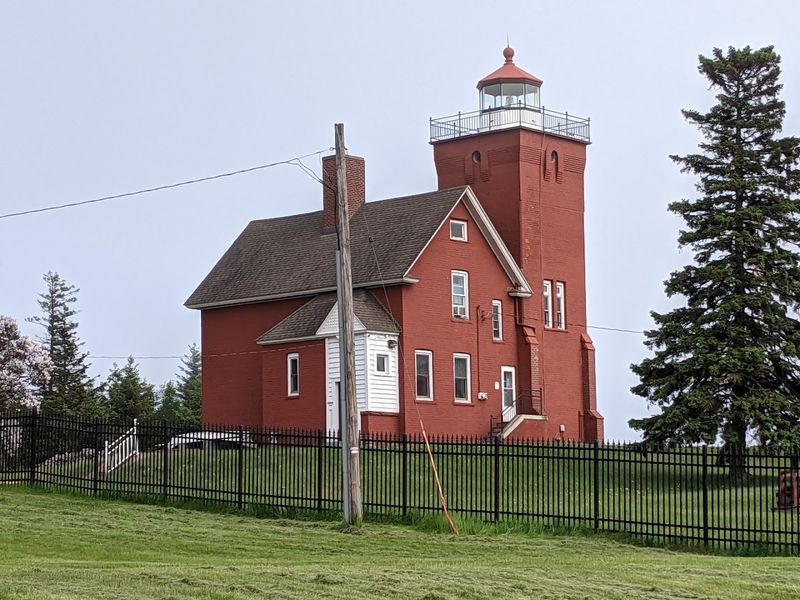
Minnesota’s oldest continuously operating lighthouse still stands watch over the water at Two Harbors, and it has been doing so since the late 1800s. This Lake County town hugs the North Shore of Lake Superior, where the enormous lake keeps summer temperatures noticeably cooler than inland areas.
July average highs typically land around 75 to 77 degrees Fahrenheit.
The Two Harbors Light Station is open for tours and offers one of the most atmospheric historic experiences on the North Shore. Standing at the edge of Agate Bay and watching massive ore ships move through the harbor is a surprisingly powerful sight.
The industrial history of the iron range feels very present here.
Gooseberry Falls State Park sits just northeast of town and showcases a series of stunning waterfalls dropping toward Lake Superior. The park’s trails range from easy walks to more rugged routes through the river gorge.
Agate hunting along the lakeshore is a beloved local pastime, and Two Harbors is considered one of the best spots to try it. Two Harbors, Lake County, is located along Highway 61 in northeastern Minnesota.
9. Cook, Saint Louis County
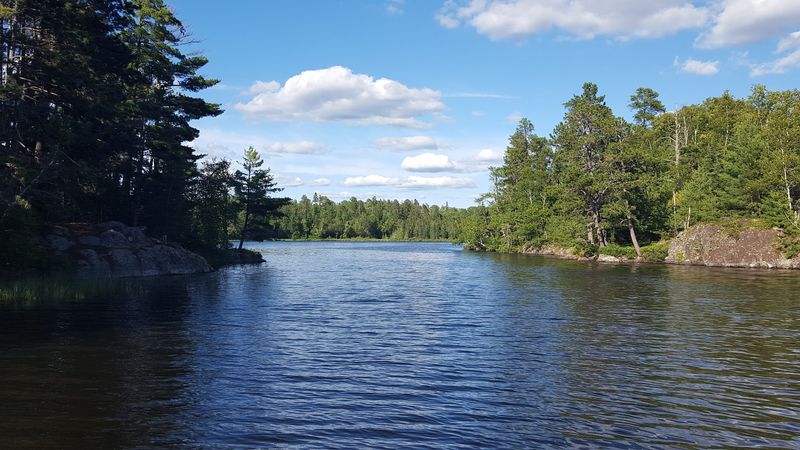
Lake Vermilion has a reputation that precedes it, and Cook is the town that puts you right at its doorstep. Known as the Gateway to Lake Vermilion, this Saint Louis County community offers access to one of Minnesota’s most visually striking lakes.
July temperatures average around 77 degrees Fahrenheit, with comfortable humidity that makes outdoor time genuinely refreshing.
Lake Vermilion’s 40,000 acres and 365 islands create a boating and fishing playground that takes entire summers to explore fully. Walleye fishing here is particularly well regarded.
Swimming and paddling are equally rewarding, with countless bays and sheltered coves to discover.
The surrounding Superior National Forest adds a vast wilderness backdrop to Cook’s appeal. Hiking and wildlife viewing opportunities spread out in multiple directions from town.
Music in the Park is a local summer tradition that brings the community together with live performances in an outdoor setting. The town has a no-frills, authentic Northwoods personality that appeals to visitors who want substance over spectacle.
Cook, Saint Louis County, is located in northeastern Minnesota along Highway 53.
10. Tower, Saint Louis County
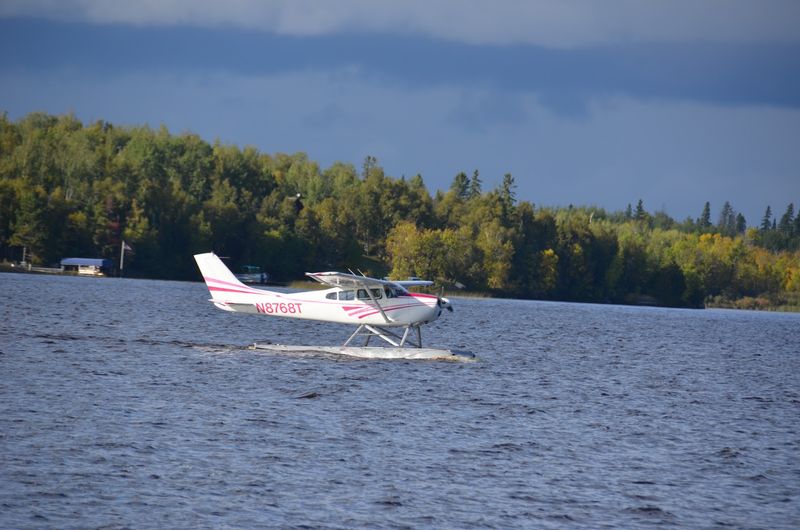
Tower holds the record for Minnesota’s coldest temperature ever recorded, but that brutal winter reputation has nothing to do with summer. Perched on the southern shore of Lake Vermilion in Saint Louis County, Tower transforms when the warm months arrive.
July daily highs average around 77 to 80 degrees Fahrenheit, and the lake keeps the air moving in the best possible way.
Lake Vermilion-Soudan Underground Mine State Park is the kind of attraction that sticks with you long after the visit. Minnesota’s first iron ore mine takes visitors deep underground for a tour of tunnels and equipment that shaped the state’s industrial history.
The contrast between the cool underground passages and the warm summer air above ground is remarkable.
Lake Vermilion offers world-class fishing and boating right from Tower’s shores. The lake’s island-dotted geography makes every outing feel like a new discovery.
The Tower Train Museum adds another layer of local history for those curious about how the region developed during the mining era. Tower, Saint Louis County, is located in northeastern Minnesota along Highway 169.
11. Hackensack, Cass County
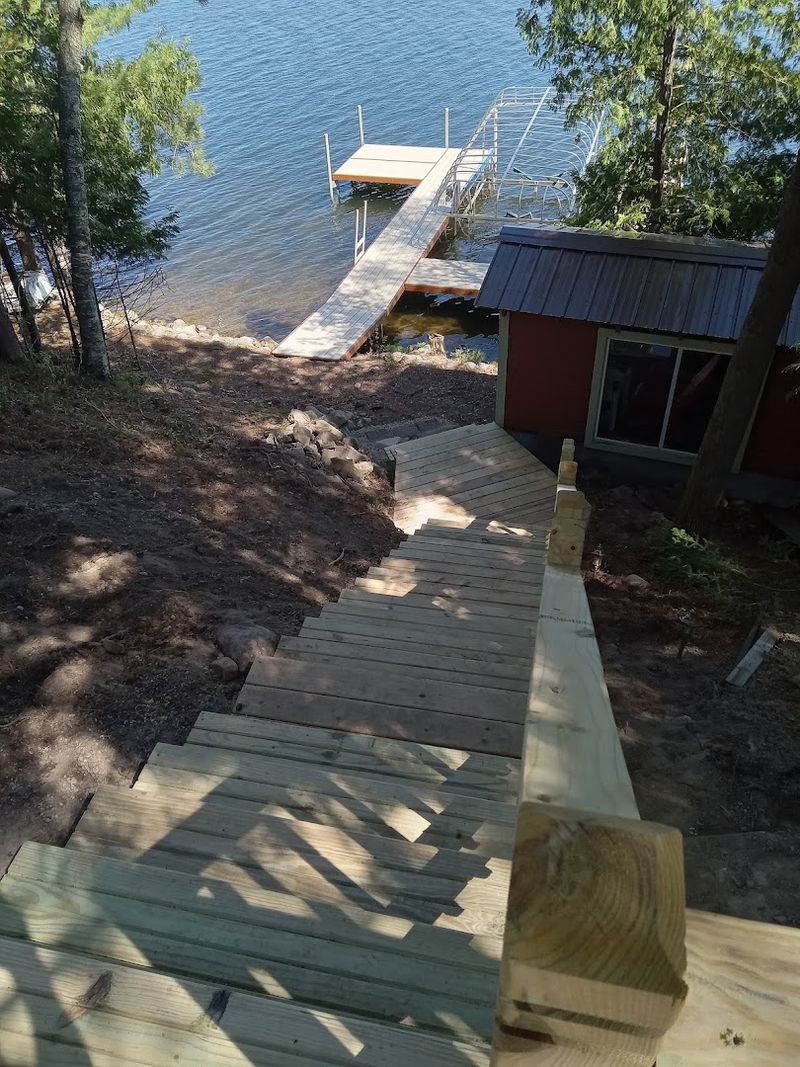
One hundred and twenty-seven lakes within a ten-mile radius. That is the kind of statistic that stops you mid-scroll and makes you reconsider your summer plans entirely.
Hackensack sits in the heart of Cass County lake country, where low humidity and gentle lake breezes keep July highs around 80 degrees Fahrenheit feeling entirely manageable.
The town has its own piece of the Paul Bunyan legend, though with a twist. Lucette Diana Kensack, Paul Bunyan’s sweetheart, has her own statue standing proudly in Hackensack.
It is a fun, slightly offbeat piece of Minnesota folklore that gives the town a playful identity all its own.
Birch Lake and the surrounding waters offer excellent fishing, kayaking, and swimming. The Paul Bunyan State Trail passes nearby, giving cyclists easy access to one of Minnesota’s most popular paved trail corridors.
Hackensack’s small-town pace is part of the appeal, with local shops and a relaxed community vibe that encourages visitors to exhale and unwind. Hackensack, Cass County, is located in north-central Minnesota along Highway 371.
12. Cass Lake, Cass County
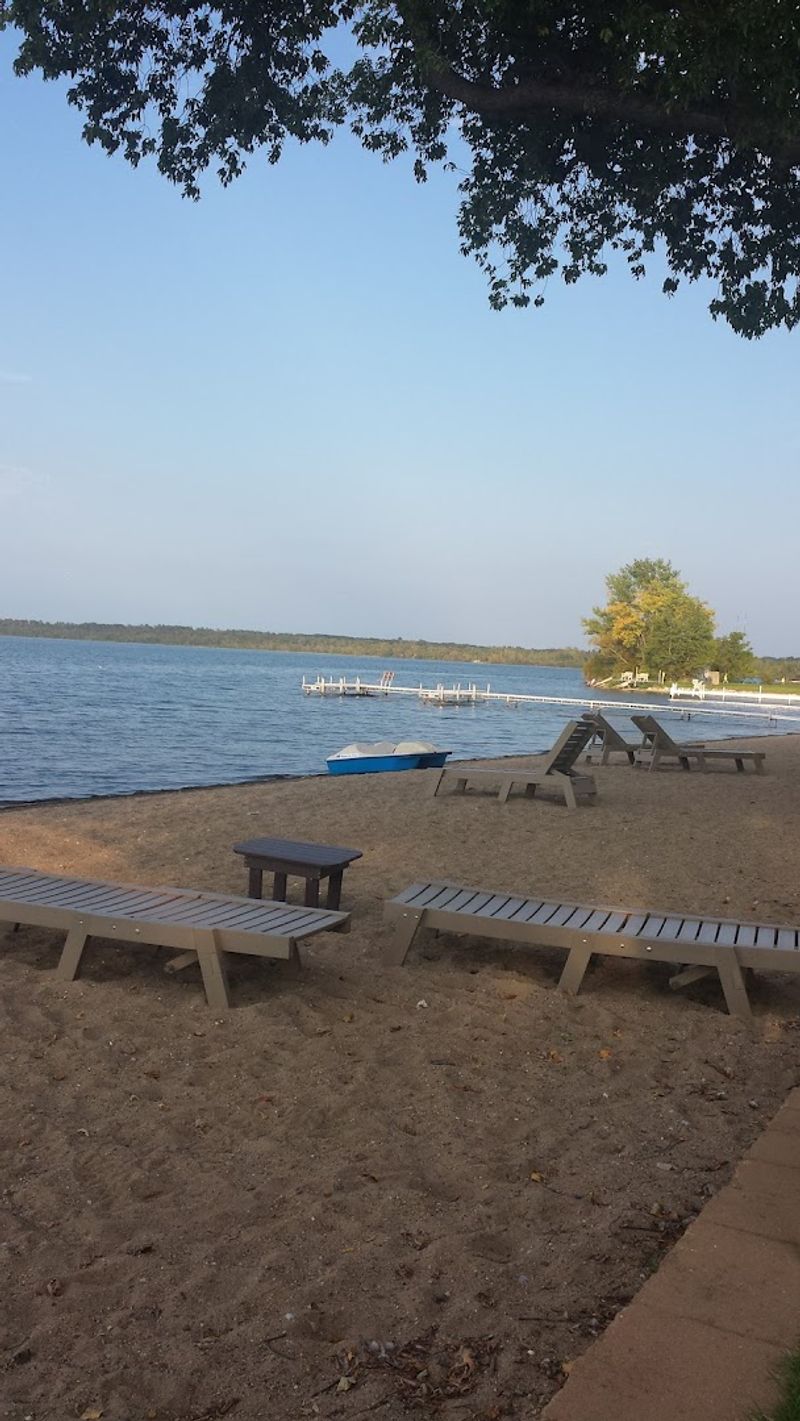
Star Island on Cass Lake contains Lake Windigo, making it a lake on an island within a lake. That geographical curiosity alone makes Cass Lake worth a detour, but the town offers far more than an interesting map quirk.
Located within the Leech Lake Indian Reservation and surrounded by the vast Chippewa National Forest, Cass Lake carries a cultural and natural richness that runs deep. July highs average around 79 to 82 degrees Fahrenheit.
Cass Lake itself ranks as the eighth largest lake entirely within Minnesota, giving paddlers, anglers, and boaters enormous room to roam. Walleye fishing draws serious anglers season after season.
The lake’s size also means conditions vary, creating interesting challenges for experienced kayakers and sailors.
The Migizi Trail offers a paved route for cyclists and hikers that connects to the broader outdoor network in the area. The Chippewa National Forest provides hiking trails, wildlife viewing, and quiet forest roads worth exploring by bike or on foot.
The area’s Indigenous heritage adds meaningful context to every visit. Cass Lake, Cass County, is located in north-central Minnesota along Highway 2 and Highway 371.