
Most People Don’t Know This Wisconsin Park Hides A Full Replica Of An 1890s Logging Camp
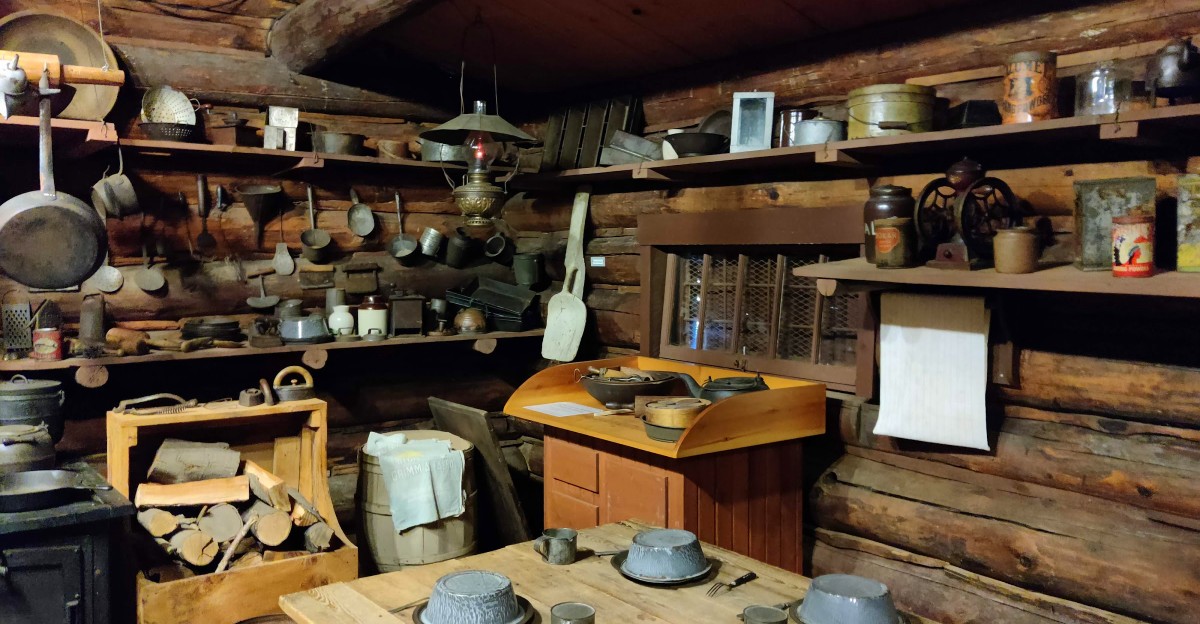
Logging camp life was not exactly built for comfort. Mornings started early. Clothes stayed dusty. Meals had to be big enough to keep exhausted crews moving through another long day.
That rough-and-ready world played a huge role in shaping Wisconsin, yet most travelers only know the polished version of the story. The camp routine was louder, messier, and far more interesting.
Workers slept in shared bunkhouses, crowded around long tables, and relied on a surprisingly organized system to keep everything running. Every building had a purpose. So did every tool, chore, and meal.
Seeing those details up close changes the story completely. Suddenly, logging history is not just about timber and old photographs. It becomes a look at personalities, routines, practical tricks, and the strange little details that made camp life work.
That is where this stop gets especially fun.
A Giant Welcome You Can’t Miss
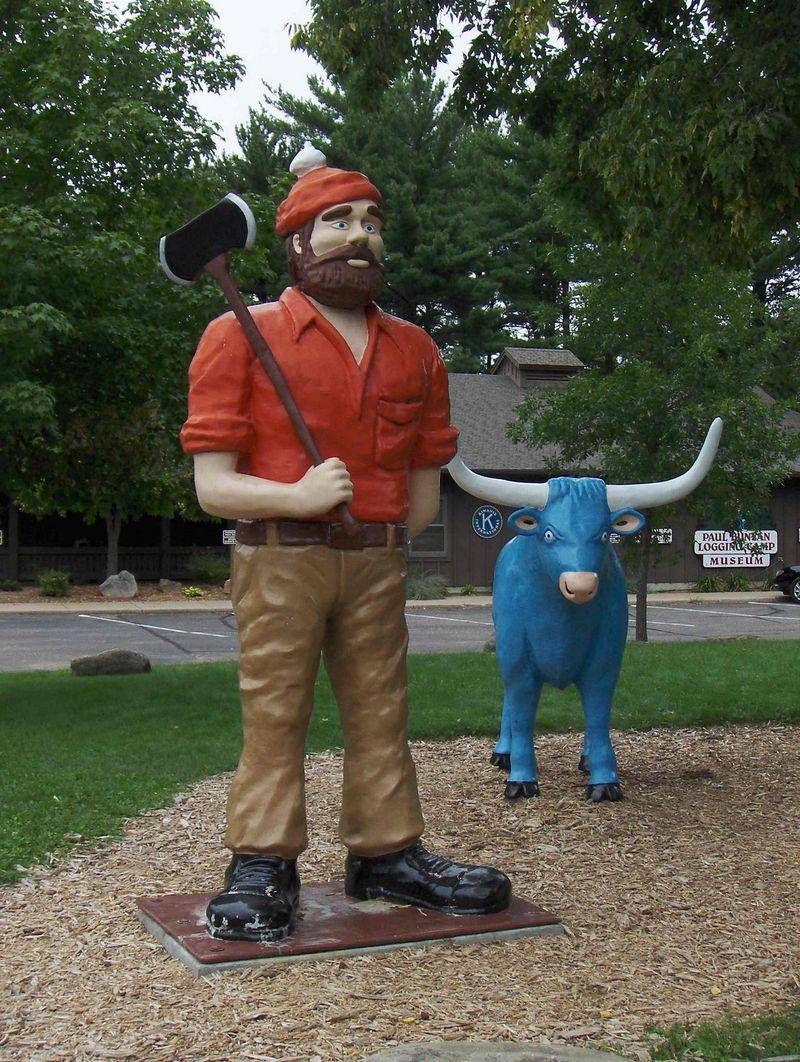
Two huge figures greet you before you even reach the door. A towering Paul Bunyan statue stands tall beside Babe the Blue Ox, and both are hard to ignore. Kids point, parents grab their phones, and everyone smiles.
The statues at Paul Bunyan Logging Camp make a fun first stop. You should snap a photo here before heading inside, since the light under the trees often looks lovely in the afternoon. The pair also gives you a playful hint about the stories waiting for you inside.
Paul Bunyan is a folk hero from American logging tales. Legends say he was so big he dug lakes with his footsteps.
Babe, his loyal blue ox, was said to be strong enough to pull crooked roads straight. Lumberjacks told these tall tales around campfires to pass long winter nights.
You can share a few of these legends with your kids while you stand by the statues. It turns a simple photo into a small story lesson. Even younger children enjoy guessing how big Paul really was.
Take a moment to look around the grounds, too. The setting feels calm and green, which helps you slow down and get ready for a trip back in time.
Where Eau Claire’s Lumber Story Begins
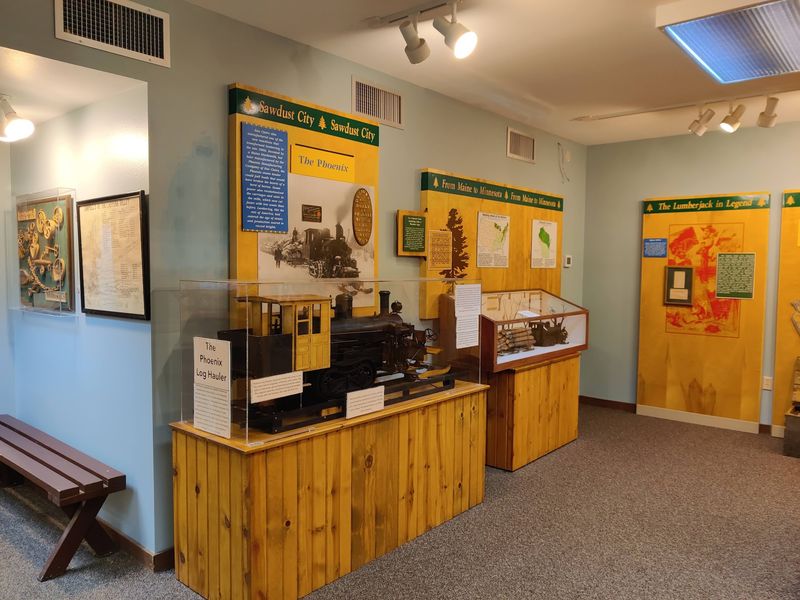
Back in the late 1800s, sawdust practically filled the air in this part of the state. Eau Claire grew fast because of the lumber business, and rivers carried millions of logs downstream. That boom shaped the city you see today.
Inside the interpretive center at Paul Bunyan Logging Camp, you get the big picture. Displays explain how logging started, how it peaked, and why it slowed down.
You should watch the short film in the small theater first, since it only takes about ten minutes and helps everything else make sense. After the film, spend some time with the exhibits. You will see artifacts, photos, and clear signs that explain daily life for workers.
The writing is easy to follow, so even middle school kids can read along without getting lost.
The heyday of Wisconsin logging lasted only a few decades, yet it changed the landscape forever. Huge forests were cleared, and towns sprang up almost overnight.
You can also visit the gift shop inside this building. It offers books and fun souvenirs tied to logging and Paul Bunyan legends. Picking up a small book can keep the learning going once you get home.
Bunks, Beans, And Long Winter Nights
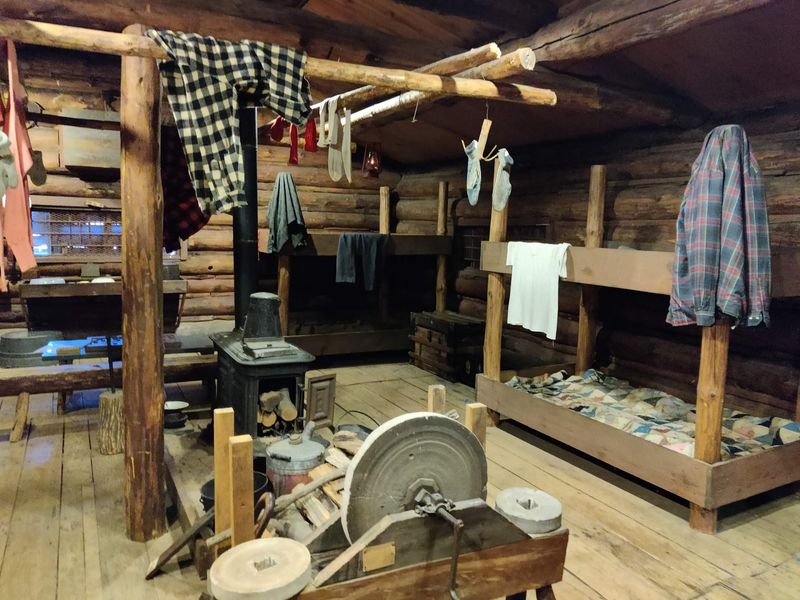
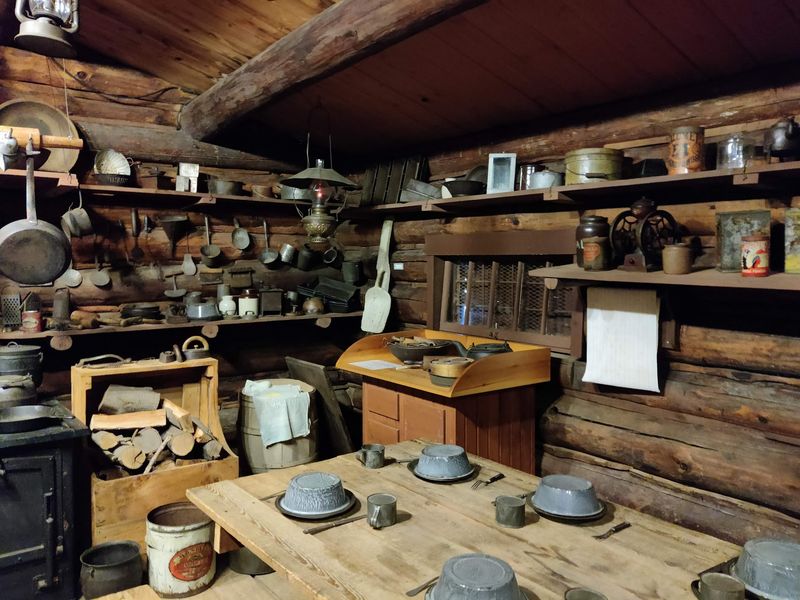
Imagine sharing one small room with dozens of tired, hungry men. That was normal for lumberjacks, and the cook shanty and bunkhouse show you exactly how it felt. Wooden bunks line the walls, and long tables fill the eating area.
At Paul Bunyan Logging Camp, this building helps you picture daily routines. Workers woke up before dawn and ate massive breakfasts. Cooks made pancakes, beans, salt pork, and bread in huge amounts to fuel a hard day of cutting trees.
Meals had a strict rule in many camps. Talking at the table was often not allowed, so men could eat fast and get back to work. You might find that funny, especially if dinner at your house gets noisy.
You should look closely at the stove, dishes, and bedding. Each item tells you something about how simple life was back then. There was no electricity, no running water, and very little privacy.
Kids usually love comparing these bunks to their own beds. You can ask them which part of camp life sounds hardest. It is a simple way to spark a real conversation about history and how much daily comfort has changed since the 1890s.
Sparks Fly At The Blacksmith Shop
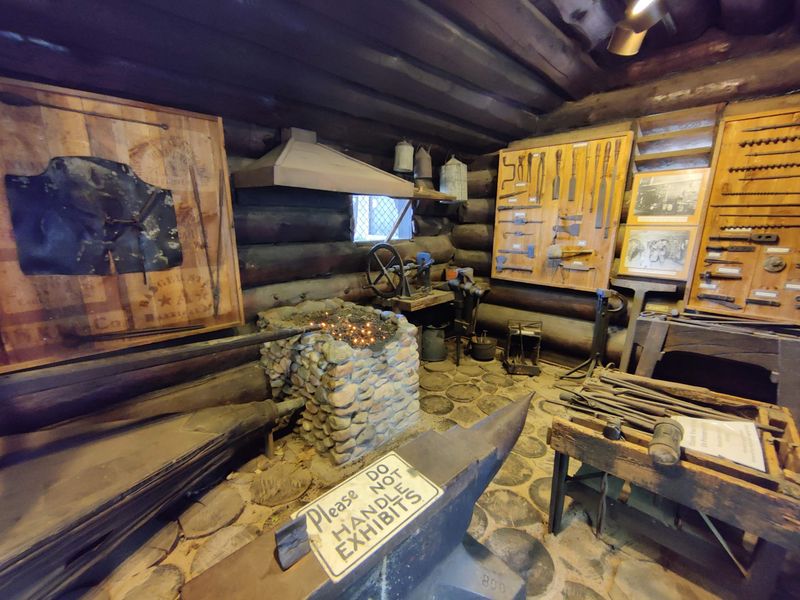
Clang, clang, clang. That sound once echoed through every logging camp, because nothing worked for long without a blacksmith. Tools broke, horses needed shoes, and sled parts wore out all the time.
The blacksmith shop at Paul Bunyan Logging Camp shows you the heart of camp repairs. You will see the forge, the anvil, and many heavy tools hanging nearby. It is easy to imagine a strong worker hammering hot metal into shape.
A camp blacksmith had one of the most important jobs around. If an axe or chain failed, work could stop. So he kept everything running, often working late into the evening by firelight.
You should take time to spot the horseshoes and hooks on display. Many of these items were made by hand right on site. That skill took years to learn, and blacksmiths earned real respect from the crew.
Horses and oxen pulled heavy loads over icy roads, so their shoes sometimes had special spikes for grip. Without those shoes, winter hauling would have been nearly impossible.
Looking at the tools up close helps you understand just how much effort went into every single log that left the woods.
Big Machines And Hardworking Horses
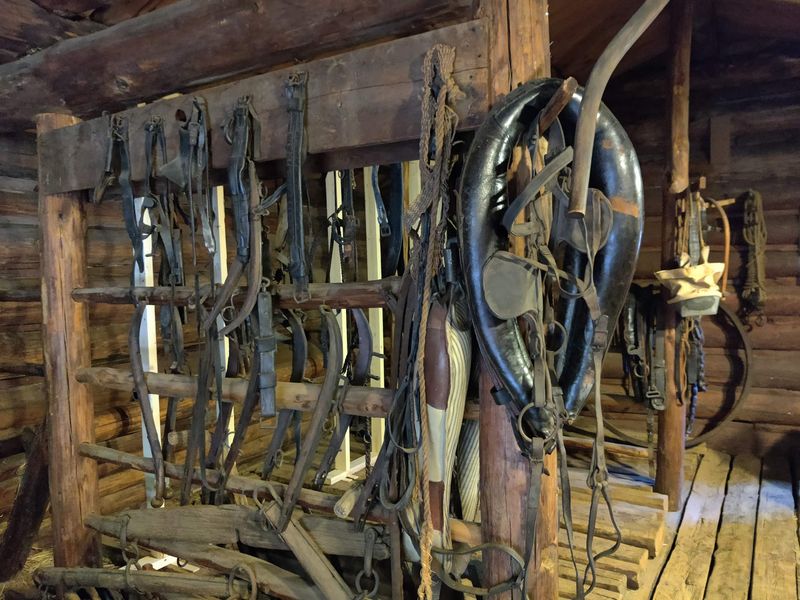
Moving a giant log took serious muscle, and not all of it came from people. Horses and oxen did much of the heavy pulling. The barn and the heavy equipment shed help you see how it all came together.
Inside the equipment shed at Paul Bunyan Logging Camp, you will find old wagons, sleds, and tools from the logging era. Some of these pieces look simple, yet they solved big problems. Loggers worked mostly in winter, when frozen ground made hauling easier.
Crews even sprayed water on roads at night to create thick ice. That trick let sleds glide while carrying stacks of logs taller than a person. You might be surprised by how clever these workers were without any engines.
The barn reminds you that animals were true teammates. Workers fed them, cared for them, and depended on them every day. A healthy team of horses was worth a lot to any camp.
You should walk slowly through both buildings and read the signs. They explain what each machine did and why it mattered. If you have kids who love trucks or tractors, this part of the visit will likely become their favorite stop of the day.
Hands-On Fun For Young Lumberjacks
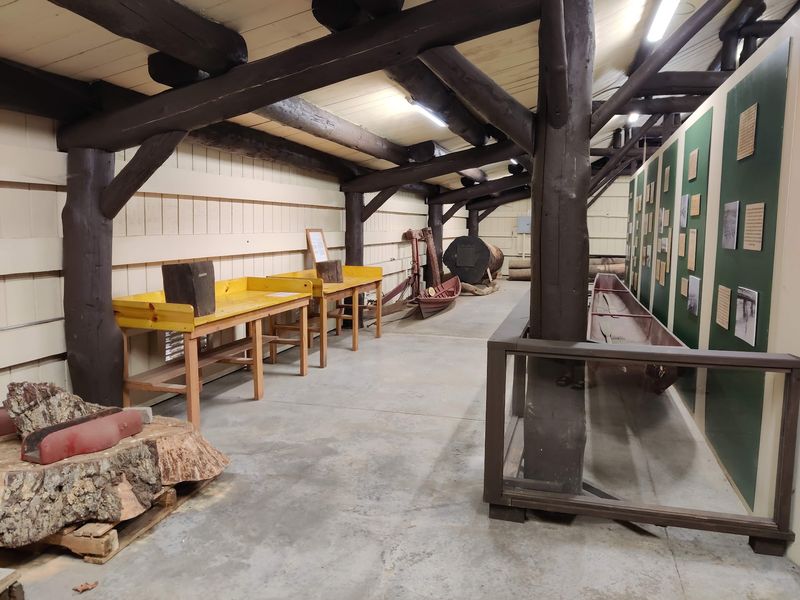
Little visitors learn best when they can touch, build, and play. Luckily, this museum gets that. Kids find activities that turn history into something they can actually do.
Paul Bunyan Logging Camp includes a children’s play area and interactive displays throughout the grounds. Your kids can explore at their own pace while picking up facts about lumberjack life. It feels more like playtime than a lesson, which keeps attention spans happy.
School-age children tend to get the most out of the visit. Very young toddlers may enjoy the statues and open space more than the reading. You should plan with your family’s ages in mind so everyone has a good time.
A good tip is to give kids a small challenge. Ask them to find a saw, a horseshoe, or a bunk bed during the walk. Simple goals like these make each building feel like part of a scavenger hunt.
The outdoor buildings connect with sidewalks, which makes moving between them easy. Strollers and wheelchairs can get around without much trouble.
That helps families with mixed needs enjoy the trip together. By the end, your young explorers might even start calling themselves lumberjacks, and that is a pretty great souvenir to bring home.
Plan Your Trip Like A Local
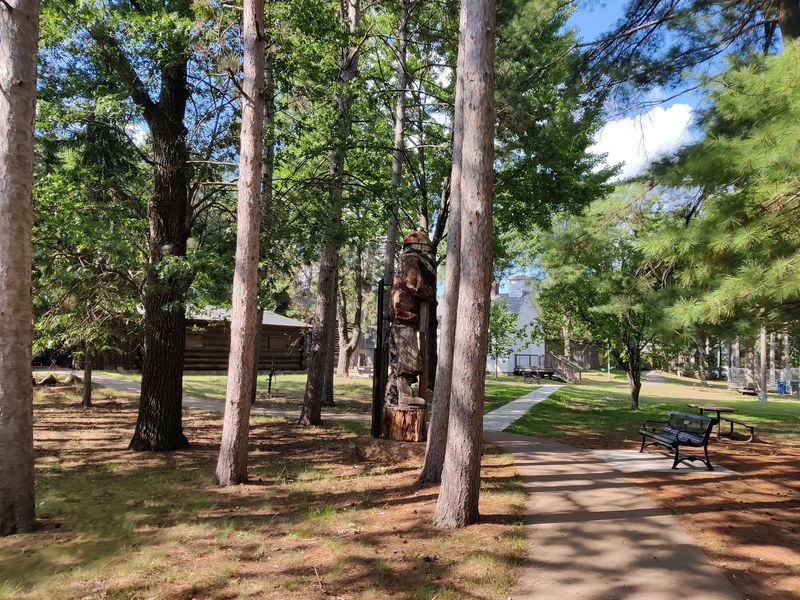
A little planning goes a long way here. The camp operates seasonally, so checking the current schedule before visiting is important.
Paul Bunyan Logging Camp sits inside Carson Park, right next to the Chippewa Valley Museum. You can find it at 1110 E Half Moon Dr, Eau Claire, WI 54703.
The Logging Center and Paul Bunyan Logging Camp is currently closed to the general public and is scheduled to reopen for the 2027 summer season. Check the current schedule before planning your visit.
Most people spend about 45 minutes to an hour at the camp. If you add the Chippewa Valley Museum next door, give yourself much more time. Some families make a full day of visiting both.
Carson Park itself is worth a stroll. Tall trees, walking paths, and lake views make it a relaxing place to stretch your legs. Even if you arrive early, you can enjoy the grounds and the statues while you wait for the doors to open.
Why This Little Camp Leaves A Big Impression
Some places stay with you long after you leave. This camp is one of them, not because it is huge, but because it feels honest and real.
Paul Bunyan Logging Camp gives you a clear look at a way of life that shaped Wisconsin. You see where workers slept, what they ate, how they fixed tools, and how they moved giant logs through snow and ice. Every building adds a new piece to the story.
The staff here care deeply about local history. You can ask questions, and you will often get helpful answers with interesting extra details. That personal touch makes learning feel friendly instead of stiff.
You should come with an open mind and a bit of curiosity. Read the signs, watch the short film, and let your kids explore. Small moments, like spotting an old saw or laughing at Paul Bunyan legends, add up to a meaningful visit.
Wisconsin has many places tied to its logging past, yet this one fits nicely into a relaxing park day. It works for a quick stop or part of a longer outing. When you leave, you will see the forests and rivers of the region a little differently, and that makes the trip truly worth it.