
Nevada’s Oldest Standing Building Sits Quietly Behind A Las Vegas Strip Mall
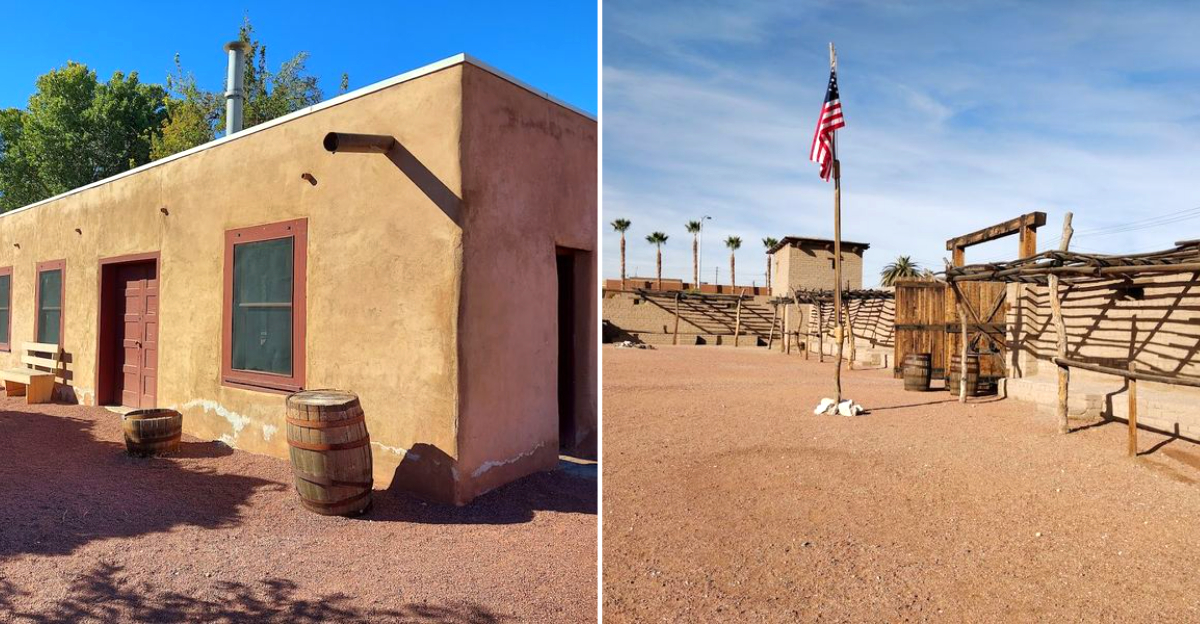
Before the neon signs, towering resorts, and roaring crowds, there was dust, desert, and one small adobe outpost. Its weathered walls still protect the earliest chapter of a city that would later become famous around the world.
The contrast makes the experience unforgettable. One moment, modern city energy surrounds you, and the next, you are exploring a structure built long before entertainment districts filled the horizon.
Slow down and study the handmade details. Imagine the people who once stopped here for shelter, supplies, and a brief rest before continuing across the desert.
This is not just another historic Nevada stop. It is a surprising journey into the past that turns an ordinary afternoon into a memorable adventure.
The Story Behind Nevada’s Oldest Surviving Structure
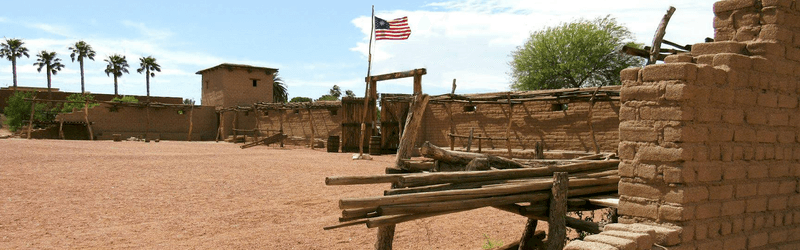
Long before the city of Las Vegas existed, a group of Mormon missionaries built a small adobe fort in the middle of the Mojave Desert. Part of that fort, constructed in 1855, is still standing today.
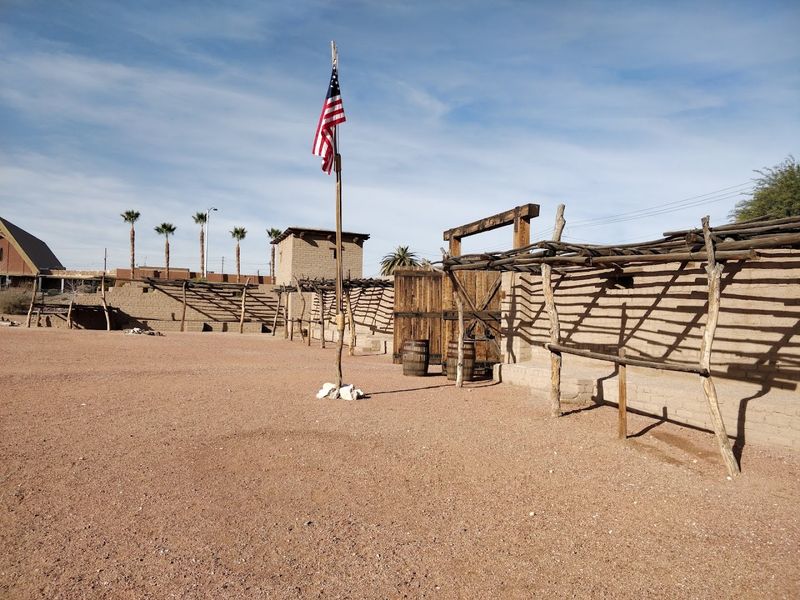
The remaining adobe structure at Old Las Vegas Mormon Fort State Historic Park is widely recognized as the oldest surviving non-Native structure in Nevada.
What makes this so remarkable is the context. You are looking at a 170-year-old wall made of mud bricks, surrounded by one of the fastest-growing cities in the United States. The contrast between old and new is something you can actually feel when standing there.
The fort was originally built as a mission and way station along the Old Spanish Trail. It provided shelter, water, and supplies to travelers crossing the desert.
The Las Vegas Valley had a natural spring nearby, which made this location a logical stopping point for those making the long journey west.
Over time, the mission was abandoned, and the land changed hands multiple times. The adobe walls weathered decades of harsh desert conditions. The fact that any part of the original structure survived at all is remarkable.
Visiting the site gives you a real sense of how much this land has transformed over the past century and a half.
How To Reach This Historic Fort
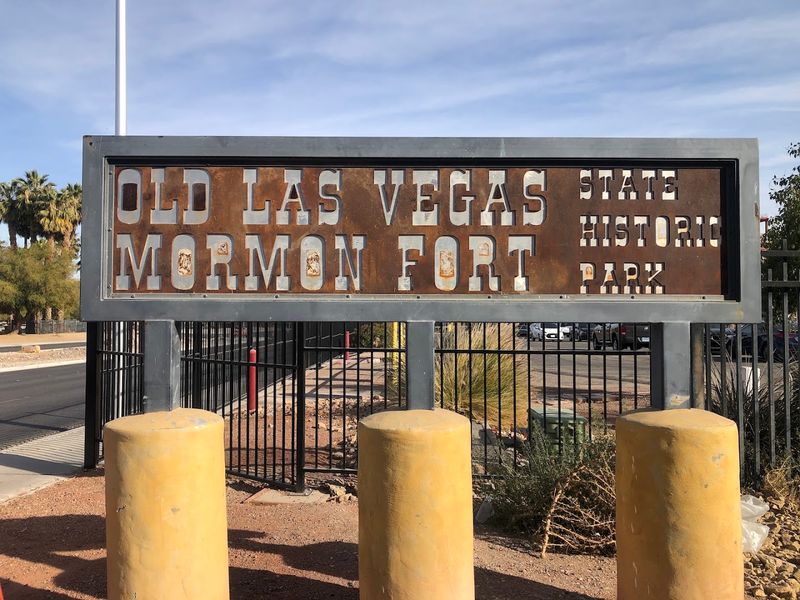
One of the most surprising things about this historic site is its location. You will find Old Las Vegas Mormon Fort State Historic Park at 500 E Washington Ave, Las Vegas, NV 89101, just north of downtown.
From the street, you might not realize a 170-year-old fort is surrounded by ordinary city blocks. Getting there is straightforward, and the park is accessible by car.
The location is also close enough to the Fremont Street area that some visitors may choose to walk if they are staying nearby.
The park is in Nevada’s Clark County, making it an easy addition to any Las Vegas itinerary. You do not need to travel far outside the city or rent a specialty vehicle to reach it. A regular car handles the roads easily, and the entrance is clearly marked.
The surrounding mix of commercial and residential buildings makes arriving at this historic site feel even more surreal.
What Awaits You Inside The Park
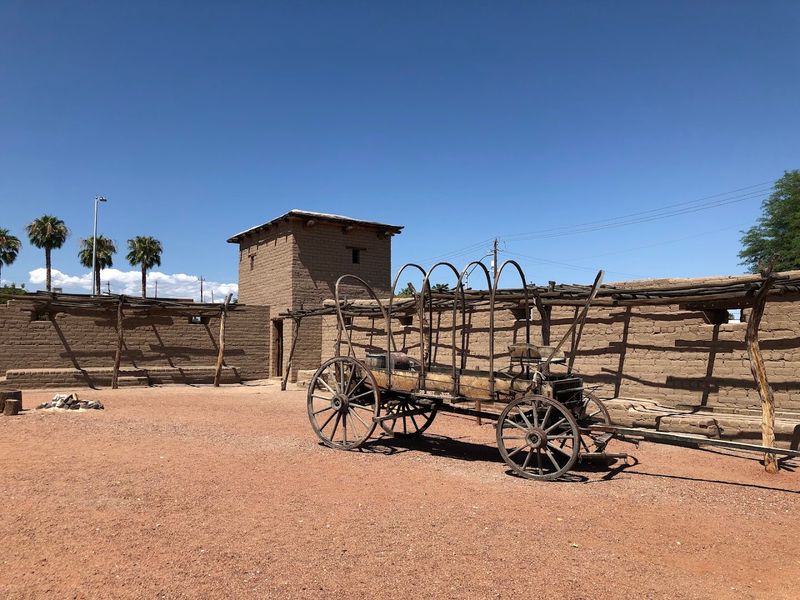
A visit here covers more ground than you might expect from a site this compact. The park includes two main areas: the visitor center and the surrounding fort grounds. Both are packed with things to look at, read, and absorb.
Outside on the grounds, you will find remnants of the original adobe fort walls, historic wagons, and a re-created creek that flows through the property.
The park created the creek to help visitors understand how the natural water source shaped the settlement and made life possible in the desert. The creek may also contain fish, adding a lively and peaceful element to the outdoor space.
You might spot animals around the grounds as well, although their presence can vary. A rescued sulcata tortoise named Helen Shelly has appeared at the park, and visitors have also reported seeing a resident cat called Ranger Whiskers.
Both add a charming, unexpected layer to the experience when they are around.
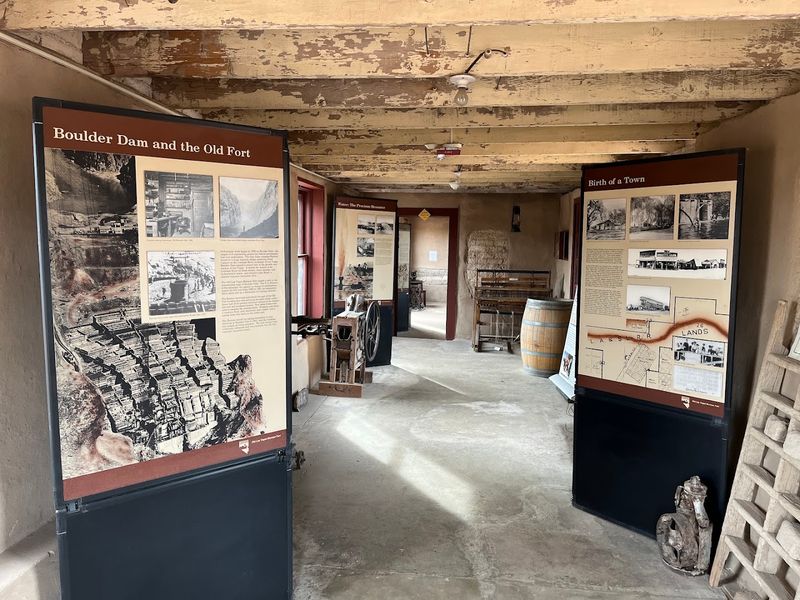
The visitor center houses exhibits on Indigenous history, early settler life, clothing, tools, photographs, and daily routines. There is also a small screening area where visitors can watch a short film about the history of Las Vegas and the fort.
The gift shop inside the visitor center carries postcards, books, and a small selection of souvenirs. Public restrooms are available on site as well.
Inside The Visitor Center And Museum
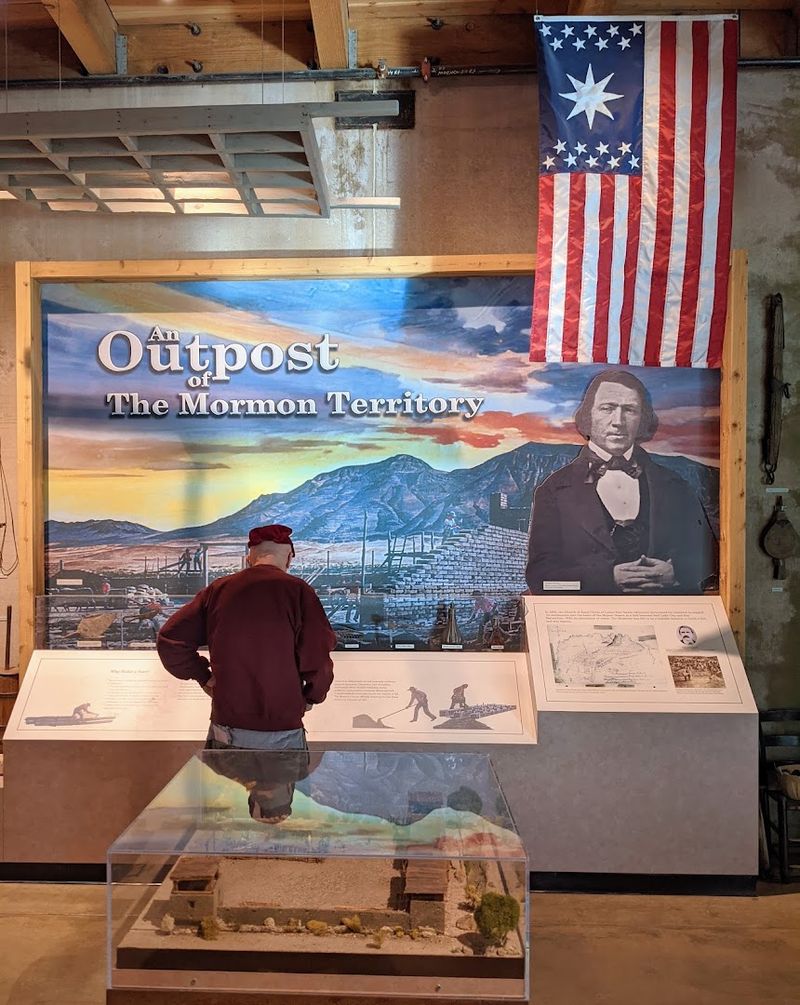
The visitor center at Old Las Vegas Mormon Fort State Historic Park does a lot with a modest amount of space. Inside, well-organized exhibits trace Las Vegas history from long before the city existed.
You will find displays covering Indigenous cultures that lived in the Las Vegas Valley for centuries before European settlers arrived.
The exhibits include historic artifacts, old photographs, models, and detailed written explanations that are easy to follow. Everything is arranged to help the story unfold naturally as you move through the space.
One highlight of the visitor center is the small theater. A short film covers the founding of the fort, the importance of the Las Vegas Creek, and the broader history of the valley. Watching it before exploring the grounds can give you helpful context for what you are about to see outside.
The museum also touches on the story of Helen Stewart, who became one of the most influential figures in early Las Vegas history. Her role in the development of the community is explored through the exhibits.
The visitor center is genuinely informative without feeling overwhelming or difficult to follow.
How Mormon Pioneers Helped Shape Early Las Vegas
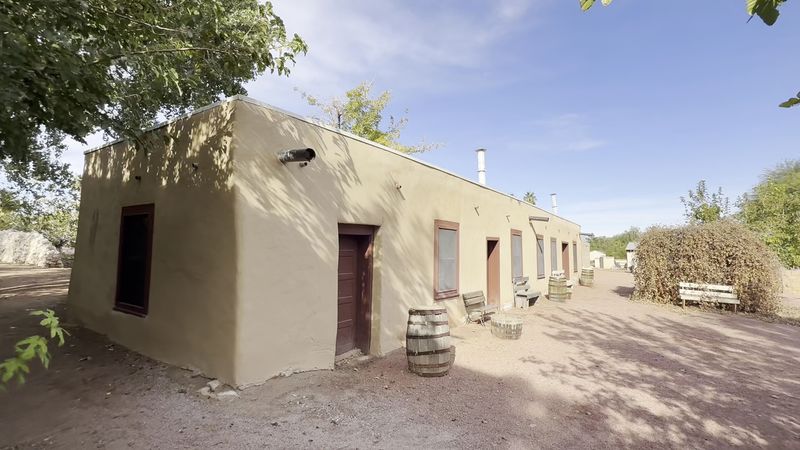
The group that built this fort in 1855 was sent by Brigham Young, leader of The Church of Jesus Christ of Latter-day Saints.
Their mission was to establish a way station between settlements in southern Utah and San Bernardino, California, support travelers, and spread their faith along the route. They chose the Las Vegas Valley because of its reliable water source, the Las Vegas Creek.
The pioneers who built the fort faced extraordinary challenges. Nevada’s desert climate is brutal in summer, with extreme heat and dry conditions that made construction and daily survival demanding.
The adobe bricks they used were made from local earth and dried in the sun, a building technique suited to the environment but labor-intensive to execute.
The mission lasted about two years before internal disagreements and growing tensions with the U.S. government contributed to its closure. Despite the short occupation, the fort they left behind became an important part of the settlement that eventually grew into Las Vegas.
Understanding this piece of Nevada’s past changes how you see the city around you. Las Vegas did not spring up overnight.
It developed from a desert outpost built by a determined group of people who saw potential in a harsh landscape. That story deserves to be told, and this park tells it well.
What To Know Before Planning Your Visit
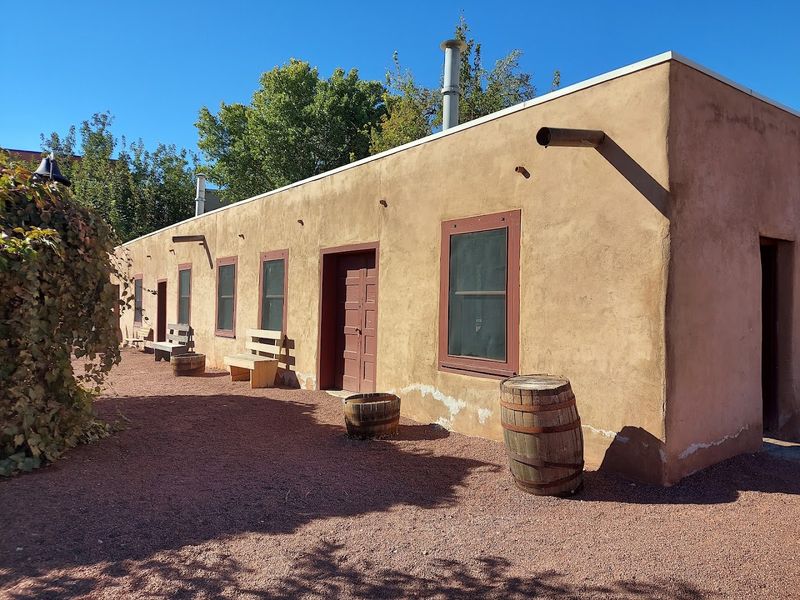
Planning your visit to Old Las Vegas Mormon Fort State Historic Park is simple, but knowing the details in advance helps you make the most of your time.
The park is open Tuesday through Saturday from 8 a.m. to 4:30 p.m., with last admission at 4 p.m. Sunday and Monday are closed, so keep that in mind when scheduling your trip to Nevada.
Admission is very affordable, making this one of the most budget-friendly historical experiences in the Las Vegas area. The entry fee gives you access to both the visitor center and the historic fort grounds.
Parking is available directly at the site. The visitor center has public restrooms, which is always appreciated. The park is also within reach of the Fremont Street area, so if you are staying downtown, adding this stop to your morning plans is easy without a long drive.
Visitors with mobility concerns should contact the park ahead of time to ask about current accessibility conditions and available accommodations. Some outdoor surfaces may be uneven, so planning ahead can make the visit more comfortable.
Where Local History Meets Pop Culture
Not every historic site attracts gamers, but this park has an unexpected connection to the gaming world. The real Old Mormon Fort appears in Fallout: New Vegas as the Followers of the Apocalypse headquarters, giving fans another reason to visit.
The park has embraced its growing connection to the game through fan interest, special events, and occasional themed touches. Seeing the real fort and its historical artifacts can be especially engaging for players who first encountered the location in the fictional Mojave Wasteland.
This pop culture connection has introduced the park to visitors who might not otherwise seek out a history museum. Once there, they can discover the real story behind the game’s setting and learn how the fort helped shape the early Las Vegas Valley.
The park has a gift shop offering traditional history-focused souvenirs, while Friends of the Fort also sells items inspired by the location’s role in Fallout: New Vegas.
It welcomes gaming fans without distracting from the park’s mission to preserve Nevada’s earliest permanent non-Native settlement.
Why This Park Is More Than A Quick Detour
Las Vegas offers countless ways to spend your time, and most of them involve crowds, noise, and stimulation. Old Las Vegas Mormon Fort State Historic Park offers something genuinely different.
Spending an hour or two here gives you a calm, grounded experience that puts the entire city into perspective.
The park marks the beginning of Las Vegas history. Every building, road, and resort in the city exists because of what started on this small patch of desert in 1855. That is not a small thing.
Visiting the site connects you to the actual origin story of one of the most famous cities in the world, and that context is hard to find anywhere else in Nevada.
The staff at the park are knowledgeable and welcoming. Rangers are available to answer questions and share additional details about the grounds and exhibits.
The atmosphere is relaxed, and the pace is entirely your own. You can spend 45 minutes or two hours here depending on how deeply you want to explore.
For families, history enthusiasts, or anyone who wants a break from the usual Las Vegas experience, this park delivers something real and lasting. You leave with a better understanding of where the city came from and a deeper appreciation for the people who built it.
That is the kind of takeaway that stays with you long after you have left Nevada and returned home.