
New York Italian Restaurant Piles Plates With Softball-Size Meatballs
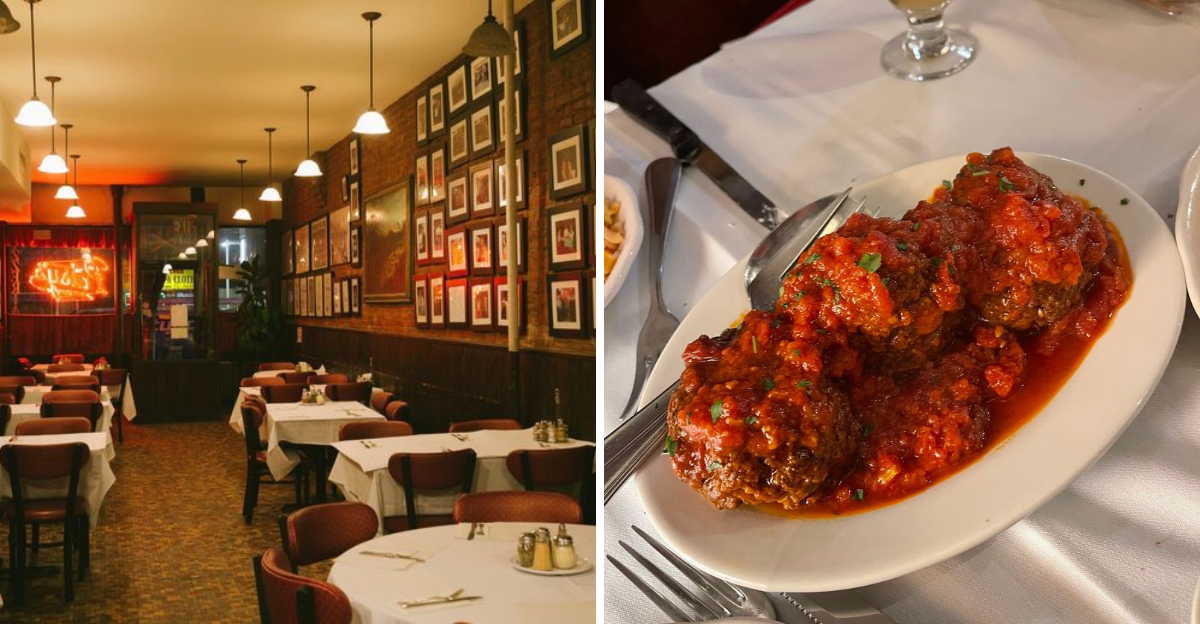
A meatball the size of a softball is turning heads across New York right now. One bite explains why regulars keep coming back for decades.
Behind a corner door sits a dining room stacked with a century of memories. Photos crowd every wall and the sauce simmers the same way it always has.
A seat here is its own kind of legend, and that is part of the charm. Ten tables, one unmistakable personality, and a menu recited out loud instead of printed.
Reservations do not work the usual way here, and showing up unannounced will not help either. You need a connection, plain and simple.
New York holds plenty of stories like this one, quietly guarded corner by corner. Curious yet?
The meatballs alone are worth planning a trip around.
Meatballs Big Enough To Turn Heads
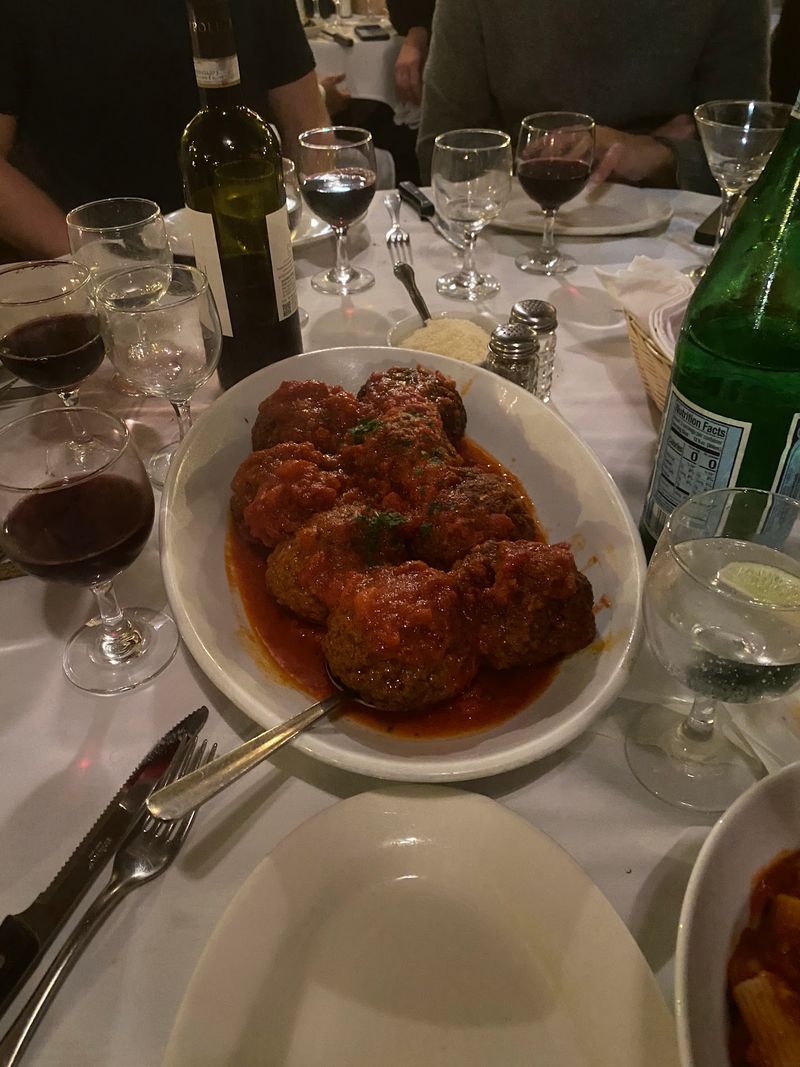
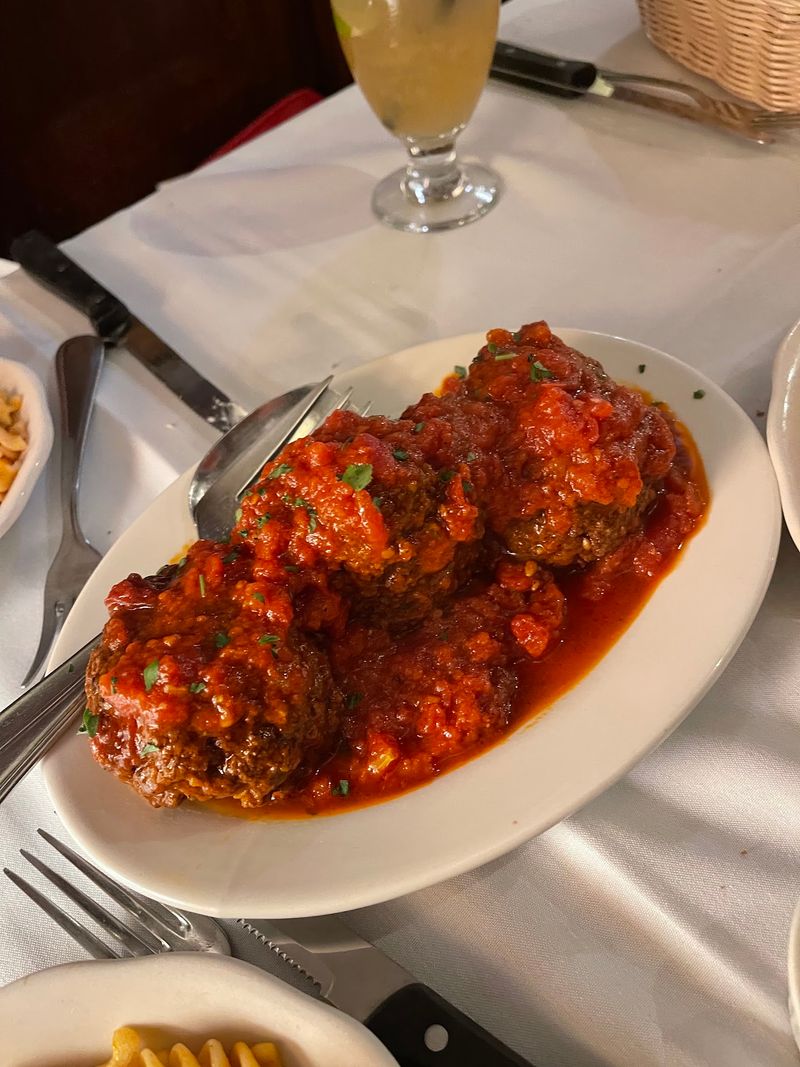
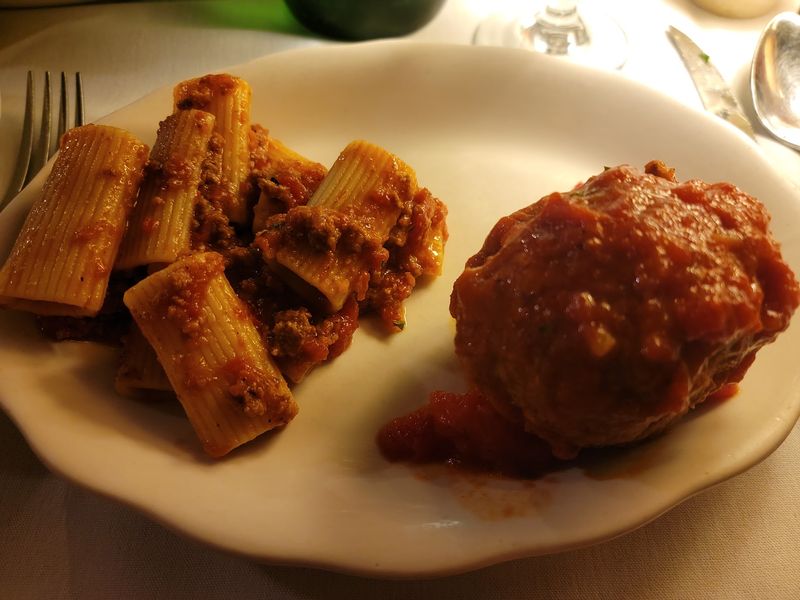
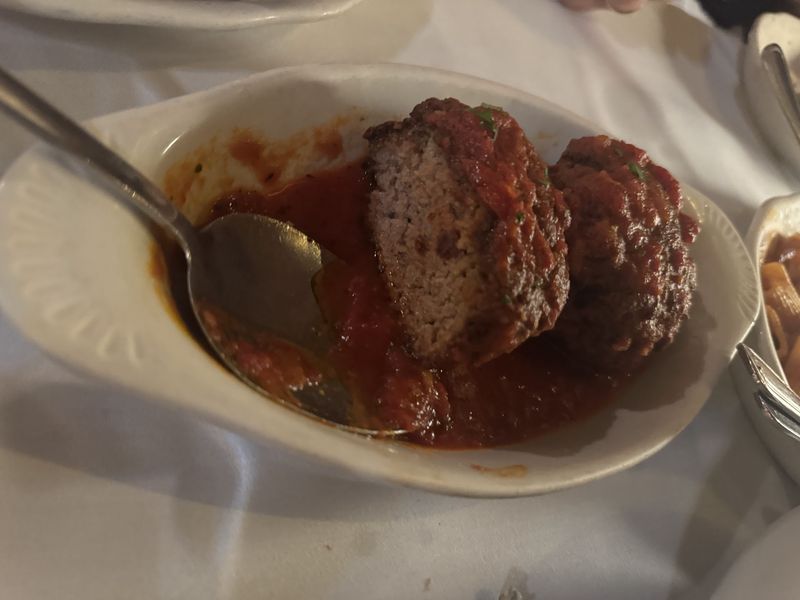
Ever seen a meatball that barely fits a serving spoon? That is the reputation these carry at Rao’s, the East Harlem Italian restaurant at 455 E 114th St. Guests often describe them as baseball-sized or larger.
The texture is what people talk about most. Some come out soft and loose, soaked through with sauce.
Others arrive with a firmer outside and a tender middle.
Both versions sit in the house red sauce, which is simple and tomato-forward. No heavy cream, no fussy garnish, no reinvention.
Order them as a shared plate rather than a solo course. Two or three people can easily split an order alongside pasta.
Pace yourself early in the meal. Portions across the table run generous, and filling up on meatballs first is a common mistake.
Ask the host how many to order for the group size. Staff regularly help guests avoid over-ordering, which happens often here.
The dining room sits at 455 E 114th St, New York, NY 10029.
A Dining Room That Opened In 1896
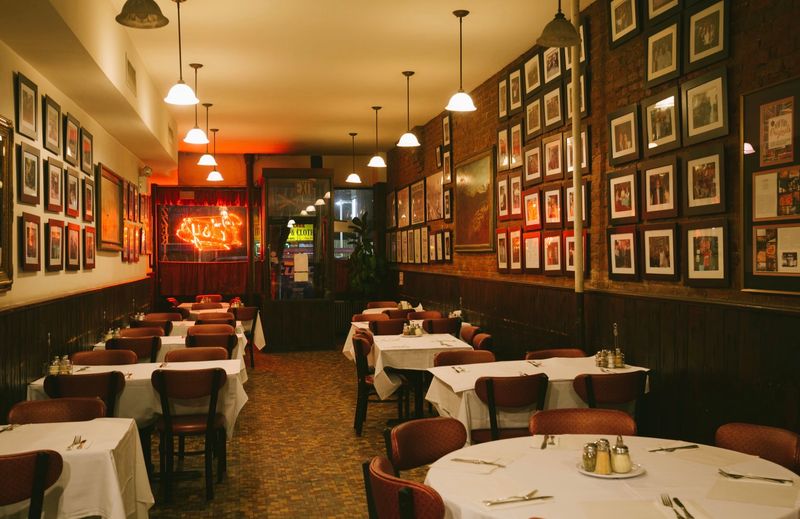
Over a century of service in one building is rare anywhere. The restaurant opened in 1896 and remains one of the oldest family-owned eateries in the country.
The original corner location has not moved. That continuity is part of why regulars keep coming back decade after decade.
Little about the layout suggests modern restaurant design. The space stayed small, and the owners never chased expansion at the original site.
Framed photographs cover the walls. They document years of guests, neighborhood history, and a slow-built reputation.
For anyone curious about old New York dining rooms, the setting offers something honest. Nothing feels styled for social media.
Expect worn charm rather than polish. The floors, the walls, and the lighting all read as lived-in.
That age also shapes the pace of service, which feels unhurried compared to newer spots.
Visitors will find the original address at 455 E 114th St, New York, NY 10029, in East Harlem.
Ten Tables And Not One More
Ten tables. That number explains almost everything about how this place works.
The dining room stays intimate, with a hostess stand sitting near the center of the space.
Sound carries in a room this size. Conversations blend into a steady hum rather than sharp noise.
Guests seated close together often end up chatting across tables. That happens naturally here, without anyone planning it.
If quiet dining matters, the setting may not suit. The energy runs lively most evenings.
Tables sit near one another, so bulky bags and coats are worth leaving at home. Movement through the room is tight.
Larger groups should expect a snug fit. The space works best for smaller parties.
Anyone sensitive to close quarters should keep that in mind before planning a visit.
Comfort here comes from warmth and familiarity rather than spacious seating or design-forward furniture.
No Printed Menus At The Table
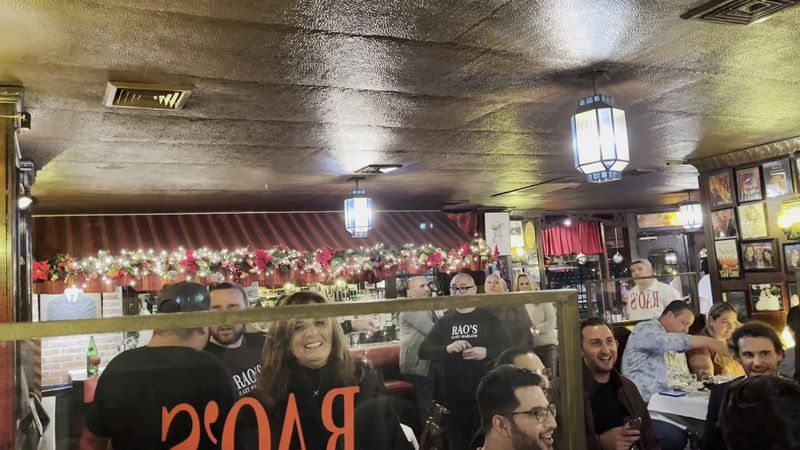
Forget scanning a laminated list. Nothing gets handed out here.
Staff describe the daily offerings out loud, walking the table through options one by one. The recitation takes a few minutes.
Listening carefully helps. Guests who half-listen often ask for repeats, which slows the group down.
The verbal approach makes ordering feel personal. It also means questions are welcome and expected.
Southern Italian classics anchor the offerings. Baked clams, seafood salad, eggplant parmesan, lemon chicken, and broccoli rabe come up frequently.
Sauces lean simple and tomato-based. Preparations stay traditional rather than experimental.
Ask for guidance on portion sizes before committing. Over-ordering is the most common misstep at this table.
Dietary needs are worth mentioning early, during the spoken rundown. Staff can then steer choices accordingly.
Availability shifts, so specific dishes may not appear on every visit.
Treat the spoken menu as part of the experience rather than an inconvenience.
Getting A Seat Is The Hard Part
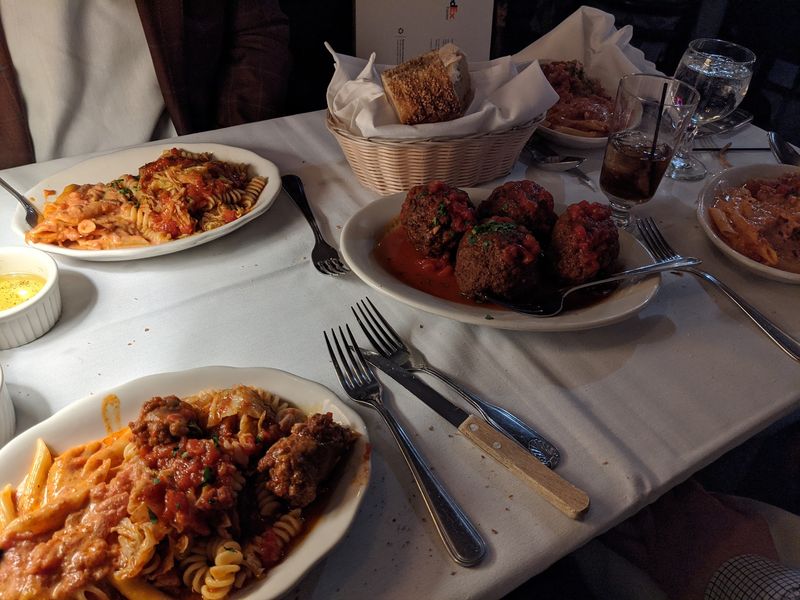
Here is the honest truth: booking is not simple.
The restaurant runs on a long-standing table rights system. Regulars hold standing claims on specific tables.
Those regulars invite guests or pass along their table when unused. That is the main path inside.
Standard online booking platforms do not apply. Walking in off the street rarely works either.
Newcomers should treat access as uncertain rather than plannable. Building a trip around it is risky.
Hotel concierges sometimes have connections, though results vary widely and nothing is guaranteed.
If an invitation arrives, take it seriously and confirm details early. Cancellations affect someone else’s table.
Arrive on time. In a ten-table room, late arrivals ripple through the whole evening.
Dinner service runs Monday through Friday evenings, with the room closed on weekends.
Patience matters more than persistence here, and expectations are best kept flexible.
Cash Only, So Plan Ahead
One detail trips up first-timers more than any other. Payment here is cash only.
No cards at the end of the meal. That policy has stayed in place for years.
Stop at an ATM before heading uptown. Options near the restaurant are limited.
Bring more than expected. Group meals with appetizers, pasta, and mains add up quickly.
Set aside cash for gratuity separately. Splitting a bill among friends is easier with smaller bills on hand.
Confirming the policy before arriving is still smart, since restaurant practices can change over time.
Guests who forget often end up making an awkward run mid-meal. Avoiding that keeps the night relaxed.
Keep cash secure and organized in a wallet rather than loose in a pocket.
Talking through payment with the group beforehand saves time at the table.
A small bit of preparation makes the whole evening run smoother from start to finish.
Walls Covered In Framed Photographs
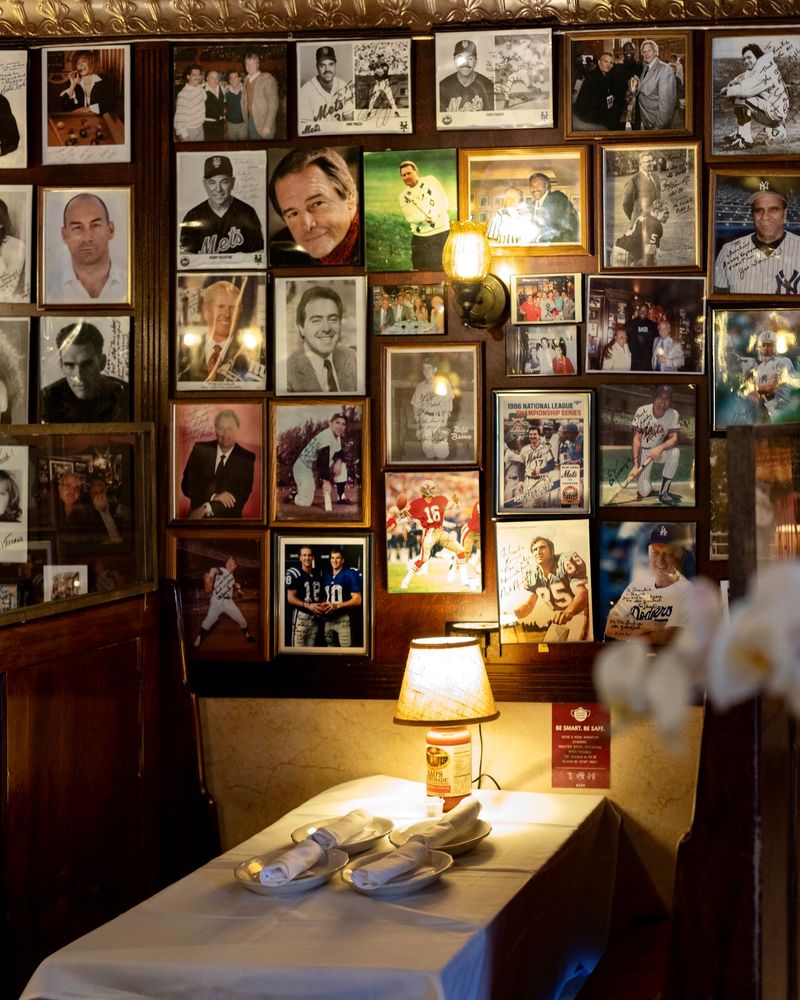
Look up and the walls start telling stories. Frames cover nearly every inch of available space.
Photographs of past guests, family members, and neighborhood scenes fill the room. Some go back decades.
The effect is cluttered in the best way. Nothing looks curated by a designer.
Guests often spend the first few minutes just reading the walls. That habit is common and completely welcome.
Lighting stays warm and low, which softens the room and makes the frames glow slightly.
Photos are worth taking, though it helps to be mindful of other diners in such a tight space.
Ask staff about a specific frame if curiosity strikes. Many have stories attached.
The jukebox in the corner adds to the older feel, playing familiar standards.
Together the photos and music create a setting that feels frozen around the middle of the last century.
Small details like these give the room its character.
Service That Runs Like A Family Kitchen
Service here does not follow a script. Staff talk with guests instead of reciting lines.
Hosts often sit down briefly to explain the food and help shape an order. That conversation sets the tone.
Banter is part of the rhythm. Guests who join in usually enjoy the night more.
Courses arrive at an unhurried pace. Plan for a long dinner rather than a quick bite.
Asking questions is encouraged. Staff know the dishes well and give straight answers.
On busy evenings, tables may need to turn over, so the pace can shift.
A polite question about timing at the start helps set expectations for the group.
Dress leans smart casual. Nothing formal is required, though most guests make an effort.
Treating the staff with warmth goes a long way in a room this small.
The whole approach feels closer to a family dinner than a formal restaurant service.
Southern Italian Classics Beyond The Meatballs
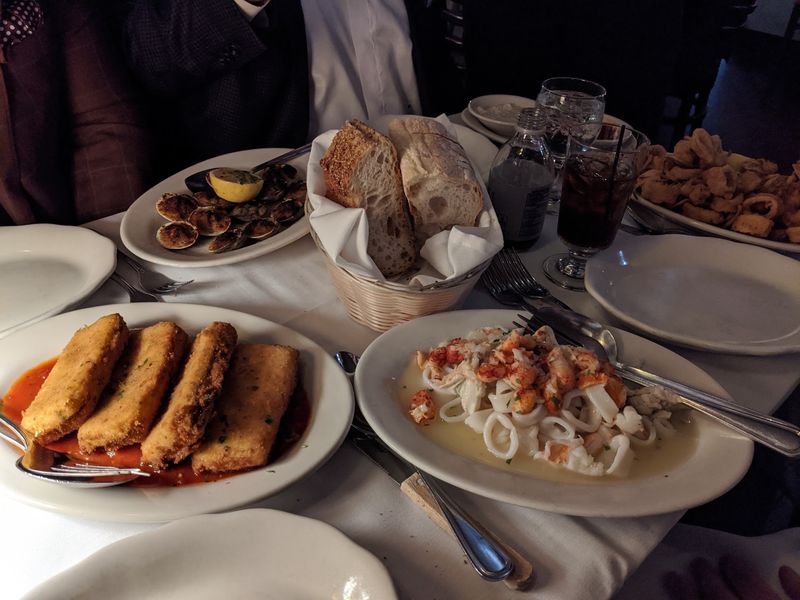
Meatballs get the headlines, but the rest of the table holds its own.
Baked clams show up often in conversations about the food. So does the seafood salad.
Lemon chicken is another dish guests mention repeatedly. It stays simple, without heavy sauces.
Eggplant parmesan and broccoli rabe round out the more familiar Italian-American choices.
Pasta arrives with the same house red sauce that anchors much of the menu. Preparations stay straightforward.
Offerings shift, so any specific dish may not be available on a given evening.
Sharing works well here. Ordering a few plates for the middle of the table suits the portion sizes.
Start light with appetizers before committing to mains. That approach prevents waste.
Vegetable sides help balance a meal heavy on sauce and cheese.
Anyone with allergies should speak up during the spoken menu, since ingredients are not printed anywhere.
Planning A Visit To East Harlem
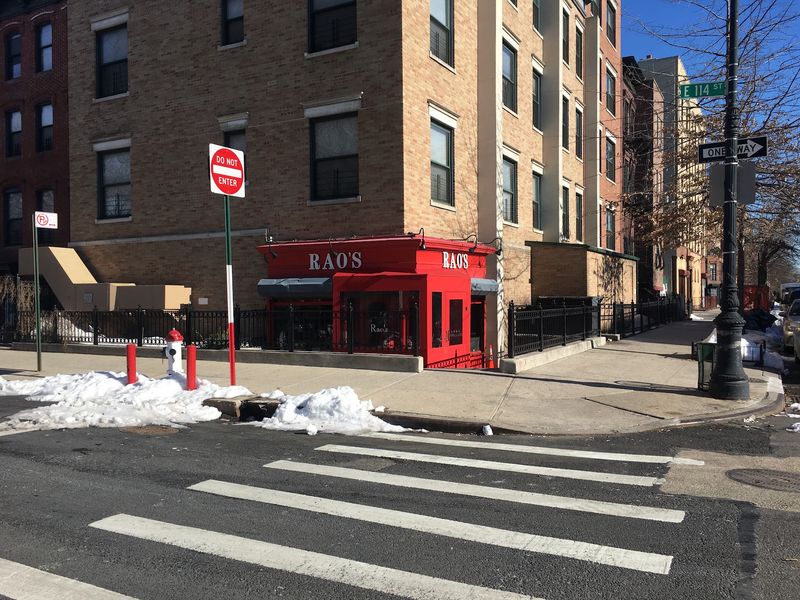
Ready to make the trip uptown? A little planning helps.
The restaurant sits on a quiet residential corner in East Harlem, away from busier commercial strips.
Subway access runs nearby, and rideshare drop-offs are straightforward. Street parking can be unpredictable.
Evenings run Monday through Friday, with the room closed Saturday and Sunday. Hours may change, so confirming ahead is wise.
The block feels calm compared with midtown. Sidewalks are easy to walk in most weather.
Arrive a few minutes early rather than late. The room fills fast once service begins.
Dinner tends to stretch, so avoid scheduling anything tight afterward.
Bring cash, dress neatly, and keep the group small for the best fit.
Anyone with mobility needs should ask about access details in advance, given the age and size of the space.