
The Abandoned Mississippi Ghost Village Hiding In A Forest Where Cell Service Doesn’t Exist
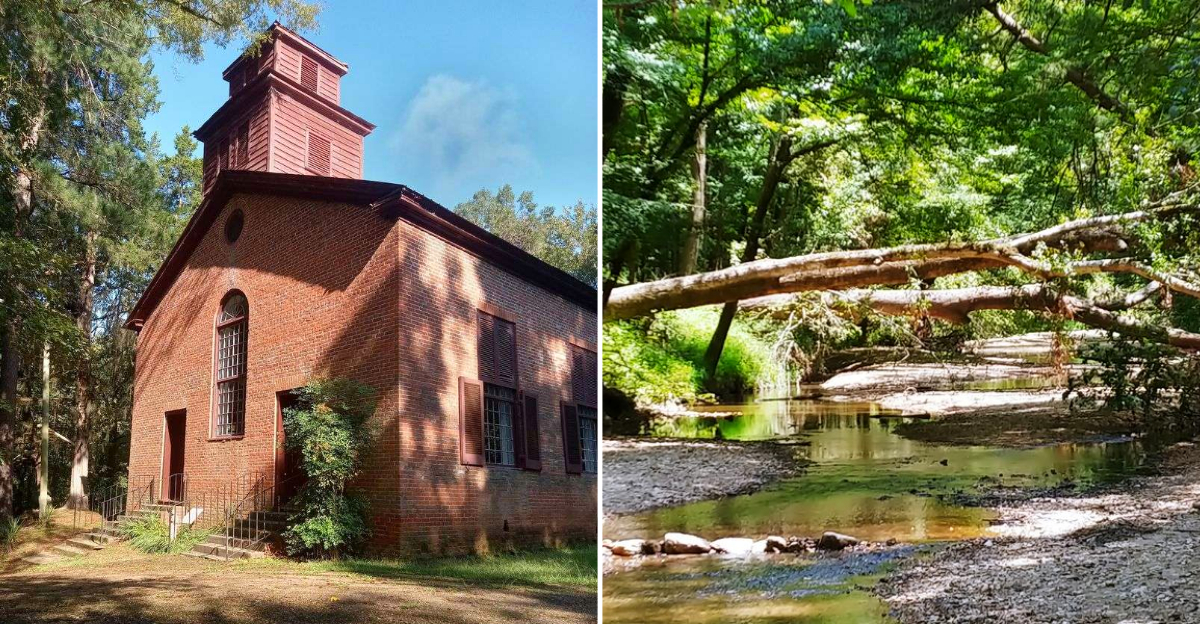
A town of more than 2,600 people used to sit in the green folds of southwest Mississippi, and then, over time, it simply stopped existing.
What’s left now is a brick church, a cemetery, and a scattering of odd relics half swallowed by forest, all of it quietly watched over by the National Park Service.
Your phone gives up the second you arrive, and honestly, that turns out to be half the appeal.
No notifications buzzing. No temptation to look anything up. Just old brick, tall trees, and the strange feeling that comes from standing in a place where an entire community once carried on with daily life.
Some ruins feel staged for visitors. This one feels genuinely forgotten, which is exactly why it earns a spot on a travel list.
Below are eight reasons to make the trip out and see it in person.
A Vanished Town Swallowed By Trees
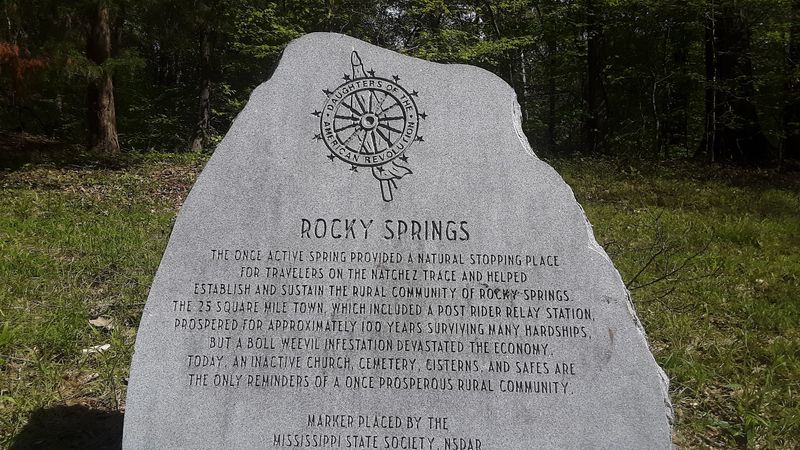
Cotton money once ran through these hills. By 1860 the settlement counted 2,616 free residents spread across roughly 25 square miles, plus about 2,000 enslaved people whose labor built that wealth.
Carpenters, merchants, physicians, teachers, and blacksmiths all kept shops here.
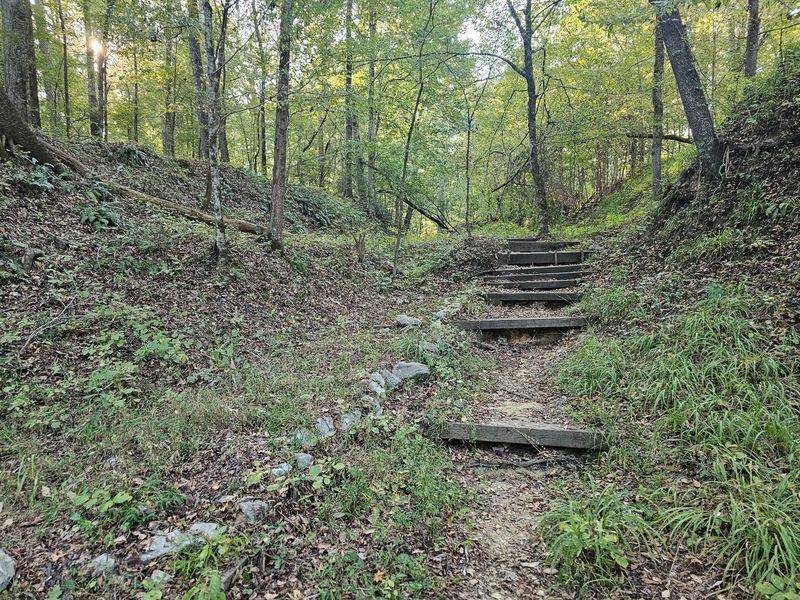
Now hardwoods have claimed nearly everything. A short loop trail winds past two rusted post office safes, a brick cistern, and shallow depressions where houses once stood.
Interpretive signs fill in the blanks, and they do it without fuss.
What makes the walk memorable is how ordinary the ruins look. A safe sitting in the leaf litter feels stranger than any grand monument.
You start doing math in your head about how a place this busy could go so still.
The forest floor holds clues if you slow down. Look for old fence lines, sunken road beds, and the deep gully of the original wagon route nearby.
Bring bug spray in summer, since the undergrowth thickens fast.
Allow an hour minimum. Two is better.
The trail is short but the history is heavy, and rushing it feels like skipping the good chapters.
Finding Rocky Springs On The Parkway
Milepost 54.8 Natchez Trace Pkwy, Hermanville, MS 39086 is the address you want, and Claiborne County is the county it sits in. The turnoff is easy to miss if you are cruising along admiring the scenery.
Watch for the brown park sign and slow down early.
Rocky Springs got its name from a Spanish lieutenant who recorded the natural spring as La Fuente del Pedregal. Loosely translated, that gave us Rocky Springs.
Mayburn Cooper settled here first in 1796, and the community grew from there.
Driving in feels like leaving the present tense behind. The parkway has no commercial traffic and no billboards, so the approach stays green and calm.
Speed limit tops out at 50 miles per hour, which suits the mood.
There is a small parking area with restrooms near the road, though facilities can vary. From there a paved path climbs gently toward the old town site and church.
Fill your gas tank in Port Gibson or Vicksburg first. Services along this stretch of Mississippi are genuinely scarce, and that is by design.
The 1837 Church That Refused To Fade
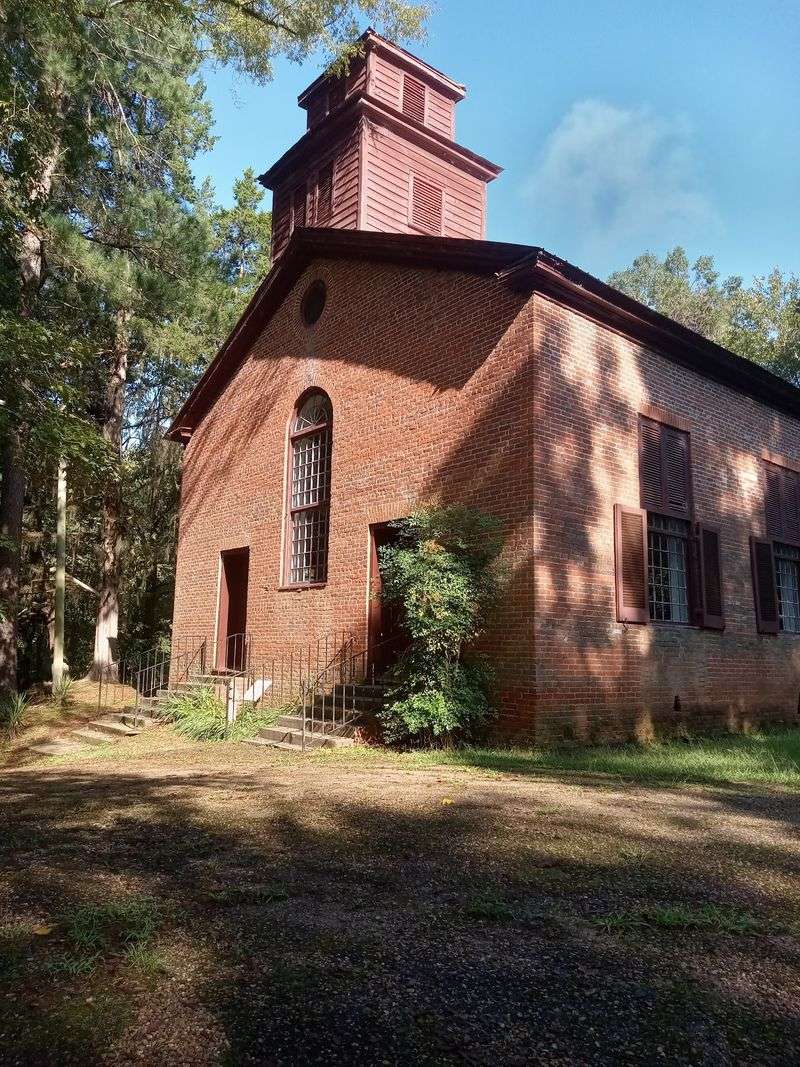
One building survived it all. The Methodist church, raised in 1837, stands as the sole original structure left from the town.
Brick, modest, and remarkably solid, it looks like it was built by people who expected to stay.
Services continued inside until 2010, which means this little sanctuary held congregations for over 170 years. That kind of run deserves a moment of respect at the door.
General Ulysses S. Grant reportedly used the church as a camp headquarters during the Civil War.
Standing in the yard, that detail lands differently than it does on a page. History gets very local, very quickly.
The exterior is the main event for most visitors, and photographs come out beautifully in morning light. Tall trees frame the walls and keep the whole scene cool and shaded.
Behind the church, the cemetery spreads across a gentle rise. Headstones range from carved and formal to worn nearly smooth by weather.
Treat the grounds gently. No climbing on stones, no removing anything, and keep voices low.
The place rewards quiet attention more than it rewards a quick photo stop.
Where Your Signal Goes To Rest
Bring a paper map. Cell coverage here ranges from nonexistent to barely there, across essentially every major carrier.
Verizon users sometimes catch one flickering bar, and that is the high end of the spectrum.
Campers have reported needing to drive toward Utica or Vicksburg just to send a message. Satellite internet struggles too, since the tree canopy sits thick overhead.
Solar chargers underperform for the same leafy reason.
All of that sounds inconvenient until you experience it. Conversations stretch out.
Kids look up. Nobody checks anything, because there is nothing to check.
Plan around it rather than fighting it. Download your maps and reading material beforehand, and tell someone at home your rough schedule.
A power bank, fully charged, covers your camera and flashlight needs.
Rangers and park police do patrol the area, so help exists even when bars do not. Knowing that makes the disconnection feel restful instead of risky.
Honestly, the silence becomes the souvenir. You leave Mississippi with a strange calm that no app has ever managed to deliver, and it lingers for days afterward.
Free Camping With Genuine Elbow Room
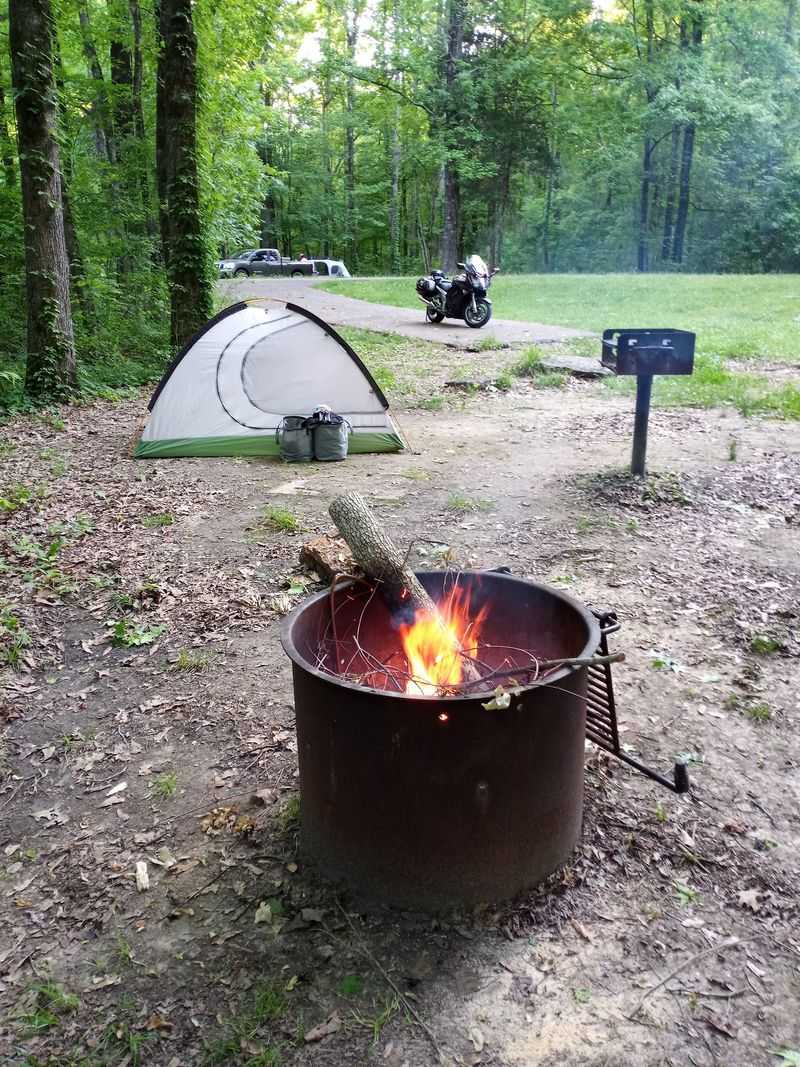
Twenty two sites, zero dollars. The campground charges no fee at all, operates first come first served, and hands out a generous amount of space per site.
Trees grow between many spots, which gives each one real privacy.
Each site comes with a picnic table, a fire ring, and a grill. Pavement makes setup simple even after dark, and both tents and larger RVs fit comfortably in various spots.
Know the limits before you commit. There are no electric or water hookups, no showers, and the sink water is not potable.
Haul in every drop you plan to drink and cook with.
Flush toilets are generally available and get cleaned regularly, which counts as luxury at a no fee site. Trash cans sit throughout the loop, so pack out what does not fit.
Winter brings deep quiet. Warm months fill the loop, so arriving early on weekends improves your odds considerably.
Fallen branches supply firewood for the gathering, and a grill doubles as a way to heat wash water. Simple systems, well maintained, and priced at nothing whatsoever.
Trails That Trace Ancient Footsteps
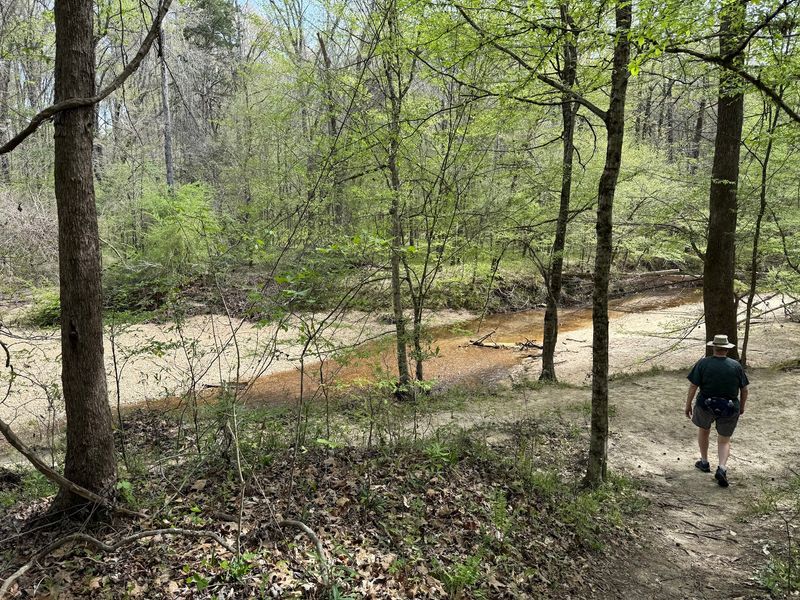
Feet wore this route down for over 10,000 years. Native peoples traveled the Old Natchez Trace long before European arrival, and later the Kaintucks walked it north after floating goods downriver.
Rocky Springs served as a favorite watering stop along the way.
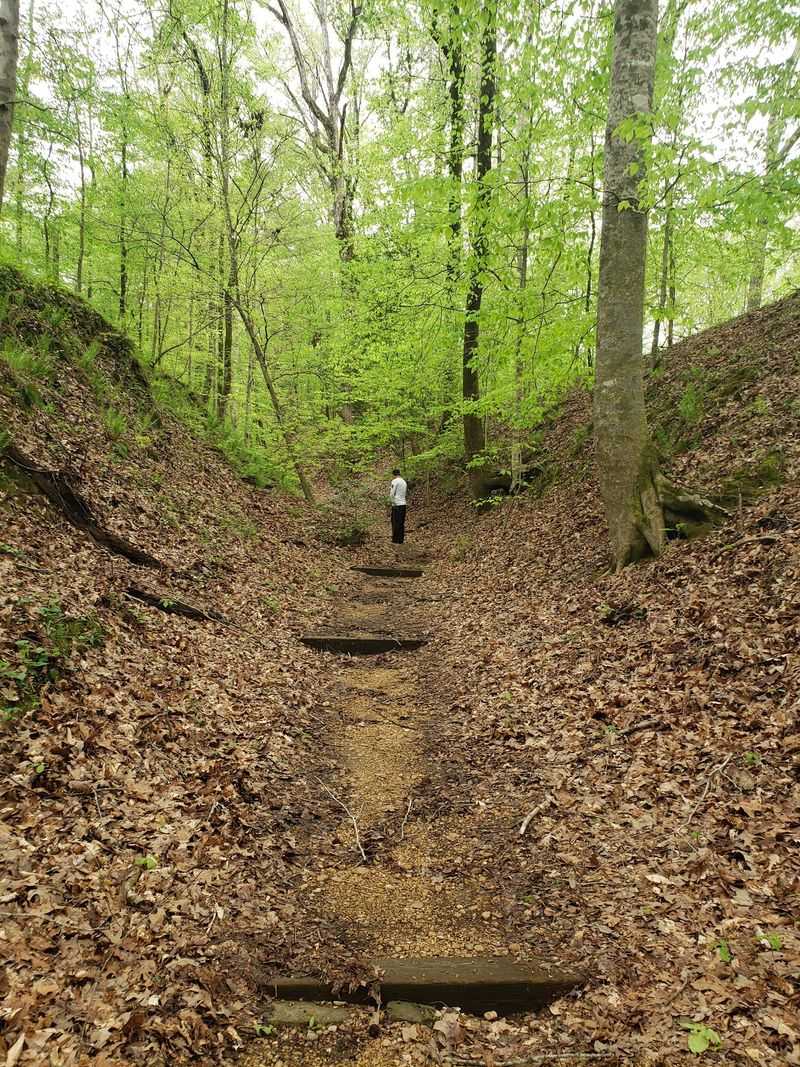
A section of that original path runs behind the campground. The trail dips into a sunken corridor where centuries of travel cut into the soil, and the effect is genuinely humbling.
Trails here stay unpaved and can grow overgrown during peak summer. Long pants, closed shoes, and a tick check afterward make the outing much more pleasant.
The loop through the old town site connects to these longer routes, letting you build a walk that suits your energy. Nothing is steep, though roots and washouts demand attention.
Wildlife shows up regularly. Deer, armadillos, songbirds, and the occasional turtle all treat the woods as home turf.
Go in the cooler months if you can. Mississippi humidity between June and August turns even short walks into a workout, and spring or late fall delivers far better conditions for lingering.
Creek Play, Stones, And Slow Afternoons
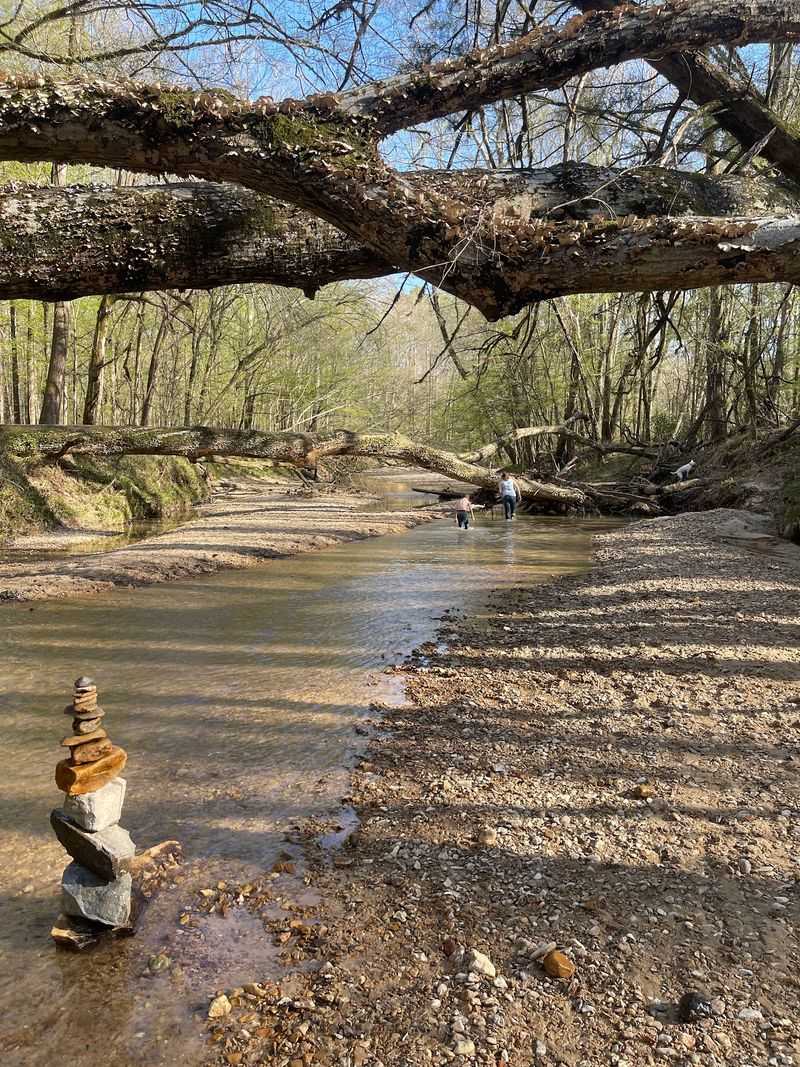
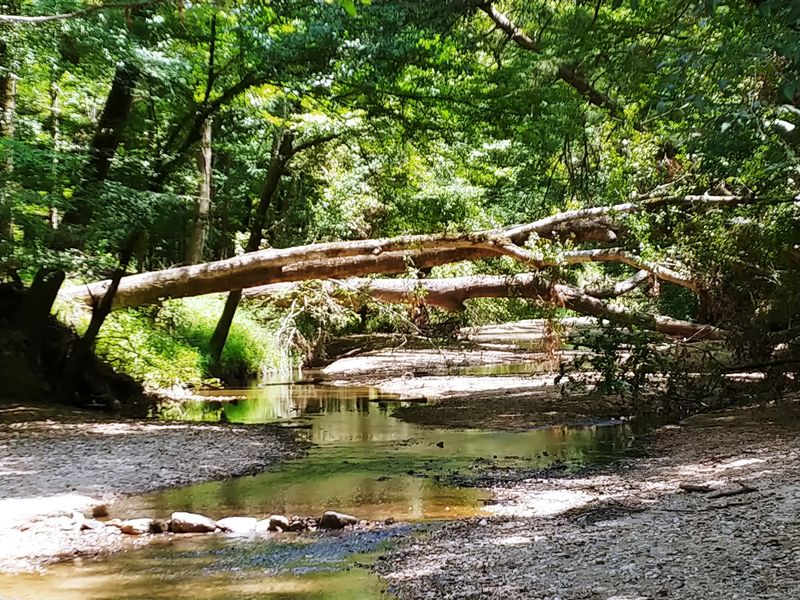
Water pulls families here more than history does. A shallow creek runs near the campground, reachable by a short path, and its low depth suits wading and stone skipping.
Kids build small dams and hunt for interesting rocks for hours.
Petrified wood turns up occasionally in the gravel beds, and searching for it beats most forms of entertainment. Finding nothing is somehow still fun.
Conditions change with the seasons. Flooding has eroded parts of the bank in recent years, so access varies and the path may lead you farther downstream than expected.
Wear shoes you do not mind soaking. Creek stones can be slick, and mud along the edges holds a grip on flip flops.
Shade covers most of the water, keeping things cool even on warm afternoons. Bring a towel and a snack and settle in.
Remember that the original spring that drew settlers to this valley dried up long ago. The creek is what remains of the area’s water story, which makes an afternoon beside it feel a little more meaningful than ordinary splashing.
Stars, Silence, And Sound Advice
Clear nights here reveal the Milky Way. No town glow interferes, so the sky opens up in a way most travelers rarely witness.
Stargazers should pack a red flashlight and a blanket.
Nights stay remarkably quiet too. Distant sounds carry, and the absence of engines makes crickets seem oddly loud by comparison.
Practical notes matter at a place like this. Camping is limited to 14 days, and current parkway rules restrict repeat stays, so check with the National Park Service before planning a long visit.
Water remains the big one. Stock up in Vicksburg, Utica, or Port Gibson, and carry more than you think you need.
Toilet paper in your bag is never a wasted precaution.
Understanding the decline adds depth to the visit. The Civil War hit hard in 1863, yellow fever swept through in 1878 and 1888, and boll weevils ruined the cotton in the early 1900s.
The last store closed during the 1930s.
By the 1940s the town had emptied. What remains is quieter, greener, and genuinely worth your time.