
One Of New York’s Oldest Thrift Stores Is Still Going Strong Even In 2026
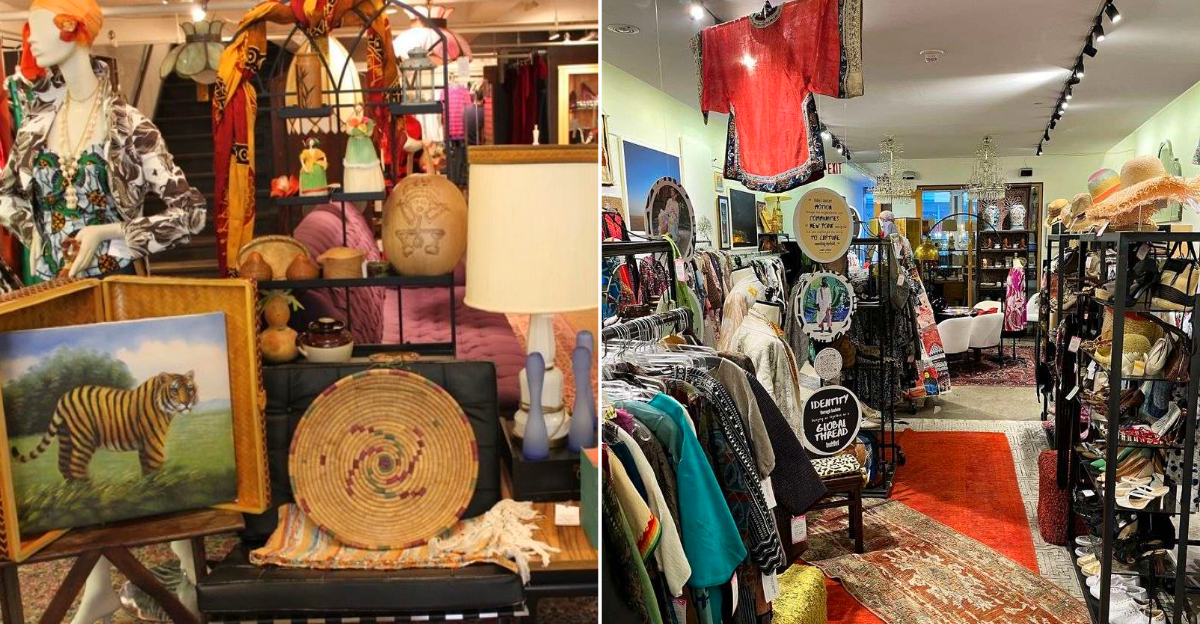
Forty plus years in the same Chelsea, New York spot. This thrift store still hasn’t slowed down heading into 2026.
Hidden into Manhattan’s art district, it’s been quietly funding the arts the whole time, selling everything from designer shoes to couture clothing without ever needing flashy signage to pull people in.
Regulars just know, and word of mouth has apparently been enough for four decades running.
What makes this one different is the reason behind it all. Every purchase actually goes somewhere that matters, supporting the arts scene the shop’s called home since the beginning.
Racks hold vintage furniture next to designer pieces that would cost triple somewhere else, all priced fair because profit was never really the point here.
Good finds and a genuinely good cause rarely line up this well, which is exactly why this Chelsea thrift shop is still going strong all these years later.
A Thrift Store That Operates More Like A Boutique
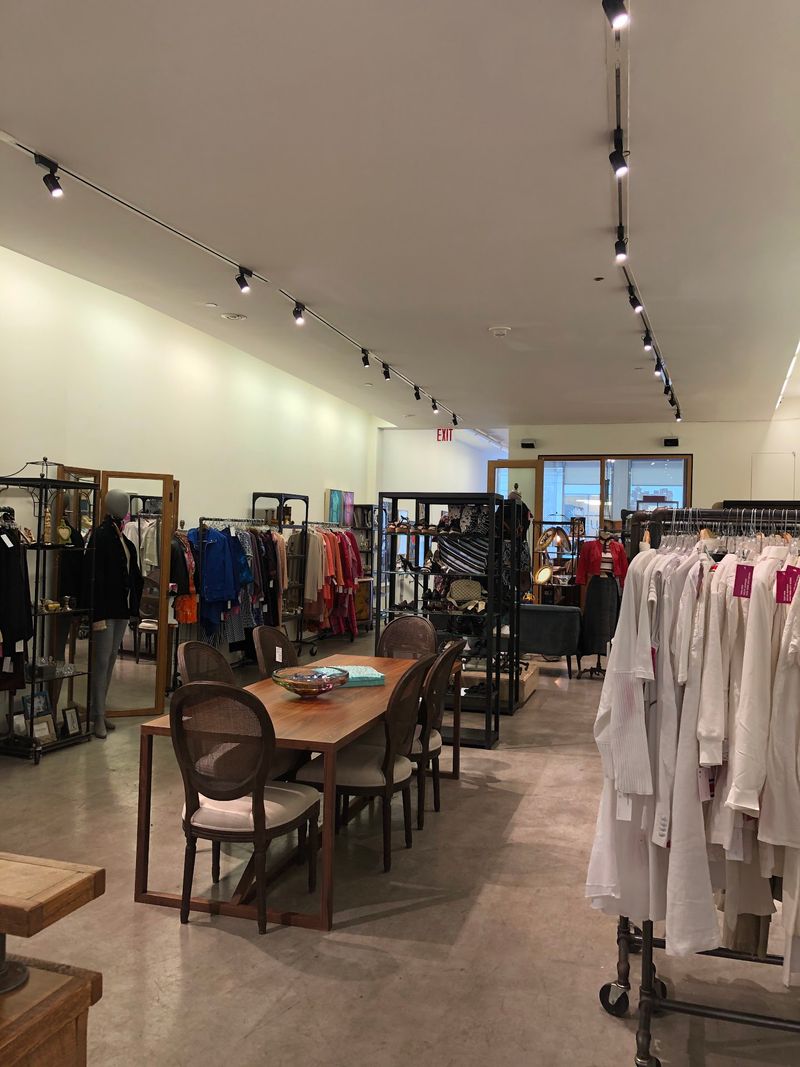
Not every thrift store earns the right to call itself a boutique, but some places genuinely blur the line. The moment you walk through the door here, you notice the difference right away.
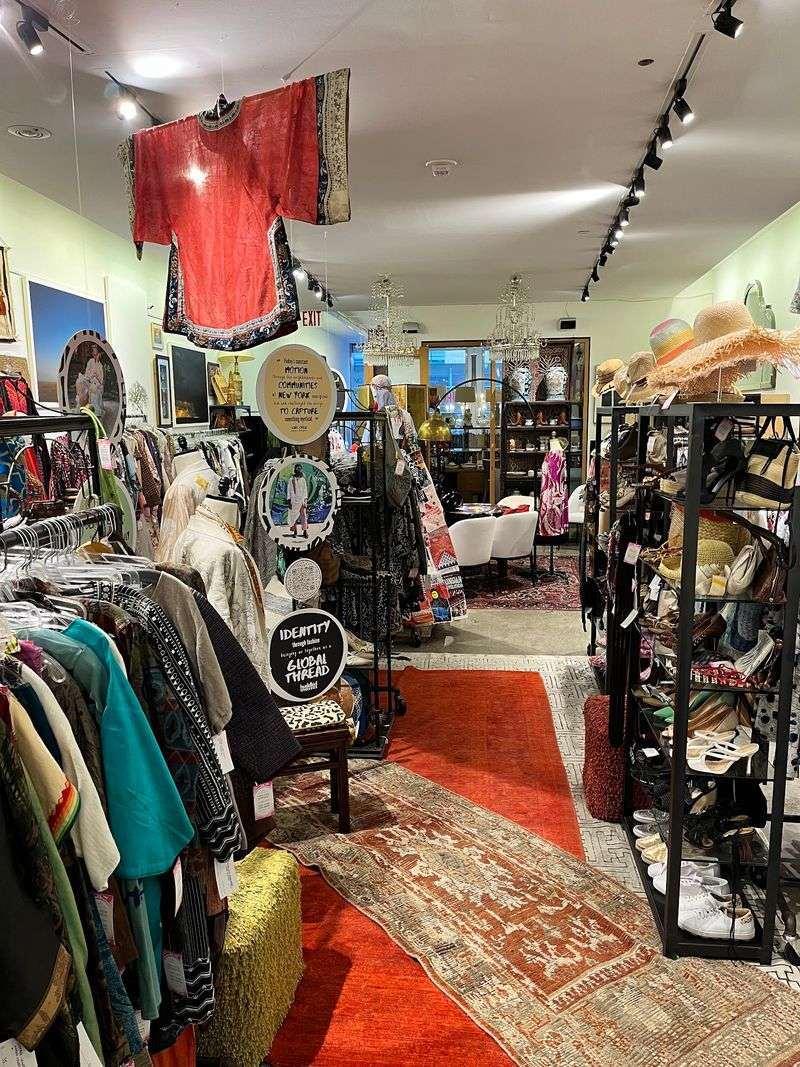
Clothes are grouped thoughtfully, furniture is arranged with care, and the whole space breathes with an energy that feels more SoHo gallery than donation bin.
The curation here is intentional and ongoing. Staff rotate collections every few months, keeping the inventory fresh and genuinely exciting for repeat visitors.
One season you might find a wall of silk scarves and vintage caftans. The next, you could stumble across a row of designer outerwear priced well below what any boutique would dare charge.
New York shoppers tend to be sharp and discerning, and this shop respects that. Nothing feels thrown together or careless.
Every rack and shelf tells a story about quality over quantity. The lower level holds furniture and home goods, giving the shop a depth that most thrift stores simply cannot match.
Visiting once is rarely enough, and that is entirely by design. Good curation has a way of pulling people back through the door again and again.
The Address You Need To Save Right Now
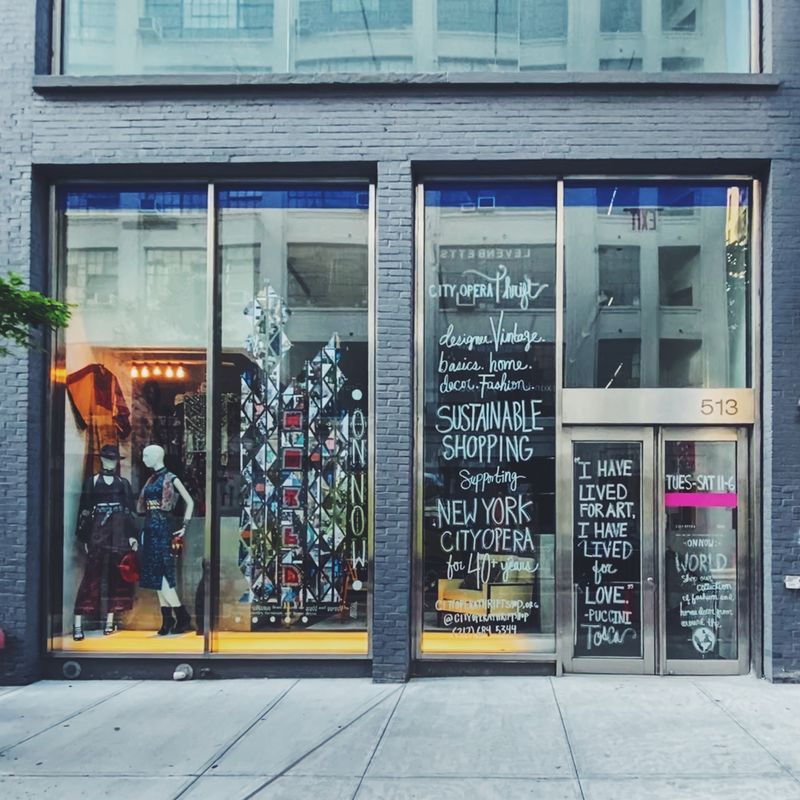
City Opera Thrift Shop at 513 West 26th Street in Chelsea, New York, has been a cornerstone of the neighborhood for well over four decades. The shop sits in a part of Manhattan known for its galleries, creative energy, and an appreciation for things made with real craft.
Finding it feels a bit like finding a reward you did not know you were looking for.
The storefront is approachable and the hours are generous. Tuesday through Saturday the doors open at 11 AM and close at 6 PM.
Sunday hours run from noon to 6 PM. The staff greet you with genuine warmth, not the rehearsed kind, and they actually know the inventory well enough to point you toward exactly what you need.
Shoppers from across New York and beyond make the trip out to Chelsea specifically for this store. The reputation has spread quietly through word of mouth rather than flashy advertising.
Every purchase made here goes directly toward supporting the New York City Opera, funding costumes, sets, and programming that keep live opera alive in the city. Shopping here is never just shopping.
It is participation in something larger than yourself.
Over 40 Years Of Supporting The New York City Opera
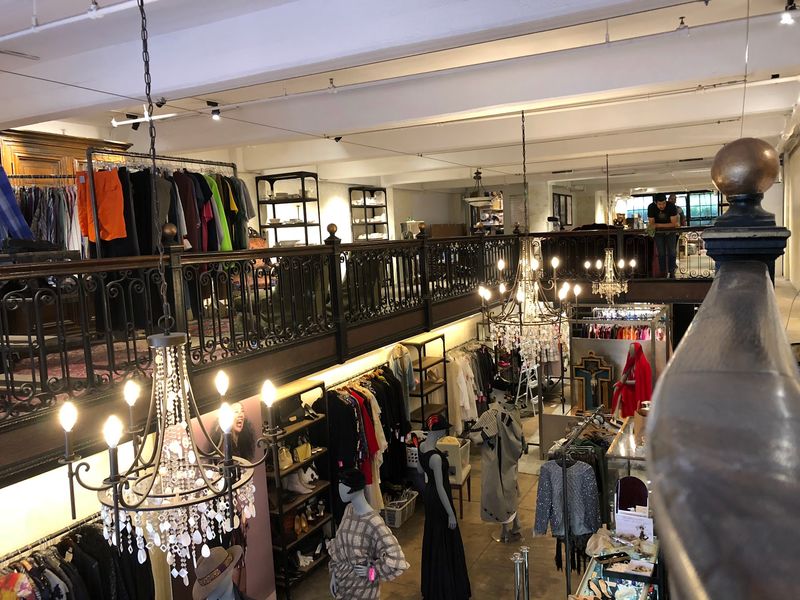
Forty-plus years is a long time for any business to survive in Manhattan. For a nonprofit thrift shop that runs almost entirely on volunteer passion and community generosity, it is extraordinary.
The City Opera Thrift Shop was founded specifically to generate funds for the New York City Opera, and that mission has never wavered or softened over the decades.
Every dollar spent on a vintage blazer or a piece of glassware goes directly toward opera costumes, set construction, and programming costs. The connection between your shopping cart and a live stage performance is remarkably direct.
Knowing that your purchase helps fund an art form that has shaped New York culture for generations adds a layer of meaning to every transaction.
The shop functions as a nonprofit, which means the priority is always the mission rather than the margin. Prices are set to be fair and accessible while still raising meaningful funds for the opera.
Volunteers and staff who work here tend to carry a genuine pride in what the shop stands for. Supporting the arts in New York does not always require a formal donation or a gala ticket.
Sometimes it just requires a good eye for a bargain and a willingness to show up.
Themed Collections That Keep Every Visit Feeling New
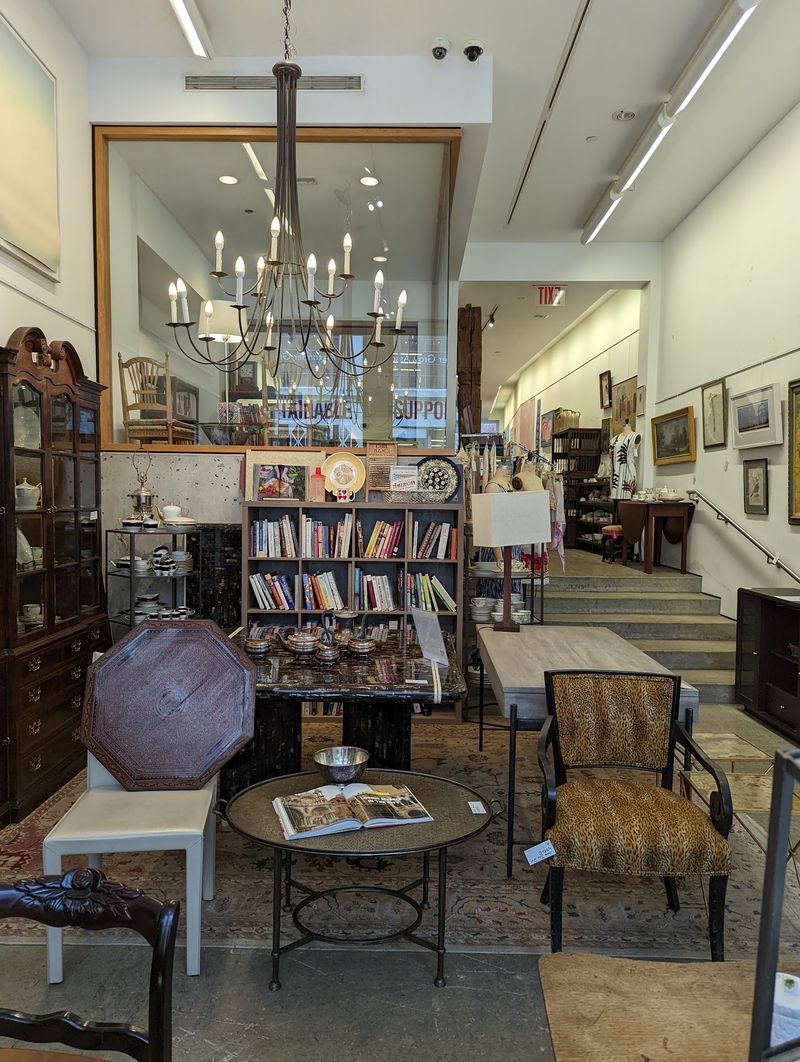
Few thrift stores anywhere in the country rotate their inventory the way this one does. The City Opera Thrift Shop releases themed collections throughout the year, each one built around a specific design focus.
Past themes have included Vintage, Fine Art, Designer and Couture, Design From Around the World, and Seasonal Collections that shift with the calendar.
The effect of this approach is that no two visits feel identical. A shopper who comes in during the Vintage Collection might find rare pieces saved throughout the entire year, surfaced all at once for maximum impact.
Someone who visits during the World-themed collection might encounter global textiles, handcrafted jewelry, and international fashion that would be hard to find anywhere else in the city at these prices.
Regular shoppers plan their visits around these releases the way art lovers plan trips around gallery openings. The anticipation is part of the pleasure.
Staff are happy to share what is coming next, and the shop’s website and social presence give followers a heads-up before new collections drop. In a city where novelty can feel exhausting, this kind of purposeful rotation feels genuinely refreshing.
It rewards curiosity and punishes complacency, which is exactly what great retail should do.
The Furniture Floor That Deserves Its Own Spotlight
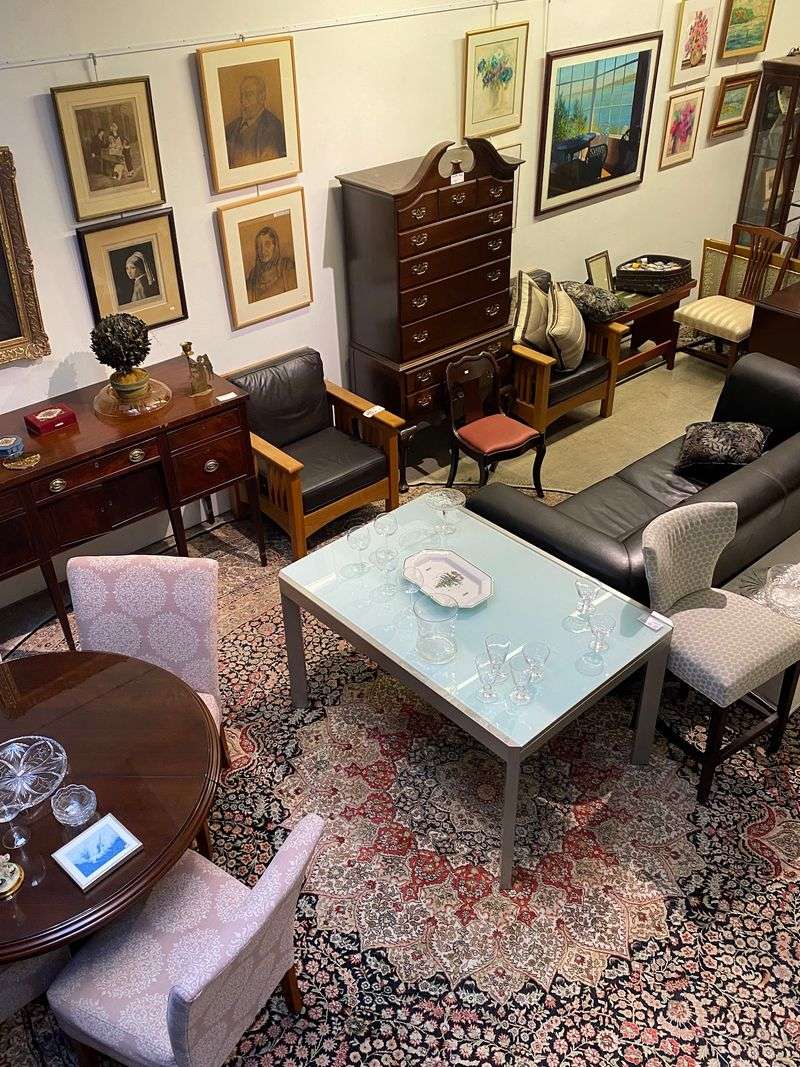
Most thrift stores treat furniture as an afterthought, pushed to a corner and left to fend for itself. Here, furniture gets its own dedicated lower level, and the difference in presentation is immediately apparent.
Pieces are arranged with intention, giving shoppers a real sense of how an item might look in an actual living space rather than a cluttered stockroom.
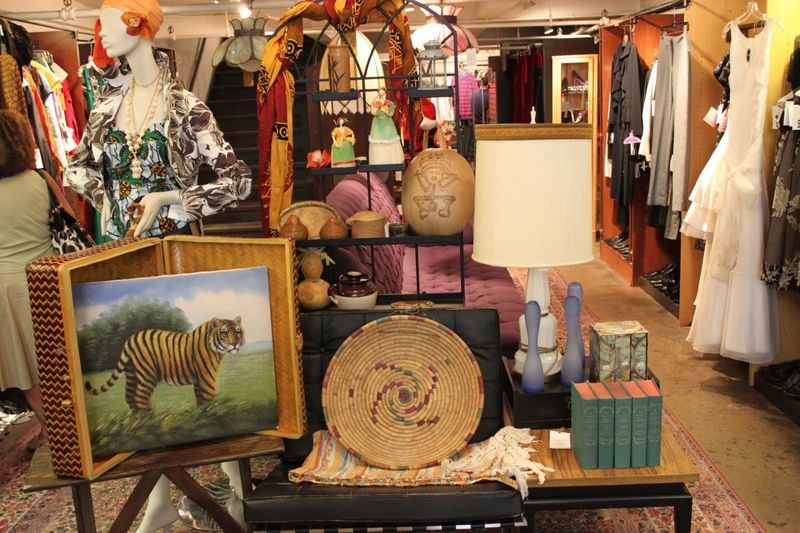
The selection ranges from everyday practical pieces to genuinely striking statement items. Shoppers have found sofas, chairs, decorative tables, and home accessories that would look right at home in a well-appointed Manhattan apartment.
Prices reflect the quality and condition of each piece rather than an inflated boutique markup, which makes the lower level one of the most practical stops in the entire store.
The shop also offers a complimentary pickup service for larger furniture donations, which keeps the inventory moving and the selection ever-changing. Delivery arrangements for purchased furniture are handled with genuine care and clear communication.
Finding a couch you love on a Tuesday and having it delivered by Wednesday is the kind of seamless experience that builds lasting loyalty. Good furniture at honest prices, in New York of all places, is a rare and welcome thing.
The lower level earns its reputation every single week.
Designer Finds At Prices That Actually Make Sense
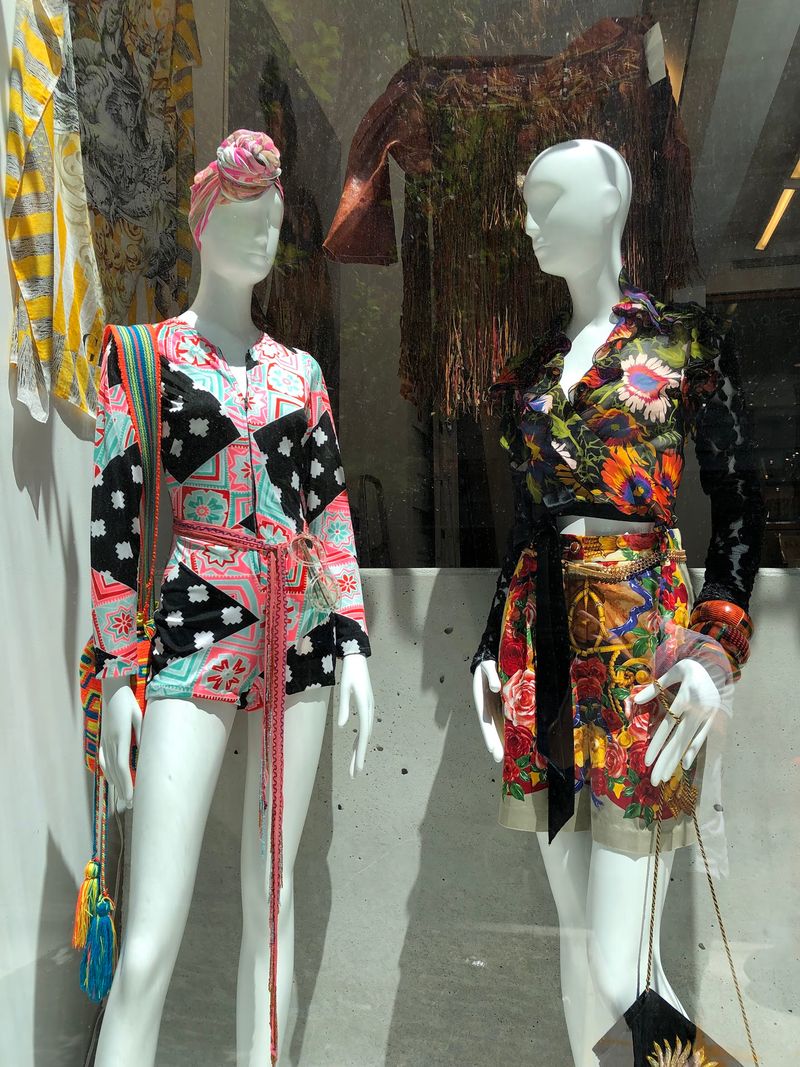
There is a certain thrill that comes from spotting a pair of Manolo Blahniks on a thrift store shelf and realizing the price tag is not a typo.
The City Opera Thrift Shop has built a reputation for stocking genuine designer and couture pieces at prices that reflect their secondhand status rather than their original retail ambition. That combination is rarer than it sounds in New York.
The shop accepts donations of gently worn designer clothing, statement accessories, and collectible items from the community.
Because the donor pool includes fashion-forward New Yorkers with discerning taste, the quality of what comes through the door tends to be notably high.
Shoppers have found designer outerwear, menswear, couture dresses, and luxury shoes all in excellent condition.
Prices generally run 50 to 75 percent below retail, and often well below what a for-profit vintage seller would charge for the same item. The shop does not price-gouge, which is a refreshingly honest approach in a city where vintage has become a premium category all its own.
Jewelry, scarves, handbags, and footwear round out the designer section with enough variety to keep serious fashion hunters coming back season after season. Finding something extraordinary here is not luck.
It is just a matter of timing.
Books, Art, And The Kind Of Clutter-Free Shopping You Rarely Find
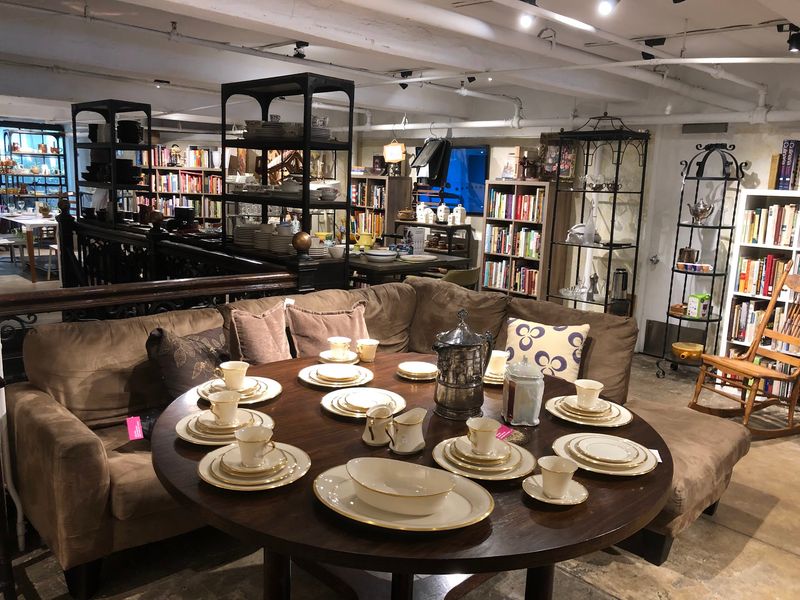
Beyond clothing and furniture, the shop carries an impressive range of secondary categories that reward slow, attentive browsing. Books are priced between two and six dollars and tend to be in genuinely good condition.
The art section features paintings and framed pieces that reflect the shop’s connection to the creative world of opera and performance. Musical instruments appear occasionally, adding an unexpected layer of discovery to the experience.
Glassware, vintage dishware, jewelry, and decorative objects fill out the home accessories section with the same level of care applied to everything else in the store. Nothing feels randomly tossed onto a shelf.
The organizational approach here is deliberate, making it easy to move through the store without feeling overwhelmed or overstimulated by visual chaos.
The spaciousness of the layout is something shoppers consistently appreciate. Aisles are clear, sections are logically arranged, and the overall atmosphere invites genuine exploration rather than frantic digging.
For anyone who finds traditional thrift shopping exhausting or chaotic, this store offers a genuinely calming alternative.
The art and book sections in particular attract browsers who might not be looking for clothing at all but leave with something they never expected to find. That element of pleasant surprise is one of the shop’s most enduring qualities.
The Community Energy That Sets This Place Apart
There are stores you visit and stores you remember. The City Opera Thrift Shop tends to land firmly in the second category, largely because of the people who run it.
Staff and volunteers here carry a warmth that feels earned rather than performed. They know the inventory, they care about the mission, and they genuinely enjoy connecting shoppers with the right finds.
On at least one memorable occasion, a visitor arrived to find someone playing piano and singing inside the shop. That kind of spontaneous, joyful moment is not accidental.
It reflects the culture of a place that has always been connected to the performing arts and the community that loves them. The shop dog has also made an impression on more than a few visitors over the years.
The atmosphere is welcoming without being pushy, helpful without being intrusive. Shoppers are given space to browse at their own pace while knowing that knowledgeable assistance is always close by.
For a nonprofit that depends on community goodwill to fulfill its mission, the human element here is its strongest asset.
New York can be an overwhelming city, and finding a shop where the energy is genuinely kind and the staff are genuinely invested makes the entire experience feel like a small but meaningful gift.
Why This Shop Belongs On Every New York Itinerary In 2026
Chelsea in 2026 is still one of the most creatively charged neighborhoods in New York, and the City Opera Thrift Shop fits right into that energy.
The High Line runs nearby, galleries line the surrounding streets, and the shop sits comfortably among them as a place that values beauty, craft, and purpose in equal measure.
It is not just a stop on a thrift tour. It is a destination.
For visitors to the city, the shop offers a genuinely local experience that no chain store or tourist attraction can replicate. For longtime New Yorkers who somehow have not made the trip to West 26th Street yet, the question is simply what took so long.
The combination of curated inventory, meaningful mission, reasonable pricing, and warm staff is not something you find on every block in Manhattan.
Sustainable shopping has become more than a trend. It is a genuine shift in how thoughtful consumers approach what they buy and why.
This shop has been practicing that philosophy for over four decades, long before it became fashionable. Every item purchased here keeps something beautiful out of a landfill and puts money directly into the hands of an art institution that New York genuinely needs.
That is a reason to visit that goes well beyond a good deal on a vintage coat.