One small Florida town wraps itself around a lake so round it looks like someone traced it with a compass. Another has a lighthouse that has never seen the ocean.
I love details like that. They tell you a place has quirks worth chasing, and the best ones rarely show up on billboards along the interstate. Small towns hide this stuff in plain sight, right next to the antique shops and old brick storefronts.
The towns on this list share that streak. One claims the birth of the modern shrimping industry. Another quietly fills with boats when scallop season opens, and people head into shallow Gulf water with masks and mesh bags.
None of them needs a theme park to earn your attention. You just need a full tank, a free Saturday, and a little curiosity.
1. Micanopy
Hollywood once picked this town to play a sleepy Southern hideaway, and honestly, it barely needed makeup. The 1991 comedy Doc Hollywood filmed scenes right here.
Micanopy is one of the oldest inland towns in Florida. It takes its name from a Seminole leader, and its roots stretch back to the early 1800s.
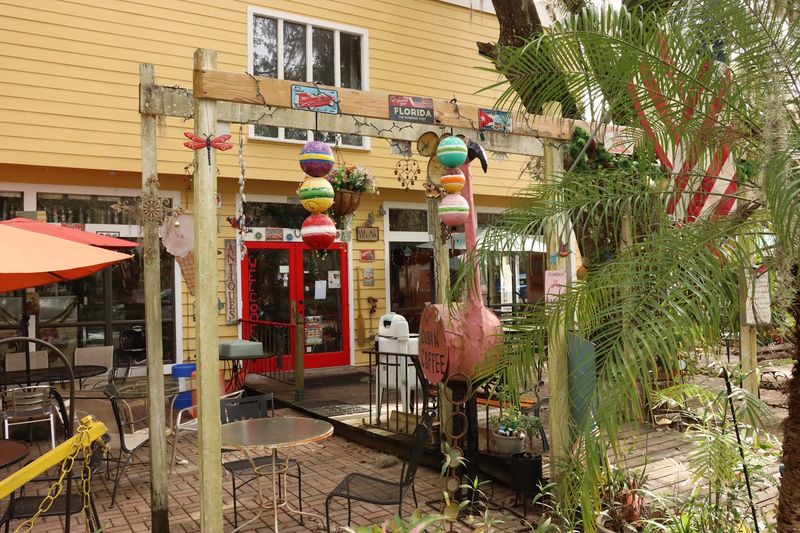
You won’t find much traffic on the main drag. Instead, you get giant live oaks dripping with Spanish moss and old storefronts packed with antiques.
Plan to wander slowly. The shops here reward browsers who like digging through old books, vintage signs, and odd little treasures.
Fewer than 700 people live in town, so it feels more like a village than a city. That small size is a big part of the appeal.
Got energy left after shopping? Paynes Prairie Preserve State Park sits just up the road, with wide open grassland and trails worth exploring.
The prairie is famous for wild horses and bison roaming the open land. Bring binoculars and keep your eyes on the horizon.
Micanopy works best as a slow morning or lazy afternoon trip. Park the car, walk under the oaks, and let the town set your pace for once.
Address: Micanopy, FL 32667
2. Apalachicola
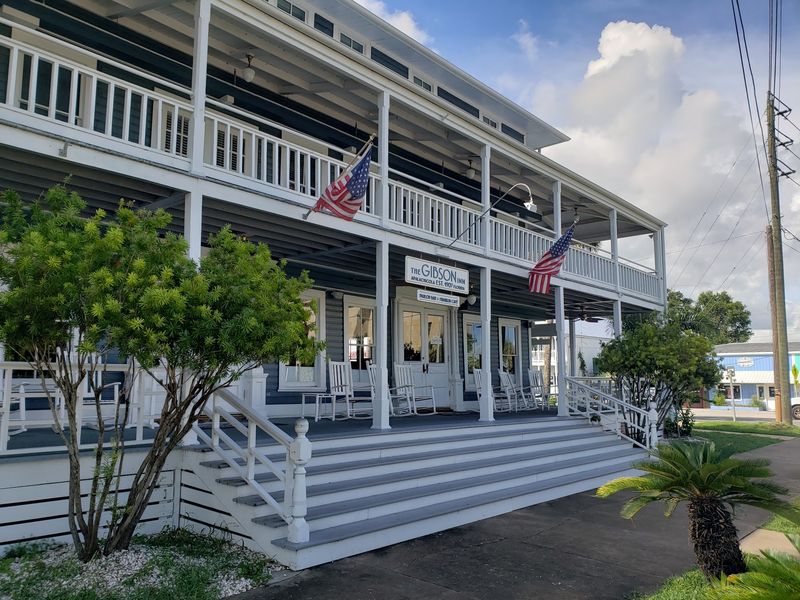
Your air conditioner owes a thank-you note to this little Panhandle port. Dr. John Gorrie developed an early ice-making machine here to cool patients suffering from fever.
The John Gorrie Museum State Park tells that story right in town. It’s a quick stop, and it makes a sweaty Florida summer feel a lot more interesting.
Apalachicola once ranked as the third largest cotton port on the Gulf coast. Those boom years left behind blocks of handsome 19th-century brick buildings.
The Raney House Museum shows off that era beautifully. Cotton merchant David Raney finished the Greek Revival home in 1838, and it’s packed with period furniture and artifacts.
Head down to the river and you’ll see the working side of town. Shrimp boats and seafood businesses still line the waterfront, just like they have for generations.
Seafood is basically the local language here. Apalachicola Bay built its name on oysters, and that history shows up on menus and in shop windows.
Around 2,300 people call the town home. That means the streets stay easy to walk, and you can cover downtown on foot in an afternoon.
Give yourself time to poke around the side streets. Old homes, quiet porches, and river views make this a town that rewards the curious.
Address: Apalachicola, FL 32320
3. Mount Dora
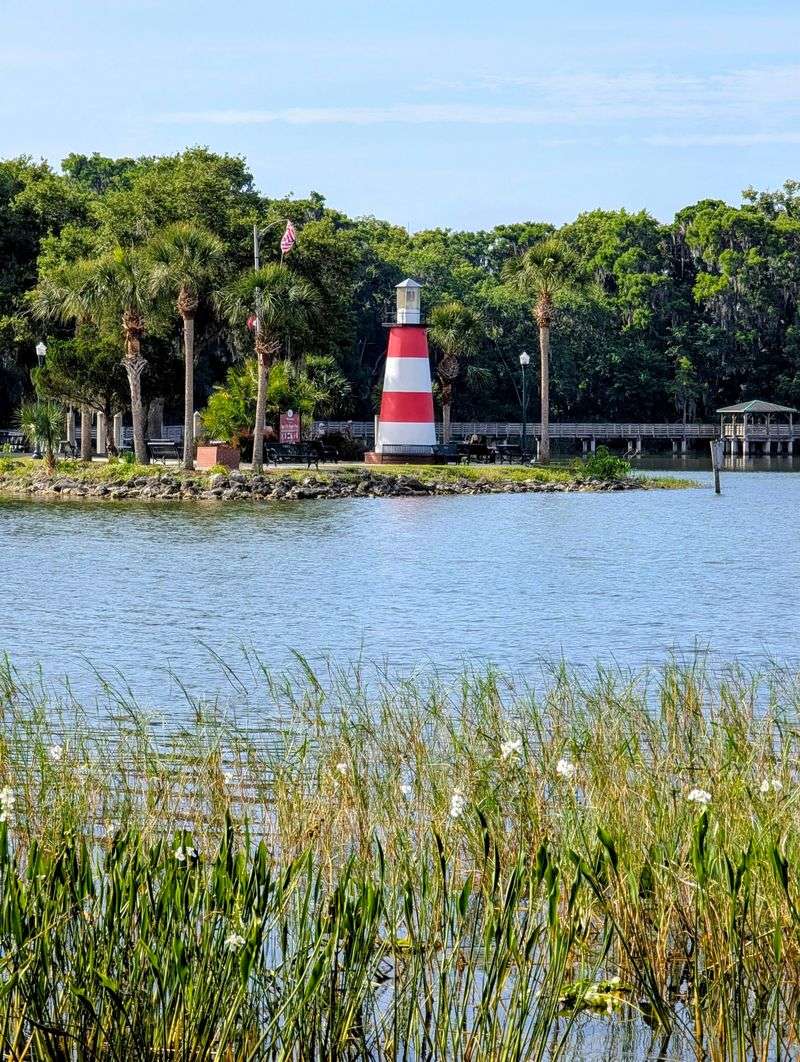
A lighthouse with no ocean in sight sounds like a punchline. In Mount Dora, it’s a point of pride, since the town claims the only inland freshwater lighthouse in Florida.
The red and white tower stands 35 feet tall at Grantham Point. It was dedicated in 1988 after residents raised money through a buy-a-brick campaign.
Why build it at all? Boaters had a hard time finding their way across Lake Dora after dark, and the light solved that problem.
Grantham Point makes a lovely spot to linger. You’ll find picnic tables, benches, and fishing access right by the water.
From there, follow the Palm Island Park boardwalk for a shady lakeside stroll. Keep an eye out for birds along the marshy edges.
Downtown sits just a short walk uphill. Its compact grid is packed with shops, galleries, and old buildings that make window shopping a sport.
Don’t skip the Donnelly House, a fancy Steamboat Gothic home that looks like it was frosted rather than built. It’s one of the most photographed buildings in town.
Mount Dora also hosts a well-known arts festival each year. Check the town calendar before you go, because event weekends draw bigger crowds.
Address: Mount Dora, FL 32757
4. Cedar Key
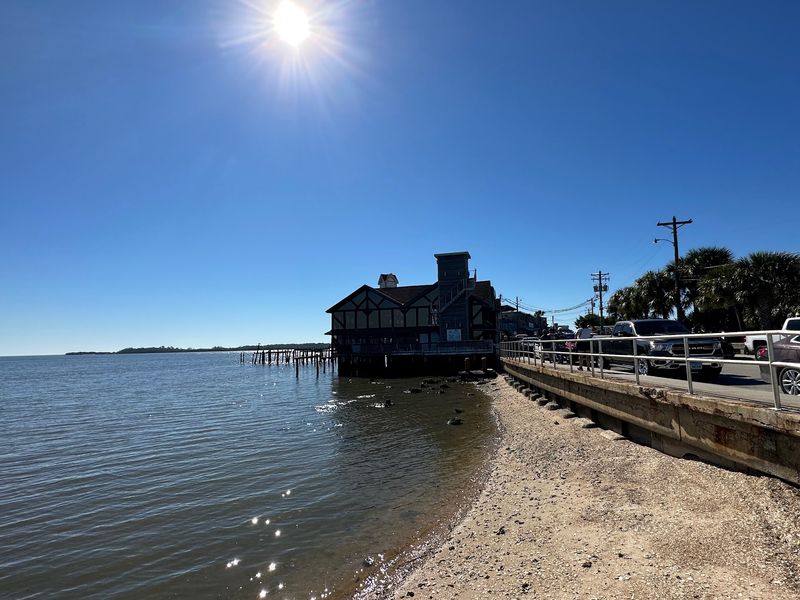
Famed naturalist John Muir walked roughly a thousand miles in 1867 and ended up right here. Cedar Key still feels like a fine place to stop and catch your breath.
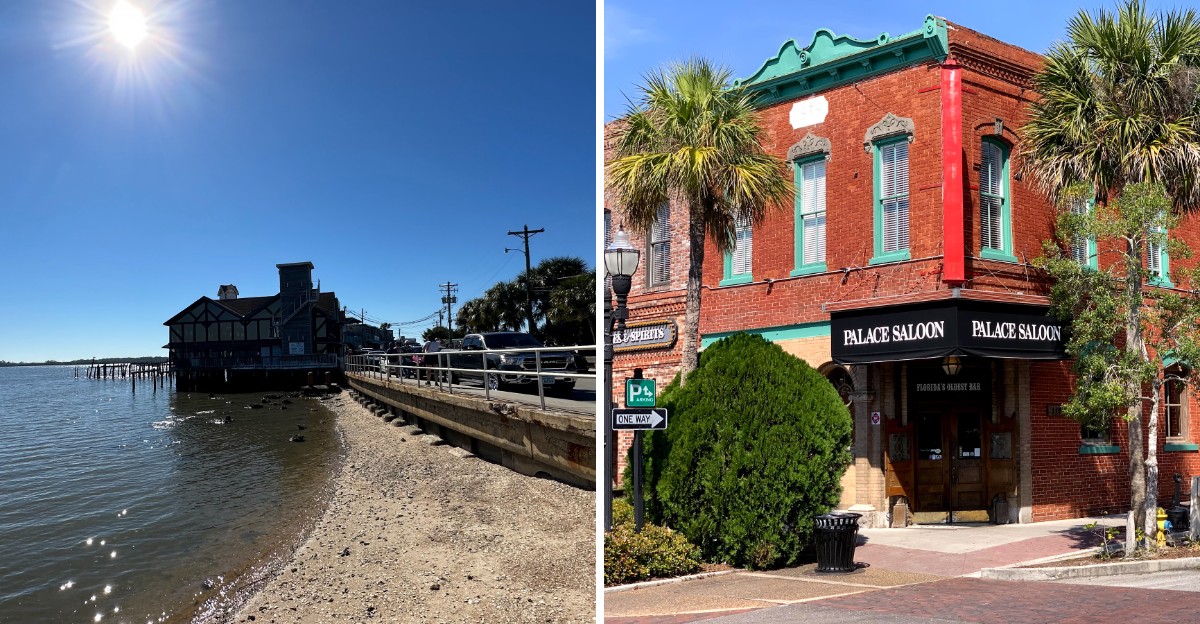
The town sits on a cluster of small islands off the Big Bend coast. Fewer than 800 people live here, and the whole place moves at fishing-village speed.
Clams are the local superstar. Cedar Key is known for its clam farming industry, and you’ll see that pride all over town.
History buffs should look up the Island Hotel. Built between 1859 and 1861, it has tabby walls made with oyster shell, limestone, and sand.
Those walls are about 10 inches thick, which helps explain how the building has lasted so long. Its long balcony makes a classic perch for watching the sunset.
For more backstory, visit Cedar Key Museum State Park. It covers the island’s past, from early settlers to the old pencil-making days.
The waterfront docks are where the town comes alive. Walk out, watch the boats, and let the Gulf breeze do the rest.
Plan an overnight stay if you can. Sunsets here are a big deal, and you’ll want to see the sky change color over the water.
Address: Cedar Key, FL 32625
5. Fernandina Beach
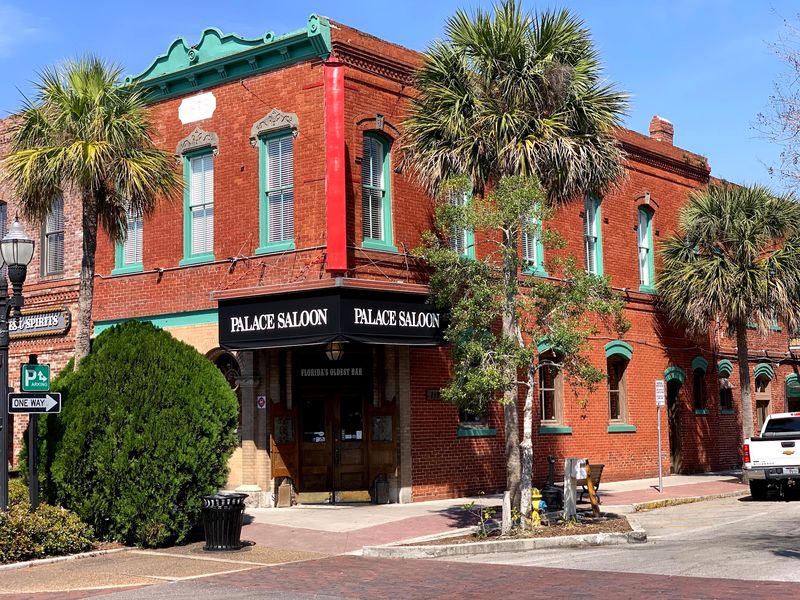
Shrimp cocktail fans, this one’s for you. Fernandina Beach calls itself the birthplace of the modern shrimping industry.
The story starts in the early 1900s with Sicilian immigrant Mike Salvador. He put an engine on a boat to pull nets in deeper water, and the idea took off.
The town still celebrates that legacy with the Isle of Eight Flags Shrimp Festival. Yes, eight flags, because a lot of nations have claimed this island over the centuries.
To untangle that history, stop by the Amelia Island Museum of History. It’s housed in the old Nassau County jail, which is a pretty fun twist.
The museum covers about 4,000 years of island life, from the Timucua people to pirates and Victorian residents. Docent-led tours help connect the dots.
Afterward, wander the 50-block historic district downtown. It’s listed on the National Register of Historic Places and filled with Victorian homes and ornate trim.
Craving more history with your sea breeze? Fort Clinch State Park sits at the northern tip of the island.
Construction on the brick fort started in 1847, and it served during the Civil War. Pair it with a beach walk and you’ve got a full, happy day.
Address: Fernandina Beach, FL 32034
6. DeFuniak Springs
Grab a protractor, because Lake DeFuniak is almost perfectly round. It’s often called one of only a couple of naturally round lakes in the world.
A road loops around the shoreline, so you can circle the lake by car or on foot. Either way, the view stays pretty the whole time.
Big Victorian homes line that loop. Many date back to the town’s Chautauqua days, when crowds came for lectures, music, and learning.
The Florida Chautauqua got its start here in 1885. It turned this quiet Panhandle town into a winter hub for education and culture.
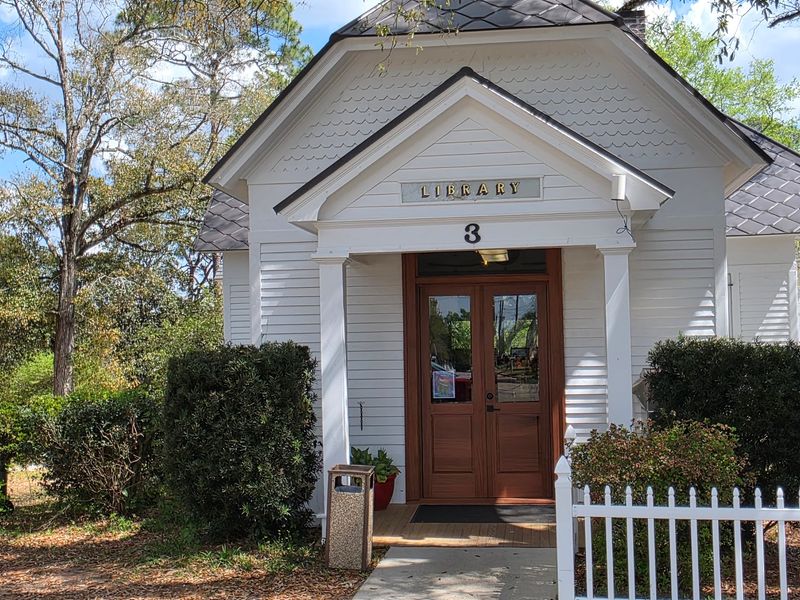
Book lovers should stop at the Walton-DeFuniak Library. It opened in 1887 and is known as the oldest library in Florida still operating in its original building.
Inside, you’ll find more than books. The library also displays a collection of old weapons and armor, which feels delightfully unexpected for a reading room.
Downtown keeps things simple and traditional. You’ll find older storefronts and a slow pace that matches the lake’s calm water.
Visiting near the holidays? The town is known for lighting up the lake loop with holiday decorations, and the reflections on the water are worth a slow drive.
Address: DeFuniak Springs, FL 32435
7. Safety Harbor
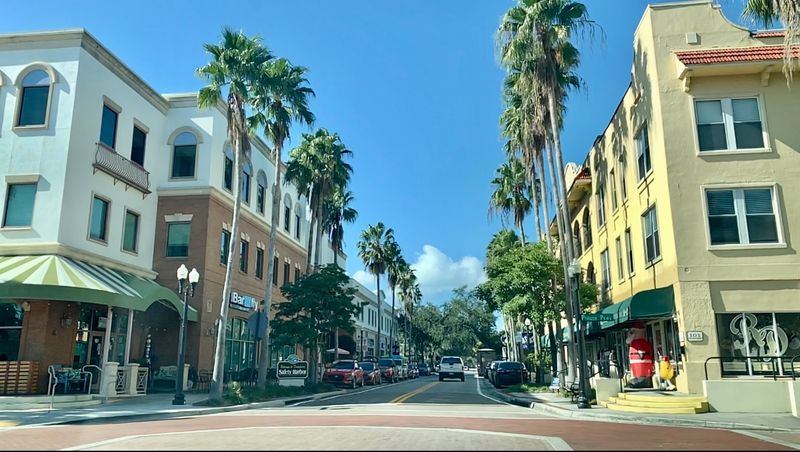
Few towns can say their name came with a promise. Safety Harbor sits on a calm stretch of Old Tampa Bay, and the name fits the setting.
Mineral springs put this place on the map. The springs drew visitors for generations, and the Safety Harbor Resort and Spa still sits on that historic spot.
Main Street is where you’ll want to start. It’s shaded, walkable, and lined with independent shops instead of big chains.
Keep your camera ready for a few quirky surprises. Whimzeyland, a private home decorated with painted bowling balls, is a local landmark you can admire from the street.
Please be respectful there, since real people live inside. A quick look and a smile is the right move.
For a deeper dive into the past, head to Philippe Park just up the shoreline. It protects a large Tocobaga mound that’s hundreds of years old.
The park also offers picnic spots under big oaks with bay views. It’s a relaxing way to split up a day of shopping.
Safety Harbor sits close to busier parts of Pinellas County. Even so, it feels like you’ve slipped off the map, and that’s a nice trick for a Tampa Bay town.
Address: Safety Harbor, FL 34695
8. Steinhatchee
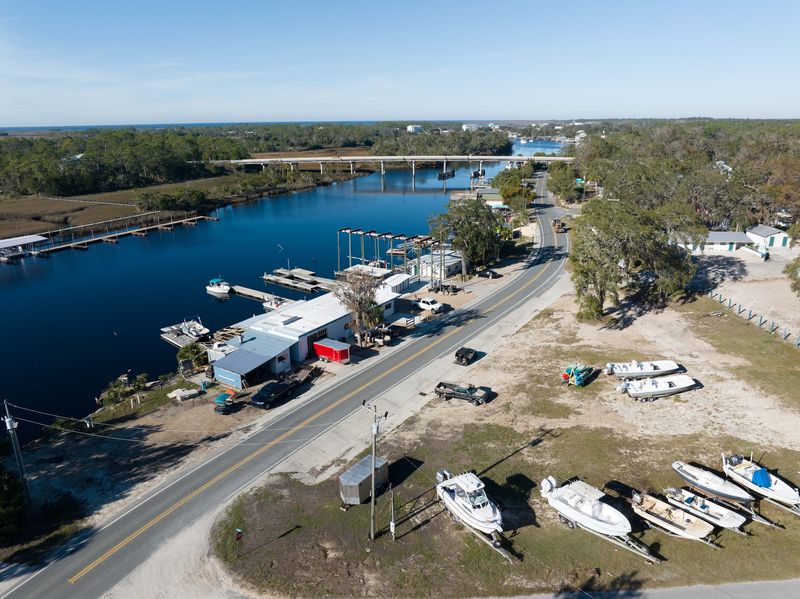
Few summer activities feel as treasure-hunty as scalloping. Each season, Steinhatchee becomes a hub for people chasing bay scallops in the shallow Gulf grass flats.
Snorkelers head out by boat, slip into the water, and search the seagrass by hand. It’s part sport, part beach day, and part Easter egg hunt.
Season dates are set by the state and can change. Check with Florida wildlife officials before you go so you know the rules.
Outside scallop season, Steinhatchee turns very quiet. That’s the whole point of coming here, really.
The town sits along the Steinhatchee River in the Big Bend, one of the least developed coastlines in Florida. You’ll find marinas, fishing boats, and plenty of open sky.
Want a fun side trip? Steinhatchee Falls is a wide, shallow waterfall on the river, and it’s one of the few waterfalls in the state.
Don’t expect Niagara, because the drop is gentle. Still, it’s a scenic, peaceful spot to stretch your legs.
Bring patience for the drive, since this town is far from the interstates. Once you arrive, though, the slow pace starts to feel like the best part.
Address: Steinhatchee, FL 32359
9. Monticello
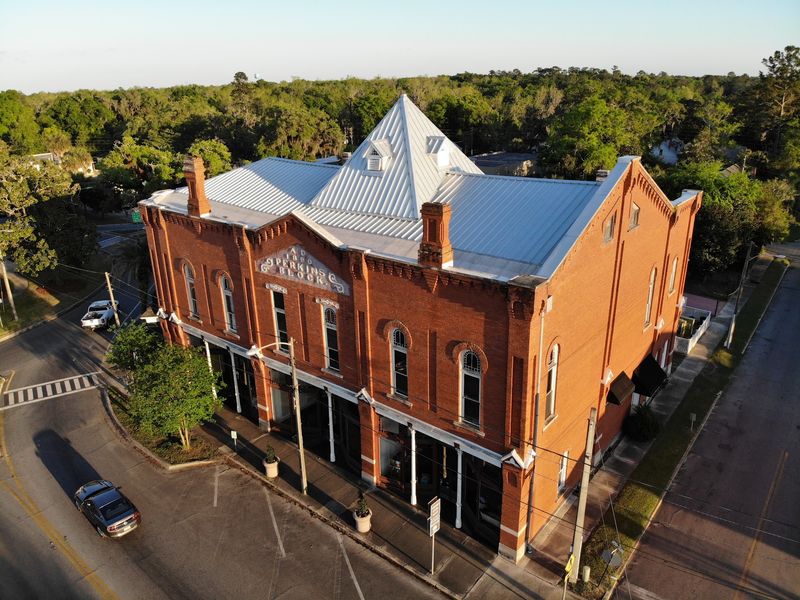
All roads lead to the courthouse in Monticello, and that’s not a figure of speech. The Jefferson County Courthouse sits right in the middle of a traffic circle downtown.
Its domed top makes a handsome centerpiece for the whole town. Old storefronts and historic buildings fan out from that circle in every direction.
About 2,500 people live here, close to the Georgia line. The setting is rural, with rolling hills that surprise folks who think Florida is flat.
Want a show with your history? The Monticello Opera House dates to 1890 and still hosts performances.
That building has seen a lot of years, and it shows off its age proudly. Check the schedule before your trip so you can catch an event.
The town is also famous for its annual Watermelon Festival. It’s a long-running summer tradition, and the name tells you exactly what to expect.
Stroll the side streets to spot older homes with deep porches and tall trees. Monticello has a large collection of historic houses for its small size.
Since Tallahassee is less than an hour away, this makes an easy day trip. Come for the courthouse, stay for the quiet streets and Southern pace.
Address: Monticello, FL 32344
10. High Springs
Bring a swimsuit, even in winter. Near High Springs, the spring water stays around 72 degrees all year.
This small Alachua County town works as a gateway to some of the clearest water in Florida. Ginnie Springs, just outside town, is the big name.
Ginnie Springs is fed by several freshwater springs. You can swim, snorkel, tube, or paddle there, and divers come from around the world for its caves.
The Santa Fe River ties those springs together. Floating down it on a lazy afternoon might be the most relaxing thing you do all year.
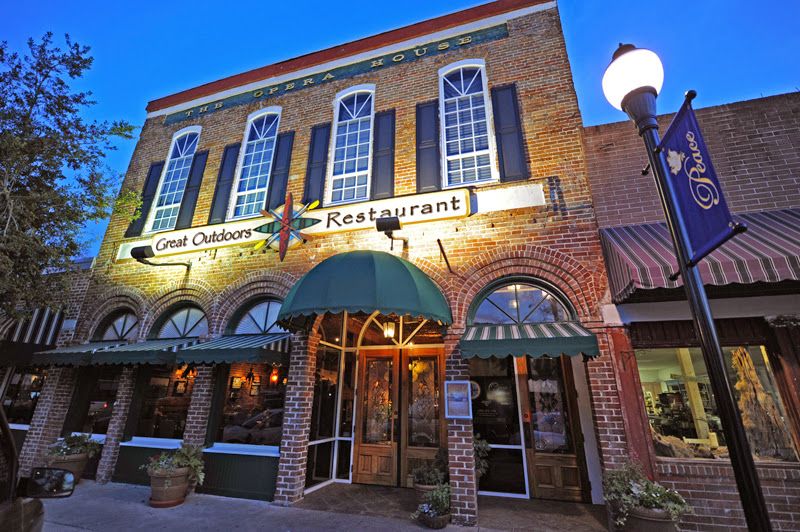
Back in town, the main avenue is lined with restored turn-of-the-century brick buildings. They now hold shops and small local businesses.
It’s a fun place to wander after a day in the water. Grab a snack, dry off, and browse at your own speed.
Nature lovers have even more nearby. O’Leno State Park sits a short drive away, where the Santa Fe River disappears underground before resurfacing about three miles away in River Rise Preserve State Park.
Plan around summer weekends if you want a quieter float. The springs get busy when the heat climbs, so an early start pays off.
Address: High Springs, FL 32643
11. Havana
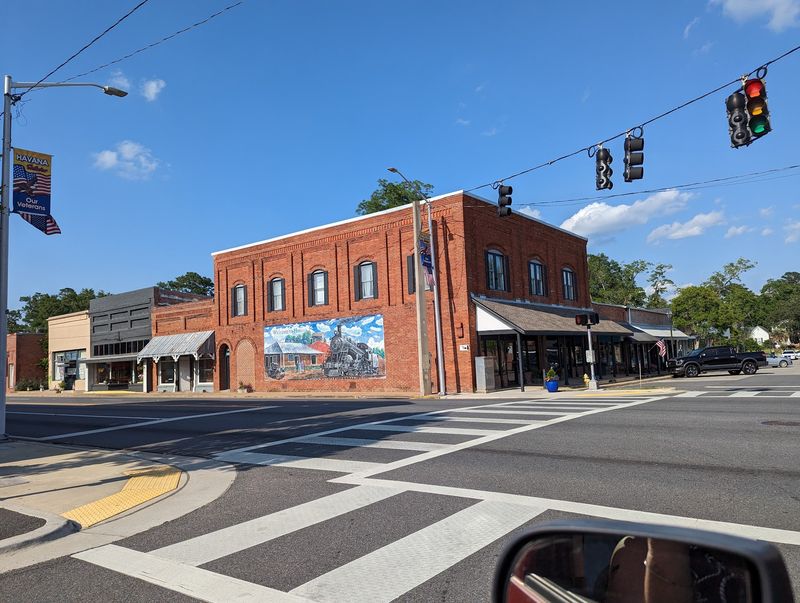
No passport needed for this Havana. The little Gadsden County town sits just north of Tallahassee, close to the Georgia border.
Its name nods to Cuba’s capital, and tobacco is the link. Havana grew up as a shade tobacco town, where farmers grew leaves under cloth to protect them from the sun.
That crop shaped the area for generations. The fields and old farm history still give the town its rural, hardworking roots.
Today, Havana is better known for antiques. Its compact downtown has a cluster of shops perfect for slow browsing.
Treasure hunters, take note. You can spend a happy afternoon flipping through old furniture, vintage finds, and quirky decor.
About 1,700 people call Havana home, so don’t expect big crowds or busy streets. The quiet is part of the charm.
Getting here is easy if you’re already near Tallahassee. The drive is short, and the countryside along the way is green and rolling.
Pair Havana with a stop in Monticello or a Tallahassee visit for a full day. Or just come solo, take your time, and let this tobacco town remind you how good slow can feel.
Address: Havana, FL 32333