
Rainy Saturdays Turn Into All-Day Play At This Gulfport, Mississippi Children’s Museum
Rain on the Mississippi Gulf Coast has a way of wrecking weekend plans, especially when you have kids who woke up with energy to burn. But there is an old brick schoolhouse down here where a gray sky barely matters, because the fun spreads across two floors indoors and several acres outside.
Kids climb, pretend, paint, and shop at a make-believe grocery store until somebody’s grandmother finally calls time. It is the kind of place families keep returning to for years, and once you see why, you will understand the loyalty.
An Old Schoolhouse On Dolan Avenue
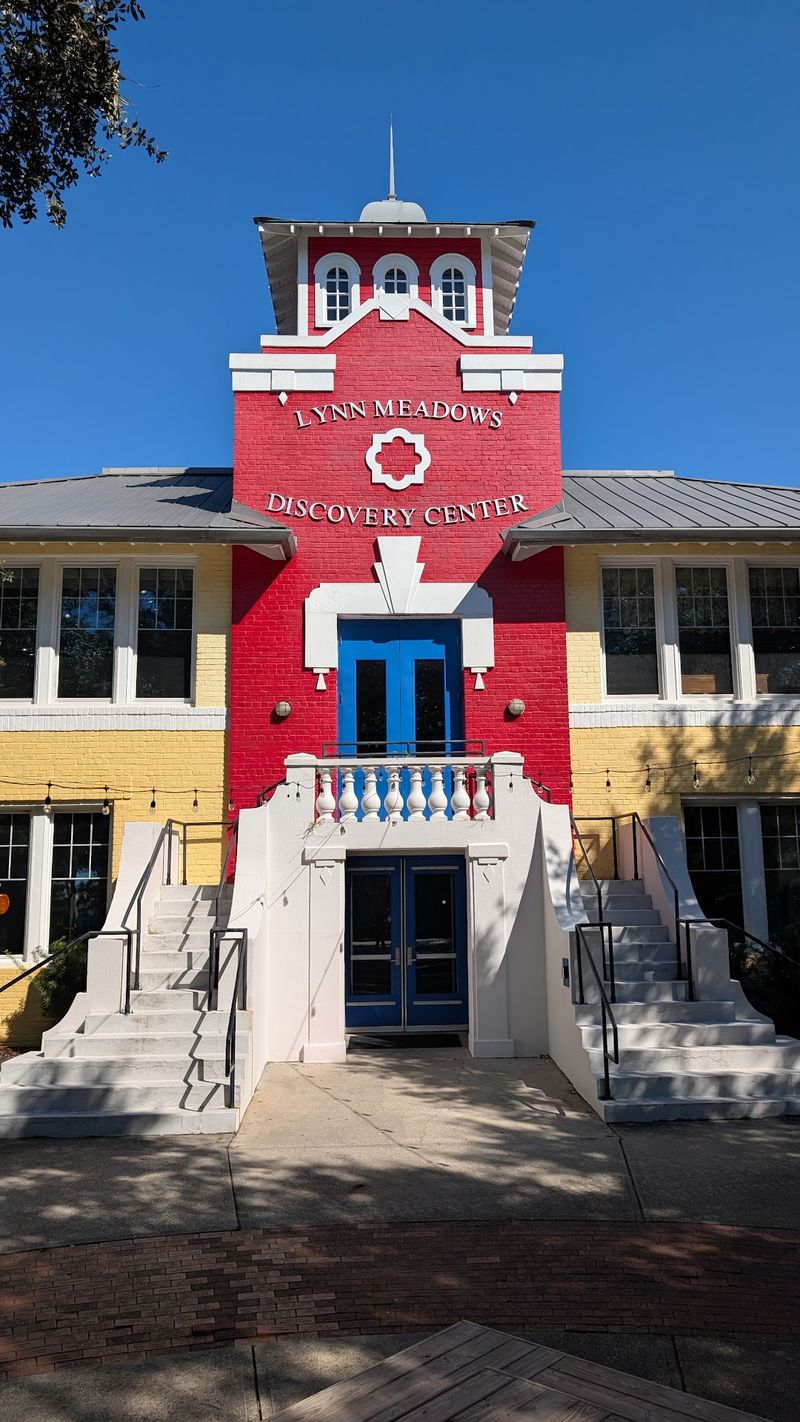
At 246 Dolan Avenue in Gulfport, tucked into the Mississippi City neighborhood of Harrison County, a two-story brick schoolhouse holds one of the busiest family destinations on the Coast. Lynn Meadows Discovery Center operates as a nonprofit children’s museum inside a building that opened its doors to elementary students back in 1915.
Instead of classrooms and chalkboards, the rooms now hold a train depot, a pretend veterinary clinic, a grocery store, and a climbing structure that stretches up through the center of the building.
Roughly 15,000 square feet of indoor exhibits sit under the old roof, and another 7.5 acres of outdoor play space wraps around the campus. That combination is exactly why families here treat it as a rain plan and a sunshine plan at the same time.
Drive time is short for most of the Coast: a few minutes from downtown Gulfport, a quick run from Biloxi or Long Beach, and manageable from Hattiesburg or Mobile for a day trip. Visitors regularly mention driving in from out of state and putting it on the itinerary every single year.
From 1915 Classrooms To Hands-On Galleries
Picture a first-grade classroom from a century ago, then imagine it filled with costume racks and a pretend ice cream counter. That is essentially the transformation that happened here.
The building, known historically as Mississippi City Elementary School, dates to around 1915 and served generations of Harrison County students before the museum took over the space. Keeping the original structure means the museum carries a layer of local memory that a purpose-built facility never could.
Guests often comment on how interesting it is that a historic school site still serves an educational mission, just in a much louder and messier way than before. Wide staircases, tall windows, and long corridors that once channeled lines of students now guide families between exhibit rooms.
Nonprofit status shapes the experience too. Community sponsors help fund exhibits, which keeps admission affordable and allows for programs that a for-profit operation might skip.
Nostalgia does a lot of work here for the grandparents in the group. More than a few adults wander through recognizing the bones of a school building they knew, while the kids run past without noticing a thing.
The Climbing Structure That Anchors It All
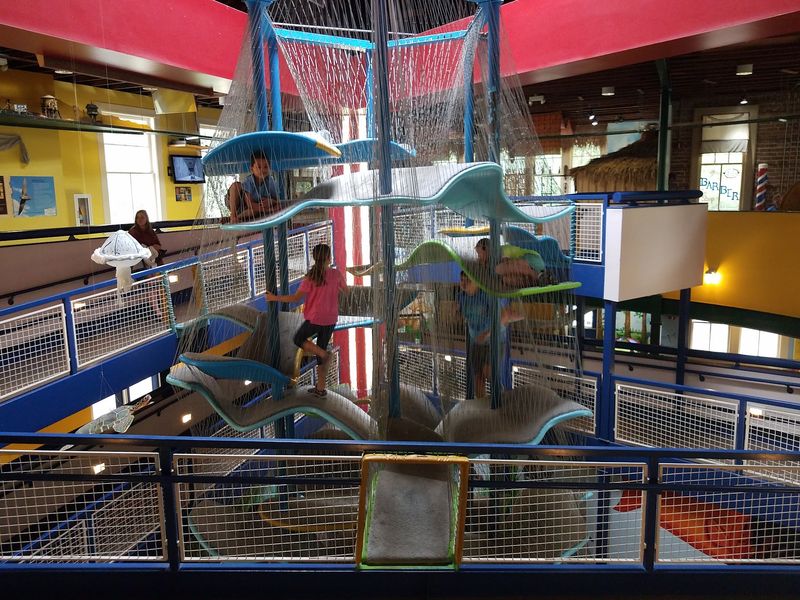
Walk into the main space and your eyes travel upward. A colossal climbing structure rises through the height of the museum, threading between floors and giving kids a route that has nothing to do with the stairs.
Parents tend to appreciate the design as much as the children do. The enclosed construction means climbers cannot tumble out, so adults can watch from below without holding their breath the whole time.
Energy burn is the honest selling point. On a rainy Saturday when the backyard is a swamp and everyone has been indoors since breakfast, a vertical maze solves a very real problem.
Older siblings who might roll their eyes at a toddler exhibit usually find this one acceptable. Families with a wide age spread, say a five-year-old and an eleven-year-old, often report that the climber keeps everybody engaged at the same time.
A word of practical advice from regulars: seating for adults can be limited in the busier areas, so plan to stay on your feet or claim a bench early. Socks and comfortable clothes make the experience much smoother for the climbers themselves.
Pretend Play Rooms Kids Refuse To Leave
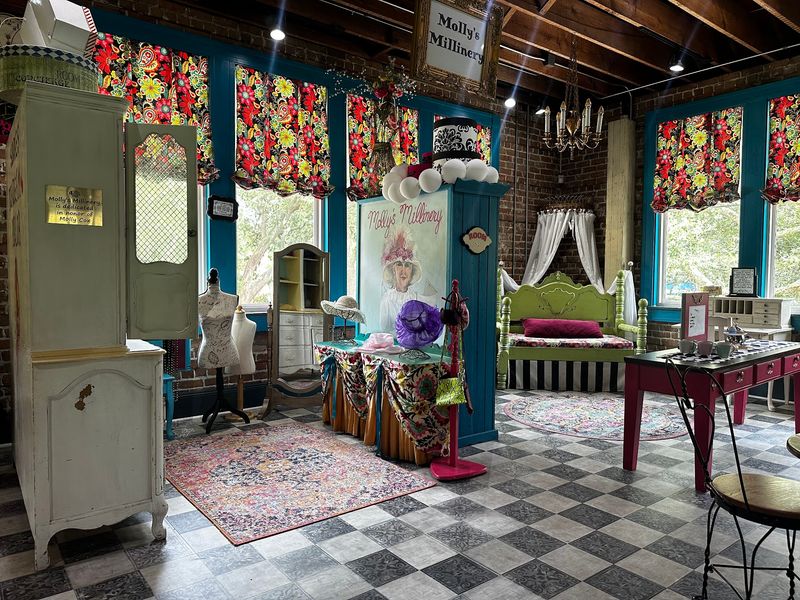
Ask any regular which part their kid begs for first, and the answer is usually one of the role-play rooms. The Little Pet Vet hands out stethoscopes and stuffed patients.
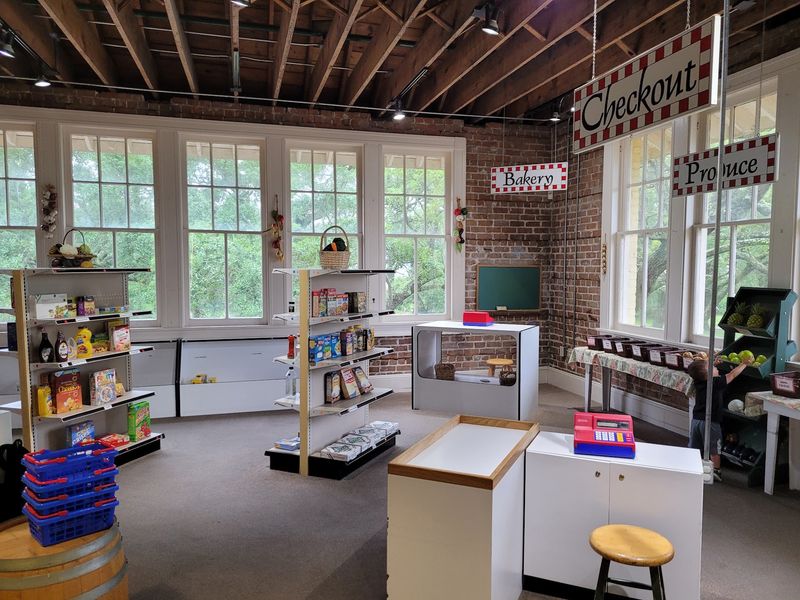
To Market, To Market sets up a miniature grocery with carts small enough for a four-year-old to push down an aisle.
Over at The Dolan Avenue Depot, children climb into a replica train car and shovel pretend coal. The Port introduces Gulf Coast maritime life, where kids can captain a fishing boat and learn how the working waterfront fits together.
Costumes and props make the whole thing click. Families mention how quickly a shy child warms up once there is an apron to put on or a cash register to operate.
What adults notice is the learning hiding inside the fun. Taking turns at the checkout counter, negotiating who plays veterinarian next, and sorting items on a shelf all count as practice for real life.
Plan for time here. Groups often report spending two or three hours without leaving the pretend-play wing, and that is before anyone sets foot outside.
Art Studio, Science Lab, And A Step Into The 1890s
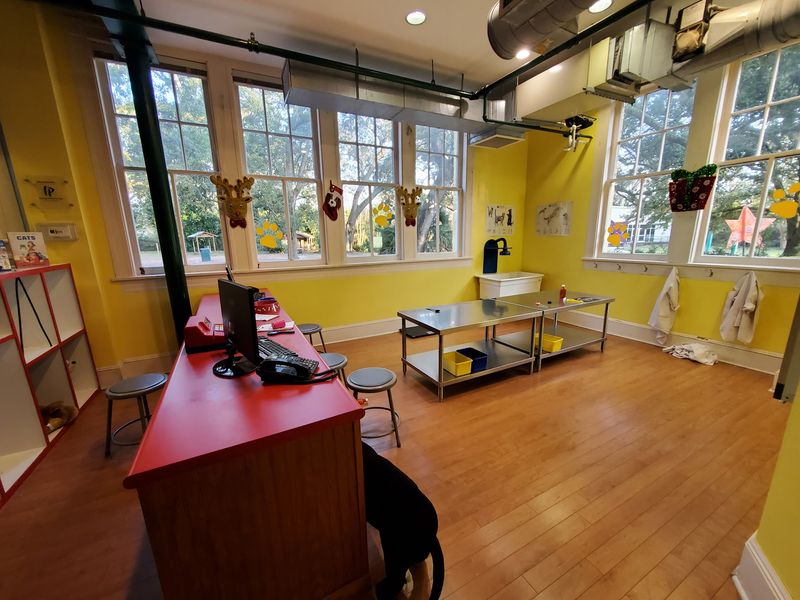
Craft tables covered in glue and glitter turn out to be a surprising highlight for many visiting families. The Art Studio runs projects that change with themes and seasons, and more than a few parents say the crafts became the favorite part of the whole day.
Science gets its own corner. It’s A Matter of Science and Louie’s Lab tackle energy and sustainability in ways a grade-schooler can actually grasp, with hands-on stations instead of wall text.
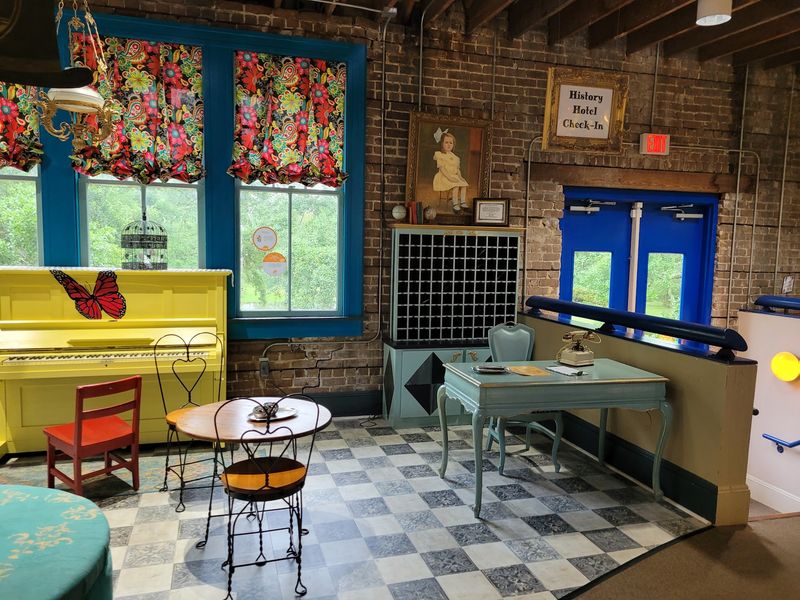
Then there is the History Hotel, a re-creation of an 1890s Mississippi establishment complete with the Top Hat Cafe and Sundae’s Ice Cream Parlor. Kids dress up, serve imaginary customers, and generally run the place with total confidence.
For quieter moments, the Sensory Space offers glowing stars and softly colored rainclouds in a calm room designed for low-key discovery.
Balance is really the point of this cluster. A child who burns out on climbing can sit down and paint, then wander into a science station, then spend twenty minutes scooping pretend ice cream.
The variety is what stretches a visit into a full afternoon rather than a quick stop.
A Soft Corner For Babies And Toddlers
Bringing a baby along usually complicates a family outing, but Bear Camp Bayou was built for exactly that situation. The space serves newborns through age four with padded flooring, age-appropriate toys, and a shelf of board books.
Separating the littlest visitors from the big-kid traffic matters more than it sounds. Crawlers get room to move without dodging a sprinting seven-year-old, and parents can sit down for a minute without constant vigilance.
Families with mixed ages often use it as a home base. One adult stays with the baby while another follows the older kids through the climbing structure, then they swap.
Regulars with toddlers mention returning again and again because the under-four area alone justifies the trip. A three-year-old can spend a solid stretch of time here and leave genuinely tired out.
Nursing parents and diaper bags are part of normal life in this room, and strollers roll right through the museum without trouble. If you are visiting with a child too young for the main exhibits, this corner is the reason the rest of the family can still enjoy the day.
Tree Houses, Kids Street, And 7.5 Acres Outside
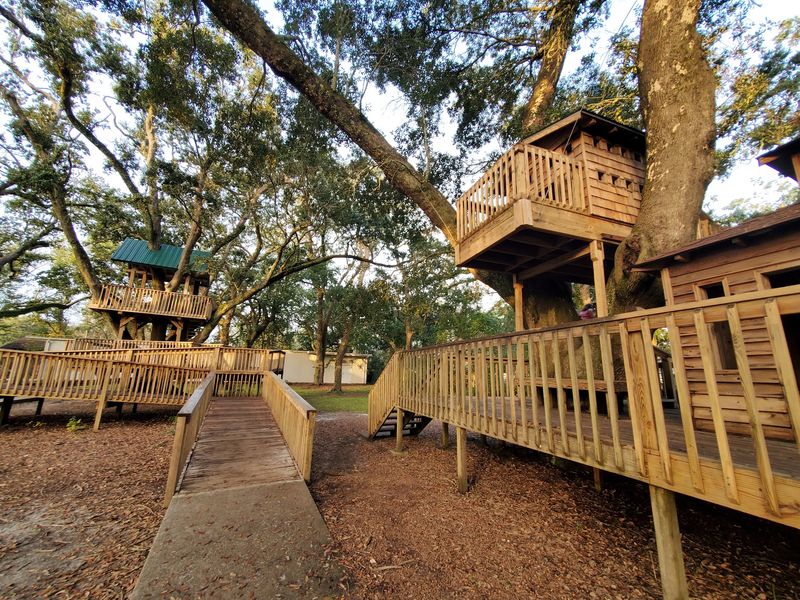
Step out the back and the scale changes completely. Roughly 7.5 acres of grounds unfold under live oaks that have stood here for about a century, their branches wide enough to hold up a whole village of play structures.
Tree House Village is the headliner, and it comes up constantly in conversation among Coast families. Platforms and walkways tuck into the oaks, letting kids climb up among the Spanish moss.
Kids Street takes a different approach: a miniature subdivision of child-sized buildings where a six-year-old can run a neighborhood however they see fit. Imagination Playground supplies oversized blue foam blocks for building whatever comes to mind, dismantling it, and starting over.
Aquaponics in Action sits outside too, showing how fish and plants support one another in a single growing system. It is a quiet exhibit that often catches grandparents as much as kids.
Shade from those old oaks makes summer visits far more bearable than an open playground would be. The grounds are described by visitors as clean, spacious, and unusually peaceful for a place full of running children.
Seagull Splash Splash Pad On Hot Coast Days
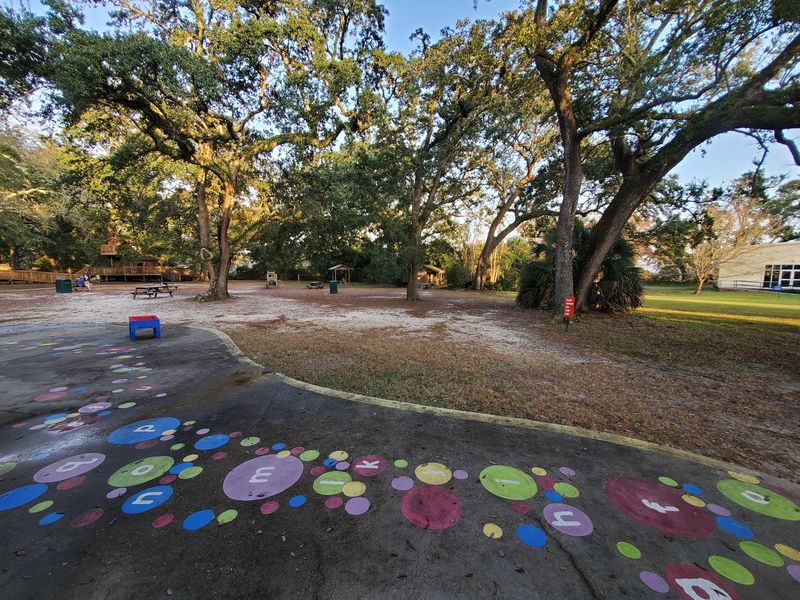
Gulf Coast humidity in July is no joke, and the Seagull Splash Splash Pad is the museum’s answer to it. Water play is included with regular admission, which means no extra ticket and no separate line.
Families frequently describe the splash pad as the closing act of their day. Kids do the indoor exhibits first, eat lunch, then head to the water to cool off before the drive home.
Bring towels and a change of clothes, because nobody stays dry. Swim shoes are a smart call as well.
Seasonality applies here. The splash pad runs during warm weather, so a cool-weather visit will be an indoors-and-treehouses kind of day instead.
Some visitors have noted that the water pressure runs on the gentle side, which suits smaller children fine even if bigger kids want more force. There is a power button that activates the water, and it can take a moment to spot.
For a family trying to fill a long summer Saturday on one admission fee, the water feature stretches the value considerably.
Access, Sensory Support, And Room For Strollers
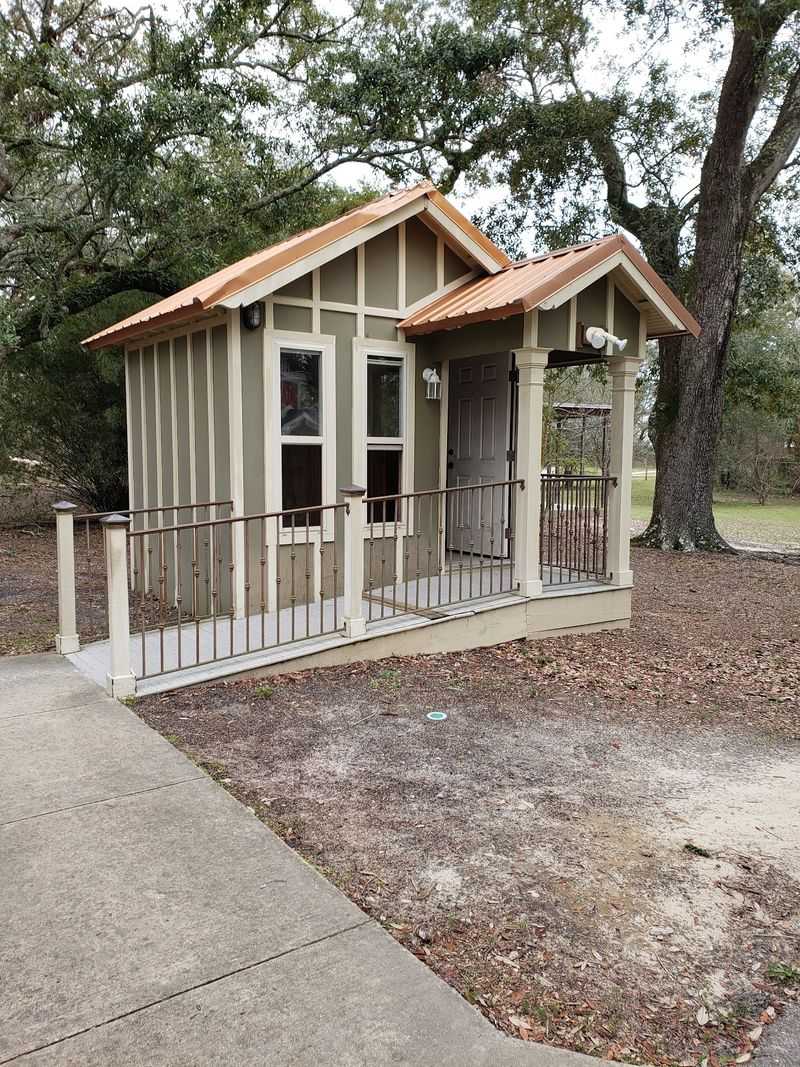
Getting around matters when you are pushing a stroller and walking beside a grandparent at the same time. The entire museum, indoors and out, is wheelchair accessible, including restrooms and water fountains.
Wheelchairs are available at the front desk if you need one, and strollers are welcome throughout. Parking is ample and includes designated handicap spaces, with room for larger vehicles.
Sensory needs get real attention here. Sensory bags can be requested, the dedicated Sensory Space offers a calm retreat mid-visit, and Sensory Sundays happen monthly with reduced light and sound in a less crowded setting.
One limitation worth knowing before you go: some guests have pointed out the lack of family restrooms, which can be a hassle for a parent visiting solo with kids of different ages.
Seating for adults is somewhat limited in the busier exhibit areas, so a shaded picnic table outside often becomes the regrouping spot.
Staffing tends to be steady across the exhibit areas, and crews circulate to tidy up and reset displays. Families consistently describe the environment as clean and well supervised.
Hours, Admission, And Ways To Pay Less
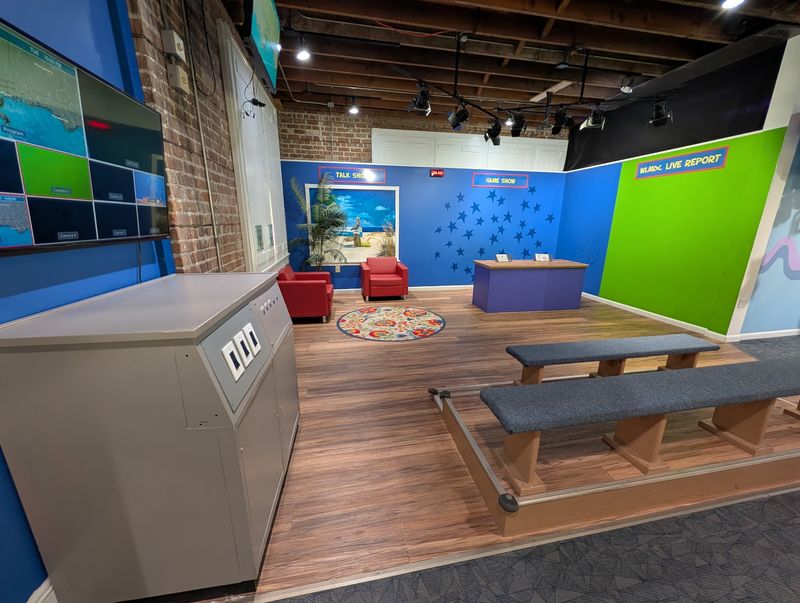
Budget-conscious planning is easy here. General admission runs around $10 per person, and everyone over toddler age typically pays the same rate, so a family of four is looking at a modest total for a day that can stretch many hours.
Doors are generally open Monday through Saturday from 10:00 a.m. to 5:00 p.m., with Sunday hours from noon to 5:00 p.m. Major holidays including New Year’s Day, Easter Sunday, Thanksgiving, Christmas Eve, and Christmas Day are closing days.
The Museums For All program brings admission down to about $5 per person for up to four people when you present an EBT card with valid ID.
Free Fridays land on the last Friday of every month, with no-cost admission from 5:00 p.m. to 8:00 p.m. Expect a crowd during that window.
Memberships pay for themselves quickly for local families, and reciprocal arrangements with other science museums can extend the value on road trips.
There is no cafe, but picnic tables are available, outside food is permitted, and a small gift shop carries snacks and drinks.
Why Coast Families Keep Coming Back
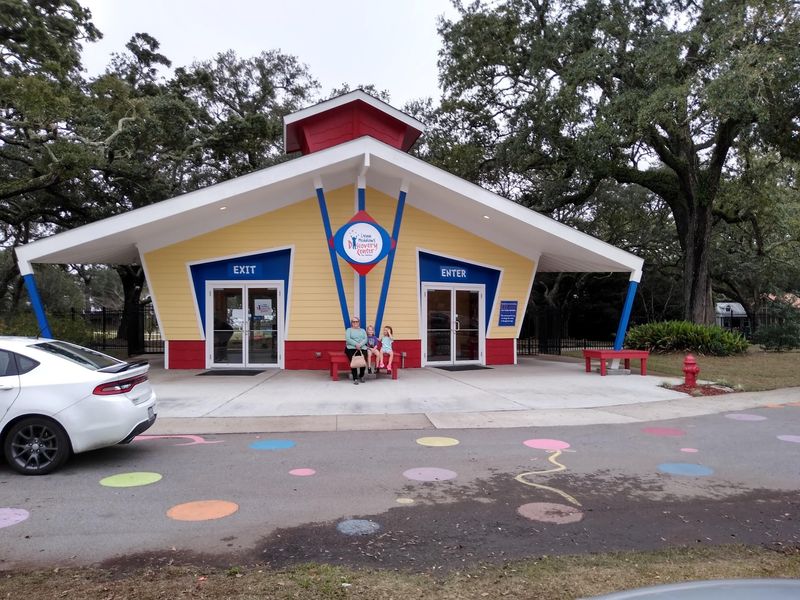
Twenty years is a long loyalty streak, and plenty of Gulf Coast families have been showing up here that long. Grandparents who brought their own children now bring grandchildren, which says more than any brochure could.
The appeal comes down to a practical math problem most Mississippi parents recognize. Around ten dollars a head buys a day that can easily run three to six hours, covers both indoor and outdoor play, and works for a toddler and a preteen in the same group.
Nothing here is polished to a shine. Exhibits take a beating from thousands of small hands, and maintenance is an ongoing project that visitors notice and mostly forgive.
What holds up is the core idea: screens go in pockets, kids talk to strangers their own age, and adults get to watch them figure something out.
For a rainy Saturday on the Coast, or a scorching one when the splash pad is running, the old schoolhouse on Dolan Avenue delivers a genuinely full day. Pack a picnic, wear comfortable shoes, and plan to stay longer than you expected.