
This Quiet New York Lake Town Is Becoming The State’s Next Big Thing In 2026
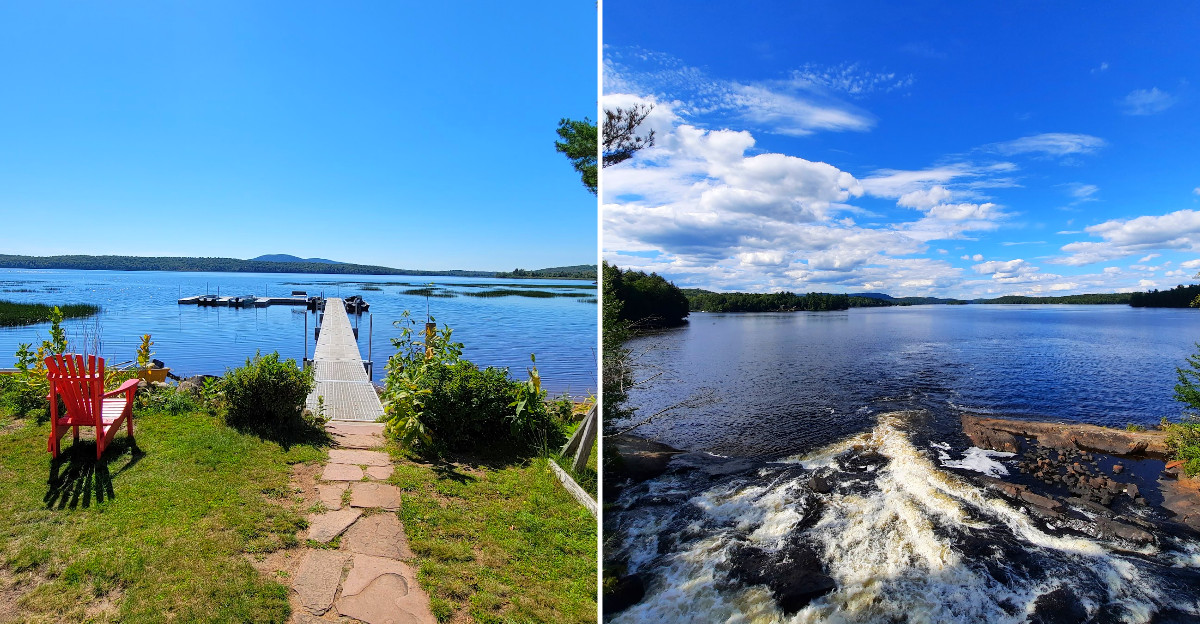
You notice the silence first. Then the lake, the dark sky, and the strange feeling that a place this peaceful should already be much more famous.
New York still has surprises left. Deep in the Adirondacks, one small town is picking up momentum without losing the calm that made people love it in the first place.
Change is showing up in useful ways. A new rail trail gives visitors more ground to cover, local arts keep gaining energy, and fresh investment is bringing more life downtown.
The trick is that none of it feels rushed yet. You can still sit near the water, wander without a plan, and watch stars take over after sunset.
That balance may be exactly why 2026 feels like its moment.
The Lake Town That Kept Its Secret
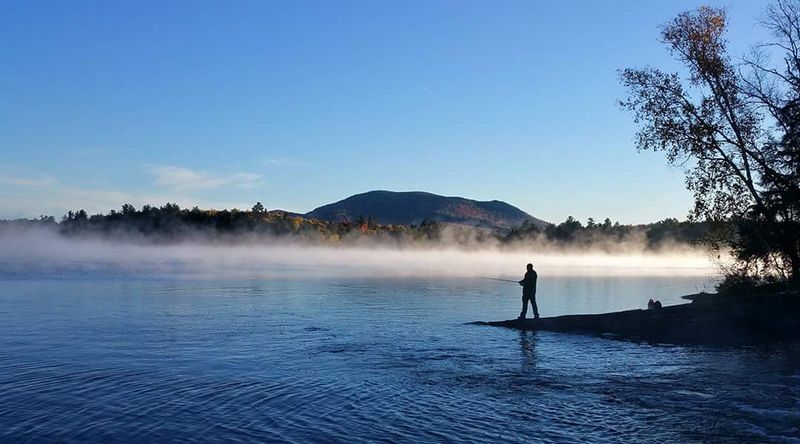
Eleven thousand acres of water sit at the doorstep of a village with barely 3,282 residents. That ratio tells you almost everything.
Forest presses in from all sides, since the surrounding park covers roughly six million acres of protected land. Mountains rise in soft humps rather than jagged spires, which makes them friendly to beginners and rewarding for veterans.
What sets the place apart is how little it performs for visitors. There are no gates, no ticket booths at the trailheads, no lines snaking around a gift shop.
You park, you walk, you look up.
Night is the real showstopper. The skies here rank among the darkest in the Northeast, and the Milky Way shows up without any effort on your part.
Logging built the town in the 1800s, and the muscle memory of that work still shapes local pride. Now tourism, trails, and science centers share the load.
Visitors who crave quiet find it fast. Those who want action find that too, spread across four honest seasons.
Consider this your heads up before 2026 arrives and everyone else figures it out.
Meet Tupper Lake, Adirondack Original
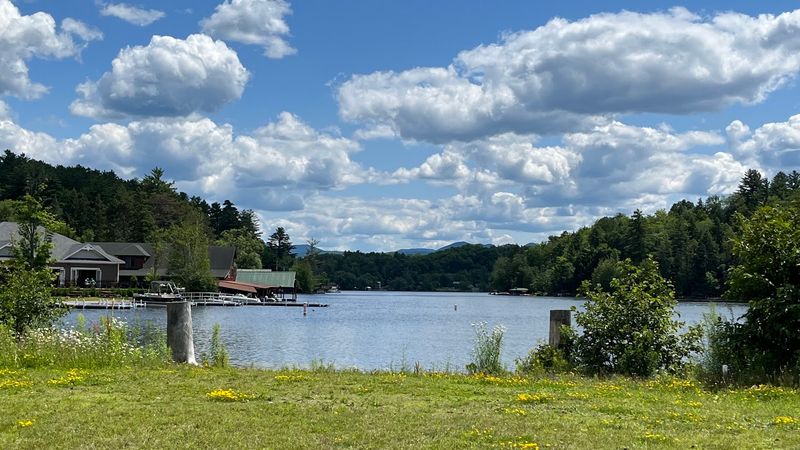
Officially, the mail arrives at Tupper Lake, NY 12986, in Franklin County, west of Lake Placid. Unofficially, the whole region treats it as the calm cousin in the Tri-Lakes family.
The village sits at the northeast end of the lake, right beside Raquette Pond. Water is never more than a few minutes away, no matter which direction you wander.
Here is a fun bit of paperwork history. The surrounding town used to be called Altamont, and it formally took the name Tupper Lake in July 2004.
European settlement started around 1844, and growth followed timber and then the railroad. Those two forces built the street grid you still drive today.
Along with Saranac Lake and Lake Placid, the three villages form the Tri-Lakes. Tupper Lake is the one where you can still hear loons over the rooftops.
The lake itself stretches across Franklin and St. Lawrence counties, fed and drained by the winding Raquette River.
Downtown rewards slow walking. Shopfronts, murals, and the steady hum of a working town make the visit feel earned rather than staged.
Thirty Four Miles Of Brand New Trail
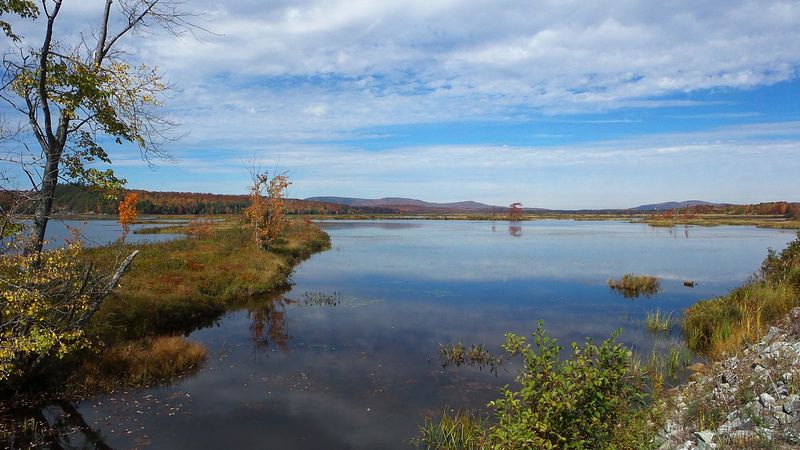
Old railbeds make excellent trails, and the Adirondack Rail Trail proves the point across 34 miles. It links Tupper Lake with Saranac Lake and Lake Placid on one continuous corridor.
Grades stay gentle because trains never liked hills. That makes the route friendly for families, casual cyclists, and anyone hauling a kid trailer.
Summer brings hikers and bikers. Winter flips the surface over to cross country skiers and snowmobilers, so the corridor stays busy twelve months a year.
Views shift constantly along the way. Wetlands, ponds, birch stands, and rocky cuts arrive in steady rotation, which keeps the pedaling interesting.
Practical tip: ride from Tupper Lake toward Saranac Lake in the morning, grab lunch, then coast back when the light turns soft. You get the best of both towns in one loop.
Bike shops in the region handle rentals and shuttles, so you do not need a roof rack to enjoy the whole thing.
Trail access from the village side is straightforward and well marked. Bring water, bring a snack, and let the miles do their quiet work.
Wild Walk Takes You Into The Treetops
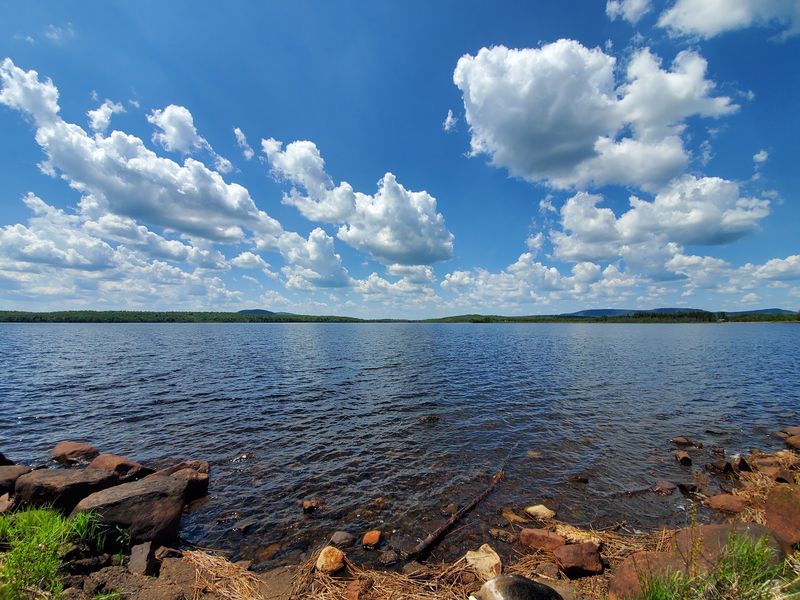
Very few places let you stroll at the height of a treetop. The Wild Center built exactly that, and it changed how visitors see this corner of New York.
The campus spreads across 115 acres of forest, streams, and trails. Live animals, hands on exhibits, and indoor galleries fill the main building.
Wild Walk is the headliner. Bridges and platforms climb up into the canopy, ending with a four story treehouse and a giant bald eagle nest you can climb inside.
Swinging bridges add a little wobble for the brave. Younger kids usually sprint across twice, just to be sure.
A newer outdoor exhibition called TROLLS: Save the Humans scatters oversized troll sculptures along the wooded paths. Finding them turns a nature walk into a treasure hunt.
Plan on half a day minimum. Trails wind down to the Raquette River, where canoe programs and naturalist talks often run.
Educators around the world study this center for its approach to climate learning, which is a quiet flex for a village this size.
Check the season schedule before you go, since hours shift through the year.
Stargazing Where The Sky Still Goes Black
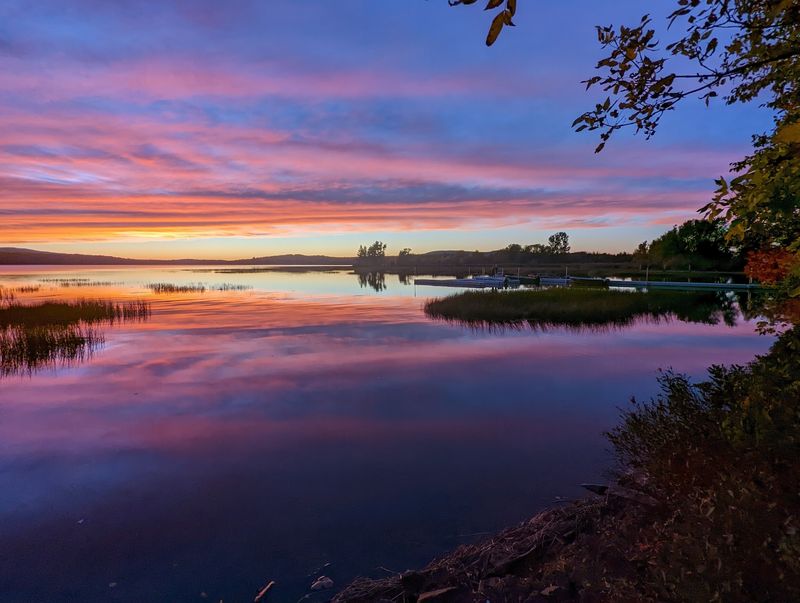
Light pollution has erased the stars for most of the Northeast. Not here.
The Adirondack Sky Center and Observatory takes advantage of the darkness with public viewing events and telescope time. Staff point out planets, nebulae, and star clusters with genuine enthusiasm.
Winter offers the crispest air and sharpest views, though the cold asks for real layers. Summer nights are gentler and better for families with younger kids.
Even without a telescope, the show is remarkable. Pull off at a quiet lakeside spot, let your eyes adjust for twenty minutes, and the Milky Way appears like a smudge of spilled flour.
Meteor showers hit differently in a place like this. The Perseids in August and the Geminids in December both put on serious displays.
Bring a red flashlight if you have one, since white light resets your night vision instantly.
Programs run on a schedule tied to weather and moon phase, so confirm dates before driving out.
Few travel memories stick like a sky with too many stars to process. This is one of the best spots in the state to collect one.
Three Peaks, One Very Satisfying Patch
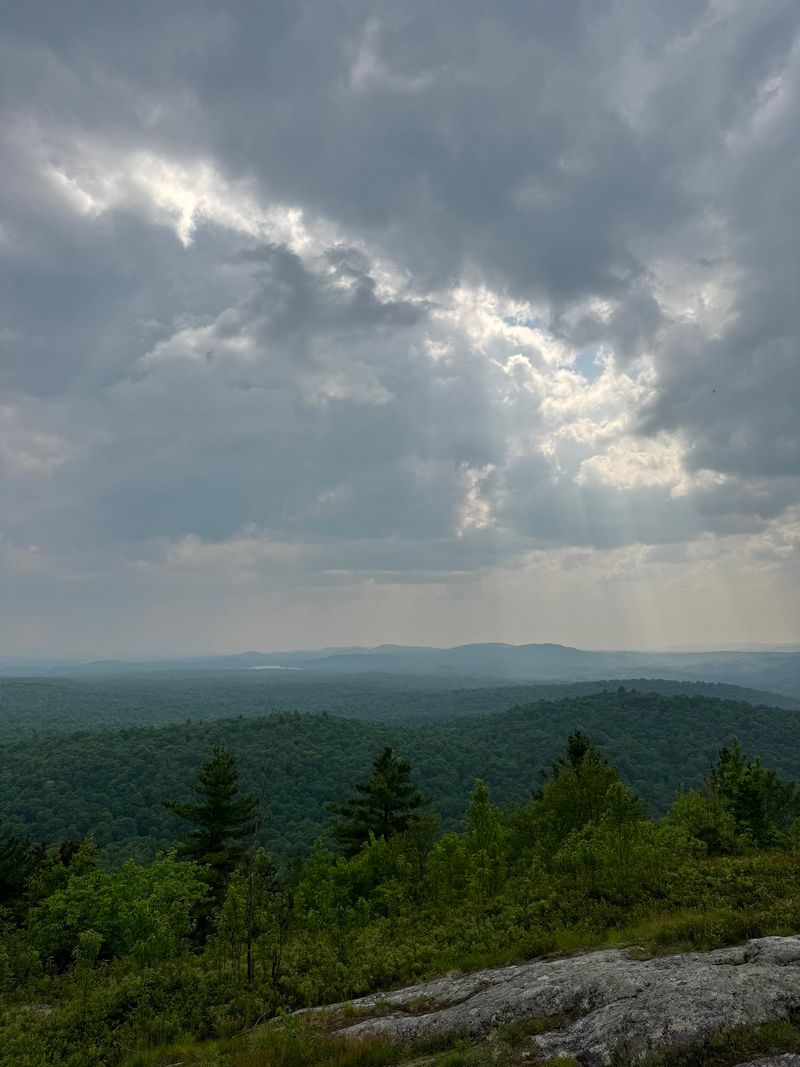
Bagging peaks usually means suffering. The Tupper Lake Hiking Triad skips that part.
Three summits make up the challenge: Mount Arab, Coney Mountain, and Goodman Mountain. Each one runs short enough for a morning and delivers views that feel far more expensive.
Mount Arab tops out at a historic fire tower with a full circle panorama. Climbing the steps is half the fun.
Coney Mountain gives you an open rocky summit with almost no effort, which makes it a favorite for first time hikers and dog owners.
Goodman Mountain follows an old paved road for the first stretch, so strollers can manage the beginning. The trail honors civil rights worker Andrew Goodman.
Finish all three and you can claim a Triad patch, which is a small reward with outsized bragging rights.
Paddlers get their own version, called the Paddling Triad, covering interconnected local waterways.
Go early on fall weekends for parking. Bring bug spray in June, traction devices in shoulder season, and a sandwich worth eating at the top.
Total elevation across all three stays modest, so a fit family can finish the set in one long weekend.
Bogs, Beaches, And A Waterfall Worth Packing Lunch For
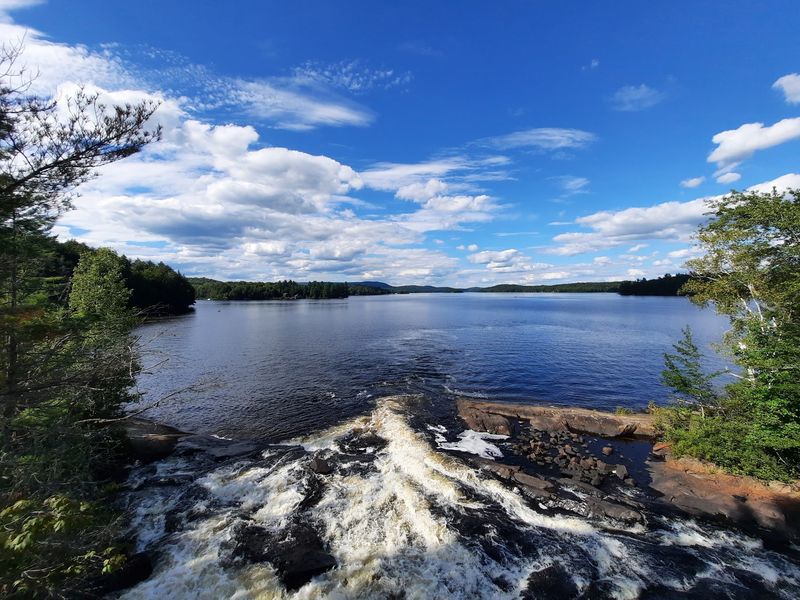
Bog might sound unglamorous. Massawepie Mire will change your mind quickly.
As the largest bog in New York State, it holds plants and birds you cannot find much of anywhere else nearby. Birdwatchers arrive with long lenses and longer patience.
Boreal species draw the crowd. Early morning is prime time, and the silence out there is almost physical.
Bog River Falls handles the opposite mood. Water tumbles over wide ledges beside a road crossing, with flat rocks made for picnics and cooling your feet.
For swimming, Little Wolf Beach and Campground is the local answer. Sandy shoreline, shallow entry, and a view straight across the water.
Paddlers launch from several access points around the lake and the Raquette River. Flatwater dominates, so beginners can relax.
Spring means birding and wildlife watching. Summer means swimming and paddling.
Autumn turns the hills into a riot of gold and rust, and the Adirondacks were named the country’s top fall foliage destination for 2026.
Winter converts everything into ski and snowshoe terrain.
Pack layers regardless of month. Mountain weather here writes its own rules.
History You Can Walk Through Downtown
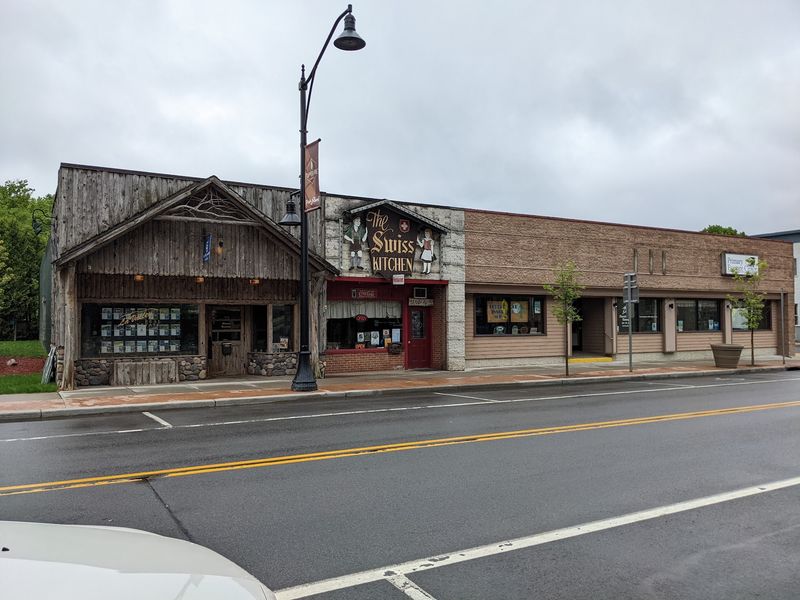
Logging towns tend to keep their records in their buildings. This one does too.
The Adirondack State Theatre has stood on the village scene since 1914, one of the oldest gathering spots in town. Its marquee still anchors the streetscape.
Tupper Arts adds a contemporary counterweight with galleries, workshops, and community programming. Local painters, photographers, and makers show work there regularly.
For deeper background, the Tupper Lake History Museum moved into new multi room quarters at 291 Park Street. Exhibits cover the timber years, railroad era, and everyday village life.
The museum has been operating for more than two decades, built largely by residents determined to save their own story.
Every summer, Woodsmen’s Days celebrates the logging trade with competitions, equipment displays, and plenty of sawdust. Axe throwing and log rolling draw big crowds.
Families with restless kids can burn energy at TimberJaxx Mini Golf, a newer addition with an Adirondack theme.
The Adirondack Scenic Railroad resumed tourist passenger service to town in spring 2023, turning the station into a proper front door again.
Arriving by train feels appropriately old fashioned. It also saves you a long drive.
Why 2026 Is The Year To Show Up
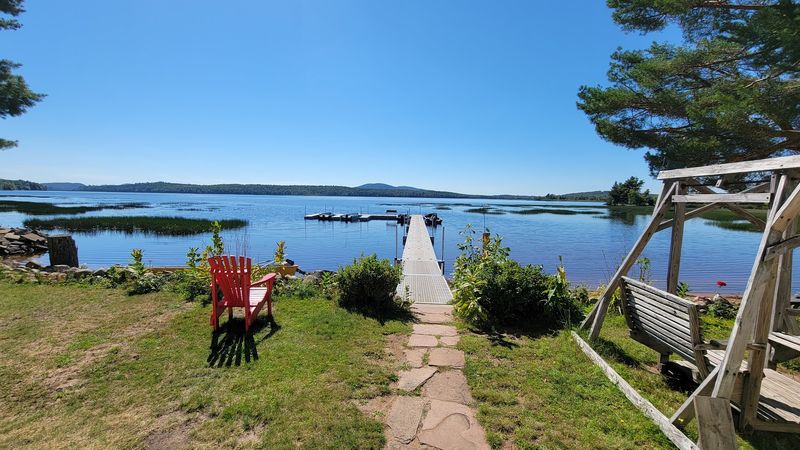
Momentum is a hard thing to fake, and this village clearly has it.
Downtown revitalization work is reshaping the center with new cultural spaces and family attractions. The changes feel additive rather than flashy.
The biggest project involves the former Oval Wood Dish Factory, an industrial landmark from 1916 that once employed hundreds making wooden goods. Plans call for conversion into an 80 unit mixed use affordable housing development, with construction set to begin in August 2026.
Reusing that hulking structure says a lot about local priorities. Nothing gets thrown away if it can be rebuilt.
Median age in the village sits around 45.2 years, which translates to a steady, grounded community rather than a seasonal ghost town.
Trail traffic, train service, and the Wild Center keep pulling new visitors in. Restaurants and shops are responding.
Foliage season will be busy, especially with the region’s 2026 fall recognition. Book lodging early if autumn is your target.
Shoulder seasons reward flexible travelers with quieter trails and easier parking.
Go now and you still get the version where locals wave at your car. That window will not stay open forever.