
Rattlesnakes Quietly Share This Pennsylvania Mountain Overlook With Hikers
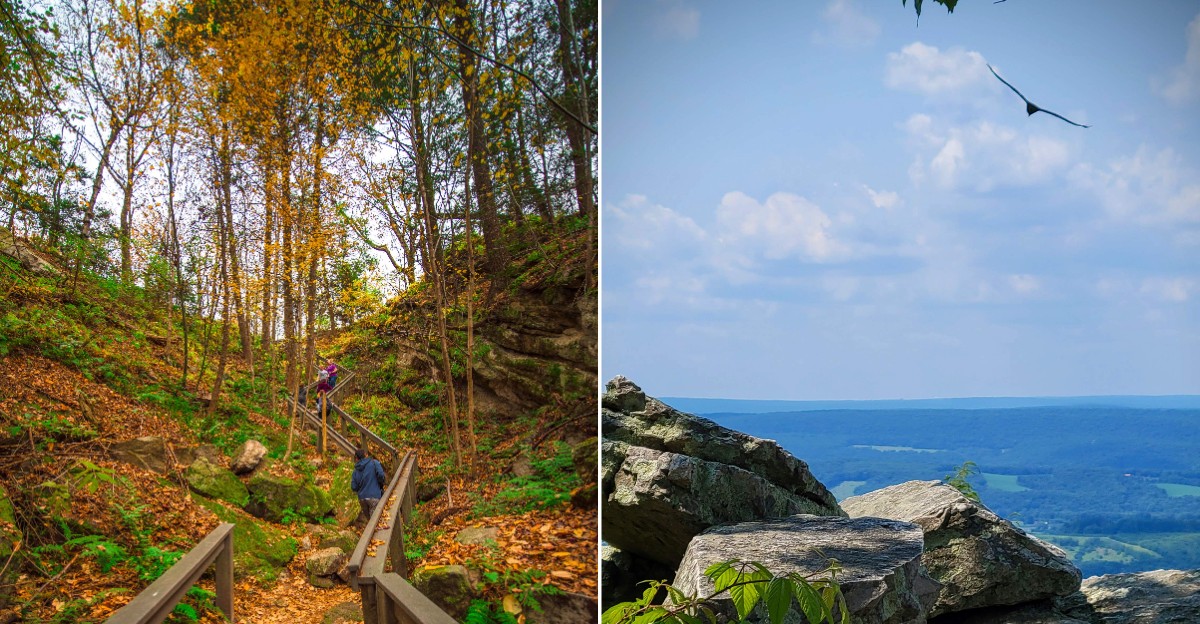
High on a rocky ridge in Pennsylvania, hawks and eagles glide past hikers at eye level. The views stretch for miles, and the boulders feel like giant stone chairs.
But down between those warm rocks, something else is soaking up the sun.
Snakes call this mountain home, including one famous rattler that most visitors never even notice. Sounds a little scary?
Relax. These scaly locals mostly want to be left alone, and a few simple habits keep everyone safe.
The real story here is a wild place where birds, reptiles, and people share the same sunny ledges. Pennsylvania has plenty of pretty hikes, yet few mix jaw-dropping scenery with this much wildlife drama.
Picture a cool fall morning, a thermos of hot cocoa, and a sky full of wings. Now picture spotting a garter snake sliding through the leaves on the way up.
That is a day worth bragging about.
Meet The Timber Rattlesnake
Here is the so-called secret. The timber rattlesnake lives on this mountain, and it has been here far longer than any hiking trail.
It is one of the venomous snakes found in Pennsylvania.
These snakes love steep, sunny rock slopes and rocky ledges. The cracks between boulders give them places to bask and spend the winter.
That means the same rocks hikers adore are prime real estate for rattlers.
Timber rattlesnakes are generally calm creatures. They would much rather stay still and hide than face a person.
Still, they can strike if they feel threatened, and they do not always rattle first.
Fun fact: this snake is a Pennsylvania Species of Special Concern. That label means people should respect and protect it.
Taking or bothering one is not allowed, so enjoy the sighting and move along.
Visitors have spotted rattlers among rocks near overlooks and along trails. Late summer can bring more sightings, because the snakes travel to find mates or new dens.
Most hikers, though, finish their trip without seeing one at all.
Would you recognize one if you saw it? Look for a thick body with dark, wavy crossbands and a rattle on the tail.
Colors vary, from yellowish to almost black. If you spot one, count yourself lucky to see a rare native reptile, then give it plenty of room.
Where Birds Of Prey Rule
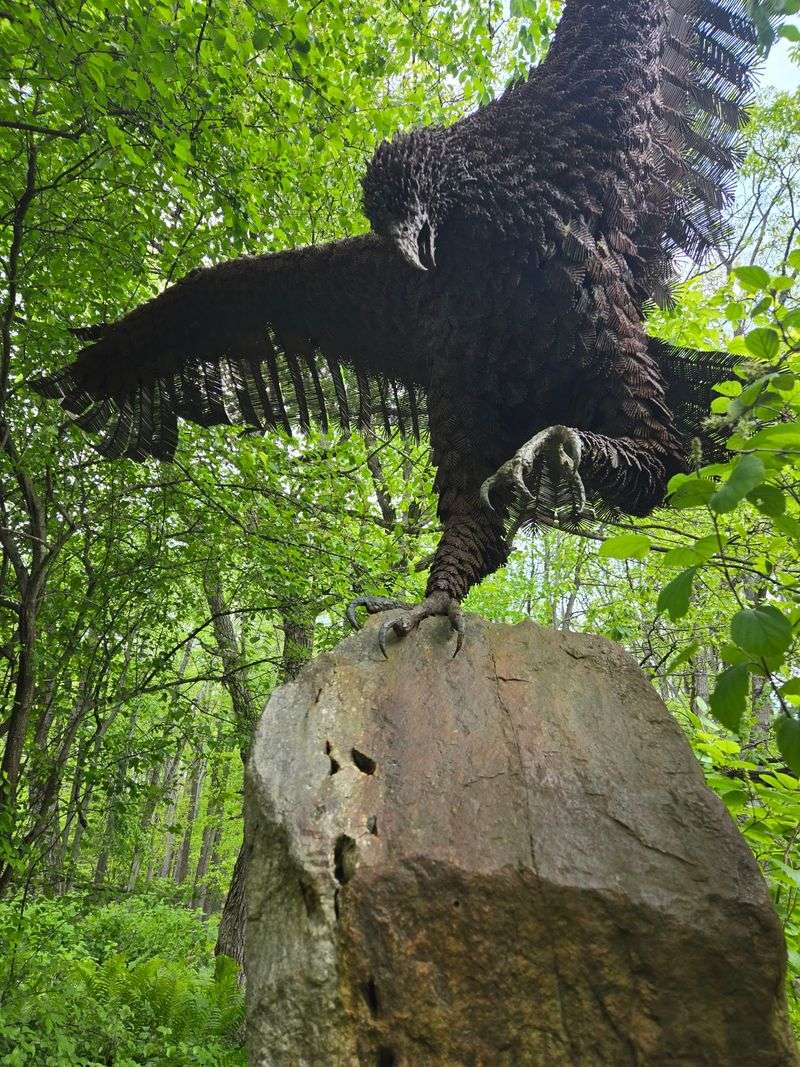
Back in 1934, a group of nature lovers did something bold. They created the world’s first refuge just for birds of prey.
That place is Hawk Mountain Sanctuary, and it still sits proudly on the Kittatinny Ridge in eastern Pennsylvania.
The sanctuary covers about 2,600 acres of protected forest. It is one of the largest unbroken stretches of woods in southeastern Pennsylvania.
It is also an official Important Bird Area, which makes birders smile from ear to ear.
Why did this place matter so much? Long ago, many people saw hawks as pests.
The sanctuary helped change that view and turned the mountain into a center for raptor research and education. Today, scientists and students from around the globe learn here.
Visitors start at the Visitor Center, right beside the trailhead. Non-members pay a trail fee there or show an online ticket.
Members get in free, and every dollar supports conservation work.
Inside, you can grab a trail map and ask about recent bird sightings. The map clearly rates each trail, so you know what you are signing up for.
That little bit of planning makes the whole day smoother.
Have you ever stood somewhere that helped change how people think about wildlife? This mountain is that kind of spot.
And yes, it also has a few slithering neighbors waiting to be discovered.
The Friendly Snakes Next Door
Not every snake on the mountain carries venom. In fact, the most common one is the harmless Eastern garter snake.
Plenty of visitors walk right past it without a clue.
Garter snakes wear olive, yellow, and brown stripes. Those colors blend almost perfectly with dry leaves on the forest floor.
Spot one and you have earned bragging rights for sharp eyes.
In early spring, usually March through early May, garter snakes wake up from their winter rest. Scientists call that rest brumation.
Once awake, the snakes get busy with breeding season, so they move around more and are easier to see.
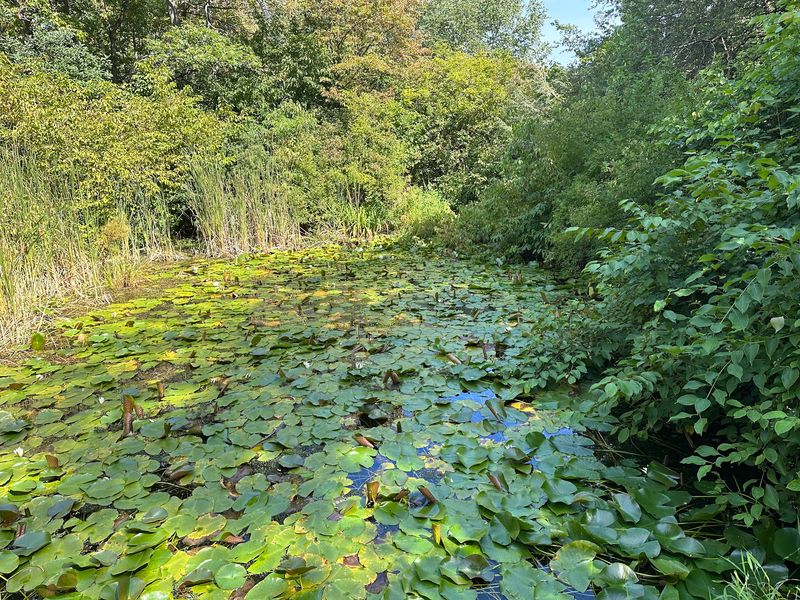
Then there is the Northern water snake. It is also non-venomous and has been seen in the pond at the Native Habitat Garden.
Kids often get excited watching it glide through the water near frogs and newts.
Copperheads are another venomous species in Pennsylvania. They are only found here once in a while.
Their coppery head and hourglass-shaped bands help tell them apart.
So what is the best rule of thumb? Treat every snake like a wild animal, no matter its type.
Even a bite from a harmless snake can get infected. Watching from a few steps away is safer, and honestly, it makes for better photos anyway.
Which snake would you hope to spot first?
Smart Moves Around Scaly Locals
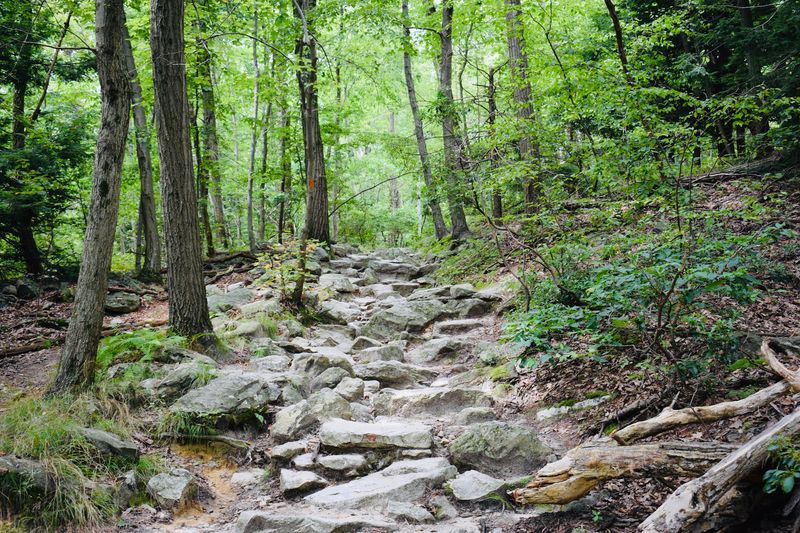
Good news first. Staying safe around snakes is easy, and it takes only a few smart habits.
Nobody needs to skip this hike because of a rattler.
Start with your feet. The trails here are rocky and ungraded, so sturdy hiking shoes are a must.
Closed shoes also give your ankles more protection than sandals ever could.
Next, watch where you put your hands. Some trails require climbing over big boulders.
Before grabbing a ledge or sitting on a warm rock, take a quick look first.
Spot a snake? Stop, stay calm, and back away slowly.
Snakes often just want to warm up in the sun, and they rarely chase anyone. Give all snakes space, and never try to touch, move, or poke them.
Here is a simple checklist that works well:
Stay on marked trails. Keep kids close on rocky sections.
Avoid reaching into cracks or under logs. Let others know if a snake is resting near the path.
Snakes are seen mostly from April to November, with July being an active month for many species. Cooler months mean fewer sightings.
Still, sunny days can bring them out to bask.
Doesn’t it feel good to know the risk is small and the rules are simple? A little awareness turns a nervous hike into a confident adventure.
Sky Full Of Wings
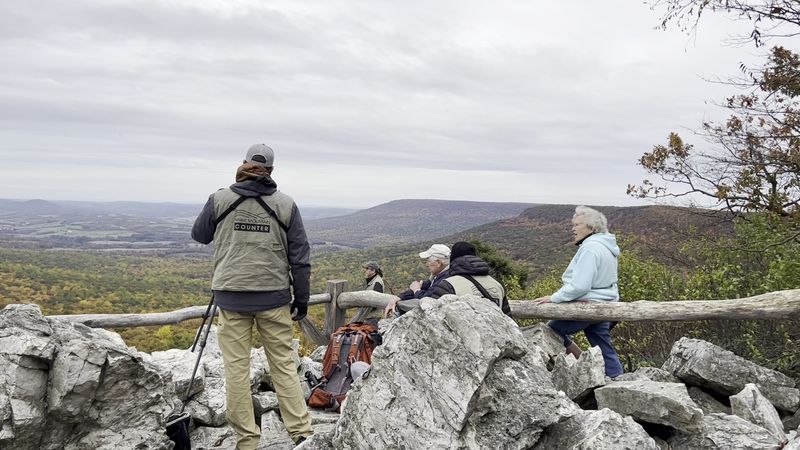
Imagine a hawk flying past so close you can see its feathers ripple. That happens here every fall.
From August 15 to December 15, an average of about 18,000 raptors pass the ridge.
The show kicks off in mid-August with bald eagles. Ospreys and American kestrels soon follow.
By mid-September, thousands of broad-winged hawks can stream by, sometimes in swirling groups.
October is the month for variety. As many as 16 raptor species may appear.
Overall, 235 bird species have been recorded at or near the mountain.
Want the best odds? Aim for a day or two after a cold front, when northwest winds blow.
Mornings and late afternoons often bring birds lower and closer. On hot, calm middays, they ride thermals higher and get harder to see.
Spring has its own flight too. Late April and early May can be lovely, with some peak days bringing up to 300 birds.
Fewer crowds make it a calm option.
Bring binoculars and some patience. Counters often sit at the top during migration, and visitors enjoy hearing what is flying by.
You can also check the sanctuary website for recent sightings.
How many species could you name by the end of the day? Even beginners leave feeling like amateur bird experts.
Pick Your Trail Adventure
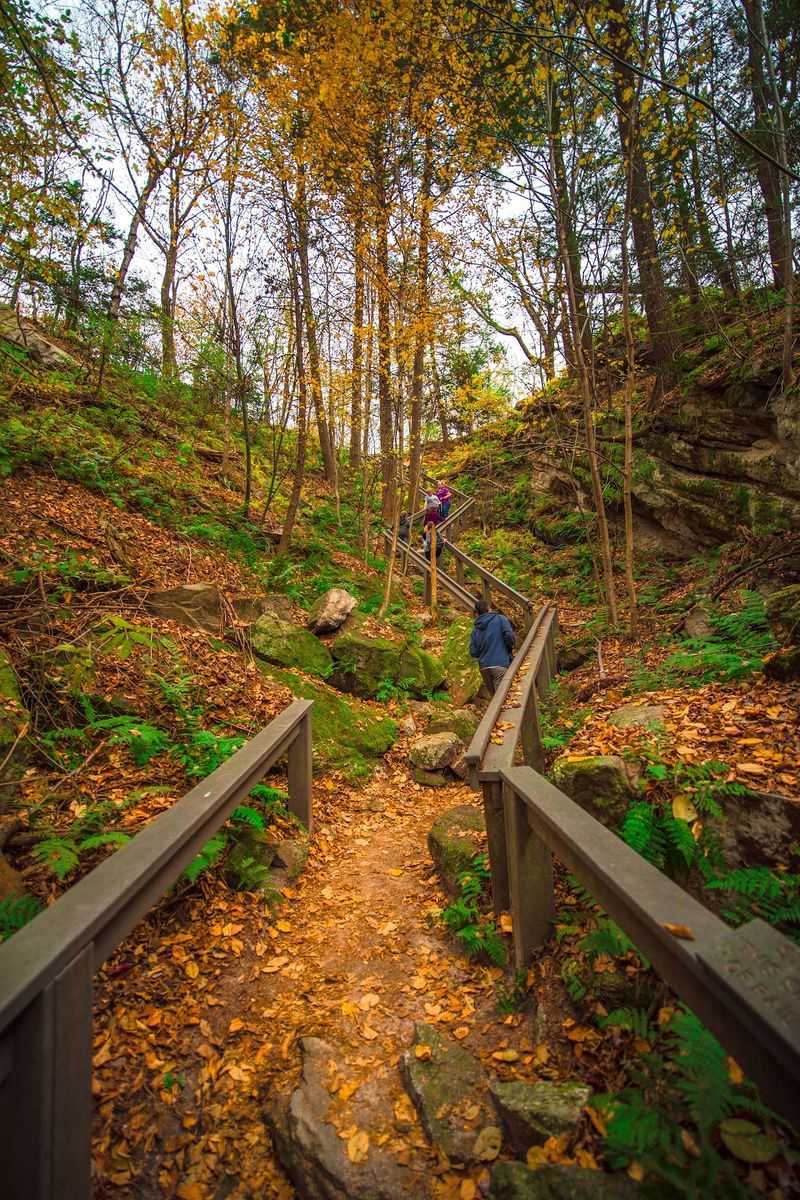
Some hikers want a stroll. Others crave sweaty rock scrambles.
This mountain happily serves both.
The easiest stop is South Lookout, just 175 yards from the entrance gate. Its groomed path works for motorized wheelchairs.
The Silhouette Trail offers a gentle 900-foot route there, and an all-terrain wheelchair can be borrowed free at the Visitor Center.
Most folks then tackle the Lookout Trail. It climbs about one mile and 300 feet to North Lookout, with a stone staircase along the way.
Eight vistas break up the climb, so catching your breath never feels boring.
North Lookout sits at 1,521 feet and offers about 200 degrees of views. Reaching it means climbing over large boulders.
Many visitors pack a lunch and sit right on those rocks to watch the birds.
Craving a real challenge? The Skyline Trail has rugged ridgetop scrambling using hands and feet.
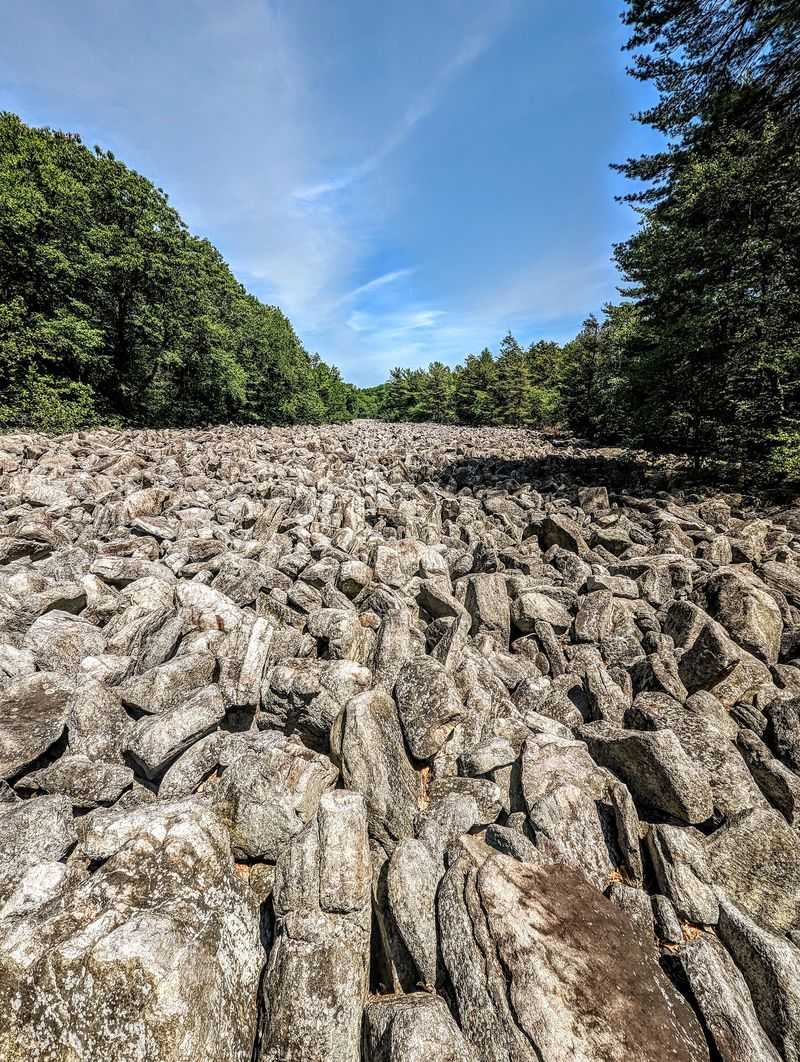
The River of Rocks Trail drops a steep 600 feet through huge boulder fields. The Golden Eagle Trail links them with a steep climb.
Bigger loops can take several hours, so start early. Bring water, snacks, and good footwear.
Rocky areas are also where snakes like to bask, so stay alert on those stretches.
Which trail matches your mood today, easy breezy or full adventure? Either way, the views reward every step.
A Mountain For Every Season
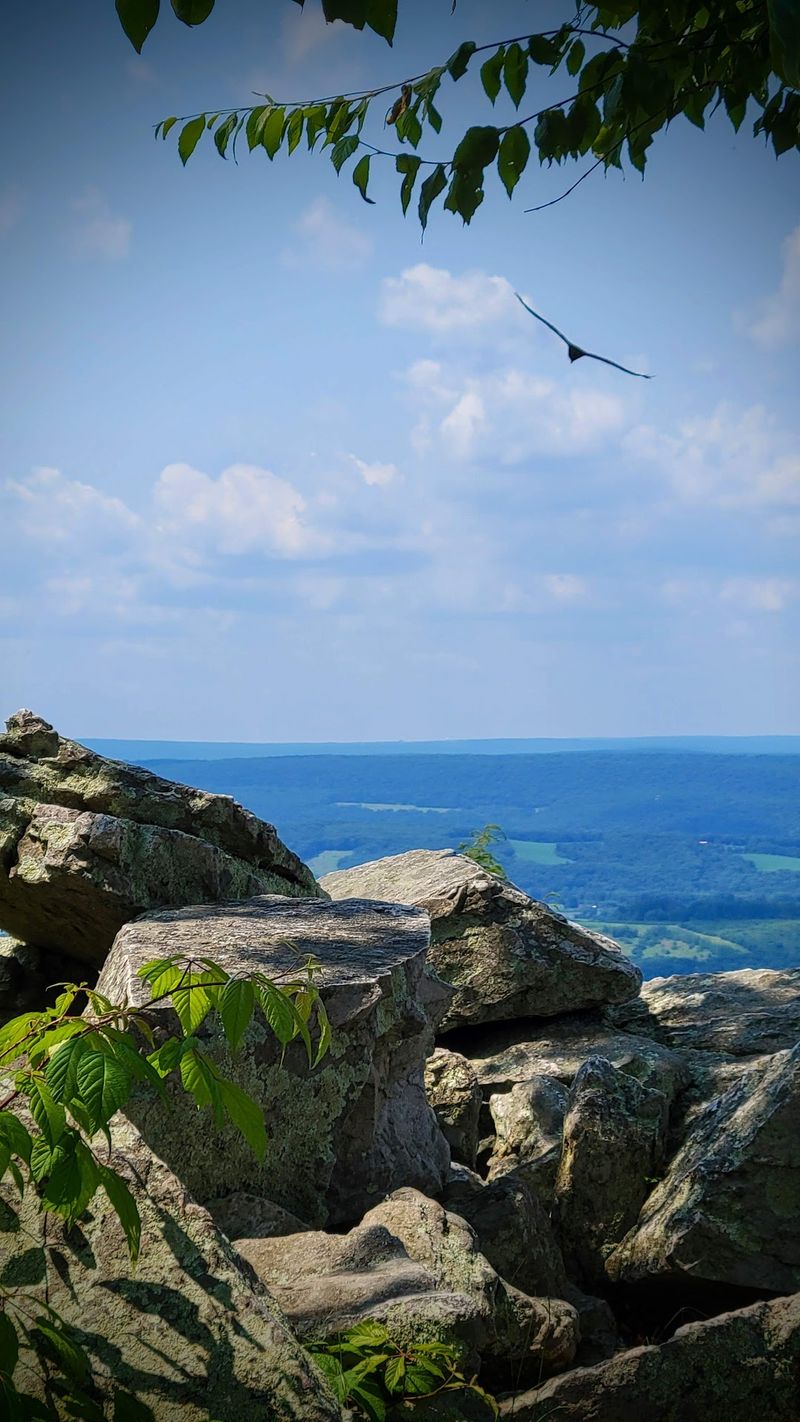
Ask regulars about their favorite season and you may start a friendly debate. Each part of the year brings a totally different mountain.
That is why many visitors come back again and again.
Spring brings cool hiking weather and returning songbirds. Spring peepers and tree frogs start calling.
The Native Plant Garden fills with fresh blooms from plants native to Pennsylvania.
Summer is butterfly time, with up to 40 species in peak season. Hummingbirds visit feeders, and mountain laurel adds pretty pink and white flowers.
Newts, frogs, and painted turtles hang out in the pond.
Autumn is the headliner, thanks to the raptor migration. Fall colors usually peak in early November.
Free live bird of prey programs run most weekends from May through November.
Winter feels peaceful and quiet. You might have a lookout all to yourself.
Winter songbirds keep things lively, and snakes are tucked away resting.
One tip matters in late fall and winter. Trails close on certain dates for visitor safety during deer hunting seasons.
Holidays can bring closures or early hours too, so check the official website before heading out.
Which season sounds most like you, colorful fall or quiet winter? Pick one, then come back for another.
Plenty of visitors end up buying a membership after just one trip.
Gallery Stops And Final Tips
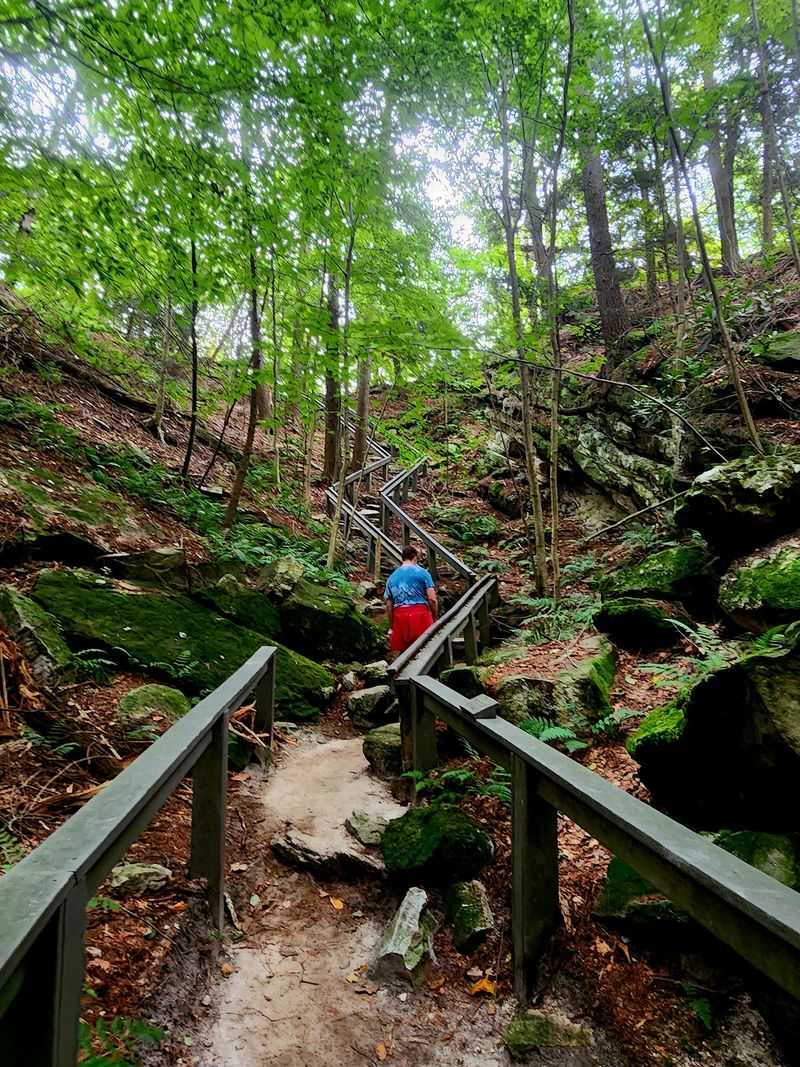
After the climb, tired legs deserve a treat. The Visitor Center offers a cozy way to wrap up the day.
It is the official headquarters of the sanctuary.
Inside, the Wings of Wonder gallery shows off the beauty of raptors. It is a great spot to learn names for the birds you just watched.
Kids enjoy matching wings to the hawks they saw outside.
The Mountain Bookstore and gift shop sit right there too. You will find field guides, nature books, and fun souvenirs.
Every purchase helps maintain the trails and support raptor research.
The sanctuary also hosts workshops on topics like binocular use and raptor identification. Live raptor presentations are a big hit with families.
Why not plan your visit around one of these programs?
A few final tips help the day go well. Pets are not allowed, though service animals are welcome.
Pack water and snacks, and carry out all trash.
Hours can change with seasons, holidays, and hunting closures. Always check the official website before you go.
Trail fees apply for non-members, while members get in free.
Ready to see Pennsylvania from a hawk’s point of view? Set your map to 1700 Hawk Mountain Rd, Kempton, PA 19529, and start your adventure.
Bring binoculars, watch your step, and say a polite hello to any snakes you meet.