
The Arizona City Where Massive Data Centers Are Changing The Future Of Technology
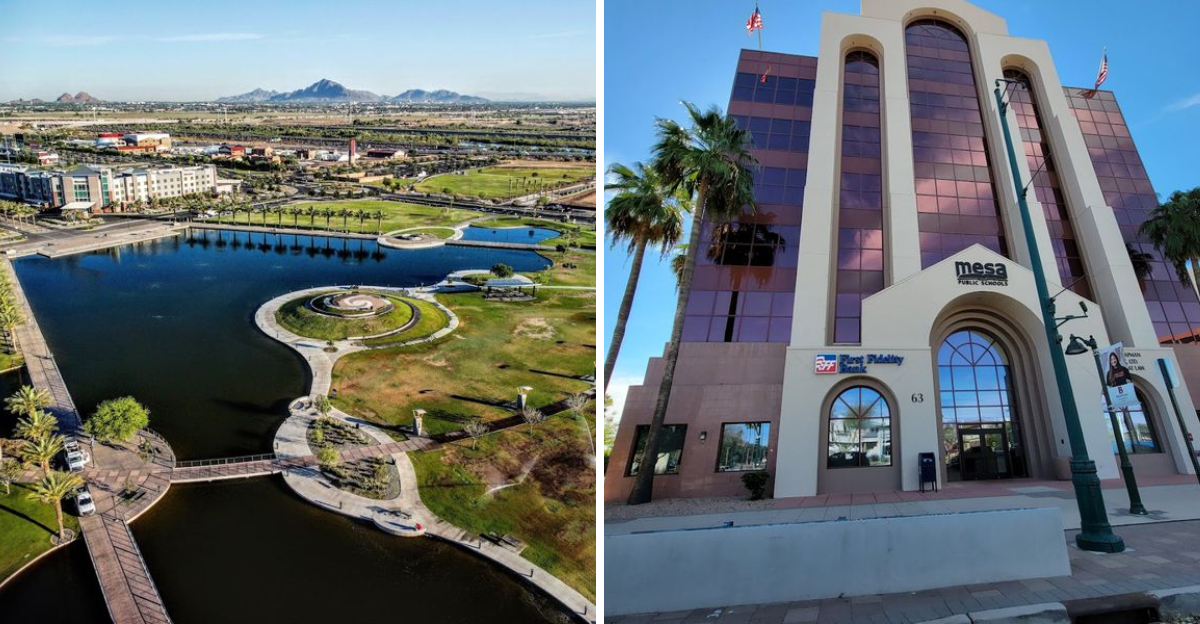
Nothing about the desert skyline hints that billions of online messages, searches, and AI requests may pass through buildings nearby. Yet one Arizona city has become a major home for enormous data centers operated by some of the biggest names in technology.
What surprised me most was how quietly it had all happened. Behind plain industrial walls, servers run day and night, supporting the digital tools people use without thinking twice.
Reliable power, available land, and a location close to Phoenix have helped fuel the growth. Renewable energy projects and business incentives have added even more momentum.
The result is a place that looks ordinary at first glance but now plays a remarkable role in keeping the internet running smoothly every day.
Meta’s Massive Five-Building Campus
Standing before Meta’s colossal data center campus in Mesa, I felt dwarfed by the sheer scale of innovation. This isn’t just one building but five interconnected structures covering over 2.5 million square feet, roughly equivalent to 44 football fields.
The facility, announced in August 2021, represents Meta’s commitment to sustainable technology. Every kilowatt powering these servers comes from renewable energy sources, and the entire campus is designed to achieve LEED Gold certification.
What impressed me most was learning that this technological marvel creates over 200 operational jobs for the local community. The campus processes billions of social media interactions daily, storing photos, videos, and messages for users across the globe.
Walking around the perimeter, I noticed the thoughtful architectural design that helps these buildings blend into Mesa’s landscape while maintaining peak efficiency. The facility uses advanced cooling systems that minimize water usage, addressing one of Arizona’s most precious resource concerns.
This campus truly represents where social connectivity meets environmental responsibility.
Google’s Billion-Dollar Project Red Hawk
Project Red Hawk sounds like something from a spy thriller, but it’s actually Google’s code name for their $1 billion investment in Mesa. When I visited the construction site in 2024, the scale of ambition was breathtaking.
This 750,000-square-foot facility will unfold in three distinct phases through 2030, with the first phase scheduled to go live in July 2025. Google broke ground in 2023, and I watched massive cranes positioning steel beams that will support countless servers.
The investment brings more than just technology to Mesa; it injects economic vitality into the entire East Valley region. Local contractors, suppliers, and future employees all benefit from Google’s presence.
What fascinated me was understanding how this facility will power Google’s search engine, YouTube videos, Gmail accounts, and cloud services for millions of users. Every search query, every video upload, every email might pass through servers housed right here in Mesa.
The project demonstrates how Ohio-sized ambitions can materialize in the Arizona desert.
Novva’s Water-Free Cooling Innovation
Novva’s Arizona Data Center campus showcases environmental innovation that left me genuinely impressed. Spanning 160 acres with 1.3 million square feet of data hall space, this 300MW facility operates without traditional water-based cooling systems.
In a state where water conservation is critical, Novva’s water-free cooling technology represents a breakthrough. The facility uses renewable fuel resources and incorporates heat-reducing paint on exterior surfaces, along with cool pavement that minimizes heat absorption from the relentless Arizona sun.
I toured the 200,000 square feet of office space where engineers monitor operations around the clock. The campus feels more like a sustainable research facility than a traditional industrial site.
The eco-friendly design doesn’t compromise performance; instead, it enhances reliability while respecting Arizona’s environmental challenges. Novva proves that technological advancement and environmental stewardship can coexist harmoniously.
Walking through the campus, I noticed how the architecture integrates with the desert landscape rather than fighting against it. This approach mirrors the wisdom of Mesa’s original Hohokam inhabitants who built sustainable irrigation systems two millennia ago.
EdgeCore’s AI-Ready Infrastructure
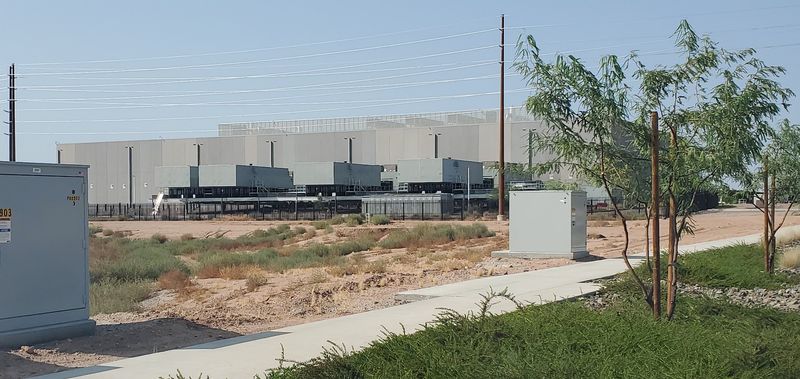
EdgeCore Digital Infrastructure’s Mesa campus represents the cutting edge of artificial intelligence readiness. With over 2.7 million square feet of space and capacity to support 496 MW of critical IT load, this facility prepares for tomorrow’s computational demands today.
The high-density design accommodates the intense processing requirements of AI and cloud applications. I learned that EdgeCore employs closed-loop air-cooled systems achieving a water usage effectiveness rating below 0.01 liters per kilowatt-hour, which is remarkably efficient.
The facility has earned Green Globes certification and Designed to Earn ENERGY STAR recognition, validating its environmental credentials. EdgeCore recently expanded by adding 43.87 acres to its existing 40-acre footprint, demonstrating confidence in Mesa’s future.
Standing inside the operations center, I watched technicians monitoring thousands of servers that power machine learning algorithms, data analytics, and AI applications used by companies worldwide. The hum of computational power was almost musical.
This campus proves Mesa can compete with Ohio, Virginia, or any traditional tech hub when it comes to supporting next-generation technology infrastructure.
NTT’s Seven-Campus Vision
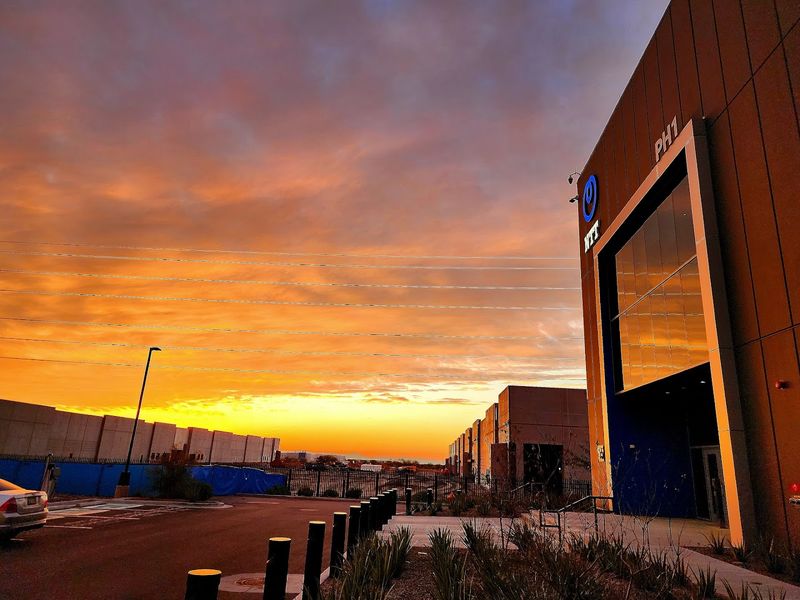
NTT Global Data Centers brings international expertise to Mesa with ambitious plans for a 240MW campus. Their Phoenix PH1 facility marks just the beginning of a seven-data-center vision that will transform the East Valley’s technological landscape.
I spoke with local officials who described NTT’s phased approach as strategic and thoughtful. Rather than building everything simultaneously, NTT develops each facility based on market demand and technological evolution.
The Japanese company’s reputation for reliability and innovation precedes them. NTT operates data centers across the globe, and choosing Mesa validates the city’s emergence as a world-class technology destination.
Each planned facility will incorporate lessons learned from previous installations, creating an increasingly sophisticated network of digital infrastructure. The campus will serve clients ranging from financial institutions to healthcare providers, all requiring secure, reliable data storage and processing.
Walking the future campus site, I imagined how these seven facilities will create a technology ecosystem rivaling anything found in Silicon Valley. Mesa’s transformation from agricultural community to tech powerhouse continues accelerating, and NTT’s investment fuels that momentum significantly.
Edged Energy’s Waterless Cooling Breakthrough
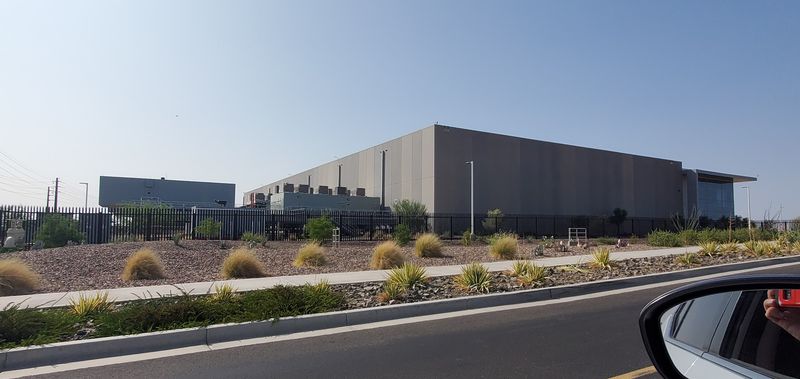
Edged Energy’s PHX01-1 data center, launched in April 2026, represents a quantum leap in sustainable cooling technology. This 36MW, two-story facility uses an advanced waterless cooling system specifically designed for high-density AI workloads.
The technology achieves a low Global Warming Potential and maintains an average Power Usage Effectiveness of 1.15, which is exceptional in the industry. I toured the cooling systems and marveled at the engineering sophistication required to dissipate heat without water in Arizona’s climate.
Traditional data centers consume millions of gallons of water annually for cooling. Edged Energy’s approach eliminates that consumption entirely, addressing one of the most significant criticisms of data center expansion in arid regions.
The facility’s two-story design maximizes space efficiency while maintaining optimal airflow patterns. Engineers explained how the cooling system adapts dynamically to workload fluctuations, maintaining consistent temperatures regardless of computational intensity.
This innovation positions Mesa as a leader in sustainable data center operations, proving that environmental responsibility and technological advancement aren’t mutually exclusive goals but complementary objectives that strengthen each other when pursued intelligently.
Amazon’s Southeast Mesa Expansion
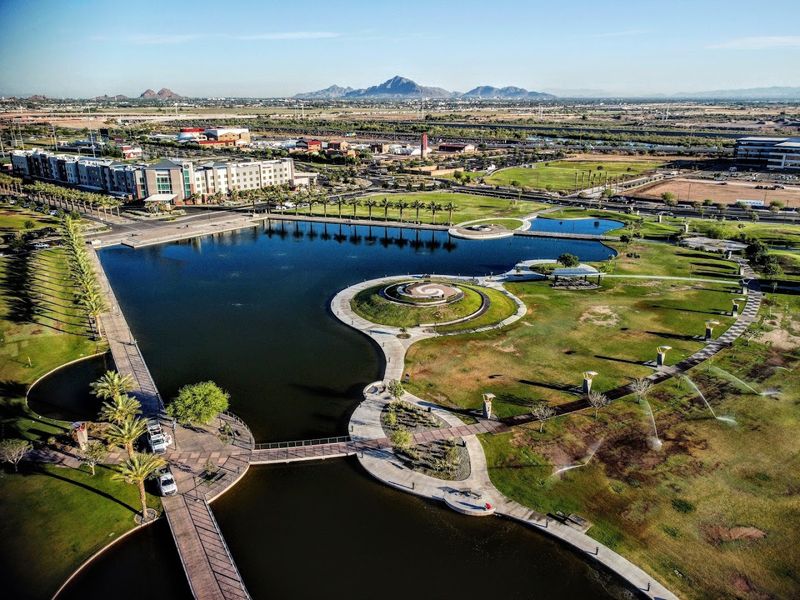
Amazon.com Inc. is constructing two data center projects in southeast Mesa, one adjacent to Apple’s existing facility. This clustering of tech giants creates a powerful technology corridor that’s reshaping the city’s economic identity.
I drove through the construction zones and witnessed the massive earth-moving equipment preparing foundations for buildings that will house millions of servers. The projects represent billions in investment and hundreds of future jobs.
Amazon’s data centers will support Amazon Web Services, the cloud computing platform that powers countless websites, apps, and online services globally. Every time someone streams a video, runs a business application, or accesses cloud storage, there’s a chance those servers in Mesa are involved.
The proximity to Apple’s data center creates synergies in infrastructure, power delivery, and fiber optic connectivity. These companies benefit from shared resources while maintaining competitive independence.
Standing at the construction perimeter, I reflected on how Mesa has attracted investment that states like Ohio, Texas, and Virginia compete fiercely to secure. The city’s success in landing these projects demonstrates strategic vision and effective economic development policies.
Arizona’s Business-Friendly Tax Incentives
Arizona’s extension of data center tax incentives through 2033 played a crucial role in attracting Mesa’s technology boom. These incentives reduce the financial burden of building and operating massive facilities, making Arizona competitive with other states.
I met with economic development officials who explained how these policies work. The incentives cover equipment purchases, energy costs, and property taxes, significantly improving the return on investment for data center operators.
Beyond tax benefits, Arizona offers a business-friendly regulatory environment with streamlined permitting processes. Companies can move from planning to construction faster than in many other states, reducing time-to-market for critical infrastructure.
The state’s robust fiber network provides the high-speed connectivity data centers require. Mesa’s location in the East Valley positions facilities perfectly within this network, ensuring low-latency connections to major internet hubs.
Arizona’s lower risk of natural disasters compared to coastal regions also attracts data center investment. While extreme heat presents challenges, it’s more manageable than hurricanes, earthquakes, or flooding that threaten facilities in Ohio, Florida, or California.
These combined advantages make Mesa irresistible to technology companies.
Economic Impact on Mesa and Arizona
Data centers contributed over $25 billion to Arizona’s GDP in 2023, supporting more than 81,000 jobs across the state. These numbers represent real families, real paychecks, and real economic transformation for communities like Mesa.
I interviewed local residents who transitioned from traditional industries into data center careers. The jobs offer competitive salaries, benefits, and opportunities for advancement that weren’t previously available in the area.
The industry generated over $863 million in state and local taxes in 2023, funding schools, roads, public safety, and other essential services. This tax revenue helps Mesa invest in infrastructure improvements that benefit all residents.
Beyond direct employment, data centers create ripple effects throughout the economy. Construction workers, electricians, HVAC technicians, security personnel, and countless other professionals find work supporting these facilities.
Local restaurants, hotels, and service businesses benefit from increased activity. I noticed new establishments opening near data center corridors, catering to workers and visitors.
The economic transformation reminds me of industrial booms in Ohio and other Rust Belt states during their peak manufacturing years, except Mesa’s boom centers on digital infrastructure.
Balancing Growth with Community Concerns

Mesa’s city government implemented an ordinance limiting data centers to specific heavy industrial zones, ensuring they don’t conflict with residential areas. This thoughtful approach balances economic growth with quality of life concerns.
I attended a city council meeting where residents voiced opinions about data center expansion. The discussions were respectful but passionate, reflecting genuine concern about noise, traffic, and resource consumption.
City planners explained how zoning restrictions protect neighborhoods while still welcoming technology investment. Data centers must meet strict standards for noise mitigation, landscaping, and infrastructure impact before receiving approval.
Water usage remains a contentious issue despite advances in waterless cooling. Arizona faces long-term water challenges, and residents rightfully question whether data centers should operate in a desert environment.
Companies respond by investing in cutting-edge conservation technologies.
The debate mirrors discussions happening in Ohio, Nevada, and other states experiencing data center growth. Mesa’s approach demonstrates how communities can embrace economic opportunity while maintaining environmental stewardship and protecting residential character.
The city walks a tightrope, but so far, it’s maintaining balance successfully through transparent governance and community engagement.