
Discover The Crystal Blue Montana Swimming Paradise Perfect For A Summer Adventure
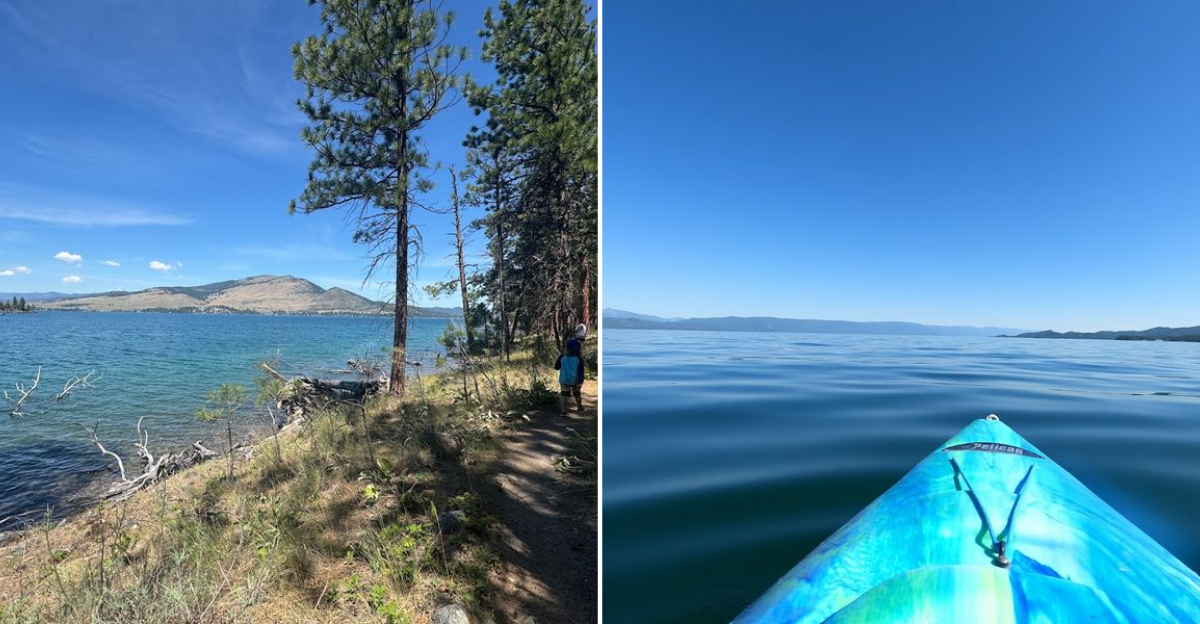
The pristine mountain water ripples with a mesmerizing clarity that lets you see straight to the smooth river stones below. Swimmers float effortlessly in this deep, natural basin while sunbeams pierce the transparent surface like liquid glass.
This breathtaking canyon pool provides a refreshing escape from the heavy mid-July heatwaves. It rewards your journey with a wild, undeveloped playground situated far away from crowded public pools.
The refreshing temperature instantly shocks your skin before melting into absolute bliss. Montana holds this refreshing sanctuary open for anyone willing to pack a pair of sturdy water shoes.
Bring a Polaroid camera to capture the neon blue hue against the dark pine trees. You will definitely want to claim a flat sun-warmed boulder early before the afternoon shadows shift.
Water Quality And Safety Measures
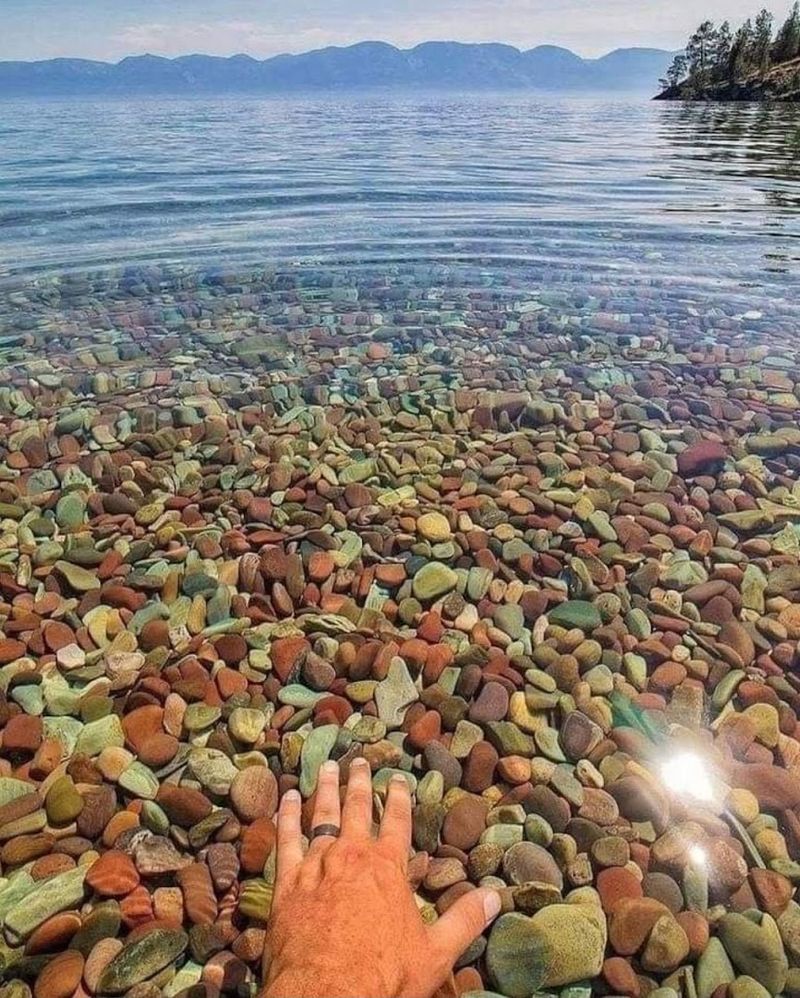
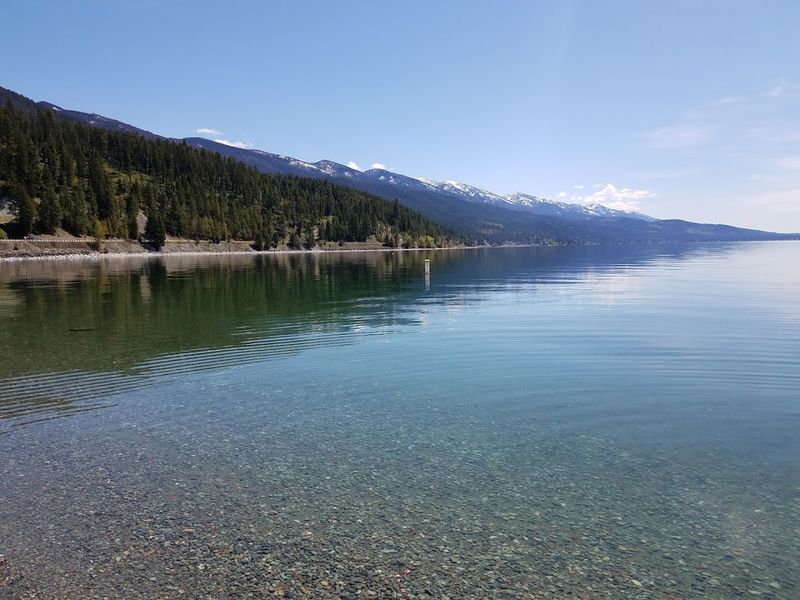
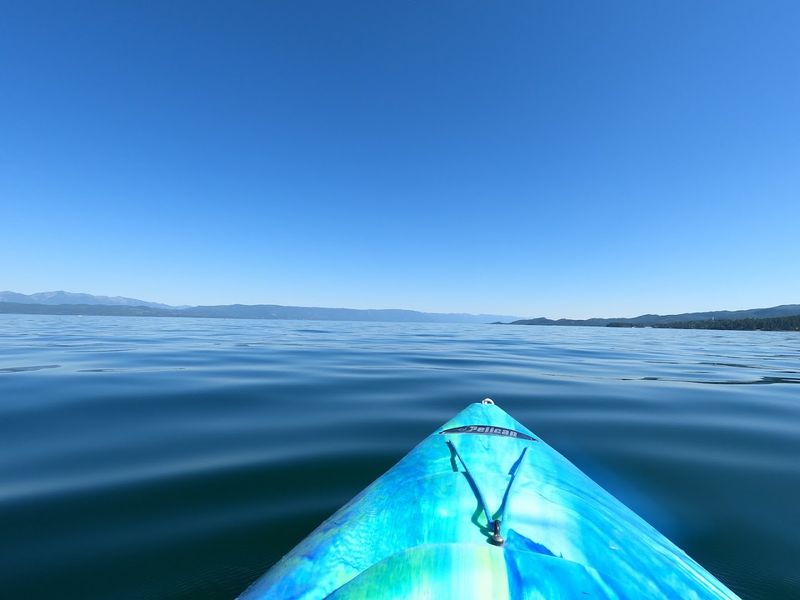
A lake like this has some of the clearest water you will find in any large lake across the country. The rocky gravel bottom is visible from the surface, which honestly never gets old.
The Flathead Lake Biological Station monitors water quality weekly at 16 swimming locations throughout the season.
Even with that stunning clarity, the lake is listed as impaired due to increases in human-caused nutrients and sediment over time. Harmful Algae Blooms can appear during warmer months.
These blooms can be toxic, so always stay out of the water if you spot them near shore.
E. coli bacteria from human and animal waste are another concern worth knowing about. Avoid swimming for up to 48 hours after heavy rainfall.
Always check posted signs and follow advisories from official agencies before jumping in.
The good news is that the lake is actively monitored and protected by researchers and local organizations. Safety here is taken seriously, and that effort shows.
Come prepared, stay alert, and you will have an amazing time at Flathead Lake, Montana.
Popular Swimming Techniques For Beginners
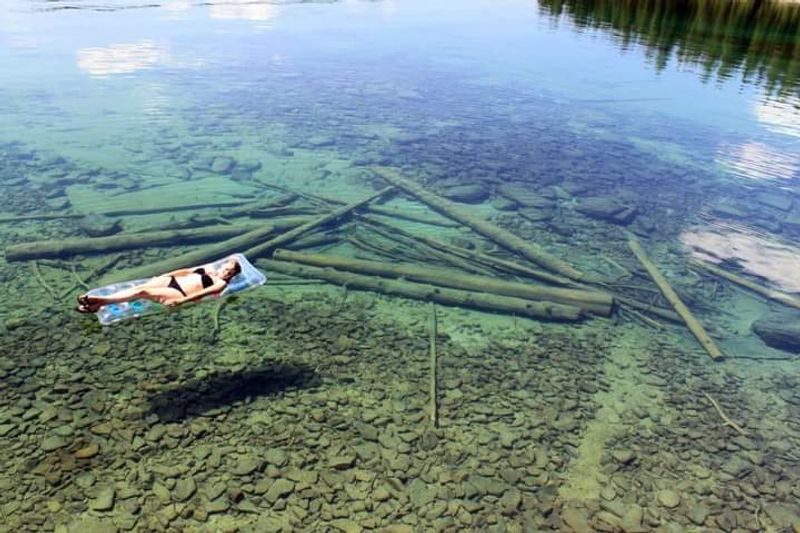
Open water swimming at Flathead Lake is a completely different experience from a pool. No lane lines, no walls to grab, and the water stretches out farther than you can see.
For beginners, that freedom is both exciting and a little nerve-wracking at first.
Floating is the best skill to start with before anything else. Keep your lungs full of air because that natural buoyancy helps keep you on the surface.
Spread your arms and legs wide to maximize your surface area against the water.
Treading water is your next essential move to practice. Alternate your legs in a gentle scissor or egg-beater motion while using your hands to scull the surface.
This keeps you upright and in control without burning too much energy too fast.
The freestyle stroke works well for covering distance in open water. Keep your head low and breathe by rotating to the side, not lifting straight up.
Sighting, which means briefly lifting your eyes forward to check direction, is a key open water skill beginners often overlook.
Practice near the shore first and always swim with a buddy. Building confidence gradually makes the whole experience way more enjoyable.
Flathead Lake rewards patience, and once you find your rhythm, the water feels like the best place in the world.
Ideal Times For Swimming And Sunbathing
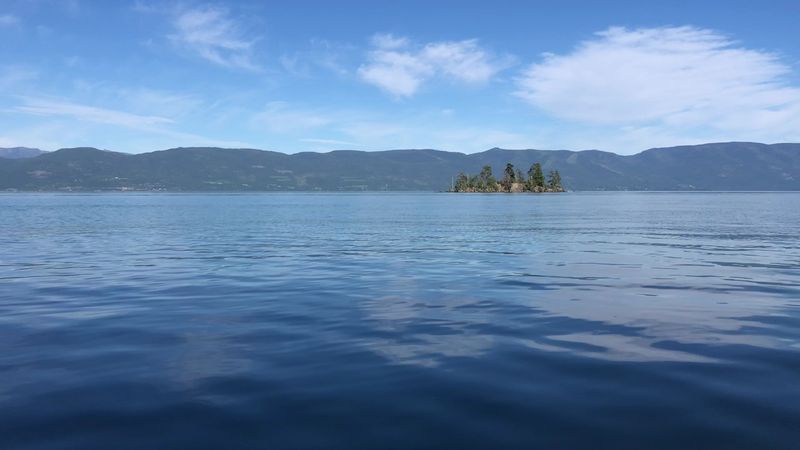
Timing your visit to Flathead Lake makes a real difference in how much fun you have. The swimming season runs from June through September, with each month offering something slightly different.
June water temperatures hover in the 60s, which is refreshing but definitely chilly for longer swims.
July and August are the sweet spots for most visitors. Surface temperatures rise into the low 70s, and the air temperature usually sits between the mid-70s and mid-80s during the day.
August averages around 69 degrees Fahrenheit for surface water, which feels perfect after a long hike.
One of the best surprises about summer here is the daylight. The sun does not set until after 10:00 p.m. during peak summer months.
That means you get long, golden afternoons on the shore without feeling rushed to pack up early.
Fall also brings something locals call Indian Summer, with warm days that sneak up after the main season winds down. Crowds thin out significantly by September, and the lake takes on a quieter, almost magical atmosphere.
The mountain reflections on the water are especially stunning during that time.
Sunbathing on the rocky shores is a real thing here. Bring a towel or a mat because the ground is pebbly.
The views of the surrounding peaks make every sunbathing session feel like a postcard moment.
Wildlife And Aquatic Plants In The Area
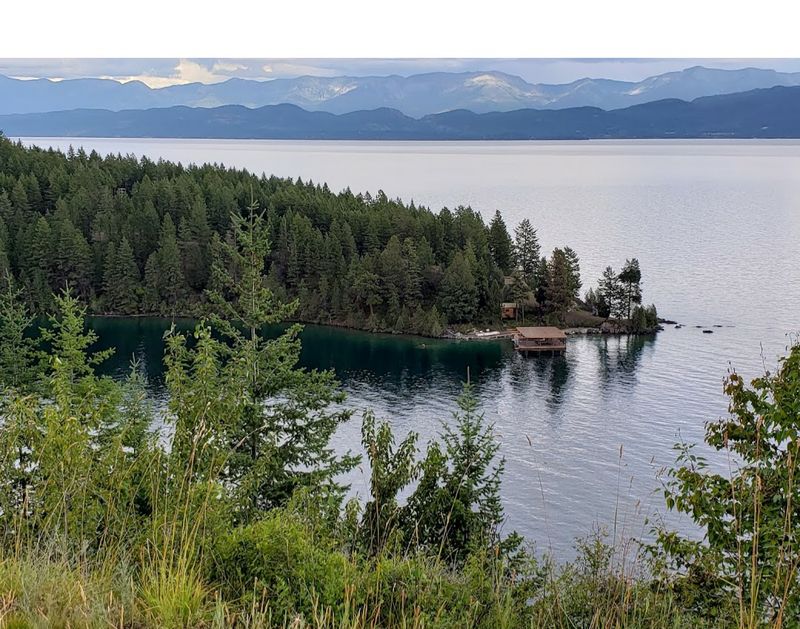
Wild Horse Island sits right in the middle of Flathead Lake and lives up to its name completely. The island is home to actual wild horses, bighorn sheep, and bald eagles soaring overhead.
It is one of those places where you genuinely feel like you are watching a nature documentary in real life.
The surrounding state parks and public lands support over 200 documented bird species throughout the year. Birdwatchers have a field day here, and you do not need to be an expert to appreciate what flies past.
Keep your eyes up and your camera ready.
The lake originally had 11 native fish species, including westslope cutthroat trout. Over time, introduced species like lake trout and yellow perch have shifted the balance.
Researchers continue to study these changes to better understand the lake ecosystem.
On the plant side, native grasses and wildflowers thrive on Wild Horse Island and surrounding shorelines. However, invasive aquatic plants like flowering rush and curlyleaf pondweed have made their way into parts of the lake.
These plants can outcompete native species and affect swimming areas over time.
Staying aware of the natural environment here adds a whole new layer to your visit. Flathead Lake is not just a swimming hole.
It is a living, breathing ecosystem worth protecting and exploring with genuine curiosity.
Essential Gear For Swimming Adventures
Packing the right gear for Flathead Lake makes your swim safer and way more comfortable. The water can be cold even in peak summer, so being prepared is not optional.
Start with a well-fitting swimsuit that allows a full range of motion without dragging in the water.
Goggles with scratch-resistant and fog-resistant lenses are worth every penny in open water. The clarity of Flathead Lake means there is actually something beautiful to see underwater.
A good pair of goggles lets you enjoy that experience without squinting the whole time.
A tow float is one of the smartest things you can bring. It clips around your waist and floats behind you, making you visible to boats and other watercraft.
Open water visibility matters more than most beginners realize, especially on a large lake like this one.
Swim shoes are genuinely useful here because the lake bottom is rocky. Bare feet on those rocks can be uncomfortable and even risky.
A pair of water shoes protects your feet and gives you better grip when entering and exiting the water.
Sunscreen is non-negotiable at high elevation under a Montana summer sky. Reapply often, especially after time in the water.
Toss in a quick-dry towel, a reusable water bottle, and a light hat, and you are properly set up for a great day on the lake.
Local Regulations And Environmental Preservation
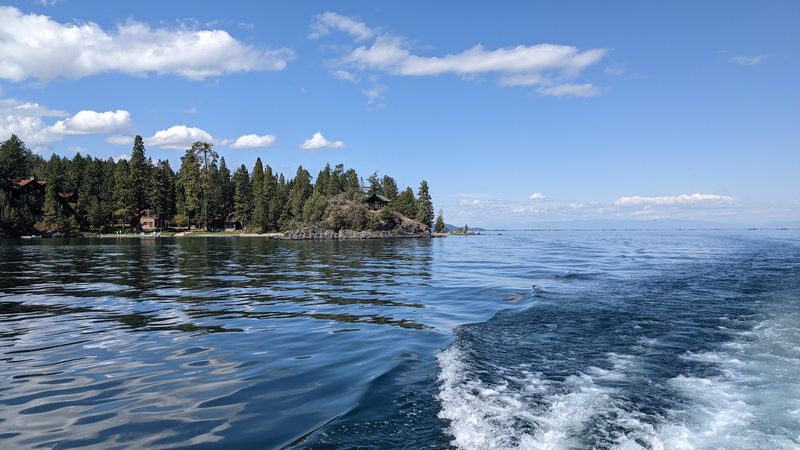
Before you head out on the water, knowing the local rules saves you from awkward situations and helps protect the lake. The southern portion of Flathead Lake sits within the Flathead Indian Reservation.
If you plan activities in that area, a tribal recreation permit may be required.
Mandatory watercraft inspection stations are set up to prevent aquatic invasive species from entering the lake. Every boat and piece of water gear needs to go through the Clean, Drain, Dry process.
This simple procedure makes a massive difference in keeping invasive species out of the ecosystem.
The Flathead Lake Biological Station actively monitors water quality and conducts ongoing research. Their work supports the long-term health of the lake and the surrounding environment.
Supporting that mission by following posted rules is one of the easiest things visitors can do.
Lakeshore protection regulations also govern any work that alters the shoreline in this area. Construction, landscaping, and other modifications near the water require permits and must meet environmental standards.
These rules exist to maintain the natural character of the shoreline for everyone.
Respecting the land and water here goes beyond following rules on a sign. Flathead Lake has been shaped by thousands of years of natural forces.
Treating it with care keeps it beautiful for every future visitor who makes the trip to this remarkable corner of Montana.
Nearby Trail Options For Post Swim Exploration
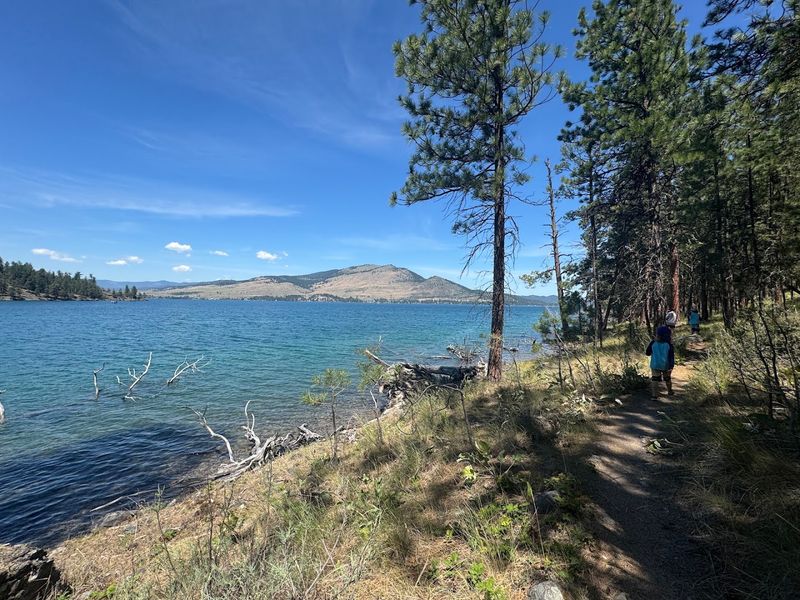
After a swim, the trails around Flathead Lake give you even more reasons to stay outside. Wild Horse Island State Park offers hiking paths through open terrain with wildlife around nearly every corner.
The views from the island looking back across the lake are genuinely hard to beat.
The Bear Dance Trail near Woods Bay is a 6.7-mile hike with exceptional lake views throughout the route. It offers a solid workout without being punishing, and the scenery keeps you motivated the whole way.
This one is popular with locals who want a real trail experience close to the water.
For something shorter and more relaxed, the Flathead Lake Trail near Woods Bay is a half-mile loop. It is easy enough for most fitness levels and still delivers beautiful lake views.
A quick walk here after swimming is a perfect way to wind down the afternoon.
Jewel Basin Hiking Area is worth the short drive for more adventurous visitors. It features 35 miles of trails and 27 alpine lakes tucked into the surrounding mountains.
The elevation changes, and the scenery up there feels like a completely different world from the lakeshore.
Bigfork also has the Swan River Trail, a four-mile route open to all skill levels. Blacktail Mountain near Lakeside offers more challenging terrain for experienced hikers.
Either way, the options around Flathead Lake keep your post-swim plans fully booked.
Tips For Maintaining Hydration And Energy
Hydration at Flathead Lake matters more than most people expect. Swimming in cold water still causes your body to sweat, even when you cannot feel it happening.
Your muscles need consistent fluid intake to keep performing well throughout the day.
Start hydrating well before you hit the water. Aim for 14 to 20 ounces of water at least two hours before your swim.
That head start gives your body time to absorb fluids and prepare for activity in the sun and cold water.
For longer swims or more active days, an electrolyte drink is a smart addition to your routine. Electrolytes help replace what you lose through sweat and physical exertion.
Coconut water is a natural option that works well and tastes a lot better than plain water after a tiring swim.
Energy fueling is just as important as staying hydrated. Carbohydrates are your body’s preferred fuel source during swimming.
Easy snacks like bananas, granola bars, or trail mix are practical choices that pack well and digest quickly between swims.
Keep your water bottle within arm’s reach on the shore at all times. Waiting until you feel thirsty means you are already behind on hydration.
After your final swim of the day, refuel with both fluids and carbohydrates to help your muscles recover and keep your energy steady for the drive home.