
This Tennessee Mountain Community Barely Tops 80 Degrees Even In Summer
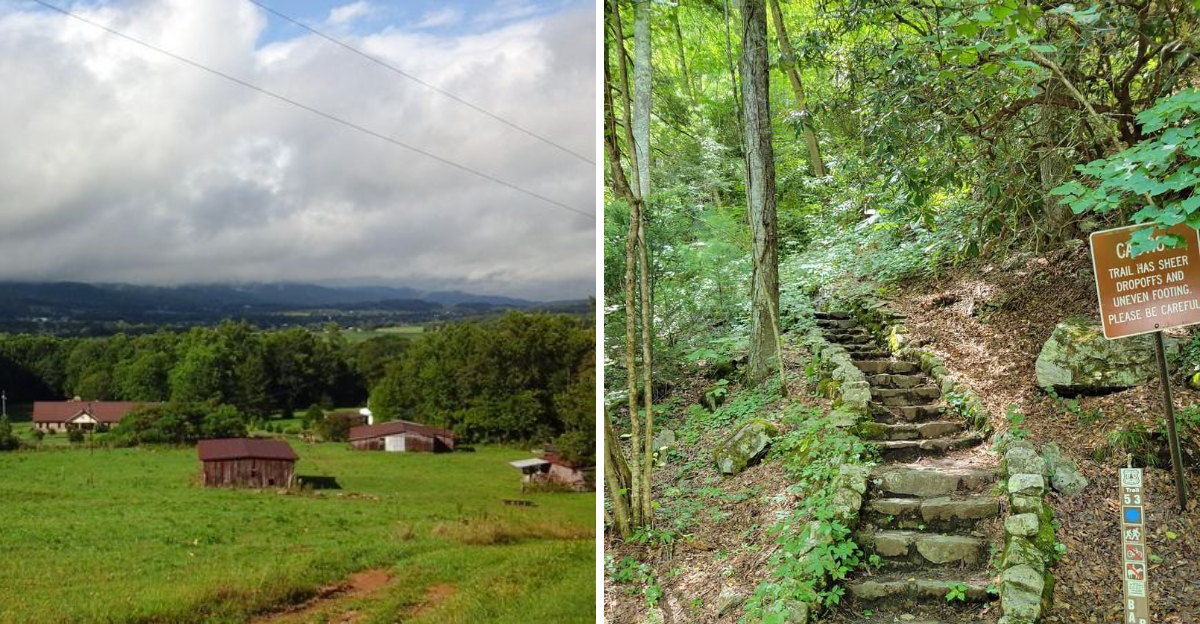
What if summer did not have to feel like a battle with the heat?
High in the mountains, this Tennessee community keeps things surprisingly comfortable even when lower elevations are baking. Summer days often stay around the low 80s, and the cooler air can make an afternoon outside feel far more inviting than expected.
That alone would be enough to get attention.
Add quiet roads, green hills, wide views, and mornings that feel almost made for sitting outside with coffee, and the appeal becomes even clearer. There is a slower rhythm here that suits the climate perfectly.
You will not find blistering sidewalks or the kind of heat that sends everyone racing for air conditioning. Instead, summer feels softer and easier to enjoy.
For anyone who likes warm weather without the full force of a Southern heat wave, this mountain community offers a refreshing change of pace.
An Elevation That Does The Air Conditioning For You
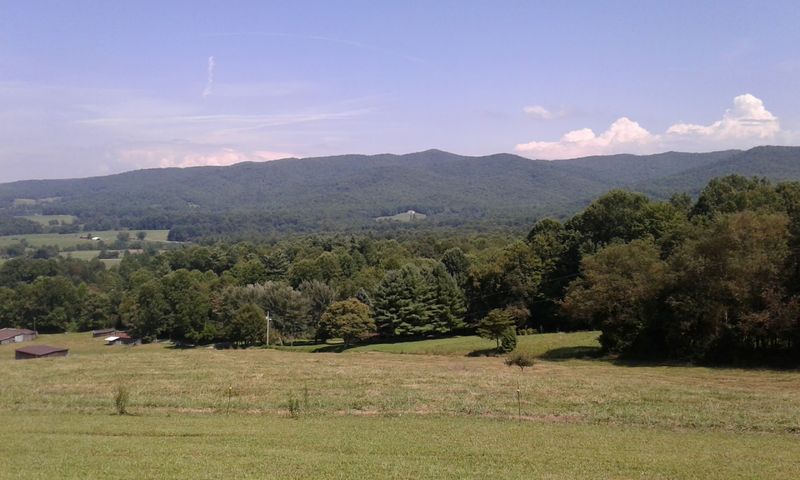
Math explains the magic here. In Tennessee, temperatures drop roughly three degrees Fahrenheit for every 1,000 feet you climb. Shady Valley sits at 2,785 feet above sea level.
That elevation makes it the second-highest community in the entire state. It also means summer arrives softer than it does in Nashville or Memphis.
July, the warmest month of the year, brings average highs near 80.6 degrees. Average lows slip to about 59.2 degrees, which is sweater weather by most standards.
August behaves even better. Average highs settle around 79.5 degrees, with lows near 57.4 degrees before sunrise.
The valley sits between Holston Mountain to the northwest and the Iron Mountains to the southeast. Those ridges hold in cool air and shape the weather in ways flatland towns never experience.
Climate summaries often describe July here as pleasantly warm, humid but cool. Anyone who has suffered through a lowland southern August knows how rare that combination is.
Pack accordingly if you plan a trip. Shorts work fine at noon, but a long-sleeve layer earns its keep after dinner.
Campers especially notice the difference. Sleeping bags rated for mild nights suddenly feel appropriate in the middle of summer, and morning coffee tastes better when the air still carries a chill.
Cranberry Bogs Left Behind By The Ice Age
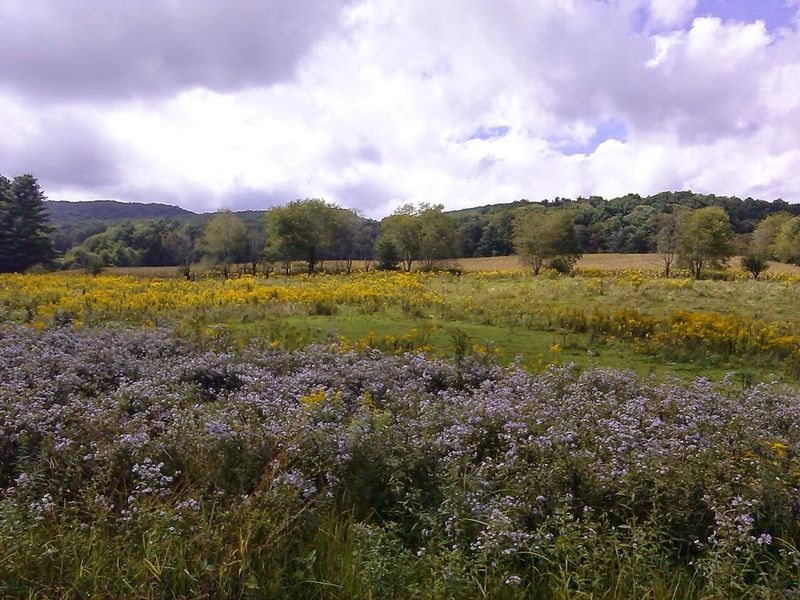
Cranberries in Tennessee sound like a printing error. Yet the valley floor once held an estimated 10,000 acres of boreal cranberry bogs.
These wetlands are leftovers from the Pleistocene ice ages. When the glaciers retreated north, pockets of cold-adapted plants stayed behind in cool refugia like this one.
Scientists call places like this ecological hotspots for good reason. The bogs support at least 26 rare plant and animal species that struggle to survive anywhere else at this southern latitude.
Among the residents is the American cranberry, growing far south of its usual range. The federally threatened southern bog turtle also makes a home in the soggy ground.
Most of the original acreage was drained long ago for farmland. What remains is precious, and it is treated that way.
The Nature Conservancy manages four nature preserves in the area, together covering more than 400 acres. Their work keeps the water levels and plant communities stable.
Walking near a bog teaches patience. The ground is spongy, the plants are small, and the real story lives in details most people would step past without noticing.
Think of these wetlands as a time capsule. Shady Valley holds a piece of the ancient north in the middle of the American South.
The Snake, A Highway With Nearly 500 Curves
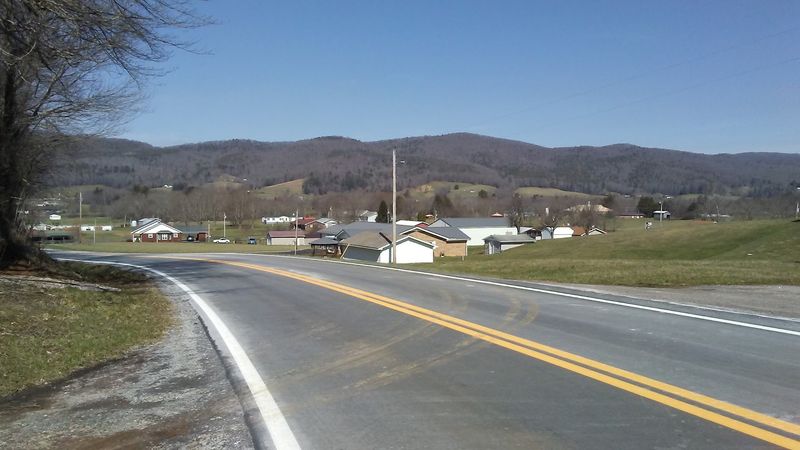
Riders talk about it the way anglers talk about a legendary river. U.S. Highway 421 through these mountains carries the nickname The Snake.
The route delivers close to 500 switchback curves as it climbs and drops through the ridges. That number alone explains the motorcycle traffic on warm weekends.
Cool mountain air makes the ride even better. Full riding gear becomes comfortable rather than punishing when the thermometer refuses to climb past the low 80s.
The Shady Valley Country Store works as the unofficial staging point. Bikes gather in the lot, riders compare routes, and the road waits just beyond the parking spaces.
Drivers of small sports cars enjoy the same pavement. The curves reward smooth steering and honest attention far more than horsepower.
Caution matters here. Blind corners, gravel patches, and slow-moving farm equipment all show up without warning.
Morning light is the sweet spot. Traffic is thin, the fog burns off the ridges, and the road feels almost private.
Even passengers who never touch a throttle enjoy the scenery. Forest walls open into farm views, then close again within a few hundred feet. Shady Valley earns its reputation among riders honestly, one curve at a time, without any marketing help.
Where Two Highways Meet And The Whole Valley Gathers
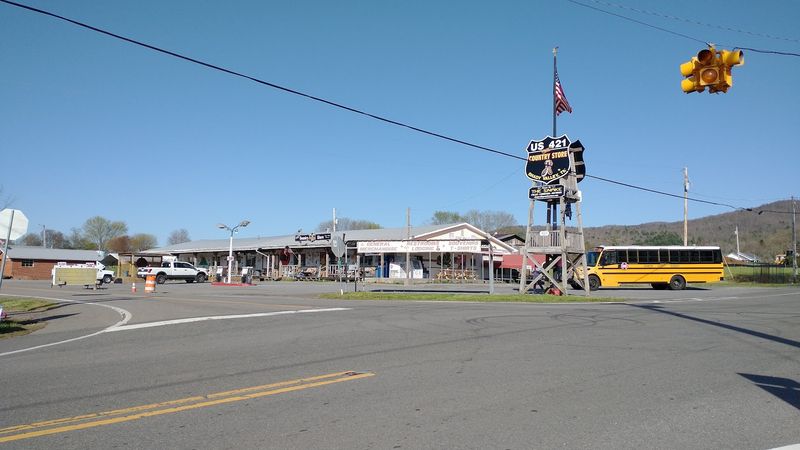
Every small place has a center of gravity. Here it is the intersection of U.S. Highway 421 and Tennessee State Route 91.
That crossroads is the practical heart of the community. Directions given by anyone nearby usually start from that point.
The ZIP code is 37688, covering the valley and the farms spread across it. Mail still travels through a local post office, a detail that means more in rural places than most people realize.
Amenities stay refreshingly simple. A general store handles snacks, drinks, and the odd forgotten supply.
The Raceway Grill serves as the sit-down option for hungry travelers. Plates come out hot and portions suit people who have been outdoors all day.
A volunteer fire department rounds out the essentials. Neighbors answering calls for neighbors is standard operating procedure in Johnson County.
One address worth noting is 423 TN-133, Shady Valley, TN 37688, home of the Shady Valley Preservation Society. The group works to keep local history and heritage from fading.
Cell service can be patchy between the ridges. Downloading maps before arriving saves frustration later.
Plan fuel stops with care. Gas stations are scarce once you leave the crossroads, and the mountains do not care about optimism.
Cherokee National Forest Right Outside The Door
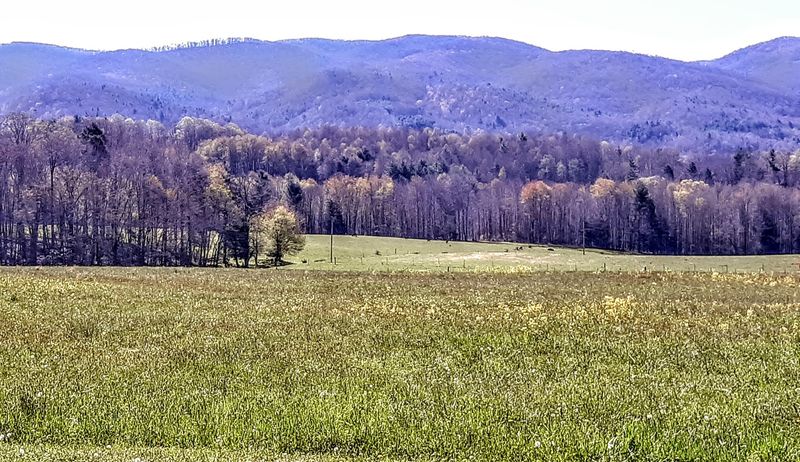
Public land wraps around this valley like a green blanket. Shady Valley sits just outside Cherokee National Forest, which changes everything about a trip here.
Trailheads sit within a short drive of the crossroads. Forest roads branch off the highways and climb toward ridgelines and overlooks.
White pine forests form a signature part of the local landscape. Their needles soften the ground and the sound of footsteps under the canopy.
Shade plus elevation creates a genuinely cool hiking climate. Summer walks that would be miserable at lower elevations stay comfortable well past noon.
Wildlife watching improves in the early hours. Deer, wild turkeys, and songbirds move through the edges where field meets forest.
Bring water anyway. Cooler air still pulls moisture out of you on a long climb, and streams should never be trusted untreated.
Weather shifts fast in the mountains. A clear morning can turn into an afternoon shower with very little warning, so a light rain shell belongs in every pack.
Fall arrives early at this elevation. Color often appears here before it reaches the valleys below, which makes October trips especially rewarding.
The forest gives the community its quiet backdrop. It also gives travelers a reason to stay longer than planned.
Backbone Rock And Its Cool Cascade
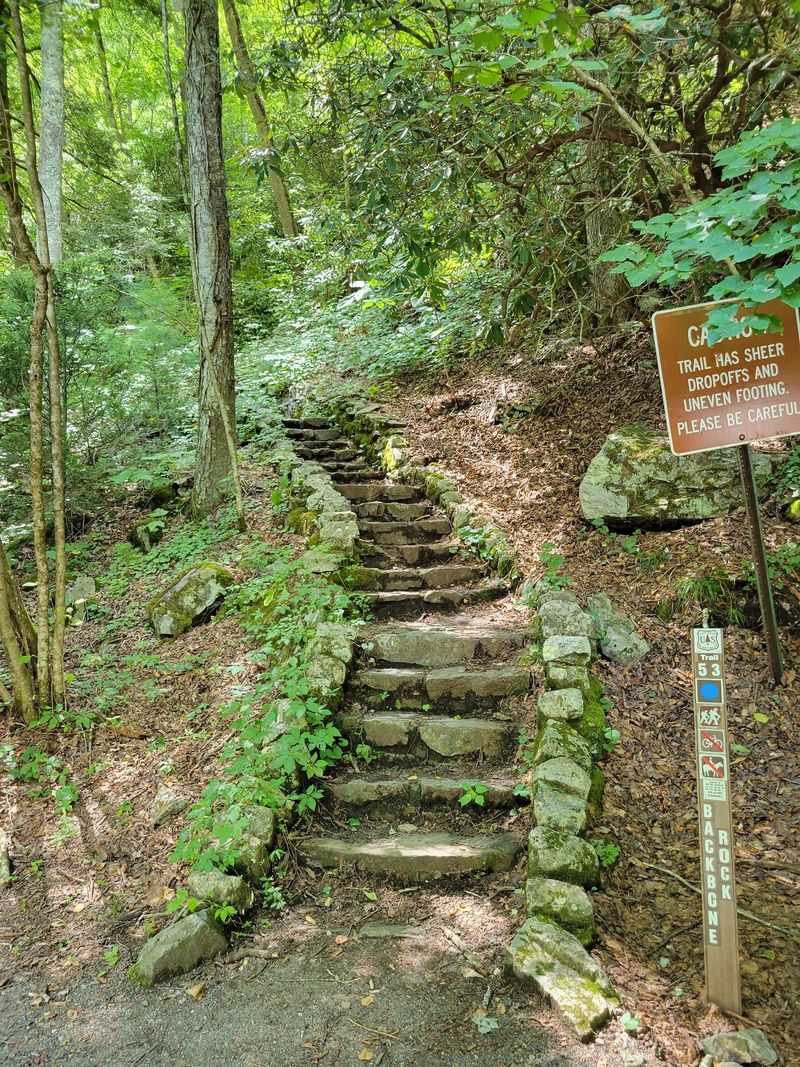
Some landmarks announce themselves loudly. Backbone Rock is one of them, a dramatic stone ridge with a tunnel cut straight through it.
The Backbone Rock Recreation Area sits a short drive from the valley. Picnic tables, shaded parking, and short trails make it an easy stop for families.
Backbone Rock Waterfall is the main draw. Water slides down a mossy rock face into a shaded pocket that stays cool even in July. The walk to the falls is brief but steep in spots. Sturdy shoes beat sandals every time on wet stone.
Photographers love the light here. Filtered sun through the canopy hits the falling water at flattering angles most of the day.
Stairs climb over the top of the rock formation for those wanting a workout. The view from above rewards the effort with a different perspective on the gorge.
Crowds thin out on weekday mornings. Arriving early means quieter trails and easier parking. Pack a lunch and make an afternoon of it. Combining the falls with a drive through Shady Valley creates a full, low-cost day out.
Leave the area as clean as you found it. Small recreation sites depend on careful guests to stay beautiful year after year.
October Brings The Cranberry Festival
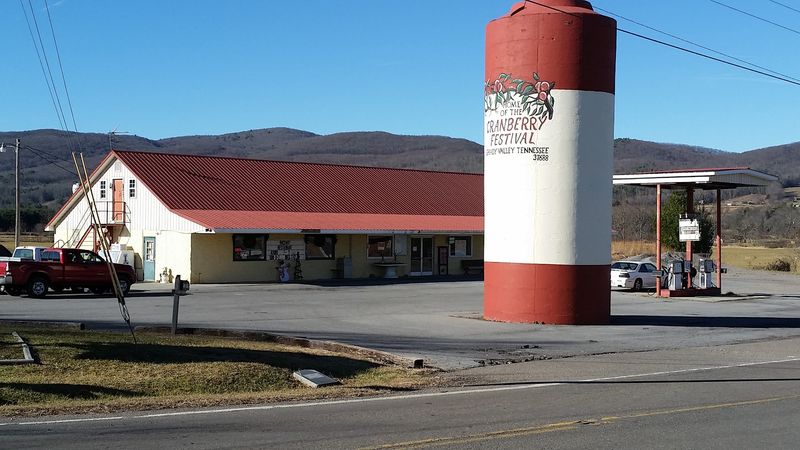
Few towns build a celebration around a berry. This one does, and it fits perfectly. The annual Cranberry Festival lands on the second weekend of October. Timing puts it right in the sweet spot of mountain autumn color.
Food is a major attraction. Booths line up with home-style cooking, baked goods, and plenty of cranberry-flavored creations.
A parade rolls through the community and draws people from across Johnson County. Tractors, classic vehicles, and local groups all take part.
Auctions add friendly competition to the day. Bidding stays lighthearted, and proceeds support community efforts.
The festival honors those ancient bogs directly. It reminds everyone why this small valley matters to botanists and conservationists far beyond Tennessee.
Parking fills quickly, so arriving early pays off. Comfortable shoes help since much of the event happens on grass and gravel.
October temperatures suit the occasion. Crisp mornings and mild afternoons make sweaters and hot cider genuinely welcome.
Cash is smart to carry. Some vendors accept cards, but not every booth is set up for it.
For anyone curious about mountain community life, the festival offers an honest window. Shady Valley shows its character best when neighbors gather on a bright autumn weekend.
Planning A Trip To This Cool Corner Of Johnson County
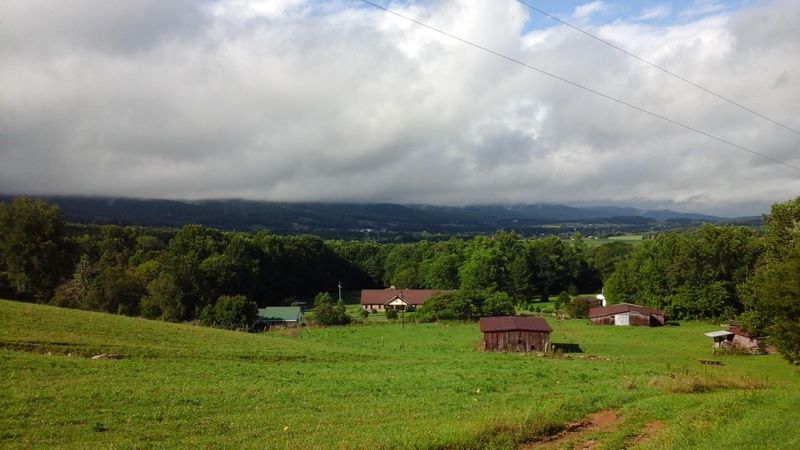
Good trips start with good logistics. The valley sits at roughly 36.52 degrees north and 81.93 degrees west, in the far northeastern corner of Tennessee.
Johnson County surrounds the community, and Mountain City serves as the nearest larger town for supplies. Bristol and Johnson City sit within reasonable driving distance for lodging and airports.
Overnight options inside the valley are limited. Booking rooms in nearby towns is the practical approach for most travelers.
Summer remains the headline season thanks to those mild temperatures. July and August highs sitting near 80 degrees make outdoor plans easy to keep.
Mornings can start surprisingly cool, sometimes in the upper 50s. Layers solve the problem without any fuss.
Mountain driving deserves respect. Take the curves slowly, use pull-offs to let faster traffic pass, and watch for motorcycles on 421.
Respect private property throughout the area. Much of the valley floor is working farmland, and preserve access should follow posted guidance.
Bring binoculars if birds interest you. The mix of wetland, forest, and open field creates unusual variety for such a small area.
Between the cool air, the rare bogs, and those legendary curves, Shady Valley rewards anyone willing to make the climb.