
The Forgotten Ohio Ghost Town Where An Old Railroad Tunnel Still Stands In The Woods
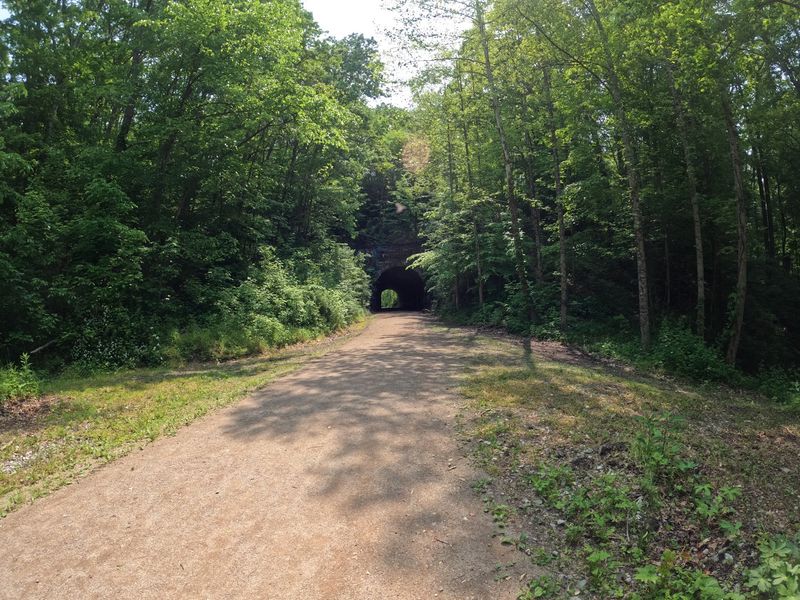
A gravel road in southeast Ohio narrowed until it felt like the trees were leaning in to see who was coming. At the end of it sat a quiet parking area, a creek, and a trail that looked like nothing special at first.
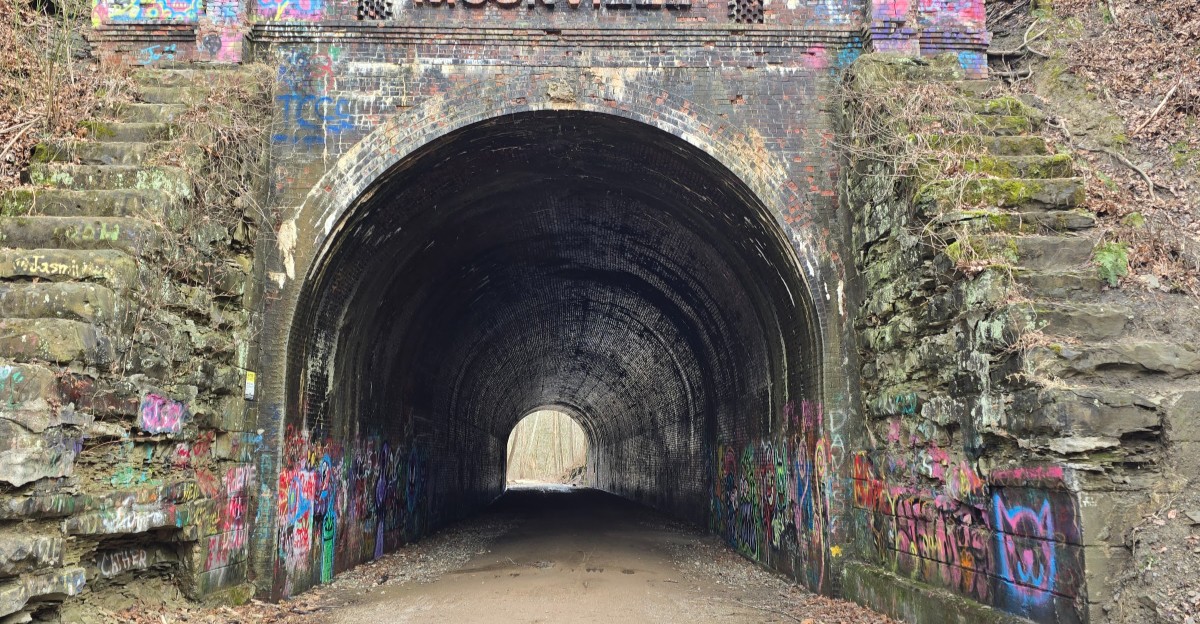
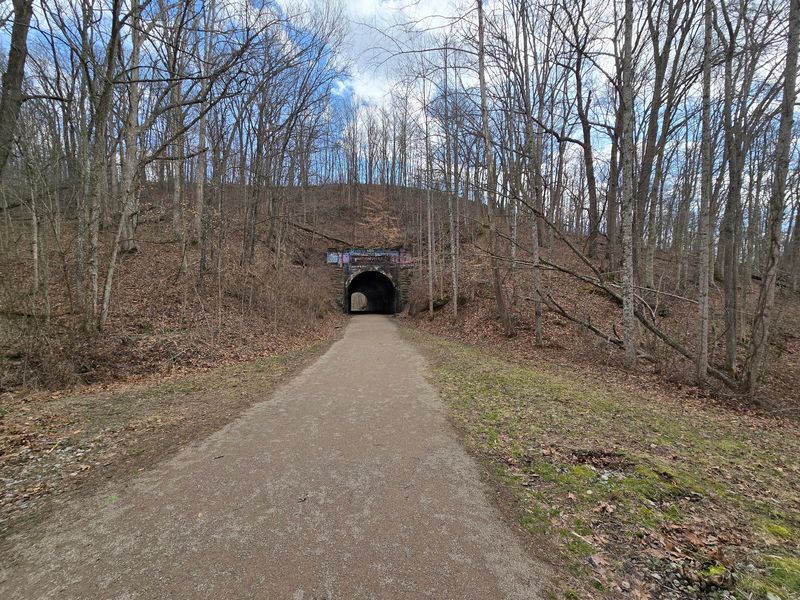
Then a brick tunnel appeared in the woods, cool air drifting out of it like a sigh from another century. It turned out to be the last real piece of a whole town that once lived and worked right here, and it is a place kids and grownups talk about long after the drive home.
A Railroad Ghost Town in the Zaleski State Forest
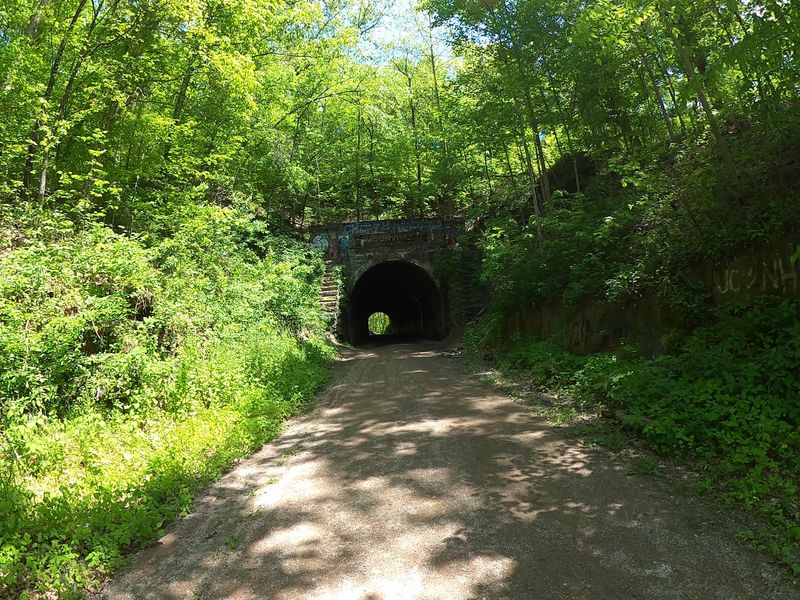
Picture a stretch of Vinton County so wooded that cell bars start to fade before the pavement does. Moonville sits here, inside the Zaleski State Forest near McArthur, with Township Road 18 as its official address.
What remains is a ghost town, and its star is the old Moonville Tunnel, a brick-lined passage cut for the Marietta and Cincinnati Railroad.
The town itself is mostly gone. Visitors mention a few foundations tucked in the trees, plus small leftovers along the trail that hint at daily life long ago.
The parking lot, according to people who know the site, sits roughly where the main part of town once stood.
So why drive out to see a tunnel and some old stones? The answer is the mix of history, forest, and quiet.
Moonville is part of the Moonville Rail Trail, a developing path that follows the former railroad bed through Vinton and Athens Counties.
Families coming from Columbus can expect a solid country drive southeast, and the spot is not far from Athens or Lake Hope State Park. It works well as a half-day outing paired with other stops in the region, especially for kids who enjoy a little mystery with their hike.
Coal, Rails, and the Rise and Fade of Moonville
Coal built Moonville. In the mid-1800s, a small community grew up along the newly laid Marietta and Cincinnati Railroad line, mostly serving miners and railroad workers who kept the region humming.
At its busiest, the settlement held around a hundred residents. That is smaller than many school gyms full of people today, yet it was enough for homes, a schoolhouse, and even a train station.
Trains brought supplies in and carried coal out, linking this hollow to the wider world.
Things shifted in the early 1900s. As coal mining slowed across the area, families began moving away to find work elsewhere, and the population thinned year after year.
The last family left in 1947, closing the book on Moonville as a living town.
What makes the story stick is how complete the disappearance was. Houses and shops returned to the forest, leaving the tunnel and scattered stones as the main storytellers.
Today, a faint schoolhouse foundation and a small community cemetery remain nearby for those who look carefully.
For kids learning Ohio history in school, standing here turns textbook words about coal towns into something they can actually see and touch.
The Brick Tunnel That Outlasted Its Town
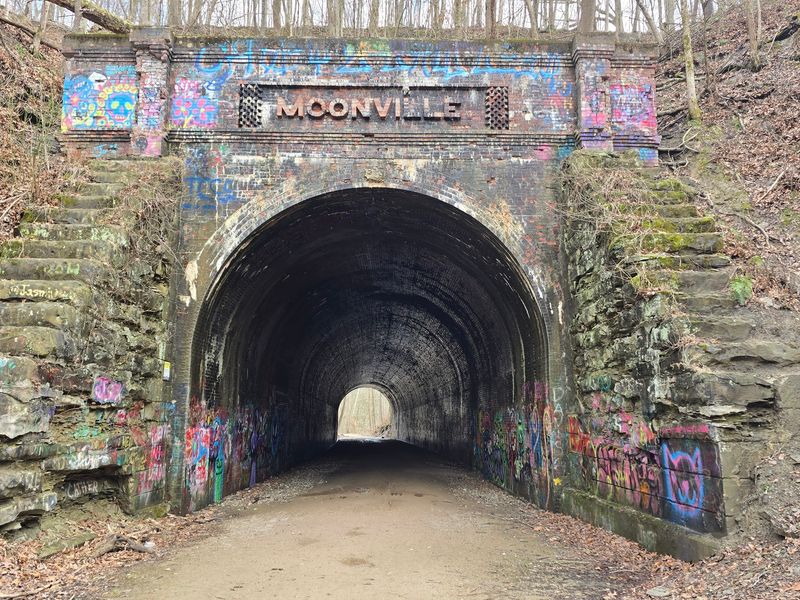
Step inside on a warm afternoon and the temperature seems to drop a few degrees. The brick walls hold a steady coolness, and voices bounce softly off the curved ceiling.
Kids usually figure out the echo within seconds.
The Moonville Tunnel once served as a busy artery for the railroad. Trains rumbled through this exact passage, hauling coal and passengers between stations.
Now the rails are gone, and the floor is part of a walking path, but the arch still frames the woods on either end like a picture.
Not everything about it looks the way it did a century ago. Visitors point out that graffiti has spread across much of the brickwork, and some feel vandalism has climbed since newer bridges made the site easier to reach.
Locals are working to preserve the landmark, so a gentle reminder to kids about leaving no marks goes a long way.
Photographers love the contrast between dark tunnel and bright forest. Bring a flashlight anyway, since the inside can be dim depending on the time of day and season.
It is a short walk from parking, which makes the tunnel the easy first goal for younger hikers.
Raccoon Creek and the Trail Bridges
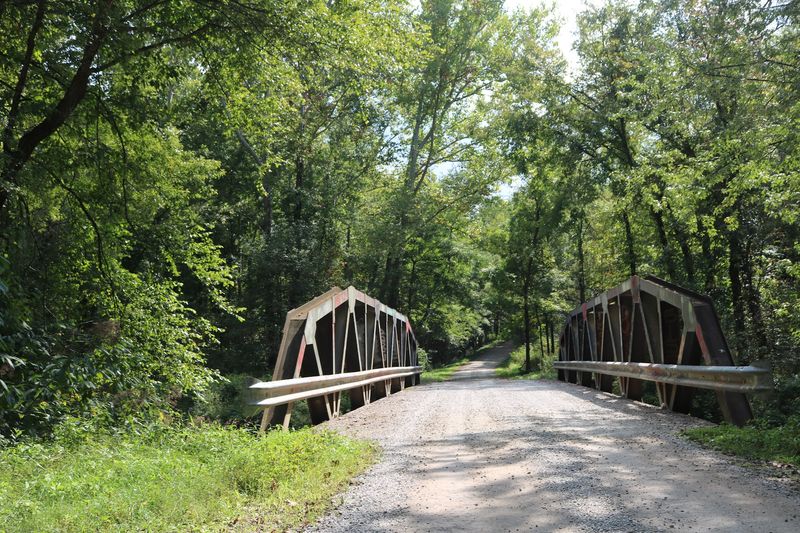
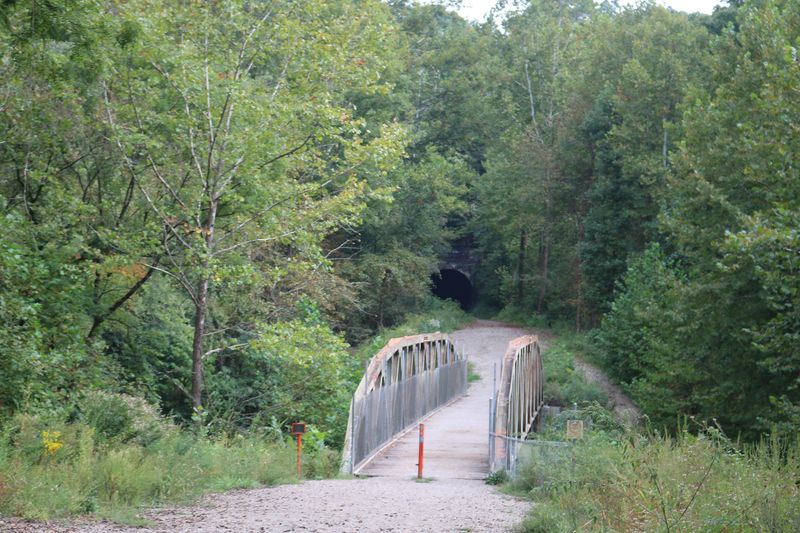
Before 2016, reaching the tunnel meant a bit of creek wading or a careful scramble. That year, a new pedestrian bridge was built over Raccoon Creek near the old iron bridge, and getting to the tunnel became far simpler for families.
The bridges have become attractions in their own right. Hikers mention plenty of crossings along the trail, plus the main railroad bridge, which gives a great vantage point over the water below.
Little ones tend to stop halfway across just to watch the creek drift by.
Is the bridge a good photo spot? Absolutely, and many people say the tunnels and bridges together are the highlight of the whole walk.
Morning light filtering through the trees over Raccoon Creek makes for easy family snapshots.
There is a tradeoff some longtime visitors notice. Easier access has brought more foot traffic, and with it, more spray paint and litter in spots.
Packing out snack wrappers and staying on the path helps keep the area in good shape.
Parking areas sit near the old iron bridge, so the creek crossing is often the very first thing you see. It sets the scene nicely before the tunnel comes into view.
Telegraph Poles, Foundations, and Other Small Clues
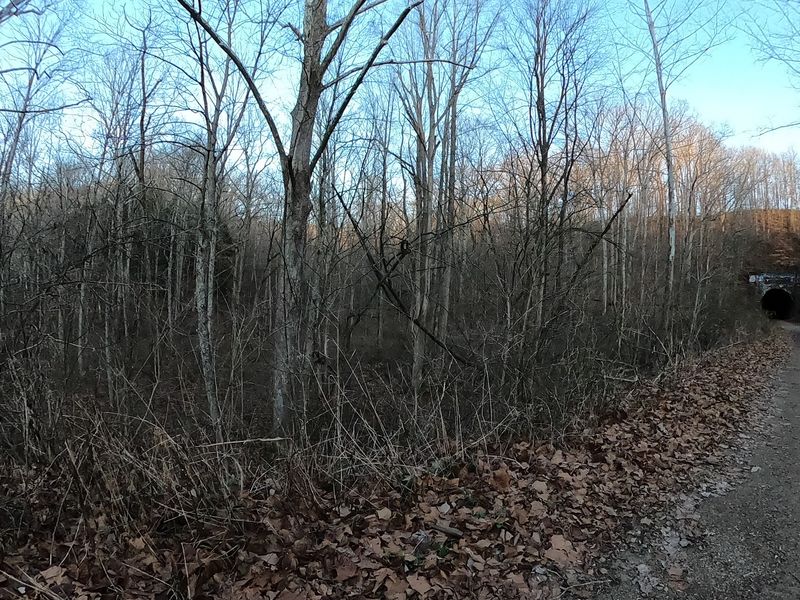
One curious hiker spotted what looked like an old telephone pole along the trail and asked about it. The answer from someone connected to the site turned out to be better than expected: it is a telegraph line.
Back when trains ran here, stations along the route, including one right at Moonville, used telegraph wires to communicate with each other. That weathered pole is a real piece of the old railroad system still standing in the woods.
Pointing it out to kids turns a plain post into a history lesson.
Keep eyes open for other leftovers too. Scattered foundations peek out from the undergrowth, quiet outlines where buildings once stood.
Further along, the faint schoolhouse foundation and the small community cemetery offer a gentle sense of the people who called this hollow home.
None of these spots come with big signs or fences. Part of the fun is the hunt, almost like a scavenger game where the prizes are stones and timber instead of trinkets.
Remind young explorers to look without climbing or digging. These remnants are fragile, and keeping them intact means the next family gets to make the same small discoveries along the path.
King’s Hollow, the Timber-Lined Second Tunnel
A few miles northeast of Moonville, the rail trail serves up a second surprise. King’s Hollow Tunnel, also called King Switch or Mineral Tunnel, looks nothing like its brick cousin.
Instead of brick, sturdy wooden beams brace a passage carved through solid rock. It is a neat look at 19th-century engineering, and older kids who like building things tend to study the timbers closely.
Many visitors notice an earthy smell of creosote inside, a leftover from the wood treatment used long ago.
Expect it to be longer than the Moonville Tunnel. It can also be muddy, with shallow pools of water on the floor, so waterproof shoes or boots are a smart choice.
A flashlight helps here as well.
Hikers who enjoyed the first tunnel often say they plan to come back for the full trail, and King’s Hollow is a big reason why. Comparing the two makes for good conversation on the walk: brick versus wood, short versus long, dry versus damp.
Families with small children might save this one for a second trip. The extra distance and wet footing suit kids who already handle a few miles comfortably.
Spooky Legends and Daytime Calm
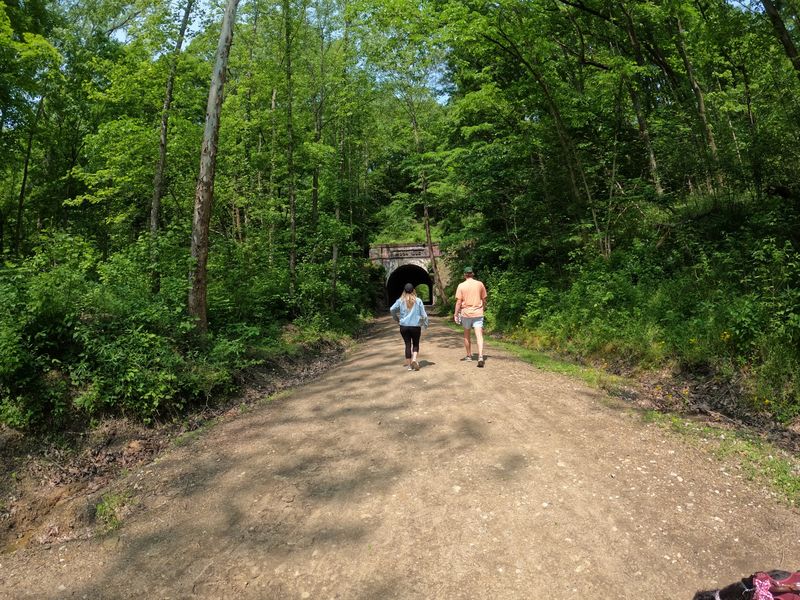
Ask around southeast Ohio and someone will have a Moonville ghost story ready. The tunnel has a long reputation for paranormal tales, and groups even host organized hikes and ghost hunts here.
Some visitors bring their own ghost-hunting gadgets for fun. Others simply enjoy the shivery feeling of standing in a dim tunnel deep in the forest.
One person who came after midnight said it felt far spookier than during the day, which probably surprises no one.
During daylight, though, the mood changes completely. Sunlight, birdsong, and the sound of Raccoon Creek make the place feel peaceful rather than creepy.
People describe it as generally safe, and many mention meeting friendly fellow explorers along the trail.
That split personality is what makes it work for different ages. Younger kids can hike in bright afternoon light and hear a mild legend or two, while teens might push for an evening visit around Halloween season.
Hours run from 7 AM to 11 PM daily, so plan any after-dark adventures within that window. A flashlight, a buddy, and a calm attitude keep the experience fun rather than frightening for everyone.
Seasons, Pawpaws, and Mosquitoes on the Trail
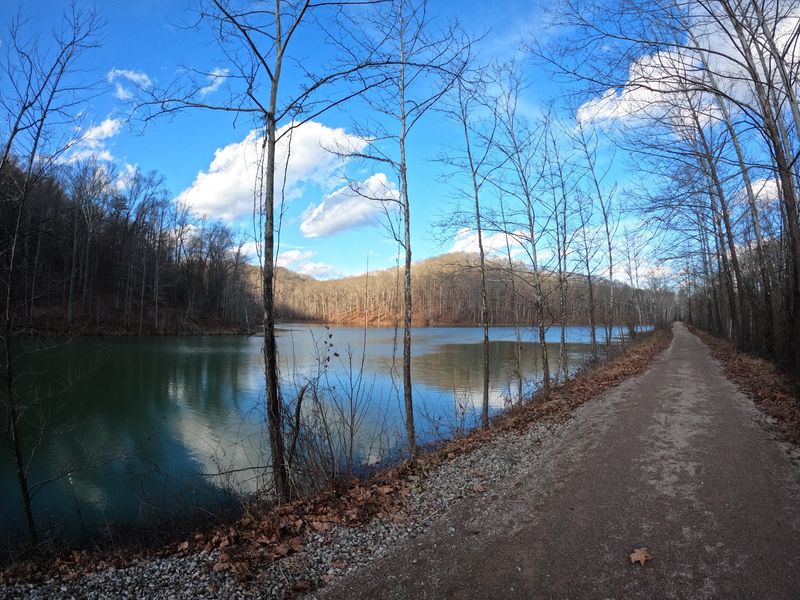
Spring is a favorite for many. Fresh leaves, flowing creeks, and cooler air make the walk to the tunnel especially pleasant, though Ohio spring trails can get muddy, so pack a change of socks.
Late summer brings a tasty bonus. One couple mentioned gathering pawpaws during their visit, the native fruit that tastes a bit like banana and mango.
Kids who have never tried one are often amazed that something so tropical grows wild in Ohio woods.
Here is the catch: bugs. The area is surrounded by marshes, and mosquitoes can be intense in warm months.
People connected with the site recommend wearing bug spray, and plenty of it, on every visit.
Fall tends to be stunning as the Hocking region forests change color, and it lines up nicely with spooky season interest. Winter visits are possible since the trail stays open year-round, but cold weather and icy spots call for extra care.
Whatever the season, check the forecast before leaving. Heavy rain affects both the trail surface and the dirt road leading in, so a dry stretch of days usually means a smoother, cleaner outing.
Getting There, Hours, and What to Pack
Plan for the road to change under your tires. Visitors describe the route going from pavement to gravel and finally to a one-lane dirt road, so slow driving is the rule.
Hope-Moonville Road leads to the trailhead, a short drive from Lake Hope State Park.
Watch the weather closely. Parts of that dirt road can flood after heavy rain, and low cars may struggle in wet conditions.
Some people skip the drive entirely and hike the old railroad bed to the tunnel, ideally with a friend or two along.
The site is listed as open 7 AM to 11 PM every day, and there is no admission fee mentioned in available information. Hours can change, so it helps to double-check before heading out.
Amenities are sparse. Restrooms and drinking water are scarce directly on the trail, so handle bathroom stops and fill water bottles beforehand, perhaps around Lake Hope or McArthur.
A smart family packing list includes:
Flashlights, bug spray, sturdy shoes, water, and simple snacks for picky eaters. Strollers may manage the flatter sections, but rocky, sandy stretches west of the tunnel favor a carrier instead.
A Quiet Verdict on Moonville
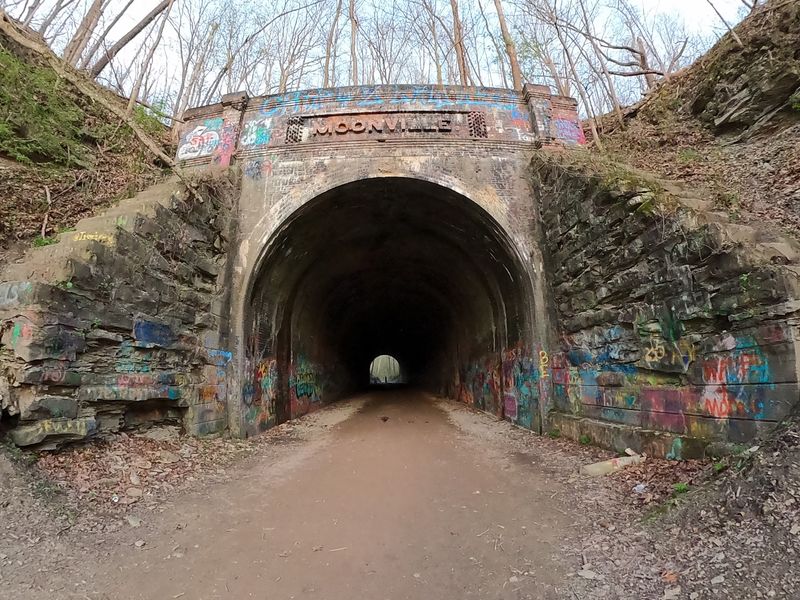
Not every outing needs a gift shop and a snack bar. Moonville offers something different: a long, bumpy drive, a quiet trail, and a brick tunnel that has stood in the woods long after its town faded.
Families who enjoy nature walks will feel right at home. The trail is mostly flat, open year-round, and welcomes hikers, bikers, and even horseback riders.
Many people say it is a perfect place for a walk or bike ride, and the crowds tend to stay small.
History-curious kids get plenty to chew on, from the telegraph pole to the timber-lined King’s Hollow Tunnel. Spooky-story fans get their own thrill.
Photographers get bridges, creeks, and arches at every turn.
Who might pass? Anyone needing paved paths, full restrooms, or a quick in-and-out stop may find it challenging.
The road conditions and mosquitoes take some patience too.
For families willing to pack bug spray and drive slowly, though, Moonville rewards the effort with a genuinely memorable afternoon. Pair it with Lake Hope State Park nearby, and the day turns into a full southeast Ohio adventure that kids will retell for years.