
The Long Island, New York Beach Town Changing Faster Than Anyone Who Grew Up There Expected
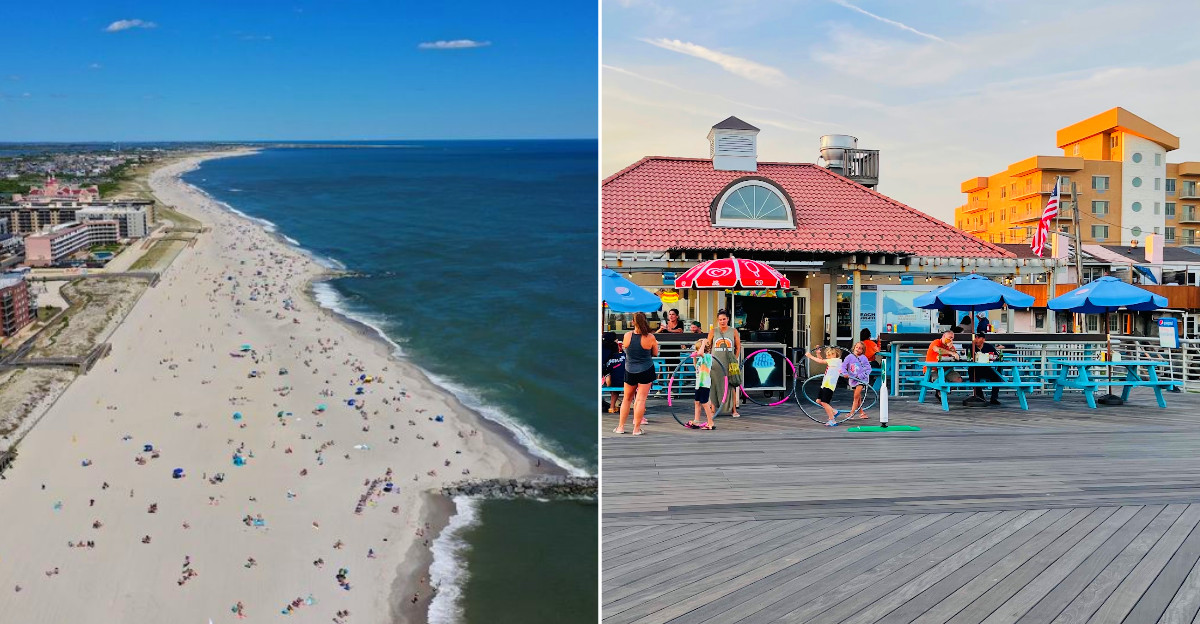
The ocean is familiar. The town facing it? That is where things get interesting.
People returning to their childhood summer streets may find themselves checking old landmarks twice.
Houses stand higher, the boardwalk has been rebuilt, and the beach looks wider than it did in family vacation photos. A beloved South Shore beach town in New York is changing in ways that go far beyond a fresh coat of paint.
For people who grew up spending summers here, the changes can feel both exciting and strange. Every improvement carries a bigger question about the future of life beside the Atlantic.
New plans promise even more changes, and the town is still figuring out what comes next. How much can a place reinvent itself before the memories and the reality start looking like two different towns?
A Sandbar With A Story To Tell
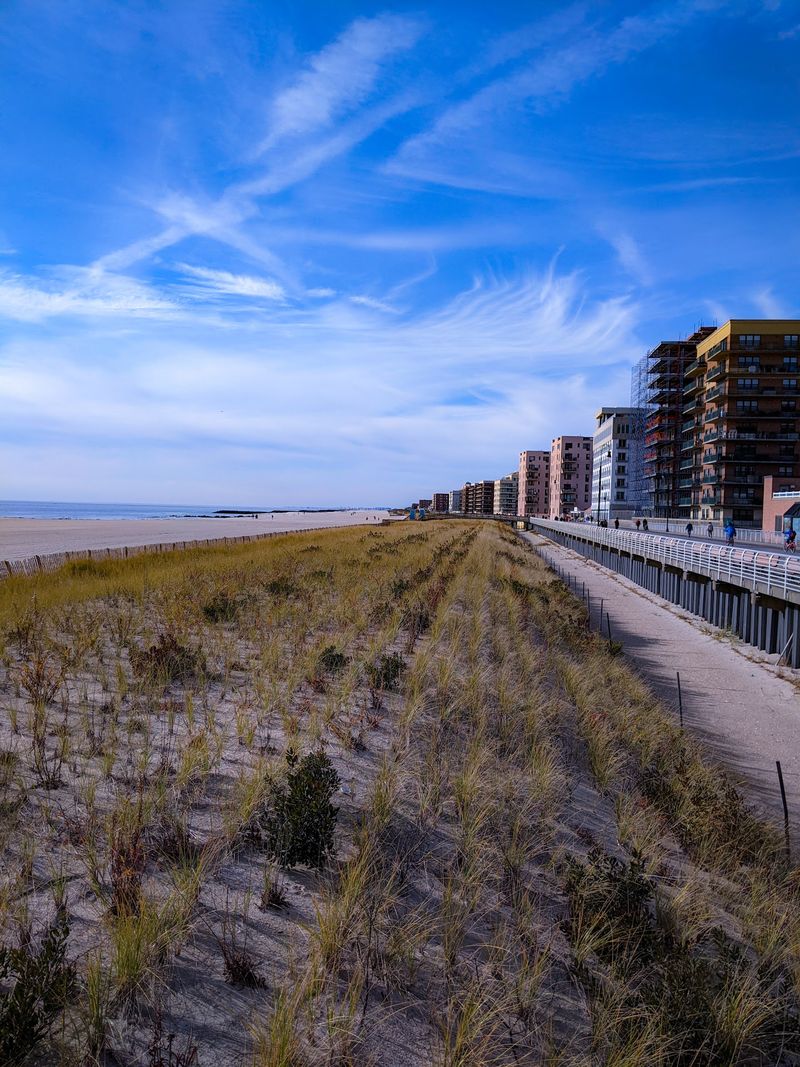
Few places can claim a past that includes a giant hotel, a fire, a hurricane, and a herd of elephants. One slim strip of sand off the South Shore of Long Island has all of that and more. Locals who grew up here often say it barely resembles the town of their youth.
For more than two centuries, the island had no full time residents at all. Fishermen and farmers used it, then packed up and went home. Later came big dreamers with even bigger blueprints, and the place never looked back.
Today the town feels fresh yet familiar. The ocean still rolls in with the same steady rhythm. The sand still warms your feet by noon.
Yet the structures around that sand have been rebuilt, reinforced, and rethought in ways that surprise longtime families.
Visitors get the best of both worlds here. You can enjoy a classic beach day with a side of modern engineering. You can stroll past homes lifted high above the street and wonder how they got there.
Curious already? Good, because the real tale is only getting started, and the tide has plenty more to share.
Meet Long Beach, The City By The Sea
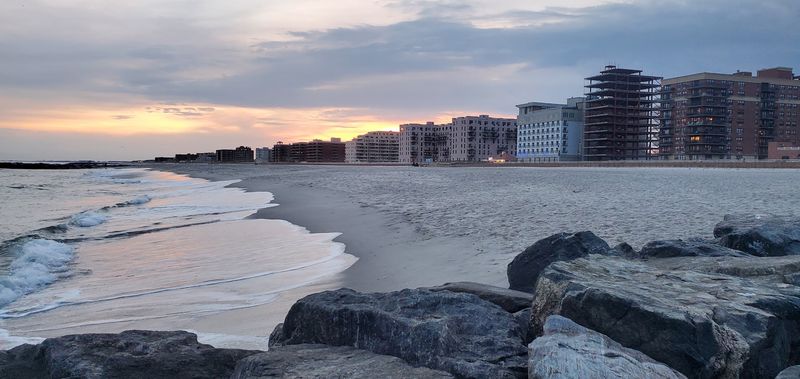
Officially, the town goes by Long Beach, New York, though its motto calls it the City by the Sea. Fair enough, since the Atlantic Ocean sits to the south and Reynolds Channel wraps around the other three sides. It rests on the Long Beach Barrier Island in Nassau County.
City Hall stands at 1 West Chester Street, Long Beach, NY 11561, a handy anchor for getting your bearings. Downtown streets, shops, and cafes spread out from there in a tidy grid. The ocean is never more than a short walk away.
Size matters here in a charming way. The city stretches about three and a half miles long. From ocean to bay, it measures less than one mile wide, so you can practically smell salt air on every block.
Getting here is refreshingly simple. The Long Island Rail Road has served the area since the late 1800s, and the Long Beach station drops riders close to downtown. Many day trippers from New York City skip the car entirely.
Village status arrived in 1913. By 1922, Long Beach had become a full city. That quick promotion hinted at the speedy growth still shaping the place today.
The Boardwalk That Learned To Guard The Shore
Back in October 2012, Hurricane Sandy tore through the city and wrecked the beloved boardwalk. Floodwater poured into streets and homes. For residents, it felt like losing the town’s front porch.
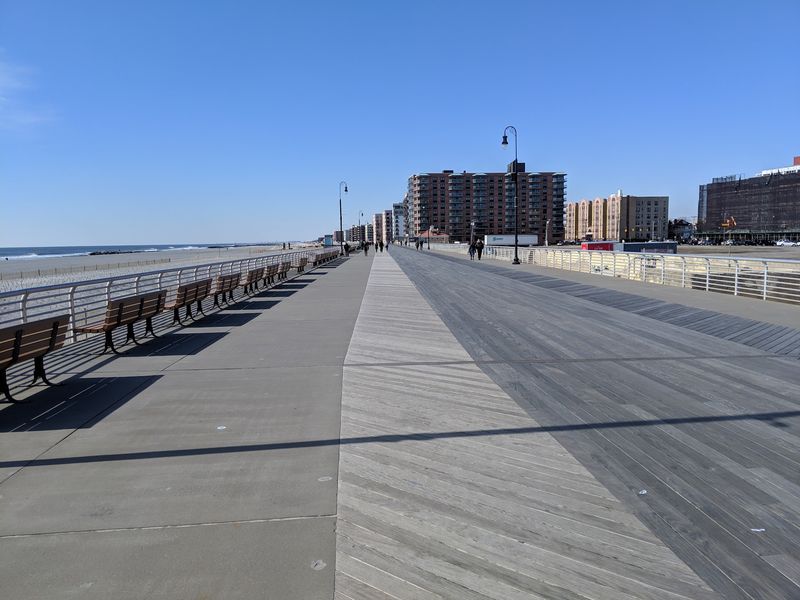
Recovery moved fast. The rebuilt boardwalk reopened in October 2013, roughly one year after the storm. Engineers designed it with a clever twist, since the new structure also works as a protective sea wall.
Walkers today enjoy about 2.2 miles of smooth planks along the oceanfront. Joggers set their morning pace here. Cyclists glide by, and families push strollers while gulls supervise from above.
Timing your visit makes a difference. Early mornings bring soft light, cool breezes, and fewer crowds. Sunset strolls glow with pink and orange skies that reflect off the wet sand below.
A little history adds flavor to the walk. The original boardwalk went up between 1907 and 1914. Historical accounts say elephants from Dreamland, an amusement park at Coney Island, helped haul materials during construction.
So when you stroll the planks, you are walking on a legacy with real backbone. Call it a boardwalk with a strong work ethic. It welcomes visitors and stands guard at the same time.
Raised Homes, Higher Hopes
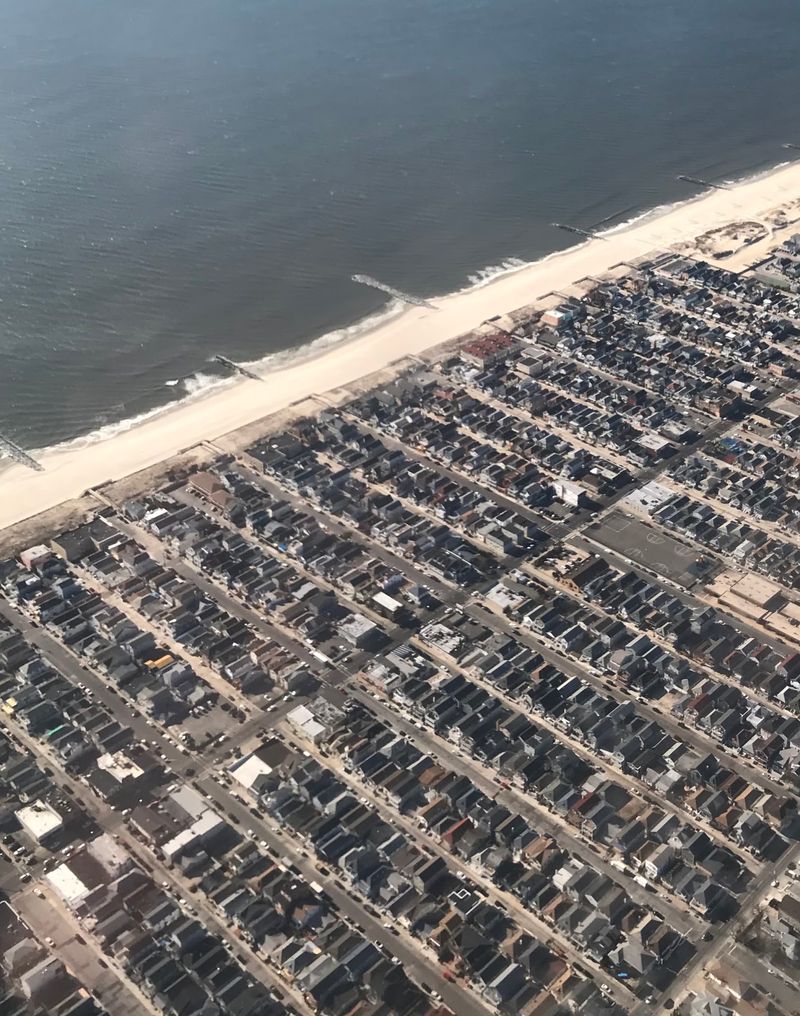
Neighborhood streets now look taller than they used to, and that is no illusion. After Sandy, many homes in the city were lifted or rebuilt to higher and stronger standards. Flood resilience became the new house rule.
Driving past for the first time can feel a little surreal. Front doors sit up a flight of stairs. Garages and storage spaces fill the level below, giving water room to pass if a storm returns.
Families who grew up here remember cozy cottages sitting close to the ground. Plenty of those still exist, though many have gained a few feet of altitude. You could say the whole town took its housing to the next level.
Architecture lovers will find plenty to admire. Fresh designs blend coastal style with practical engineering. Wide porches, sturdy pilings, and bright paint give blocks a lively and confident look.
A respectful walk through residential streets offers a real lesson in coastal living. Notice how builders balanced beauty with safety. Admire the gardens planted around raised foundations.
Above all, remember these are private homes. Keep to sidewalks and enjoy the view. The story they tell is one of patience, planning, and plenty of hope.
Dunes Built Bigger And Bolder
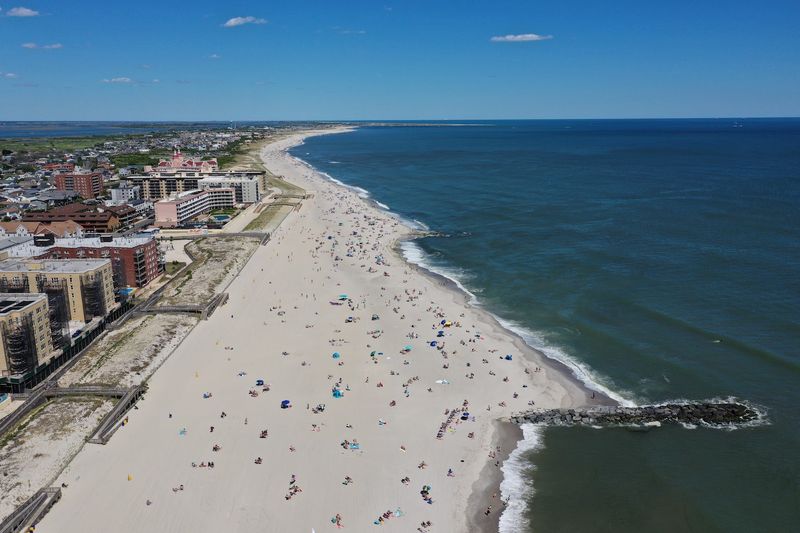
Sand has never been so carefully planned. In 2019, the U.S. Army Corps of Engineers finished the Long Beach Coastal Storm Risk Reduction Project.
The price tag reached about $130 million.
Crews brought in 3.2 million cubic yards of sand. They built new groins, which are rock structures reaching into the water, and repaired older ones. Dunes grew stronger, and the beach widened by roughly 150 feet along the shoreline.
Beachgoers reap the rewards every summer. More room means more space for towels, umbrellas, and sandcastle empires. Nobody has to play tight Tetris with their beach chairs anymore.
Dunes also deserve a little respect. Stay on marked paths and keep off the grassy slopes. Those plants hold sand in place and help the whole system work.
Nature fans should bring binoculars. Shorebirds love quiet stretches near the dunes, especially early in the day. Patient watchers often spot them skittering along the waterline.
Longtime locals still marvel at how wide the beach feels now. Childhood photos show a narrower strip of sand. Today the shoreline looks generous, sturdy, and ready for whatever the Atlantic tosses its way.
Echoes Of The Riviera Of The East
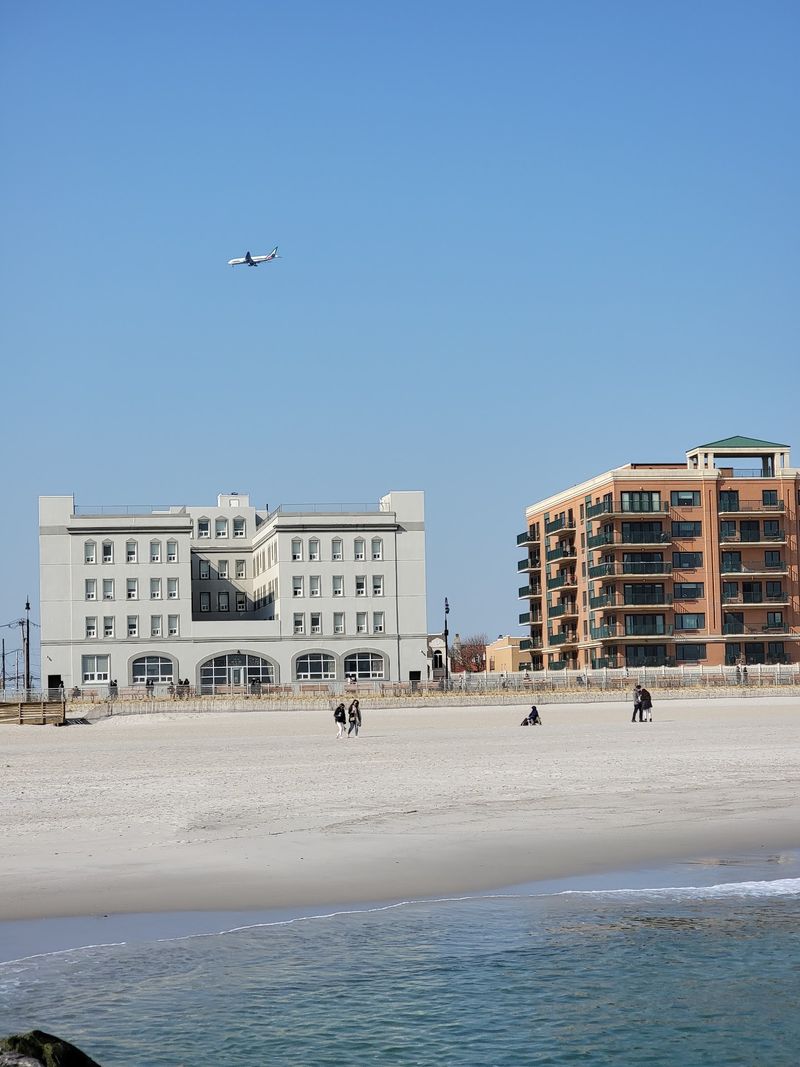
Ambition has always run high on this island. In 1880, Brooklyn builder Austin Corbin began shaping the area as a resort. His Long Beach Hotel was advertised as the largest hotel in the world at the time.
Sadly, that grand hotel burned in a fire on July 29, 1907. The same year, a new visionary arrived. William H.
Reynolds, a New York State Senator and master builder, bought the island’s marsh and meadows.
Reynolds dreamed big and dressed his dream in style. He pictured a resort nicknamed the Riviera of the East. His rules required buildings in an eclectic Mediterranean look, complete with white walls and red tile roofs.
Financial trouble hit his company in 1918, and those strict style rules relaxed. Builders then added a broader mix of designs. Still, a few original treasures remain.
Keep your eyes peeled during a neighborhood walk. Spotting a stucco facade topped with terracotta feels like finding a postcard from another century. History buffs will happily turn the stroll into a treasure hunt.
Those surviving homes remind visitors that change is nothing new here. Reinvention seems to be built right into the foundation.
West End Bungalows With Big Personality
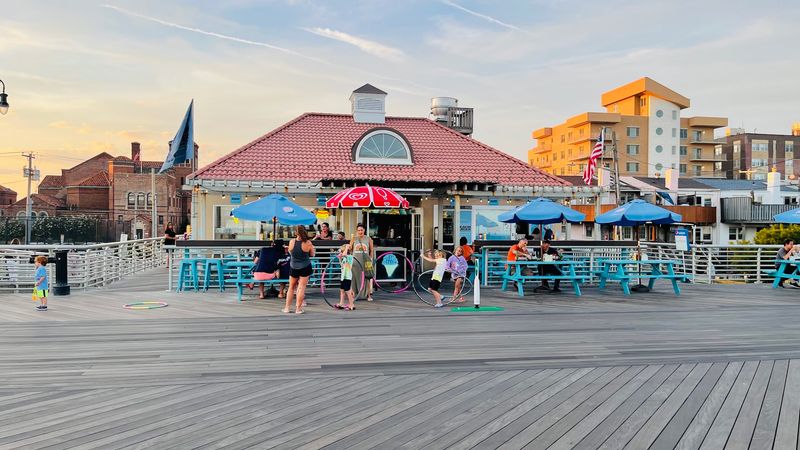
Charm comes in compact packages on the West End. The neighborhood is known for its many bungalows, packed close together on narrow streets. Colorful paint, flower boxes, and beach bikes give each block a playful mood.
Life here moves at a relaxed pace. Neighbors chat across porches. Surfboards lean against fences like loyal pets waiting for a walk.
The city is broadly split into the West End and the East End. Each side has its own flavor. The West End often feels like a laid back beach village with plenty of local spirit.
Visitors love grabbing a bite at nearby eateries and then wandering toward the sand. Ocean access is just a few blocks away. Sunsets over the bay side add a sweet bonus.
Change has reached this corner too. Some bungalows have been rebuilt or raised since the storm. Others keep their old school look, and the mix creates a fun visual timeline.
Bring comfortable shoes and a curious attitude. The West End rewards slow explorers who notice small details. You might leave with a camera roll full of porches and a serious case of real estate daydreams.
Small Footprint, Huge Heartbeat
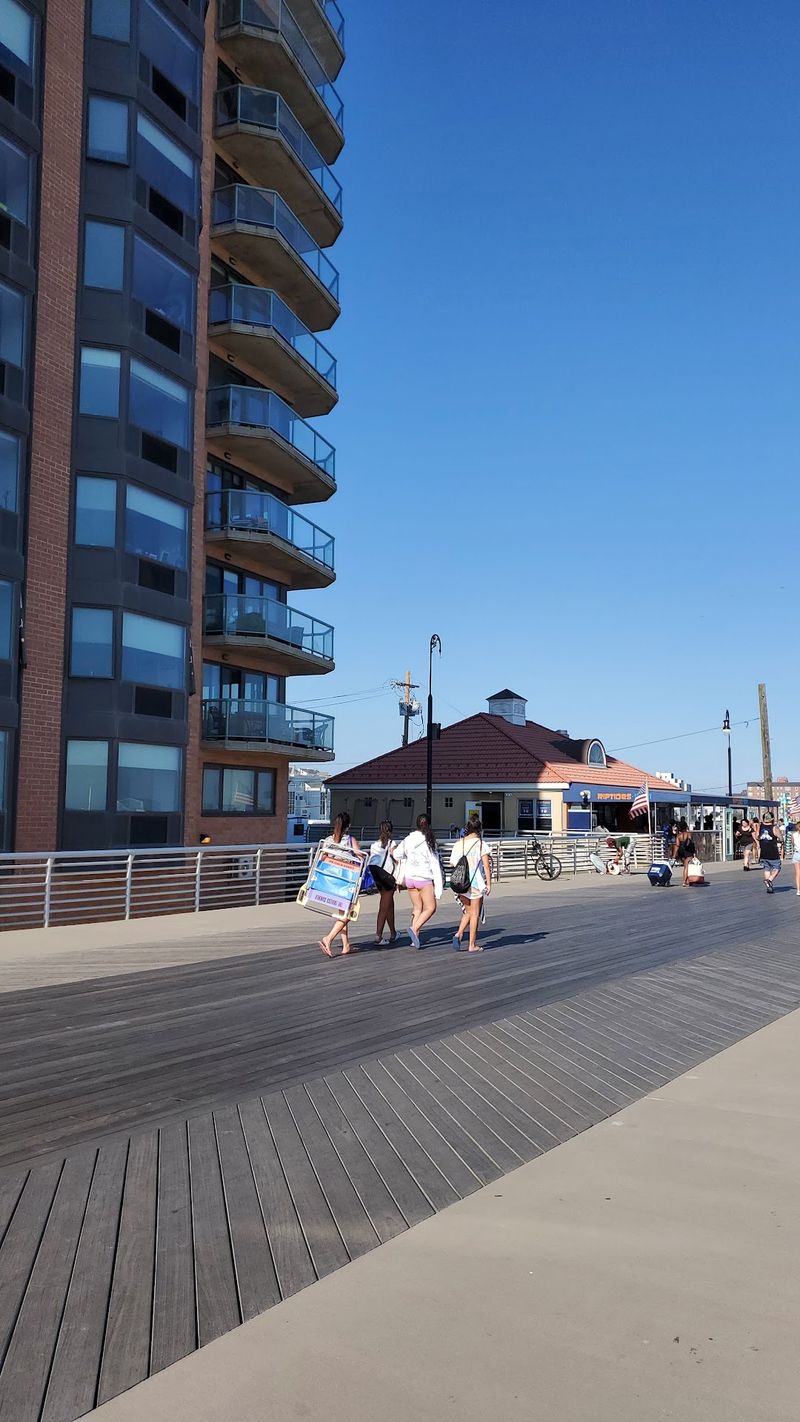
Numbers tell a lively tale here. The 2020 census counted 35,029 residents. Yet the city covers only about 3.9 square miles, and just 2.22 square miles of that is land.
Doing the math reveals a packed community. Long Beach ranks as the 35th densest community in the United States. That puts a lot of beach lovers on one skinny island.
Density brings energy. Downtown sidewalks buzz with shoppers, joggers, and dog walkers. Coffee shops fill up early, and ice cream counters stay busy on warm evenings.
Getting around on foot or by bike makes a lot of sense. Parking can get competitive during peak summer weekends. A bicycle turns errands into mini adventures and saves you from circling the block.
Friendly faces fill the streets year round. Many residents commute to New York City, while others work locally. The blend gives the town a mix of city hustle and beach calm.
Arriving by train is a smart move on busy days. Pack light, wear sunscreen, and plan to wander. A crowded little city can still feel roomy when the ocean is your backyard.
A Blueprint For Tomorrow
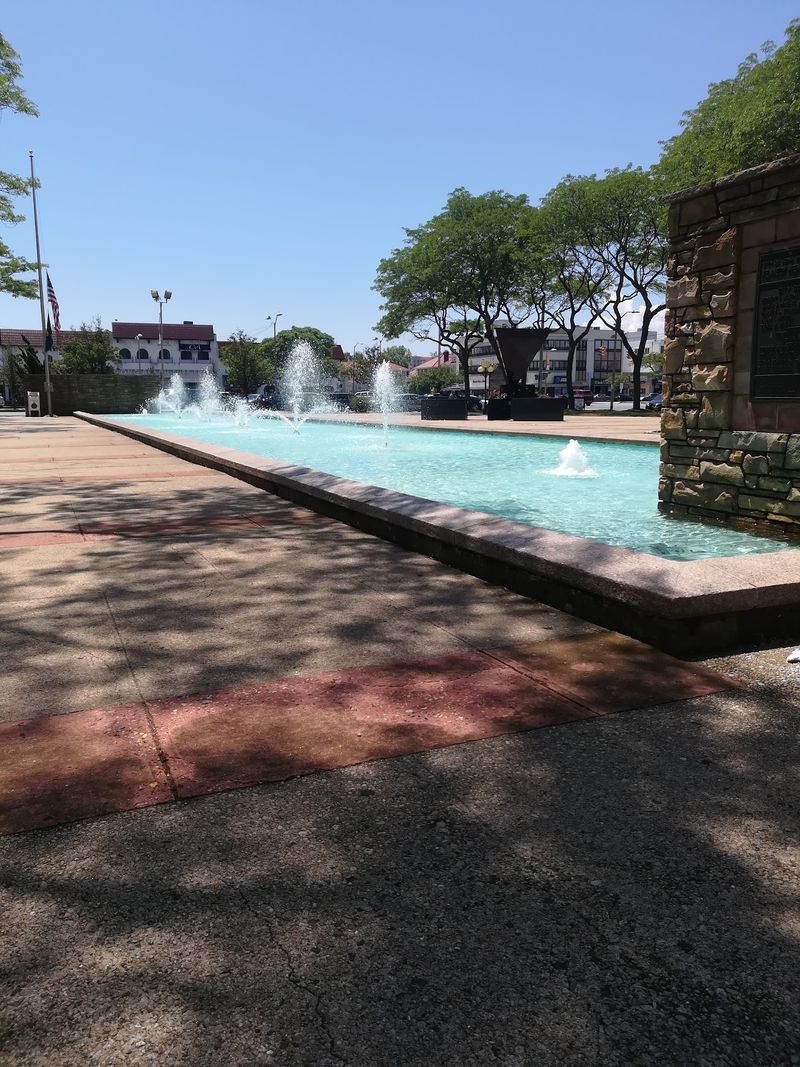
Growth needs a game plan, and the city drew one up in 2023. Leaders released a comprehensive plan that outlines goals for the years ahead. It reads like a roadmap for a town that refuses to stand still.
Zoning updates sit high on the list. Housing also gets attention, with support for affordable homes and senior housing. The goal is to keep the community welcoming for many kinds of residents.
Parks and cultural spaces earned a spot too. Better green areas mean more room for picnics, games, and lazy afternoons. Upgraded cultural facilities can bring more art, music, and community events.
Residents who grew up here have watched huge shifts in just over a decade. A storm forced quick decisions. Planning now aims to make future changes smoother and smarter.
Visitors benefit from all that effort. Cleaner public spaces and thoughtful design make a day trip more pleasant. Events in local parks add extra fun to a beach weekend.
Check the official city website before your trip for event calendars and updates. Fresh projects pop up often. Staying informed helps you catch the best happenings in a town that keeps reinventing itself with purpose.
Sand That Never Takes A Season Off
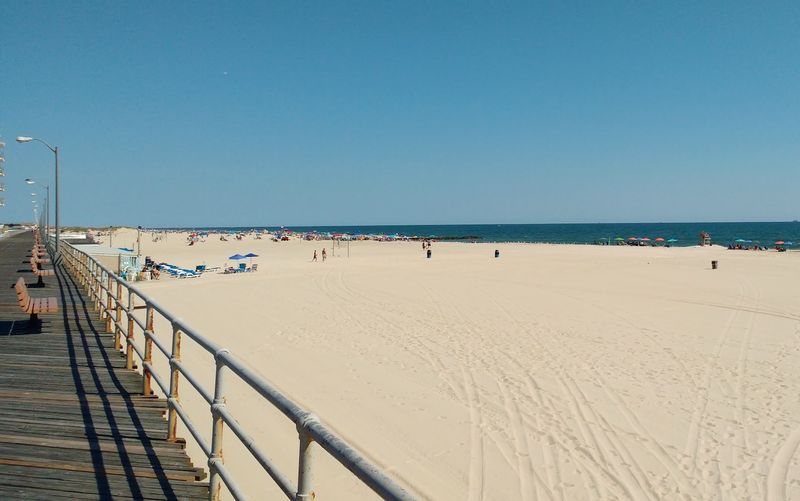
Summer gets the spotlight, but the beach welcomes visitors all year. The 3.5 mile stretch of white sand stays open to the public in every season. Daily and seasonal rates apply during the summer months.
Fall might be the best kept secret. Crowds thin out, the water stays mild for a while, and the light turns golden. Long walks feel peaceful and restorative.
Winter brings its own crisp charm. Bundle up and stroll the boardwalk with a hot chocolate in hand. Surfers in thick wetsuits often brave the chilly waves, which is impressive and slightly unbelievable.
Spring waking hours feel fresh and hopeful. Birds return, shops reopen their windows, and the town shakes off the cold. Locals start counting days until the first warm weekend.
Planning ahead pays off. Buy summer beach passes early and check city rules for current rates. Pack sunscreen, water, and a sturdy umbrella for windy days.
A beach that never closes says a lot about the people who love it. Through storms, rebuilding, and fast change, the sand keeps calling. Answer that call in any season, and you will see why New York keeps coming back.