
The Long Island Sound Beach Town Where The Parking Lot Is Full By Noon And New York Locals Who Live Nearby Aren’t Surprised
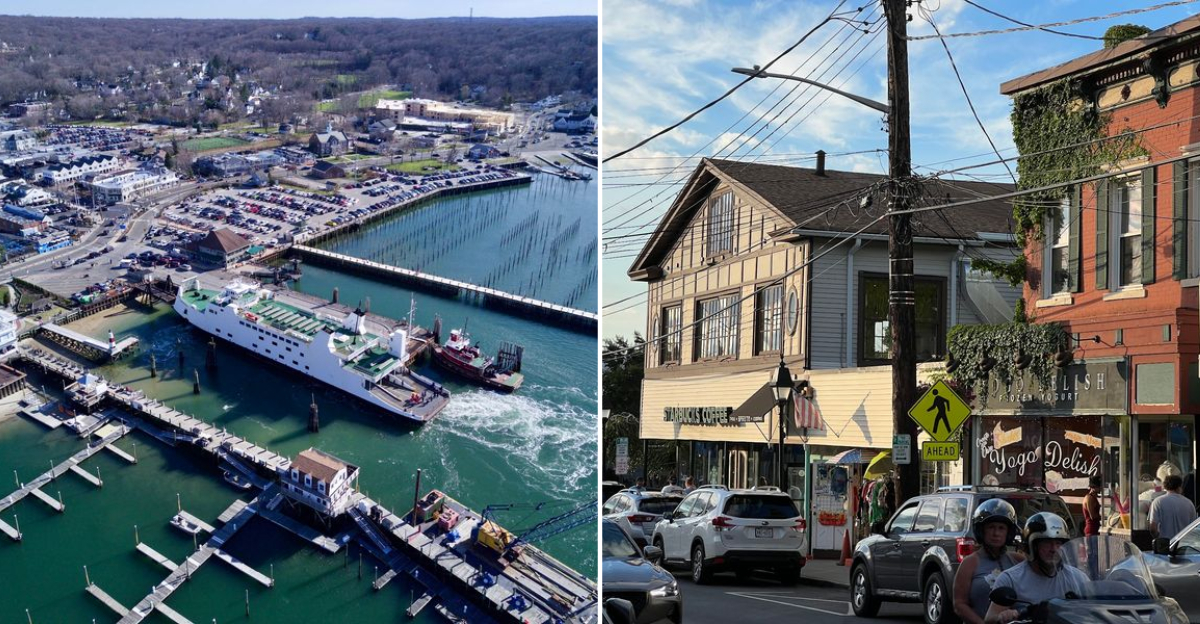
By eleven thirty, the hunt for parking already feels like a competitive sport, and by noon, forget it. One village on Long Island’s North Shore fills its lots faster than most people can finish their coffee, and every summer weekend the pattern repeats itself like clockwork.
Salt air drifts through downtown. The harbor catches the light just right.
It’s the kind of place that makes a quick day trip turn into an unplanned overnight stay.
Locals stopped fighting the crowd years ago, honestly. The midday parking crunch is just background noise at this point, filed away right next to the ferry horn and the seagulls that never seem to leave.
Port Jefferson pulls people back summer after summer, and once you’ve wandered the historic downtown or watched the harbor glow at sunset, the appeal stops needing much explanation.
Some crowds are worth fighting for a parking spot over, and this is apparently one of them.
A Harbor That Earns Every Glance
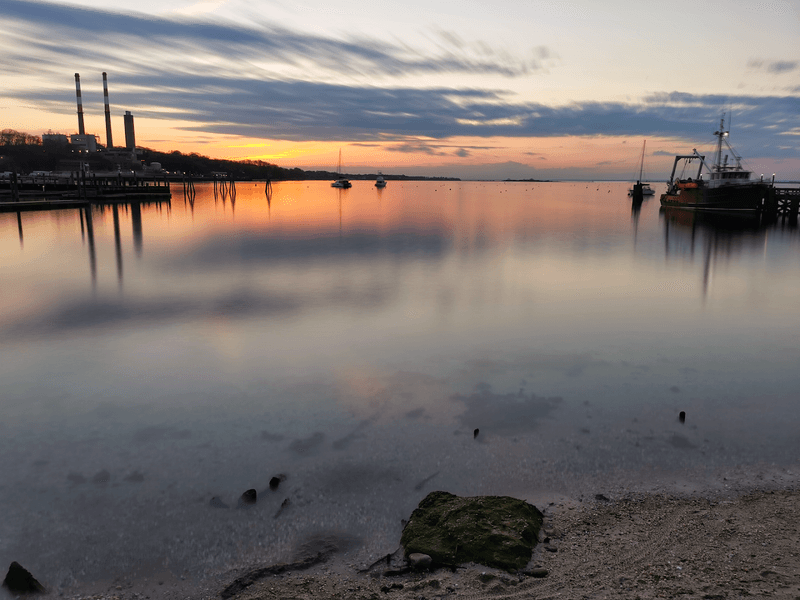
Not every waterfront earns its reputation, but some places simply wear it well. The harbor here is the kind that makes you stop mid-step and pull out your phone, not for social media, but because you genuinely want to remember the moment.
The water catches the light in that particular way that only calm, sheltered bays manage, and the boats bob gently like they have nowhere better to be.
Harborfront Park sits right at the edge of it all, offering open green space, benches, and clear sightlines across the Sound. Families spread out on the grass, kids chase each other near the water, and older visitors find a quiet spot to just watch the world drift by.
The atmosphere is relaxed but alive, unhurried but never dull.
What makes this harbor genuinely special is how it anchors the entire village. Every shop, every restaurant, every winding street seems to point back toward the water.
The harbor is not just a backdrop here. It is the reason the whole place works the way it does, and it is the reason people keep returning every single season without needing much convincing.
The Village That Knows Its Worth
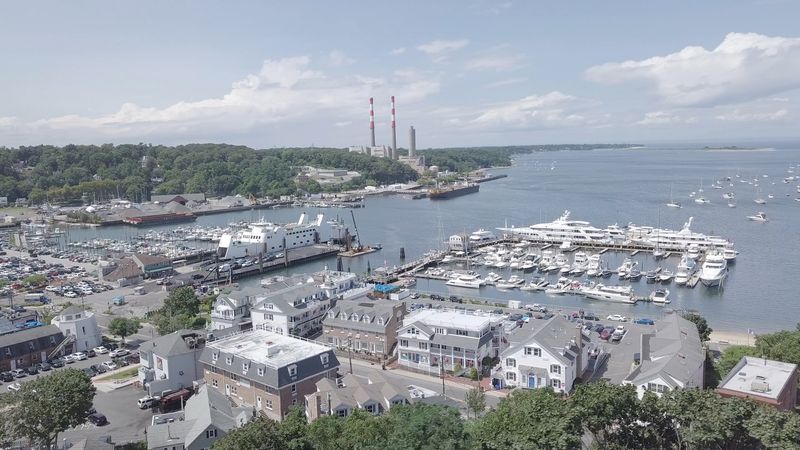
Port Jefferson, an incorporated village in the town of Brookhaven in Suffolk County, sits along the North Shore of Long Island at coordinates 40.9464875, -73.0692732.
The village had a population of 7,962 at the 2020 census, but on a warm Saturday in July, it can feel like every one of those residents has company over.
Lots of company.
Locally called Port Jeff, the village carries a personality that is equal parts historic and lively. The downtown area is walkable, the architecture leans toward charming, and the energy shifts from peaceful morning calm to buzzing afternoon foot traffic with remarkable speed.
Visitors arrive by car, by train on the Long Island Rail Road, and by ferry from Bridgeport, Connecticut, which adds a genuinely nautical dimension to the whole experience.
The village website at portjeff.com offers helpful visitor information, but the real orientation happens the moment you arrive and catch your first glimpse of the harbor.
Everything about Port Jeff signals that it takes its role as a destination seriously, without ever coming across as pretentious about it. It is a place that has figured out what it is and decided that is more than enough.
The Ferry That Turns A Trip Into An Adventure
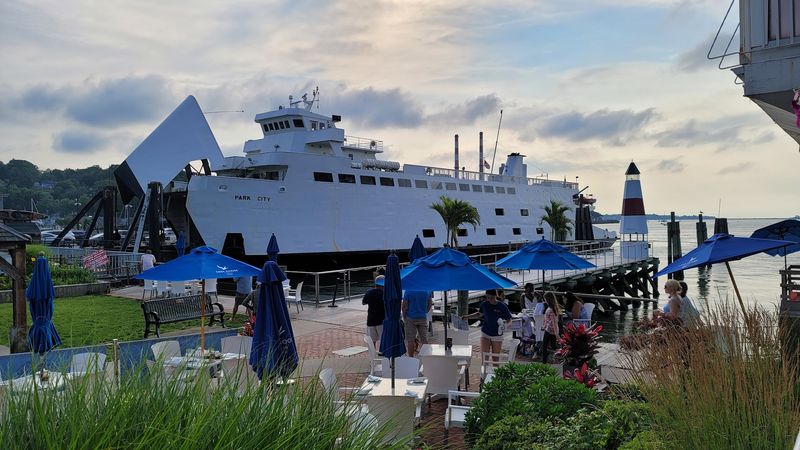
The Bridgeport and Port Jefferson Ferry is one of the most enjoyable ways to arrive in or depart from the village, and it doubles as an attraction in its own right.
The ferry crosses Long Island Sound between Bridgeport, Connecticut, and Port Jefferson, offering passengers a scenic ride that feels like a mini-voyage rather than a commute.
It brings a steady stream of Connecticut visitors who make the crossing specifically to spend time in Port Jeff.
Boarding the ferry from the Port Jefferson side means watching the village shrink into a postcard as the boat heads north across the Sound. The return trip offers the opposite pleasure, with the harbor coming into view and the whole village slowly revealing itself from the water.
Few arrival experiences in the region match that particular approach.
The ferry operates seasonally with varying schedules, so checking ahead is always a good idea before building a trip around it. For visitors coming from New England or the greater Connecticut area, the crossing eliminates the need to drive around the Sound entirely.
It is efficient, scenic, and genuinely fun in a way that most transportation options simply are not. Port Jeff would still be worth visiting without the ferry, but the ferry absolutely makes it more interesting.
Downtown Streets That Reward Slow Walking

Port Jefferson’s downtown is the kind of place that gets better the slower you move through it. The streets are walkable, the storefronts are varied, and the general energy rewards exploration rather than rushing.
Unique shops sit alongside well-regarded restaurants, and the whole area has a rhythm that feels organic rather than manufactured for tourism purposes.
The mix of businesses here reflects a village that has maintained its local identity while still welcoming outside visitors warmly.
You will find independent boutiques, specialty food spots, and service businesses that clearly cater to actual residents rather than just weekend crowds.
That balance is harder to achieve than it looks, and Port Jeff manages it with a kind of effortless consistency.
Foot traffic picks up significantly as the morning progresses, especially on weekends, so the streets that feel calm at nine in the morning transform into a lively pedestrian scene by early afternoon.
The architecture along the main commercial areas has character without being overdone, and the proximity to the harbor means that nearly every block offers at least a partial glimpse of water.
Wandering through Port Jeff’s downtown without a specific agenda is one of the most genuinely pleasant ways to spend a few hours on Long Island.
Harborfront Park And The Art Of Doing Nothing Well
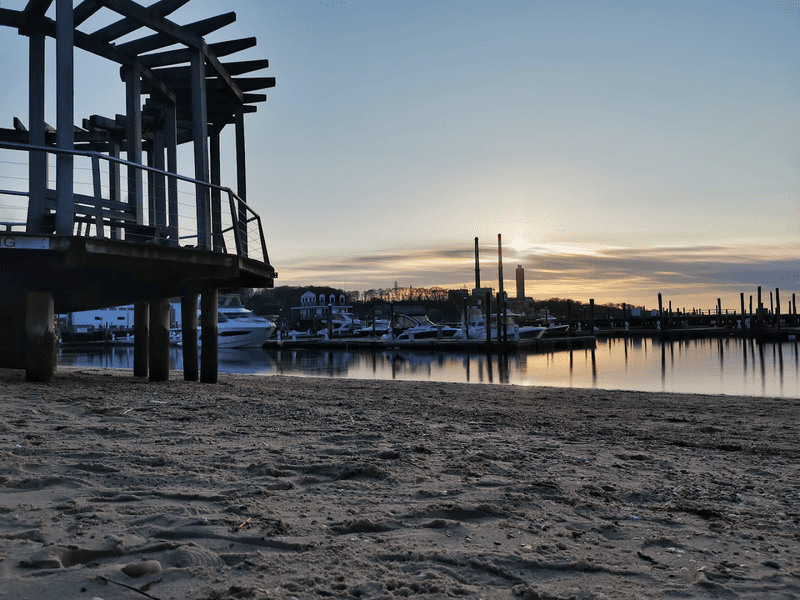
Harborfront Park is the kind of public space that makes a village feel genuinely livable rather than just visitable. The open green area sits right along the water, offering clear views of the harbor and the boats that move through it throughout the day.
Benches are positioned thoughtfully, the grass is well-kept, and the overall atmosphere is one of easy, unhurried enjoyment.
Families use the park in the most straightforward and satisfying ways.
Kids run around on the grass, parents find a spot to sit and watch the water, and visitors who have been walking the downtown streets for a while appreciate the chance to pause without committing to a full meal or a paid attraction.
The park functions as a natural gathering point and a breathing space in the middle of a busy waterfront village.
On peak summer weekends, the park fills up but rarely feels uncomfortably packed. There is enough open space to absorb the crowd without losing the sense of calm that makes it worthwhile in the first place.
Arriving in the morning means claiming a prime spot near the water with relative ease. The park is free, accessible, and genuinely one of the best reasons to spend a full day in Port Jefferson rather than just a quick afternoon stop.
Peak Season Rhythms And How Locals Navigate Them
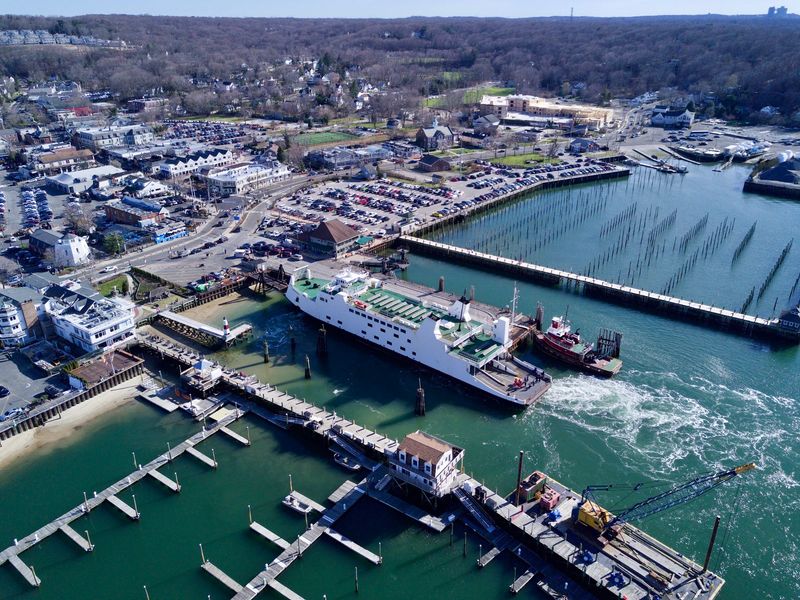
Peak season in Port Jefferson runs from April 1 through November 25, and during that stretch the village operates at a noticeably different pace than the quieter winter months.
Weekends bring the heaviest foot traffic, and the combination of ferry arrivals, LIRR passengers, and drivers all converging on the same small downtown creates a lively but occasionally congested scene that locals navigate with practiced ease.
Residents who need to run errands on a Saturday morning in July have learned to do so before ten o’clock. The window between early morning and late morning is when the village still belongs mostly to the people who actually live there.
By midday, the dynamic shifts, and the streets belong equally to visitors and locals in a way that is generally good-natured but unmistakably busy.
For visitors, understanding the seasonal rhythm makes the whole experience smoother. Early arrivals get free parking, uncrowded streets, and the pick of outdoor seating at restaurants before the rush begins.
Arriving mid-afternoon means navigating a fully activated village with all the energy and occasional wait times that come with it.
Neither version of Port Jeff is wrong, but knowing which one you are walking into helps you enjoy it on its own terms rather than being caught off guard by the pace.
Getting Here Without A Car And Feeling Smarter For It

The Long Island Rail Road runs directly to Port Jefferson, making the village one of the more accessible waterfront destinations on the North Shore for visitors coming from New York City and the surrounding region.
The Port Jefferson Branch terminates right in the village, which means the station is close to the waterfront and the downtown area.
Getting off the train and reaching the harbor takes very little time and no car whatsoever.
Train travel to Port Jeff has a pleasantly old-fashioned quality to it. The ride through Long Island’s varied landscape offers a gradual transition from dense suburban areas to the more open, water-adjacent character of the North Shore.
By the time the train pulls into the station, the shift in atmosphere is already noticeable and welcome.
The ferry from Bridgeport offers another car-free option that feels more like a proper journey. Combining a train ride with a ferry crossing creates an itinerary that is genuinely enjoyable before the destination itself even begins.
For visitors who have experienced the frustration of arriving by car during peak season, the LIRR and ferry alternatives feel less like compromises and more like upgrades.
Port Jefferson rewards the car-free visitor with a more relaxed, less logistically stressful experience from the moment of arrival onward.
Food, Flavor, And A Waterfront Table Worth Waiting For
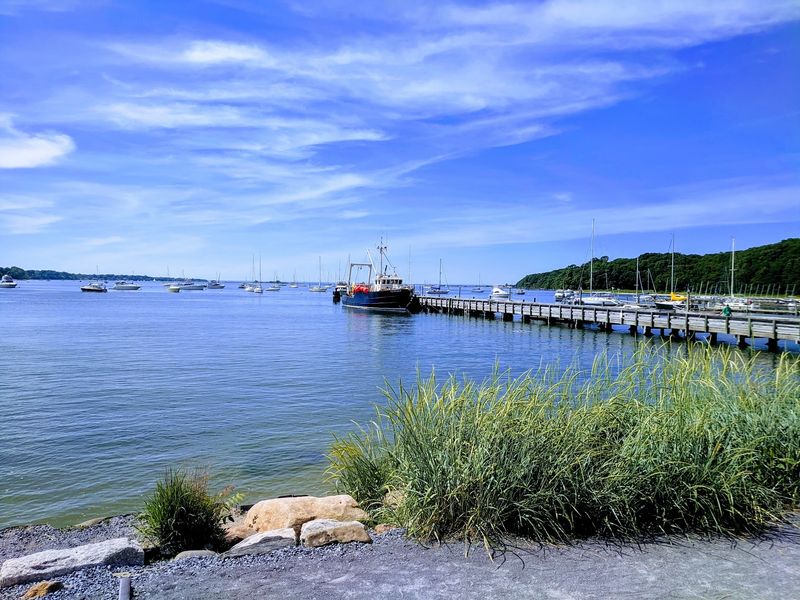
Port Jefferson’s dining scene reflects the character of the village itself: varied, quality-conscious, and genuinely enjoyable without being unnecessarily fancy.
The restaurants along the waterfront and through the downtown streets cover a range of cuisines and price points, and the best seats tend to be the ones with a clear view of the harbor.
Those fill up quickly on weekend afternoons, which is another reason the early-arrival strategy pays off.
Seafood is a natural strength here, given the proximity to the Sound and the maritime culture that runs through the village’s identity. Fresh, simply prepared dishes tend to shine in settings like this, and Port Jeff delivers on that expectation reliably.
The variety extends well beyond seafood, though, with options that suit different tastes and group sizes without requiring a reservation made three weeks in advance.
Eating outdoors in Port Jefferson on a clear summer day is one of those experiences that feels disproportionately good relative to the effort required.
The combination of good food, salt air, and harbor views creates a dining atmosphere that is hard to replicate anywhere inland.
Weekday visits offer a noticeably calmer version of the same experience, with shorter waits and a more relaxed pace that lets the food and the setting speak for themselves without the weekend energy competing for attention.
Why People Keep Coming Back Every Single Summer
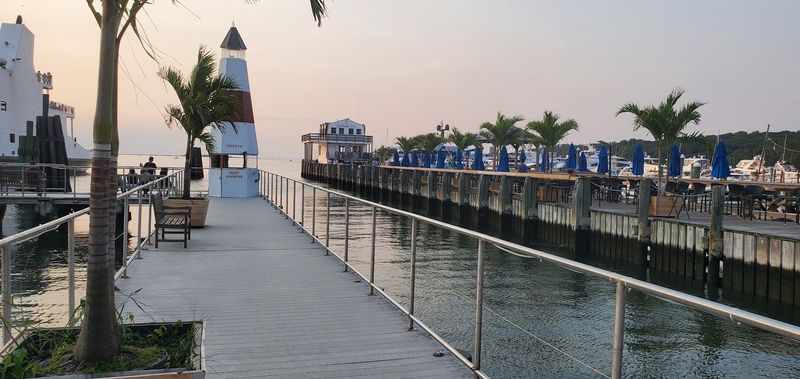
Returning visitors to Port Jefferson share a particular quality: they tend to know exactly where they are going before they arrive. They have a favorite spot near the water, a preferred restaurant, and a parking strategy refined by past visits.
That kind of accumulated local knowledge is something a destination only earns by being consistently worth returning to over multiple seasons and years.
The village’s combination of natural beauty, walkable charm, accessible beaches, and genuine community character creates a profile that holds up across different types of visits. A solo day trip feels just as satisfying as a family outing or a visit with old friends.
Port Jeff adapts to the group without requiring the group to adapt to it, which is a quality that speaks to how well the village is put together.
New York has no shortage of waterfront destinations, but Port Jefferson occupies a specific and largely uncontested position among them. It is approachable without being ordinary, popular without feeling manufactured, and lively without losing its sense of place.
The parking lot being full by noon is not a complaint from the people who live nearby. It is a confirmation that the village is doing exactly what it has always done well, and that visitors from across the region have figured that out too.