
The New York Town Whose Hospital Is Ranked Among The Best In America
Nobody buys a souvenir magnet with a hospital on it. Beaches and pretty harbors usually handle a town’s bragging rights. But in one quiet Long Island hamlet, the most impressive local headline has nothing to do with the waterfront.
This New York community is home to a hospital recognized among America’s best.
That distinction carries far more weight than a glowing travel writeup. When someone needs medical care, the quality of the hospital nearby suddenly matters more than the scenery.
National recognition can tell an interesting story, but a ranking alone never gives you the full picture.
What exactly has earned this hospital so much attention, and what makes it stand out among major medical centers? The answers reveal a side of this small town that even longtime Long Island residents might overlook.
A Glass Giant With A Gentle Purpose

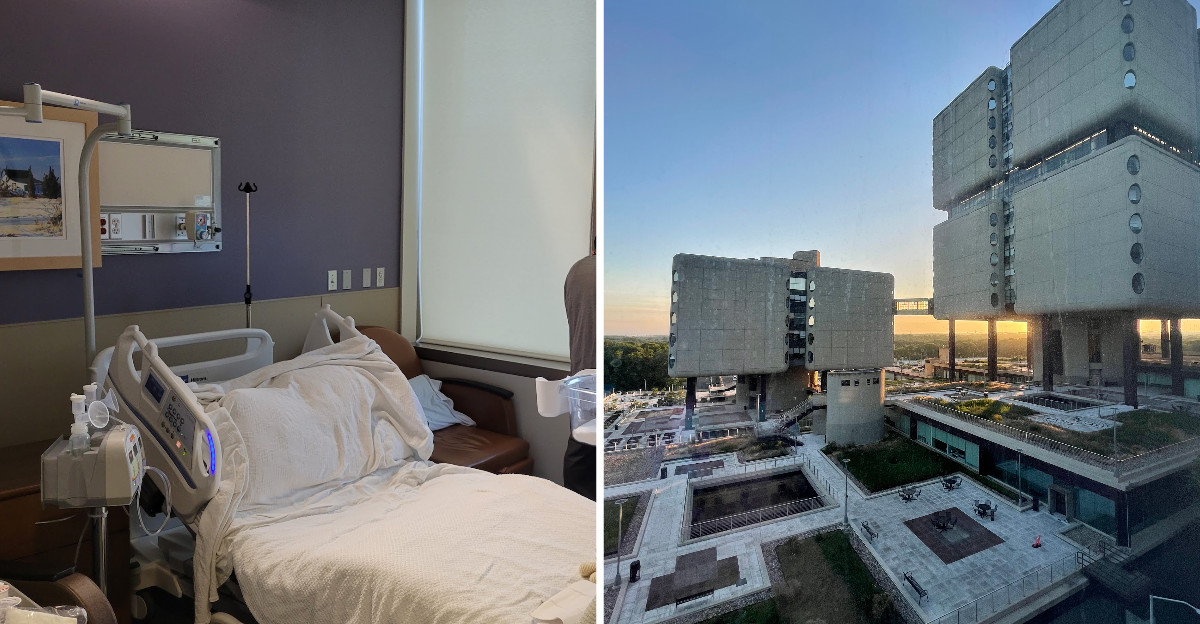
Few buildings on Long Island stand taller or mean more to the people around them. Its twin glass towers rise above the treetops like a lighthouse for anyone who needs help. Locals can spot the skyline from miles away.
Height alone does not earn applause, of course. What earns it is the care happening inside every floor, every hour of every day. National rating groups have noticed, and they keep handing out honors year after year.
Picture a campus where trauma surgeons, heart specialists, and children’s doctors all share the same address. That mix is rare outside big cities. Here, it sits in a leafy college town with a slower pace and a strong sense of community.
Visitors often expect a cramped, gloomy medical maze. The reality feels brighter and far more organized than most people guess. Wide lobbies, coffee spots, and a gift shop soften the clinical edges.
Families who live nearby gain peace of mind that is hard to price. Knowing top tier care waits a short drive away makes everyday life feel steadier. Keep reading, because the name behind this landmark carries quite a story, and the numbers back it up beautifully.
Meet Stony Brook University Hospital

Meet the star of the show. Stony Brook University Hospital sits at 101 Nicolls Road in Stony Brook, New York, on the campus of Stony Brook University. It welcomed its first patients on February 18, 1980.
Planning began long before that date. A 1963 state report led to the idea of a major medical center for Suffolk County. Construction wrapped up in June 1978, and a formal dedication followed in May 1980.
Since opening day, the hospital has run without interruption. No relocations or long closures break up its timeline. It simply kept growing, one wing and one specialty at a time.
Today it operates as a nonprofit, state academic medical center. It belongs to the larger Stony Brook Medicine health system. Being part of a university means students, researchers, and doctors learn side by side.
That teaching setup pays off for patients. New treatments and fresh ideas tend to arrive here sooner than at many community hospitals. Curious minds keep the place sharp, and the energy feels noticeable in the halls.
Getting there is simple by car from most of Long Island. Valet and visitor parking help reduce the usual hospital shuffle.
Rankings That Raise Eyebrows

Numbers tell a lively tale at this hospital. Healthgrades has named it one of America’s 100 Best Hospitals every year since 2019. For 2026, it also made the list of America’s 50 Best Hospitals for the fourth year running.
That second honor places it in the top one percent nationwide. No other hospital on Long Island reached that mark. Bragging rights rarely come this well earned.
Stroke care shines especially bright. It stands as the only hospital in New York State named one of America’s 100 Best Hospitals for Stroke Care for 11 straight years. Healthgrades has also praised its cardiac care, coronary intervention, and joint replacement work.
U.S. News and World Report adds more applause. The hospital ranked No. 10 in New York State for 2025 to 2026.
Earlier lists also recognized its urology and diabetes programs on a national level.
Rankings are not just shiny trophies for a lobby wall. They reflect patient outcomes, safety records, and steady results over time. When choosing where to get care, these scores offer a useful starting point.
Check the latest lists online before any planned procedure. A few minutes of research can bring real comfort.
Long Island’s Only Trauma Anchor

Serious emergencies call for serious skill. Stony Brook serves as the only Level 1 Trauma Center for both adults and children on Long Island. It is also the region’s only tertiary care center.
Level 1 status is the highest rating a trauma program can earn. Surgeons, specialists, and operating rooms stay ready around the clock. The emergency room runs 24 hours a day, seven days a week.
A rooftop helipad lets air ambulances land right on the building. Patients from distant corners of Suffolk County can reach expert hands quickly. Every minute saved in a crisis truly counts.
The list of special programs keeps going. It houses Suffolk County’s only Level 4 Regional Perinatal Center for the most fragile newborns. It also runs a Burn Center and a Comprehensive Psychiatric Emergency Program.
Most people hope to never need these services. Still, knowing they exist nearby brings a quiet kind of reassurance. Think of it as an insurance policy written in steel, glass, and talent.
Save the hospital address in your phone for peace of mind. For true emergencies, always call 911 first and let responders guide the way.
Little Patients, Big Wins
Kids deserve care that feels less scary and more kind. Stony Brook Children’s Hospital delivers exactly that within the larger campus. Money ranked it No. 1 in New York State for pediatric care in 2026, the second year in a row.
Back to back wins speak volumes. Pediatric medicine requires special training, smaller equipment, and plenty of patience. This team clearly has all three in good supply.
Here is a fun fact worth sharing at dinner. Stony Brook is home to the nation’s first Pediatric Multiple Sclerosis Center. Families travel from far away for that focused expertise.
Parents and guardians get 24 hour access to their children inside the Children’s Hospital. Nobody has to say goodnight at the door. That policy alone eases a mountain of worry.
The newer Hospital Pavilion gives two full floors to young patients. Bright rooms and modern spaces help the stay feel a bit more like home. Small touches matter when a child feels nervous.
Pack a favorite blanket or stuffed animal for any planned visit. Familiar items help little ones relax. Comfort, after all, is part of healing.
Nurses Earning Gold Standard Status
Behind every great doctor stands a nurse who keeps things moving. Stony Brook has earned Magnet Recognition from the American Nurses Credentialing Center. Experts consider it the gold standard for nursing excellence.
Fewer than 11 percent of hospitals across the United States hold this honor. Earning it takes years of hard work and careful review. Hospitals must show strong patient results and a culture that supports nurses.
Why should patients care about a nursing award? Nurses spend the most time at the bedside. They notice small changes, answer late night questions, and make sure care plans stay on track.
Magnet hospitals often attract skilled nurses who want to grow. Ongoing training and shared decision making keep the team sharp. That steady talent pipeline benefits every patient on every floor.
A little preparation helps any hospital stay go smoothly. Write down your questions before rounds and keep a list of your medications handy. Nurses appreciate an organized patient, and you will feel more in control.
Gratitude goes a long way too. A simple thank you can brighten a long shift. Kindness, it turns out, is a two way prescription.
Growth Spurts And Green Goals

Hospitals grow just like the communities they serve. The original main building rises 19 stories and about 325 feet high. Patient rooms fill two hexagonal glass towers resting on columns above a broad base.
Expansion has added plenty of fresh space. The Medical and Research Translation building, called MART, stretches eight stories and 245,000 square feet. Research and care meet under one roof there.
Next came the 10 story Hospital Pavilion. It brought 150 more inpatient beds, 12 classrooms, and a 300 seat auditorium. The hospital now counts roughly 628 beds in total.
Bigger does not have to mean wasteful. Practice Greenhealth named Stony Brook one of the Top 25 Hospitals in the nation for environmental excellence in 2026. Hospitals use huge amounts of energy, so that effort matters.
Healthy planets support healthy people, a connection that feels pretty logical. Smart building choices and less waste help the whole region breathe easier. Call it a cure with a lighter footprint.
Visitors can notice the variety of architecture while walking the campus. Pedestrian bridges connect the towers to the Health Sciences Building. Comfortable shoes are a wise pick for exploring.
Smart Tips For An Easy Visit

Planning ahead turns a stressful trip into a calmer one. General visiting hours run daily from 8 AM to 8 PM. Up to three visitors may see a patient at the same time.
Staying overnight takes a bit of paperwork. One visitor may remain after 8 PM with an approved Overnight Visitor pass. Ask the care team early in the day to avoid a late scramble.
Hungry guests have solid choices. The Market Place Café serves breakfast and lunch through dinner on weekdays and stays open 7 AM to 8 PM on weekends. A Starbucks in the main lobby opens early for those who need a morning boost.
Need a cheerful gift? The lobby Gift Shop opens weekdays from 7 AM to 8 PM and weekends from 10 AM to 6 PM. Flowers and cards can brighten any room.
Bring a phone charger, a light sweater, and a snack for longer stays. Hospital time can stretch, so a good book helps too. Patience pairs well with preparation.
Afterward, take a breather nearby. The historic village of Stony Brook offers harbor views and quiet strolls. A little fresh air makes a fine finishing touch.