
The Quiet Florida Small Town That Few Visitors Explore After Dark
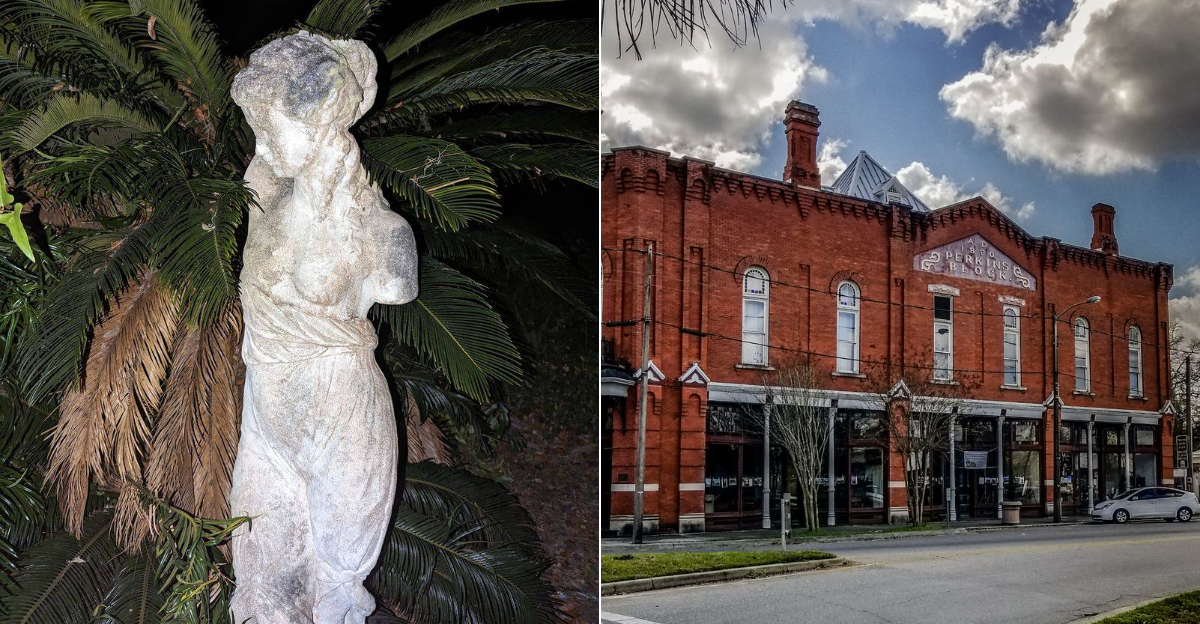
Most people picture Florida as crowded beaches, theme park lines, and traffic that never lets up. But drive north, past the highway exits and into rolling hills, and the state changes character completely.
Up here you find old-growth forests, spring-fed rivers, farmland, and streets shaded by huge live oaks wrapped in Spanish moss. There is one small county seat in this part of Florida that has no traffic lights at all, not a single one in the entire county.
Fewer than 2,600 people live here, and the pace moves about as fast as a porch swing. Daytime brings walking tours, farm visits, paddling trips, and antique shopping around a courthouse square.
Then the sun goes down, and the town shows a side that surprises almost everyone. Lantern-lit ghost walks, moonlight cemetery strolls, and 19th-century buildings with long memories have earned it a reputation as one of the most haunted small towns in the South.
Yet most travelers zip right past on I-10 without ever knowing. That is exactly what makes a visit here feel like a private discovery.
Walk Streets Frozen In Time
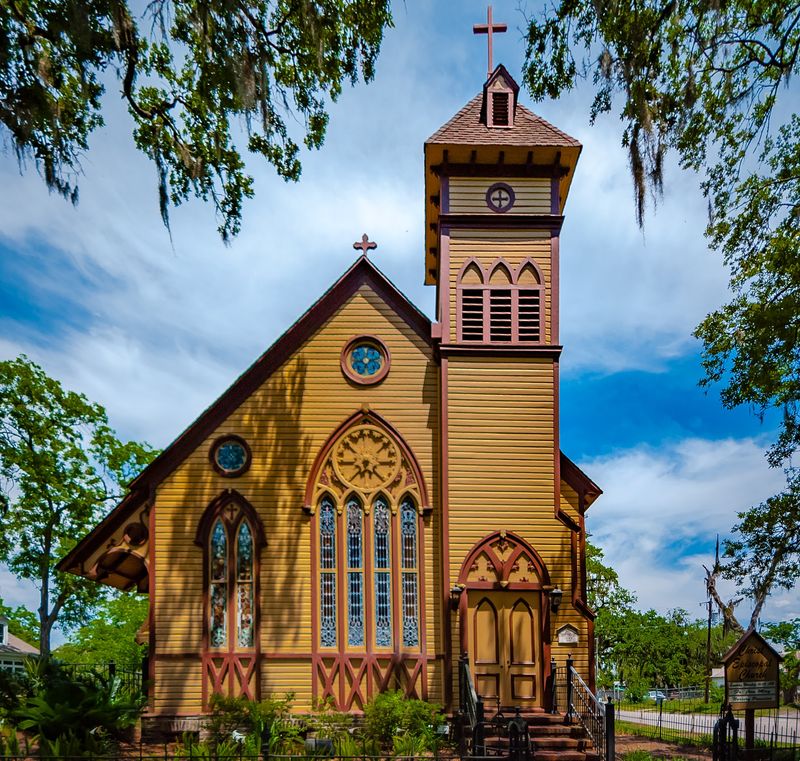
Six hundred buildings. All built before 1920.
That is what waits inside the roughly 27 blocks of the local historic district, the third oldest in the whole state.
Architecture fans lose their minds here. Greek Revival columns sit near Italianate rooflines, and Stick Style trim shows up on porches you could stare at for an hour.
Nothing feels staged or roped off, because people actually live in these homes.
The 1910 Jefferson County Courthouse anchors the center of town. It was modeled after Thomas Jefferson’s famous Virginia estate, which also gave the town its name.
Circle it once and you understand the whole layout of the community.
Self-guided tours make exploring easy. Grab a map, walk or drive at your own speed, and stop whenever a porch or iron gate catches your eye.
No tickets, no schedule, no rush.
Do not skip the Lloyd Railroad Station nearby. Built of brick before the Civil War, it counts among the oldest surviving stations anywhere in Florida.
Mornings in Monticello work best for photos, when light slides sideways through the oaks and the streets stay quiet. Wear comfortable shoes and bring water, since shade comes and goes.
Ghost Walks After Sunset
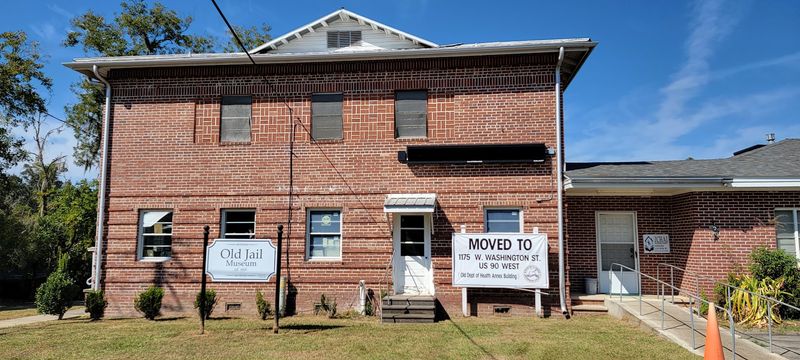
Locals do not shy away from the nickname. Many call Monticello the most haunted small town in the South, and they say it with a grin.
Historic Monticello Ghost Tours run year-round, which means you can book one in July or in January. Guides lead small groups past old buildings and sites with stories attached, sharing accounts collected over generations.
Moonlight Cemetery Walks offer a different flavor entirely. Old headstones, tall oaks, and the sound of your own footsteps do most of the work.
No jump scares needed.
Several bed and breakfast properties in town claim resident spirits of their own. Guests trade stories at breakfast the next morning, comparing creaks and footsteps.
Practical tips help a lot. Reserve ahead, since group sizes stay small.
Bring bug spray in warm months, wear closed shoes for uneven sidewalks, and carry a small flashlight even if the guide provides lanterns.
Skeptics still have fun. The history alone is worth the walk, and hearing about real people who lived here 150 years ago hits differently in the dark.
Families with older kids usually enjoy it. Younger children may find it intense, so ask the tour operator about age recommendations before booking.
Would you sleep in a room the innkeeper says already has a guest?
Paddle Wild Spring-Fed Rivers
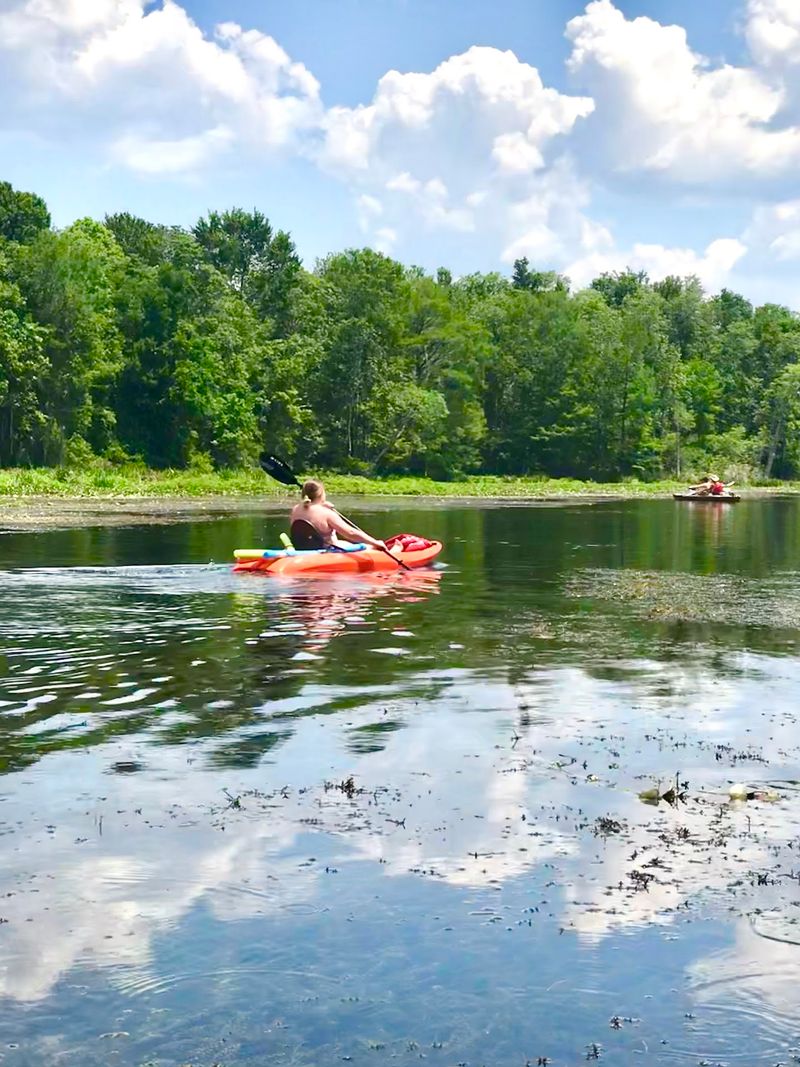
Clear water, cypress knees, and turtles lined up on logs. The Wacissa and Aucilla Rivers deliver the kind of Florida scenery postcards forgot about.
Kayaks and canoes rule these waterways. Airboat tours run too, for anyone who prefers a motor and a guide pointing out wildlife.
Both rivers connect to the Florida Trail system, so hikers get their share as well.
Closer to town, the Monticello Ecological Park keeps things gentle. An elevated boardwalk crosses a spring-fed stream and winds through old-growth forest, making it doable for almost any fitness level.
Birders should bring binoculars. Herons, egrets, and hawks show up regularly, and early morning brings the best activity.
The Monticello Bike Trail follows an old railroad corridor and is paved the whole way. Cyclists, walkers, and stroller-pushing parents all share it comfortably.
History hides in nature here too. Letchworth-Love Mounds Archaeological State Park protects the tallest Native American ceremonial mound in Florida, with interpretive trails explaining who built it and why.
Pack sunscreen, a hat, and more water than you think you need. Shade exists, but Florida sun finds a way.
Renting gear locally saves hauling your own from home, so call ahead during busy weekends.
Would you rather float a quiet river or climb to the top of an ancient mound?
Farm Days And Watermelons
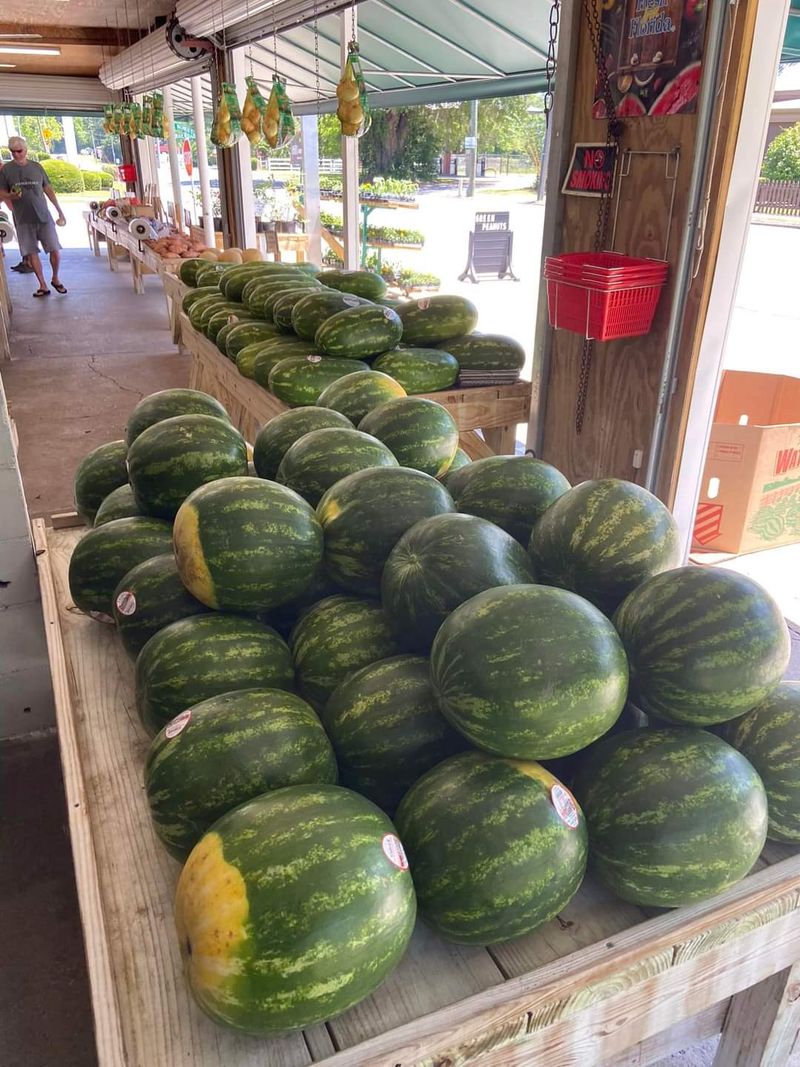
Jefferson County once ranked among the top watermelon seed producers anywhere. That history turned into a party.
Every June, the Monticello Watermelon Festival takes over the town for several days.
Aunt Louise’s Farm keeps the fun going the rest of the year. Sunflower Days fill fields with gold in season, and Fall Farm Days bring corn mazes, wagon rides, and animals happy to be fed by small hands.
Millstone Plantation opens for farm tours in spring and fall. Guides explain how crops grow in this part of Florida and what farming looked like a century ago.
Kids get real dirt on their shoes here, and parents get photos they actually keep. Nobody is performing for tourists, which is the whole appeal.
Check event calendars before you drive, since farm activities follow the seasons rather than a fixed daily schedule.
Bring cash for small purchases. Some stands and vendors move faster without card machines.
Local honey turns up at markets and shops around town, and it makes a better souvenir than anything shipped in a box.
Opera House Still Performing
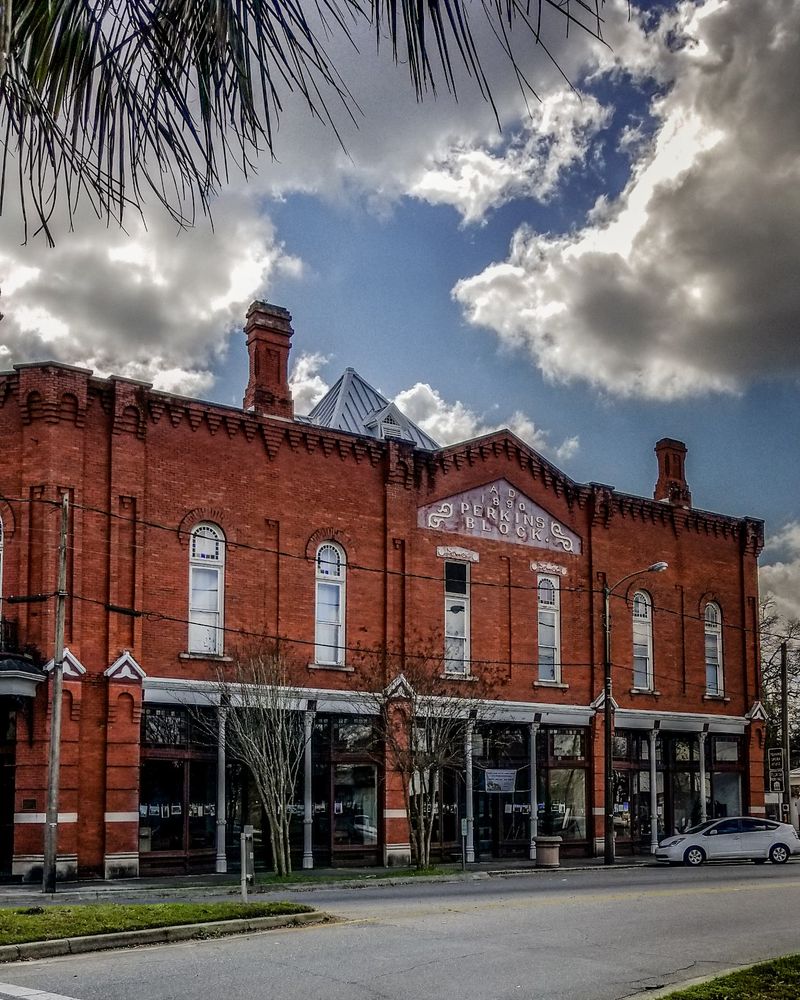
Built in 1890 and still hosting shows. The Monticello Opera House refuses to become a museum piece.
Inside this Victorian building, community theater groups rehearse, a community chorus sings, and art exhibitions rotate through. Evening performances give visitors a genuine reason to stay in town past dinner.
Tickets rarely cost what big-city venues charge. You sit close to the stage, and the actors probably live a few streets away.
The Jefferson Arts Gallery runs monthly exhibits featuring local painters, potters, photographers, and craftspeople. Shows change often enough that repeat visitors always find something new hanging on the walls.
Music lovers should watch for the Southern Music Rising Festival, one of several annual events that pull performers into this small Florida town.
Here is the thing about a place this size. Artists know each other, support each other, and often greet you personally when you walk in.
Check performance schedules before planning your trip, since shows cluster around certain seasons rather than running nightly.
Photography inside venues may be limited during performances, so ask first.
Combine an evening show with a late walk around the square. The lit courthouse and quiet streets make a fine ending to any day.
What would surprise you more, a first-rate performance or the fact that it happened in a town of 2,589 people?
Shop The Courthouse Square
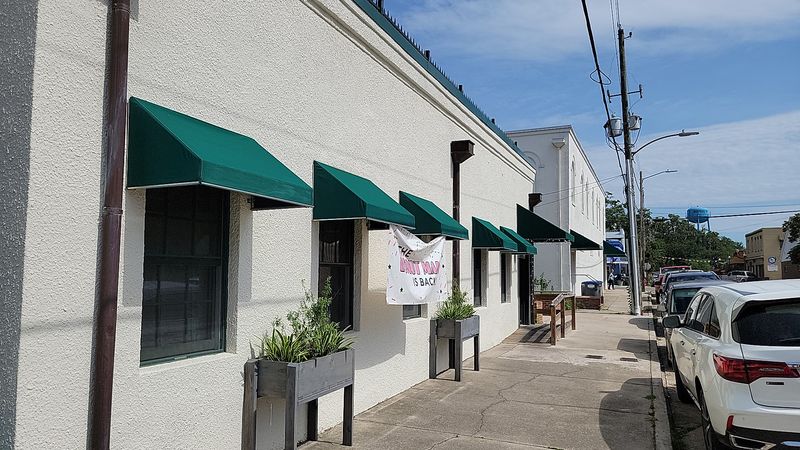
Antiques, handmade jewelry, thrifted clothing, art, and local honey. All within a few blocks of one another.
Downtown wraps around the courthouse square, and the whole district earned recognition as a National Main Street Community. Historic storefronts line the sidewalks, with oak branches doing the work of awnings.
Family-owned shops dominate. Owners tend to be behind the counter, ready to explain where something came from or who made it.
CowHaus Coffee Company gives visitors a warm spot to regroup mid-morning. Grab a seat, watch the square, and notice how often people wave at each other.
Treasure hunters do well here. Antique stores in small towns often price things far below what you would pay in a city shop, and inventory turns over constantly.
Walking makes the most sense. Parking is easy, distances are short, and you will spot window displays you would blow right past in a car.
Shop hours can be shorter than you expect, especially early in the week. Calling ahead prevents disappointment.
Craftspeople sometimes sell custom pieces made to order, so ask if you see something almost right.
Bring a tote bag. You will probably buy more than planned, because everything feels one of a kind.
What would you hunt for first, a vintage find or something made by hand this month?
No Traffic Lights Anywhere
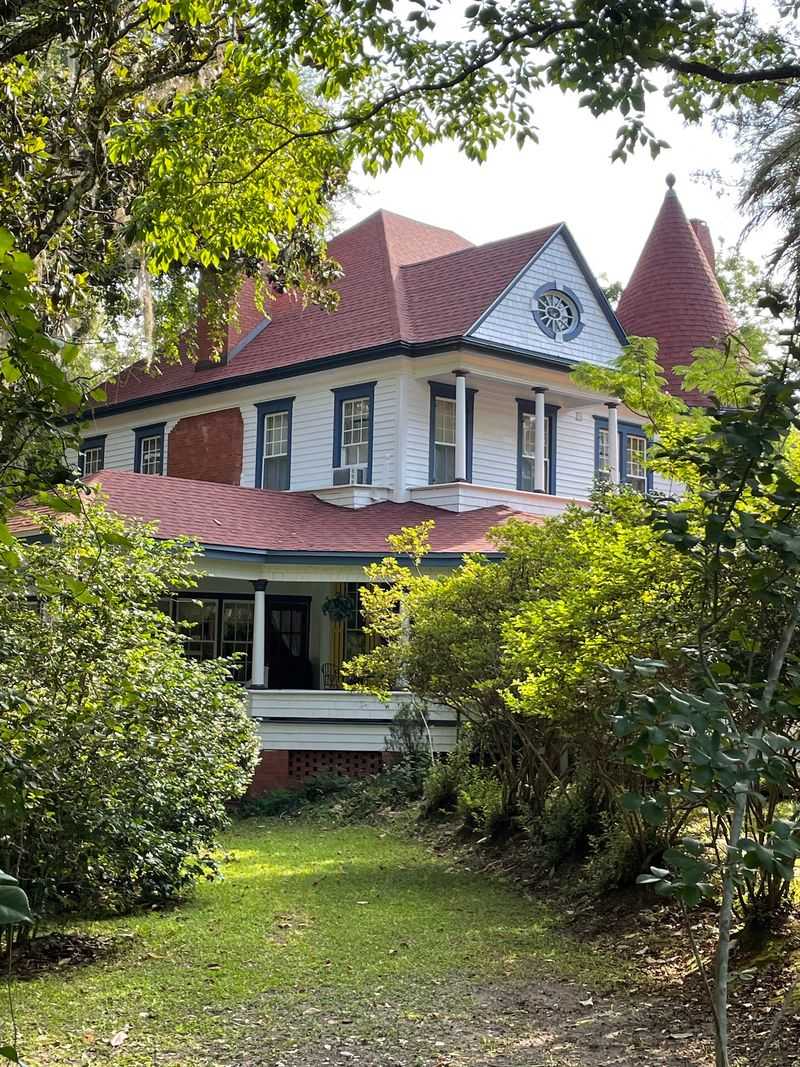
Zero traffic lights. Not one in the entire county, which makes this corner of Florida officially unique.
That single fact explains the mood better than any brochure could. Nobody honks.
Nobody rushes a yellow. Drivers actually let you cross.
Located about 23 miles northeast of Tallahassee and five miles north of I-10, the town sits close enough for a day trip yet far enough to feel removed from everything.
People here stop to chat on sidewalks. They smile at strangers and wave from porches, and it takes visitors about a day to stop finding that strange.
Slowing down changes what you notice. Carved porch brackets, old brickwork, birdsong, the way moss moves in the breeze.
None of that registers at highway speed.
Meals taste better too, since kitchens here lean on ingredients grown nearby rather than trucked across the state.
Overnight stays beat quick stops. Historic bed and breakfast homes let you experience the evening quiet, which is honestly the best part.
Cell service works fine, but you may find yourself checking your phone less. That happens naturally around here.
The town balances preserving its old buildings with welcoming new businesses, so it stays alive rather than frozen.
When did you last spend a full day without sitting at a single red light?
Odd Corners Worth Finding
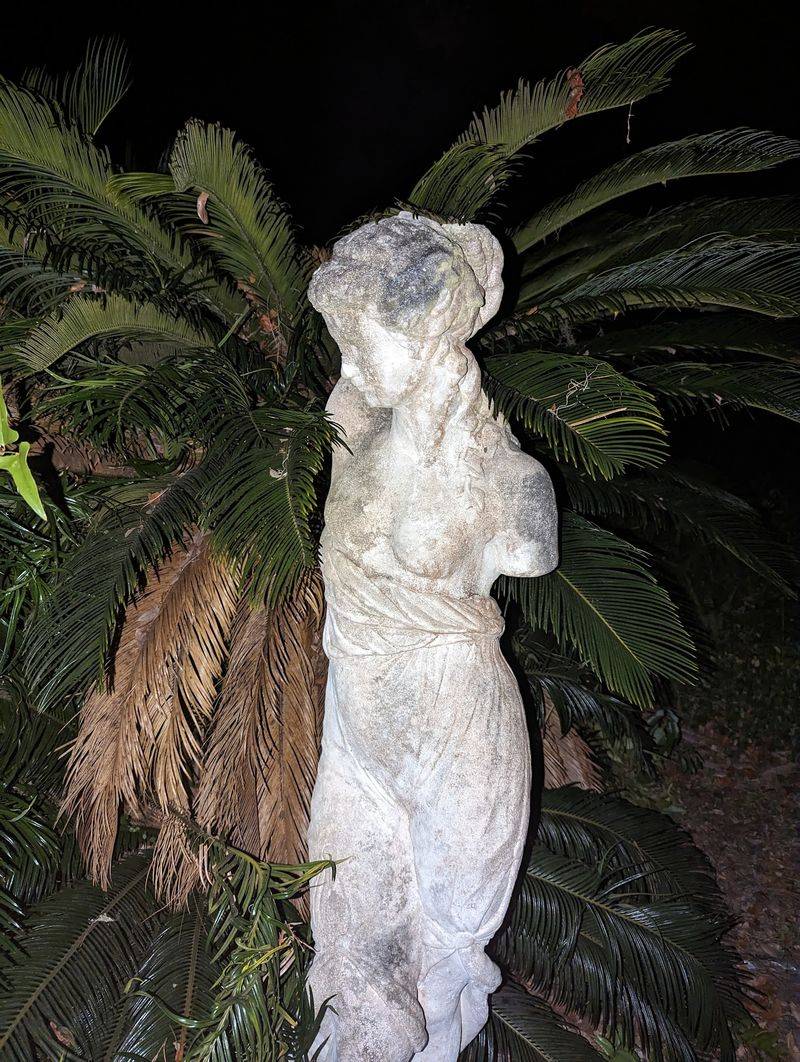
Ask a local about the whale garage and watch their eyes light up. Connected to the Nautilus Foundation, it refers to the ruins of one scholar’s wildly imaginative, never-finished sanctuary.
Weird? Absolutely.
Memorable? Even more so.
Places like this rarely appear on standard travel lists, which is precisely the point.
Solomon Lodge #6 carries far more weight historically. Established in 1868, it stands as the oldest African-American Masonic Lodge in the state of Florida, a landmark tied directly to the years after emancipation.
For the full backstory, the Jefferson County Historical Society and Museum holds artifacts, documents, and photographs covering generations of local life. Volunteers there often share details you cannot find online.
Fred Mahan Drive deserves a slow drive. Named for a nurseryman who donated thousands of plants to beautify the highway, it remains green and lovely decades later because one person cared.
Small discoveries like these turn a nice visit into a story you retell. Nobody else in your group will have heard of them.
Ask questions everywhere you go. Shopkeepers and guides know the odd corners better than any map.
Give yourself an unscheduled afternoon. The best finds here happen when you are not chasing a checklist.
Which would you track down first, mysterious ruins or a lodge with 150 years of history behind its door?