
The Quietest Fishing Lake Near Springfield, Missouri That Rarely Gets Crowded And Is Perfect For A Peaceful Day Outdoors
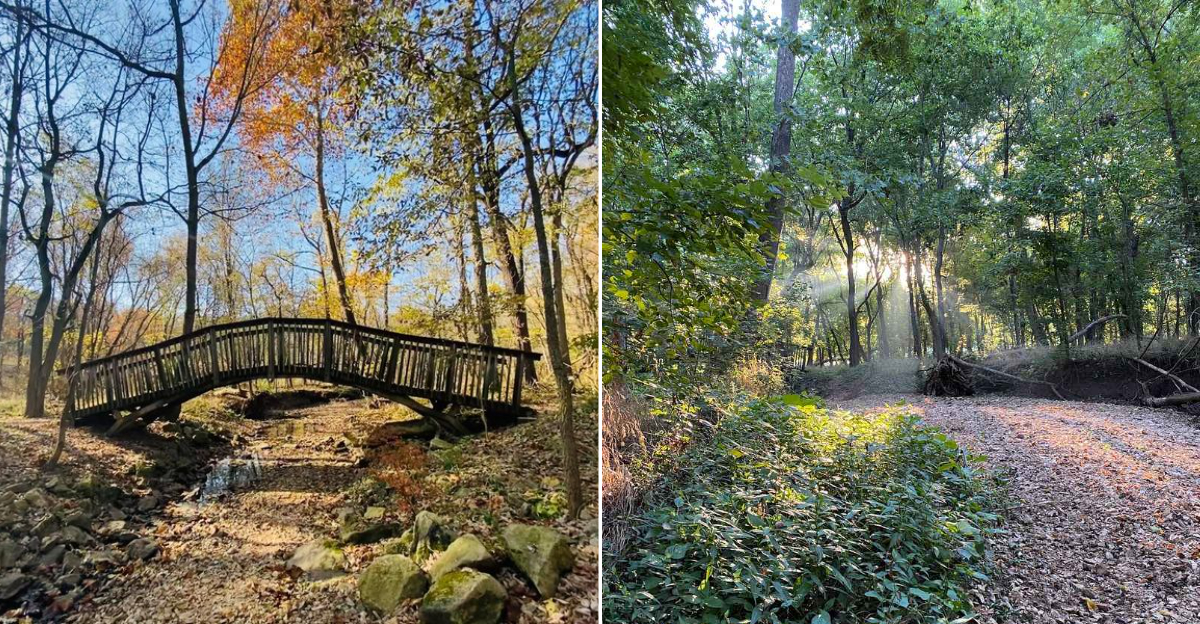
Fishing, a tent, and a relaxing weekend outdoors are just a small part of what you’ll find at this Missouri lake. Crowds stay light here, even during peak fishing seasons when other lakes nearby fill up fast.
The water stays calm enough for easy casting without much competition for good spots. Locals know this lake well, appreciating the quiet more than convenience or nearby amenities.
Nothing about the setting feels commercialized despite its appeal among those who’ve found it. Regulars treat this lake almost like a personal retreat, returning often for the peace it offers.
Photography and wildlife watching add another reason to slow down here beyond just fishing. This lake proved that sometimes the best outdoor days require nothing more than quiet water and patience.
Fishing Techniques That Work Best At Quiet Lakes
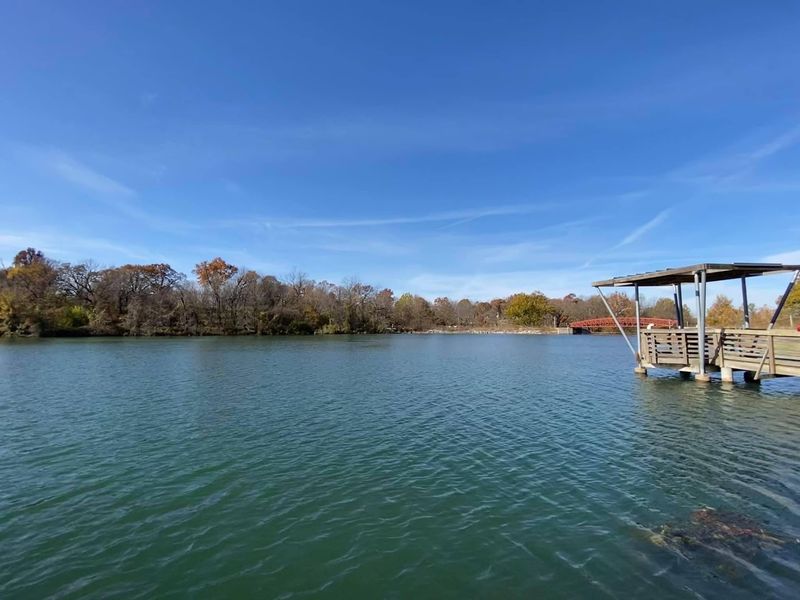
Patience beats power on a lake like this one. The Missouri Department of Conservation keeps the water stocked with bass, bluegill, and catfish, and those three species make up most of what comes to shore.
Largemouth bass, bluegill, and redear sunfish are the usual suspects, with black crappie swimming around too. Anglers who spot the bigger bass often do it by standing still and watching the shallows first, then casting second.
Clear water changes the game. A soft, natural bait presentation works better than anything flashy, and standing back from the edge keeps your shadow off the surface where fish can see it.
Keep the rod tip up and the line taut. That little bit of tension is what turns a nibble into a hookset instead of a shrug.
On bright, calm days, bass tuck into shade, near submerged vegetation, fallen logs, and brush piles. Drop a soft plastic or a jig-and-pig combo in there quietly, without the cannonball splash, and the odds shift in your favor.
Worms, minnows, and insect larvae keep the panfish honest. Fly casting with streamer flies or poppers near rocky stretches and weed beds during a still evening is another route worth trying.
The little fishing peninsulas jutting into the water give kids room to cast without hooking a tree or a sibling. Valley Water Mill Park sits at 2450 E Valley Water Mill Rd, Springfield, MO 65803.
Wildlife And Plant Species Around The Lake
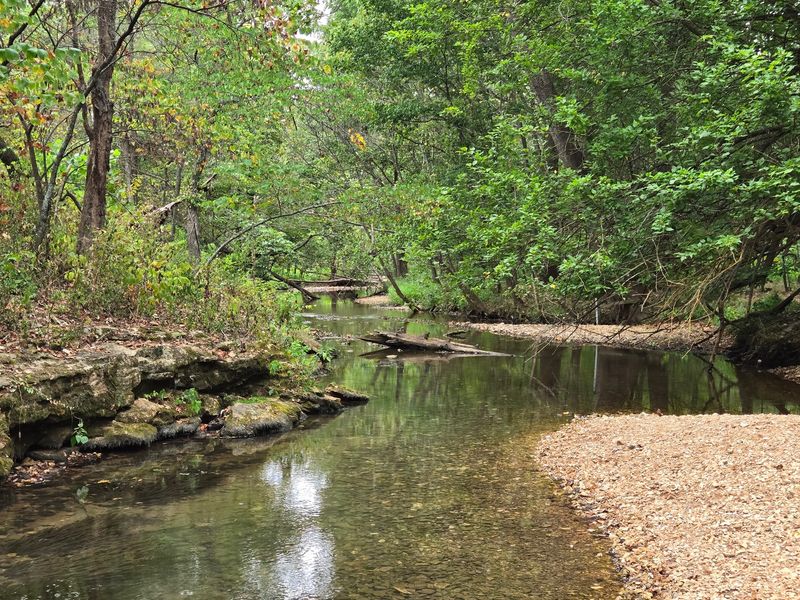
Think of the grounds here as the Ozarks in miniature. Streams, springs, caves, sinkholes, glades, woodlands, bluffs, and wetlands all crowd into one compact park, which explains why so much lives here.
The Springfield Plateau Master Naturalists have documented 399 plant species across the property. That is a wild number for a place you can walk around in under an hour.
Birders have logged more than 200 species. Waterfowl show up in winter, warblers stream through in spring, and Belted Kingfishers, Red-shouldered Hawks, and Eastern Bluebirds stick around all year.
Lucky visitors have spotted Yellow-crowned Night Herons and Barred Owls. A trick worth knowing is to listen for cardinals raising a fuss, since their alarm calls often give away an owl sitting nearby.
Beavers have left evidence in the area too, which means chewed stumps and rearranged sticks along the water. Geese and goslings patrol the shoreline like tiny grumpy security guards.
Creeks feeding the lake are shallow enough for kids to hunt crawfish. Turning over a flat rock and finding one waving its claws is a memory that beats most video games.
Ticks live here as much as the birds do, especially after rain. Long socks, bug spray, and a quick check afterward keep the day pleasant instead of itchy.
Ideal Weather Conditions For Peaceful Fishing
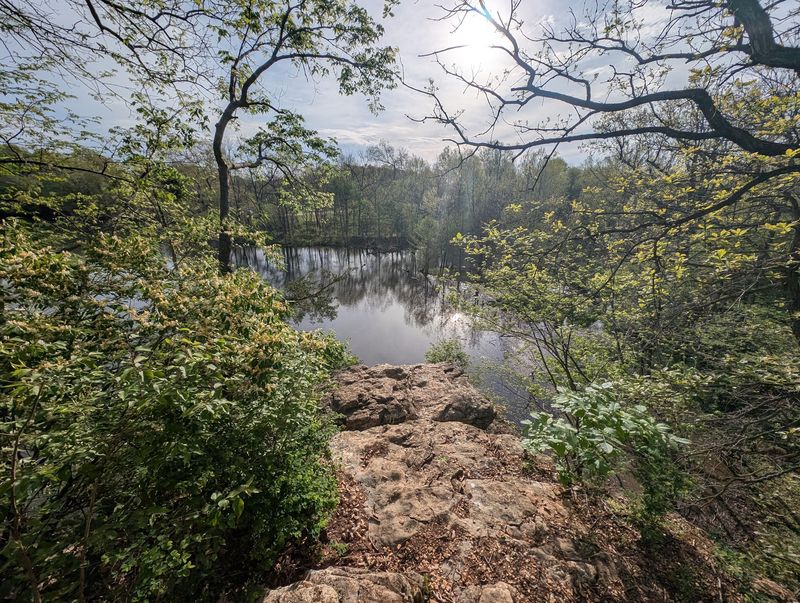
Weather does more work than tackle sometimes. Mild days between 40 and 60 degrees, with light cloud cover and steady barometric pressure, tend to line up with the best outings.
Overcast skies are quietly excellent. Less light filters into the water, so fish drift into shallower feeding areas instead of hiding in the deep shade all afternoon.
A drizzle without much wind can be even better. Rain cuts the glare and washes insects and bait into the lake, which sometimes kicks off a feeding frenzy near the banks.
Falling pressure ahead of a storm is a classic trigger. Fish get active in that pre-frontal window, so the hour before clouds roll in is often the busiest stretch of the day.
Bright, hot afternoons are the tougher call. Warm water makes fish cautious and pushes them toward cover, which means slower action and more time practicing your patience.
Breezes tend to move through this valley regularly, which helps on muggy summer days. A little wind also puts ripples on the surface, and ripples hide your line.
Storms are a hard stop. Water is not the place to be when thunder shows up, and the trails get slick and muddy fast, so heading back to the car early is simply smart.
Necessary Gear For A Calm Day Outdoors
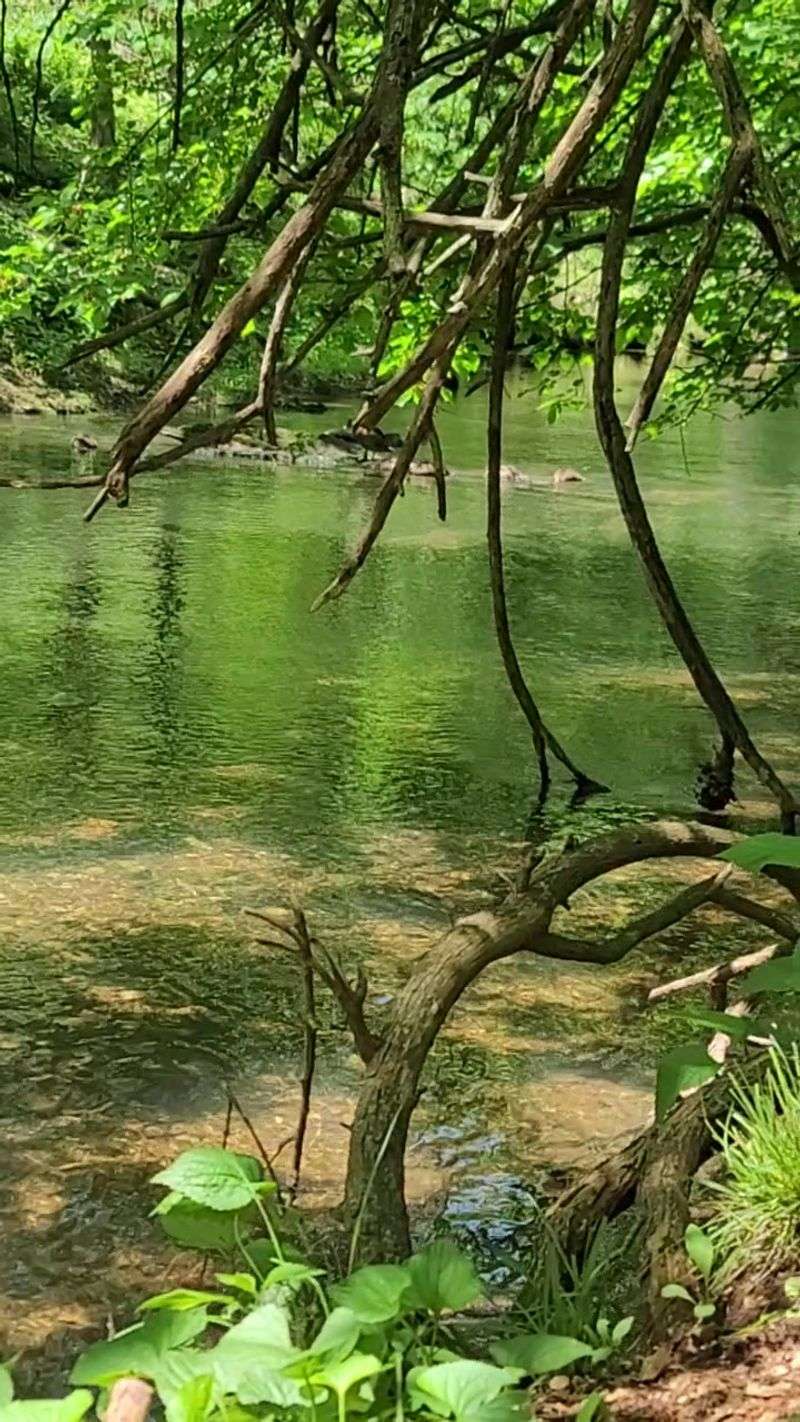
Packing light is the goal, but a few things are non-negotiable. Rod and reel, extra line, an assortment of hooks, plus weights or sinkers cover the basics.
Swivels, bobbers, and your preferred bait or lures round out the kit. A tackle box or soft bag keeps the small stuff from vanishing into the grass, which it absolutely will otherwise.
Polarized sunglasses earn their spot twice over. They cut glare so you can actually see those bass cruising the shallows, and they protect your eyes from stray hooks.
Sunscreen, a wide-brimmed hat, and bug repellent belong in the bag year-round. Mosquitoes and ticks near the creeks and wetlands do not take days off.
A valid Missouri fishing license comes before the first cast. Skipping it is the fastest way to turn a relaxing afternoon into an expensive conversation.
Bring a cooler with ice, water, and snacks, especially if you plan on keeping anything. Hydration matters more than people admit on humid Ozark afternoons.
Handy extras include a landing net, a knife, pliers for stubborn hooks, and a stringer or fillet board. Restrooms and picnic tables are on site, so a family setup works fine here.
Good shoes matter too. The unpaved trails hide rocks and roots that love ankles.
Safety Tips For Remote Fishing Environments
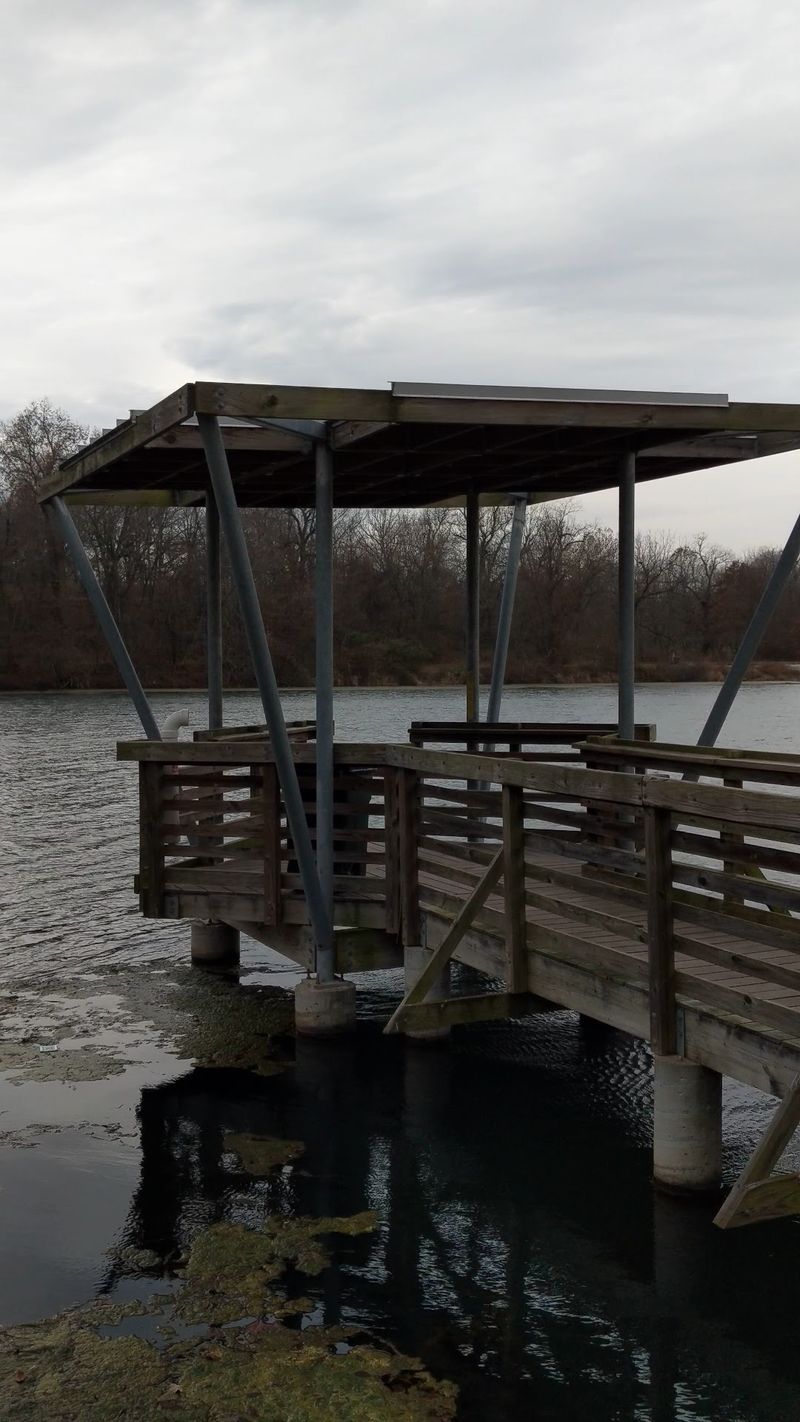
Calm scenery still deserves a little planning. Checking the forecast before heading out and being willing to bail if the sky turns ugly prevents most bad afternoons.
A stocked first-aid kit handles scraped knees, hook pricks, and blisters. Keeping a charged phone within reach covers the rest.
Footing is the real hazard here. Much of the trail system is unpaved with rocks, exposed roots, and steady elevation changes, so eyes on the ground beat eyes on the phone.
Paved sections and accessible fishing piers exist for anyone who wants an easier route. The bridge crossing over the dam is wheelchair accessible, which not every fishing spot offers.
Ticks and snakes come with Ozark territory. Staying on cleared paths, wearing long pants in tall grass, and doing a quick check before driving home keeps things simple.
Dogs are welcome on leash, and cleaning up after them is part of the deal. Leash rules also keep pups from surprising a heron or a snapping turtle.
One rule matters more than the rest. No swimming, wading, or boating is allowed, because the lake feeds the city drinking water supply.
The gate at the parking lot locks at sundown. Nobody wants to end a peaceful day negotiating with a padlock.
Best Times Of Year To Visit For Solitude
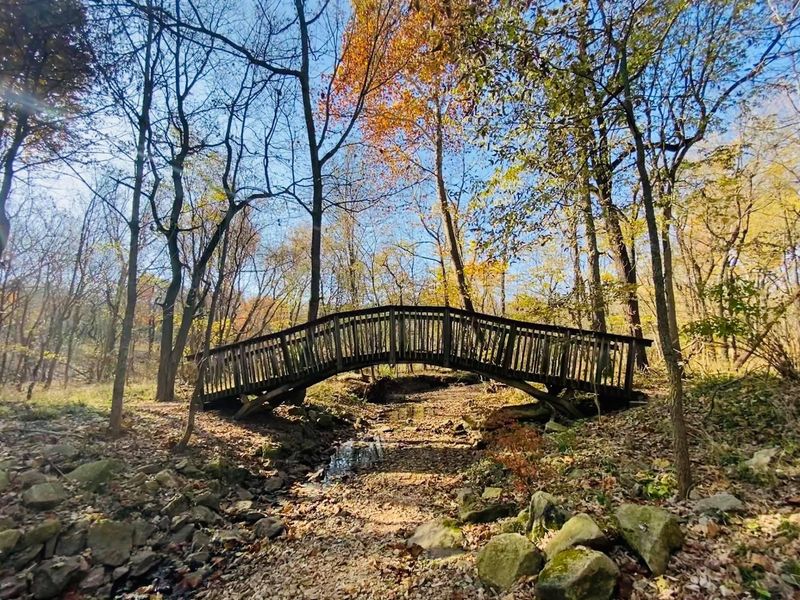
Late fall and early spring are the sweet spots. Fishing tends to be strong in those windows, and the parking lot stays a lot emptier than it does in July.
Time of day matters just as much as the season. Early morning and late evening bring the quietest water, and fish are usually more willing to cooperate then.
Summer evenings can get surprisingly busy. Families, walkers, and other anglers all discover the same idea at once, so a weekday morning beats a Saturday sunset for solitude.
Winter brings waterfowl to the lake and strips the leaves off the trees, which opens up views of the spring and the creek channels. Cold air also thins the crowd considerably.
Spring migration turns the place into a birding stop. Warblers move through, the creeks run full, and goslings waddle around the shoreline like they own the deed.
Gates open at 7 AM, and the park closes at 8 PM, with the lot locked right at sundown. Planning around that keeps the trip stress-free.
Algae can build up on the surface during hot stretches. Fishing still happens, but the water looks better in cooler months.
How To Leave No Trace While Enjoying Nature
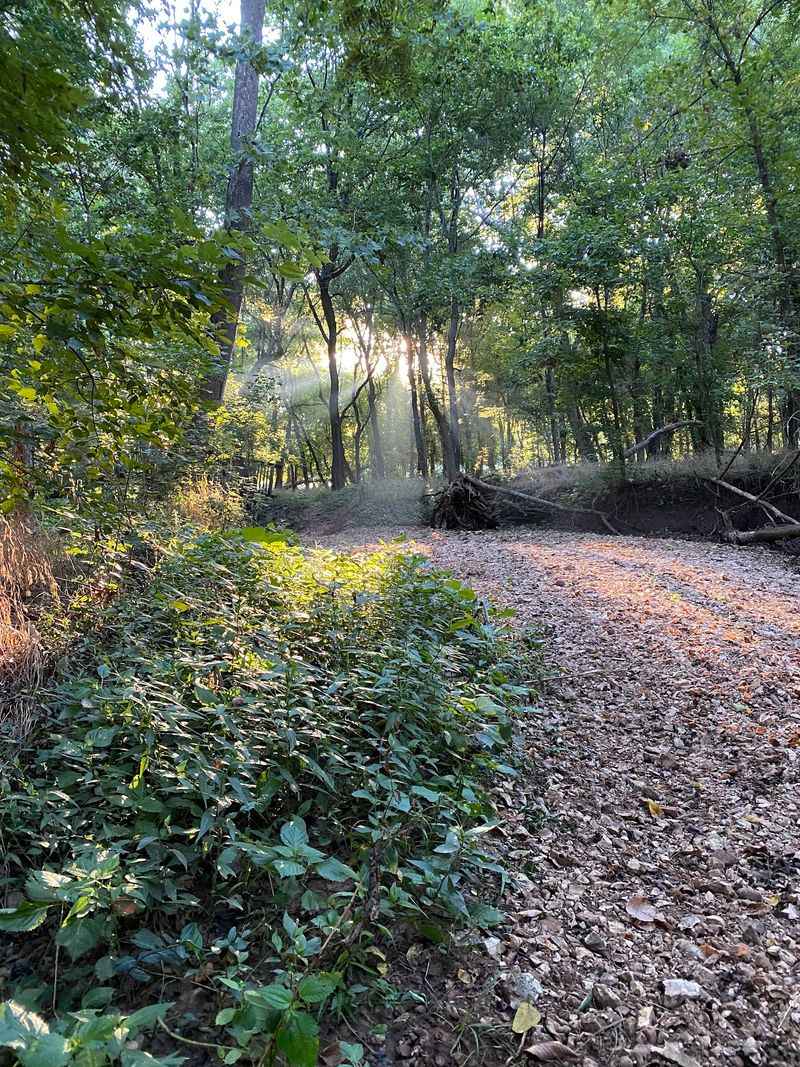
The park staff clearly put work into preserving the marshes and setting fishing limits, so meeting them halfway feels fair. Everything packed in goes back out, including snack wrappers and bait containers.
Used fishing line deserves special attention. It takes hundreds of years to break down and tangles birds, turtles, and anything else that swims past it.
Swapping lead sinkers and jigs for tungsten or stainless steel keeps toxic metal out of the food chain. Small change, real difference for the wildlife here.
Sticking to established trails and designated fishing access points protects the glades and wetlands. New shortcut paths trample plants that took years to settle in.
With 399 documented plant species around, leaving rocks, flowers, and cool-looking sticks where they sit matters. Photos travel home better than souvenirs anyway.
Catch-and-release works best with care. Wet your hands first, use a rubber net instead of cloth, and keep the fish out of the air only as long as necessary.
Noise is the last piece. Keeping voices low preserves the quiet that draws people out here in the first place, and it keeps the herons from flushing.
Leaving a spot cleaner than you found it costs about two minutes.
Benefits Of Fishing For Relaxation And Wellness

There is a reason people describe this place as somewhere they can read a book uninterrupted. Sitting near moving water with a line out does something measurable to a stressed-out brain.
Rhythmic casting and the sound of water lower cortisol and nudge the mind into a calmer, almost meditative state. No app required.
Time outdoors also restores attention. After a week of screens and meetings, a couple of hours watching a bobber resets mental focus better than most breaks.
Physically, fishing is a low-impact workout. Arms, shoulders, and core all pitch in with every cast and reel, and walking the loop around the lake adds a mile or two.
Sunlight helps your body make Vitamin D, which supports bone health and lifts mood. The shaded stretches of trail give you a break when the sun gets pushy.
Patience, focus, and figuring out what the fish want on any given day keep the mind sharp. Problem-solving disguised as recreation.
Landing even a hand-sized bluegill delivers a small hit of accomplishment. Kids especially light up over it, and that confidence travels home with them.
Benches sit along the trail for anyone who just wants to sit and watch geese instead. That counts as fishing too, more or less.