
The Wisconsin Marsh Where Birdwatchers Travel From Across The Country
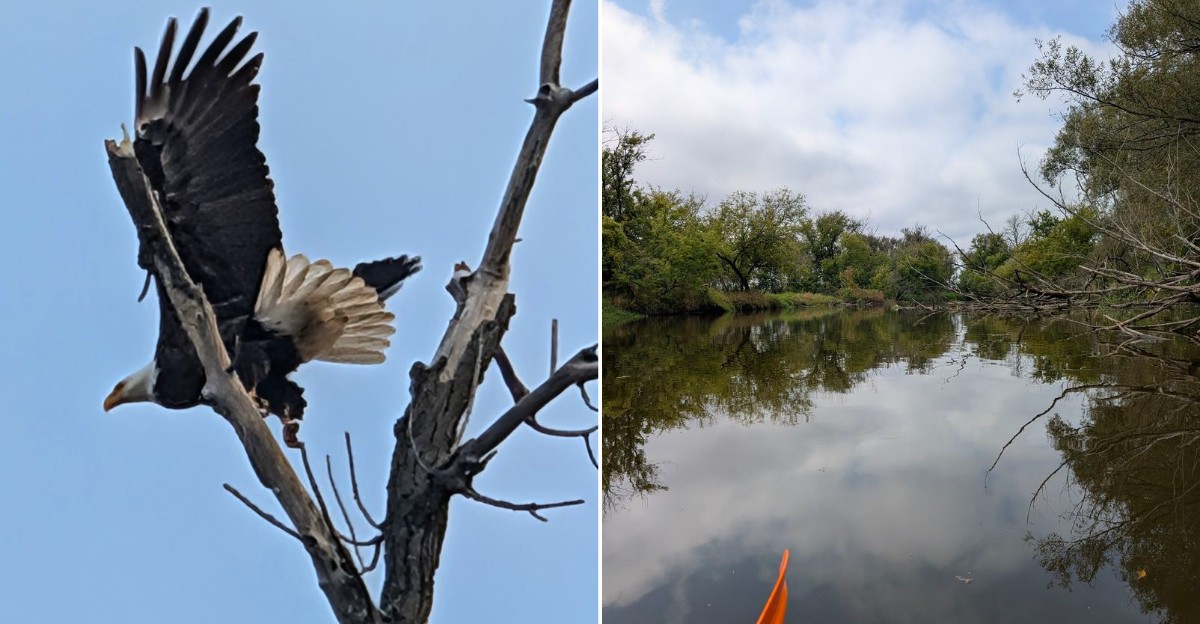
Over 200,000 Canada geese can stop at one marsh during migration. That’s a lot of honking for a single pit stop. More than 300 bird species have been spotted here over the years. Some are rare finds, like glossy ibis, cinnamon teal, and even golden eagles.
I can see why people make a special trip with binoculars packed before breakfast.
This giant cattail wetland sits in Wisconsin, and it carries serious bragging rights. It holds international recognition as a Wetland of International Importance. It’s also a Globally Important Bird Area, which sounds like a title birds should put on their resumes.
I appreciate that you don’t need fancy gear to enjoy it. Flat trails, a boardwalk, and an easy overlook make the show simple to catch. I’d probably spend more time looking up at the sky than checking where I was going next.
Thousands Of Wings Make This Marsh A Bucket-List Stop
Bird lovers call the Horicon Marsh State Wildlife Area a must-see for good reason. The whole marsh spans more than 33,000 acres, making it one of the largest freshwater cattail marshes in the country.
The state-run section covers the southern third, about 11,000 acres. The Wisconsin Department of Natural Resources manages it, while the federal Horicon National Wildlife Refuge holds the north.
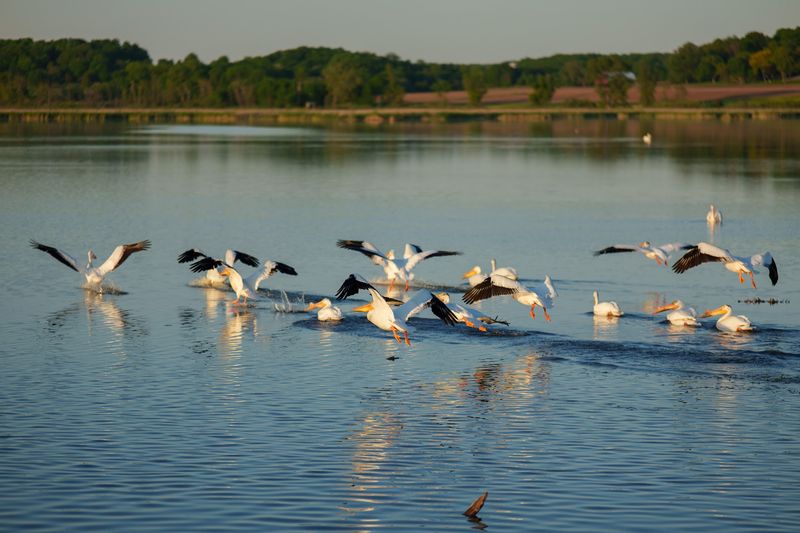
Over 300 bird species have been recorded across the marsh. That number alone makes serious birders start checking their calendars. The list reads like a field guide come to life. You might spot herons, egrets, pelicans, cormorants, sandhill cranes, and marsh wrens.
Ducks steal plenty of attention too. Mallards, green-winged teal, northern pintails, gadwalls, and redheads all show up here. Smaller birds join the party in the woods and grasses. Great-crested flycatchers, northern flickers, and eastern wood pewees round out the cast.
The marsh is officially named a Wetland of International Importance. It’s also recognized as both a Globally and State Important Bird Area. My advice is simple. Bring binoculars, a field guide app, and more patience than you think you need.
Fall Turns The Sky Into A Goose Highway
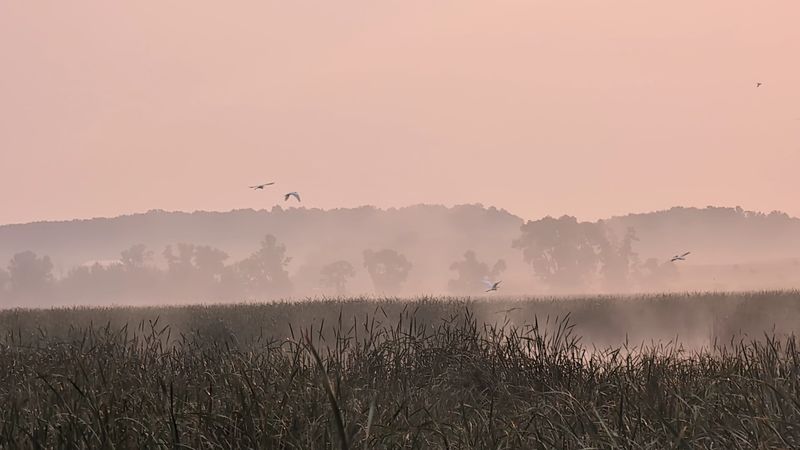
Mid-September through mid-November is when the marsh really shows off. That’s the window for the biggest numbers of migrating ducks, geese, and sandhill cranes.
Canada geese are the headliners. More than 200,000 of them often stop here to rest and refuel during spring and fall travel.
Geese weren’t always the main focus, though. Managers began paying close attention to them in the late 1940s and early 1950s. Spring brings its own crowd of travelers. Many songbirds and waterbirds pass through as they head north.
Timing matters if you want the full effect. Early mornings and evenings are classic times for birds to move between feeding and resting spots. Sandhill cranes add a soundtrack all their own. Their calls carry across open wetlands in a way that’s hard to describe and easy to remember.
Dress in layers for fall visits in Wisconsin. Marsh weather can shift quickly, and wind often sweeps across the open cattails. Pack a thermos, a camera, and a lot of curiosity. Then let the geese handle the entertainment.
Redhead Ducks Picked This Spot For Their Nursery
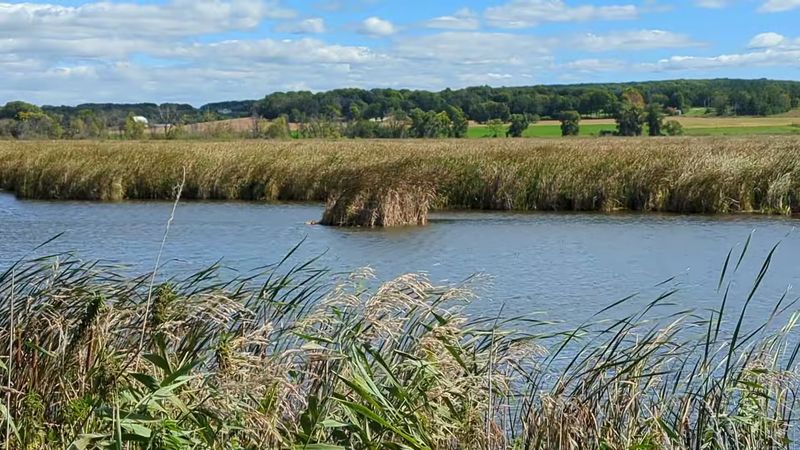
Here’s a fun bragging point for duck fans. About 2,000 to 3,000 redhead ducks use the marsh each year. That makes it one of the largest redhead nesting areas east of the Mississippi River. Not bad for a duck with such a simple name.
The federal refuge to the north was created specifically for redheads in 1941. The state area came first, established in 1927 and restored mainly for duck hunting. Both sections share a bigger purpose today. They provide nesting and resting space for waterfowl moving through the region.
Rare visitors keep birders on their toes. Sightings have included horned grebes, brant, black-bellied whistling ducks, and Eurasian wigeon. Some unusual birds show up on the woodland edges too. Even a tufted titmouse counts as a notable find here in Wisconsin.
Pied-billed grebes are worth looking for in summer. These small divers can vanish underwater and pop up somewhere totally unexpected. Keep a quiet pace and scan the open water slowly. The most exciting birds often sit just beyond the first row of cattails.
Start Your Visit Where The Marsh Explains Itself
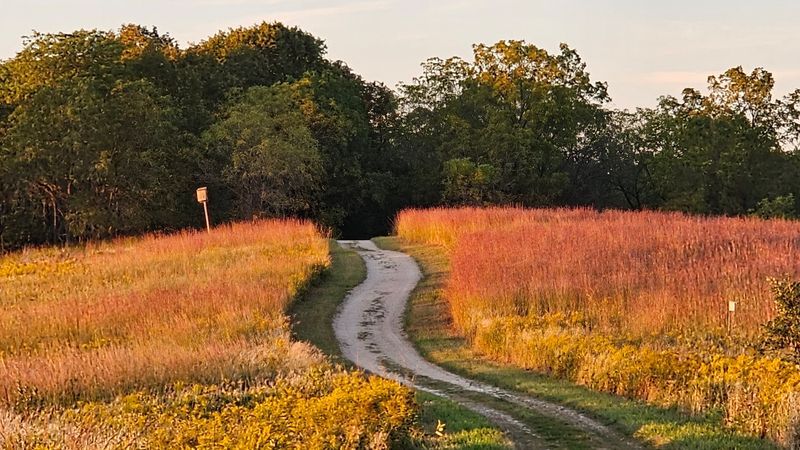
A smart first stop sits right on Highway 28. The DNR Horicon Marsh Education and Visitor Center is located at N7725 WI-28, Horicon, WI 53032.
Inside, the Explorium features interactive displays about the marsh and its history. It’s a handy way to understand what you’re looking at before hitting the trails.
Staff can share visitor information and help you plan your route. Ask about recent bird activity, since conditions change from week to week.
The center opens weekdays from 9 a.m. to 4 p.m. and weekends from 10 a.m. to 4 p.m. It’s closed on Sundays from November through mid-March and on major holidays, with limited winter hours possible.
Naturalist programs happen here too. During spring and fall migration, visitors can also enjoy seasonal educational programs. Those programs are great for beginners. A naturalist can turn a blur of brown feathers into a bird you’ll recognize next time.
Families will appreciate the hands-on approach. Kids get to explore and learn without a lecture-style feel. Grab your bearings, a trail map, and a few good questions. Then head outside with a much sharper eye.
Easy Trails Mean More Looking And Less Huffing
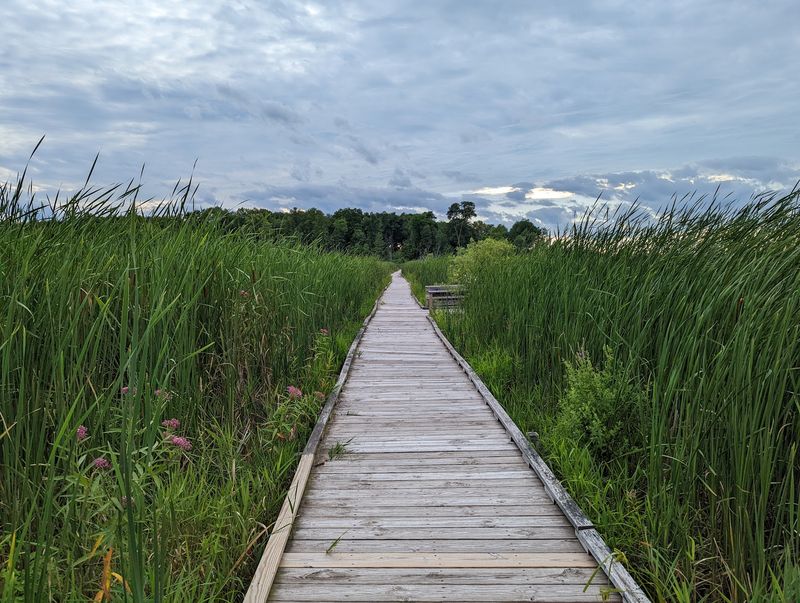
Good news for anyone who prefers birds over hills. The Horicon Marsh State Wildlife Area offers more than five miles of trails that stay flat and easy. Surfaces are mostly mowed grass and gravel. The paths wind through woodlots, planted prairies, and marshland.
Quick’s Point Loop covers 1.9 miles. Indermuehle Island Loop is a shorter 0.8 miles, perfect for a quick wander. Bachhuber Loop stretches 2.3 miles for those wanting a longer outing. It’s a nice choice when you have time to stop often.
The Horicon Habitat Hike adds a learning twist. Its 26 interpretive signs explain woodland, wetland, and grassland habitats and how they’re managed. Accessibility gets real attention here. A quarter-mile boardwalk trail welcomes wheelchairs and strollers.
Trails open daily from 5 a.m. to 10 p.m. all year. That gives early risers plenty of time to catch dawn activity. Wear waterproof shoes after rain, since grass trails can stay damp. And maybe skip the brand-new sneakers.
Grab A Paddle And Meet The Birds At Eye Level
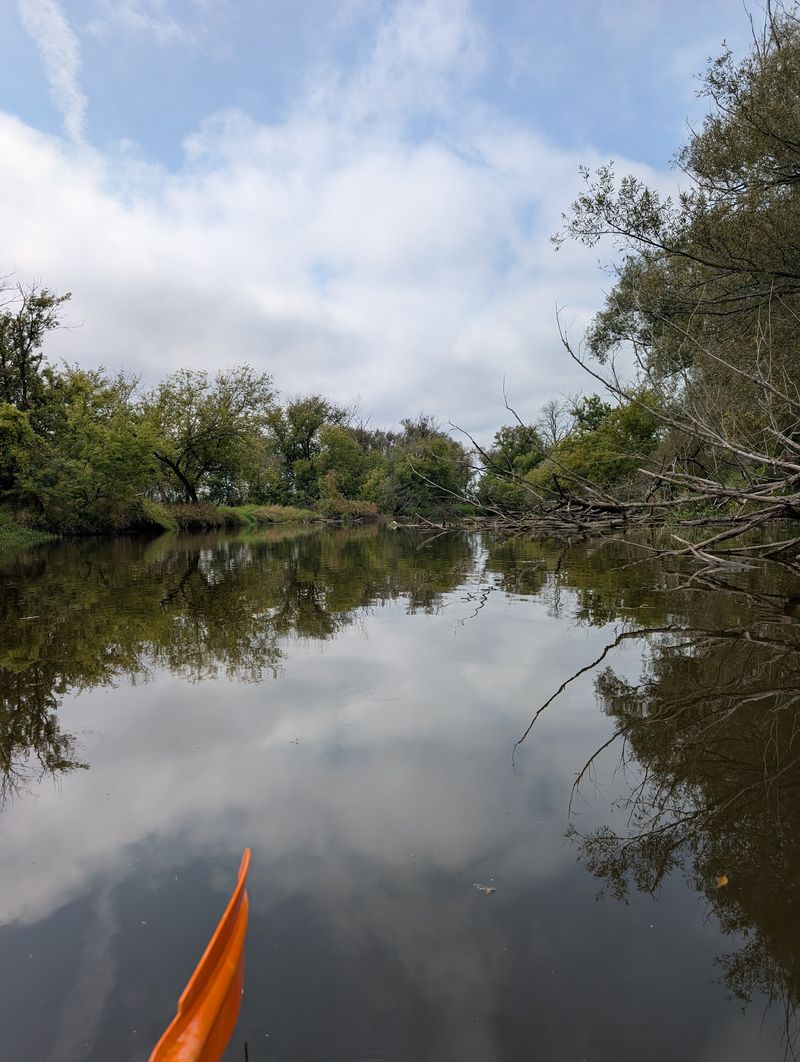
Some of the best views come from the water itself. Canoeing or shallow-draft boating is a fantastic way to explore the state area.
A paddling route runs about 6 to 6.5 miles through the marsh. You can launch from Greenhead Boat Landing, with other access points available along the marsh.
The route wraps up at the Nebraska Street Boat Landing in the city of Horicon. That makes planning a one-way trip pretty straightforward. Canoe and kayak rentals are available nearby. So you don’t need to strap a boat to your car to join in.
Paddling lets you glide quietly past cattails and open pools. Herons, ducks, and turtles may feel less bothered by a silent boat. Plan for a shuttle or a second vehicle at the end. Otherwise, your fun trip becomes a very long walk back.
Check the wind before heading out. Open marsh water can get choppy fast on breezy days. Bring sunscreen, water, and a dry bag for your phone. A soggy camera is nobody’s favorite souvenir.
Not Into Long Walks? These Viewpoints Have Your Back
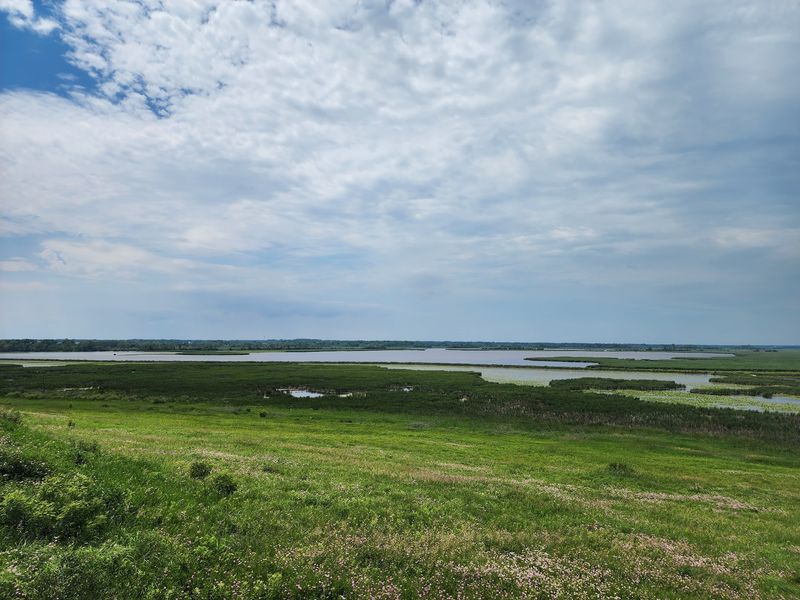
Great birding doesn’t always require miles of hiking. The Palmatory Street Overlook proves that nicely. It sits north of Highway 33 in the city of Horicon. An observation deck gives sweeping views across the marsh.
You can spot plenty of birds without much walking at all. It’s a solid pick for grandparents, little kids, or tired legs.
Bring a spotting scope if you own one. Distant ducks become a lot more interesting when you can actually tell them apart.
Bicycling is another option for covering ground. Some trails allow bikes, and the Wild Goose State Trail connects to the area. Visitors also enjoy photography, geocaching, and fishing here. There’s room for many different kinds of outdoor fun.
Winter doesn’t shut things down either. Snowshoeing and cross-country skiing keep the marsh busy after the cattails go golden and stiff. Mix and match your day. A quick overlook stop, a short bike ride, and a trail loop make a pretty great Wisconsin afternoon.
Glaciers, Ancient Mounds, And A Lake That Disappeared
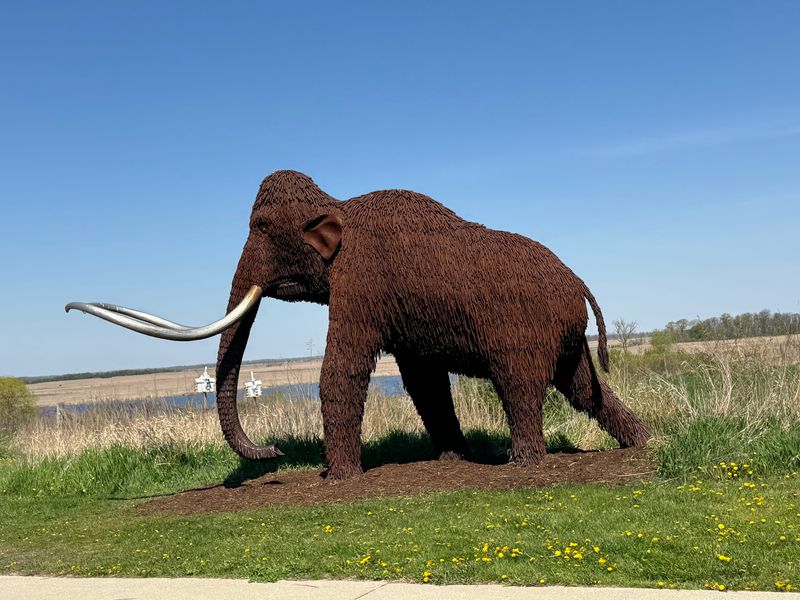
Ice did the original landscaping here. The Green Bay lobe of the Wisconsin glaciation shaped the marsh during the Ice Age. Dodge County has the world’s highest concentration of drumlins. These are smooth, rounded hills left behind by moving glaciers.
People have lived around the marsh for at least 12,000 years. Paleo-Indians, Hopewellian people, and Mound Builders all called this area home.
Dozens of effigy mounds about 1,200 years old still remain on nearby ridges. They’re a powerful reminder of how long this place has mattered.
Then came a strange chapter. A dam built in 1846 turned the marsh into Lake Horicon. At the time, it was considered the largest man-made lake in the world. The dam came out 23 years later, and the marsh returned.
Farm drainage hit hard in the early 1900s. Restoration efforts began in 1921 and led to the state area in 1927. The marsh gained Ramsar recognition in 1991. It’s also part of the Ice Age Scientific Reserve, which feels fitting.
Mark Mother’s Day Weekend For The Big Bird Party
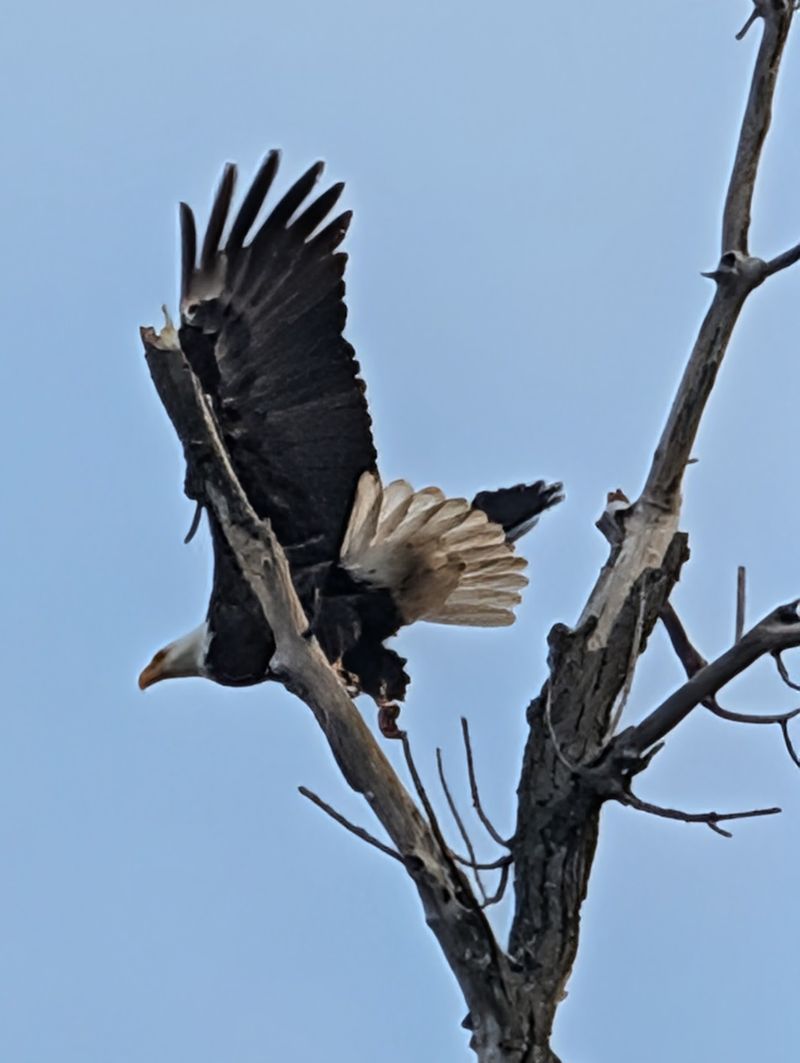
Every spring, the marsh throws a celebration birders plan around. The Horicon Marsh Bird Festival happens each year on Mother’s Day weekend. In 2026, the festival took place from May 8 through 10. That’s prime time for spring migrants moving through Wisconsin.
The lineup goes well beyond a simple walk. Guided birding hikes, educational programs, and exhibits fill the schedule. Bus tours and boat tours offer different ways to see the marsh. Whooping Crane tours add a special highlight for many attendees.
Vendors round out the festival experience. You can browse gear and goodies between outings. Beginners will find this a friendly place to learn. Experts lead the way, so you can focus on spotting rather than guessing.
Outside the festival, weekend naturalist programs run during migration seasons. The Horicon Marsh State Wildlife Area stays busy with learning chances throughout the year. Sign up early for tours when registration opens. Popular trips tend to fill, and nobody wants to miss the cranes.