
These New York Baking Classes Where You Take Home Everything You Make
Flour on your sleeve, sugar under your nails, and a box of pastries riding the train home with you. That is the actual reward at seven baking classes in New York, where the lesson ends and everything you shaped goes into your bag.
Somebody hands you a rolling pin. They walk you through the parts that go wrong when you try this at home, which is most of it.
Then they send you out the door with your croissants, your cookies, your cake, none of it staged for a photo and all of it yours.
Recipes are easy to find. Someone standing beside you saying you are overworking the dough is harder, and that is what you are actually paying for. The pastries are just the receipt.
1. Sur La Table Cooking Class – Chelsea Market, Manhattan
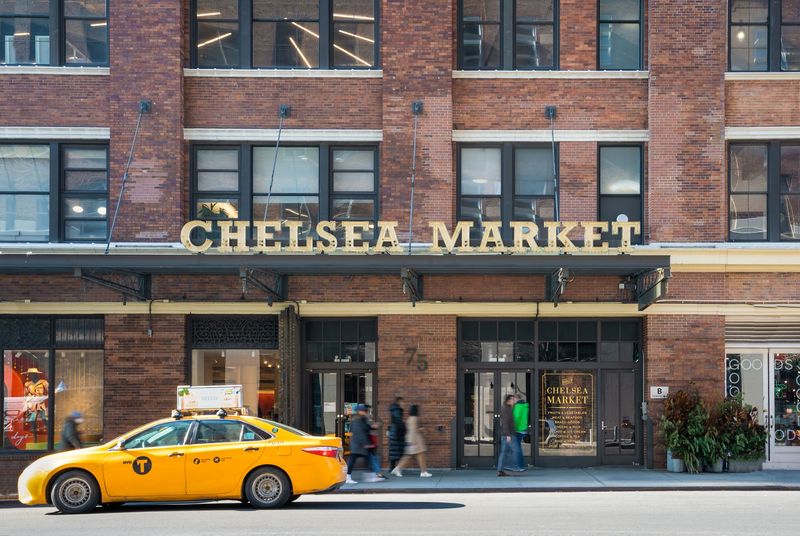
Cookware shops usually sell you the pan and wish you luck. Sur La Table hands you the pan, the recipe, and a chef who will not let your meringue flop.
The teaching kitchen sits inside Chelsea Market at 75 Ninth Avenue, so you can browse the food hall before class and pretend it was research. Baking sessions rotate through croissants, macarons, pies, and layered cakes.
Stations come stocked with weighed ingredients, and each person gets real hands-on time instead of watching from a stool. Instructors circle constantly, tapping your dough and telling you exactly why it feels too warm.
Everything you shape goes home with you in a box, which is the whole point. Groups of four share a station, so bring a friend or make one over a shared bench scraper.
Classes run two to two and a half hours, and prices land in the mid-range for New York cooking schools. Sign up early for weekend slots because they fill quickly.
Beginners fit right in here. Nobody expects you to know what lamination means before you walk through the door, and you will leave saying it like a pro.
2. Mille-Feuille Bakery Croissant Workshop – Greenwich Village
Croissants have a reputation for being impossible. Mille-Feuille disagrees, and they will prove it with butter and patience.
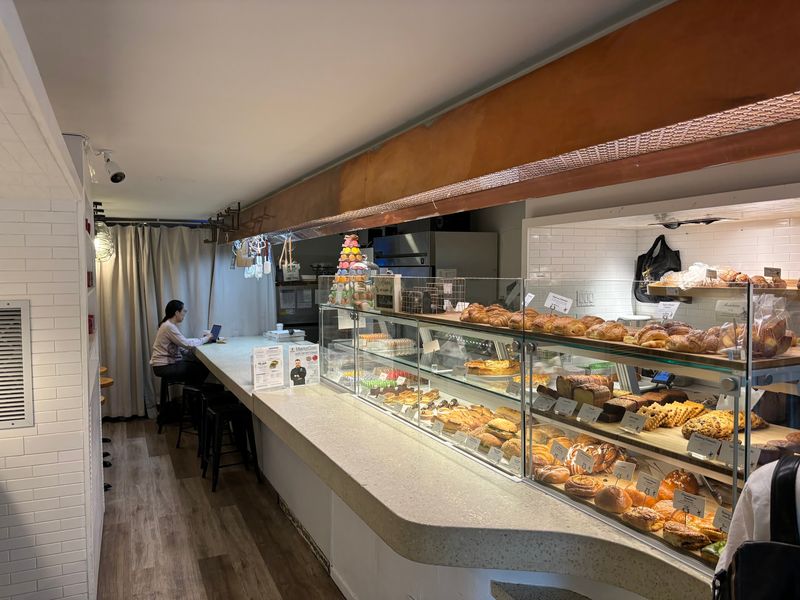
The French bakery at 552 LaGuardia Place teaches croissant and pastry workshops led by their own bakers, who trained in classic technique and still smile about it. You learn the folds, the chilling, the rolling, and the reason your kitchen counter matters.
Dough moves slowly, so classes are paced with breaks where you taste the finished versions and compare them to your work in progress. It is humbling and delicious at the same time.
Every croissant, chocolate-filled or plain, comes home in a bag that will not survive the trip uneaten. Consider that a compliment to yourself.
Fun bit of history: the bakery is named after the layered pastry that stacks puff pastry and cream, a French classic that takes real skill to build straight.
Space is small, which means the instructor actually knows your name by the end. Book ahead, wear sleeves you do not love, and accept that flour will find your shoes.
Skill level required is honestly zero. Curiosity does most of the work.
3. Institute of Culinary Education Recreational Baking – Battery Park City
Professional kitchens rarely open their doors to weekend hobbyists. This one does, and the equipment alone justifies the trip.
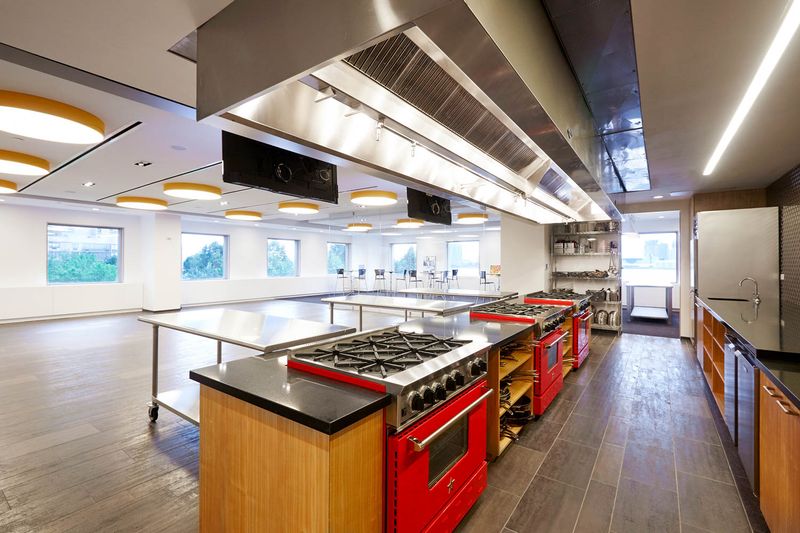
Recreational classes run at 225 Liberty Street inside Brookfield Place, using the same kitchens the degree students work in. Marble slabs, deck ovens, and proper mixers all come standard.
Hudson River views through the windows make your piping bag feel considerably more glamorous than it deserves. The setting is genuinely impressive.
Baking topics rotate through the calendar. Macarons, cake decorating, pie crusts, laminated dough, and holiday cookies all appear depending on the season.
Chef instructors carry serious credentials without any of the attitude that sometimes travels with them. Explanations land clearly, and nobody makes you feel foolish for asking why your dough looks wrong.
Students work in pairs or small groups, and everything finished leaves with you. Bring a bag with real structure, because a cake box on the subway needs support it will not get from a tote.
Sessions typically run three to four hours. Prices sit above a neighborhood workshop, though the instruction and facilities explain the gap honestly.
Beyond recipes, you pick up habits. Mise en place discipline, cleaner scaling, and better oven awareness all carry into your own kitchen afterward.
Summer camps run for kids as well, split between savory and pastry tracks.
Check the calendar monthly, since offerings shift with the seasons and popular sessions book out. New York rewards planners here more than most places.
4. Milk Bar Style Cake Decorating – Manhattan Pop-Ups
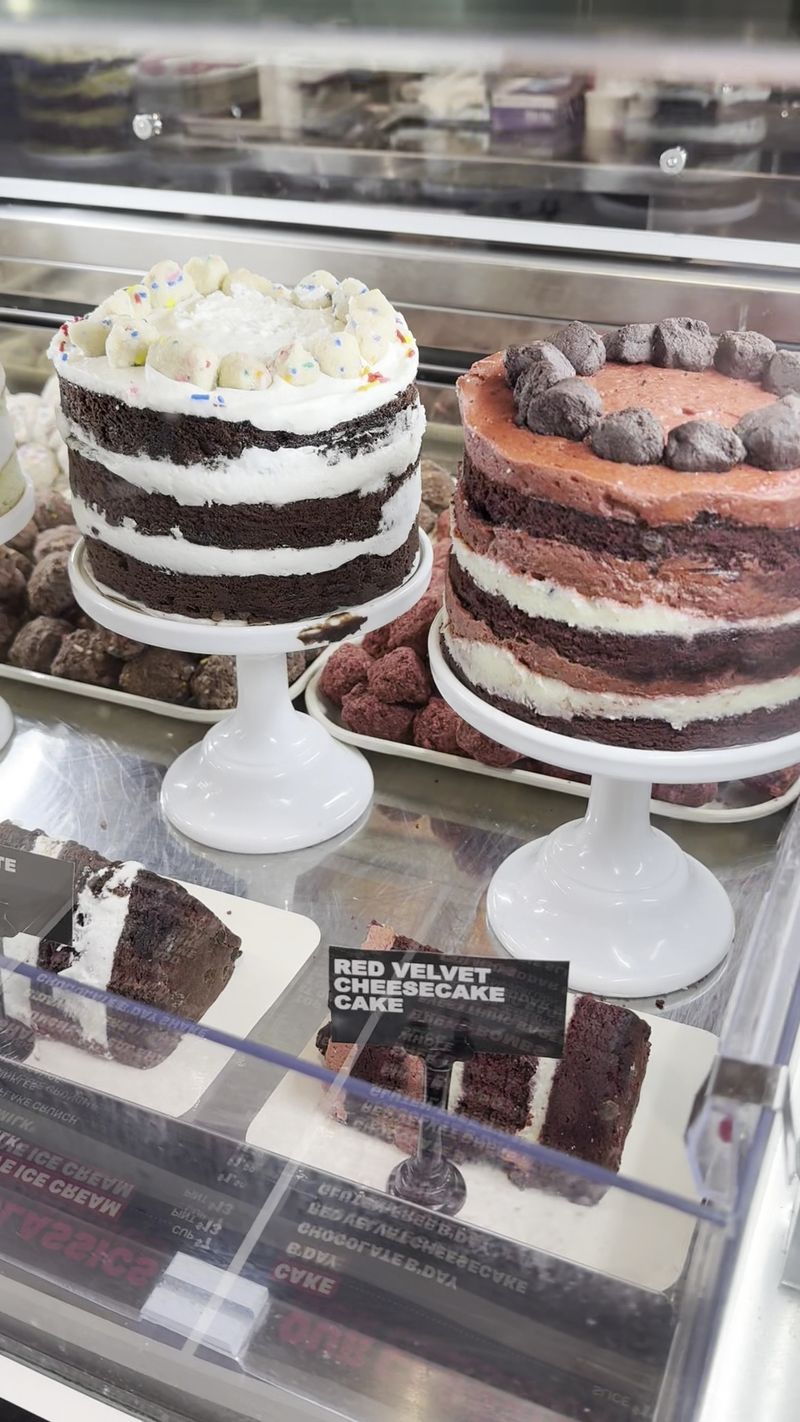
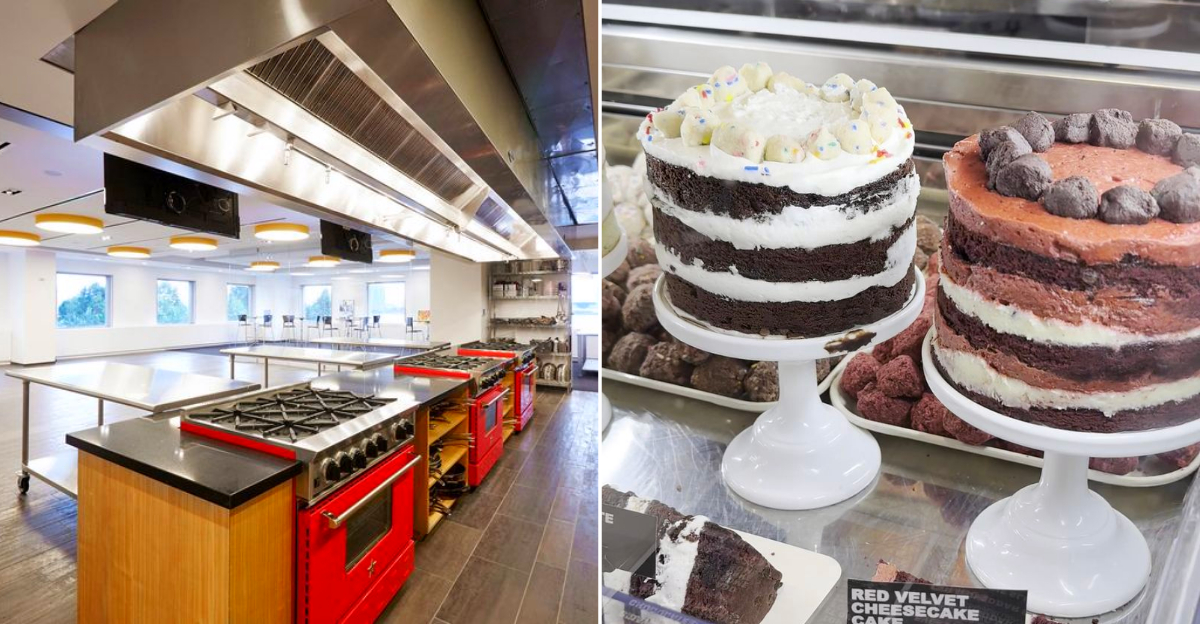
Layer cakes with visible stripes of frosting and crumb changed birthday expectations forever. Decorating classes around Manhattan teach exactly that construction trick.
Instructors show you how to build a cake in a ring mold, soak the layers, spread filling evenly, and finish with crumbs on top. The result looks like a bakery display and tastes better because you made it.
Offset spatulas become your new favorite tool. Turntables help, and yes, you can buy a cheap one that works fine at home.
Your entire cake leaves with you, boxed and ready for whatever celebration you invent. A Tuesday counts as a celebration.
Look for these workshops through pastry chefs hosting at rental kitchens and event spaces around Chelsea, the Lower East Side, and Midtown. Schedules shift, so following the instructors directly works better than hunting one address.
Two hours is the usual runtime, and no experience is expected. If you can spread peanut butter on toast, you can frost a cake.
Sprinkles are not optional in New York cake culture. Use more than feels reasonable and thank yourself later.
5. Miette Culinary Studio Pastry Sessions – Greenwich Village
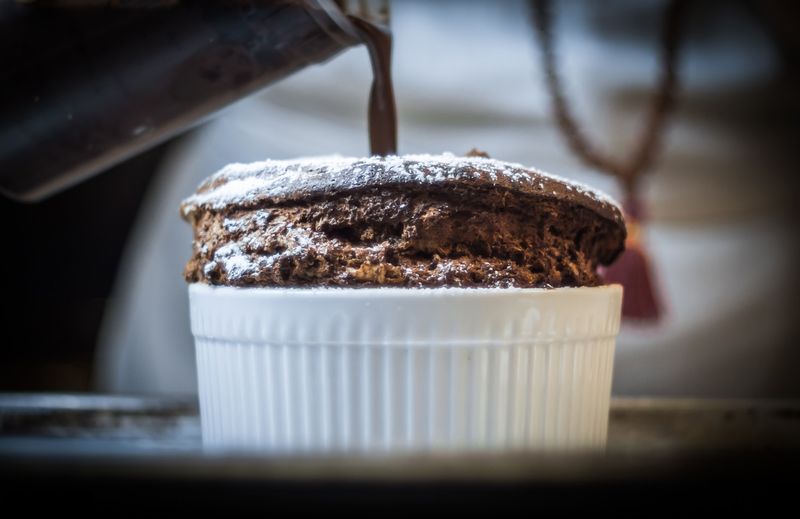
Small studios beat giant kitchens when you want real attention. Miette Culinary Studio has been running intimate classes in the Village for years.
The studio sits at 109 MacDougal Street, a walk-up space that feels more like a friend’s very well-stocked apartment than a school. Class sizes stay tiny on purpose.
Pastry offerings cover tarts, pies, French desserts, and seasonal treats, with the chef guiding each step. Questions get answered fully instead of shouted over a crowd.
Everything baked belongs to the bakers, so plan your route home accordingly. Tarts travel better than you expect if you hold them level.
Kids classes and camps run here too, alongside adult evening sessions and private group bookings. Birthday parties turn into pastry workshops, which beats a bowling alley.
The name comes from the French word for crumb, a small nod that fits the cozy scale of the place. Details like that make the experience stick.
Booking directly is the move since spots are limited. New York rewards people who plan ahead, and a warm tart on your kitchen counter is proof.
6. Atelier Sucre – East Village, Manhattan
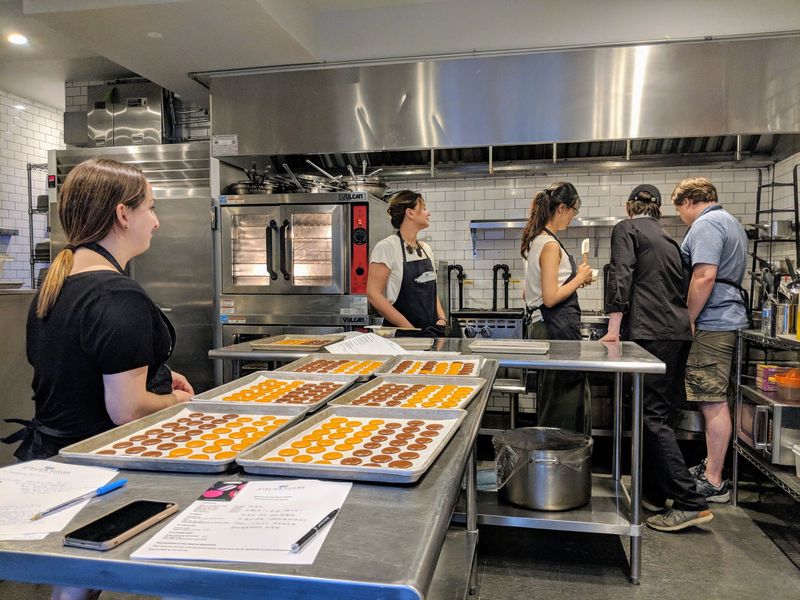
Croissants have a reputation for defeating home bakers. Three hours here changes that, and the proof rides home with you in a box.
The studio sits at 104 E 7th Street in the East Village, a clean and roomy space where each person gets a proper work station. Sessions cover the full lamination process, from folding the butter block through the final proof.
Rolling is the hard part, and everyone struggles with it at first. Instructors circle constantly, adjusting your technique and explaining exactly why the dough is fighting back.
Most classes turn out three different flavors, so you leave with variety rather than a dozen identical pastries. Plain, chocolate, and almond all make regular appearances.
Bagel classes run here too, taught with the same patience. Shaping a bagel by hand is oddly satisfying once somebody shows you the motion.
Chefs here clearly enjoy teaching as much as baking. Questions get real answers rather than a rushed nod, and the room stays welcoming whether you arrive alone or with a group.
Class sizes stay small on purpose. That means genuine attention instead of watching a demonstration from three rows back.
Doors stay open late, with sessions running through the evening seven days a week. Booking ahead matters since spots fill.
New York has plenty of one-off workshops. This one leaves you actually able to repeat the recipe at home, which is the whole point.
7. NY Cake – Chelsea, Manhattan
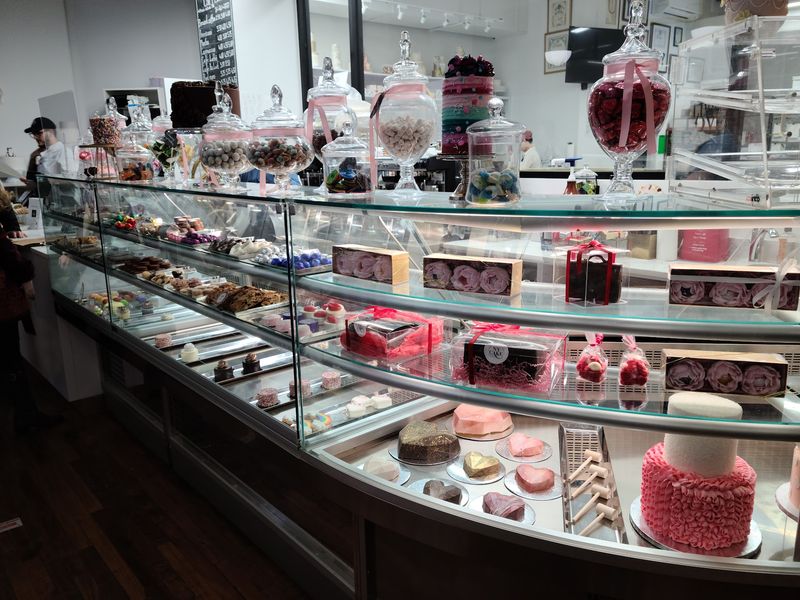
Baking supply shops usually sell you the tools and send you home guessing. This one built a teaching kitchen right in the middle of the store.
The shop occupies 118 W 22nd Street in Chelsea, with the glass-walled kitchen sitting near the front where you can watch classes in progress while you browse.
Macaron classes are the headliner. Two hours covers the batter, the resting, the piping, and the filling, which is roughly four opportunities for a macaron to go wrong.
You leave with a box of twelve, made from scratch by your own hands. Nobody swaps in a finished tray at the end.
Instructors include the owners themselves, which shows in how much they know about every ingredient on the table. Ask about chocolate tempering and you get a genuine lesson.
Private bookings work well for birthdays and office groups. Appetizers can be added on, which turns a class into a proper event.
The retail floor is dangerous after class. Molds, food coloring, decorating tools, and specialty chocolate fill shelf after shelf, and you will have just learned what half of it does.
Kids activities run here too, making it a solid family option rather than an adults-only night.
Weekday sessions stay calmer than weekends. Booking early matters for the popular topics.
Buying your supplies where you learned to use them is a rare convenience anywhere in New York.
8. Kitsby Studio – Tribeca, Manhattan
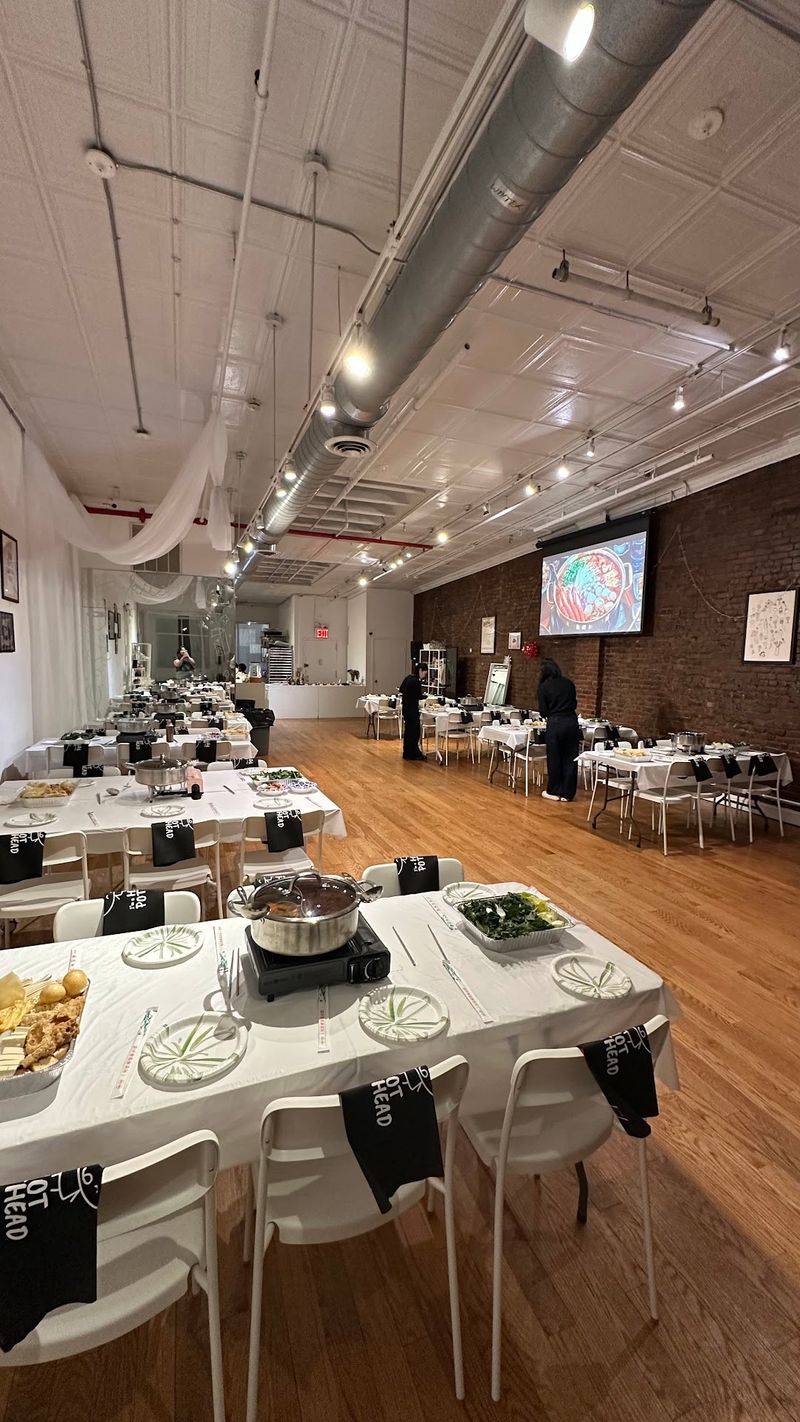
Character cakes and kawaii bagels sound like a novelty until you see the level of care involved. This studio takes cute seriously.
The space sits at 393 Broadway on the fifth floor, a bright studio that recently relocated and expanded its class lineup considerably.
Bagel workshops split students into small groups of four or five. You knead by hand, shape each one, and customize flavors and spreads, which makes the process genuinely yours rather than assembly line work.
Character pineapple cakes are another regular offering. Decorating tiny details takes patience, and instructors demonstrate each step before turning you loose.
Ingredients arrive pre-measured at every station. That removes the fussiest part and lets you focus on technique instead of scales.
Everything is beginner friendly by design. Nobody expects prior skill, and the pace stays relaxed enough for conversation while you work.
The studio runs on limited hours, opening Friday evenings and through the weekend. Planning around that schedule is essential.
Groups do well here. Bachelorette parties, birthdays, and friend outings all fit the format, and private bookings are available for larger crowds.
Everything you make comes home with you, which is the whole appeal. Photographing your creations before eating them is practically mandatory.
Hands-on classes like this fill a real gap in New York, where plenty of workshops involve more watching than doing. Here you do the work yourself, start to finish.
9. Home Cooking New York – SoHo, Manhattan
Great British Bake Off fans have somewhere to channel that energy. This studio runs classes built around classic bakes.
The kitchen sits above a diner at 158 Grand Street, and yes, you walk through the restaurant to reach the stairs. Once you are up in the space, that oddity disappears entirely.
A single three hour session can cover a Victoria sponge, a chocolate genoise, and scones. That is three distinct techniques in one afternoon, which is generous by any measure.
Instructors run organized and funny in equal parts. Recipes get explained rather than dictated, so you understand why each step matters.
Class sizes stay around ten people, which keeps personal attention realistic. Questions get answered properly instead of shouted over a crowd.
Multi-week bootcamps run for anyone wanting deeper skills. Those fill quickly and build genuine confidence over a month rather than an afternoon.
Grandparents and grandchildren turn up together regularly. The pace suits mixed ages without anyone feeling left behind.
Everything baked goes home with you, boxed and ready. Scones travel particularly well.
Virtual classes exist as an option, though the in-person sessions are where the technique corrections happen.
Booking through the studio directly works best, since popular topics disappear fast. New York has no shortage of cooking schools, and this one has earned its regulars through consistency rather than marketing.