
This Beautiful Illinois State Park Is Still Surprisingly Under The Radar
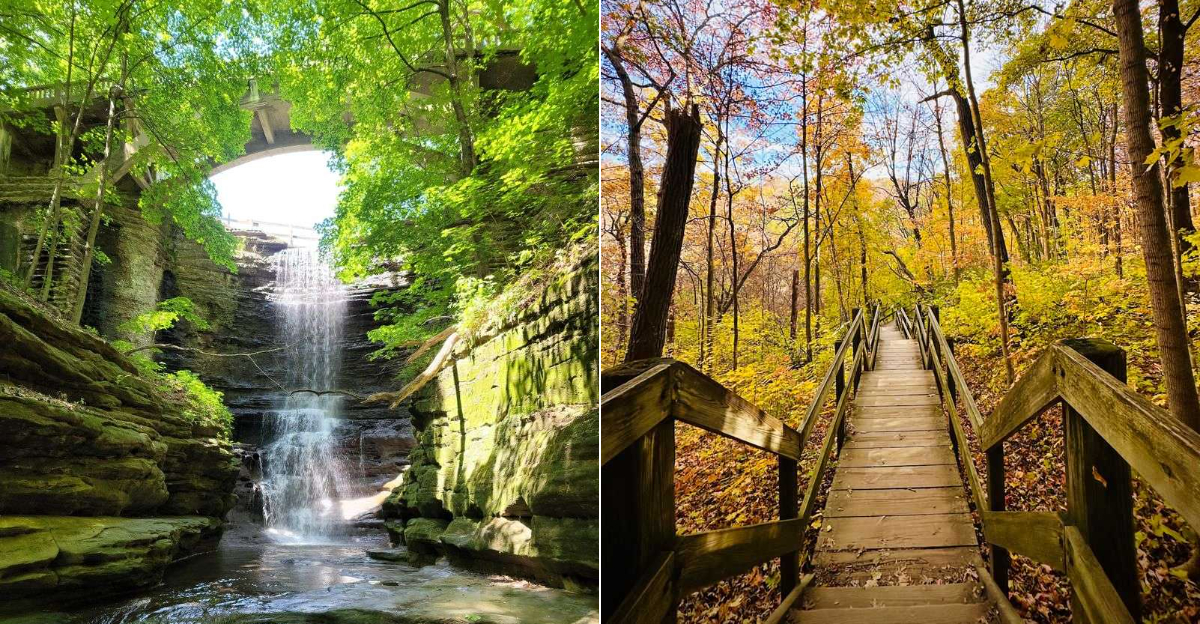
Illinois keeps one of its best outdoor secrets hiding in plain sight. Picture a canyon floor cooled by shade, a stream running over smooth stone, and a waterfall crashing down a wall of sandstone.
Most travelers drive right past it on their way to the famous park next door, which means you often get the trails almost to yourself. Stepping stones cross shallow creeks.
Staircases drop you deep into a gorge where ferns cling to rock painted in scarlet, silver, and rust. Deer wander the upper prairie.
Cliff swallows dart between nests in the canyon walls.
Every season rewrites the scenery here, from thundering spring melt to frozen icefalls in January. Chicago sits only about ninety minutes away, so a spontaneous weekend trip is easy to pull off.
Don’t forget to bring shoes with grip, a bottle of water, and a willingness to get your feet a little wet. Photographers love the arched stone bridge.
Families love the picnic areas and playground. Ready to find out why locals quietly call it their favorite hike in the state?
Canyons Carved By Water
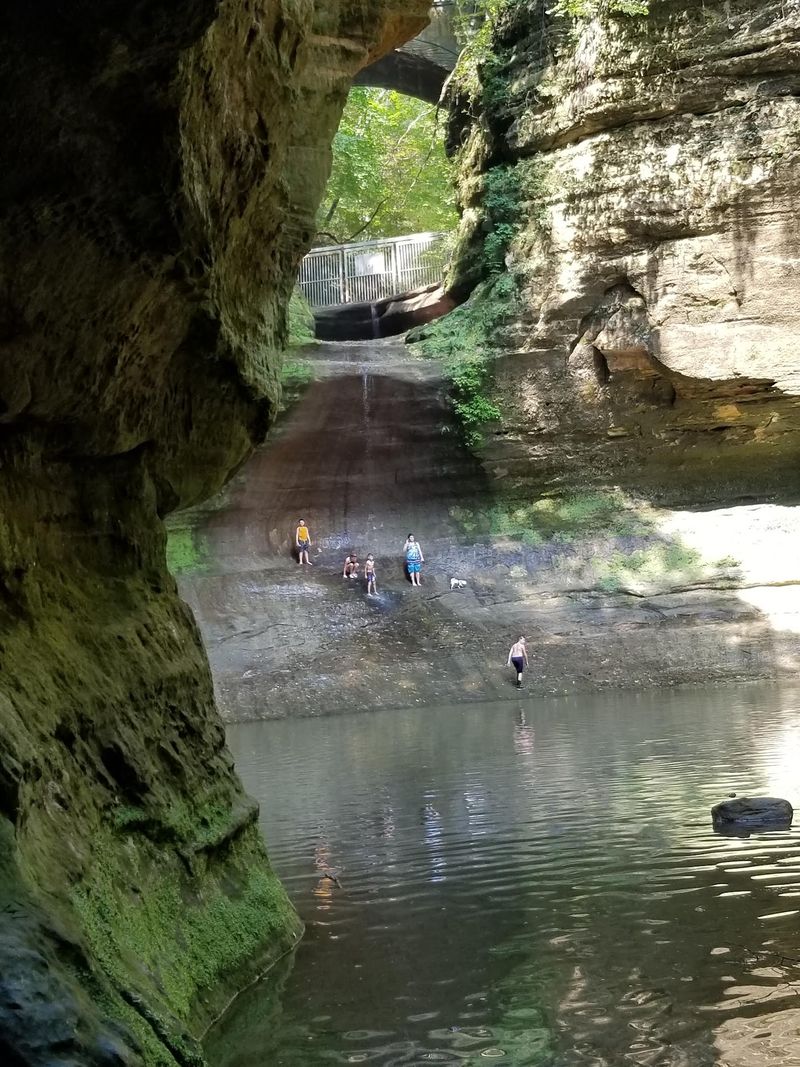
Water did all the work at Matthiessen State Park, and it took thousands of years. The canyons at the center of the park are called the Dells, split into an Upper and Lower section.
Both were carved slowly by creek water cutting through soft sandstone.
Walking through them feels like sneaking into a hidden hallway. The walls rise high on both sides.
Ferns and moss grip the damp rock, and the air stays noticeably cooler than the parking lot you just left.
Expect to hop across stepping stones placed in shallow water. Expect narrow passages where you turn sideways.
Some hikers even squeeze through small cave openings to reach a different view of a waterfall.
Spring rain makes the creek run higher, so the route gets muddy and slick. That is part of the fun, but only if your shoes can handle it.
Waterproof boots or old sneakers work far better than sandals.
Once you drop into certain sections, the only way out is forward and up another staircase. Plan your loop before you commit.
Trail maps sit at every major intersection, so you will not be guessing.
Photographers should aim for midday, when light drops straight into the gorge and lights up the colored rock. Illinois has few places that look anything like this.
Which canyon will you explore first, Upper or Lower?
Waterfalls Worth The Stairs
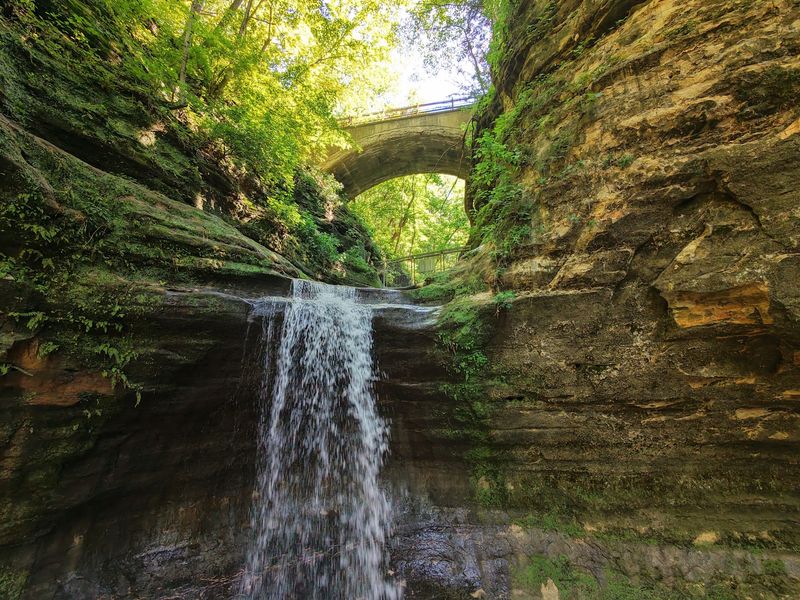
Three waterfalls headline the show here, and each one has its own personality. Lake Falls spills from Matthiessen Lake right at the top of the canyon.
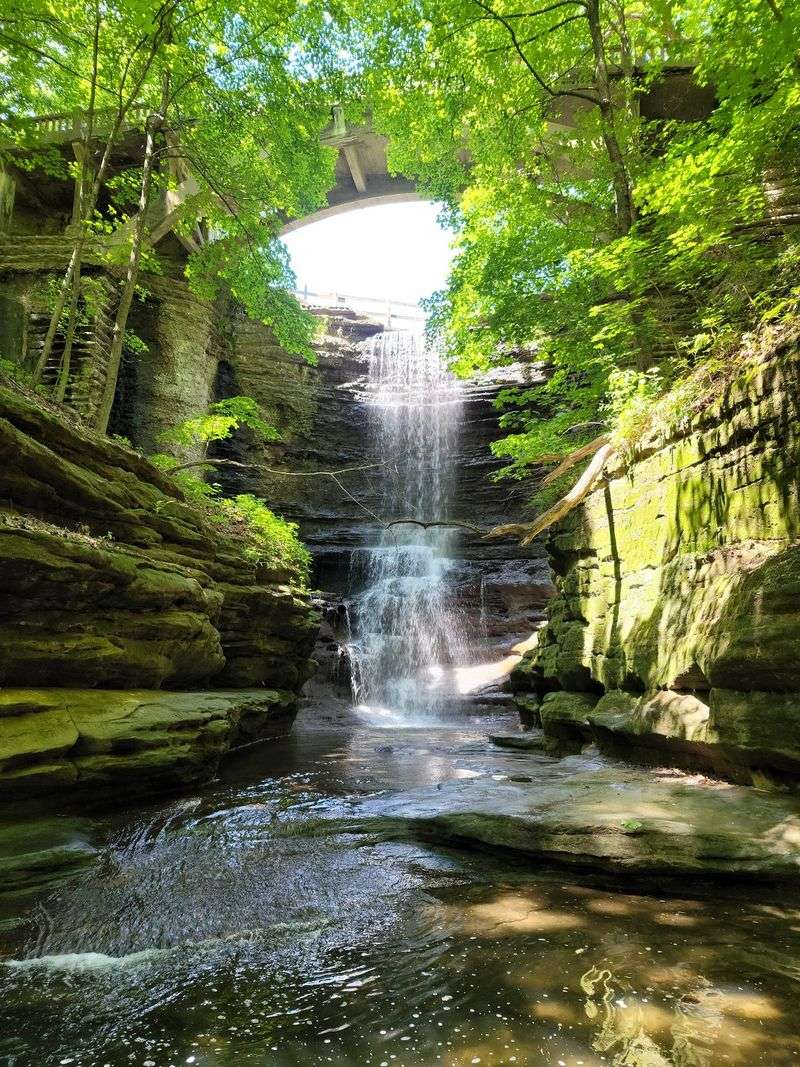
Cascade Falls drops a full 45 feet and marks the dividing line between the Upper and Lower Dells.
Then there is Giant’s Bathtub, with a name so odd you will remember it forever. The water carved a rounded basin into the rock, and it looks exactly like the nickname suggests.
Timing matters more than anything. Visit after a solid rain or during spring snowmelt and the falls roar.
Come during a dry August stretch and you may find a trickle instead.
Cascade Falls has two great viewpoints. A bridge above lets you look straight down into the plunge pool.
A trail below brings you close enough to feel the spray on your face.
Standing at the top of a waterfall and then hiking to its base is one of the best one-two punches in Illinois hiking. Many visitors say that alone is worth the drive.
Winter brings something wilder. The falls freeze into thick blue columns, and climbers occasionally show up with ropes and ice tools.
Bring traction spikes if you visit then.
Which falls will you photograph first, the tall drama of Cascade or the quiet curtain of Lake Falls?
Rock Walls Painted Naturally
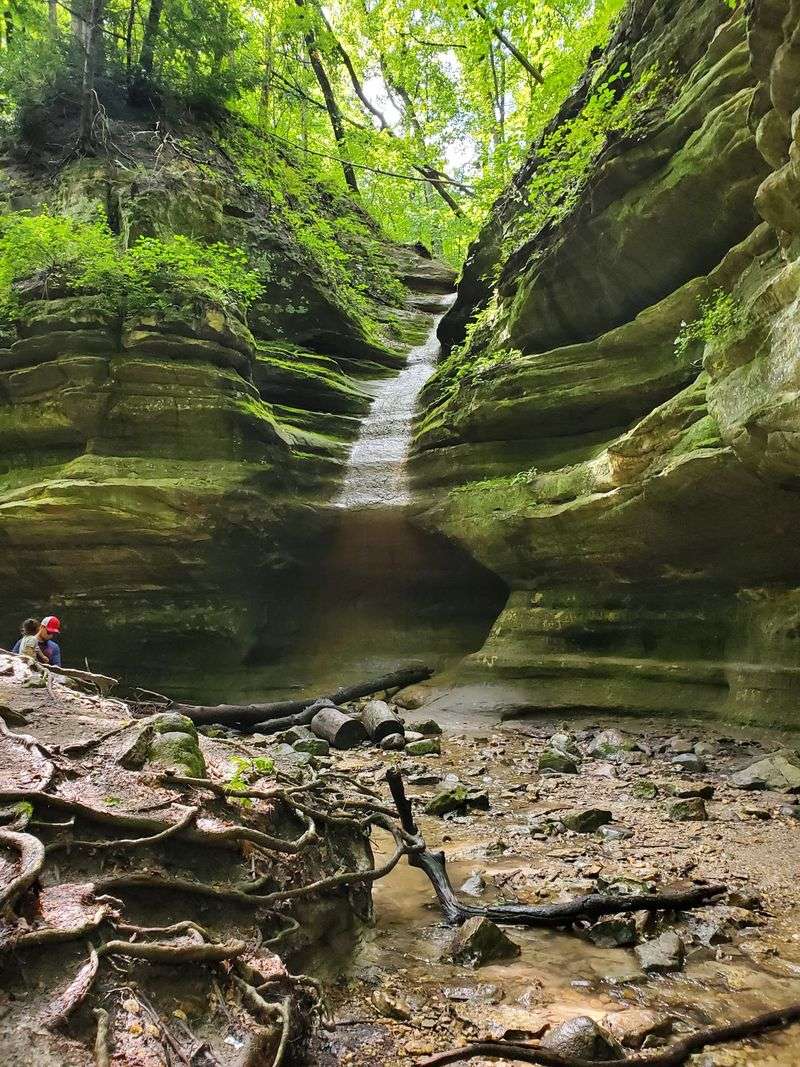
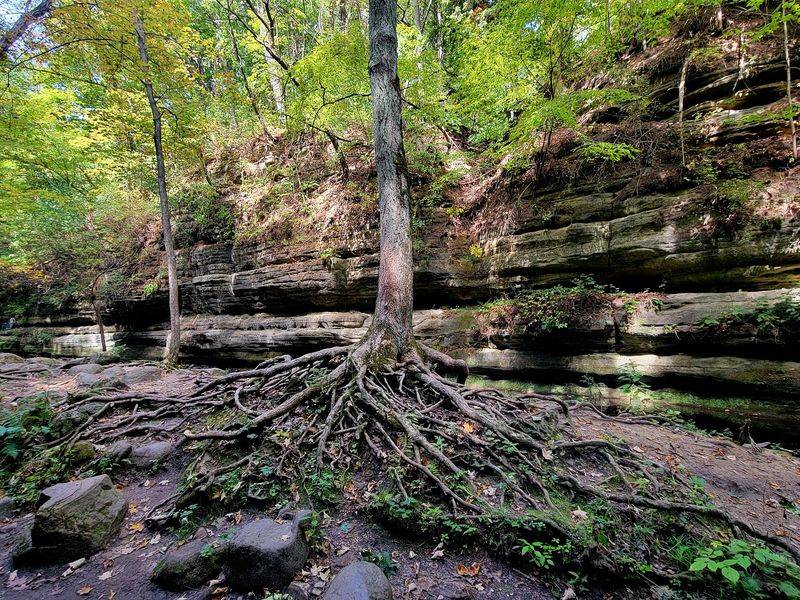
Look closely at the canyon walls and you will notice something strange. Long streaks of color run down the stone like spilled paint.
Groundwater carries dissolved minerals through the sandstone, and when it seeps out, it stains the rock.
One spot got nicknamed The Devil’s Paintbox because the coloring is so wild. Scarlet, rust, silver, and deep umber all show up in the same short stretch of wall.
Geology fans could spend hours here. Layer after layer of ancient sand shows the story of what this part of Illinois looked like long before anyone lived here.
Do not climb on the soft rock or carve into it. Sandstone crumbles easily, and damage lasts for generations.
Overcast days actually make the colors pop more in photos, since harsh sun washes out the reds. Rain also darkens the stone and deepens every shade.
Kids love hunting for the brightest patch of wall. Turn it into a scavenger game and the hike flies by.
What color combination will surprise you the most out there?
A Private Estate Turned Public
Back in the late 1800s, a wealthy industrialist named Frederick William Matthiessen bought this land and called it Deer Park. He was a businessman and philanthropist from LaSalle who wanted a private retreat.
He hired roughly 50 workers to build trails, bridges, stairways, and dams. Much of what you walk on today traces back to that original crew.
Those old concrete staircases are still remarkably solid after decades of freezing winters.
After he died, his family gave the land to the State of Illinois so everyone could enjoy it. The name officially changed to Matthiessen State Park in 1943.
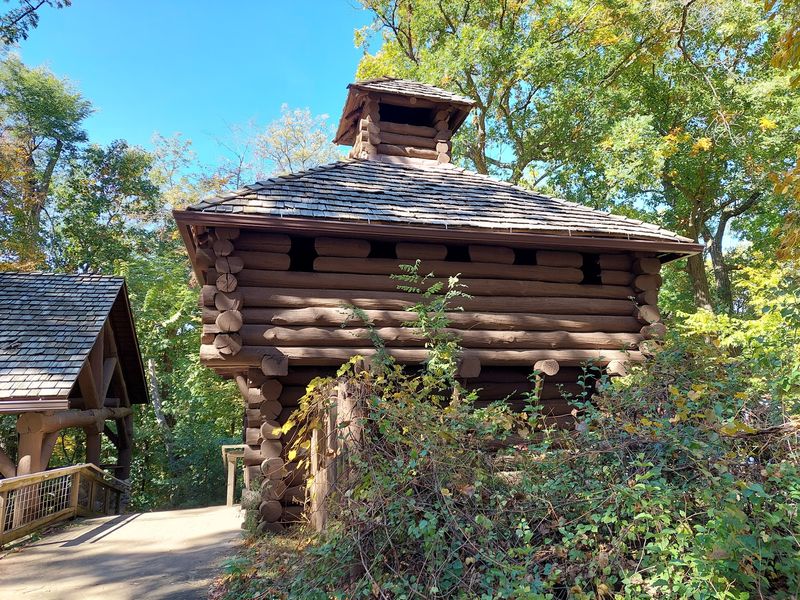
Near the main entrance sits a reconstructed log fort with a blockhouse and palisade. It represents the French fortifications built across the Midwest during the 1600s and 1700s.
Kids treat it like a playground for the imagination.
Interpretive signs scattered around the grounds explain the timeline in plain language. Read a few and the whole landscape starts to make more sense.
The arched stone bridge over the canyon is another leftover from the estate days. Walk across it, then walk beneath it, and you will understand why so many wedding photos happen here.
The park now covers around 1,938 acres. Does knowing one family shaped these trails change how you see them?
Trails For Every Comfort Level
More than 5 miles of marked hiking trails wind through the park, and they range from mellow to genuinely sweaty. Bluff-top paths stay mostly flat and hand you wide views over the gorge.
Canyon-floor routes make you earn it.
Stairs are the running theme. Hundreds of them.
Concrete in some places, wood in others, and they connect the upper world to the lower one.
That means the Dells are not friendly for strollers, wheelchairs, or unsteady walkers. Honest planning prevents disappointment.
Footing gets uneven and rocky, especially after rain. Trail shoes with real tread beat fashion sneakers every time.
A hiking pole helps on the slippery sections near the creek.
Mountain bikers and horseback riders get their own 9 miles of multi-use trails, keeping wheels and hooves away from foot traffic.
Large maps stand at each major junction, so you can reroute on the fly. Snap a photo of one with your phone before you drop into the canyon, since signal can be spotty down there.
Parking near the Dells fills up fast on nice weekends. Overflow lots sit nearby, so arriving before 9 a.m. saves you a headache.
Bring more water than you think you need. Will you take the easy ridge walk or commit to the canyon floor?
Wildlife Around Every Bend
The old name Deer Park still fits. White-tailed deer show up regularly along the quieter upper trails, especially in early morning and near dusk.
Cliff swallows steal the show inside the canyon. They build mud nests on the sandstone walls and zip back and forth all day long.
Sit on a rock for five minutes and you will lose count of them.
Near the water, look for frogs, toads, and salamanders. They hide under damp leaves and along the creek edges.
Red-tailed hawks circle overhead. Indigo buntings flash bright blue through the trees in warmer months.
Birders bring binoculars and rarely leave unhappy.
Snakes appear on the trails too. Most are harmless species like the American racer, which is fast and far more scared of you than you are of it.
Give it room and it will move along on its own.
The shaded, damp canyon walls grow mosses, liverworts, and ferns that you rarely see elsewhere in Illinois. Some of those plants prefer cooler northern climates and only survive here because the gorge stays chilly.
Pets are welcome, but keep them leashed and pack out what they leave behind.
A quiet pace reveals far more than a fast one. What creature would make your day if you spotted it?
Four Seasons, Four Adventures
Show up in April and the canyon is loud. Snowmelt and spring rain push the falls to full strength, wildflowers open along the bluffs, and birdsong fills the woods.
Just accept that your shoes will get soaked.
Summer flips the mood. The gorge stays shaded and cool while the prairie above bakes in the sun.
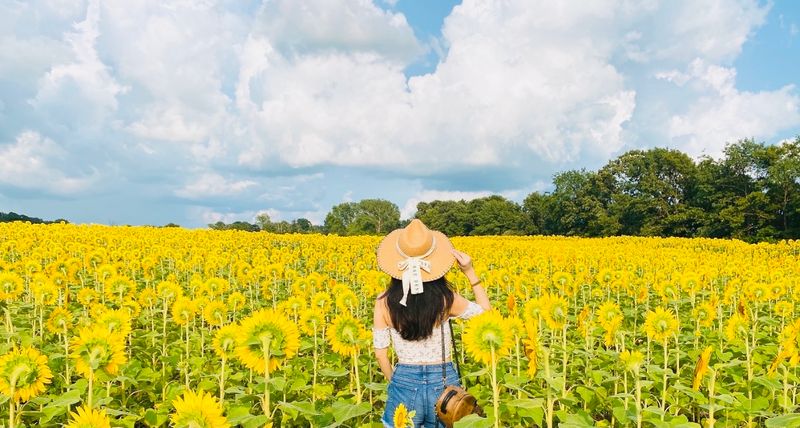
Sunflower fields near the River Area bloom later in the season, usually well past mid-July.
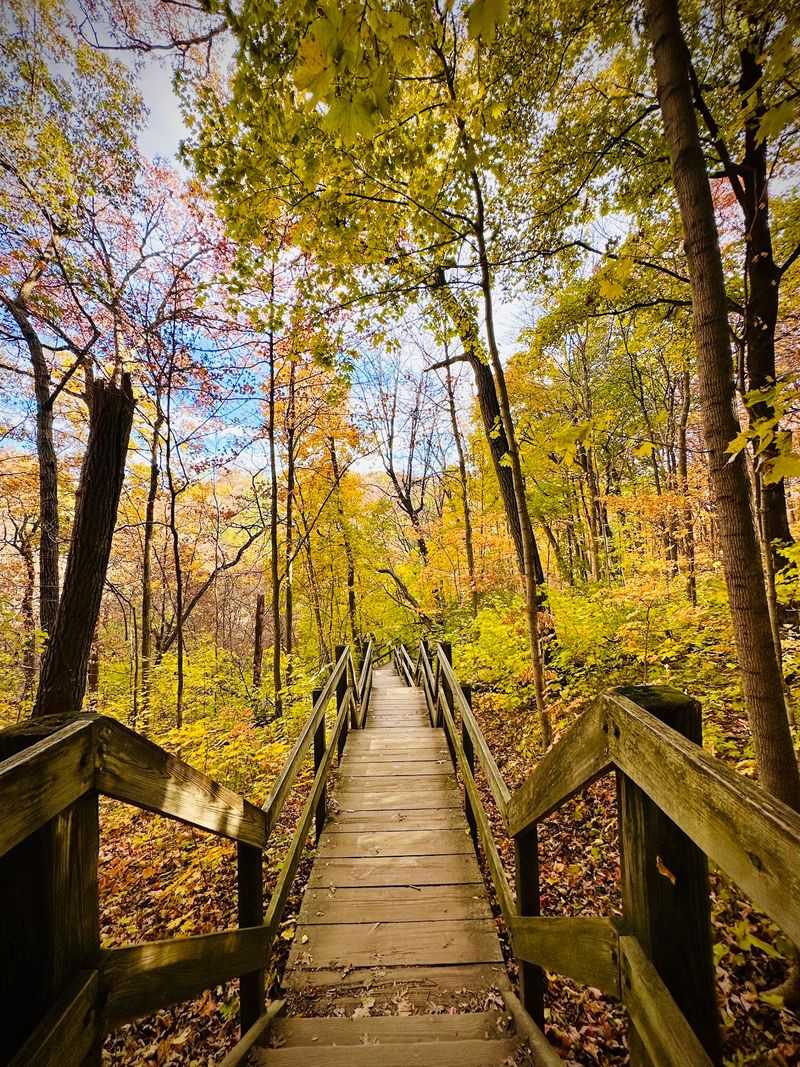
Autumn might be the crowd favorite. Maples and oaks light up gold and red above the canyon rim, and the contrast against the pale sandstone is striking.
Then winter quiets everything. Frozen waterfalls become icy sculptures. Some visitors bring crampons and climb them.
Everyone else just stares.
Weekday visits beat weekend visits in every season. Fewer cars, quieter trails, better photos.
Restrooms have been known to go out of service, with portable toilets filling the gap, so plan accordingly before you arrive.
Illinois rarely gets credit for dramatic landscapes, but this park makes a strong case four times a year. Which season are you booking your first trip for?
Beyond Hiking, Plenty More
Not everyone wants to conquer a canyon, and that is fine. Picnic areas come stocked with tables, grills, and playground equipment, making them an easy landing spot for families with young kids.
Pack lunch and eat near the parking area after a morning hike. Plenty of regulars swear that is the best part of the day.
A field archery range sits in the northwestern part of the park for anyone who likes testing their aim.
Over in the Vermilion River Area, hobbyists gather at a radio-controlled model airplane field. Watching those little planes buzz overhead is oddly entertaining, even if you never touch a controller.
Horseback riders get 9 miles of multi-use trails, though you will need to bring your own horse.
Matthiessen Lake welcomes canoes and kayaks. Personal equipment is required since there are no rentals, but paddling that calm water with the falls nearby is a peaceful way to spend an afternoon.
Photographers should not miss the stone bridge or the fort area. Both work beautifully in soft evening light.
Illinois packs a surprising amount into these 1,938 acres. Which activity are you adding to your list first?