There is something about Italians and food that defies explanation. No matter what they make, it lands on the table like a small ceremony.
Growing up in New Jersey, surrounded by Italian-American kitchens, I thought I understood what good food meant. I was wrong.
The real thing is something else entirely. Every dish carries a quiet confidence.
Every bite tells you that someone, somewhere, cared deeply about what ended up on your plate. The simplest ingredients become something you cannot stop thinking about.
A bowl of pasta, a piece of bread, and a glass of juice were served without hesitation. They set it down in front of you, smile, and say “Buon appetito” like it is the most natural thing in the world.
And then you take the first bite and understand exactly why they smiled. You sit down as a stranger and rise as someone who finally understands what all the fuss was about.
Italian food does not try to impress you. It just does.
History Of Culinary Traditions
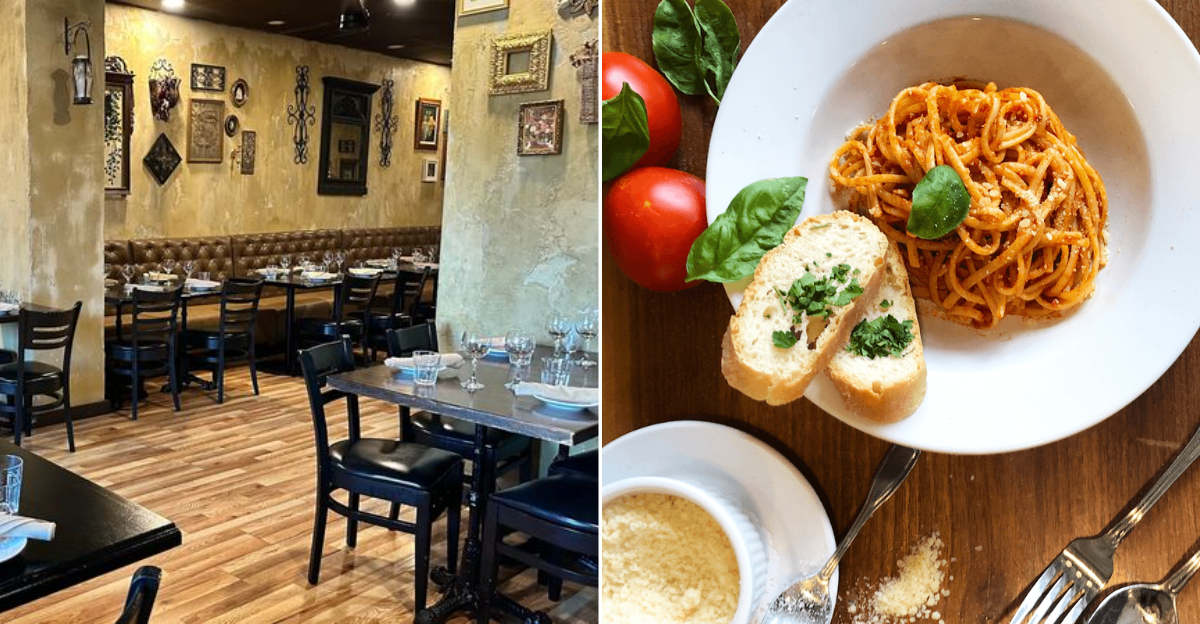
This Italian restaurant has roots that go back to 2004, when Chef Albertino first opened on East Passyunk Avenue in South Philadelphia. That original address was already legendary in its own neighborhood.
The Gallelli family brought their South Philly Italian cooking traditions with them when they moved the restaurant south.
They reopened in South Jersey in 2018, and by June 2021, they had landed in Collingswood at 612 Haddon Ave, Collingswood, NJ 08108, United States. Each move carried the same family recipes forward.
Nothing got lost in translation.
Chef Albertino handles the kitchen with the kind of focus that only comes from decades of cooking the same way. His daughter Maria works alongside him as Sous Chef.
Their mother, Maria, bakes the bread and desserts from scratch every single day.
This is not a restaurant that chases food trends. The menu stays rooted in traditional Italian cooking methods.
Every dish reflects a family that genuinely believes in the food they serve. That belief started in Philadelphia, and it never stopped.
Signature Ingredients And Their Uses
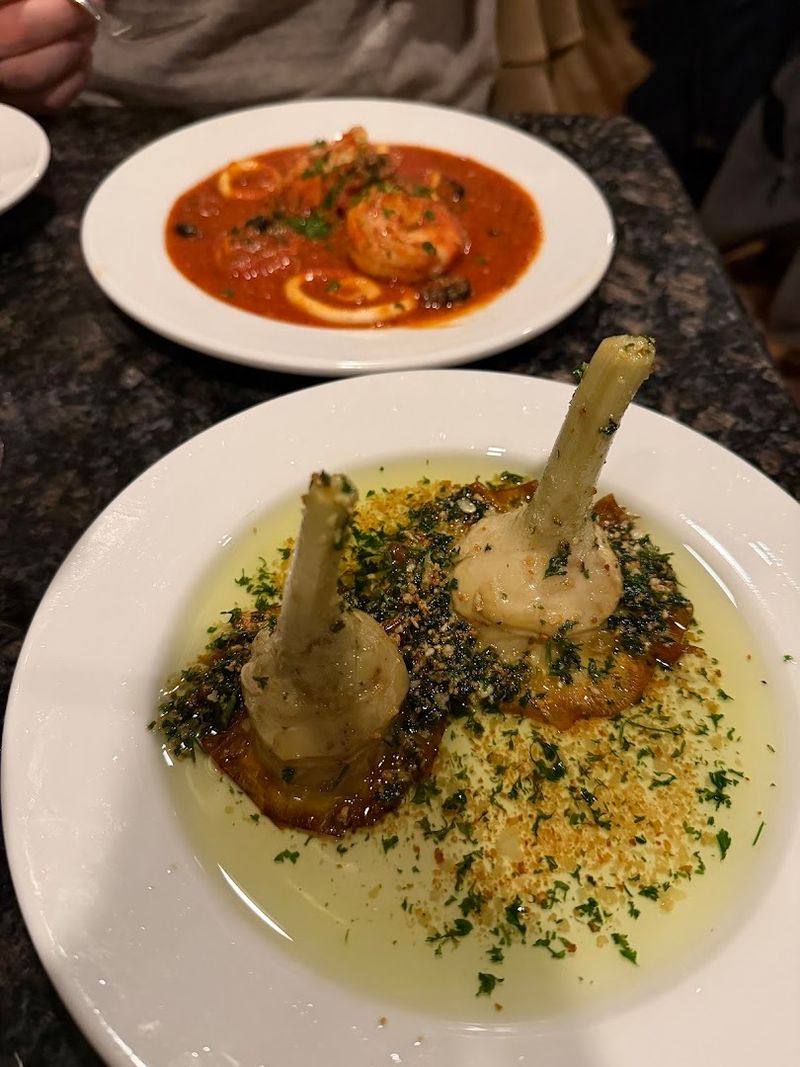
Chef Albertino builds his dishes around ingredients that actually matter. You can taste the difference immediately.
The double bone-in Berkshire pork chop is one of the clearest examples of this philosophy in action.
Berkshire pork is a heritage breed known for its rich marbling and deep flavor. It cooks differently from standard pork.
The result is a chop that stays juicy and tender without much effort to convince you it is the best you have ever had.
Artichokes show up as a standout appetizer here, too. Prepared in oil and garlic, the leaves come out crispy and full of flavor.
It is a simple preparation that trusts the ingredient to do the heavy lifting.
The kitchen also relies on quality olive oil, fresh garlic, and herbs that actually smell like something. These are not pantry afterthoughts.
They are the backbone of nearly every plate that comes out of this kitchen. When your ingredients are this good, you do not need to overthink the cooking.
The Gallelli family clearly understands that concept better than most restaurants operating in New Jersey today.
Classic Pasta Varieties And Preparation Techniques
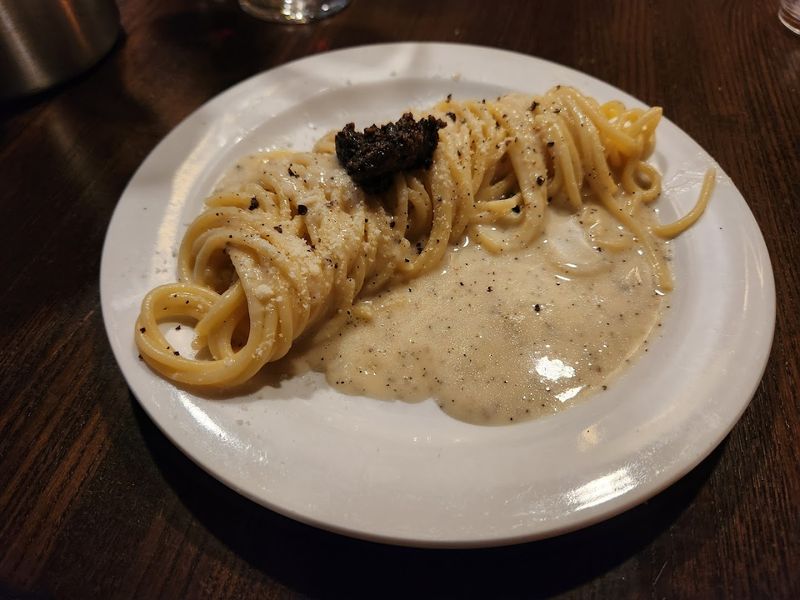
Pasta Wednesday is basically a holiday at Albertino’s. The Cacio e Pepe gets served tableside inside an actual cheese wheel on Wednesday and Thursday evenings.
Watching it happen is half the experience.
The pasta gets tossed directly inside a hollowed-out wheel of aged Pecorino or Parmesan. The heat from the pasta melts the cheese coating along the inside of the wheel.
Every strand picks up that sharp, nutty flavor as it gets folded together.
Reservations for Pasta Wheel Wednesday fill up fast. Seriously, do not assume you can walk in.
Call ahead and lock down your spot before the week even starts.
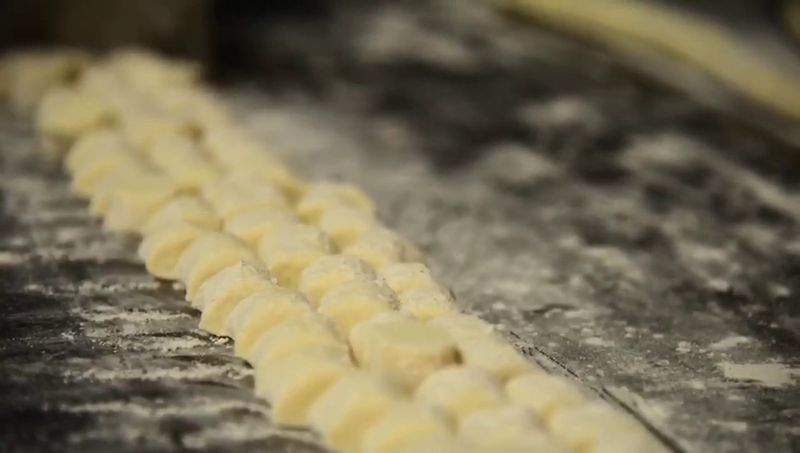
Beyond the cheese wheel, the menu features Gnocchi, Linguine ai Frutti di Mare, and other handcrafted pasta options. Each variety gets prepared with a technique that respects how the pasta should actually behave on the plate.
Gnocchi should be soft and light, not dense and gummy. Linguine should hold its sauce without drowning in it.
This kitchen gets those details right consistently, which is exactly why people keep coming back week after week.
Ways To Pair Fresh Herbs And Vegetables
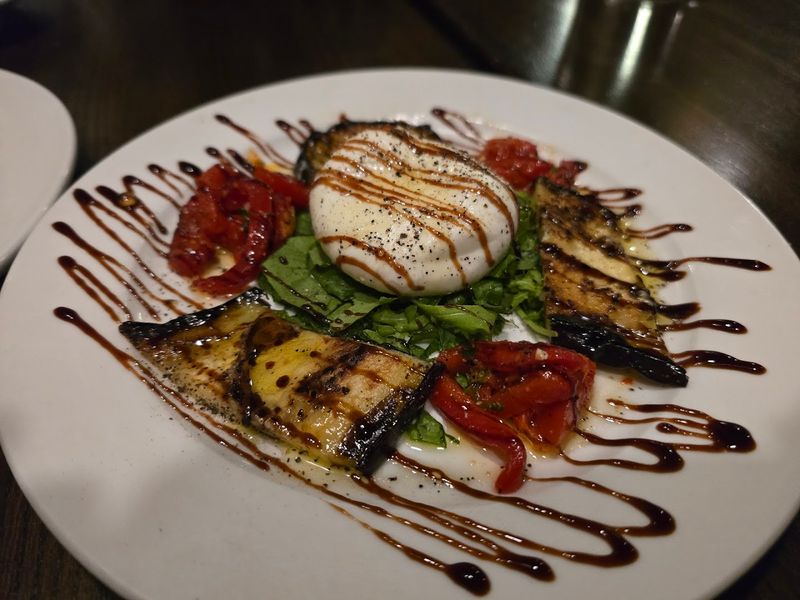
Herbs are not decoration at Albertino’s. They are functional, flavor-forward, and used with real intention.
The kitchen treats fresh oregano, basil, and parsley as essential tools rather than optional garnishes.
One of the seasonal specials that has impressed diners features tomatoes, olive oil, red onions, and oregano as a salad starter. That combination sounds simple on paper.
But when the tomatoes are ripe, and the oregano is fresh, the whole thing becomes something you want to keep eating.
Artichokes paired with garlic and oil show how vegetables can anchor a dish without needing meat or heavy sauce. The beet salad with cheese and mint is another example of this approach.
Sweet, earthy beets need something bright to balance them out. Mint does exactly that.
Pairing herbs with vegetables correctly requires understanding what each ingredient needs. Robust herbs like rosemary handle heartier vegetables.
Delicate herbs like mint and basil work better with lighter, fresher produce. The Gallelli kitchen applies this logic naturally across the menu.
Every vegetable-forward dish here feels considered rather than accidental, which makes even the simplest plate worth ordering on its own.
Secrets Behind Authentic Sauces
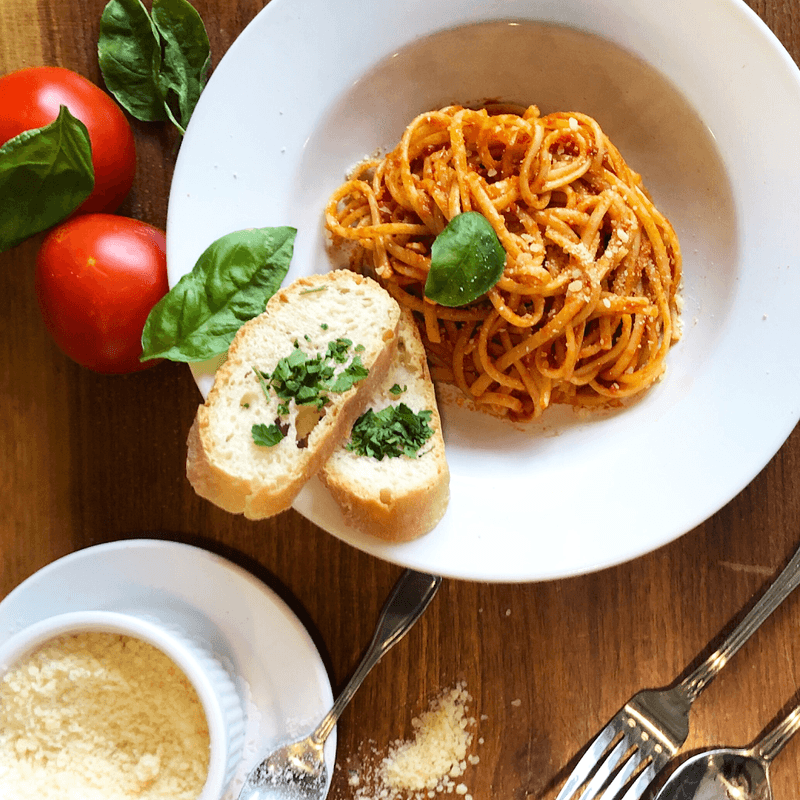
A great Italian sauce does not need a long ingredient list. It needs patience, quality tomatoes, and someone who actually knows when to stop adding things.
The red sauce at Albertino’s has earned serious praise from people who grew up making their own at home.
Getting a red sauce right means understanding acidity, sweetness, and salt balance. Too much of any one element throws the whole thing off.
The Gallelli kitchen has clearly worked out that balance over many years of cooking.
The Cacio e Pepe sauce is a completely different animal. It relies on pasta water, aged cheese, and black pepper to create something creamy without using a single drop of cream.
The technique matters more than the ingredient list here. Timing is everything.
Vitello di Albertino is another dish where the sauce plays a central role. Veal dishes require sauces that complement without overwhelming the meat’s natural flavor.
The kitchen handles this with a steady hand. Every sauce served here feels like it was made by someone who has cooked it hundreds of times and still cares about getting it right every single service.
Traditional Desserts And Their Origins
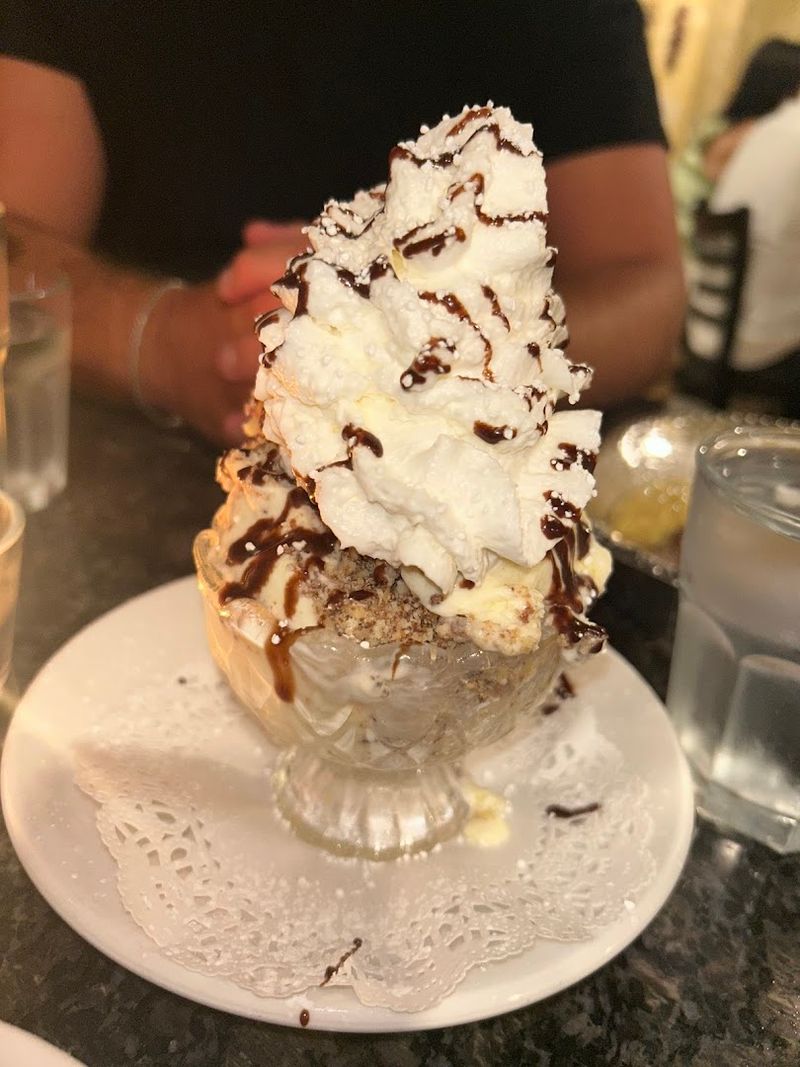
Maria, the matriarch of the Gallelli family, makes every dessert from scratch. That detail alone separates this restaurant from most places claiming to serve homemade Italian sweets.
She is the reason the dessert menu feels like a grandmother’s kitchen rather than a pastry case.
The icebox cake is one of those desserts that fewer and fewer restaurants bother to make anymore. It is a layered, no-bake dessert with deep roots in American Italian home cooking.
Finding it on a restaurant menu is genuinely rare.
The lemon mascarpone cake brings together the brightness of citrus and the richness of mascarpone in a way that feels balanced rather than heavy. Pistachio cannoli round out the dessert options with a nod to Sicilian pastry traditions.
Cannoli originated in Sicily and have been a staple of Italian American celebrations for generations.
Strawberry shortcake also makes appearances on the menu, tasting exactly like the kind made at home rather than assembled from a box. Dessert reservations are actually a real thing here.
The icebox cake in particular sells out. Call ahead if you want to guarantee your slice at the end of the meal.
Regional Cheeses And How To Enjoy Them
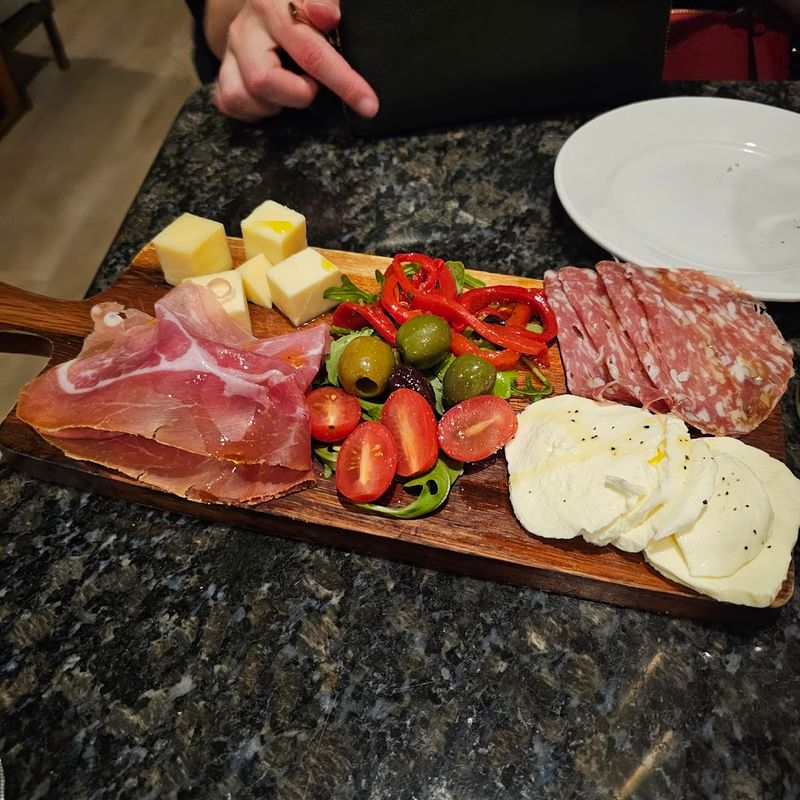
Cheese is practically a main character at Albertino’s. The entire Cacio e Pepe experience is built around an aged cheese wheel that does double duty as both cooking vessel and flavor source.
That is a pretty bold way to feature an ingredient.
Cacio e Pepe translates directly to cheese and pepper. The cheeses traditionally used are Pecorino Romano and Parmesan.
Both are aged hard cheeses with sharp, salty profiles that melt into pasta water to form a silky coating on every strand.
Burrata has also made a strong impression here. Burrata is a fresh Italian cheese made from mozzarella and cream.
It originates from Puglia in southern Italy and has a soft, almost liquid center that spills out when you cut into it. Pairing it correctly means keeping the accompaniments simple so the cheese stays the focus.
Stuffed mozzarella is another cheese-forward option that diners have highlighted. Fresh mozzarella has a mild, milky flavor that works well with bold toppings like roasted peppers or herbs.
The key to enjoying regional Italian cheeses is resisting the urge to overcomplicate them. The Gallelli kitchen understands this principle and applies it across the menu with real confidence.
Bread Types And Baking Methods
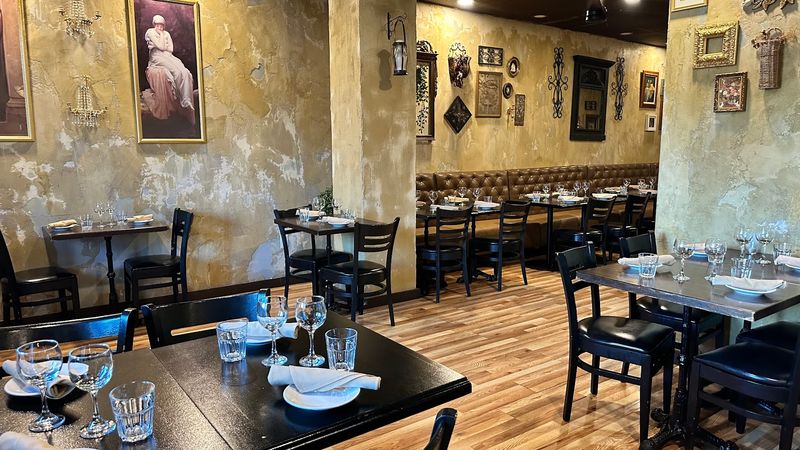
Maria bakes the bread at Albertino’s, and that fact matters more than it might seem at first. Homemade restaurant bread is genuinely uncommon.
Most places order it from a supplier and call it a day. This family actually bakes theirs in-house.
The bread basket arrives at the table as a companion to appetizers, and diners have specifically noted using it to soak up the oil from the artichoke dish. That kind of pairing is not accidental.
Good bread is designed to work with the food around it.
Italian bread traditions vary widely by region. Northern Italy leans toward crustier, airier loaves.
Southern Italy tends toward denser, chewier bread with a slightly more pronounced flavor. The Gallelli family comes from South Philadelphia with Neapolitan and southern Italian roots, which likely influences the style and texture of what Maria bakes.
Baking bread from scratch daily requires commitment. The dough needs time to develop flavor and the right oven temperature to build a proper crust.
There are no shortcuts that produce the same result. The fact that this family maintains that standard every single service day says a lot about how seriously they take every element of the meal from the very first bite forward.